
Reviewed · MāORI CULTURAL TOURS
Mitai Maori Village: Cultural Experience and Dinner Buffet
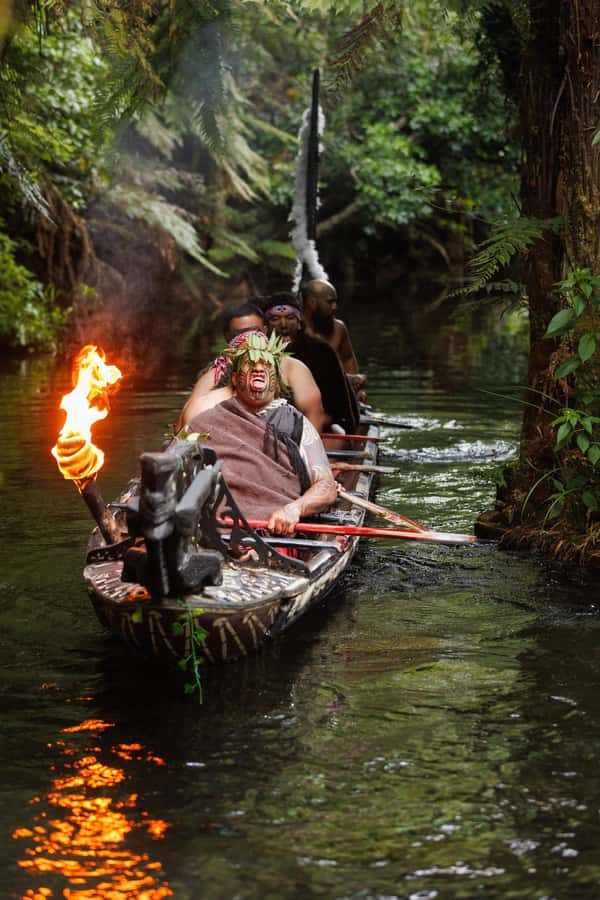
Rotorua’s Mitai Maori Village begins with a warrior canoe gliding down a dark forest stream, paddles dipping in time with chanting. It is a strong opening, and it gives the evening a real sense of place before the stage performance and buffet begin. You are not simply watching a concert in a hall. You are moving through bush, water, story, and food in one carefully timed visit.
I like the passion of the cultural presentation, especially the haka, poi work, songs, and explanations of Maori customs. I also like the hangi buffet, which is generous and better than the ordinary food often served at large evening shows. The main drawback is visibility: some seats farther back can have a poor view of the performance, and the forest walk is difficult for wheelchair users.
Key points to know before booking
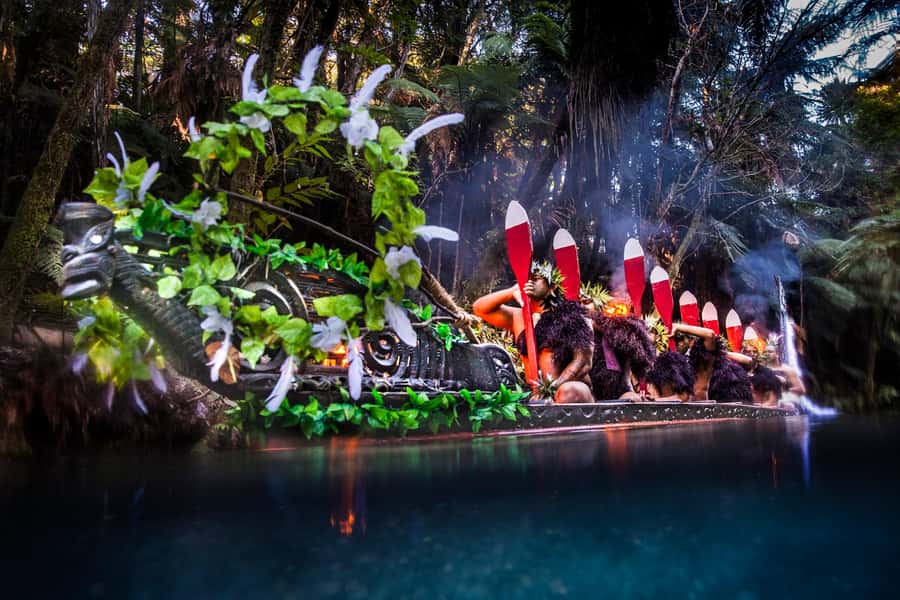
- The waka arrival is a highlight: Warriors paddle an ancient-style canoe down the Wai-o-whiro stream while chanting.
- The hangi is plentiful: Expect earth-cooked meats, poultry, vegetables, salads, and desserts, with drinks sold separately.
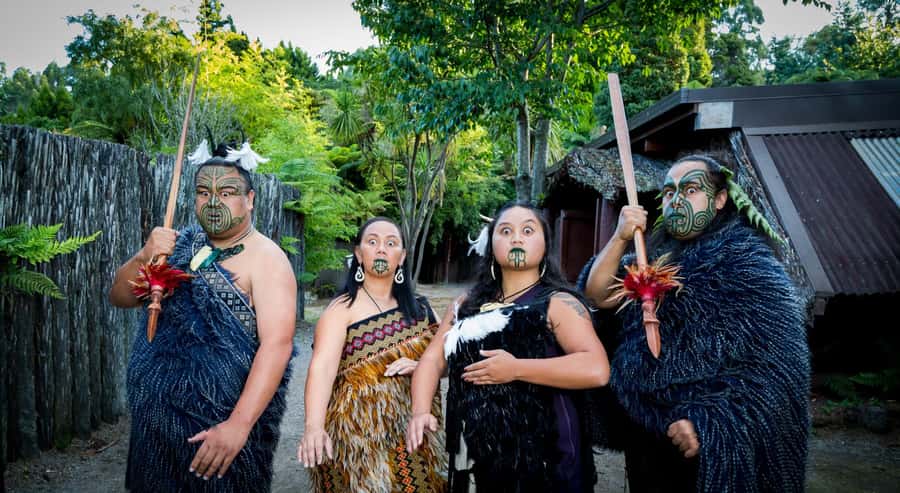
- The evening has real cultural context: A guide explains customs, rituals, ta moko, the haka, and the meaning of entering a sacred site.
- The bush walk adds atmosphere: You can see the sacred spring and old pā site, and glow worms may be visible in the dark.
- It suits most families and first-time visitors: Children are welcome with an accompanying adult, but unaccompanied minors are not allowed.
- Plan for uneven ground and cool weather: Flat walking shoes and a jacket are sensible, particularly in winter.
The waka arrival sets the tone
Mitai Maori Village is at 196 Fairy Springs Road, a short distance from central Rotorua. If you arrange transport, pickup is available from registered Rotorua accommodations, subject to availability. The evening lasts about three hours, usually in the late afternoon or evening, with winter pickup times listed from 5:15pm to 5:45pm and summer pickup from 5:45pm to 6:15pm.
The welcome begins in a bush setting rather than beside a plain restaurant. You may be greeted by Maori women before the group receives an explanation of the rules for entering the sacred area. Your party then selects a chief to represent those visiting the village. This is a small but effective touch. It gives someone in your group a role and makes the arrival ceremony feel like a meeting between communities, not just a ticketed show.
The first major sight is the waka, or canoe, appearing on the Wai-o-whiro stream. Warriors in traditional dress paddle toward the viewing area, accompanied by chanting. The water, trees, and low light do much of the work here. You are close enough to see the movement of the paddles, yet the scene still has a solemn, almost theatrical quality.
For me, this is one of the best reasons to choose Mitai. The canoe sequence is not just a photo stop. It links the cultural presentation to the natural setting and gives the evening a clear beginning. Try to arrive ready to listen rather than treating the first part as a quick pre-dinner display.
More Māori Cultural Tours in Rotorua
- Cultural Experience & Seasonal Māori Cuisine at Te Pā Tū
★ 5.0 · 1,546 reviews - Mitai Maori Village Cultural Experience in Rotorua
★ 4.5 · 1,294 reviews - Rotorua: Te Pa Tu Māori Cultural Experience with Dinner
★ 4.8 · 1,193 reviews
A forest walk with a sacred spring and glow worms
The walk through the bush is short but important. It takes you toward a sacred spring and an old pā, or village site, below the forest. The path has uneven surfaces, and the exit into the forest includes stairs, so comfortable flat shoes are much better than dress shoes or smooth-soled sandals.
The spring is described as crystal clear, and the walk gives you a quieter pause between the canoe arrival and the concert. This part helps explain why the site matters. Maori culture is presented here alongside the stream, trees, and spring, not separated from the natural world.
Glow worms are another possible reward. You may see them in their natural habitat during the darker part of the walk, though conditions and access can vary. The activity information specifically warns that wheelchair users will not be able to reach the glow worms because of the stairs and uneven forest route. Wheelchair access is limited to viewing the waka from a platform, a short route toward the old pā, and seeing the sacred spring below the forest.
Bring a jacket in winter, and dress for rain or changing weather. The outdoor parts continue even when the evening is damp. One visitor described enjoying the event despite rain, but wet conditions can make the ground less comfortable and may affect what you can see.
The performance explains more than the haka
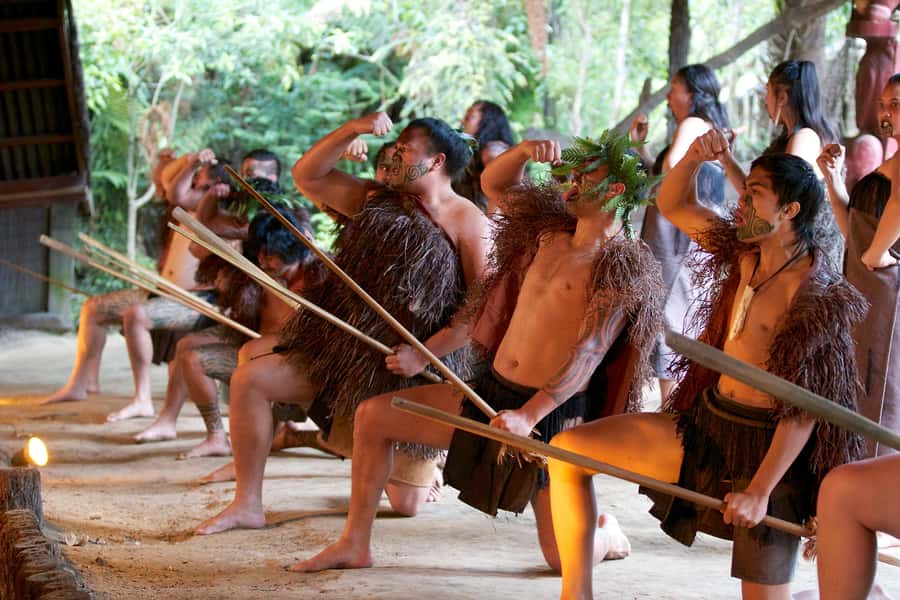
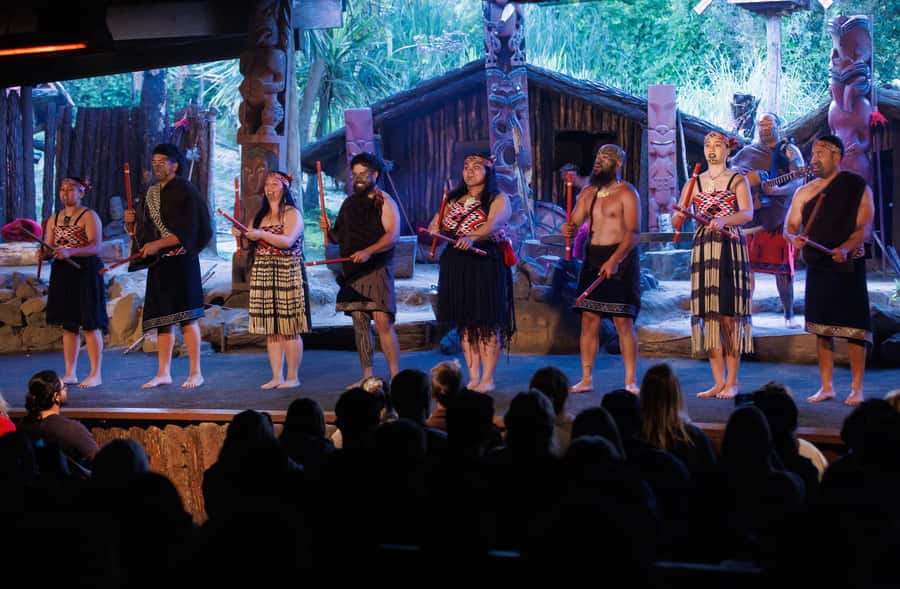
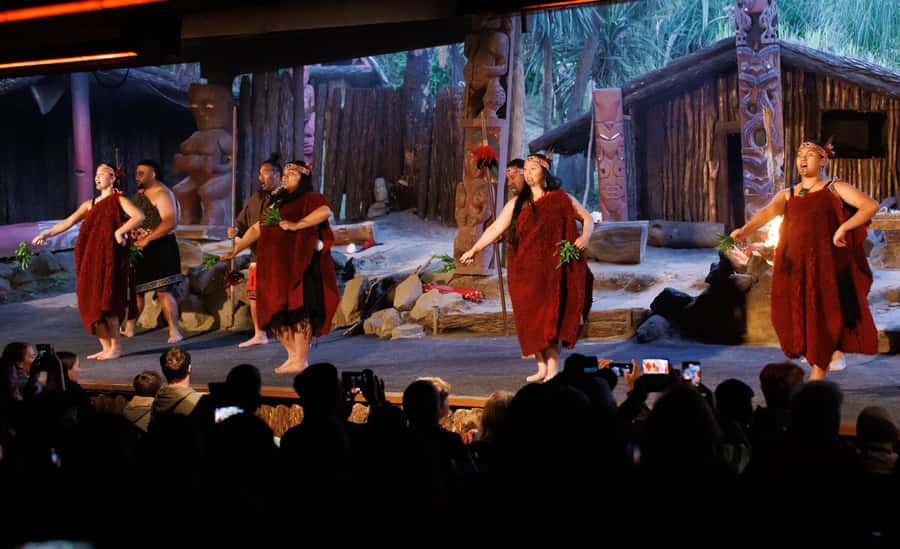
The concert is the main indoor or seated portion of the evening. It includes songs, dances, explanations of Maori customs, and the haka, the famous war dance marked by forceful movement, shouted words, facial expressions, and stamping.
The haka is the obvious crowd favorite, but I would not reduce the performance to that one piece. The songs and dances by the women are an important part of the program, and the performers also demonstrate traditional gestures, weapons, and poi work. The tone moves between serious teaching, ceremony, music, humor, and high-energy performance.
The cultural explanations are delivered in English by a live guide. Guides have been praised for bringing energy and care to the subject, and the host helps explain how Maori culture has changed over the centuries while still remaining meaningful today. This context matters. Without it, the haka can become a dramatic spectacle with little understanding behind it. With the explanations, you can better appreciate the movements, chants, and customs you are seeing.
The program is tightly organized and moves at a good pace, but the amount of spoken material can affect the evening. Questions and answers may run longer than expected, and one practical issue is that people at the back may struggle to hear or see everything. If the layout allows you to choose a place, aim for a central position with a clear line toward the stage. A higher stage would improve the view for those behind the middle rows.
The event is suitable for families, including children such as a nine-year-old, but the content is not designed as a children’s-only show. Younger children need an accompanying adult, and unaccompanied minors are not permitted.
Seeing the hangi come out of the earth
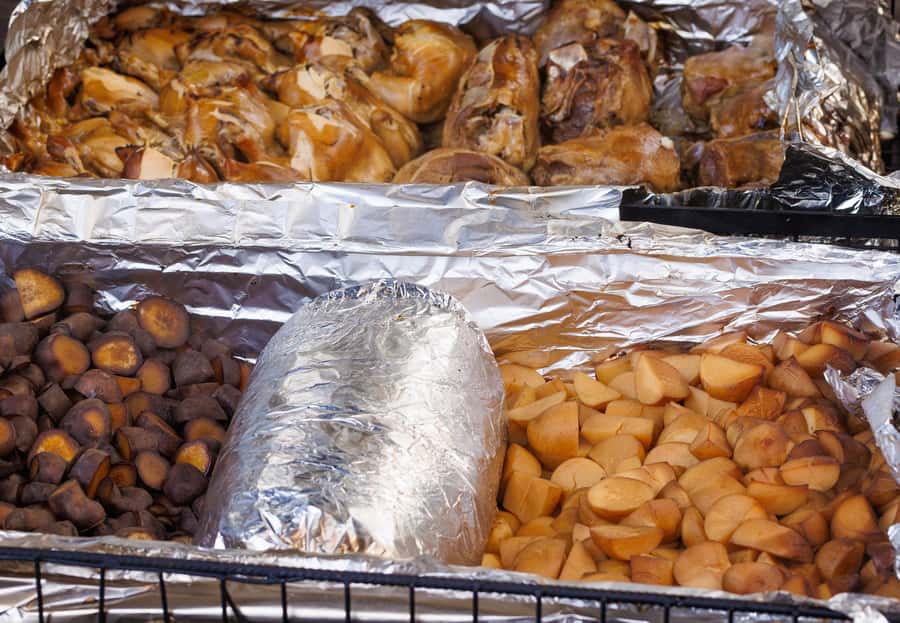
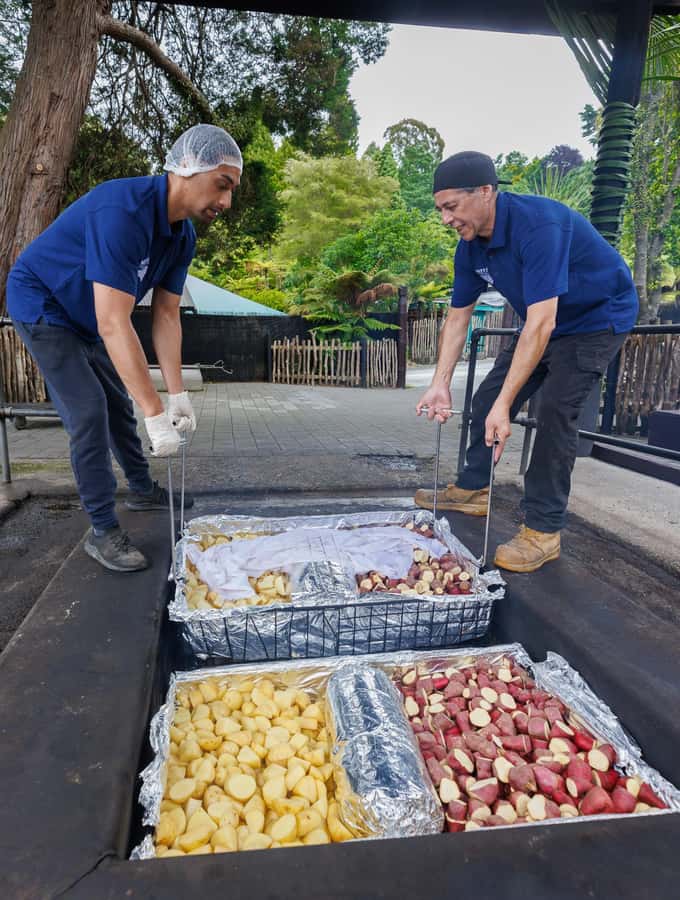
The hangi is the evening’s second major event. A traditional hangi cooks food in an earth oven, and you watch the feast being lifted from the ground before it is served buffet-style.
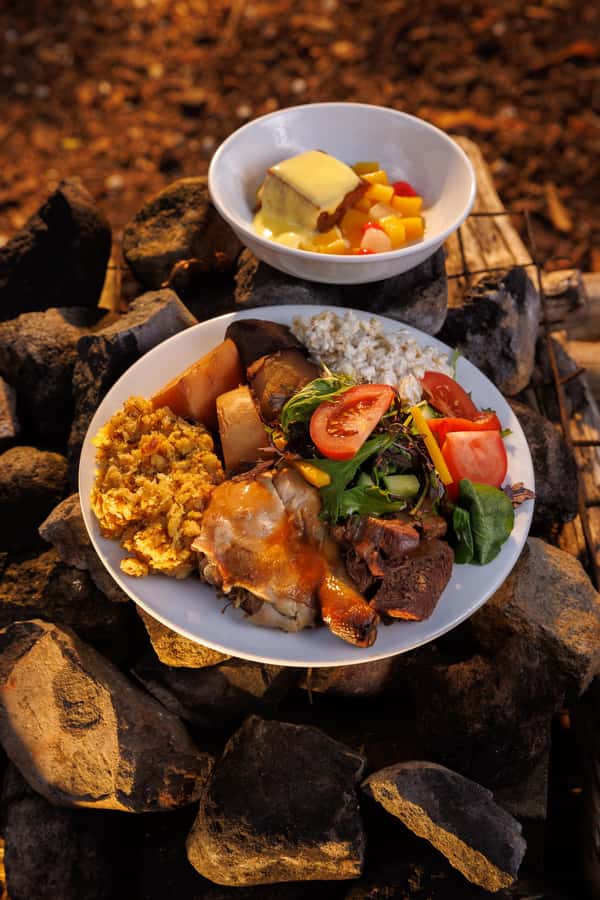
Expect succulent meats and poultry, vegetables, fresh salads, and desserts. The selection is broad enough to suit different tastes, and the portion sizes are generous. Several people singled out the food as a surprising strength, particularly for a buffet. The meal is not just a plate added to the cultural show. Watching the hangi being uncovered gives you a direct connection to the cooking method and to the communal nature of the evening.
The food quality can vary slightly by dish. The meats are generally well received, though some diners found certain pieces dry. Potatoes and the hangi flavors receive especially warm attention, and the desserts are described as good and plentiful. If you have dietary restrictions, ask staff directly. Gluten-free, dairy-free, and egg-free needs were accommodated for at least one diner, but labeling of allergens and vegetarian dishes could be clearer.
A useful practical tip: when the buffet opens, serve yourself promptly. The guide may resume speaking while people are eating, and you may not have an easy chance to return for more food during the explanations. Drinks are not included, but they can be purchased on site.
At $101 per person, the price is not cheap, but it covers a three-hour cultural program, the outdoor sequences, the concert, and a full dinner. If you were paying separately for an evening meal and a professional performance in Rotorua, the combined cost would likely be similar. The value is strongest if you want both the meal and the cultural presentation. If you only want a short haka performance, this is more time and money than necessary.
More Māori cultural evenings and village visits:
- Whakarewarewa Village Guided Tour
★ 4.5 · 477 reviews - Te Puia: Te Rā Guided Day Tour
★ 4.6 · 396 reviews - Te Puia: Te Rā Guided Experience
★ 4.5 · 332 reviews - Rotorua: Whakarewarewa Village Guided Tour
★ 4.7 · 311 reviews
What the evening gets right, and where it falls short
The strongest feature is the way the parts fit together. The welcome introduces the rules and customs, the waka connects the program to the stream, the walk shows the spring and pā site, the concert explains Maori performance traditions, and the hangi finishes the evening with food. It feels planned rather than like several unrelated attractions placed side by side.
The staff and performers also make a difference. The atmosphere is warm, proud, and welcoming, and there is time to ask questions. The best guides combine clear explanations with humor and enthusiasm. That personal delivery is why the same basic schedule can feel much more meaningful than a recorded presentation.
The weak points are mostly practical. Sight lines can be poor from farther-back seats. Sound can also be uneven, particularly if you are well behind the guide or seated near a noisy drinks fridge. The final walk may take place in darkness, which adds mood but makes it harder to see buildings and follow a long explanation.
The glow worms are not guaranteed for every visitor. If that sight is your main reason for booking, treat it as a possible extra, not the core of the evening. The canoe arrival, performance, and hangi remain the reliable center of the program.
Pickup is convenient when available, but it is not guaranteed without a registered Rotorua accommodation location at the time of booking. Drivers wait no longer than five minutes after the scheduled pickup time, so be ready early. If your accommodation is not registered, contact Mitai Maori Village about another meeting arrangement or go directly to Fairy Springs Road.
Who will enjoy Mitai Maori Village most
I would choose this experience if you are visiting Rotorua for the first time and want a clear introduction to Maori culture without arranging several separate activities. It works particularly well for couples, families, and visitors who want dinner included rather than hunting for a restaurant after a long day.
It is also a good choice if you value explanation as much as spectacle. The guide-led talks cover customs, rituals, the role of a chief, ta moko, traditional performance, and the changing Maori experience. You get enough background to understand what you are seeing, though the evening is still designed to entertain.
You may want to look elsewhere if you dislike group performances, buffet meals, or scheduled programs. The event is organized and shared with other people, so it does not offer the quiet, private pace of a small cultural visit. Anyone with limited mobility should contact the provider before booking, since the forest section includes stairs and uneven surfaces.
The event is conducted in English, and the listed activity includes free cancellation up to 24 hours before the start time. Reserve and pay later is also available, which helps if your Rotorua plans are still shifting.
Should you book Mitai Maori Village?
Yes, if you want a well-rounded Rotorua evening that combines Maori culture, nature, performance, and a substantial meal. The waka arrival and haka provide the drama, while the guide’s explanations and the forest walk give the event more substance. The hangi is a real part of the value, not an afterthought.
Book with realistic expectations about seating, weather, and glow worms. Try to arrive early, choose a central viewing place when possible, wear flat shoes, and bring a jacket. If you can accept those small compromises, Mitai Maori Village is a strong choice for your first evening of Maori cultural experiences in New Zealand.
FAQ
How long does the Mitai Maori Village experience last?
The cultural experience lasts three hours, including the welcome, outdoor activities, cultural performance, and hangi buffet dinner.
How much does the experience cost?
The listed price is $101 per person.
Where does the experience take place?
The meeting point is 196 Fairy Springs Road, Fairy Springs, Rotorua 3015.
Is hotel pickup included?
Pickup and drop-off from registered Rotorua accommodations may be included, subject to availability. If your accommodation is not registered, contact Mitai Maori Village for another option.
What happens during the waka canoe sequence?
Warriors in traditional dress paddle an ancient-style warrior canoe down the Wai-o-whiro stream while chanting.
What food is served at the hangi buffet?
The buffet includes earth-cooked meats and poultry, vegetables, fresh salads, and desserts. Beverages are not included but are available to purchase.
Are drinks included in the price?
No. Beverages are available to buy separately.
Can I see glow worms?
You may see glow worms during the forest walk, but they are not guaranteed. Wheelchair users cannot reach the glow-worm area because the forest route includes stairs and uneven surfaces.
Is the activity wheelchair accessible?
Accessibility is limited in the bush section. You can view the waka from a platform and travel a short distance toward the old pā and sacred spring, but the forest exit includes stairs and uneven surfaces.
What should I wear?
Wear flat walking shoes and comfortable clothing. A jacket is recommended during winter, and you should dress for the weather because part of the experience takes place outdoors.
More Dinner Experiences in Rotorua
- Te Puia: Te Pō Indigenous Evening Experience with Dinner
★ 4.5 · 89 reviews - Lake Rotoiti Evening Kayak Tour including Hot Springs, Glowworm Caves and BBQ Dinner
★ 5.0 · 60 reviews - Rotorua: Evening Starlight Gourmet Kayak Tour with dinner
★ 5.0 · 6 reviews - Te Puia: Te Pō Combo: Te Rā, Dinner, and Haka Performance
★ 4.6 · 5 reviews
More Buffet Experiences in Rotorua
- Te Puia: Te Pō Evening Hāngī Buffet and Cultural Experience
★ 4.7 · 189 reviews - Milford Sound Cruise: Stunning Views & Optional Picnic or Buffet
★ 4.5 · 217 reviews - Queenstown: Lake Cruise to Walter Peak Farm with BBQ Buffet
★ 4.8 · 66 reviews
Just added around Rotorua
- Thrilling Riverbug Adventure on the Rangitāiki River★ 5.0 · 4 reviews
- Te Puia: Te Pō Combo: Te Rā, Dinner, and Haka Performance★ 4.6 · 5 reviews
- Te Puia: Te Rā Guided Day Tour and Haka Performance★ 5.0 · 4 reviews
- Rotorua: Waimangu Volcanic Valley Ticket & Self-Guided Walk★ 4.8 · 104 reviews
- Rotorua: White Island, Mount Tarawera & Waimangu Volcanic …★ 4.4 · 5 reviews
- Rotorua: Velocity Valley – Two Ride Pass★ 4.6 · 8 reviews
- Rotorua: Wai Ariki Hot Springs & Spa 1hr Restorative Bathing★ 4.8 · 16 reviews
- Rotorua: Velocity Valley – One Ride Pass★ 4.9 · 15 reviews
Māori Cultural Tours, compared.
Cultural Experience & Seasonal Māori Cuisine at Te Pā Tū
Read our review →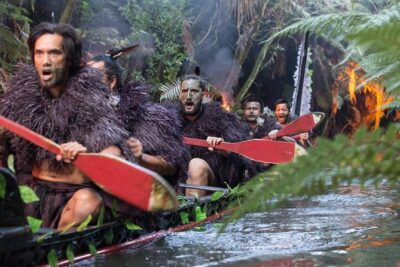
Mitai Maori Village Cultural Experience in Rotorua
Read our review →
Te Pa Tu Māori Cultural Experience with Dinner
Read our review →
Lake Taupo: Sailboat Trip to the Maori Rock Carvings
Read our review →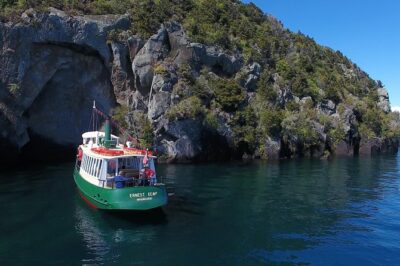
Lake Taupō Māori Rock Carvings Scenic Cruise aboard Ernest Kemp
Read our review →
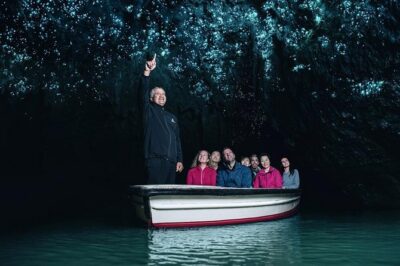
Waitomo Caves & Rotorua – Te Puia Small-Group Tour from Auckland
Read our review →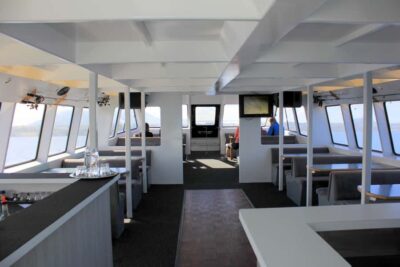
Lake Taupo: Maori Rock Carvings 10.30 AM 1.5-Hour Cruise
Read our review →Browse the lists this tour appears in