
Reviewed · MāORI CULTURAL TOURS
Te Puia: Te Rā Guided Day Tour and Haka Performance
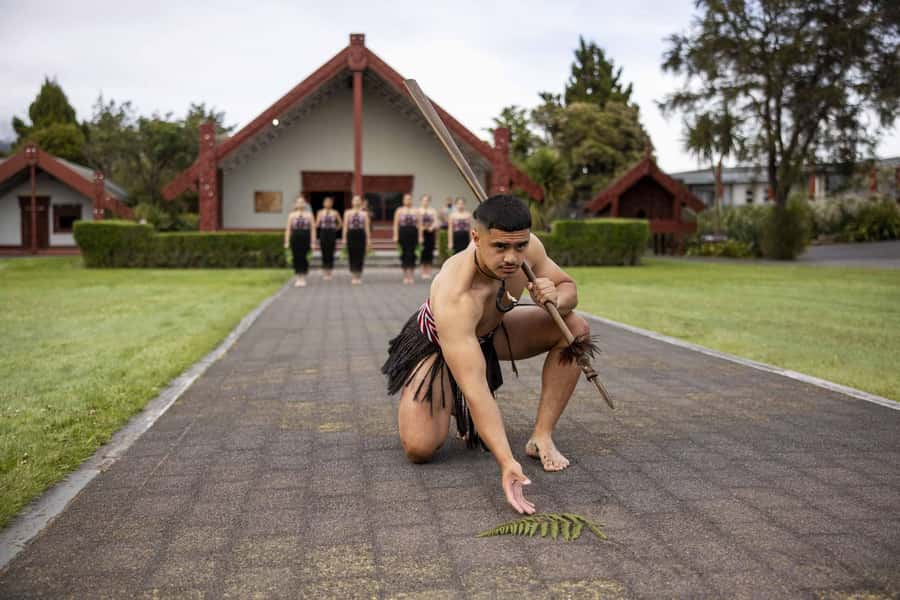
Rotorua’s geothermal steam and Māori culture come together at Te Puia, where Pōhutu Geyser provides the natural drama and a traditional performance gives the visit its human heart. You move from bubbling earth and native wildlife to carving, weaving, song, and haka in one compact outing.
I like the way the tour connects the land to Māori tradition rather than treating them as separate attractions. I also like the chance to see working national carving and weaving schools, not just finished objects behind glass. The main caution is timing: the activity is advertised as one hour, yet the walking portion is described as 90 minutes before the performance, so check the schedule when booking.
Key points to know before you go
- Pōhutu Geyser is the natural centerpiece: See one of Rotorua’s best-known geothermal sights as part of a guided walk.
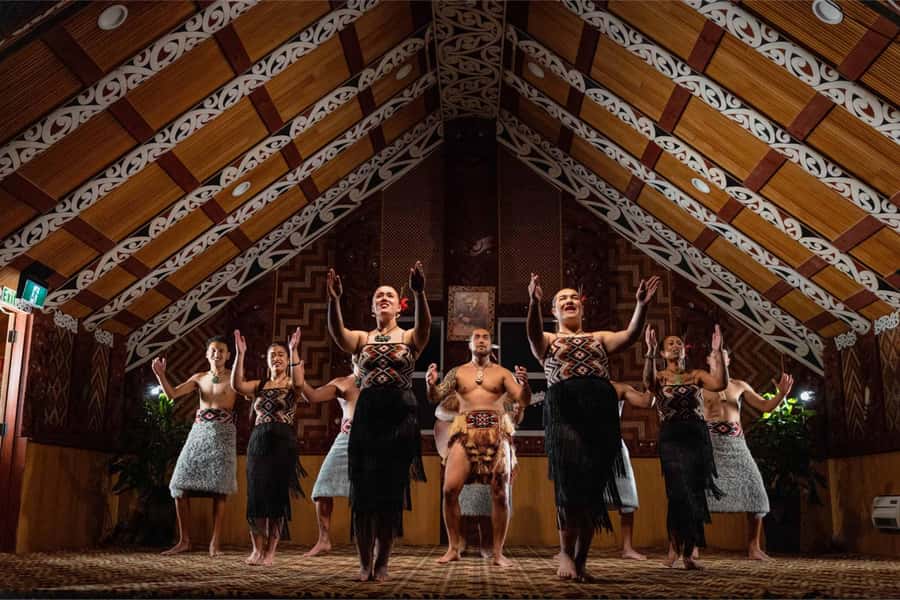
- The cultural performance has real structure: Expect a pōhiri welcome, waiata, mōteatea, poi, and haka in Te Aronui a Rua meeting house.
- You visit active Māori arts schools: Watch carving and weaving take place at the New Zealand Māori Arts and Crafts Institute.
- The Kiwi Conservation Centre adds wildlife to the visit: This is more than a geothermal walk and stage show.
- The $79 price covers several major stops: The ticket includes the guided walk, performance, geyser area, kiwi centre, and arts institute.
- Plan for outdoor walking: Bring comfortable shoes, water, a hat, and sunscreen, and ask ahead about mobility needs.
Why Te Puia works as a Rotorua introduction
If you have only a short time in Rotorua, Te Puia gives you a useful first look at several things that define the region. You see geothermal activity, learn about Māori customs, encounter New Zealand’s famous flightless bird, and watch a live cultural performance.
That range is the tour’s strongest point. Many Rotorua activities focus mainly on hot pools and geysers, while others center on food or performance. This experience links the physical setting with Māori identity and artistic practice, so you get more context for what you are seeing.
The setting matters. Rotorua’s geothermal ground is not simply a scenic backdrop. It helps explain why people have lived in and used this area for generations. Your guide shares Māori traditions, ancestry, and local stories during the walk, giving the hot springs and steam vents a human connection.
You should also set realistic expectations. This is a guided introduction, not a full-day cultural study or a long backcountry walk. At $79 per person, it aims to give you a broad sample in a short period. That makes it useful for first-time visitors, families, and people building a busy Rotorua day.
More Māori Cultural Tours in Rotorua
- Mitai Maori Village: Cultural Experience and Dinner Buffet
★ 4.7 · 3,575 reviews - Cultural Experience & Seasonal Māori Cuisine at Te Pā Tū
★ 5.0 · 1,546 reviews - Mitai Maori Village Cultural Experience in Rotorua
★ 4.5 · 1,294 reviews
Beginning at the Pōhutu Geyser
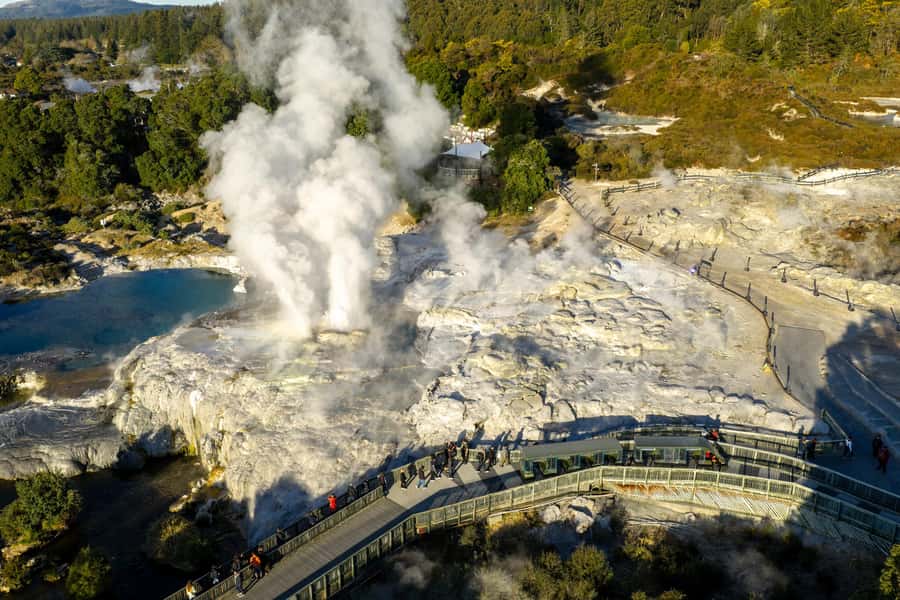
The guided walk takes you into Te Puia’s geothermal valley, with Pōhutu Geyser as its best-known natural sight. The geyser is one of the iconic features of Rotorua, and seeing it with a guide helps give the area more meaning than a quick photograph would.
Geothermal areas can look deceptively calm. Steam rises, the ground changes color, and pools shift between stillness and activity. Stay on the marked route and listen closely to instructions. This is a place where the earth is active, and the walking paths exist for both safety and preservation.
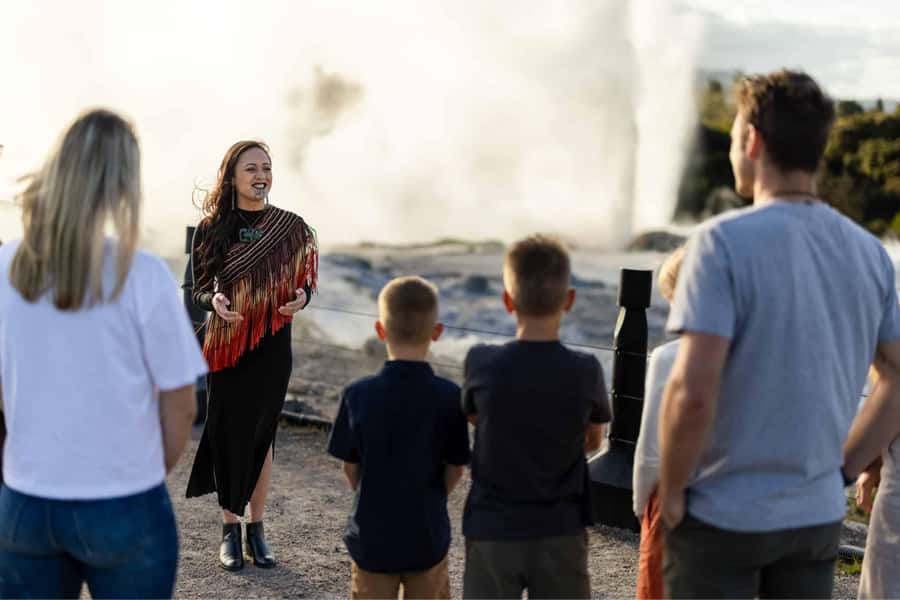
Your English-speaking guide explains what you are seeing while also sharing Māori ancestral stories and customs. The quality of that storytelling matters here. Without context, geothermal features can blur into a series of steaming pools. With context, you begin to understand why the valley is central to the experience.
Bring water even if the weather looks mild. Rotorua conditions can change, and you will be outside for part of the visit. Comfortable walking shoes are a must. A hat and sunscreen are also sensible, since the tour includes open-air paths.
One scheduling point deserves attention. The general activity is listed as lasting one hour, but the detailed program describes a 90-minute guided walk followed by the performance. The exact structure may vary by departure, so confirm the start time and total visit length before you commit to another Rotorua booking.
The Kiwi Conservation Centre
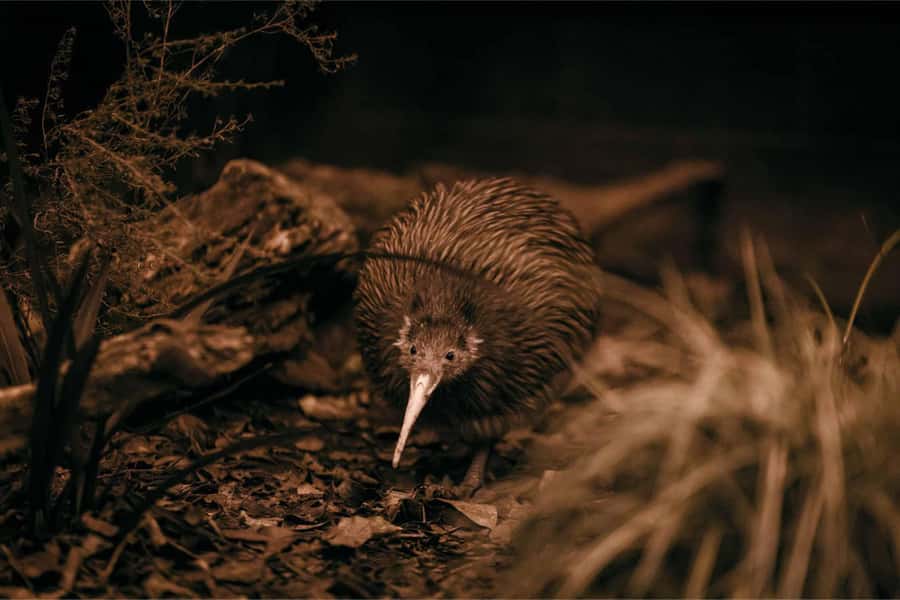
The Kiwi Conservation Centre adds a very different kind of interest to the day. The kiwi is one of New Zealand’s best-known symbols, but it is not easy to see in the wild. A conservation center gives you a better chance to learn about the bird and the work involved in protecting it.
This stop also changes the pace. After geothermal steam and open paths, you move into a place focused on wildlife care. It makes the outing more varied and gives children another clear point of interest.
Do not expect a standard zoo visit with a long list of animals. The stated focus is the kiwi, and the center is part of a wider cultural and environmental visit. That narrow focus is a strength if you want to understand one important native species, though it may feel brief if your main goal is a large wildlife park.
Te Puia combines the kiwi stop with the geothermal valley and arts institute, so you are not paying $79 for wildlife viewing alone. Think of this as one part of a larger story about place, preservation, and national identity.
Seeing Māori carving and weaving in practice
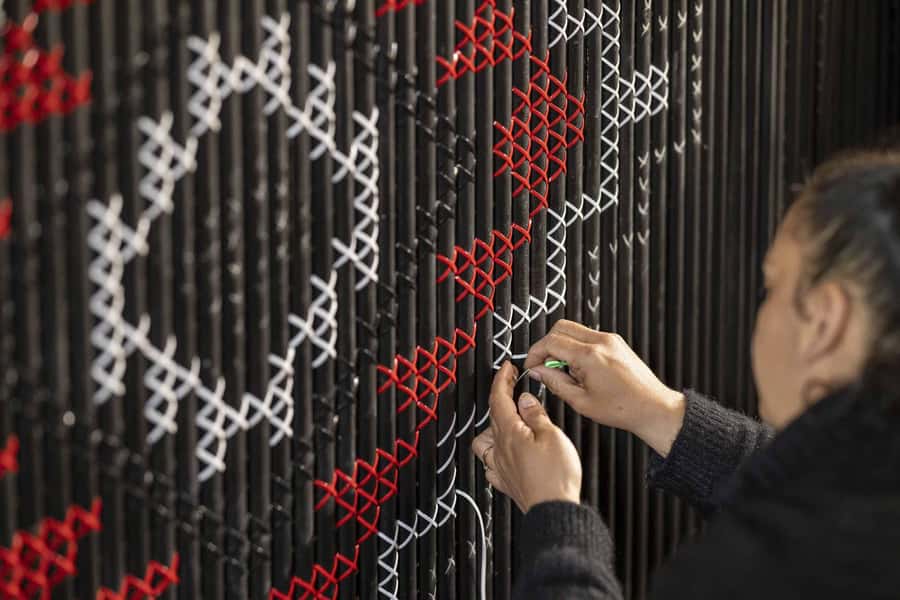
The New Zealand Māori Arts and Crafts Institute is one of the most valuable stops for visitors who want something beyond a performance. You have access to national carving and weaving schools, where Māori arts and crafts are taught and practiced.
That distinction is important. A finished carving in a shop tells you very little about the skill, training, and cultural meaning behind it. Seeing the work in progress gives you a clearer idea of how tradition is carried forward.
Your guide can help explain what you are looking at and how the crafts connect with Māori heritage. The information provided does not name individual guides, so you should not expect a particular person. What you can expect is an English-language tour led by staff who share ancestral stories and traditions.
This part may be especially useful for shoppers. You can look at Māori design with more care, rather than treating every carved object as a simple souvenir. Even if you do not plan to buy anything, the school adds depth to the visit.
The institute also helps balance the more theatrical part of the experience. The haka performance is powerful and highly visible, but carving and weaving show the quieter, patient side of Māori culture. I like having both in the same ticket.
More Māori cultural evenings and village visits:
- Rotorua: Te Pa Tu Māori Cultural Experience with Dinner
★ 4.8 · 1,193 reviews - Whakarewarewa Village Guided Tour
★ 4.5 · 477 reviews - Te Puia: Te Rā Guided Day Tour
★ 4.6 · 396 reviews - Te Puia: Te Rā Guided Experience
★ 4.5 · 332 reviews
The Te Aronui a Rua performance
After the walk and site visits, you head to Te Aronui a Rua meeting house for the cultural performance. The setting matters. A carved meeting house feels more personal and grounded than a generic theater, and it frames the performance within Māori communal tradition.
The program includes several elements, each with its own role:
- A pōhiri, or traditional Māori welcome
- Waiata, or song
- Mōteatea, a traditional chant
- Poi, featuring rhythmic movement and song
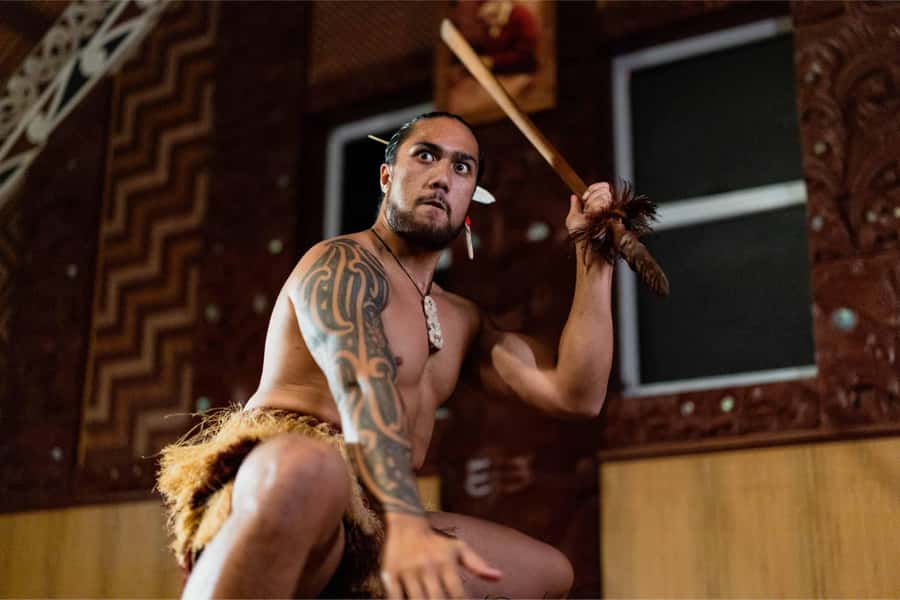
- Haka, the forceful performance many visitors most expect to see
You should arrive ready to watch respectfully. Photography is allowed, but cultural sensitivities still apply. Follow the guidance given on site and avoid treating the performance as a stunt or novelty.
The haka is likely to be the most physically striking section, but do not reduce the performance to that one moment. The welcome, songs, chants, and poi show a wider range of Māori expression. Together, they explain how language, movement, music, and group identity work side by side.
I also appreciate that the performance follows the cultural walk. You first hear about traditions and ancestral links, then see some of those ideas expressed through live performance. That order gives the show more context.
The program is traditional in character, so it may not suit someone looking only for a fast sightseeing stop. You need to be willing to sit, watch, and take the presentation on its own terms. For many people, that pause is where the visit becomes most memorable.
Is $79 good value?
At $79 per person, the price is reasonable if you want several Rotorua highlights in one booking. The ticket includes the 90-minute guided walk, cultural performance, Pōhutu Geyser, Kiwi Conservation Centre, and New Zealand Māori Arts and Crafts Institute.
If you only want to see a geyser, a single geothermal entry ticket may cost less. If you want a long cultural evening with food, this is not that product. There is no food or drink included, and transportation to or from Te Puia is not provided.
The value comes from combining attractions that would otherwise require separate planning. You get a guide, a geothermal visit, a wildlife stop, an arts institute, and a performance. For a first visit to Rotorua, that combination saves you from choosing between culture and nature.
The short format can also be a money saver in another way. You can fit the experience around other Rotorua plans, including a separate geothermal park, a meal, or an evening cultural event. Just allow enough time for the actual walk and performance, since the one-hour description does not fully match the detailed 90-minute walking schedule.
Who should book this experience?
I would recommend it to first-time Rotorua visitors who want a broad introduction without committing to a full-day outing. It also suits families, provided everyone is comfortable walking outdoors and sitting through a cultural performance.
It is a good fit if you want:
- A guided introduction to Māori traditions
- A major geothermal sight without arranging separate transport
- A chance to see kiwi conservation work
- Direct exposure to carving and weaving
- A haka and wider cultural program in a meeting house
- An English-language experience with a clear structure
You may prefer another activity if your main goal is an evening hangi meal, a mud bath, a large geothermal park, or a longer village visit. Te Puia’s program is broad rather than specialized.
Mobility needs require extra care. The activity information describes it as wheelchair accessible, but it also says it is not suitable for people with mobility impairments or wheelchair users. That is a real inconsistency. Contact Te Puia before booking to confirm the current route, seating, and access arrangements for your situation.
Practical advice for your visit
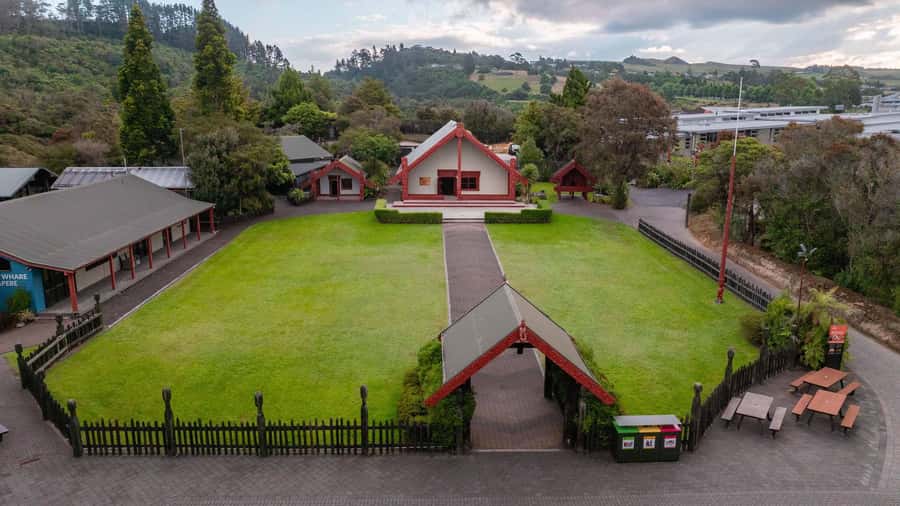
Check in at the main entrance of Te Puia on Hemo Road in Rotorua. You arrange your own transport, so allow time to reach the site and find the entrance without rushing.
Wear shoes suited to walking on outdoor paths. Pack a hat, sunscreen, and water. Smoking is not allowed during the activity.
Photography is permitted, but respect the cultural setting. During the performance, watch for any instructions about when and where photographs are appropriate. A camera should never distract from the welcome or the performers.
The activity is offered in English with a live guide. Free cancellation is available up to 24 hours in advance for a full refund, which gives you some flexibility if your Rotorua plans change.
The displayed rating is 5 out of 5 from four ratings, including a very brief five-star response from Gabrielle of New Zealand. That is a positive signal, but it is also a small sample. I would base your decision on the strong mix of included stops rather than on the rating alone.
Should you book Te Puia: Te Rā?
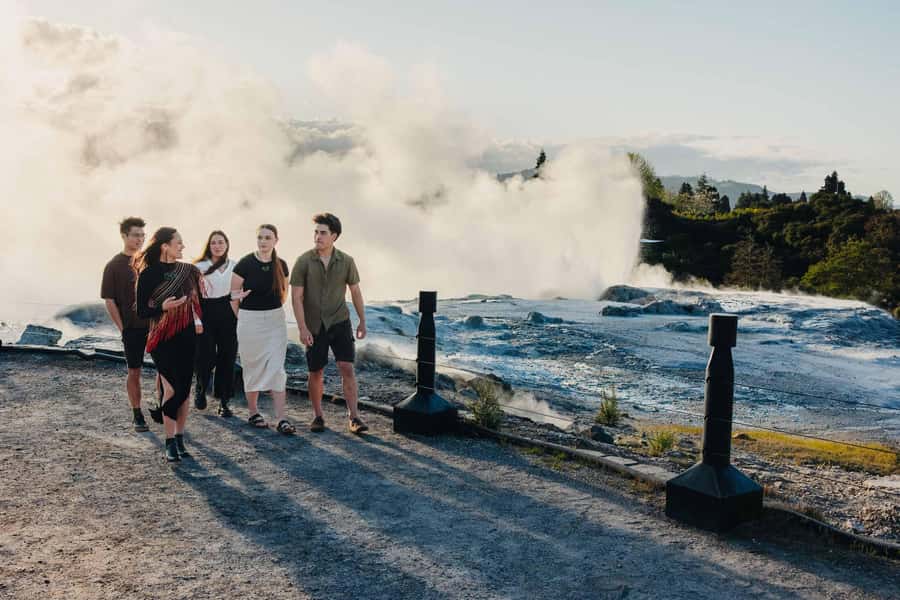
Book it if you want one compact experience that joins geothermal Rotorua with Māori culture. The combination of Pōhutu Geyser, kiwi conservation, active arts schools, and a haka performance gives you more range than a basic sightseeing ticket.
The best reason to choose it is the connection between the parts. You are not simply checking off a geyser, an animal center, and a show. The guide helps place them within Māori tradition and the character of Rotorua.
Skip it if you want a meal, hotel pickup, a full-day program, or a single-purpose geothermal adventure. Also confirm the timing and accessibility details before paying, since the duration and mobility notes need clarification.
For most first-time visitors with a free morning or afternoon, $79 is a fair price for a well-rounded introduction. Bring sensible outdoor gear, arrive ready to listen, and give the cultural performance the respect it deserves.
FAQ
Where does the Te Puia tour begin?
Check in at the main entrance of Te Puia on Hemo Road in Rotorua.
How long does the experience last?
The activity is listed as one hour, while the detailed program describes a 90-minute guided walk followed by the cultural performance. Confirm the current schedule when booking.
What is included in the ticket?
The ticket includes a 90-minute guided walk, the cultural performance, Pōhutu Geyser, the Kiwi Conservation Centre, and entry to the New Zealand Māori Arts and Crafts Institute.
Is transportation included?
No. Transportation to and from Te Puia is not included.
Is food or drink included?
No. Food and drinks are not included.
What language is the tour conducted in?
The live tour guide and activity are in English.
What should I bring?
Bring comfortable walking shoes, a hat, sunscreen, and water.
Can I take photographs?
Photography is allowed, but you should respect cultural sensitivities and follow any instructions given during the visit.
Just added around Rotorua
- Thrilling Riverbug Adventure on the Rangitāiki River★ 5.0 · 4 reviews
- Te Puia: Te Pō Combo: Te Rā, Dinner, and Haka Performance★ 4.6 · 5 reviews
- Rotorua: White Island, Mount Tarawera & Waimangu Volcanic …★ 4.4 · 5 reviews
- Rotorua: Waimangu Volcanic Valley Ticket & Self-Guided Walk★ 4.8 · 104 reviews
- Rotorua: Velocity Valley – Two Ride Pass★ 4.6 · 8 reviews
- Rotorua: Wai Ariki Hot Springs & Spa 1hr Restorative Bathing★ 4.8 · 16 reviews
- Rotorua: Velocity Valley – NEW Vertigo 43m drop★ 5.0 · 3 reviews
- Rotorua: Velocity Valley – One Ride Pass★ 4.9 · 15 reviews
Māori Cultural Tours, compared.
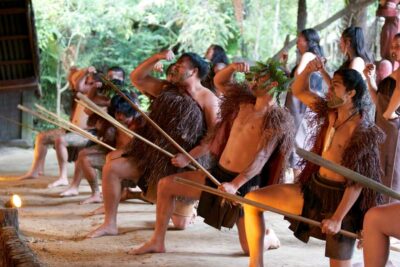
Mitai Maori Village: Cultural Experience and Dinner Buffet
Read our review →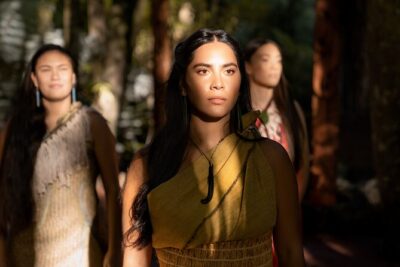
Cultural Experience & Seasonal Māori Cuisine at Te Pā Tū
Read our review →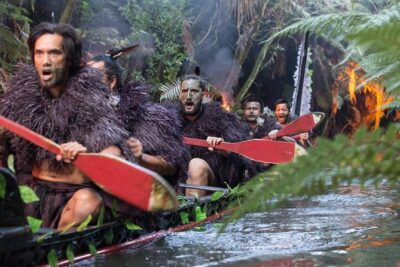
Mitai Maori Village Cultural Experience in Rotorua
Read our review →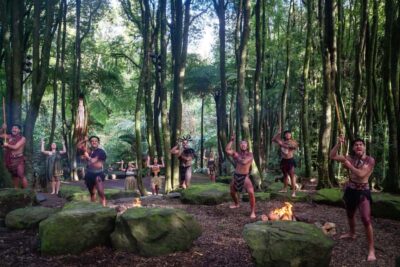
Te Pa Tu Māori Cultural Experience with Dinner
Read our review →
Lake Taupo: Sailboat Trip to the Maori Rock Carvings
Read our review →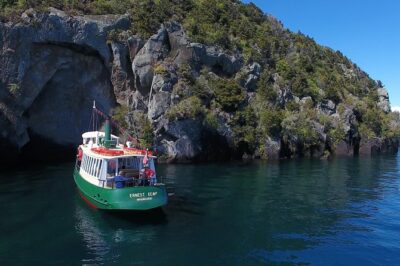
Lake Taupō Māori Rock Carvings Scenic Cruise aboard Ernest Kemp
Read our review →
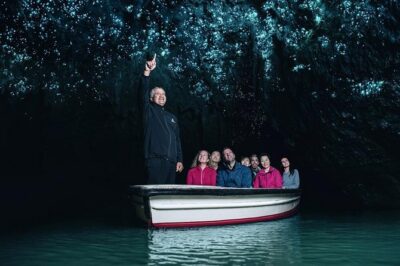
Waitomo Caves & Rotorua – Te Puia Small-Group Tour from Auckland
Read our review →Browse the lists this tour appears in