
Reviewed · MāORI CULTURAL TOURS
Te Puia: Te Rā Guided Day Tour
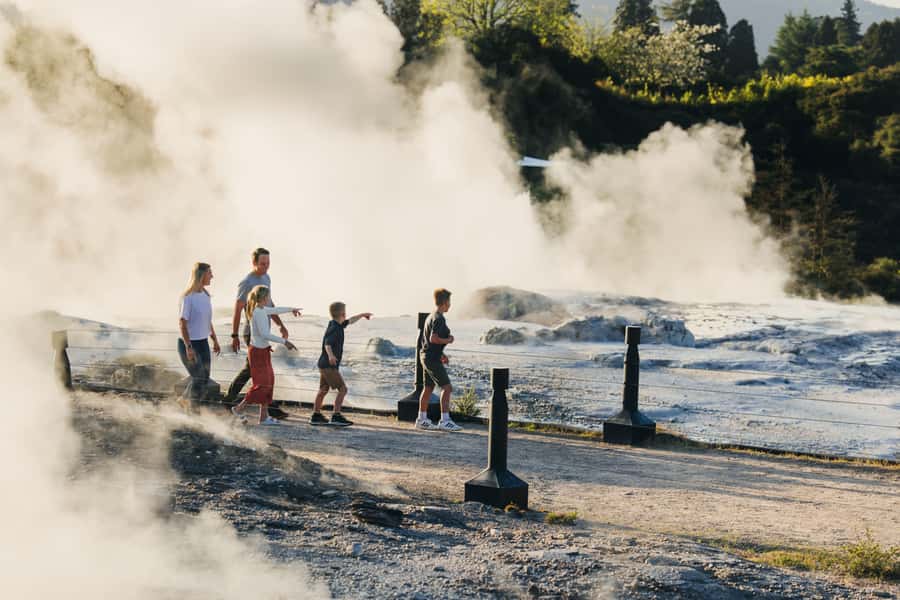
Pōhutu Geyser provides the big natural moment here, but Te Puia works best because it joins geothermal power with living Māori culture. You can watch steam rise from mud pools, see the southern hemisphere’s largest active geyser, then meet the craftspeople keeping carving and weaving skills alive.
I like the mix of nature and culture, and I like that entry supports the Māori Arts and Crafts Institute and its training school. The main caution is time: 90 minutes can feel tight, especially if your group is large or you want to linger at the carving school and Āhua Gallery.
Key points to know before you go
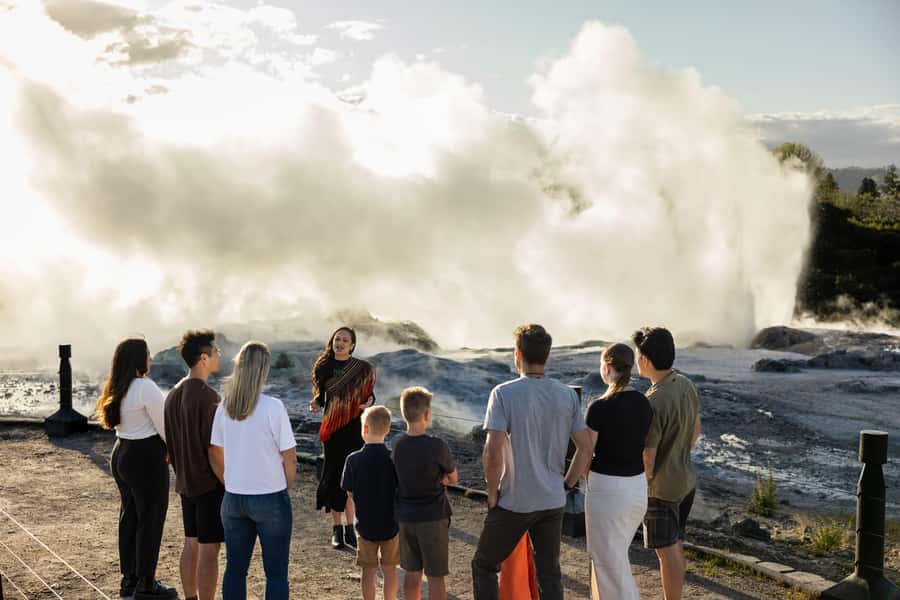
- Pōhutu Geyser is the headline sight: Your guide helps you find good viewing spots, but steam, rain, and cold weather can affect how clearly you see the plume.
- The kiwi visit is indoors: You enter a specially designed nocturnal enclosure for a chance to see New Zealand’s national icon.
- Māori arts are demonstrated in a working school: Look for traditional wood, stone, bone, and weaving skills rather than a display built only for tourists.
- The guide shapes the experience: English-speaking kaiārahi, including Makaere, Paul, Michael, Mita, Nate, and Kohu, have been praised for humor, warmth, and strong local knowledge.
- The tour lasts 90 minutes: You return to Te Puia, and you can spend extra time looking around afterward.
- The price is $59 per person: That includes admission, the guided walk, the geothermal valley, kiwi centre, arts institute, and Āhua Gallery.
Pōhutu Geyser gives Rotorua its wow moment
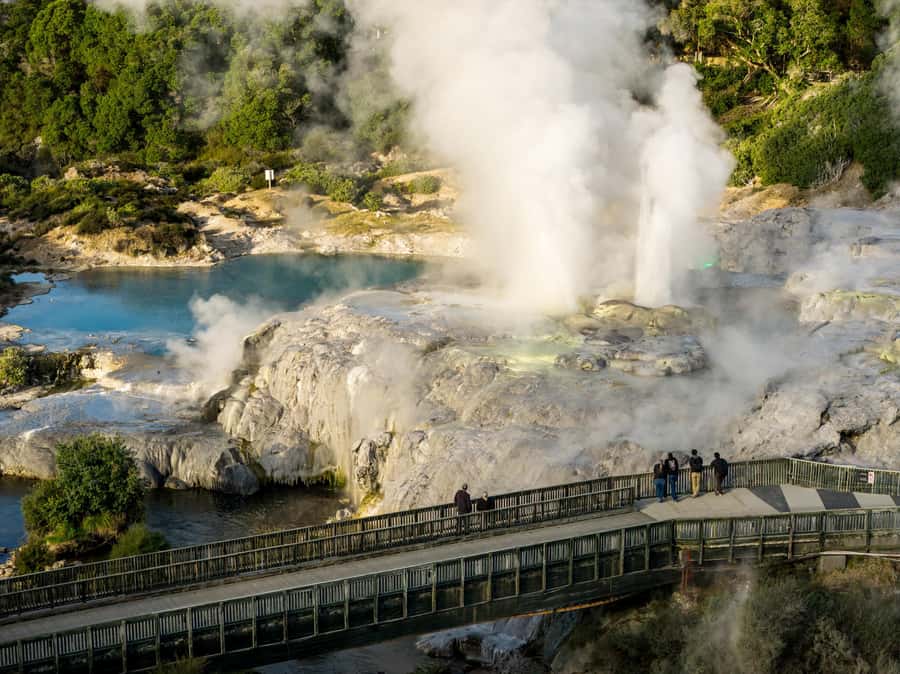
Te Whakarewarewa Geothermal Valley is not a passive park of pretty pools. It is a place of steam, bubbling mud, active geysers, and native bush, all packed into a short walk. The ground feels alive, and your guide gives the sights a local setting instead of leaving you to guess what you are seeing.
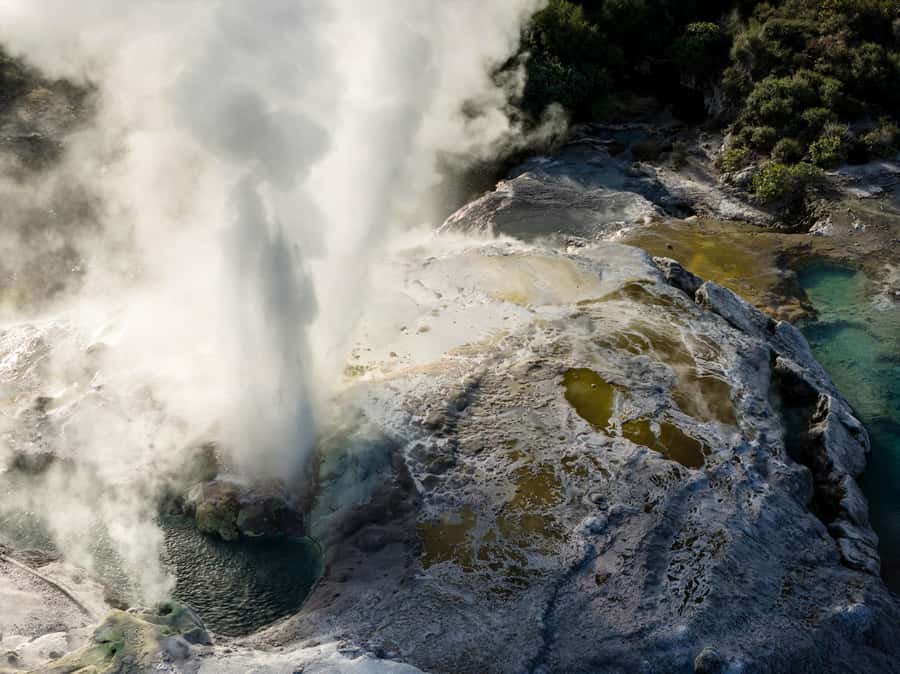
Pōhutu Geyser is the star. It is described as the largest active geyser in the southern hemisphere, and your guide points out places where you can get a better view. That practical help matters because the display can be partly hidden by steam, particularly on a cold or wet day.
You may see the geyser spout during the visit, but do not expect a perfectly clear plume every time. One wet-weather account described the water as hard to make out through the steam. Another noted that the geyser was active throughout the visit, which made up for less impressive views elsewhere in the valley.
The geothermal section also includes mud pools and native bush. I like this part because the setting is not just a single famous geyser. You get a broader sense of Rotorua’s thermal character, with boiling mud and vaporous pools set among vegetation.
The tradeoff is pace. Some people find the walk through the geothermal area rushed, especially when the guide is also explaining Māori place names, local traditions, and the natural features. If Pōhutu is your main reason for coming, stay alert, keep near the guide, and ask where to stand before the group moves on.
More Māori Cultural Tours in Rotorua
- Mitai Maori Village: Cultural Experience and Dinner Buffet
★ 4.7 · 3,575 reviews - Cultural Experience & Seasonal Māori Cuisine at Te Pā Tū
★ 5.0 · 1,546 reviews - Mitai Maori Village Cultural Experience in Rotorua
★ 4.5 · 1,294 reviews
The Māori Arts and Crafts Institute is more than a gallery
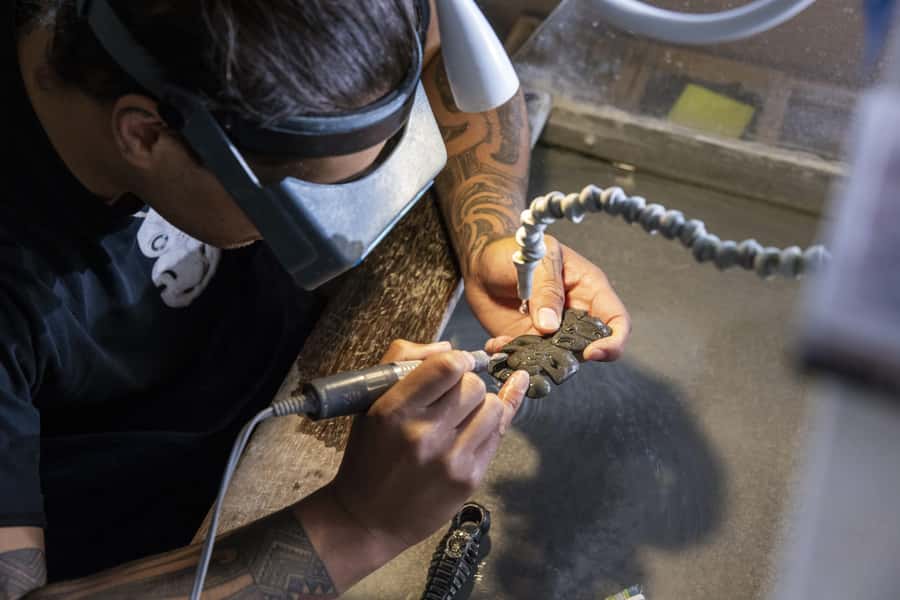
The New Zealand Māori Arts and Crafts Institute gives the tour its human center. Here, students train in traditional weaving, wood carving, stone carving, and bone carving. You are not simply looking at finished objects behind glass. You are seeing a school where these skills are taught and carried forward.
That distinction makes the stop worthwhile. A carved object has more meaning when you understand the time, training, and cultural knowledge behind it. Your kaiārahi explains the traditions and ancestral stories connected with the work, helping you see the institute as a living part of Māori culture.
The school can also be the most demanding stop for your attention. There is a lot to take in, and the 90-minute schedule may not leave enough time to inspect every display or watch each craft area for long. If you want a detailed look at carving, you may wish the tour gave this section more time.
Some tours spend a large share of the visit here. That is not necessarily a weakness. The institute is central to Te Puia’s purpose, and the admission price helps support the art school. Still, if your priority is outdoor scenery, know that the experience gives real weight to culture and education rather than treating them as a brief add-on.
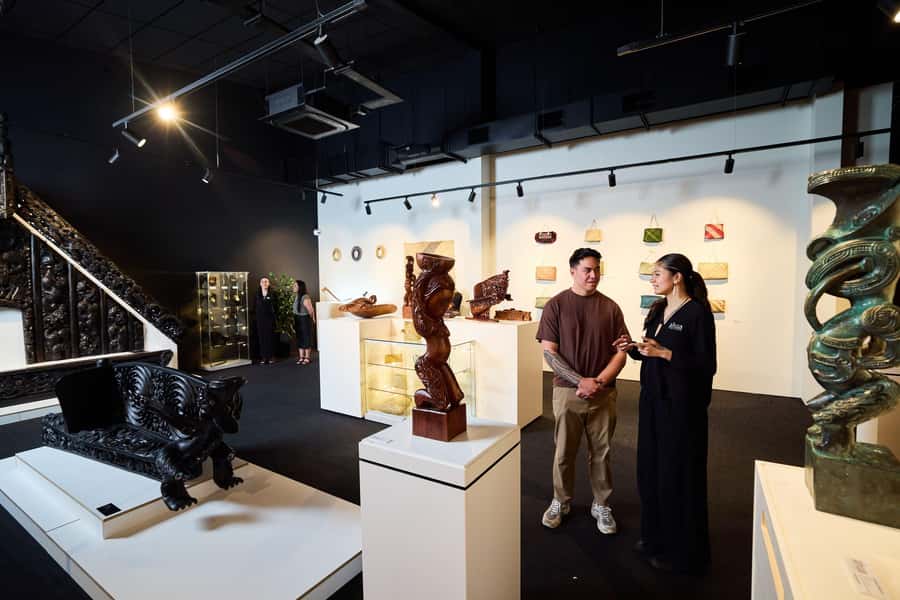
The Āhua Gallery is included as well. It gives you another place to see Māori artistic work, though the short tour means you may want to return on your own after the guide finishes.
A kiwi encounter in a dark, quiet enclosure
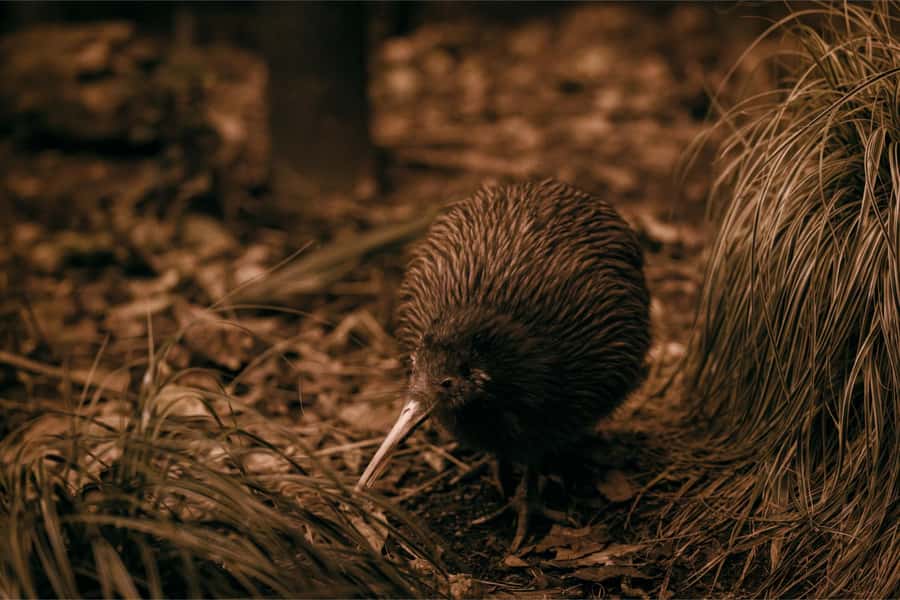
The Kiwi Conservation Centre offers one of the experience’s most memorable contrasts. After the open geothermal valley, you enter a specially designed nocturnal enclosure to see the kiwi, New Zealand’s national icon.
The enclosure is important because kiwis are nocturnal. You should not expect a bright, open-air animal display. The low-light setting is designed around the bird’s natural activity pattern, so patience and careful looking are part of the visit.
For many people, seeing a kiwi in person is a major reason to choose Te Puia. It adds a conservation element to the tour, not just a photo stop. You get a chance to see a protected native species while learning that the centre is dedicated to preserving it.
The kiwi visit may be brief compared with the geothermal and arts sections. Even so, it gives the itinerary a useful balance. The geyser represents the power of the earth, the institute represents Māori cultural practice, and the kiwi centre points to New Zealand’s living natural heritage.
If you are bringing children, this may be the stop that holds their attention best. If you have limited time in Rotorua, it is also a practical way to combine a kiwi visit with geothermal sights and Māori arts in one admission.
Your kaiārahi makes the difference
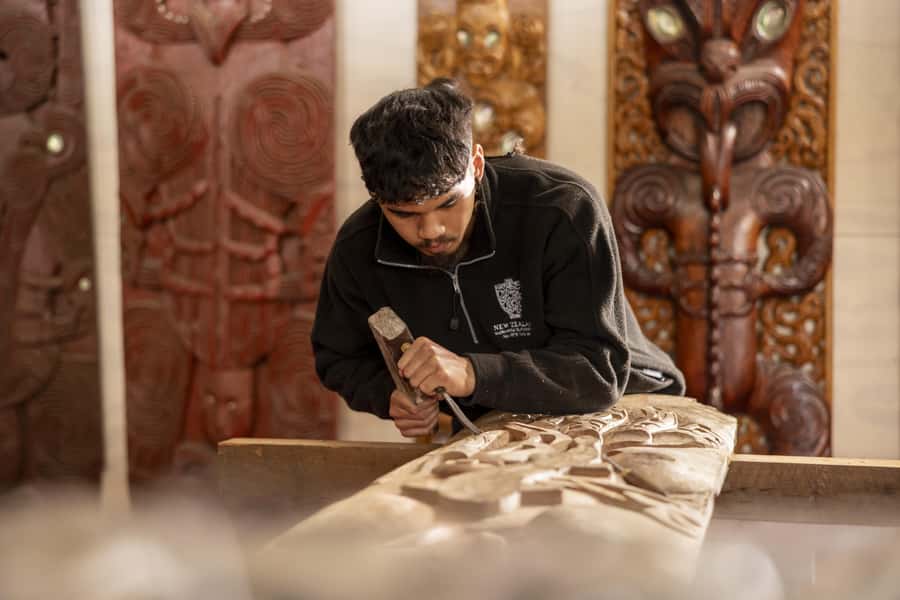
The guide is not just there to lead you from one stop to the next. The kaiārahi shares Māori traditions, family and ancestral stories, and explanations of the land. That personal delivery is a major part of the experience.
Names associated with particularly strong tours include Makaere, Paul, Michael, Mita, Nate, and Kohu. Their styles differ, but the qualities you want are clear: warmth, humor, pride in Māori heritage, and the ability to answer questions. One guide was especially praised for explaining environmental concerns with real feeling. Another was still new to the job but made a strong impression.
A good guide also helps with small practical matters. One guide suggested the best places to stand for geyser viewing. That kind of advice is more useful than a long list of facts, since weather and steam can change what you see.
Group size can affect the experience. In a large group, some people may struggle to hear the guide, especially outdoors near geothermal noise. A microphone or radio system would help in those conditions. Stay close, move with the group, and ask for a repeat if you miss an explanation.
The English-language guiding is lively and accessible, but the amount of information can feel heavy during a fast walk. You do not need to remember every Māori term or historical detail. Focus on the links between the land, the people, the crafts, and the conservation work.
More Māori cultural evenings and village visits:
- Rotorua: Te Pa Tu Māori Cultural Experience with Dinner
★ 4.8 · 1,193 reviews - Whakarewarewa Village Guided Tour
★ 4.5 · 477 reviews - Te Puia: Te Rā Guided Experience
★ 4.5 · 332 reviews - Rotorua: Whakarewarewa Village Guided Tour
★ 4.7 · 311 reviews
How the 90-minute schedule works
The tour begins and ends at Te Puia in Rotorua. You should arrive 15 minutes before your scheduled departure, since the walk starts from the site rather than from a hotel pickup.
The stated duration is 90 minutes, or one and a half hours. In that time, you visit:
- Te Whakarewarewa Geothermal Valley
- Pōhutu Geyser, mud pools, and native bush
- The Kiwi Conservation Centre
- The New Zealand Māori Arts and Crafts Institute
- Āhua Gallery
The route is designed as an introduction rather than an exhaustive visit. You get a guided overview of all the main parts of Te Puia, then return to the starting point. That makes it easy to fit into a Rotorua day that also includes other activities.
You can spend additional time exploring after the guided experience. This is a useful feature, especially if the valley or arts school feels rushed. The guided portion gives you orientation and context, while extra time lets you revisit the area that interested you most.
There is no hotel pickup or drop-off, and food and drinks are not included. Plan those needs separately. Wear comfortable shoes, since you will be walking outdoors and the ground may be wet.
Is $59 good value?
At $59 per person, the value depends on how many parts of Te Puia you want to see. If you only want a quick look at a geyser, it is not the cheapest way to spend your time. You are paying for a combined visit to geothermal features, a kiwi conservation centre, a Māori arts school, a gallery, and a guide who ties it together.
I think the price works well for first-time visitors to Rotorua. You get several major experiences in one stop, without arranging separate visits to a thermal area, kiwi facility, and cultural centre. The guide also adds useful context that you would miss on a self-guided walk.
The cultural purpose improves the value. The institute is a working school, and admission supports its art training. If you care about seeing Māori carving and weaving treated as active cultural practice, not just souvenirs, that gives the ticket more weight.
The main value limit is time. You may want longer at the arts school, the gallery, or the geothermal valley. The good news is that you can remain at Te Puia after the tour, so the 90-minute guided schedule does not have to be your entire visit.
Weather, walking, and access
Rotorua weather can change the feel of the outdoor sections. Rain does not necessarily spoil the experience, but it can make walking less comfortable and can reduce the visibility of Pōhutu’s water plume. Bring weather protection and wear shoes that are comfortable on damp paths.
An umbrella was suggested as a useful improvement for rainy conditions, so it is sensible to carry your own if the forecast is unsettled. The supplied information specifically says to bring comfortable shoes.
The activity is listed as wheelchair accessible, but it is also described as not suitable for people with mobility impairments. Those two details do not fully answer every access question, so contact Te Puia before booking if you need specific support or want to know about the route, surfaces, and walking distance.
The tour is conducted in English with a live guide. If you want a Māori performance as well, do not assume it is part of this 90-minute experience. One account expressed interest in seeing performance, while the listed inclusions here focus on the valley, kiwi centre, arts institute, and Āhua Gallery.
Who should book Te Rā?
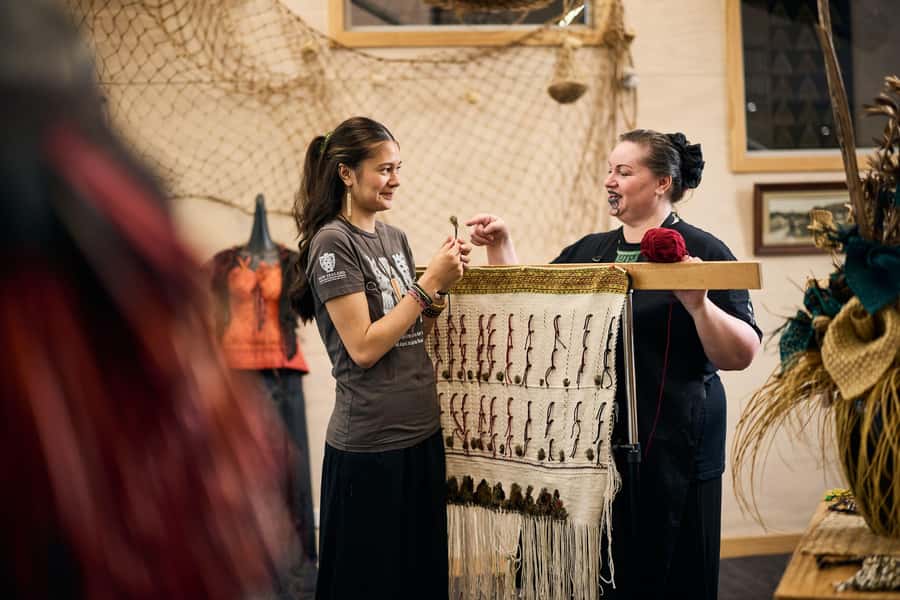
I would choose this tour if you want a compact introduction to Rotorua’s main themes: geothermal activity, Māori culture, and native wildlife. It suits first-time visitors, families, couples, and anyone with only part of a day available.
It is especially good for you if you value explanation over simply walking around and taking pictures. The guides bring the land and craft school together, and their personal connection to Māori heritage is central to the experience.
You may want another option if you prefer a slow, self-guided visit or if your only goal is an extended geothermal walk. The 90-minute route moves on before you can study every display, and large groups may make it harder to hear.
Book ahead if the schedule matters, since starting times vary. The activity allows cancellation up to 24 hours before the visit for a full refund, and you can reserve now and pay later, which helps if your Rotorua plans are still shifting.
Should you book Te Puia: Te Rā?
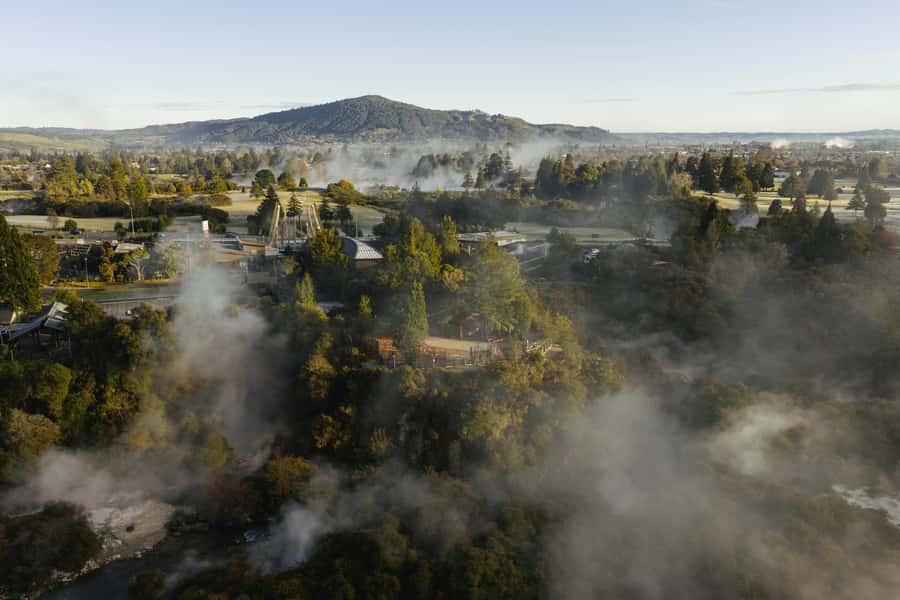
Yes, if you want several of Rotorua’s signature experiences in one well-organized visit. Pōhutu Geyser, the kiwi enclosure, and the working Māori arts school give you three strong reasons to go, while a warm and engaging kaiārahi can turn the short route into something more personal.
Just set the right expectations. This is an introduction, not a full-day study of geothermal science or Māori art. Arrive early, wear comfortable shoes, stay close enough to hear the guide, and leave time afterward if you want to explore the gallery, school, or valley at a slower pace.
FAQ
Where does the Te Rā guided tour start and finish?
It starts at Te Puia in Rotorua, New Zealand, and returns to Te Puia at the end of the 90-minute guided experience.
How long does the tour last?
The guided tour lasts 90 minutes, or one and a half hours.
What is included in the $59 price?
The price includes entry to Te Puia, the guided tour, Te Whakarewarewa Geothermal Valley, the Kiwi Conservation Centre, the New Zealand Māori Arts and Crafts Institute, and Āhua Gallery.
Is Pōhutu Geyser included?
Yes. The guided experience visits Pōhutu Geyser, along with geothermal features such as mud pools and native bush.
Can I see a kiwi on this tour?
Yes. The tour includes entry to the Kiwi Conservation Centre, where you visit kiwis in a specially designed nocturnal enclosure.
Is food included?
No. Food and drinks are not included in the tour price.
Does the tour include hotel pickup?
No. Hotel pickup and drop-off are not included. You need to make your own way to Te Puia in Rotorua.
What language is the tour conducted in?
The live guided tour is conducted in English.
How early should I arrive, and what should I bring?
Arrive 15 minutes before the scheduled departure time and bring comfortable shoes. If rain is possible, carrying your own umbrella is also sensible.
Just added around Rotorua
- Thrilling Riverbug Adventure on the Rangitāiki River★ 5.0 · 4 reviews
- Te Puia: Te Pō Combo: Te Rā, Dinner, and Haka Performance★ 4.6 · 5 reviews
- Te Puia: Te Rā Guided Day Tour and Haka Performance★ 5.0 · 4 reviews
- Rotorua: Waimangu Volcanic Valley Ticket & Self-Guided Walk★ 4.8 · 104 reviews
- Rotorua: White Island, Mount Tarawera & Waimangu Volcanic …★ 4.4 · 5 reviews
- Rotorua: Velocity Valley – Two Ride Pass★ 4.6 · 8 reviews
- Rotorua: Wai Ariki Hot Springs & Spa 1hr Restorative Bathing★ 4.8 · 16 reviews
- Rotorua: Velocity Valley – NEW Vertigo 43m drop★ 5.0 · 3 reviews
Māori Cultural Tours, compared.
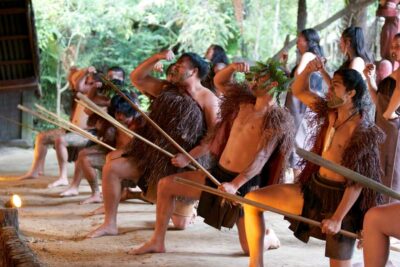
Mitai Maori Village: Cultural Experience and Dinner Buffet
Read our review →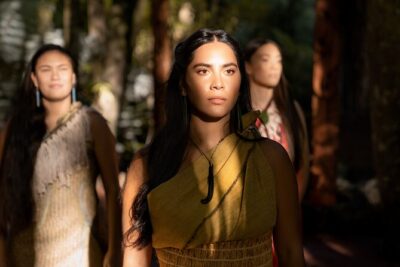
Cultural Experience & Seasonal Māori Cuisine at Te Pā Tū
Read our review →
Mitai Maori Village Cultural Experience in Rotorua
Read our review →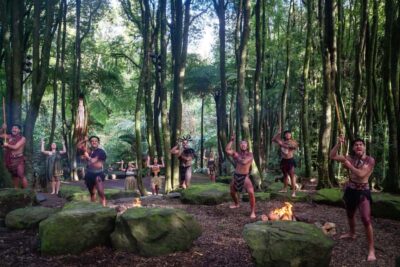
Te Pa Tu Māori Cultural Experience with Dinner
Read our review →
Lake Taupo: Sailboat Trip to the Maori Rock Carvings
Read our review →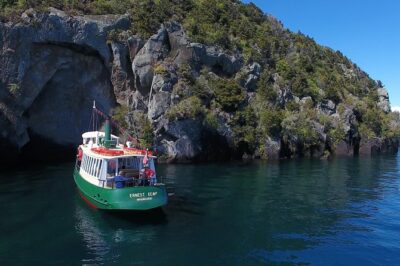
Lake Taupō Māori Rock Carvings Scenic Cruise aboard Ernest Kemp
Read our review →
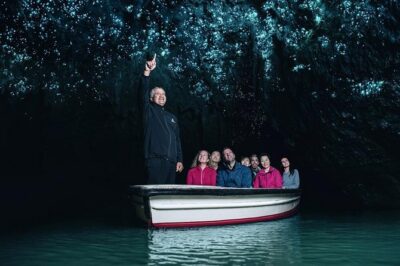
Waitomo Caves & Rotorua – Te Puia Small-Group Tour from Auckland
Read our review →Browse the lists this tour appears in