
Reviewed · MāORI CULTURAL TOURS
Te Puia: Te Rā Guided Experience
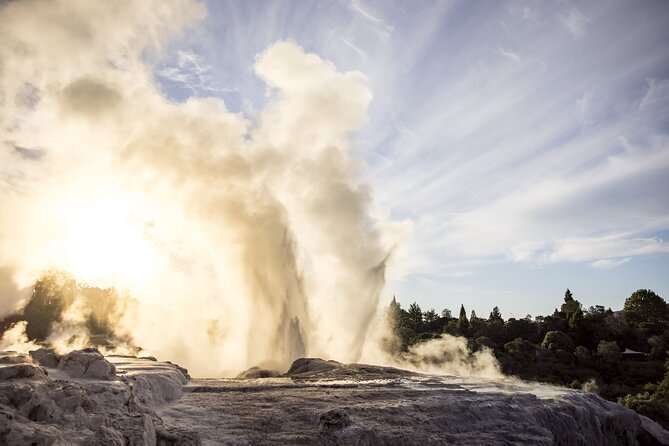
Pohutu Geyser is the star here, blasting up to 30 metres above Rotorua’s Whakarewarewa Thermal Valley. But Te Puia gives you more than steam and mud: a Māori guide connects the geothermal forces to local traditions, carving, weaving, legends, and daily life.
I especially like the chance to see Pohutu Geyser and boiling mud pools in one compact visit, and the working arts schools add real purpose to the cultural side. You can also spot a kiwi in the nocturnal kiwi house, a memorable bonus. The main caution is that the 90-minute guided walk can feel rushed, and the experience depends heavily on your guide.
Te Puia combines Rotorua’s geothermal sights with Māori arts and traditions.
Pohutu Geyser can erupt up to 20 times daily, but an eruption is not guaranteed during your visit.
The kiwi conservation centre offers a rare chance to see New Zealand’s national bird indoors.
Master carvers and flax weavers demonstrate arts taught through the New Zealand Māori Arts and Crafts Institute.
The optional cultural performance adds a marae welcome, hongi, poi, stick games, weaponry, song, and haka.
You can remain on site after the guided portion to revisit the geothermal valley and cultural areas.
Why Te Puia Is More Than a Geyser Stop
Rotorua has several places where you can see volcanic activity, but Te Puia links the hot ground with Māori culture in a clear, compact visit. You walk through Whakarewarewa Thermal Valley, where steam rises from vents, mud bubbles in thick pools, and geysers send hot water skyward.
At the same time, you are visiting the New Zealand Māori Arts and Crafts Institute. The site includes a marae, a Māori village setting, carving and weaving schools, and a kiwi conservation centre. That combination is the reason I would choose Te Puia over a geothermal-only stop if you want your Rotorua visit to cover both nature and culture.
The standard experience lasts about 90 minutes and costs $62.06 per person. That is not a bargain ticket for a short outing, but admission includes a guide, the geothermal valley, kiwi centre, Māori arts areas, and cultural spaces. The value is strongest if you use the guided visit as an introduction, then stay longer to see parts again at your own pace.
Beginning at the Māori Arts and Crafts Institute
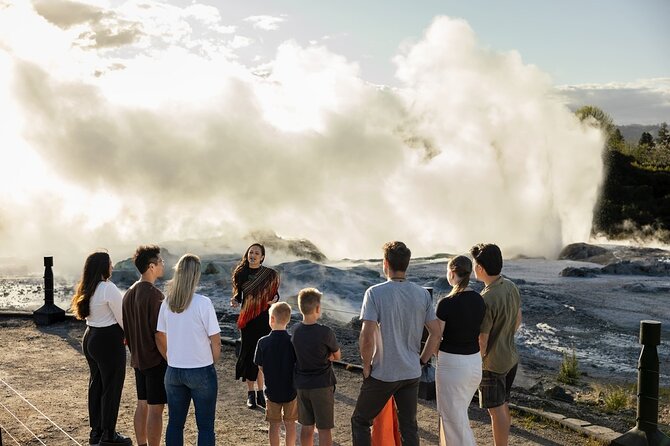
You meet your guide at Te Puia’s entrance on Hemo Road in Whakarewarewa. The tour begins with the cultural centre rather than immediately sending you toward the geyser, which gives the rest of the visit some context.
Your guide explains Māori settlement in Rotorua, along with traditions and stories passed down through generations. The quality of this part can vary. Guides such as Rebecca have been praised for adding interesting explanations and personal warmth, while some visitors have found a newer or less confident guide hard to hear or light on detail.
That makes one practical point important: stay close to your guide. Groups can include as many as 36 people, and a guide walking ahead can be difficult to hear, especially outdoors around steam, wind, and other groups. If you have a question, ask it early rather than waiting until the group has moved on.
The cultural introduction is not meant to be a long lecture. It is a short orientation to Māori ideas, Rotorua’s settlement, and the relationship between people, stories, art, and the land. If you want a detailed lesson in Māori history, the basic tour may feel too brief. If you want a useful first encounter before exploring on your own, it works well.
More Māori Cultural Tours in Rotorua
- Mitai Maori Village: Cultural Experience and Dinner Buffet
★ 4.7 · 3,575 reviews - Cultural Experience & Seasonal Māori Cuisine at Te Pā Tū
★ 5.0 · 1,546 reviews - Mitai Maori Village Cultural Experience in Rotorua
★ 4.5 · 1,294 reviews
Watching Carvers and Flax Weavers at Work
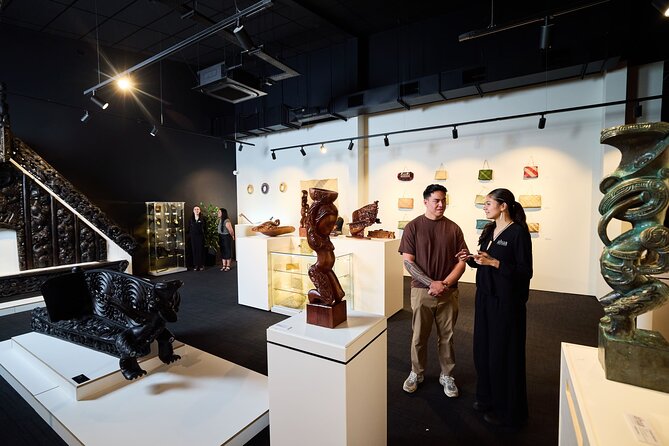
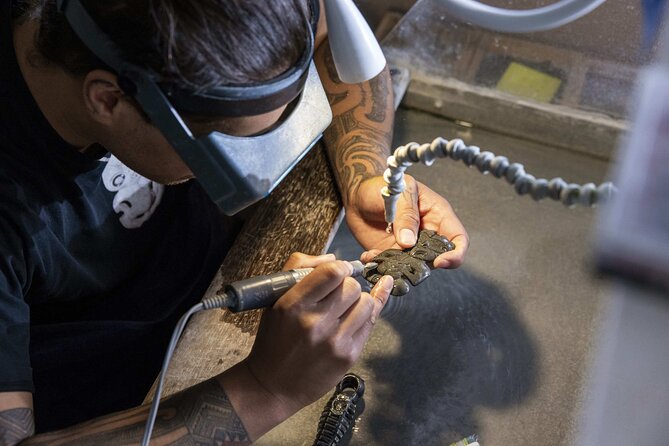
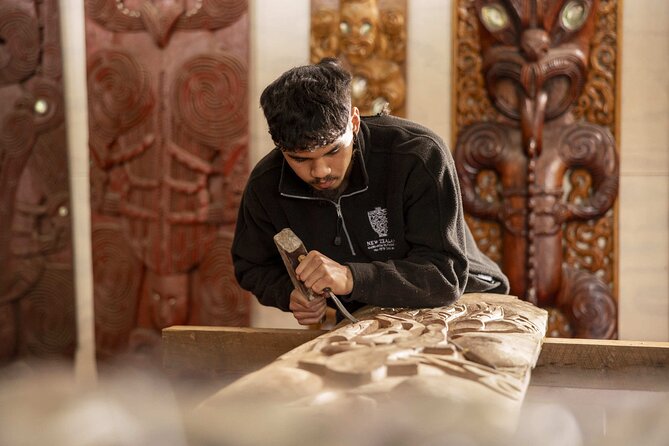
One of Te Puia’s strongest features is the working arts programme. You can see wood, bone, and greenstone carving, as well as flax weaving. These are not simply finished objects displayed behind glass. The institute trains artisans in demanding techniques and keeps those skills active.
I find this especially valuable because it gives the cultural visit a human scale. A geyser is impressive, but it does not explain how a culture continues through practice. Watching an artist shape a carving or work with flax helps you understand that Māori culture is not only something presented on a stage. It is also taught, made, and carried forward.
The time available is limited, though. Some guides focus on a quick explanation and move the group along. You might hear about how long a carving takes or receive a short introduction to the craft, but not a full demonstration. If the art schools interest you most, stay after the tour and return to this area.
The on-site Oha Store is also worth a look if you want locally made gifts and taonga, meaning treasured objects. It has a large selection of handcrafted items. The store has been singled out as a pleasant surprise, with attractive locally made work at what some visitors consider reasonable prices. You do not need to buy anything to appreciate the craft, but allow extra time if you like Māori design.
The Kiwi Conservation Centre
Te Puia’s kiwi house is nocturnal, so the lighting is kept low. This gives you the best chance of seeing New Zealand’s flightless national bird in conditions suited to it.
A kiwi sighting is never a guaranteed performance. The bird may be active, searching for food, or tucked away. Some visitors have seen a kiwi moving about and looking for worms, while others have wished for more viewing time.
The enclosure can become a quick stop when several people are waiting. If your group is large, you may be moved along the viewing windows instead of lingering. I would treat the kiwi centre as a special bonus, not the sole reason to pay for admission.
Still, it adds something that most geothermal stops do not. After hearing about Māori culture and seeing the hot valley, you encounter one of New Zealand’s most distinctive native animals. Keep your voice low and pay attention to the darker corners of the enclosure.
Walking Through Whakarewarewa Thermal Valley
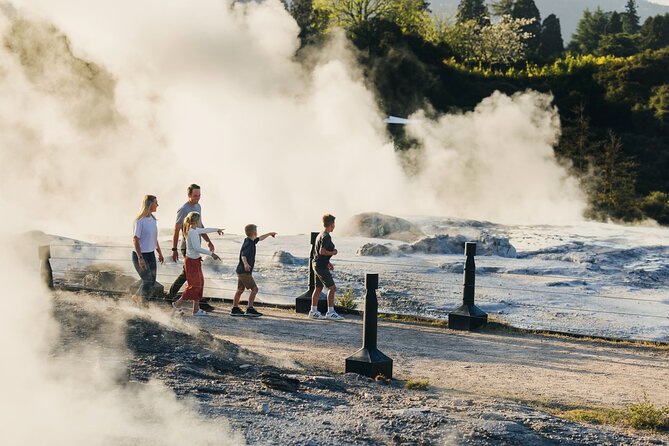
The walking route leads past steaming springs, bubbling mud pools, and vents that make the ground feel alive. Rotorua’s famous sulphur smell is part of the deal. Some people barely notice it after a while, while others find it unpleasant. I would not choose this outing if strong geothermal odours bother you.
The thermal valley is the main reason to visit Te Puia. Mud pools bubble and pop at different rates, steam drifts across the paths, and the colours and textures change from one pool to the next. Your guide explains the geothermal activity, but the route is also easy to appreciate visually without a constant stream of commentary.
This is where pacing becomes an issue. The guided group needs to keep moving, and several people have found the geothermal section too quick. A guide may point out the key features and then leave you to wander, which can be either a weakness or a benefit depending on your style.
I prefer having a guide explain what I am looking at, then having time to return alone. Te Puia allows you to stay after the 90-minute tour, so plan around that. Do not assume the guided portion will give you a long, quiet look at every mud pool.
More Māori cultural evenings and village visits:
- Rotorua: Te Pa Tu Māori Cultural Experience with Dinner
★ 4.8 · 1,193 reviews - Whakarewarewa Village Guided Tour
★ 4.5 · 477 reviews - Te Puia: Te Rā Guided Day Tour
★ 4.6 · 396 reviews - Rotorua: Whakarewarewa Village Guided Tour
★ 4.7 · 311 reviews
Pohutu Geyser and the Timing Question
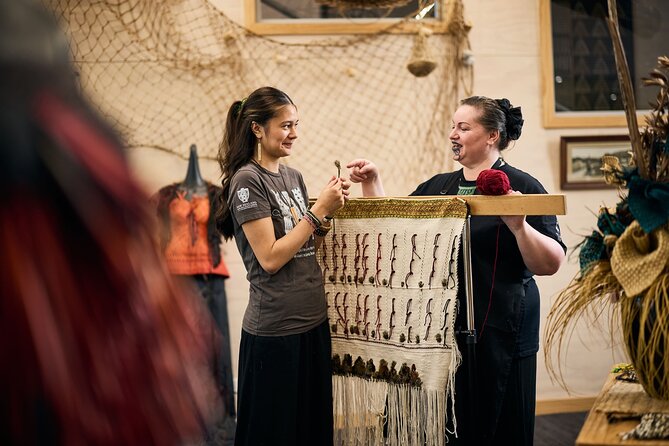
Pohutu Geyser rises about 30 metres and can erupt as many as 20 times a day. When it goes off, it is the clear visual highlight of the visit. You may also see other geysers active during your time in the valley.
The important word is may. An eruption is not guaranteed at the exact time you arrive. Some people have caught several geysers erupting, while others missed Pohutu and felt disappointed given the ticket price.
That uncertainty is common with natural geothermal activity, but it matters when you are comparing Rotorua attractions. If you need a guaranteed timed show, Te Puia may frustrate you. If you can accept that nature sets the schedule, the anticipation becomes part of the experience.
Ask your guide about current activity and keep an eye on the valley after the tour. One of the best tips I can give is to remain on site for a while instead of leaving as soon as the guided walk ends. A geyser that was quiet during the group route may become active later.
Adding the Māori Cultural Performance
You can upgrade the daytime visit to include a Māori cultural performance. Shows take place several times during the day, subject to the available schedule.
The performance begins with a ceremonial welcome at the marae, or meeting place. It may include a hongi, the traditional nose-to-nose greeting, followed by song, poi dances, stick games, weaponry displays, and the haka.
The haka is often the part people expect to remember, but the performance works best when you see the wider programme. Poi and stick games show rhythm, coordination, and storytelling, while the welcome places the performance within a Māori meeting-house setting rather than treating it as a detached stage act.
This upgrade is particularly useful if you have limited time in Rotorua and want a structured introduction to Māori performance traditions. Families may find it especially engaging. Children have been captivated by the singing and movement, and the format gives them something active to watch after the walking tour.
You should know that the performance adds a separate scheduled element to your day. Check the available showtime when you arrive so you do not rush through the thermal valley or miss the beginning.
How the 90-Minute Format Works for You
Ninety minutes is enough for an overview, not a slow exploration. You can see the main cultural areas, visit the kiwi house, walk through the geothermal valley, and learn the basic stories and context. You cannot expect every path, workshop, pool, and building to receive equal attention.
The compact format suits a first visit, a family with a tight schedule, or someone fitting Te Puia between other Rotorua activities. It also works well as a starting point, since you can stay on site after the guided portion.
The format is less suitable if you dislike group pacing. Some people find a self-guided route better because they can stop at the geysers, mud pools, and workshops whenever they wish. The guided option earns its price through interpretation, so the experience rises or falls with the person leading your group.
Names such as Rebecca, Ivy, and Buster have been associated with particularly enjoyable visits. Do not count on receiving one of them, but their praise points to what makes a good tour here: clear explanations, local stories, and enough presence to keep the group together without rushing it.
Price, Group Size, and Practical Value
At $62.06 per person, this is a mid-priced Rotorua attraction rather than a quick walk-up stop. Admission includes the professional guide, geothermal valley, kiwi conservation centre, arts schools, marae, and Māori village areas.
I think the price is reasonable when you want several experiences in one place and plan to stay beyond the guided walk. It is harder to justify if you want only geysers and mud pools, since the basic tour may not give you much time to stop at each feature.
The maximum group size is 36, though actual groups can be smaller. A group of around 20 can still feel crowded at the kiwi windows and around points of interest. Stand where you can see your guide and keep your attention on the route, especially if the group begins to stretch out.
Te Puia is in Rotorua and is accessible by public bus, car, or tour arrangements. The activity begins and ends at Te Puia, with no hotel pickup or drop-off included. If you are arriving from a cruise ship, check the distance carefully before booking. The Rotorua meeting point is not necessarily close to the port, and a long transfer can add a serious cost.
Most people can take part, and service animals are allowed. Food and drinks are not included, so treat the visit as an attraction admission rather than a meal package.
Who Will Like Te Puia Most
I would recommend this experience if you want a solid introduction to Rotorua’s geothermal activity and Māori culture in the same place. It is a good fit for first-time visitors, families, and anyone who values seeing working artists rather than only viewing finished displays.
The cultural performance upgrade makes sense if you have not seen Māori song and dance before. It also helps fill out the cultural side of the visit, which some people find too brief on the basic guided walk.
You may prefer another geothermal attraction if your only goal is to spend a long time among hot pools and volcanic features. You may also prefer a self-guided visit if you want full control over your pace. The basic experience is not a private tour, and the guide quality can be uneven.
I would also lower expectations about guaranteed wildlife and geyser sightings. The kiwi may be hidden, and Pohutu may not erupt while you are watching. Te Puia gives you several things to see, so the visit is not dependent on one event, but natural timing still matters.
Should You Book Te Puia’s Te Rā Guided Experience?
Book it if you want Rotorua’s geysers explained alongside Māori art, stories, and living traditions. The most rewarding plan is to take the guided tour, add the cultural performance if the schedule suits you, then remain on site to revisit Pohutu, the mud pools, the kiwi centre, and the workshops.
Skip it if you want a quiet, self-paced geothermal walk or a guaranteed geyser show. At $62.06, the tour needs to offer more than a quick glimpse of steam, and its best value comes from the cultural areas and the extra time you give yourself after the official 90 minutes.
For most first visits to Rotorua, I would book it, with one condition: treat the guide as your introduction, not your entire visit. That approach gives you the stories and context, while leaving room to enjoy Te Puia at your own speed.
FAQ
Where does the Te Rā Guided Experience begin?
It begins at Te Puia, on Hemo Road in Whakarewarewa, Rotorua, New Zealand.
How long does the experience last?
The guided experience lasts approximately 1 hour and 30 minutes.
What is included in the admission?
Admission includes a professional guide, access to the geothermal valley, the kiwi conservation centre, the wood, bone, and greenstone carving areas, flax weaving schools, a marae, and a Māori village.
Is hotel pickup included?
No. Hotel pickup and drop-off are not included. You make your own way to Te Puia, and the activity ends back at the meeting point.
Can I see Pohutu Geyser erupt?
Pohutu Geyser can erupt up to 20 times a day, but an eruption is not guaranteed during your visit.
Can I see a kiwi?
Te Puia has a nocturnal kiwi house and kiwi conservation centre. You may see a kiwi, but viewing time and activity can vary.
Is a Māori cultural performance included?
The cultural performance is optional and requires an upgrade. It includes Māori song and dance, with features such as a ceremonial welcome, hongi, poi, stick games, weaponry displays, and haka.
How many people can be in the group?
The activity has a maximum group size of 36 people.
Can I cancel for a full refund?
Yes, you can cancel at least 24 hours before the experience start time for a full refund. Cancellations or changes made less than 24 hours before the start time are not accepted for a refund.
Just added around Rotorua
- Thrilling Riverbug Adventure on the Rangitāiki River★ 5.0 · 4 reviews
- Te Puia: Te Pō Combo: Te Rā, Dinner, and Haka Performance★ 4.6 · 5 reviews
- Te Puia: Te Rā Guided Day Tour and Haka Performance★ 5.0 · 4 reviews
- Rotorua: Waimangu Volcanic Valley Ticket & Self-Guided Walk★ 4.8 · 104 reviews
- Rotorua: White Island, Mount Tarawera & Waimangu Volcanic …★ 4.4 · 5 reviews
- Rotorua: Velocity Valley – Two Ride Pass★ 4.6 · 8 reviews
- Rotorua: Wai Ariki Hot Springs & Spa 1hr Restorative Bathing★ 4.8 · 16 reviews
- Rotorua: Velocity Valley – NEW Vertigo 43m drop★ 5.0 · 3 reviews
Māori Cultural Tours, compared.
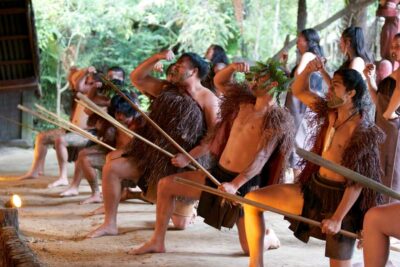
Mitai Maori Village: Cultural Experience and Dinner Buffet
Read our review →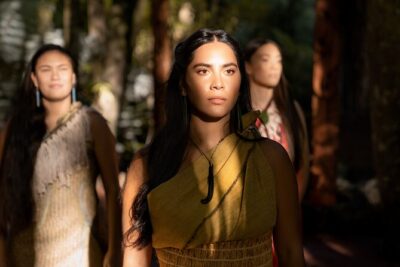
Cultural Experience & Seasonal Māori Cuisine at Te Pā Tū
Read our review →
Mitai Maori Village Cultural Experience in Rotorua
Read our review →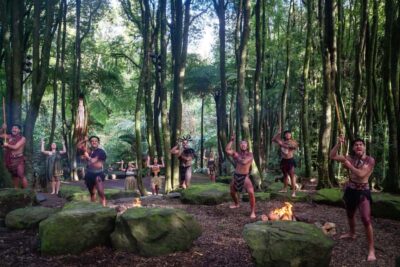
Te Pa Tu Māori Cultural Experience with Dinner
Read our review →
Lake Taupo: Sailboat Trip to the Maori Rock Carvings
Read our review →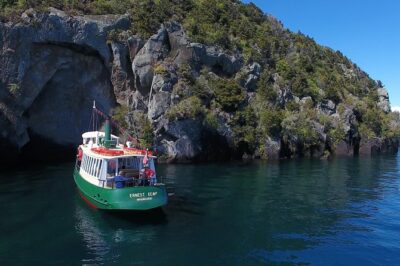
Lake Taupō Māori Rock Carvings Scenic Cruise aboard Ernest Kemp
Read our review →
Waitomo Caves & Rotorua – Te Puia Small-Group Tour from Auckland
Read our review →Browse the lists this tour appears in