
Reviewed · MāORI CULTURAL TOURS
Whakarewarewa Village Guided Tour
Whakarewarewa is not a staged village built only for sightseeing. It is the home of the Tūhourangi Ngāti Wāhiao people, where Māori families have lived with boiling mud, hot springs, and geysers for generations. The one-hour guided walk brings that daily connection to geothermal power into focus.
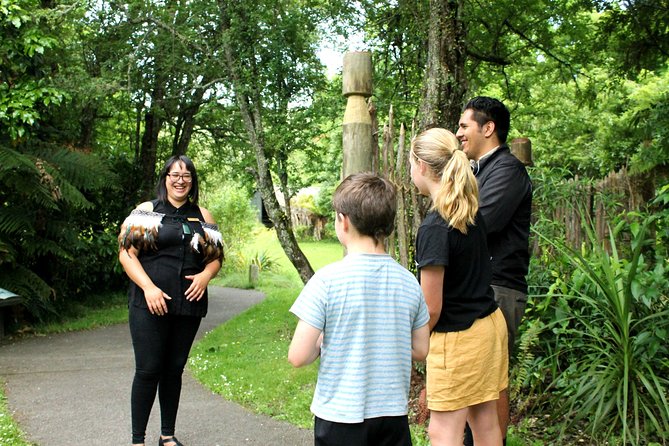
I like the local guides, many of whom grew up in the village or can trace their family back through several generations. I also like the small but memorable taste of corn cooked in a hot pool. It is a simple way to show how geothermal heat has long been part of everyday life.
The main consideration is that this is more of a guided village and geothermal walk than a full cultural performance. If you want singing, dancing, or a longer Māori presentation, you may need to choose a separate experience or check the performance schedule carefully.
Key points to know before you go
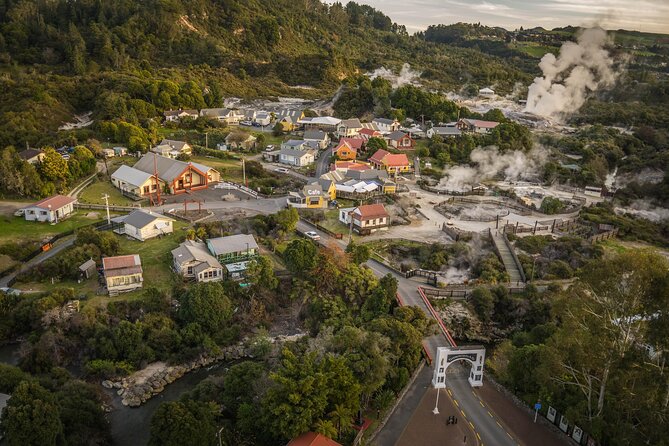
- A living Māori community: Whakarewarewa is the home of Tūhourangi Ngāti Wāhiao, not simply a recreated historic site.
- Guides with personal ties: Guides such as Philip, Daniel, Kylie, and other village-born hosts bring family stories and modern local life into the tour.
- Geothermal sights included: You see boiling mud pools, hot springs, and Pohutu Geyser from two viewing platforms.
- A taste of geothermal cooking: The tour includes a piece of corn cooked in the village hot pool.
- Short and easy to schedule: The guided experience lasts about one hour, with timed entry and a maximum group size of 20.
- Performances may be separate: Singing and cultural shows are not the main focus of this ticket, so check what is included before booking.
Walking into a village shaped by geothermal heat
The first thing to understand about Whakarewarewa is its name and character. This is a place where the ground is active, steam rises from pools, and hot water has practical value as well as visual drama.
You are visiting the home of Tūhourangi Ngāti Wāhiao, a Māori people who have shared their way of life and local stories with visitors for more than two hundred years. That guiding tradition is part of the attraction. The tour is not just a walk past unusual natural features. It explains how a community has made use of them.
Your guide leads the group through the village and points out the way geothermal activity shapes local life. The setting gives the cultural material a clear sense of place. Instead of hearing only general information about Māori customs, you see those ideas connected to a real community and its surroundings.
The tour has a maximum of 20 people. That is large enough to provide a lively group but small enough that you should be able to hear the guide and ask questions. The pace is steady, with time after the main walk to look around at your own speed.
More Māori Cultural Tours in Rotorua
- Mitai Maori Village: Cultural Experience and Dinner Buffet
★ 4.7 · 3,575 reviews - Cultural Experience & Seasonal Māori Cuisine at Te Pā Tū
★ 5.0 · 1,546 reviews - Mitai Maori Village Cultural Experience in Rotorua
★ 4.5 · 1,294 reviews
What the one-hour guided walk includes
The route combines three parts: Māori culture and community life, geothermal features, and a small food tasting.
Your guide explains traditions, local stories, and the village’s place in Rotorua’s tourism history. Whakarewarewa has been welcoming people for generations, and the guiding tradition itself is part of the story. You may hear about how Māori communities introduced visitors to this unusual geothermal area and helped shape Rotorua as a destination.
The village is also a working community. That matters because it changes how you look at the buildings, pathways, and hot pools. You are not simply seeing an old settlement preserved behind a fence. You are learning about a place where the past and present continue side by side.
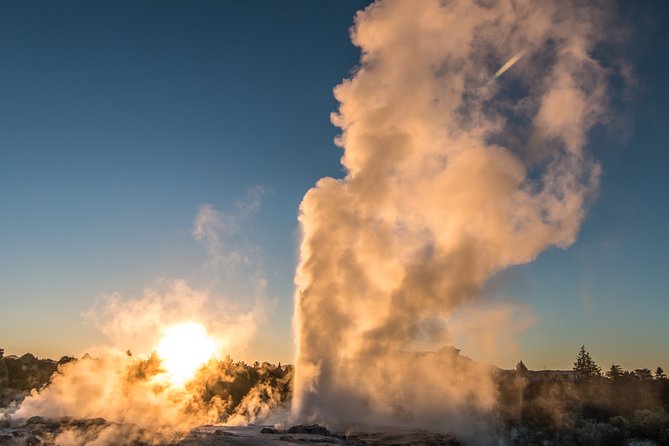
The natural features provide the visual centre of the walk. You see boiling mud pools and hot springs, then view Pohutu Geyser from two platforms. The viewing areas provide a safer way to appreciate the geyser’s power without getting too close to unstable geothermal ground.
The final hands-on detail is the corn cooked in the largest hot pool. It is included in the tour and gives you a taste of kai, the Māori word for food. The corn may seem modest compared with a full meal or performance, but it explains the practical side of geothermal living better than a display case can.
The guides are a major part of the experience
The quality of this tour depends heavily on who leads it. That is true of any cultural walk, but especially here, since personal connection gives the village stories their shape.
Guides named in visitor feedback include Philip, Daniel, and Kylie. The strongest accounts describe guides who grew up in the village, came from a long line of local residents, or had a close family connection to the community. One guide was described as the chief’s daughter, while another was a fifth-generation Māori member of the village.
Those details matter because the tour can move beyond a general lesson. A guide who knows the village from childhood can explain modern life as well as older traditions. You may hear personal stories, family memories, and answers to questions that are not part of a standard script.
The best guides are described as funny, patient, proud, and able to keep the group interested for the full hour. Daniel and Philip were singled out for their ability to explain the village and answer questions. Kylie was praised for making the experience feel personal and for sharing her connection to Māori culture.
You should still allow for variation. A guide may be excellent at explaining geothermal activity but spend less time on cultural detail, or may present history in a way that feels more direct than some people expect. One visitor felt that a guide brought strong political views into the talk. That appears to be an individual concern rather than the general tone, but it is fair to know that the discussion may touch on colonisation, religion, and contested parts of New Zealand’s past.
Seeing Pohutu Geyser and the hot pools
Rotorua is famous for geothermal activity, and Whakarewarewa gives you a chance to see it within a lived-in setting.
The boiling mud pools are strange, noisy, and difficult to forget. They bubble and churn in a way that makes the ground feel alive. The hot springs add another layer to the visit, since they are not merely scenic features. Your guide explains how the people of the village have used geothermal heat for cooking and other parts of daily life.
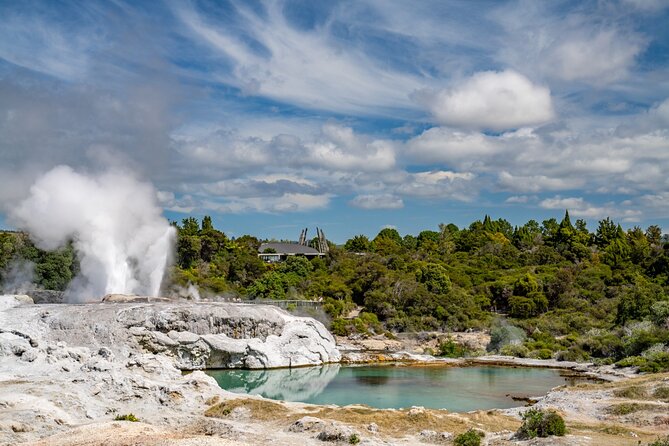
Pohutu Geyser is the headline natural feature. The tour includes views from two platforms, so you can watch from a safe position and get a better sense of the surrounding geothermal area. Timing and eruption conditions can affect what you see, so you should treat the geyser as a natural feature rather than a perfectly timed stage show.
The geothermal sights are impressive, but they also create the main balance issue with this tour. If your priority is Māori culture, you may find that the hot pools and geyser receive a large share of the hour. One visitor expected more cultural content and less attention to the springs, while another wanted more detail about the people who lived and still live in the village.
I would choose this tour if you want both elements together. If your main goal is an extended performance, ceremonial presentation, or detailed social history, compare it with longer options at the village.
More Māori cultural evenings and village visits:
- Rotorua: Te Pa Tu Māori Cultural Experience with Dinner
★ 4.8 · 1,193 reviews - Te Puia: Te Rā Guided Day Tour
★ 4.6 · 396 reviews - Te Puia: Te Rā Guided Experience
★ 4.5 · 332 reviews - Rotorua: Whakarewarewa Village Guided Tour
★ 4.7 · 311 reviews
The corn tasting is small but useful
The included piece of corn cooked in a hot pool is one of the most distinctive details of the walk.
It is not a meal, and you should not book this experience expecting a substantial food program. Instead, think of it as a short demonstration you can taste. The corn shows how geothermal heat can become part of ordinary life, not just something to photograph.
The detail also helps connect the natural and cultural parts of the tour. You first see the hot pools as powerful features, then learn that they can be used to prepare food. That practical link is easy to remember.
One visitor specifically noted that the corn was sweet. Bring an open mind rather than high expectations of a full tasting menu. The value is in the connection to the place.
Culture, history, and what may not be included

The guided walk introduces Māori traditions, language, community life, and the village’s past. It also addresses life before colonisation and the way Māori people helped create New Zealand’s early tourism industry.
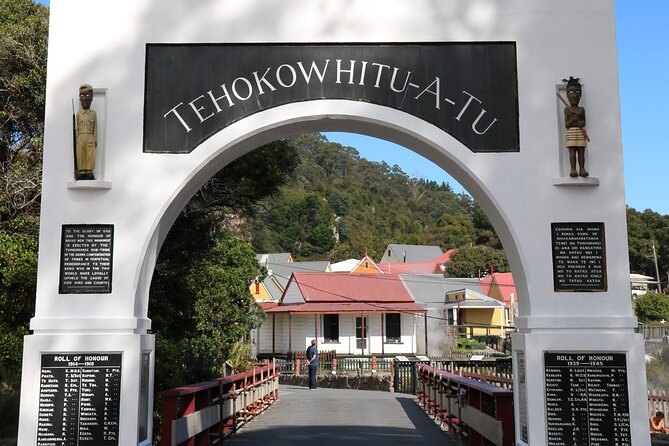
You may see signs of remembrance and respect for Māori war heroes near the gateway. This adds a serious note before the lighter parts of the tour and helps place the village within a wider national story.
At the same time, the one-hour format limits how much can be covered. You can learn a useful amount about the village, but you will not receive a complete account of Māori history or every aspect of contemporary Māori life.
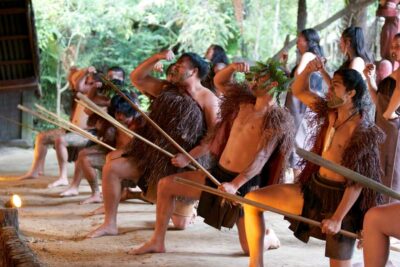
Cultural singing and performances can be an important part of a visit to Whakarewarewa, but they are not clearly included in this guided-tour ticket. Some visitors heard singing, while others expected a show and found that it was scheduled separately. Daily performances were noted at 11 a.m., noon, and 1 p.m., though you should confirm the current schedule and any extra cost before planning around them.
This is one of the most important booking points. If a performance is central to your plans, do not assume that the guided walk includes it.
Timing your visit around the village
The tour lasts about one hour, so it fits neatly into a day of Rotorua sightseeing. You select a time slot when booking, which is useful if you are working around other activities.
Earlier times may give you more time afterward to explore the village, museum, café, shops, and gift stores. A 3 p.m. tour may finish after some facilities have closed, so buy anything you want before joining the walk rather than leaving all your browsing until afterward.
If you want to attend a cultural performance, check how its timing fits with the guided tour. An 11 a.m. walk, for example, may not automatically lead into a later singing or performance session. The schedule needs a little planning.
Wear comfortable shoes. The route includes walking, and one visitor specifically advised preparing for a fair amount of it. The experience can also continue in wet weather, so a rain jacket is sensible. One particularly positive account described the tour remaining enjoyable despite heavy rain, but poor weather can still affect comfort and visibility.
The meeting point is at 17 Tryon Street in Whakarewarewa, Rotorua. The activity begins and ends there, and the site is near public transportation. Confirmation is provided at booking, and most people can take part.
Is the $34.13 price good value?
At $34.13 per person, this is a reasonably priced way to combine a cultural introduction with Rotorua’s geothermal sights.
The value comes from the guide, not just the scenery. You can see hot pools and mud in several places around Rotorua, but this tour places them inside a Māori village and explains how they connect to community life. The local perspective is what separates it from a simple geothermal viewing stop.
The one-hour length also helps keep the cost practical. You get a focused introduction without committing half a day. That suits you if your Rotorua schedule includes other attractions or if you are visiting with family members who may not want a long cultural program.
The price looks less complete if you expect a full meal, a performance, museum admission, and a long historical lecture all in one ticket. The corn tasting is included, but it is only a small sample. Shops, cafés, and other village activities may require extra time or spending.
I see this as a good-value first introduction. It is especially useful if you have never visited a Māori community or geothermal village before. For a more elaborate cultural program, compare the available longer tours before settling on this one.
Who will get the most from this tour?
This experience suits first-time visitors to Rotorua who want context rather than a quick photograph of a geyser. It also works well for families because the walk is short, the natural features are unusual, and the corn tasting adds a simple interactive moment.
You will get the most from it if you ask questions. The guides have personal links to the village, and the hour passes quickly. Ask about present-day community life, geothermal cooking, local language, and the history of guiding in Whakarewarewa.
It is also a good choice for anyone who values a real community setting. The village is not presented only as a museum piece. You see a place where people live, work, remember their past, and welcome visitors.
You may want a different option if your first priority is a formal Māori performance. The guided walk can include traditional singing or chants in the broader village experience, but this ticket does not clearly guarantee a full show.
Booking, group size, and cancellation
Prebooking lets you select an entry time and helps secure admission. The group size is capped at 20 people, which gives the guide a manageable audience and makes questions more realistic than they would be in a very large coach group.
The tour requires suitable weather conditions. If the provider cancels because of poor weather, you can choose another date or receive a full refund.
You can cancel for a full refund up to 24 hours before the start time. Cancellations or changes made less than 24 hours before the start are not refunded or accepted, and the cut-off uses local Rotorua time.
Should you book Whakarewarewa Village Guided Tour?
Book it if you want a short, well-priced introduction to Māori culture set within a real village, with boiling mud, hot springs, Pohutu Geyser, and a taste of geothermal-cooked corn. The strongest part is the guide, especially when you are led by someone raised in the community, such as Philip, Daniel, or Kylie.
Think twice if you want a full cultural performance or an extended account of Māori history. In that case, check the longer tours and performance schedule before booking.
For most first visits to Rotorua, I would choose this as a one-hour foundation. It gives you a human connection to the geothermal setting, then leaves room in your day for other attractions.
FAQ
Where does the Whakarewarewa Village Guided Tour begin?
The tour begins at Whakarewarewa, The Living Māori Village, at 17 Tryon Street, Whakarewarewa, Rotorua 3010, New Zealand.
Where does the tour end?
The activity ends back at the same meeting point at 17 Tryon Street.
How long does the guided tour last?
The guided tour lasts approximately one hour.
What can you see during the tour?
You can see boiling mud pools, hot springs, and Pohutu Geyser from two viewing platforms.
Is food included?
The tour includes an opportunity to try a piece of corn cooked in the village’s largest hot pool.
Is a Māori guide included?
Yes. The tour includes a guided walk led by a Māori guide from the village.
What is the maximum group size?
The tour has a maximum of 20 participants.
Is the village near public transportation?
Yes. The meeting point is near public transportation.
Can I cancel for a full refund?
Yes. You can cancel at least 24 hours before the experience start time for a full refund.
What happens if poor weather cancels the tour?
If the provider cancels because of poor weather, you can select a different date or receive a full refund.
Just added around Rotorua
- Thrilling Riverbug Adventure on the Rangitāiki River★ 5.0 · 4 reviews
- Te Puia: Te Pō Combo: Te Rā, Dinner, and Haka Performance★ 4.6 · 5 reviews
- Te Puia: Te Rā Guided Day Tour and Haka Performance★ 5.0 · 4 reviews
- Rotorua: Waimangu Volcanic Valley Ticket & Self-Guided Walk★ 4.8 · 104 reviews
- Rotorua: White Island, Mount Tarawera & Waimangu Volcanic …★ 4.4 · 5 reviews
- Rotorua: Velocity Valley – Two Ride Pass★ 4.6 · 8 reviews
- Rotorua: Wai Ariki Hot Springs & Spa 1hr Restorative Bathing★ 4.8 · 16 reviews
- Rotorua: Velocity Valley – NEW Vertigo 43m drop★ 5.0 · 3 reviews
Māori Cultural Tours, compared.
Mitai Maori Village: Cultural Experience and Dinner Buffet
Read our review →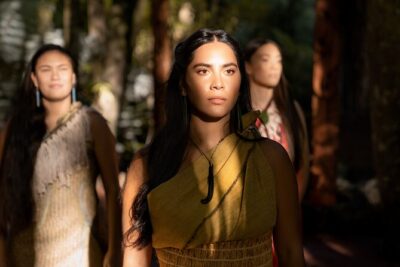
Cultural Experience & Seasonal Māori Cuisine at Te Pā Tū
Read our review →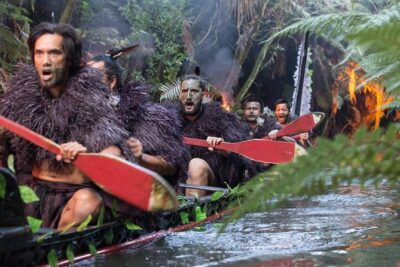
Mitai Maori Village Cultural Experience in Rotorua
Read our review →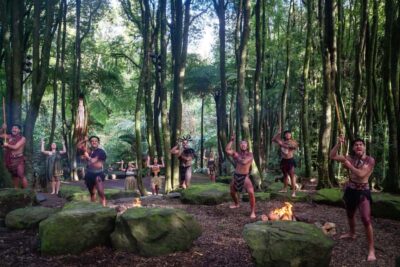
Te Pa Tu Māori Cultural Experience with Dinner
Read our review →
Lake Taupo: Sailboat Trip to the Maori Rock Carvings
Read our review →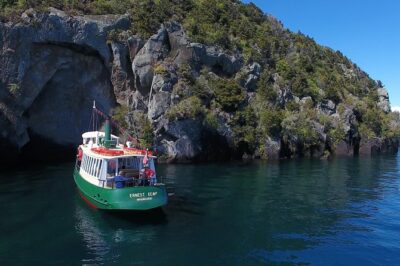
Lake Taupō Māori Rock Carvings Scenic Cruise aboard Ernest Kemp
Read our review →
Waitomo Caves & Rotorua – Te Puia Small-Group Tour from Auckland
Read our review →Browse the lists this tour appears in