
Reviewed · MāORI CULTURAL TOURS
Whaka Trails and Maori Village Combo Tour
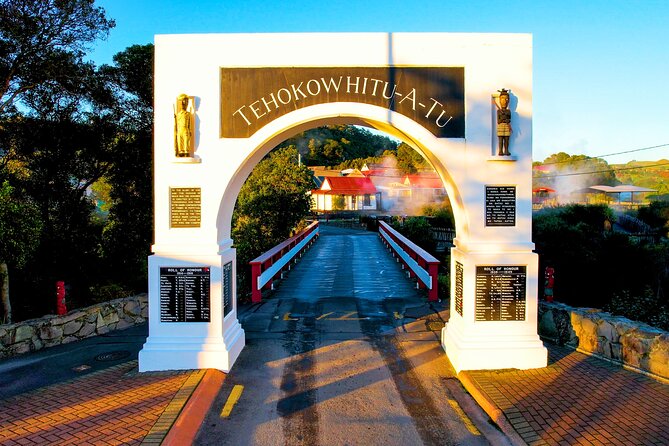
At Whakarewarewa, geothermal heat is not just something you look at from a boardwalk. It cooks food, warms water, shapes daily routines, and rises through the ground around a living Māori community. I love the chance to hear those stories from local guides such as Angela, Daniel, Mirama, Michael, Ben, and Waimairia, rather than simply reading signs beside a steaming pool. I also like the corn tasting, a small but memorable link between the hot springs and everyday life.
The main thing to consider is pace. The guided village walk is easy and family-friendly, but the self-guided geothermal trails add more walking, and the total visit can run closer to three hours. The geothermal features are natural, so Pohutu Geyser does not erupt on a perfectly fixed schedule.
Key points at a glance
- A real living Māori village: Learn how families use geothermal heat for cooking, bathing, and heating water.
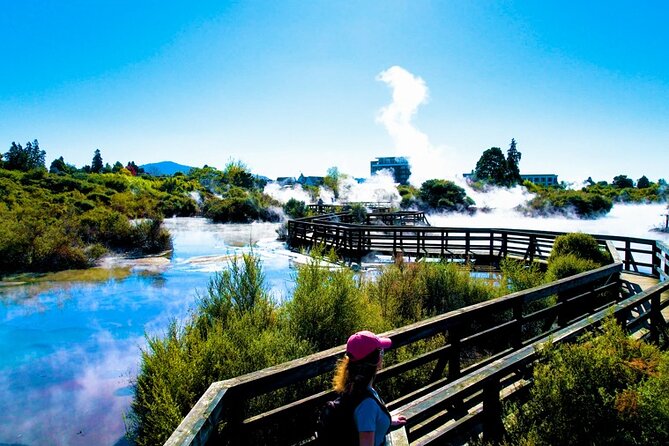
- Two Pohutu viewing platforms: You get clear spots to watch Rotorua’s famous geyser erupt, sometimes up to twice an hour.
- Corn cooked in a hot pool: The tasting turns geothermal science into something you can see, smell, and eat.
- Guided village tour plus self-guided trails: Start with local stories, then walk the quieter geothermal paths at your own speed.
- Small maximum group: The tour accepts up to 20 people, which gives you a better chance to hear the guide and ask questions.
- Good value at $54.30: The price includes the village tour and Whaka Geothermal Trails, making it a useful half-day-sized Rotorua activity.
Why geothermal life makes this Rotorua tour different
Rotorua has no shortage of boiling mud, steam vents, and geysers. What makes Whakarewarewa different is the human story wrapped around those features. Here, geothermal energy is part of community life, not just a dramatic sight on a sightseeing route.
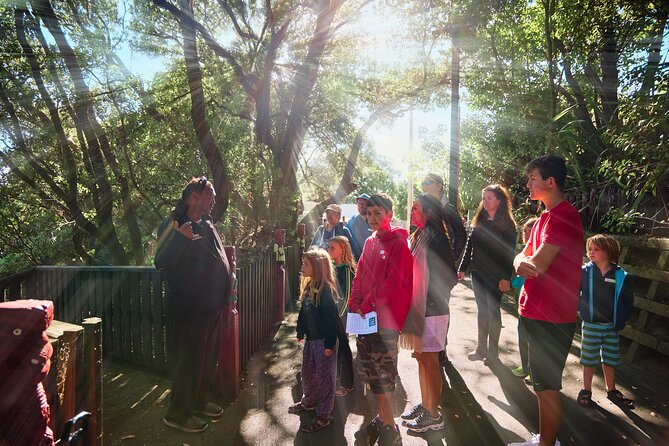
Your guide takes you through the village and explains how Māori residents have lived with the hot springs for generations. You learn about cooking, bathing, heating water, family heritage, customs, and community life. The most useful part is the connection between the ground beneath your feet and the way people use it.
I find that this gives the geyser and mud pools more meaning. Instead of seeing a jet of water and moving on, you understand why this place matters to the people who call it home. Guides speak from personal experience, and several tours have been led by people who grew up in the village or still live there.
That local point of view is the heart of the experience. Guides such as Daniel have been praised for humor and for welcoming questions. Angela has been singled out for making the tour especially warm and engaging. Mirama has shared family heritage and a personal connection to home. The exact guide depends on the day, but the format puts a local person at the center of the visit.
More Māori Cultural Tours in Rotorua
- Mitai Maori Village: Cultural Experience and Dinner Buffet
★ 4.7 · 3,575 reviews - Cultural Experience & Seasonal Māori Cuisine at Te Pā Tū
★ 5.0 · 1,546 reviews - Mitai Maori Village Cultural Experience in Rotorua
★ 4.5 · 1,294 reviews
The guided walk through Whakarewarewa village
The guided portion takes about one hour, though the full combination with the trails can last two to three hours. You walk through the village while the guide explains its history, traditions, and present-day routines.
Expect frequent stops around hot springs, steam vents, and other thermal features. The guide explains how geothermal heat is used to cook food and heat water for bathing. This is not a staged village built only for sightseeing. Māori families live in the area, and that makes the visit feel more personal and grounded.
The village is also a good place to ask questions. You might want to ask how cooking works, how the community manages daily life around active geothermal ground, or how traditions continue today. The guides are used to questions, and the smaller group size helps keep the conversation going.
One especially enjoyable detail is the corn tasting. A corn cob is cooked in one of the hot pools and offered as part of the visit. It is simple food, but it makes the geothermal story practical. You are not just hearing that hot water can cook a meal. You are tasting the result.
I would not expect a full meal here. Coffee, tea, lunch, and bottled water are not included, so plan around the visit if you need more than a small tasting. The corn is best understood as a cultural and educational sample, not a replacement for lunch.
Seeing Pohutu Geyser from two platforms
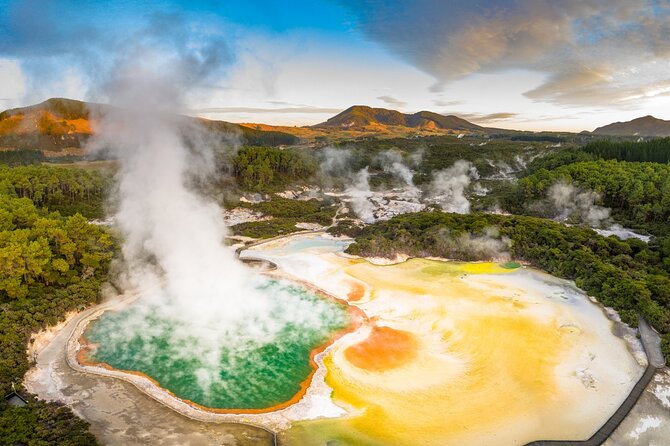
Pohutu Geyser is one of the main visual draws. During the guided walk, you visit two lookout platforms where you can watch the geyser erupt. The natural pattern is described as up to two eruptions per hour, but this is still an active geothermal feature, not a show controlled by a timetable.
That distinction matters. You may see a strong eruption quickly, or you may need to wait a little. The guide can help explain what you are seeing and give the geyser a sense of place within the wider thermal area.
The platforms are useful for photos, especially when the steam catches the light. Bring a phone or camera, but keep your attention on the guide as well. The best pictures are not always the most memorable part of the stop. The stronger experience comes from watching a natural force erupt beside a community that has learned to live with it.
If you have limited time in Rotorua, this part gives you a clear look at a major geothermal feature without requiring a separate visit to another attraction. You get the geyser, the village, and the cultural explanation in one outing.
The Whaka Geothermal Trails after the guide
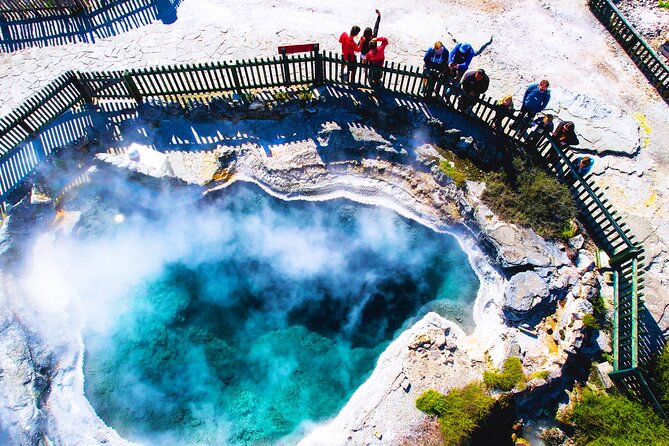
After the guided village visit, you can take a self-guided walk through the Whaka Geothermal Trails. This section gives you more freedom. You are no longer moving at the guide’s pace, so you can stop for photographs, read the surroundings, and spend more time at the thermal features that interest you.
The trails provide access to less-developed geothermal areas, with bubbling pools, steam, and hot ground that feels more raw than the village route. The setting has a wild, almost Jurassic Park quality, though you should treat the paths as a place for careful observation rather than adventure.
I like this two-part design. The guide gives you context first, then the trail lets you look more closely on your own. If you simply walked among the pools without an explanation, you could miss how unusual the community’s relationship with geothermal heat really is.
The trails are also where the tour becomes less structured. Families can set their own pace, and people who enjoy photography have time to wait for the right angle. If you are short on time, you can keep the walk brief. If you have closer to three hours, it is worth allowing room for the trail instead of treating it as an optional afterthought.
Use care around all thermal features and stay on the marked route. The supplied information describes the trail as easy enough for most people, but it remains an active geothermal area. Sensible shoes and attention underfoot are good ideas, especially if the ground is damp.
More Māori cultural evenings and village visits:
- Rotorua: Te Pa Tu Māori Cultural Experience with Dinner
★ 4.8 · 1,193 reviews - Whakarewarewa Village Guided Tour
★ 4.5 · 477 reviews - Te Puia: Te Rā Guided Day Tour
★ 4.6 · 396 reviews - Te Puia: Te Rā Guided Experience
★ 4.5 · 332 reviews
Māori culture presented through daily life
This tour works best when you want cultural understanding alongside natural sights. You learn about Māori customs, family heritage, village life, and the practical use of geothermal resources. The emphasis is on how people live, not only on formal performance.
One account describes hearing Māori singing through the village, which gives the setting an added sense of place. Another mentions a Māori dance show, though the main focus of the experience is the guided village and geothermal visit. If a performance is part of your scheduled experience, seating may affect your view. Shorter people may find it easier to sit near the front, at the ends, or at the very back.
The cultural content is handled by people connected to the village. That matters because you are hearing about contemporary life as well as older traditions. You can ask about how practices continue, how geothermal cooking fits into modern routines, and what it means to grow up in an active thermal area.
I would approach the visit with respect. You are entering a home community, not simply a themed attraction. Listen carefully, ask polite questions, and remember that personal stories are being shared as part of the experience.
What the $54.30 price gives you
At $54.30 per person, the tour offers solid value if you want both culture and geothermal sights. Admission includes the Whaka Geothermal Trails and the village guided tour. You are paying for a local guide, access to the thermal area, the Pohutu viewing platforms, and the corn tasting.
The value is strongest for first-time visitors to Rotorua. You could walk around geothermal features alone, but you would miss much of the explanation about cooking, bathing, community life, and Māori traditions. The guided element turns a collection of hot pools into a connected story.
The tour is less useful if you want a full-day geothermal expedition, a large meal, or an elaborate cultural production. It is a focused visit, not an all-inclusive Rotorua package. Lunch, coffee, tea, and bottled water cost extra, so factor those into your plans.
The group maximum is 20 people. That is not a private tour, but it is small enough to make the guide’s explanations easier to follow than they would be in a very large group. It also leaves room for questions, which is important on a tour built around personal knowledge.
Timing, meeting point, and practical planning
The tour starts and ends at 17 Tryon Street, Whakarewarewa, Rotorua 3010. The activity returns to the same meeting point, so it is easy to fit before or after other Rotorua plans.
Allow two hours at a minimum if you want the guided visit and some time on the trails. Three hours gives you a calmer visit, especially if you pause for photos or wait for Pohutu Geyser. The advertised duration is approximately one to three hours, and the two listed portions add up to about three hours when taken fully.
The site is near public transportation, and service animals are allowed. Most people can take part, and the tour is family-friendly. The walking is described as easy, though you should still allow for outdoor paths and changing geothermal ground.
Wear shoes suited to walking and bring water, since bottled water is not included. Weather matters because the experience requires good conditions. If poor weather cancels the activity, you can be offered another date or a full refund.
Free cancellation is available up to 24 hours before the start time. A cancellation made less than 24 hours ahead is not refunded, and late changes are not accepted. That is worth noting if your Rotorua schedule depends on weather.
Who will enjoy this most
I would choose this for families, first-time Rotorua visitors, and anyone who wants more than a quick photo stop at a geyser. Teenagers and younger children can follow the easy walking route, and the corn tasting gives the visit a hands-on moment.
It also suits people who prefer a smaller, personal tour over a polished cultural show. The guides explain how the village works and invite questions. If you are curious about Māori culture but have only a short time in Rotorua, this is an efficient way to get both cultural and geothermal context.
The tour may be less suitable if you have very limited time and only want to see one geyser. It may also disappoint if you expect a long performance, a sit-down meal, or a fully scheduled natural show. The experience is strongest when you value explanation, conversation, and time to walk.
Should you book the Whaka Trails and Māori Village tour?
I would book it if you want to understand Rotorua through the people who live among its geothermal features. The village guide, Pohutu Geyser viewpoints, corn cooked in hot water, and self-guided trails make a well-balanced visit for $54.30.
Go with enough time to take the trail, not just the guided walk. Listen closely to the local guide, ask questions, and treat the village as a real community. If that sounds like your kind of sightseeing, this is one of Rotorua’s more useful and memorable cultural experiences.
FAQ
Where does the Whaka Trails and Māori Village tour start and finish?
The tour starts at 17 Tryon Street, Whakarewarewa, Rotorua 3010, New Zealand, and ends back at the same meeting point.
How long does the experience take?
The activity lasts approximately one to three hours. The guided village visit takes about one hour, and the geothermal trail portion takes about two hours when fully enjoyed.
What is included in the ticket?
The ticket includes the Whaka Geothermal Trails and the guided tour of the living Māori village.
Is food included?
A corn cob cooked in a hot pool is included as a tasting experience. Coffee, tea, lunch, and bottled water are not included.
How often does Pohutu Geyser erupt?
Pohutu Geyser can erupt up to twice per hour, following its natural pattern. The timing is not presented as a fixed scheduled show.
Can I cancel for a full refund?
You can cancel at least 24 hours before the experience start time for a full refund. Cancellations or changes made less than 24 hours before the start time are not accepted for a refund.
Just added around Rotorua
- Thrilling Riverbug Adventure on the Rangitāiki River★ 5.0 · 4 reviews
- Te Puia: Te Pō Combo: Te Rā, Dinner, and Haka Performance★ 4.6 · 5 reviews
- Te Puia: Te Rā Guided Day Tour and Haka Performance★ 5.0 · 4 reviews
- Rotorua: Waimangu Volcanic Valley Ticket & Self-Guided Walk★ 4.8 · 104 reviews
- Rotorua: White Island, Mount Tarawera & Waimangu Volcanic …★ 4.4 · 5 reviews
- Rotorua: Velocity Valley – Two Ride Pass★ 4.6 · 8 reviews
- Rotorua: Wai Ariki Hot Springs & Spa 1hr Restorative Bathing★ 4.8 · 16 reviews
- Rotorua: Velocity Valley – NEW Vertigo 43m drop★ 5.0 · 3 reviews
Māori Cultural Tours, compared.
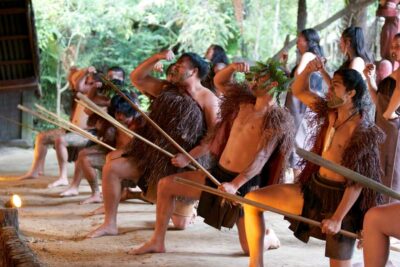
Mitai Maori Village: Cultural Experience and Dinner Buffet
Read our review →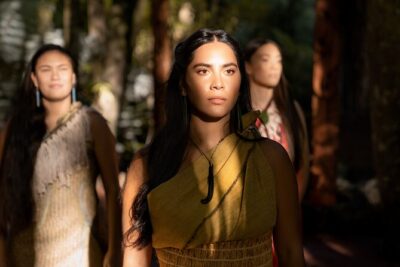
Cultural Experience & Seasonal Māori Cuisine at Te Pā Tū
Read our review →
Mitai Maori Village Cultural Experience in Rotorua
Read our review →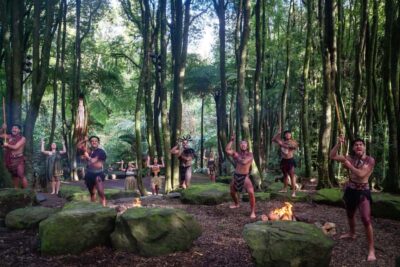
Te Pa Tu Māori Cultural Experience with Dinner
Read our review →
Lake Taupo: Sailboat Trip to the Maori Rock Carvings
Read our review →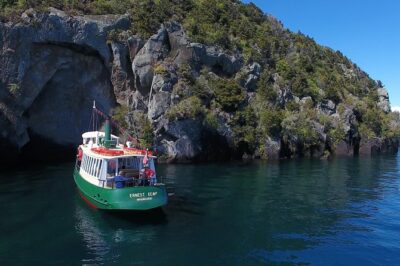
Lake Taupō Māori Rock Carvings Scenic Cruise aboard Ernest Kemp
Read our review →
Waitomo Caves & Rotorua – Te Puia Small-Group Tour from Auckland
Read our review →Browse the lists this tour appears in