
Reviewed · STARGAZING TOURS
Night Awe – Stargazing tour in Akaroa
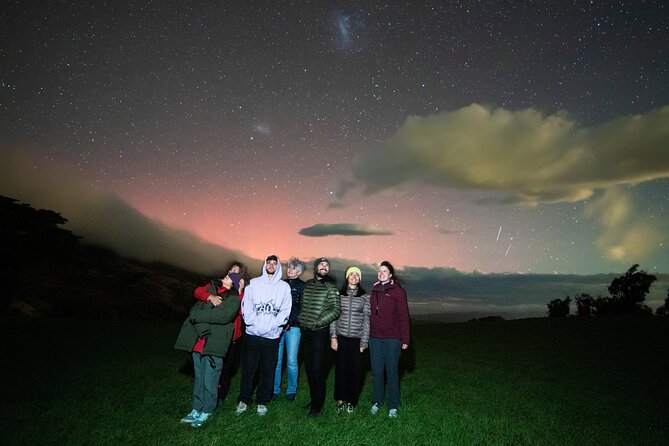
The best part of Night Awe is the mix of old-school stargazing and modern technology. At Akaroa Heritage Park, you begin with the naked eye, then move to binoculars and a 10-inch Dobsonian telescope before seeing deep-sky objects appear live through a smart telescope.
I like two things right away: Luca’s personal, easy-to-follow teaching style, and the fact that you receive actual digital images instead of only a memory of what you saw. The hot drink and blankets also matter, since even a short night outside can feel cold.
The main drawback is simple: this is a weather-dependent activity. Clouds can cancel the show, and the 90-minute visit takes place outdoors at night, so you need warm clothing and a little patience.
Key points at a glance
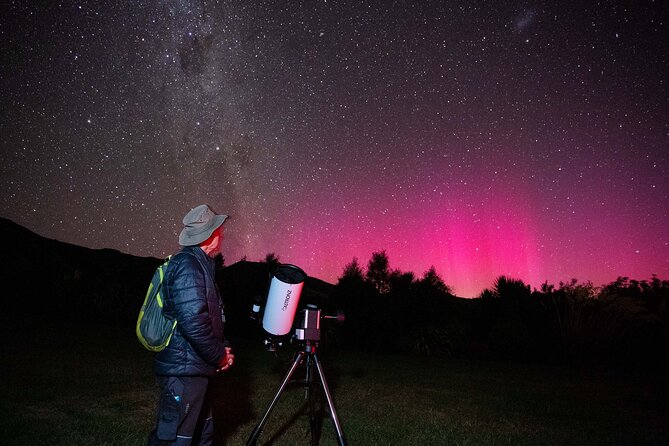
- Two very different telescopes: The 10-inch Dobsonian gives you direct visual views, while the ZWO Seestar S50 creates live astrophotography images.
- A small group of no more than 10 people: You have a better chance to ask Luca questions and get time at the equipment.
- A proper Southern Hemisphere sky: The dark setting reveals stars, planets, nebulae, galaxies, and the Milky Way beyond what you can see from town.
- Digital photos are part of the experience: Deep-sky images can be shared straight away, and a personal night-sky portrait arrives the next day.
- Akaroa Heritage Park is close to town: You do not need private transport during the tour, but you must make your own way to the meeting point.
- A clear explanation for beginners: You need no astronomy background, and Luca uses familiar comparisons to explain huge distances.
Akaroa after dark: why the setting matters
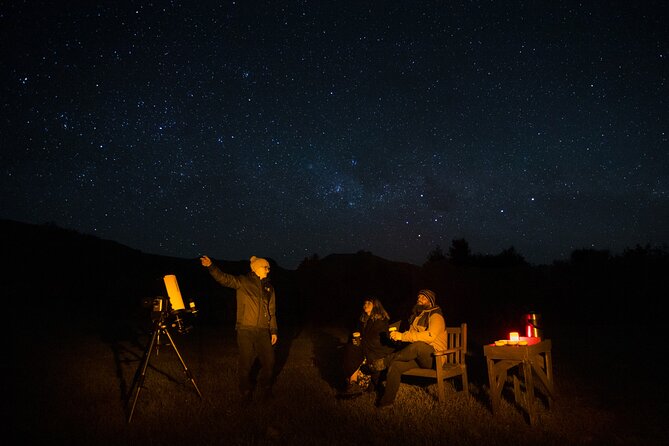
Akaroa is a good place to look up. The tour takes you away from the strongest town lights and into the darker skies of Banks Peninsula, where the Milky Way and fainter celestial objects have a better chance of showing themselves.
That change is important. In a city, you may see the Moon and a few bright stars, but much of the sky is washed out. At Akaroa Heritage Park, the darker conditions allow the tour to move beyond simple constellation spotting.
You begin by looking at the sky without equipment. I like this order because it gives you a sense of scale before the telescopes take over. You first see the sky as a whole, then learn how binoculars and telescopes bring selected objects closer.
The activity lasts about one hour and 30 minutes. That is long enough to cover several types of objects without turning the evening into a formal astronomy class. It is also short enough to fit around dinner or other Akaroa plans.
The dark sky is not a guarantee of perfect visibility. Clouds and poor conditions can prevent the tour from running, and even on a clear night some objects may be easier to see than others. Still, the chance to view a proper Southern Hemisphere sky is the central reason to book.
More dark sky nights near Akaroa:
- Akaroa: Stargazing Tour with 2 Telescopes & Souvenir Photos
★ 5.0 · 17 reviews - Lake Tekapo: Alpine Stargazing Experience with a Guide
★ 4.5 · 626 reviews - Lake Tekapo: Stargazing Experience
★ 4.9 · 607 reviews
Starting at Akaroa Heritage Park
The meeting point is Akaroa Heritage Park, at 280 Long Bay Road, Akaroa 7583. The tour begins and ends there, so you should plan your own way to the park and return from it afterward.
Private transportation is not included. That is not a problem if you are already staying nearby and have arranged your evening around the meeting point, but it is an important detail if you are relying on a hotel shuttle or public transport. The experience is not a pickup tour.
Once the night session begins, the focus is refreshingly simple. You look up, listen, ask questions, and take turns viewing objects through the equipment. There is no long list of daytime stops or hurried transfer between sites.
The group limit is 10 people. For stargazing, that number is useful. A large crowd can make telescope viewing slow and make it harder to hear the guide. With a small group, you have more room to ask about a constellation, a planet, or the distance to a faraway object.
You do not need prior astronomy knowledge. That makes the tour a good choice if you can recognize only the Moon and the brightest stars. It also works for people who already enjoy astronomy but want a guide to organize what they are seeing.
From naked-eye stars to the Dobsonian telescope
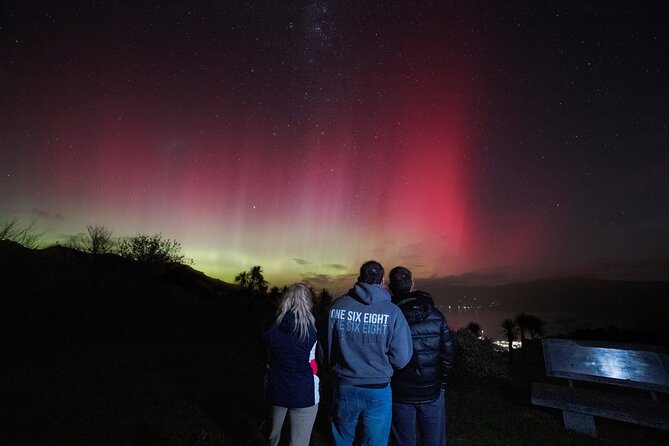
Luca leads you through the sky in stages. First comes naked-eye observation, which helps you get your bearings. Then binoculars and the telescopes provide more detail.
The 10-inch Dobsonian is a classic visual instrument. You look through it directly rather than at a processed image on a screen. That makes the experience feel immediate: your eye is receiving the light collected by the telescope, and the object appears in the eyepiece for you to study.
The Dobsonian can be used for planets, nebulae, and other celestial targets, depending on the night and the conditions. The exact objects are not fixed, since the visible sky changes with the season, the weather, and the time of the session.
This is where Luca’s explanations add real value. The supplied feedback repeatedly highlights his enthusiasm and his ability to explain distances using examples people can relate to. That matters because astronomical numbers are otherwise hard to picture. A guide can turn an abstract number into an idea you can hold onto.
You should expect plenty of questions and conversation rather than a silent equipment demonstration. Luca is described as an engaging host who makes the experience personal, so you can ask about the objects in view or about the basic ideas behind what you are seeing.
For children and adults who learn by looking through an eyepiece, this telescope may be the highlight. The limitation is that a visual view is not the same as a glossy space-agency image. Some objects appear faint or softly colored to the eye. That is normal, and Luca’s guidance helps you understand what you are seeing.
Live astrophotography with the ZWO Seestar S50
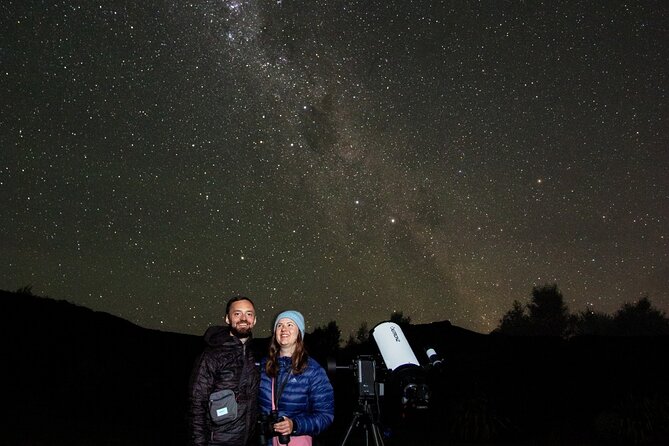
The second telescope changes the experience. The ZWO Seestar S50 is a smart telescope that captures live astrophotography, allowing you to see nebulae and other deep-sky objects as digital images build on screen.
I like this feature because it bridges the gap between what your eye sees and what a camera can record. A faint object that looks subtle through the Dobsonian can become clearer in the smart telescope’s live image. You get a more photographic view without needing to know how to operate an astronomy camera.
The images are available for instant sharing. That gives you something concrete to take away during the evening, rather than trying to describe a tiny patch of light to friends at home.
The tour also includes a personalized digital souvenir photo of you or your group under the night sky. It is sent the next day. This is a thoughtful extra because it records your own place in the experience, not only a distant nebula.
You should keep your expectations sensible. The digital images are souvenirs and live captures, not a promise of professional observatory photographs. Their quality will depend on the sky and the object being photographed. Even so, the combination of direct telescope viewing and instant images is more satisfying than using only one method.
A few more Akaroa half-days to weigh up
- Akaroa Dolphins ~ Harbour Nature Cruise
★ 5.0 · 2,143 reviews - Akaroa: Dolphin Nature Cruise
★ 4.9 · 440 reviews - Akaroa Harbour Nature Cruise
★ 5.0 · 332 reviews - Swimming with Wild Dolphins in Akaroa
★ 4.5 · 261 reviews
What Luca adds to the evening
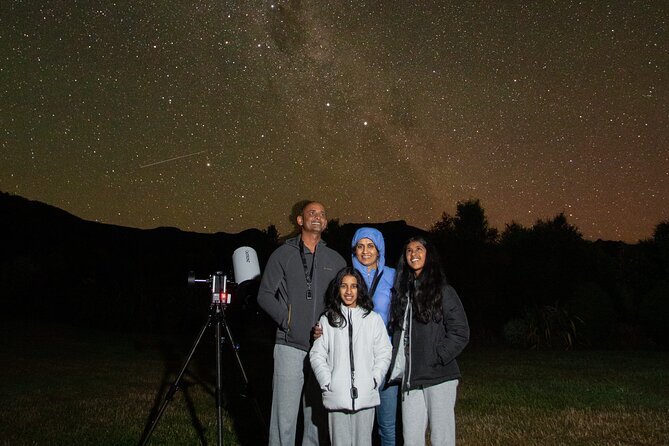
A stargazing tour succeeds or fails on the guide. Equipment can collect light, but a good guide tells you where to look and why the object matters.
Luca is the named astronomer leading this experience. The strongest praise centers on his enthusiasm, clear explanations, and ability to make the session personal. Those qualities are especially useful for first-time stargazers, who may otherwise feel lost among unfamiliar star names and technical terms.
His explanations also appear to focus on scale. Asking how far away a galaxy is can produce a number so large it stops meaning anything. Relating those distances to familiar examples gives the subject more weight and makes the night sky easier to understand.
I would choose this tour for someone who wants more than a quick look through a telescope. You get a guided route through the sky, but you also have room to ask your own questions. That balance is valuable in a small group.
The session is not presented as a university lecture. You do not need to prepare by learning constellations or reading an astronomy guide. Come ready to listen and look, and you can follow along.
Warm drinks, blankets, and the practical comfort factor
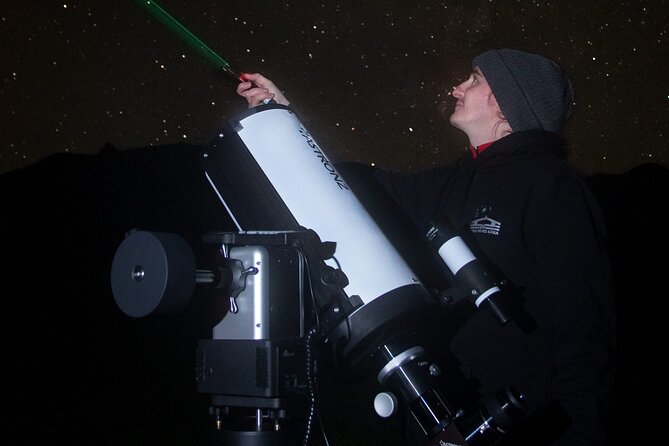
Night air can be cold, even when the daytime in Akaroa feels mild. The tour includes coffee or tea and cozy blankets, which make a real difference during a stationary outdoor activity.
You will spend much of the time standing or waiting for your turn at the equipment. A hot drink gives you a short warm-up, while a blanket helps if the temperature drops during the session. These are small inclusions, but they show an understanding of what stargazing actually feels like.
You should still dress warmly. The provided information does not specify the full clothing setup or weather conditions, so do not treat the blanket as a substitute for a jacket. Wear practical evening clothing and shoes that suit an outdoor park setting.
The personal photo is sent the next day, while the deep-sky images are available instantly. That timing is worth remembering if you are planning social media posts or want to share the group portrait before leaving Akaroa.
Is NZ$67.64 good value?
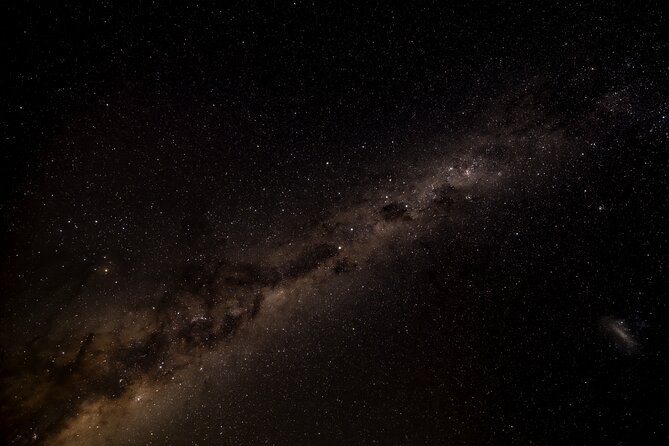
The listed price is $67.64 per person. For that fee, you receive a guided 90-minute astronomy session, access to two different telescopes, live digital images, a personal digital souvenir photo, a hot drink, blankets, and all fees and taxes.
The value depends on what you want from the evening. If you only want to stand outside and look at stars, you can do that for free. The price pays for the dark-sky location, Luca’s instruction, the equipment, the small group size, and the digital photography.
The two-telescope setup strengthens the case. The Dobsonian gives you the direct visual experience, while the Seestar S50 offers images you can share. You are not paying for one quick look through a single telescope and then heading home.
The maximum group size of 10 also matters. A private tour would cost more, but a large group would make the equipment and questions less personal. This sits in a useful middle ground for couples, families, and small groups of friends.
There are limits. Private transport is not included, and bad weather can prevent the experience from operating. If your schedule in Akaroa is tight, you need to allow for the fixed 90-minute session plus your own travel to and from the park.
Who should book Night Awe?
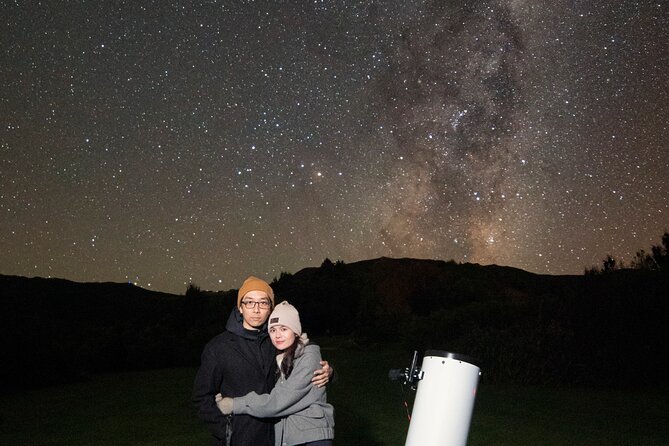
I would recommend it most strongly to first-time stargazers, families with older children, couples looking for a quiet evening activity, and anyone curious about the Southern Hemisphere sky.
It also suits photographers and social media users who like the idea of receiving live deep-sky images. You do not need to bring specialist equipment, since the tour supplies the telescopes and shares the photos.
People who prefer a fast-paced sightseeing tour may find the format too slow. This is an activity built around waiting, watching, and listening. The experience depends on your willingness to spend an evening outdoors and let the sky set the pace.
It is also a good choice if you like asking questions. Luca’s teaching style is a central part of the evening, and the small group gives you a better chance to make the session personal.
The weather requirement is the one serious uncertainty. If poor conditions cancel the tour, you can choose another date or receive a full refund. You can also cancel for a full refund if you do so at least 24 hours before the start time. Changes or cancellations inside that 24-hour window are not accepted.
My practical booking advice
Book for a night when you can keep your schedule flexible. Since the activity needs good weather, avoid placing it at the very end of a short visit if missing it would be a major disappointment.
Arrive at Akaroa Heritage Park prepared for darkness and cool air. The park is only a few minutes from town, but transport to the meeting point is your responsibility.
Do not worry if you know almost nothing about astronomy. The tour is designed for beginners, and Luca’s explanations use everyday comparisons. If you already know the basics, bring questions rather than assuming the session will cover only an introductory script.
Remember that the sky will not look identical every night. Different planets, nebulae, and galaxies may be available at different times, and clouds can change the plan. That variety is part of stargazing, but it means you should book for the experience of exploring the sky rather than for one guaranteed object.
Should you book this Akaroa stargazing tour?
Yes, if you want a friendly, small-group introduction to the night sky with useful extras. Luca’s clear, enthusiastic guidance is the main reason this works for beginners, while the two telescopes give the evening both a traditional and modern side.
The $67.64 price is fair for 90 minutes of instruction, telescope access, drinks, blankets, and digital photos. Book it if you can reach Akaroa Heritage Park yourself, dress warmly, and accept that weather controls the final result.
Skip it if you want a guaranteed itinerary or dislike standing outdoors at night. For everyone else, Night Awe offers a calm and memorable way to see Akaroa after the daytime crowds have gone.
FAQ
Where does the Night Awe tour start?
The tour starts at Akaroa Heritage Park, 280 Long Bay Road, Akaroa 7583, New Zealand.
Where does the tour finish?
The activity ends back at Akaroa Heritage Park, the same place where it begins.
How long does the stargazing experience last?
The tour lasts approximately one hour and 30 minutes.
How much does the tour cost?
The listed price is $67.64 per person.
What telescopes are included?
You can use a 10-inch Dobsonian telescope and a ZWO Seestar S50 smart telescope.
Are digital photos included?
Yes. Deep-sky and nebula photos captured with the smart telescope can be shared instantly. A personalized digital photo of you or your group under the night sky is sent the next day.
Is a hot drink included?
Yes. Coffee and tea are included, along with cozy blankets.
Do I need astronomy experience?
No. The tour requires no prior astronomy knowledge.
What happens if bad weather cancels the tour?
If poor weather causes a cancellation, you can choose a different date or receive a full refund. You can also cancel at least 24 hours before the start time for a full refund.
More Evening Tours in Akaroa
- Akaroa: Pohatu Little Penguins 3-Hour Evening Experience
★ 4.8 · 119 reviews - Oamaru: Penguins Evening Viewing Ticket
★ 4.5 · 682 reviews - Guided Evening Penguin Viewing Otago Peninsula, Dunedin, New Zealand
★ 5.0 · 471 reviews - Tauranga: Evening Glowworm Kayak Tour
★ 5.0 · 311 reviews
Just added around Akaroa
- Solar Explorer in Akaroa – Sun-Viewing Tour with Telescopes★ 5.0 · 5 reviews
- Akaroa Wildlife Cruise★ 5.0 · 101 reviews
- Guided Electric Mountain Bike & Sea Kayak Tour in Akaroa★ 5.0 · 22 reviews
- Guided Electric Mountain Bike Tour- Akaroa Explorer★ 5.0 · 4 reviews
- Lava Loop- Guided electric mountain bike tour in Akaroa★ 5.0 · 34 reviews
- Shamarra Alpaca Farm Tours★ 5.0 · 117 reviews
- Akaroa Explorer- Guided Electric Bike Tour in Akaroa★ 5.0 · 18 reviews
- Akaroa Shore Excursion: Akaroa Harbour and Sheep Farm Local Tour★ 4.5 · 11 reviews
Stargazing Tours, compared.
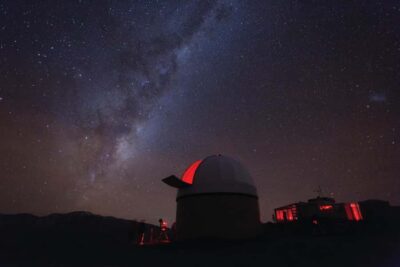
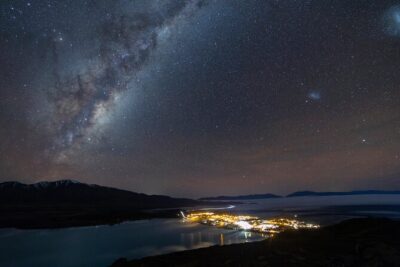
Mount John Observatory Stargazing Experience, Tekapo
Read our review →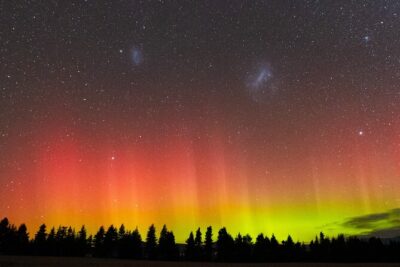
Silver River Stargazing Experience in Lake Tekapo
Read our review →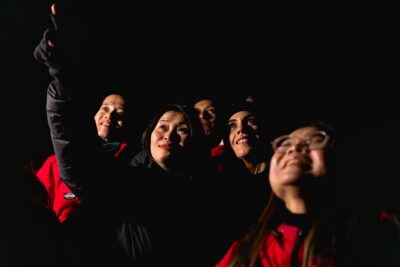
Stargazing Experience at Cowan’s Private Observatory
Read our review →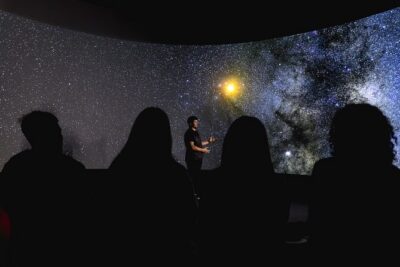
Dark Sky Indoor Maori Cultural Astronomy Experience
Read our review →Browse the lists this tour appears in