
Reviewed · STARGAZING TOURS
Lake Tekapo: Mountaintop Stargazing at Mount John Summit
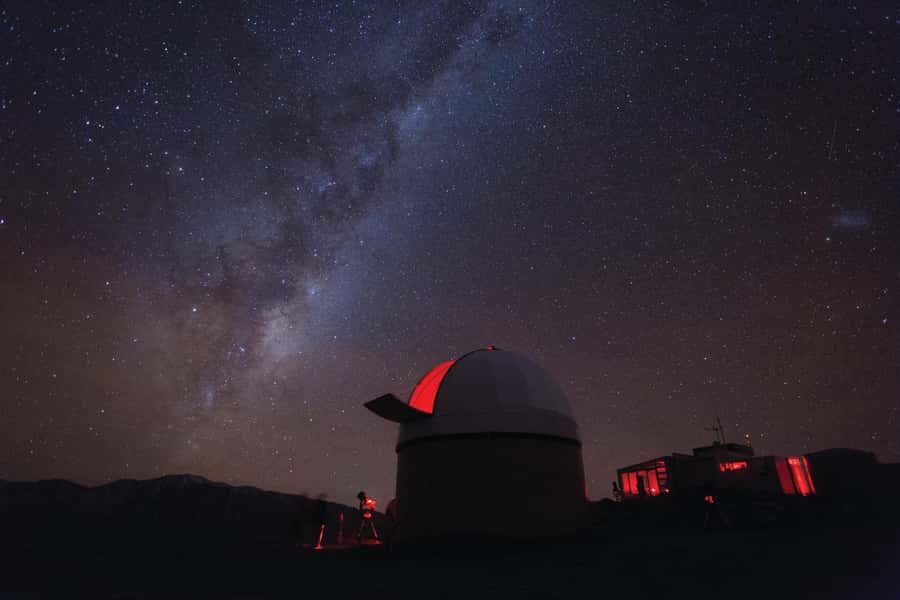
At 1,029 metres above Lake Tekapo, Mount John gives you a rare chance to study the Southern Hemisphere sky from beside a working university research centre. Guides use handheld lasers to point out stars and constellations, then turn high-powered telescopes toward selected objects.
I like the expert-led approach, especially the practical lesson on finding the Southern Celestial Pole. I also like that transport and heavy cold-weather jackets are included, since the summit can be bitterly cold even in summer. The main catch is simple: cloud, wind, and moonlight can change the experience, and the $130 price asks you to accept that risk.
Key points at a glance
- Mountaintop access: Travel by vehicle from the Dark Sky Project base to Mount John’s summit, rather than stargazing only from the town.
- Southern sky guidance: Learn to identify features such as the Southern Celestial Pole, Alpha Centauri, and other star groups with a laser pointer.
- Telescope viewing: Look at selected celestial objects through high-powered telescopes, though the exact view depends on what is visible that night.
- Warmth is covered: Extreme cold weather jackets are supplied, but you still need warm clothing underneath.
- Weather matters: A clear, calm, moon-aware night can be spectacular. Poor conditions may lead to cancellation, an indoor alternative, or a refund.
- Family-friendly with limits: The tour is for ages 10 and above and requires a short walk on gravel plus a few steps in the dark.
Why Mount John is the right place to study the stars
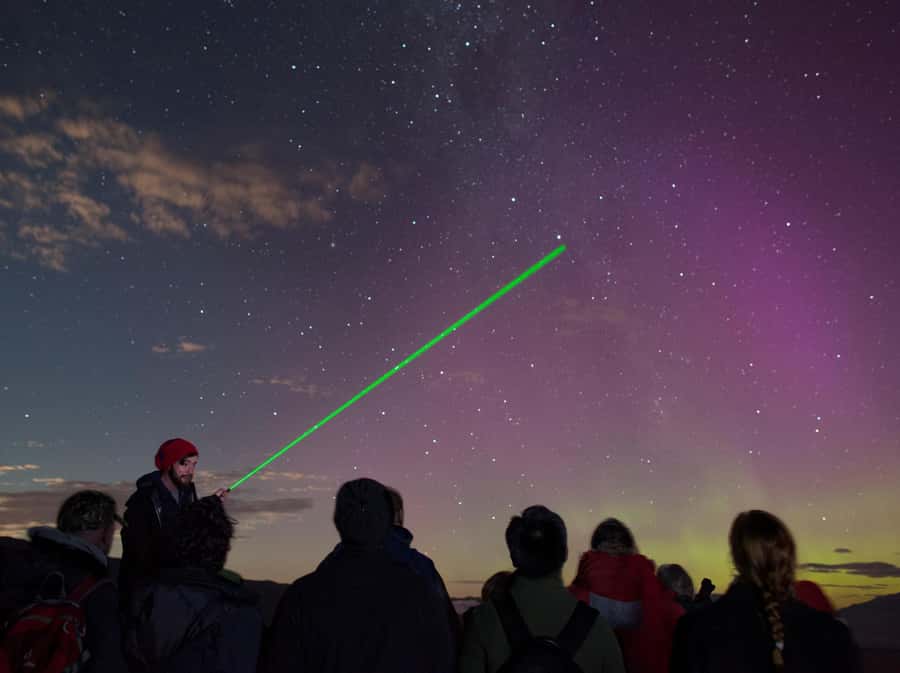
Tekapo sits within the Aoraki Mackenzie International Dark Sky Reserve, described here as the world’s largest Gold Standard International Dark Sky Reserve. That designation matters because artificial light is kept low, allowing faint stars and broad bands of the Milky Way to show more clearly.
You begin at the Dark Sky Project base beside Lake Tekapo. From there, return transport carries you uphill to the summit, where the University of Canterbury research centre provides a fitting setting for an astronomy session. You are not simply looking upward from a roadside pull-off. You are using a high mountain site associated with serious astronomical research.
The summit is also high enough to bring a sharp change in temperature. At night, the cold can cut through ordinary sightseeing clothes. The supplied extreme cold weather jacket is one of the most useful parts of the package, but I would still arrive in warm layers, long trousers, and covered shoes.
Your check-in time is at least 20 minutes before departure. That gives the staff time to organize the group, issue jackets, and prepare the ride uphill. The activity itself lasts 105 minutes, so plan on roughly two hours from early check-in through your return to the lakefront base.
More Stargazing Tours in Lake Tekapo
- Lake Tekapo: Alpine Stargazing Experience with a Guide
★ 4.5 · 626 reviews - Lake Tekapo: Stargazing Experience
★ 4.9 · 607 reviews - Chameleon Stargazing Shared Tour
★ 5.0 · 181 reviews
The ride from Tekapo to the summit
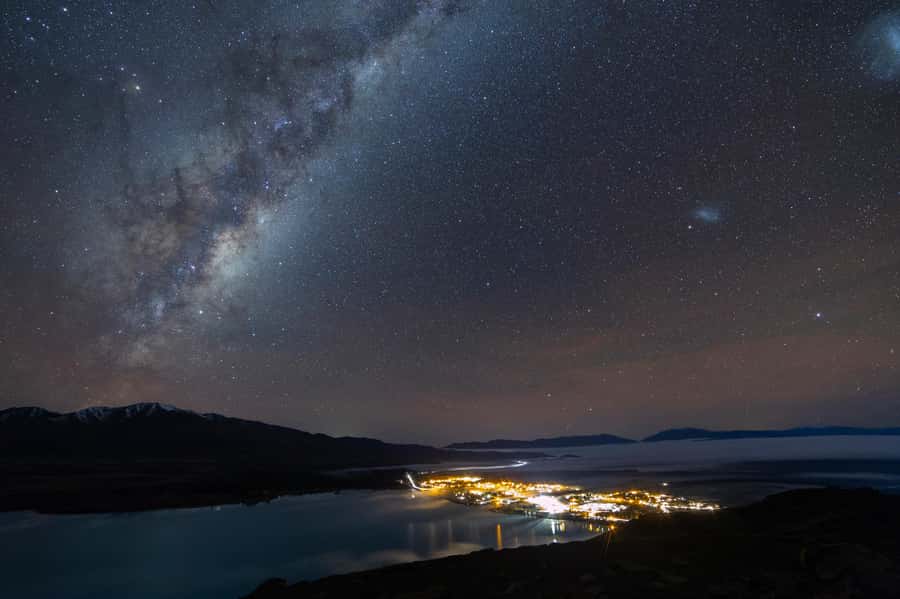
The vehicle transfer is more than a minor convenience. Mount John is not a place you casually walk up for a late-night appointment, and driving means you can save your energy for the cold and the viewing session.
One Australian visitor described the bus ride as Tekapo’s only nightclub, a playful line that captures the mood better than a formal description would. The ride gets you away from the lights around town and into the darker setting needed for the session.
You should not expect a scenic sightseeing drive with several photo stops. The transport is there to move you safely and efficiently to the summit. That is a good trade for an evening activity, since every minute at the top counts and the mountain road is not a route you need to navigate yourself after dark.
Once you arrive, be ready for a short walk. You need to manage about 100 metres on a gravel incline and climb a couple of steps in darkness. A lanyard torch may be provided, and you should follow instructions carefully. This is not an appropriate outing for anyone who is uncomfortable walking on uneven ground or who needs step-free access.
Learning the Southern sky with a laser pointer
The strongest part of the experience is the naked-eye astronomy session. Before a telescope appears, your guide helps you understand what you are looking at.
A handheld laser makes it easier to follow the explanation. The guide can trace star patterns, point out major objects, and show you how to orient yourself instead of leaving you to stare at a random patch of sky. You may learn how to locate the Southern Celestial Pole, a particularly useful skill in this part of the world because the familiar northern reference point, Polaris, is not the guide here.
Past sessions have included sights such as Alpha Centauri, Jupiter, Mercury, and several star groups. The exact lineup changes with the season, the hour, the moon, and the cloud cover. That uncertainty is part of astronomy, not a flaw in the tour, but you should avoid booking with a fixed expectation of seeing one named planet.
I like this teaching style because it gives you something to take away. You are not only shown the sky for a few minutes. You get a basic method for finding your bearings on your own during the rest of your New Zealand trip.
Guide Oscar has been singled out for his enthusiasm, and other sessions have also benefited from guides who clearly enjoy their work. The tour is available in English, Japanese, and Chinese. For safety, you must speak the language of the tour you book. If you cannot communicate in that language, you will not be permitted to join.
What the telescopes add
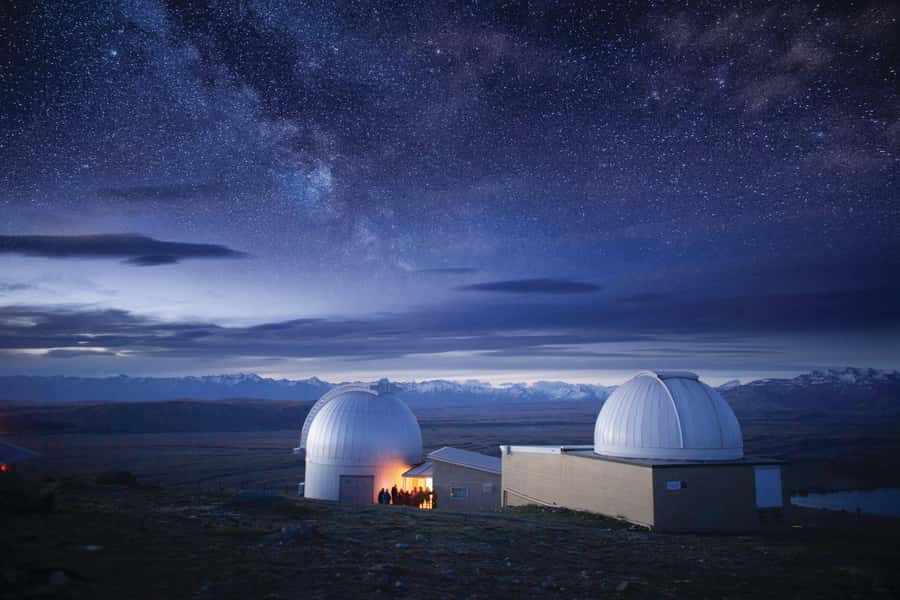
The telescope portion gives the evening a second rhythm. Naked-eye viewing shows you the scale of the sky, while the telescope offers a closer look at selected objects.
You may see a planet or a compact star group appear larger and more detailed than it does above you. Past sessions have included Mercury, Jupiter, and other striking objects. Still, keep your expectations realistic. One visitor felt the telescope image was only slightly larger than the naked-eye view and had hoped for a much larger instrument.
That criticism is useful. Telescopes do not turn every object into a giant, colorful image. The view depends on the object’s distance, brightness, position, and the equipment available that night. You may also find that Saturn, Venus, or the Moon is not visible during your session. A telescope cannot show an object that is below the horizon or not yet in the evening sky.
The value here comes from the setting, the guide’s explanation, and the chance to view carefully selected targets from a dark mountain site. If you want a large observatory-style image of a planet, you may find the experience less satisfying at $130 per person. If you want to understand the Southern sky and see real objects through a telescope, the package makes more sense.
More dark sky nights near Lake Tekapo:
- Mount John Observatory Stargazing Experience, Tekapo
★ 4.5 · 160 reviews - Silver River Stargazing Experience in Lake Tekapo
★ 4.5 · 106 reviews - Stargazing Experience at Cowan’s Private Observatory
★ 4.0 · 85 reviews - Dark Sky Indoor Maori Cultural Astronomy Experience
★ 4.5 · 70 reviews
Moon phase and cloud cover can make or break the night
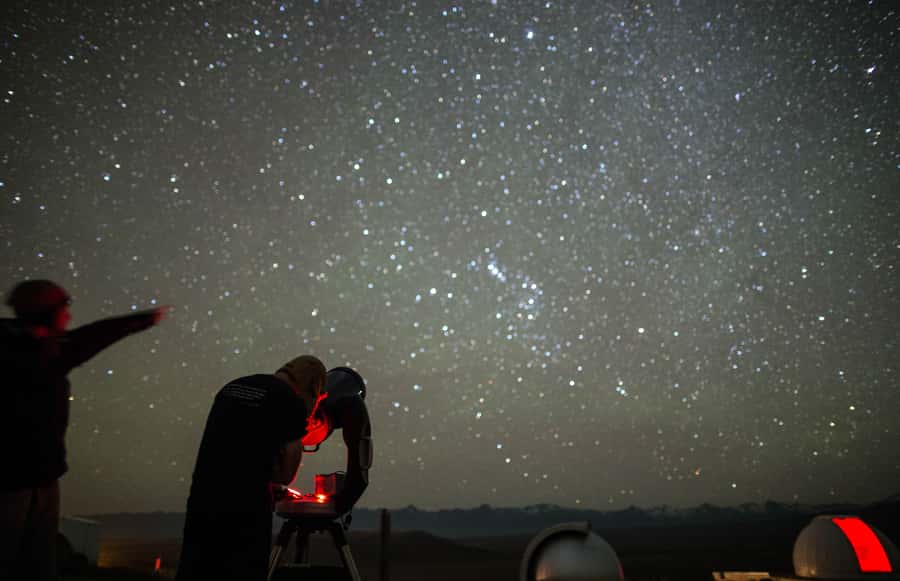
The most important booking tip is to think about the moon. A bright moon can be beautiful through a telescope, but its light washes out many of the faint stars you came to see.
For the Milky Way, a new moon or a period near the new moon is usually the better choice. One successful session took place with no clouds, little wind, and a waxing moon, while another visitor specifically advised timing a booking around the new moon. You cannot control every part of the weather, but you can check the moon phase before choosing a date if your schedule allows.
Clouds and wind matter just as much. A clear night can reveal a huge number of stars, while heavy cloud may block the main event entirely. The tour is weather dependent. If conditions make the summit unsafe or viewing impossible, the operator may cancel and offer an indoor alternative or a full refund.
If you have flexibility, avoid placing this activity on the final night of your South Island trip. Give yourself another evening or two in Tekapo so you can reschedule if the first forecast looks poor. One visitor had to move the booking because of bad weather and found the next night much better.
This is also why you should treat a perfect sky as a bonus rather than a promise. The guides can explain astronomy in any conditions, but the visual impact depends on what nature provides.
Cold-weather planning at 1,029 metres
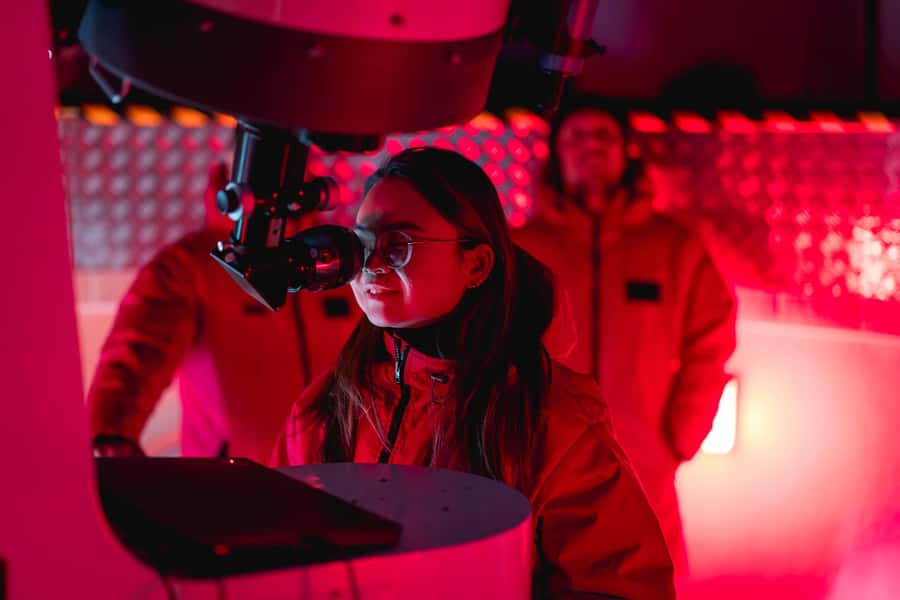
The jacket supplied at check-in is a major practical plus. It removes the need to pack specialist mountaineering gear for one short activity, and it helped keep people comfortable during sessions with strong cold at the summit.
Do not mistake the jacket for a complete winter outfit. Bring weather-appropriate clothing year-round. Wear warm layers under the supplied coat, and do not forget gloves, a hat, and sturdy footwear if you have them. The information provided does not promise gloves or hats, so plan to bring your own.
Cold changes how long you can enjoy the sky. If your hands are numb and your feet are cold, even an excellent explanation becomes hard to follow. Dressing well lets you focus on the guide and telescope instead of counting the minutes until the bus returns.
The dark also changes how you move. Flash photography is not allowed, since bright light ruins night vision for everyone nearby. A small torch may be available, but keep it pointed down and use it only when needed.
Photography, family access, and physical demands
You can try to photograph the sky, but this is not mainly a photography tour. Flash photography is prohibited, and the limited time means you may get only a short time-lapse or a few usable frames. One visitor managed only four seconds of a planned 30-minute time-lapse, a reminder that cameras and dark conditions do not always cooperate.
I would put the phone away for much of the session. The naked-eye view is often the part you will remember, and screens make it harder for your eyes to adjust to the darkness.
The tour is family-friendly for children aged 10 and older. Younger children cannot join. Every participant needs a basic level of fitness, confidence on a gravel incline, and the ability to manage a couple of steps in the dark. The experience is not suitable for people with mobility impairments.
No food or drinks are included in the listed package. A past session included hot chocolate on arrival, but I would treat that as a possible extra touch rather than something to rely on. Eat beforehand and bring anything you need for the 105-minute outing only if the operator permits it.
Is the $130 price fair?
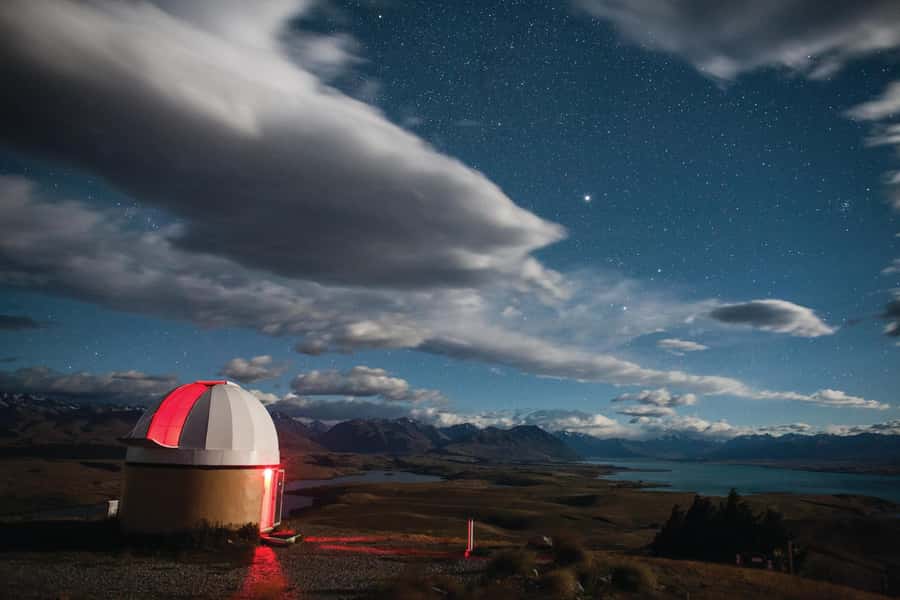
At $130 per person, you are paying for more than a telescope view. The price covers the ride to and from the summit, access to a restricted mountaintop location, a guide-led astronomy session, telescope time, and an extreme cold weather jacket.
That is a fairer deal for someone who values the location and teaching. You are reaching Mount John at night without arranging transport, and the guide helps you make sense of stars that would otherwise blur together. The University of Canterbury research setting also gives the visit more substance than a basic commercial stargazing stop.
The value becomes less clear if you mainly want a close-up view of Saturn, Venus, or the Moon. Those objects may not be available during your time slot, and one visitor felt the telescope magnification did not match the price. The fee also feels harder to justify when clouds cancel the outdoor portion, although the indoor option or refund helps reduce that risk.
Check the current price and currency before paying. The advertised figure provided for this experience is $130 per person, while a past comment referred to NZD209, suggesting that rates can change by date, booking channel, or currency display.
Who should book Mount John Summit stargazing?
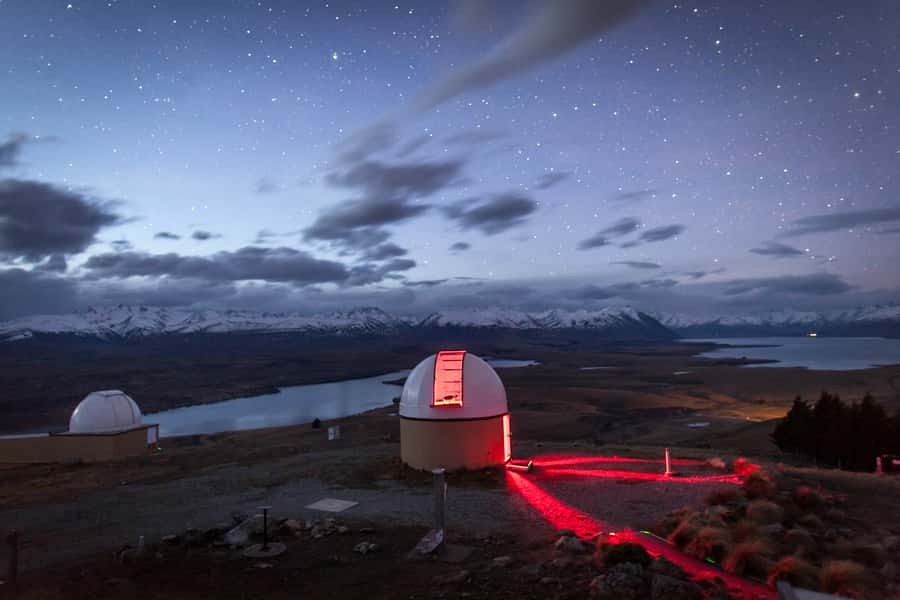
I would book this for you if you want a guided introduction to the Southern Hemisphere sky, enjoy asking astronomy questions, and are happy to let the night determine what you see.
It suits couples, families with older children, and solo visitors who want a structured evening rather than an unplanned look at the stars from town. It is also a good fit if you have never learned the southern constellations. The laser-guided explanation gives you a useful starting point.
You may want to skip it if you dislike cold, have limited mobility, need guaranteed views of a specific planet, or are mainly interested in astrophotography. You should also think twice if your schedule allows no backup night.
Practical details before you reserve
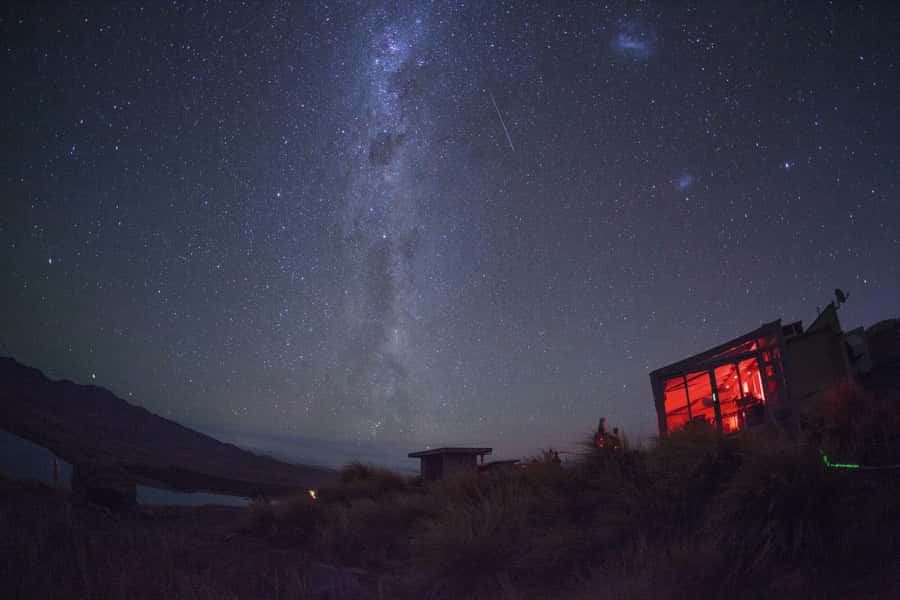
Check in at the Dark Sky Project base on the Takapō, also known as Tekapo, lakefront at least 20 minutes before departure. Hotel pickup and drop-off are not included, so arrange your own way to the base.
The activity lasts 105 minutes, but allow extra time for check-in and the transfer. If you choose a departure after midnight, double-check the booking date. The date shown may refer to the start of the calendar day rather than the evening you have in mind.
You can cancel up to 24 hours before departure for a full refund, and a reserve-now, pay-later option is available. That flexibility is useful for an activity controlled by weather, though you should still keep an eye on the forecast and moon phase.
Should you book it?
Yes, if you see Mount John stargazing as a guided astronomy lesson in a special setting, not as a guaranteed planet-viewing show. The best reasons to go are the dark summit, the practical Southern Sky instruction, the enthusiastic guides, and the included transport and cold-weather jacket.
Book near a new moon if the Milky Way is your priority, keep a spare evening in Tekapo if possible, and arrive dressed for real mountain cold. If the forecast is clear and you want to learn how to read the sky, this is one of the more memorable evening activities around Lake Tekapo. If your main goal is a huge telescope image, the value may not match your expectations.
FAQ
Where does the Mount John Summit stargazing tour begin?
You check in at the Dark Sky Project base on the Takapō, or Tekapo, lakefront. Arrive at least 20 minutes before departure.
How long does the experience last?
The stargazing experience lasts 105 minutes, or 1 hour and 45 minutes.
Is transport to Mount John included?
Yes. Return transport from the Dark Sky Project base to the summit of Mount John is included. Hotel pickup and drop-off are not included.
What languages are available?
The tour is available in English, Japanese, and Chinese. You must speak the language of the tour you book for health and safety reasons.
What should I wear?
Bring warm, weather-appropriate clothing year-round. An extreme cold weather jacket is provided at check-in, but you should still bring warm layers and suitable footwear.
Can children join the tour?
Children aged 10 and over can join. Children under 10 are not permitted.
What happens if the weather is bad?
The tour can be cancelled in poor weather. An indoor alternative may be offered, or you may receive a full refund.
Just added around Lake Tekapo
- Silver River Stargazing Experience in Lake Tekapo★ 4.5 · 106 reviews
- Tekapo Star Gazing Tour – Soak in the Stars★ 4.5 · 109 reviews
- Mt Cook Day Tour From Tekapo (Small Group, Carbon Neutral)★ 4.5 · 11 reviews
- Lake Tekapo Scenic Wilderness Cass Valley Tour★ 4.5 · 19 reviews
- Scenic 4WD Tour Lake Tekapo Backcountry★ 5.0 · 77 reviews
- Day Trip: Lake Tekapo to Mt Cook National Park★ 4.5 · 31 reviews
- Lake Tekapo Ultimate Stargazing Experience★ 5.0 · 3 reviews
- Stargazing Experience at Cowan’s Private Observatory★ 4.0 · 85 reviews
Stargazing Tours, compared.
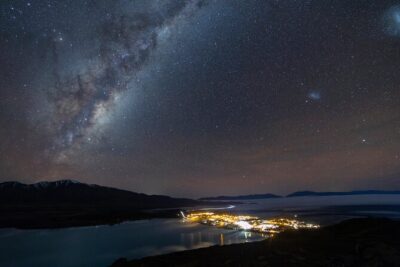
Mount John Observatory Stargazing Experience, Tekapo
Read our review →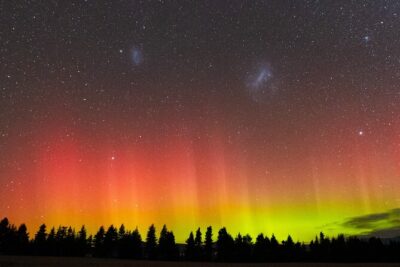
Silver River Stargazing Experience in Lake Tekapo
Read our review →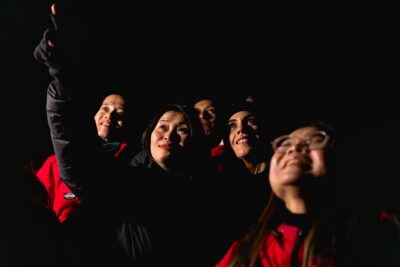
Stargazing Experience at Cowan’s Private Observatory
Read our review →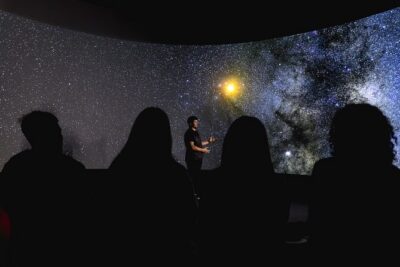
Dark Sky Indoor Maori Cultural Astronomy Experience
Read our review →
Browse the lists this tour appears in