
Reviewed · CRUISES & BOAT TOURS
Akaroa Harbour Nature Cruise
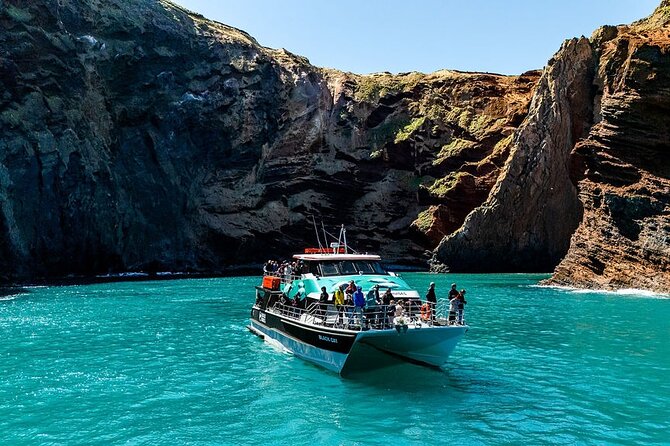
Akaroa Harbour’s best moments happen on the water, where volcanic cliffs drop into dark blue bays and tiny Hector’s dolphins may surface beside the boat. This two-hour catamaran cruise combines scenery, wildlife, geology, Māori and European history, and conservation stories without asking you to spend a full day at sea.
I like the open viewing areas, which make it easier to watch for dolphins, seals, penguins, and seabirds. I also like the complimentary hot drinks and the skipper’s live commentary, which gives the rock formations and wildlife a sense of place. The main caution is that conditions can be windy, the boat may move around, and the speakers can be hard to hear from the back.
Key points to know before you sail
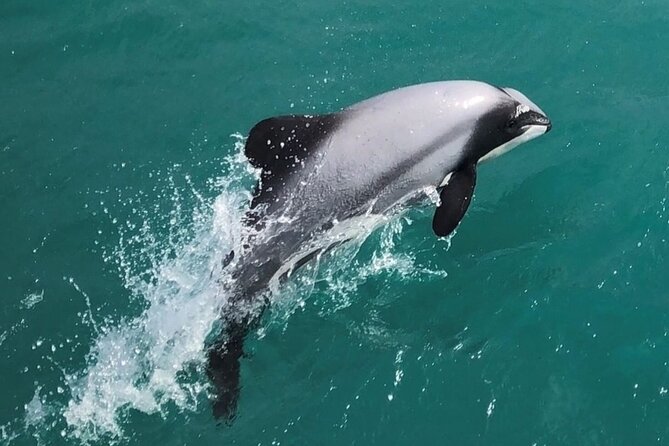
- Hector’s dolphins are the headline sight: These rare New Zealand dolphins are found in the harbour, and calves may be seen between October and March.
- The route is packed into two hours: You pass Cathedral Cave, Scenery Nook, Seal Bay, Akaroa Lighthouse, volcanic cliffs, and bird colonies before returning to the wharf.
- The catamaran gives you room to look around: It has outdoor viewing space and unobstructed views, but choose your spot early and try not to move around once underway.
- Wildlife sightings are never guaranteed: Dolphins, fur seals, little blue penguins, and birds are commonly sought, but nature sets the schedule.
- Tea, coffee, and hot chocolate are included: Blankets are also available on board, which matters on a cool or windy day.
- You need to reach the wharf yourself: The meeting point is 82 Beach Road in Akaroa. There is no hotel pickup or drop-off.
Why Akaroa Harbour is worth seeing from the water
Akaroa sits inside a harbour formed by ancient volcanic activity. From shore, you see a pleasant waterfront town and distant hills. From the boat, the scale changes. Cliffs rise directly from the sea, caves open in the rock, and narrow bays reveal parts of the harbour you cannot reach on foot.
The cruise is not simply a ride around the bay. The skipper explains the geology, local history, Māori culture, and conservation work as you go. That commentary helps connect the scenery. A cliff becomes part of a volcanic story, a quiet cove becomes a wildlife habitat, and the harbour becomes more than a pretty backdrop.
I especially value this kind of narration on a nature cruise. Without it, you might see a dolphin and take a photograph, then move on. With the explanation, you understand why Hector’s dolphins matter, why certain birds gather along the shore, and how the harbour is being cared for.
The setting also suits visitors who want a gentler outing. The cruise lasts about two hours, so it fits neatly into a day in Akaroa. You can take a morning departure and still have time in town afterward, or explore first and sail in the afternoon.
A few more Akaroa half-days to weigh up
- Akaroa Dolphins ~ Harbour Nature Cruise
★ 5.0 · 2,143 reviews - Akaroa: Dolphin Nature Cruise
★ 4.9 · 440 reviews - Swimming with Wild Dolphins in Akaroa
★ 4.5 · 261 reviews
Boarding at Akaroa’s main wharf
The cruise begins at Black Cat Cruises’ departure point, listed as 82 Beach Road, Akaroa 7520. The boat returns to the same meeting point, so you do not need to arrange transport at the far end.
There is no hotel pickup. Plan to make your own way to the wharf and allow enough time to locate the boarding point. One booking problem reported a wrong meeting location and missed departure, so check the address on your confirmation carefully rather than relying only on a map pin or a third-party message.
The catamaran can carry up to 99 people, though the actual feel on board depends on the departure. It is described as spacious, with outdoor areas that allow you to spread out and watch from different angles. Still, the best viewing places can fill quickly.
My practical advice is simple: board, choose a clear viewing position, and settle in. The boat may be pushed around by wind or waves, and repeatedly shifting from one side to another can make the trip less comfortable. Some people also stand in front of seated passengers while taking photographs, so a little patience and consideration helps everyone get a turn at the view.
From the wharf to Akaroa Lighthouse
Once the catamaran leaves the wharf, you get an early look back toward Akaroa and the harbour entrance. The town’s waterfront and lighthouse help orient you, while the skipper begins the live explanation of the area.
The Akaroa Lighthouse is one of the itinerary’s named points of interest. Seen from the water, it forms part of the harbour’s working maritime story. This is not a long shore stop, so think of it as a passing viewpoint rather than a visit where you get off and explore.
The first part of the cruise is a good time to listen closely. The commentary covers more than wildlife. It includes the harbour’s volcanic origins, cultural background, and present-day conservation efforts. If you sit near a speaker, you are more likely to catch the full explanation.
One small weakness is sound quality at the back of the boat. A number of passengers have found the skipper difficult to hear from there. If the commentary matters to you, sit toward the front or closer to the onboard speakers, while still leaving room for others to see.
Cathedral Cave and the volcanic cliffs
The cliffs are among the cruise’s strongest features. They are steep, weathered, and full of texture, with the sea cutting into the volcanic rock. The boat passes sea caves including Cathedral Cave, giving you a view that is impossible to get from the road around the harbour.
Cathedral Cave is not presented as a separate landing or walking stop. You see it from the catamaran as the boat moves along the coast. That makes the cruise easy, but it also means you need to keep your camera ready. The boat does not wait indefinitely for every photograph.
The skipper’s explanation adds useful detail here. The cliffs are not random scenery. They record the harbour’s volcanic past, and the caves show how water and time have shaped the shoreline. I find this is where the cruise earns its place over a simple harbour ferry. You are not only looking at rock. You are learning how the harbour came to look this way.
The catamaran’s stability helps on calm days, but wind can still make it chilly. Bring a warm layer even if Akaroa feels mild on shore. Hot tea, coffee, and hot chocolate are included, and blankets are available on board. Those small comforts can make the difference between staying outside for the views and retreating indoors.
Same corner of the country, a completely different day out:
- Akaroa Harbour 2-Hour Dolphin Nature Cruise
★ 4.7 · 235 reviews - Akaroa Shore Excursion: Banks Peninsula and Christchurch City Sights Tour
★ 4.0 · 228 reviews - Shore Excursion Guided Sea Kayaking through Akaroa Marine Reserve
★ 5.0 · 160 reviews - Akaroa Shore Excursion: Banks Peninsula, Christchurch City Tour and the International Antarctic Centre
★ 4.0 · 135 reviews
Scenery Nook and the harbour’s grandest view
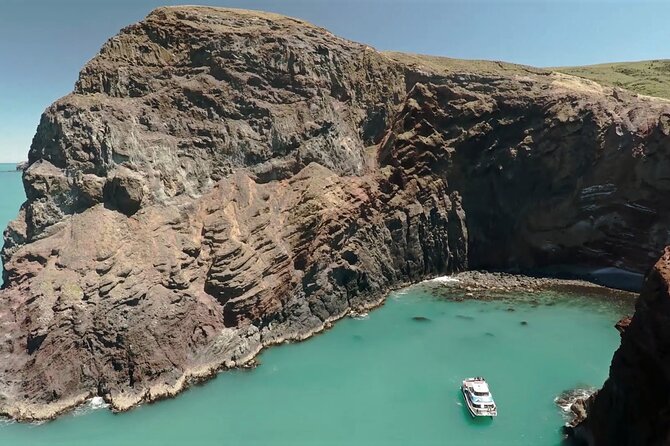
Scenery Nook is described as a volcanic amphitheater, and it is one of the more dramatic parts of the route. The rock curves around the water, creating a broad natural bowl that shows the harbour’s volcanic shape on a larger scale.
This is a place where I would put the camera down for a moment. The view is wider than the close-up details of a cave or cliff. You can take in the relationship between the water, the headlands, and the enclosing rock all at once.
The quality of the experience depends greatly on weather. Calm, clear conditions make the water smoother and the cliffs easier to see. Poor weather can reduce visibility and make the boat less comfortable. The operator requires good weather and may cancel if conditions are unsuitable. If that happens, you are offered another date or a full refund.
That weather policy is sensible for a small-boat nature outing, though it can disrupt a tightly planned day. If Akaroa is part of a cruise ship visit or a short regional itinerary, keep an eye on the forecast and avoid arranging an important connection immediately after the cruise.
Seal Bay and the search for Hector’s dolphins
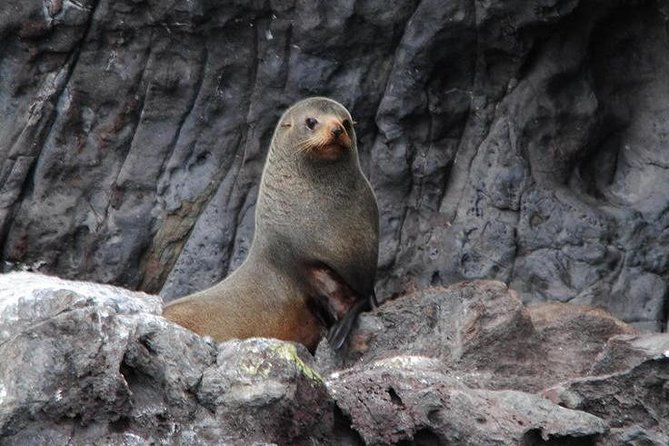
Wildlife is the reason most people choose this cruise, and the route gives you several chances to see it. At Seal Bay, look toward the rocks for New Zealand fur seals resting near the water. They may be spread out, so listening to the crew’s directions helps.
Some sightings include adults with young, which can make the stop particularly memorable. The boat does not promise a performance or guarantee an animal will appear. You are watching wildlife in its natural setting, and the crew adjusts its attention to what is happening on the day.
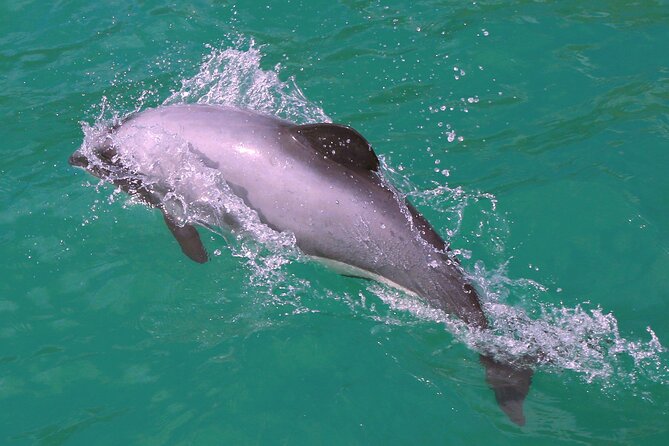
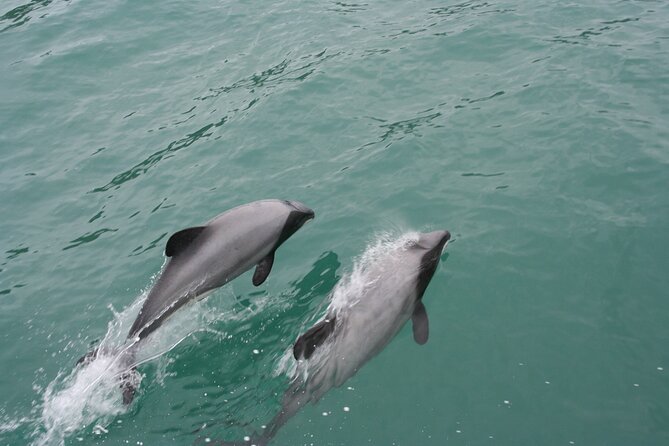
The most important animal here is the Hector’s dolphin, also called the New Zealand dolphin. It is found only in New Zealand, and seeing one in its own habitat is a special part of the Akaroa experience. The dolphins can be inquisitive and may approach the boat, although their behavior and location change constantly.
Calves can be seen between October and March. That seasonal detail may help you decide when to book, but it does not mean dolphins are absent outside those months. Several departures have reported large groups, while other trips may produce fewer sightings or none at all.
The boat’s open viewing areas are useful for dolphin watching. Keep scanning rather than staring at one patch of water. A dorsal fin may appear for only a second, and the person beside you may notice it first. The crew’s role is important here. A good skipper points out movement, explains the species, and gives you a better chance of understanding what you are seeing.
Little blue penguins and the harbour’s birdlife
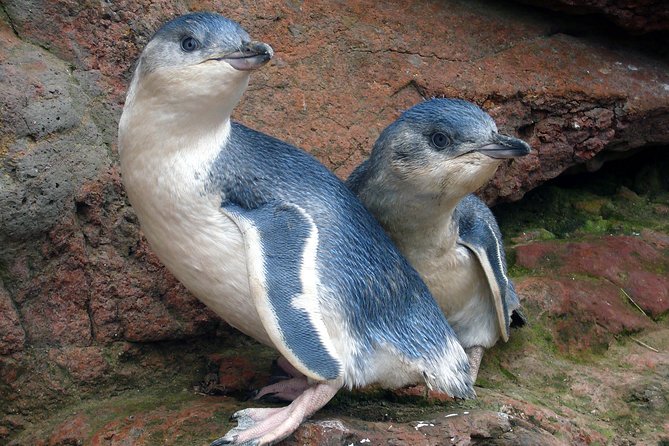
Little blue penguins, the world’s smallest penguins, are another possible highlight. They are not large, so you may need to rely on the crew’s directions and your own patience. Seeing them from a moving boat can be more challenging than spotting a seal on a rock.
The route also passes a colony of spotted shags. Other possible birds include cormorants and white-fronted terns, with occasional sightings of gannets, petrels, and albatross. That range makes the cruise worthwhile even during a quiet dolphin day.
Birdwatching here is best treated as an added reward rather than the main promise. The harbour gives you a chance to notice different species along the cliffs and shoreline, but the boat’s movement and distance can make identification difficult. Bring binoculars if you already own a pair, though no special equipment is listed as included.
The crew’s commentary is especially helpful for visitors who do not know New Zealand birds. You get names, habitat clues, and a reason to look at the less obvious parts of the shore.
What the boat experience feels like
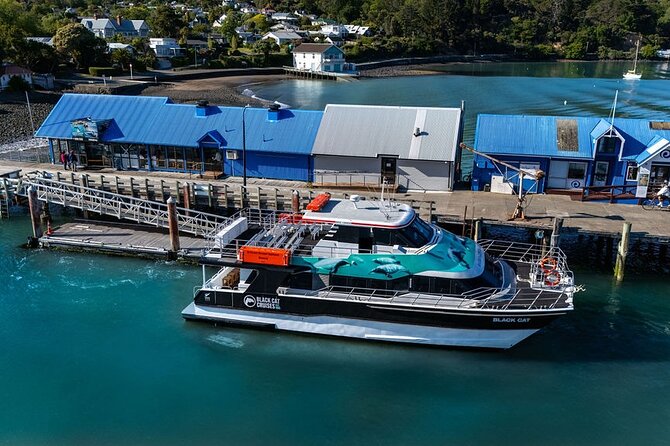
The catamaran is modern and described as a luxury vessel, with plenty of room and outdoor viewing space. Most people can participate, and service animals are allowed. The cruise is near public transportation, but you are still responsible for reaching the wharf.
On a calm day, the ride can be smooth and easygoing. On a windy day, you may feel the boat shift, especially if you are standing or moving between viewing areas. Sit down when you can, hold onto your belongings, and use the available blankets if the temperature drops.
The crew’s tone appears to be friendly and lightly humorous, while the skipper handles the serious work of explaining the harbour and finding wildlife. That balance matters. Too little commentary leaves you guessing, while too much can make a peaceful cruise feel like a lecture.
One detail worth planning around is the speaker system. The back of the boat may not be the best place for hearing the narration. If your main interest is geology, cultural history, or conservation, choose a forward or central seat. If photography is your priority, you may prefer an outdoor position, but expect other people to share it.
Is $77.57 a fair price?
At $77.57 per person, the cruise sits in the moderate price range for a guided two-hour wildlife outing. The value comes from the combination of boat access, live commentary, hot drinks, wildlife viewing, and a route through parts of Akaroa Harbour that are difficult to experience from land.
You are not paying only for a boat seat. You are also paying for a skipper who understands the harbour, a crew that watches for wildlife, and the chance to see Hector’s dolphins, fur seals, penguins, and seabirds without arranging separate activities.
The price is easier to justify if you care about the story behind the scenery. If you only want a short scenic ride and do not plan to listen to the commentary, you may feel the cost more sharply. Sightings are also part of the value calculation. A calm day with dolphins, seals, and penguins can feel like excellent value. A rough or quiet day will still provide the cliffs and caves, but not the full wildlife experience.
Tea, coffee, and hot chocolate are included, as is a postcard. GST is included too. There is no hotel transport, so factor in the time and cost of getting to Akaroa’s wharf yourself.
Who will enjoy this cruise most?
I would recommend it to anyone who wants a compact introduction to Akaroa Harbour. It works well for families, couples, solo visitors, wildlife fans, photographers, and people who prefer a scenic activity without a full-day commitment.
It is also a strong choice if you want to see a rare New Zealand species in context. Hector’s dolphins are not a generic dolphin-show attraction. They are wild animals, and the cruise gives you the chance to observe them alongside the harbour’s geology and birdlife.
Families should be ready for changing weather and busy viewing areas. Children may enjoy the dolphins and penguins, but they need to stay supervised, especially outside. People sensitive to motion may prefer a calm-weather departure and should avoid standing for long periods.
The cruise suits visitors with only a few hours in Akaroa, since it ends back at the wharf and can leave time to explore the town. It is less suitable if you need a guaranteed wildlife encounter, a private boat, or a quiet trip with no other passengers.
Booking, cancellation, and practical details
Morning and afternoon departures are available, which gives you useful flexibility. Choose the time that leaves room for Akaroa sightseeing before or after the cruise.
Confirmation is provided at booking. Free cancellation is available up to 24 hours before the scheduled start time. Changes or cancellations made inside that window are not refunded, and late changes are not accepted.
The activity depends on good weather. If the operator cancels because conditions are poor, you can choose another date or receive a full refund. Since weather affects both safety and wildlife viewing, this is an important condition rather than a minor footnote.
Bring a warm layer, sun protection, and a camera. A hat and sunscreen were useful on bright days, while blankets helped when the wind picked up. Arrive with the correct meeting address, and choose a seat near the speakers if the narration is a major reason you are going.
Should you book the Akaroa Harbour Nature Cruise?
Book it if you want the broadest two-hour introduction to Akaroa Harbour: volcanic cliffs, sea caves, local stories, hot drinks, and a real chance of seeing Hector’s dolphins, seals, penguins, and birds.
I would be more cautious if your schedule cannot tolerate a weather cancellation or if you need guaranteed wildlife. I would also avoid treating it as a silent sightseeing trip, since the commentary is a central part of the experience and may be harder to hear at the back.
For most visitors, the mix is well judged. The cruise is long enough to reach the harbour’s more dramatic sights but short enough to fit around a day in Akaroa. Choose your viewing place early, dress for wind, and keep your expectations focused on a wild encounter rather than a promised show.
FAQ
How long is the Akaroa Harbour Nature Cruise?
The cruise lasts approximately two hours and returns to the same meeting point at Akaroa’s main wharf.
Where does the cruise depart?
The meeting point is 82 Beach Road, Akaroa 7520, New Zealand. The activity ends back at this meeting point.
What wildlife can I see?
Possible sightings include Hector’s dolphins, New Zealand fur seals, little blue penguins, spotted shags, cormorants, white-fronted terns, gannets, petrels, and albatross.
Are drinks included?
Yes. Tea, coffee, and hot chocolate are included during the cruise.
Is hotel pickup provided?
No. Hotel pickup and drop-off are not included. You need to reach the Akaroa wharf yourself.
What happens if bad weather cancels the cruise?
If poor weather causes a cancellation, you are offered a different date or a full refund. You can also cancel for a full refund if you cancel at least 24 hours before the experience start time.
Just added around Akaroa
- Night Awe – Stargazing tour in Akaroa★ 5.0 · 61 reviews
- Solar Explorer in Akaroa – Sun-Viewing Tour with Telescopes★ 5.0 · 5 reviews
- Akaroa Wildlife Cruise★ 5.0 · 101 reviews
- Guided Electric Mountain Bike & Sea Kayak Tour in Akaroa★ 5.0 · 22 reviews
- Guided Electric Mountain Bike Tour- Akaroa Explorer★ 5.0 · 4 reviews
- Lava Loop- Guided electric mountain bike tour in Akaroa★ 5.0 · 34 reviews
- Shamarra Alpaca Farm Tours★ 5.0 · 117 reviews
- Akaroa Explorer- Guided Electric Bike Tour in Akaroa★ 5.0 · 18 reviews
Cruises & Boat Tours, compared.
Premium Milford Sound Small Group Tour & Cruise from Queenstown
Read our review →
Cruise Milford NZ Small Boutique Cruise Experience
Read our review →

Walter Peak Gourmet BBQ & Lake Whakatipu Cruise
Read our review →
Shotover River Extreme Jet Boat Ride in Queenstown
Read our review →Browse the lists this tour appears in