
Reviewed · WHALE WATCHING
Whale Watching in Kaikoura by Boat
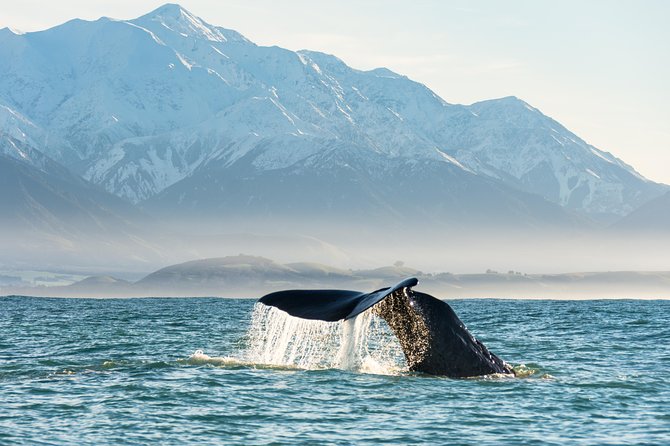
Kaikoura’s whale trip is built around a remarkable fact: sperm whales live close to shore in waters that plunge sharply into the Kaikoura Canyon. A fast catamaran carries you out to look for them, with dolphins, seals, albatross, and other seabirds often joining the show.
I like the 95% whale-sighting success rate and the 80% refund if no whale appears. I also like the steady commentary, which explains what you are seeing instead of leaving you to stare at a patch of ocean and hope for the best. The main caution is simple: rough water can make this a very queasy outing, even when the day looks fine from land.
Key points to know before you book
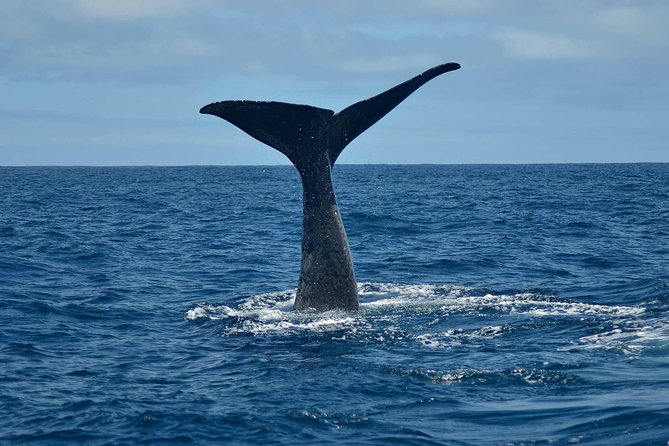
- Sperm whales are the main target: They often rest at the surface, spout, then show their tail before heading below.
- The catamaran is purpose-built: You can watch from enclosed seating or head outside when conditions allow.
- The trip lasts 3.5 hours overall: Plan on up to 2.5 hours at sea, plus check-in, a safety briefing, and a bus ride to the marina.
- Dolphins and seabirds add real value: Dusky dolphins, albatross, petrels, seals, or even orcas may appear.
- Sea sickness is a serious consideration: Take prevention seriously and dress for a cold, wet boat ride.
- The refund policy reduces the risk: You receive an 80% refund if the trip runs but no whale is seen.
Why Kaikoura is such a strong whale-watching base
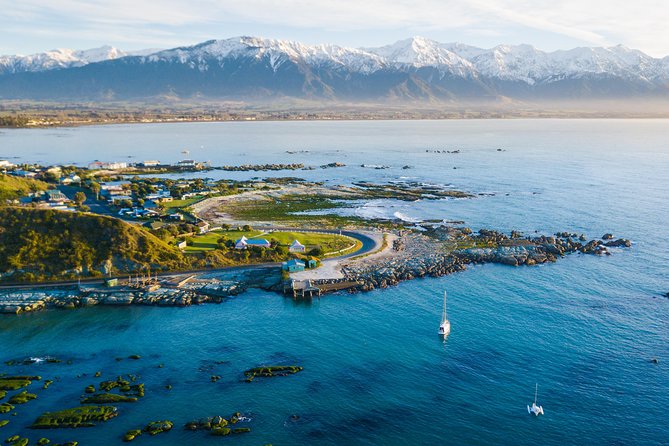
Kaikoura is not simply a pretty coastal town with a whale trip attached. Its location creates unusually productive marine waters. Mountain slopes drop toward the sea, and underwater channels bring together currents and food in a relatively compact area.
That is why sperm whales can be found here through the year. These enormous animals are famous for their long periods below the surface, so the timing of each sighting matters. You may see a whale resting quietly, watch its blow rise into the air, and then wait for the familiar tail as it returns below.
The setting adds another layer. From the boat, you can look back toward the mountains while keeping watch on the open water. The contrast between high peaks and the ocean trench gives the trip a strong sense of place. This is not a generic wildlife cruise that could happen anywhere.
Kaikoura also has a strong Māori connection to whales. The local story of Paikea, the Māori ancestor who came to New Zealand on a whale, gives the animal a deeper place in the identity of the region. The tour commentary connects the marine life to Kaikoura’s natural setting and cultural background, rather than treating the whales as isolated photo subjects.
More Whale Watching Trips in Kaikoura
- Kaikoura: Whale Watching Cruise
★ 4.6 · 3,089 reviews - Kaikoura: Whale Watching Flight with Commentary
★ 4.6 · 823 reviews - Kaikōura Whale Watching Scenic Flight (40 Minutes)
★ 5.0 · 221 reviews
From Whaleway Station Road to the marina
You meet at Whaleway Station Road in Kaikōura. This is the base for check-in, and the listed times are check-in times, not departure times, so do not arrive earlier than the time specified for your booking.
After check-in, a bus takes you to the marina. The transfer is included, which makes the process easier than finding your own way to the boat. You also receive a safety briefing before setting out.
Allow three and a half hours for the complete outing. The actual time on the water can be up to two and a half hours, with the remaining time used for check-in, safety information, and transport. If you are planning a long drive afterward, keep that full block free rather than relying on the shorter sailing time.
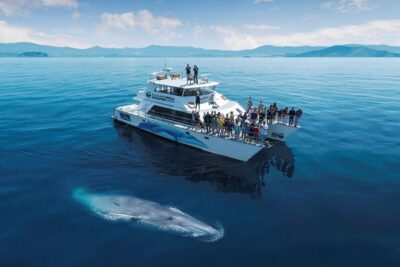
The operation uses modern, purpose-built catamarans. The boats carry up to 116 people, so this is not a tiny private wildlife cruise. That larger capacity helps make the price reasonable and provides enclosed areas for the ride, but it can feel crowded when an animal appears close to the boat and everyone moves toward the best viewing position.
The fast ride toward Kaikoura’s whales
The catamaran heads out at speed toward the deeper water. Some people love the sense of motion and the broad view from the boat. Others find the ride out and back the hardest part, particularly when the sea is choppy.
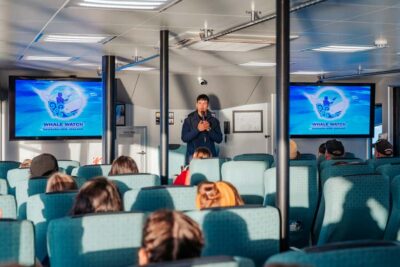
The boat has indoor seating, a useful feature when wind, spray, or cold weather makes the outside deck unpleasant. You can still spend time outside when conditions allow, and flat shoes are recommended for safety and comfort.
The crew provide running commentary throughout the trip. The strongest part of the commentary is its practical connection to the animals. You learn about sperm-whale habits, life cycles, feeding, and the way the local waters support them. Award-winning onboard animations also help explain what is happening below the surface.
Captains and guides are active parts of the experience. Names noted during trips include Captain Malena and Captain Fred, both praised for clear commentary and strong local knowledge. The crew track animal activity and adjust the route as conditions change. That flexibility matters because whales do not follow a timetable.
Waiting for the sperm whale
The main event is usually a sperm whale sighting. The crew search for a blow, then position the boat so you can watch the animal without chasing it aggressively.
Do not picture a whale performing on cue beside the rail. A typical sighting may involve a dark back at the surface, a burst of breath, and several minutes of quiet observation. If the whale is preparing to return below, you may see its tail lift high before it disappears.
That can sound modest compared with television footage, but the scale becomes clear when the whale is in front of you. Sperm whales are huge, and seeing one behave naturally is more meaningful than watching a series of forced close approaches.
The boat may remain with a whale for several minutes. Some sightings last around five or six minutes, while a whale resting at the surface may remain visible for longer. The crew give you time for photographs, although the group can gather along the viewing areas once the animal appears.
The 95% success rate is an important part of the value. It is not a promise that every trip will produce a close, dramatic tail shot. It does mean the operation has a strong record of finding at least one whale. If no whale is seen, the 80% refund offers useful protection, though you still lose the time spent on the trip and the chance to see other wildlife is not the same as seeing a whale.
A few more Kaikoura half-days to weigh up
- Wildlife Sea Kayaking Tour – Kaikoura
★ 5.0 · 467 reviews - Seal Kayaking Adventure in Kaikoura
★ 5.0 · 422 reviews - Kaikoura: Half-Day Wildlife Kayaking Tour
★ 4.6 · 390 reviews - Half Day Zipline Adventure in Kaikoura
★ 5.0 · 258 reviews
Dolphins, seals, albatross, and surprise sightings
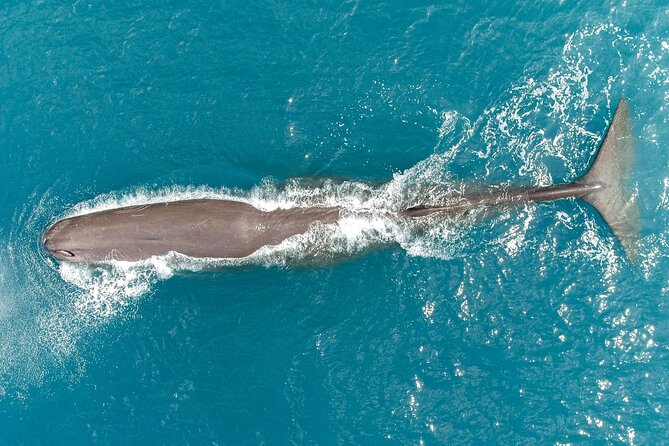
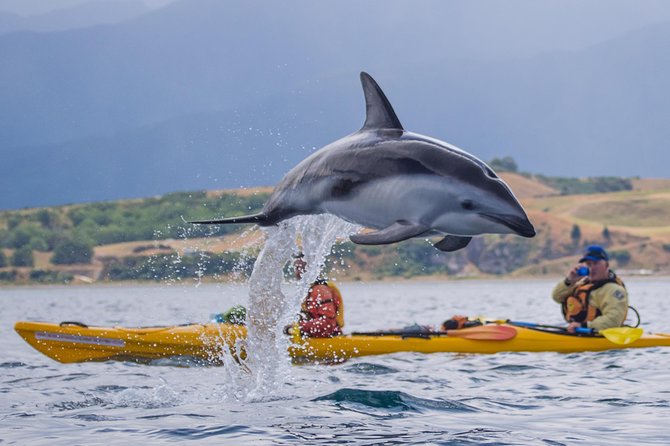
Sperm whales are the reason to book, but the supporting cast can transform the trip. Dusky dolphins are frequently mentioned as a highlight. They may travel alongside the catamaran, leap, flip, and race through the water in large groups.
A pod of hundreds of dolphins can turn the return journey into a show of its own. You may also see smaller groups, which are still rewarding because their fast movement is easier to follow near the boat than a distant whale.
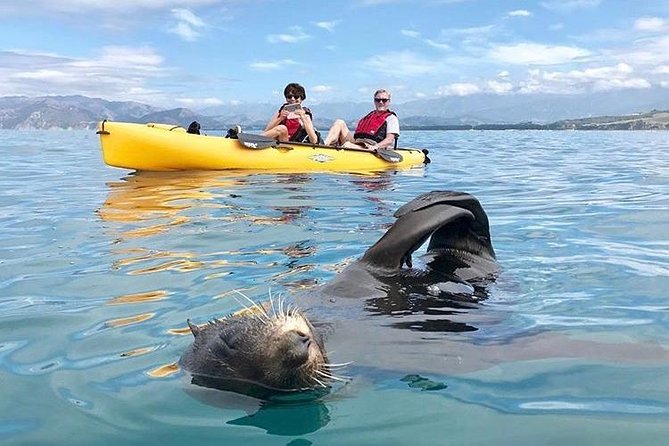
Seals are another regular possibility. Fur seals may swim close to the vessel, surfacing beside it before slipping away. Seabirds add interest between mammal sightings. Albatross, petrels, and other birds can be seen over the water, with albatross especially impressive when they glide close to the surface.
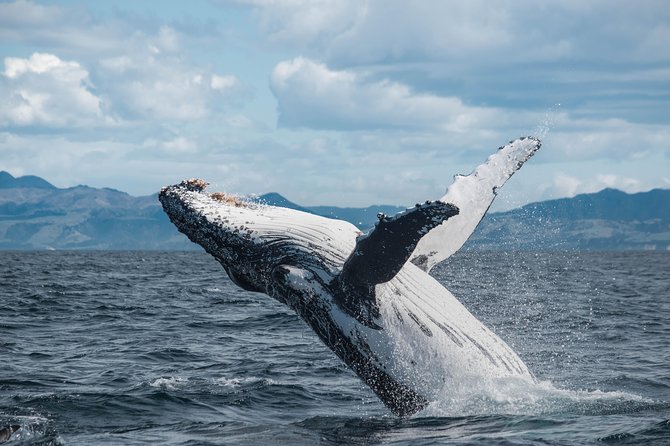
Less common sightings can include humpback whales, pilot whales, orcas, and even blue whales. These animals are not the tour’s guarantee, so treat them as good fortune rather than part of the basic calculation. One trip might bring several species, while another may focus mainly on a single sperm whale and a few seabirds.
This variety is one reason the commentary matters. You are not simply waiting for a whale. You are learning to notice the difference between a bird riding the wind, a seal breaking the surface, and a dolphin moving with purpose through the water.
How rough is the sea?
Take the warnings about sea sickness seriously. Several conditions can make the ride uncomfortable, and the boat can be choppy even when the shore looks calm.
You can buy motion-sickness tablets at the retail store before departure. If you know you are prone to queasiness, it is sensible to plan ahead rather than wait until the boat is underway. The ride out and return can be the most difficult section, while focusing on the horizon and fresh air may help some people.
The crew monitor weather and sea conditions closely. They may cancel a departure, restrict participation for children or people with medical problems, or make other safety decisions based on conditions at check-in. That caution is appropriate for a fast boat operating in open water.
Dress warmly. Bring light waterproof clothing if you plan to use the outside decks, and wear flat shoes. The indoor section gives you shelter, but you should still prepare for a cold day at sea.
Children must be at least three years old, although the company can raise the age limit when conditions are rough. Most people can participate, but anyone with serious motion sensitivity or a medical concern should think carefully before booking.
A closer look at the group size and boat
The maximum capacity is 116 people. That makes the tour accessible and helps keep the price at $111.39 per person, but it also shapes the feel of the outing.
When a whale surfaces, everyone naturally wants the clearest view. You may need to move quickly between viewing areas, and the boat can feel crowded at the most exciting moments. One practical advantage is that the vessel has indoor seating, so you are not forced to remain outside for the entire trip.
A smaller boat might feel more personal, but it would not necessarily offer the same shelter or stability. The catamaran format is a reasonable compromise: fast enough to reach the whale area, large enough for facilities and safety systems, and open enough for broad views.
Photography takes patience. A whale’s blow can happen quickly, and the tail may appear only once before the animal returns below. Keep your camera ready, but do not spend the whole sighting looking at a screen. The best part may be the few quiet seconds when the whale is simply present.
Is $111.39 good value?
At $111.39, this is not a casual harbor cruise. It is a dedicated marine wildlife trip with transport to the marina, a safety briefing, a purpose-built boat, live commentary, and up to two and a half hours on the water.
The price makes sense if seeing a sperm whale is high on your New Zealand list. The 95% success rate improves the odds, and the 80% refund if no whale appears lowers the financial risk. You are also paying for an organized search operation, not just fuel and a seat. The crew monitor conditions, locate wildlife, explain animal behavior, and respond when sightings change.
Value depends on your expectations. If you need a guaranteed close-up photograph, no wildlife trip can provide that. You may see only a back, spout, or tail. If you appreciate natural behavior, local ecology, and the chance of several species, the same price feels more worthwhile.
The included bus transfer is a small but useful benefit. Food and drinks are not included, so eat beforehand and bring anything permitted for your needs. The tour itself returns to the original meeting point.
Picking the best departure time
Tours operate throughout the year. Listed check-in times include 7:15 a.m., 10:00 a.m., and 12:45 p.m. The 3:30 p.m. option operates from November through March.
An early departure may suit you if you want more room on the boat or need to continue your road trip later. One early trip had plenty of viewing space and calm, clearing mist. Still, weather and wildlife are changeable, so no departure time guarantees a better sighting.
The late afternoon option gives you another way to fit the cruise into a busy day, but it is seasonal. Check the available time for your date when booking.
If you are driving to Kaikoura on the same day, leave plenty of margin. The tour can be canceled or delayed by sea conditions, and the full 3.5-hour schedule is longer than the time spent cruising.
What makes the commentary worthwhile
The information onboard is more than a list of animal names. The marine guide explains how whales live, feed, and survive in the local waters. Commentary also covers Kaikoura Bay and its underwater canyons, helping you understand why wildlife gathers here.
Animations provide another way to follow the explanation. They are particularly useful when the whale is below the surface and you are waiting for it to return. Instead of treating that waiting time as empty, the guide gives you a picture of what the animal may be doing beneath the boat.
The tone can vary by crew member, but trips led by Captain Malena and Captain Fred have been singled out for clear, friendly delivery. Good commentary changes the trip from a search for a photograph into a short lesson in marine life.
Weather cancellations and refund rules
This activity depends on favorable weather and sea conditions. If poor weather forces a cancellation, you can choose another date or receive a full refund.
You can cancel your booking for a full refund if you do so at least 24 hours before the scheduled start time. Cancellations made within 24 hours are not refunded, and late changes are not accepted.
For a trip that runs but produces no whale sighting, the stated protection is an 80% refund. That policy is valuable, but remember that it applies to the absence of a whale, not to rough water, a short sighting, or disappointment with the photographs.
Who will enjoy this trip most?
I would choose this tour if you want a well-organized way to see Kaikoura’s marine life without arranging boats, transfers, and wildlife tracking yourself. It suits people who value expert explanation as much as the sighting.
It is also a good fit for photographers who understand that wildlife photography involves waiting and luck. You may come home with excellent images, but the whale may surface only briefly and away from the perfect angle.
Families with children aged three and older can consider it, subject to sea conditions and the company’s decision at check-in. People who become sick easily should prepare carefully or reconsider.
This is less suitable if you dislike open-water movement, need a quiet small-group setting, or expect continuous whale action. The boat can carry 116 people, and the ocean does not perform on demand.
Should you book Whale Watching in Kaikoura?
Book it if a sperm whale is one of your main reasons for visiting Kaikoura. The strong sighting record, refund protection, capable crew, and excellent chance of dolphins and seabirds make the $111.39 fare reasonable.
Prepare properly: take motion-sickness medicine, wear warm layers, bring waterproof clothing, and keep the full three and a half hours free. Go expecting natural sightings rather than a staged show. If you can accept a spout, back, or tail as a successful encounter, this is one of the strongest ways to experience Kaikoura’s wild coast.
FAQ
How long does the whale-watching tour take?
Allow approximately three and a half hours in total. This includes check-in, the safety briefing, bus transfers, and up to two and a half hours on the water.
Where does the tour begin?
The meeting point is Whaleway Station Road, Kaikōura 7300, New Zealand. The activity returns to this same meeting point.
What animals might I see?
The main target is the sperm whale. You might also see dusky dolphins, fur seals, albatross, petrels, pilot whales, humpback whales, orcas, and other seabirds.
What happens if no whale is seen?
The tour offers an 80% refund if no whale is seen during your trip.
What happens if bad weather cancels the tour?
You can choose an alternative date or receive a full refund if the company cancels because of poor weather or sea conditions.
How old must children be?
Children must be at least three years old. The company may raise the age limit depending on sea and weather conditions at check-in.
What should I wear?
Dress warmly, wear flat shoes, and bring light waterproof clothing if you plan to use the outside decks.
Can I cancel for a full refund?
Yes. You must cancel at least 24 hours before the experience start time for a full refund. Cancellations or changes made less than 24 hours before the start are not accepted.
Just added around Kaikoura
- Kaikōura Whale Watching and Scenic Landing – 1hr Premier Tour★ 5.0 · 24 reviews
- Kaikōura Whale Watching – 1hr 20min Ultimate Adventure★ 5.0 · 8 reviews
- Llama Trek (Taster) – Kowhai River Valley and Native Woodland Tour★ 5.0 · 76 reviews
- Kaikoura Whale Watching – 45 Minute Ocean Safari★ 5.0 · 39 reviews
- Sunset Kayak tour in Kaikoura★ 5.0 · 46 reviews
- Private Wildlife Kayaking Tour – Kaikoura★ 5.0 · 44 reviews
- Sunset Evening Kayaking Tour – Kaikoura★ 4.5 · 81 reviews
- Kaikoura Helicopters Extended Whale Watch★ 4.5 · 15 reviews
Whale Watching, compared.
Auckland Dolphin and Whale Watching Eco-Safari Cruise
Read our review →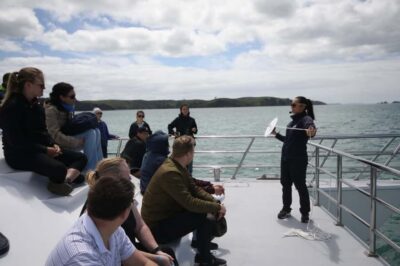
Whale and Dolphin Watching Half-Day Eco Cruise
Read our review →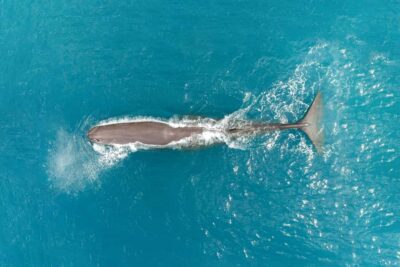
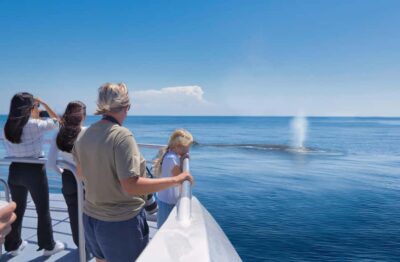
Tikapa Moana Whales, Dolphins and Islands Cruise
Read our review →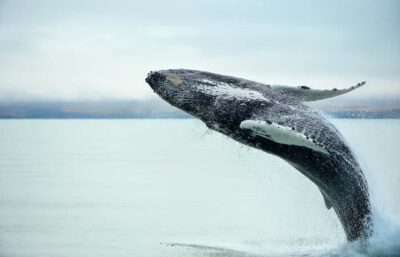
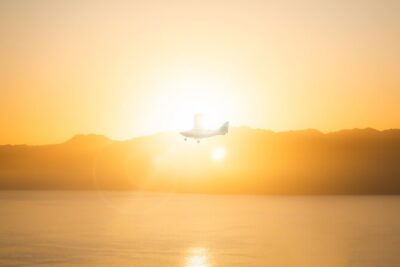
Kaikōura Whale Watching Scenic Flight (40 Minutes)
Read our review →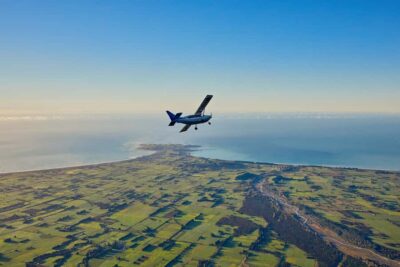
Browse the lists this tour appears in