
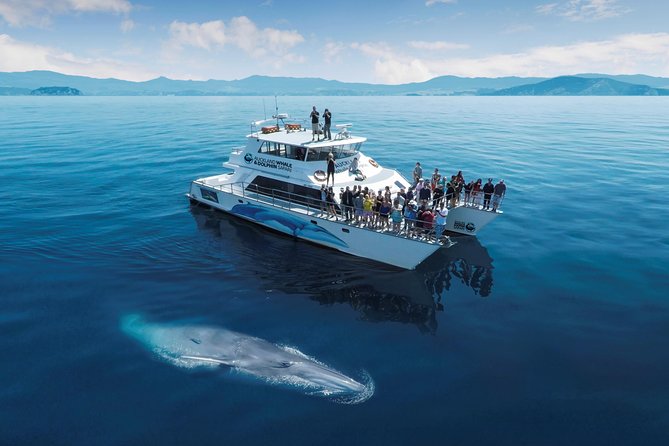
Reviewed · WHALE WATCHING
Auckland Dolphin and Whale Watching Eco-Safari Cruise
A pod of dolphins racing beside a boat is the main event here, but the setting matters just as much. From downtown Auckland, you head into the Hauraki Gulf Marine Park, where islands, open water, and five marine preserves create a fine stage for whales, seals, penguins, and seabirds.
I like the mix of wildlife watching and real marine research. I also like that each ticket supports marine mammal conservation, so your four and a half hours on the water help fund more than a pleasant outing. The catch is simple: wild animals set the schedule, and a long cruise can produce few sightings, or none at all.
Key points to know before you go
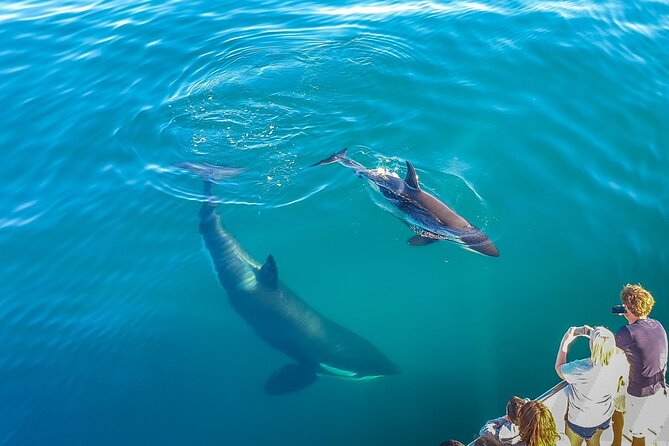
- Dolphins are often the best bet: Bottlenose dolphin pods may swim and play beside the catamaran for long stretches.
- Whales are possible, not promised: Bryde’s whales and up to six whale types live in these waters, but sightings vary.
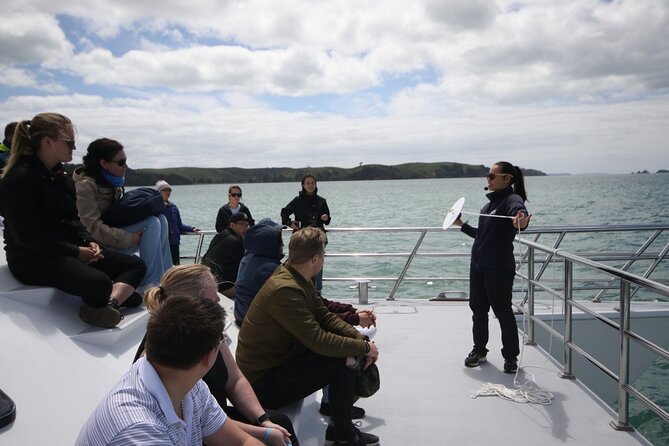
- The marine scientists add real value: Commentary covers research, conservation, seabirds, islands, and animal behavior.
- The 65-foot catamaran offers indoor and outdoor viewing: You can move around, though a full sailing may feel crowded at the rail.
- Weather changes the experience: Bring warm layers, waterproof clothing, sunscreen, and a secure hat.
- The no-sighting policy is useful but not perfect: If you see no marine mammals, you can return another day without paying again.
Leaving Viaduct Harbour for the Hauraki Gulf
Your meeting point is the Eastern Viaduct at the New Zealand Maritime Museum in downtown Auckland. Check-in closes 15 minutes before departure, and that rule matters. Arrive late and you risk losing your assigned seat.
The boat is a custom-built 65-foot, or 20-meter, catamaran. It is designed for viewing rather than luxury cruising, with places to watch from inside and outside. The wide shape generally makes for a stable ride, but this is still an ocean trip. One outing may bring calm water, while another can be distinctly choppy.
The trip lasts about 4.5 hours, including the return to Viaduct Harbour. There is no hotel pickup, so plan your own route to the waterfront. The departure point is close to public transportation and central Auckland sights, which makes this easy to fit into a day in the city.
Food and drinks are not included, though they are available to purchase. A shop and toilets are available aboard, according to the supplied tour details and on-board experience notes. I would still bring water and a small snack if you prefer not to rely on the boat shop.
More Boat Tours in Auckland
- Auckland: Whale and Dolphin Watching Half-Day Eco Cruise
★ 4.5 · 1,072 reviews - Auckland Harbour Sailboat Cruise Including Three Course Dinner
★ 4.5 · 476 reviews - America’s Cup 2-Hour Sailing Experience Waitemata Harbour
★ 4.8 · 370 reviews
Auckland Harbour Bridge and the first views
The opening stretch takes you through Waitemata Harbour and beneath or near the Auckland Harbour Bridge. This gives you a quick change of scene: city waterfront first, then wider water and island views.
The harbor section is not simply dead time before the animals appear. Guides explain the area as the boat moves, and you get a useful sense of Auckland’s geography. Keep your camera ready, but do not spend the whole first hour staring through a screen. The best views may be a distant island, a passing seabird, or a sudden fin.
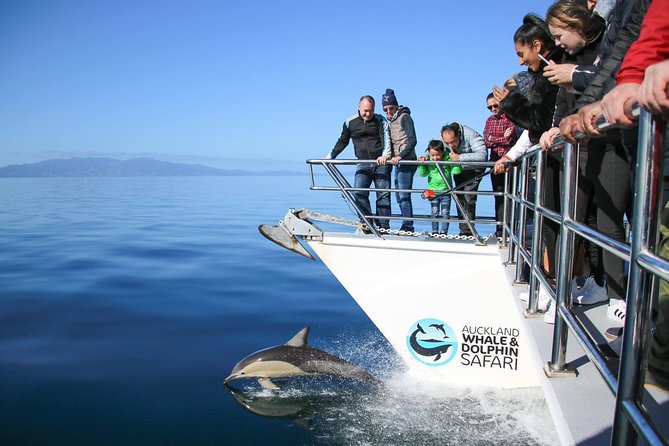
The catamaran’s front deck is popular when the boat is underway. It gives you a strong sense of speed and open water, but it can also be windy and wet. If conditions are rough, the back or covered areas may be more comfortable. Flat-soled shoes are recommended, and they are a sensible choice on any moving boat.
Rangitoto Island and Auckland’s volcanic backdrop
Rangitoto is one of the gulf’s most recognizable islands, and seeing it from the water gives you a different view than a land-based visit. Its broad volcanic form helps mark the transition from harbor sightseeing to open-water searching.
This is also where you begin to appreciate the scale of the Hauraki Gulf. Wildlife may be close to the boat, but it can also be spread across a huge area. The crew has to balance your desire for sightings with responsible behavior around animals.
That balance is important. The aim is not to chase every fin. The crew works to give animals room and allows them to choose whether to approach the boat. This can mean a less dramatic encounter, but it is the right approach for an eco safari.
Searching across the marine park
The Hauraki Gulf Marine Park is described as one of the world’s most biologically diverse marine parks, with about 23 marine species and five marine preserves. Those figures help explain why the cruise covers several islands and a broad stretch of water rather than visiting one fixed viewing site.
The crew tracks particular whales and shares information from partnerships with local marine scientists. That turns the ride into more than a sighting hunt. You learn which species use these waters, how researchers collect information, and why conservation work matters.
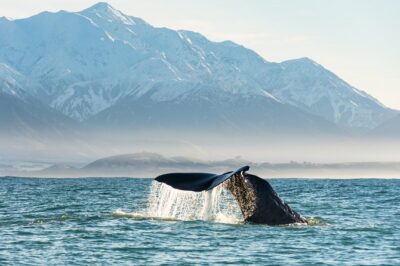
The most commonly expected large marine animal is the Bryde’s whale, a species native to New Zealand waters. Up to six types of whales may be seen, but the tour does not promise any one species. A whale might surface for a few seconds, appear in the distance, or stay out of sight for the entire trip.
Dolphins are usually the more reliable target. Bottlenose pods may travel beside the bow, and several accounts describe dolphins staying near the boat for roughly half an hour. Young dolphins have also been seen with nursery pods, which can be a particularly memorable sight.
Still, do not treat dolphins as guaranteed. One outing produced only a few dolphins for about five minutes, while another had no whales or dolphins at all. The operator offers a free return trip when no marine mammals are seen, but that helps most if you have enough time in Auckland or plan to return to the city.
A few more Auckland half-days to weigh up
- Waiheke Island: Ferry & Hop-On Hop-Off Explorer Bus Tickets
★ 4.6 · 3,311 reviews - Hobbiton & Waitomo Caves Guided Day Trip from Auckland incl lunch
★ 5.0 · 2,677 reviews - From Auckland: Hobbiton & Waitomo Caves Day Trip with Lunch
★ 4.9 · 2,505 reviews - Auckland: Hobbiton Movie Set Day Trip with Festive Lunch
★ 4.8 · 1,431 reviews
Motuihe, Motutapu, and the island chain
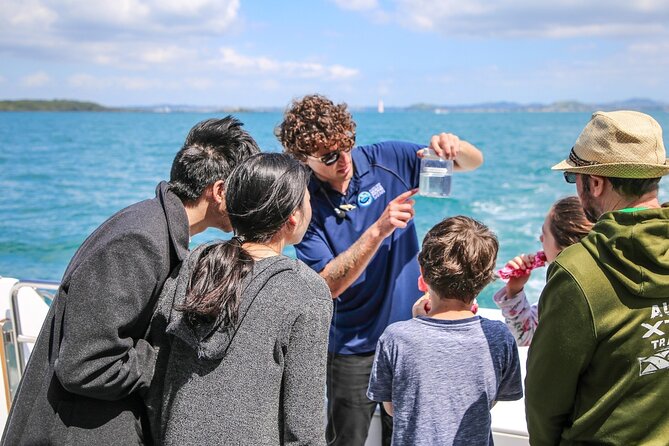
Motuihe and Motutapu add more island scenery as the boat works through the gulf. You may spend part of this stretch looking for animals and part simply watching the shoreline pass.
The islands give the cruise a sense of place. You are not on a generic ocean excursion. You are moving through Auckland’s island-studded marine park, with changing views in every direction. On a clear day, this alone makes the trip worthwhile for people who enjoy being on the water.
Tiritiri Matangi Island is also included in the route. It is known in the tour presentation for its birdlife, and the wider gulf supports a strong list of seabirds. Look for Australasian gannets, petrels, shearwaters, and white-fronted terns above the water.
Bird watching rewards patience. Gannets may plunge toward the sea, while terns and shearwaters can pass quickly at a distance. Binoculars help, though you can still enjoy the birds without them. Bring your own pair if you have one, rather than expecting a viewing device at every seat.
Dolphins, seals, penguins, and the unexpected
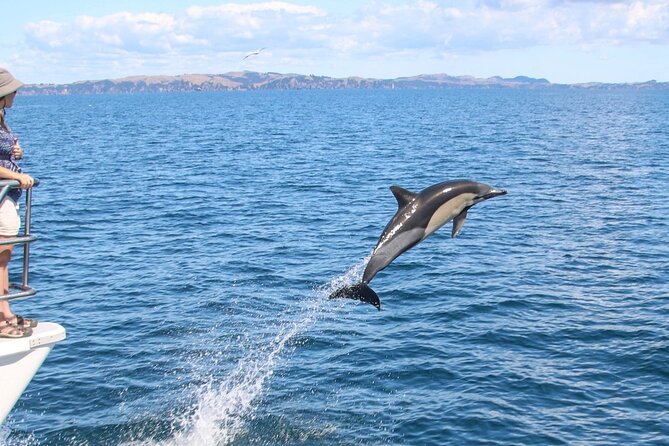
The best wildlife moments can come in quick bursts. A pod may appear beside the catamaran, then vanish. Dolphins may surface at the front while people at the back are watching birds. If the crew asks people to rotate positions, cooperate. At a full sailing, everyone deserves a turn at the rail.
The species list extends beyond whales and dolphins. Seals, blue penguins, sharks, and several seabirds have been spotted on different trips. These sightings are bonuses, not promises, but they make it worth keeping your attention on the water even after the main search seems slow.
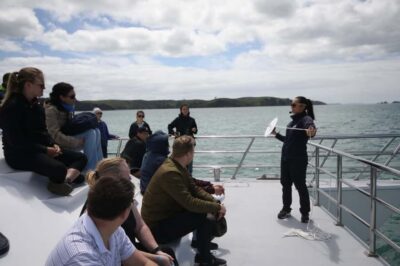
The tour is particularly good for people who enjoy learning along with seeing. The marine research scientists explain what the crew is doing and why the boat keeps its distance. That purpose gives the trip a stronger conservation angle than a simple sightseeing ride.
Your ticket contributes directly to marine mammal conservation. I see that as a meaningful part of the price, especially if you care about responsible nature tourism. You are paying for the boat and crew, but also helping support continued research and protection work.
Comfort, crowding, and rough water
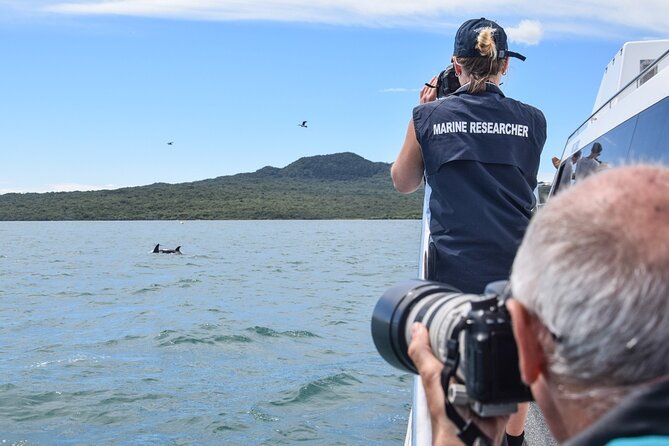
The vessel is reported as stable and comfortable, with indoor and outdoor places to sit. On a calm morning, it can be an excellent boating experience. On a rough day, the same four and a half hours may feel long, especially if you are prone to seasickness.
The boat can carry up to 99 people. That is a reasonable capacity for a 20-meter catamaran, but it may feel tight when everyone rushes to one side for a dolphin or whale. In wet weather, people also gather under cover, leaving fewer comfortable viewing spots.
The crew tries to manage this by asking people to share and rotate. You will have a better experience if you do not treat one seat or one rail position as personal property. Move around when conditions allow, and expect a little friendly crowd management during a sighting.
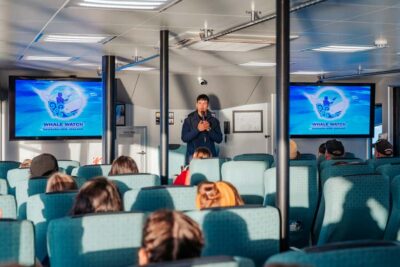
Commentary is another practical issue. Most of the crew presentation is praised for its information and warmth, but soft microphone volume can make explanations difficult to hear from the back or outside. If the science interests you, stay near the main commentary area when possible.
Wear warm layers even on a sunny Auckland day. Wind on the water can make conditions feel much colder than they did at the wharf. Add weatherproof gear, sunscreen, sunglasses, a secure sun hat with a chin strap, and flat-soled shoes. A camera is useful, but binoculars may be even more useful during the quiet stretches.
What the $135.91 price really buys
At $135.91 per person, this is not a cheap harbor cruise. The value depends on what you want from the day.
If your only goal is a guaranteed whale photograph, the price carries a real risk. No ethical wildlife operator can promise that a whale will surface on command, and this trip may end with dolphins, birds, scenery, or only a few marine mammals. The free return option helps, but it is less useful for a visitor flying home soon.
If you value a long trip into the gulf, active wildlife searching, marine science, and conservation support, the price is easier to justify. You get a 4.5-hour outing rather than a short harbor loop, plus a local guide and access to a custom catamaran built for viewing.
The strongest value comes when the day delivers several kinds of wildlife. Two whale sightings, multiple dolphin pods, penguins, seals, or a shark can make the fare feel well spent. But even on a quieter outing, the island views and research commentary give the cruise more substance than a ride focused only on ticking off a whale sighting.
Who will enjoy this cruise most
I would choose this for families, couples, solo visitors, photographers, bird watchers, and anyone who enjoys natural history. Children may love the dolphins, but the four-and-a-half-hour length requires patience. There can be long periods when the crew is searching.
It also suits people who want a responsible wildlife experience. The crew does not force contact with animals, and the conservation link is built into the outing. You are not promised a staged encounter.
I would think twice if you dislike open water, struggle with boat motion, or have only a few hours in Auckland and need a guaranteed result. You should also consider the full-capacity issue if you want a quiet, private cruise. This is an active public safari, not a small luxury charter.
Cancellation and practical planning
You can cancel free of charge up to 24 hours before the scheduled start time for a full refund. Changes or cancellations made inside that 24-hour window are not accepted for a refund.
The experience depends on suitable weather. If poor conditions cancel the cruise, you are offered another date or a full refund. If the minimum number of participants is not reached, the operator offers another date or experience, or a full refund.
The meeting point is Eastern Viaduct, Auckland Central, at the New Zealand Maritime Museum. The tour ends at the same place. Check-in closes 15 minutes before departure, so I would arrive earlier than the minimum and use the spare time to get oriented at the waterfront.
Should you book the Auckland Dolphin and Whale Safari?
Book it if you can accept uncertainty and want more than a quick wildlife photo. The dolphins may provide the most thrilling encounter, while the marine scientists, island views, seabirds, and conservation work give the day lasting value.
Do not book it expecting a whale on cue. Choose it when you can treat a Bryde’s whale as a lucky reward, not a promised feature. If your schedule allows a return visit, the no-mammal repeat policy makes the risk easier to take.
For most people who enjoy boats and nature, I think this is a strong Auckland day out. Bring the right clothing, arrive early, stay flexible about where you stand, and keep your eyes on the water. That is how you give this safari its best chance to surprise you.
FAQ
How long is the Auckland Dolphin and Whale Watching Eco-Safari Cruise?
The cruise lasts approximately 4 hours and 30 minutes.
Where does the cruise depart?
It departs from Eastern Viaduct at the New Zealand Maritime Museum in Auckland Central.
Where does the tour end?
The cruise returns to the original meeting point at Viaduct Harbour.
Are whale and dolphin sightings guaranteed?
No. Wildlife sightings cannot be guaranteed, although dolphins and whales are often found in these waters.
What happens if no marine mammals are seen?
If you do not see any marine mammals, you can take the cruise again on another day at no extra charge.
What wildlife might I see?
Possible sightings include up to six types of whales, bottlenose dolphins, seals, blue penguins, sharks, Australasian gannets, petrels, shearwaters, and white-fronted terns.
Is food included?
No. Food and drinks are not included, but they are available to purchase during the cruise.
What should I wear and bring?
Wear warm layers and weatherproof clothing. Bring sunscreen, sunglasses, a sun hat with a chin strap, a camera, binoculars if you have them, and flat-soled shoes.
More Dolphin Watching in Auckland
- Auckland: Bay of Islands Day Tour with Dolphin Cruise
★ 5.0 · 11 reviews - Akaroa Dolphins ~ Harbour Nature Cruise
★ 5.0 · 2,143 reviews - Akaroa: Dolphin Nature Cruise
★ 4.9 · 440 reviews - Swimming with Wild Dolphins in Akaroa
★ 4.5 · 261 reviews
More Whale Watching Trips in Auckland
- Auckland: Tikapa Moana Whales, Dolphins and Islands Cruise
★ 3.9 · 292 reviews - Auckland: Tikapa Moana Dolphin, Whale and Island Cruise
★ 4.0 · 17 reviews - Kaikoura: Whale Watching Cruise
★ 4.6 · 3,089 reviews - Whale Watching in Kaikoura by Boat
★ 4.5 · 2,906 reviews
Just added around Auckland
- Auckland Airport Private One-Way or Round-Trip Transfer★ 4.5 · 14 reviews
- Zombie Bite Escape Room Experiences★ 5.0 · 54 reviews
- Vineyards Honey and Black Sand Beaches from Auckland★ 5.0 · 93 reviews
- Kumeu Wine Region Shuttle from Auckland★ 4.5 · 19 reviews
- Auckland’s Wild West Coast & Black Sand Beaches Tour inc Lunch★ 5.0 · 12 reviews
- West Coast Discovery Tour★ 5.0 · 37 reviews
- Wētā Workshop Unleashed – Intro to Scars and Scrapes Workshop★ 5.0 · 5 reviews
- West Coast Discovery Piha Beach Private Tour★ 5.0 · 14 reviews
Whale Watching, compared.
Whale and Dolphin Watching Half-Day Eco Cruise
Read our review →
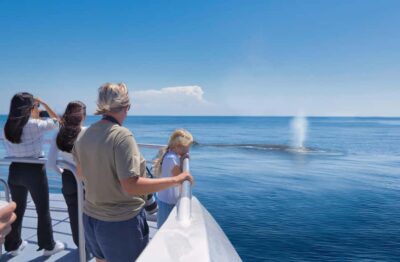
Tikapa Moana Whales, Dolphins and Islands Cruise
Read our review →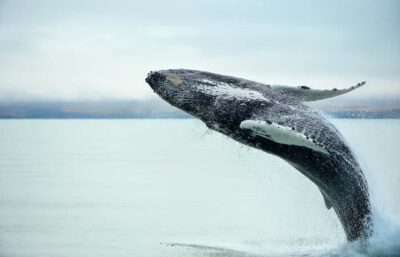
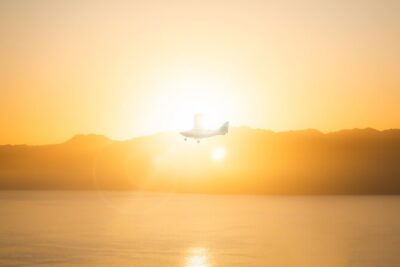
Kaikōura Whale Watching Scenic Flight (40 Minutes)
Read our review →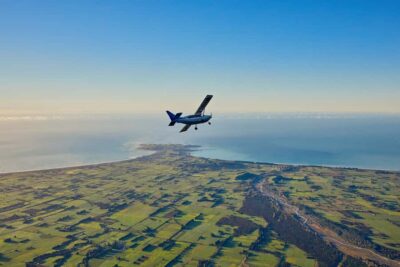
Browse the lists this tour appears in