
Reviewed · WHALE WATCHING
Kaikoura: Whale Watching Cruise
Kaikoura’s main attraction is not a monument or museum. It is a living giant that surfaces quietly offshore, breathes for several minutes, then slips beneath the water and raises its tail. This cruise gives you a strong chance to see giant sperm whales in the wild, often with dolphins, seals, and seabirds filling out the show.
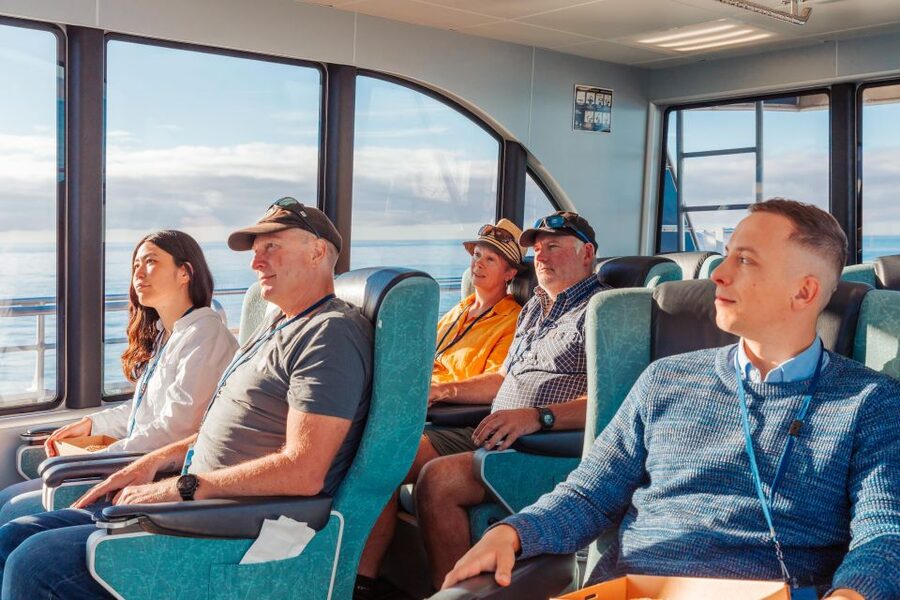
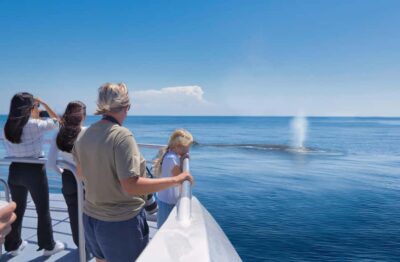
I like the well-run bus transfer and check-in, which keep the morning simple, and I like the roomy catamaran, with outdoor viewing decks, comfortable indoor seats, air conditioning, and screens that explain what you are seeing. The crew also brings in Māori knowledge and local science, which gives the trip more meaning than a simple search for a whale.
The main catch is the sea itself. Kaikoura can be choppy, and motion sickness is a real concern. You may see a whale only briefly or from a distance, since this is nature rather than a staged performance, so take precautions before arriving.
Key points to know before you book
- Sperm whales are the main event: These giant toothed whales live off Kaikoura and are the species the crew is most focused on finding.
- Wildlife can change by the hour: Dolphins, fur seals, albatross, penguins, orcas, and other whales may appear, but no sighting is guaranteed.
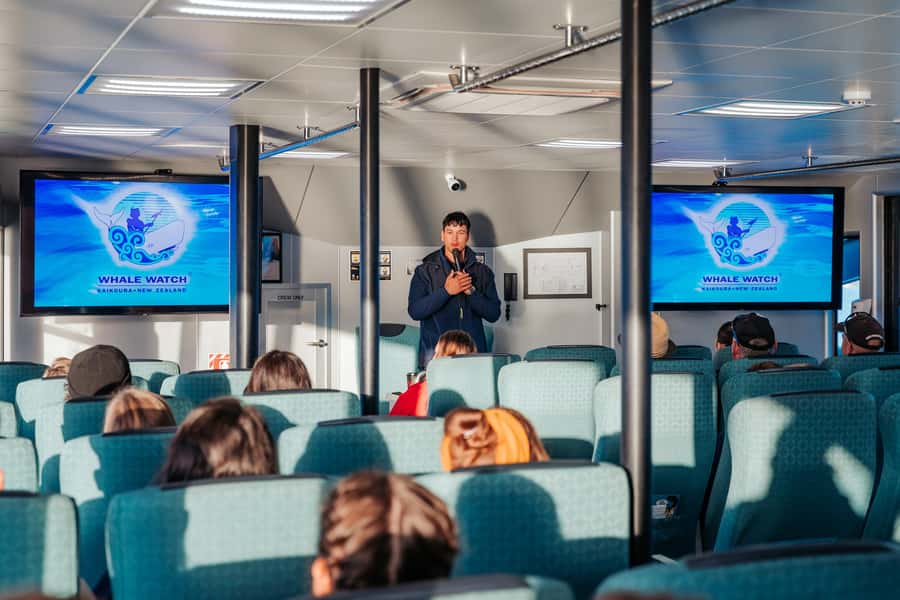
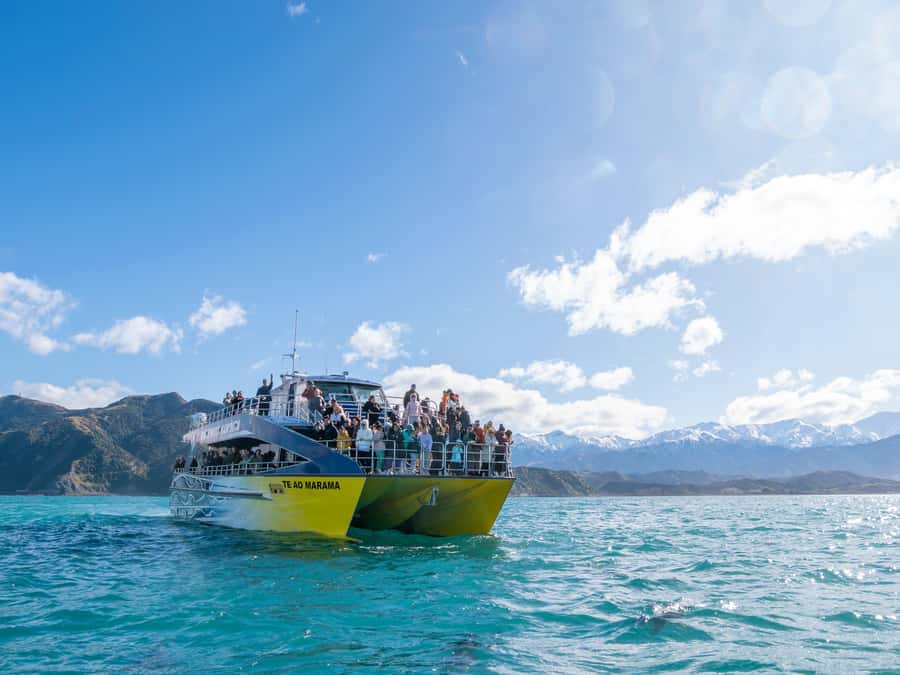
- The boat is made for viewing: You get large outdoor decks, indoor air-conditioned seating, comfortable cabins, and screens with marine animations.
- The cruise lasts just over two hours: Allow about 3 hours and 15 minutes for check-in, the safety briefing, bus transfers, and time on the water.
- Sea conditions matter: The minimum age is three, but the operator can restrict young children when conditions are poor.
- The price reflects a full operation: At $104 per person, you pay for the vessel, crew, transfers, onboard interpretation, and a serious effort to locate wildlife.
Why Kaikoura is such a good place for whale watching
Kaikoura is a particularly appealing place for this kind of outing because whales are found close to the coast. The meeting point is the Whale Watch Kaikōura office, where you check in before a short bus transfer to the boat.
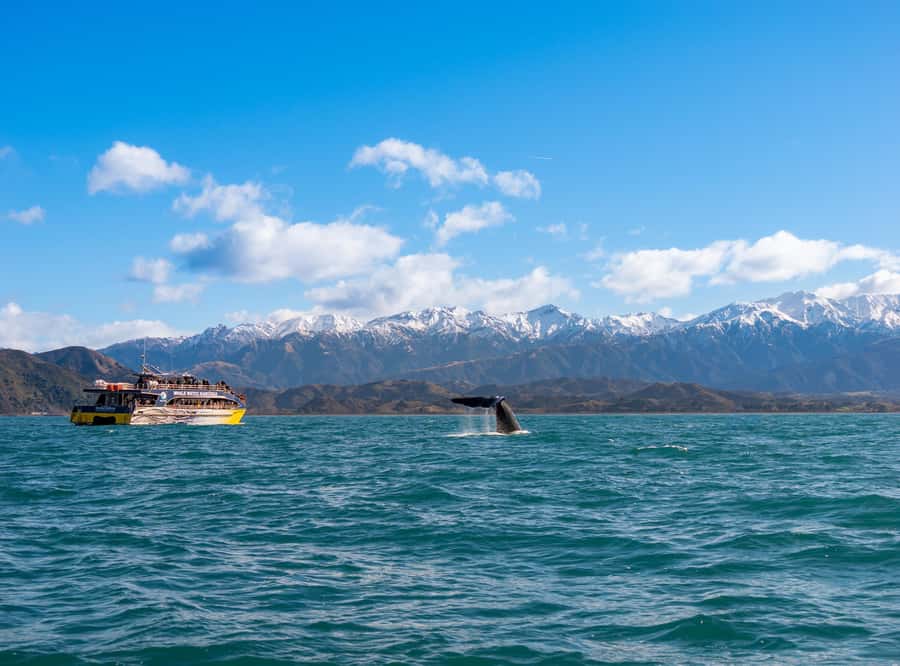
The surrounding scenery is part of the reward. As you head offshore, the Kaikoura mountains rise behind the coastline, creating a memorable contrast between steep land and open sea. I would not treat the cruise as only a whale hunt. Even during quiet periods, you are watching one of New Zealand’s most dramatic coastal settings.
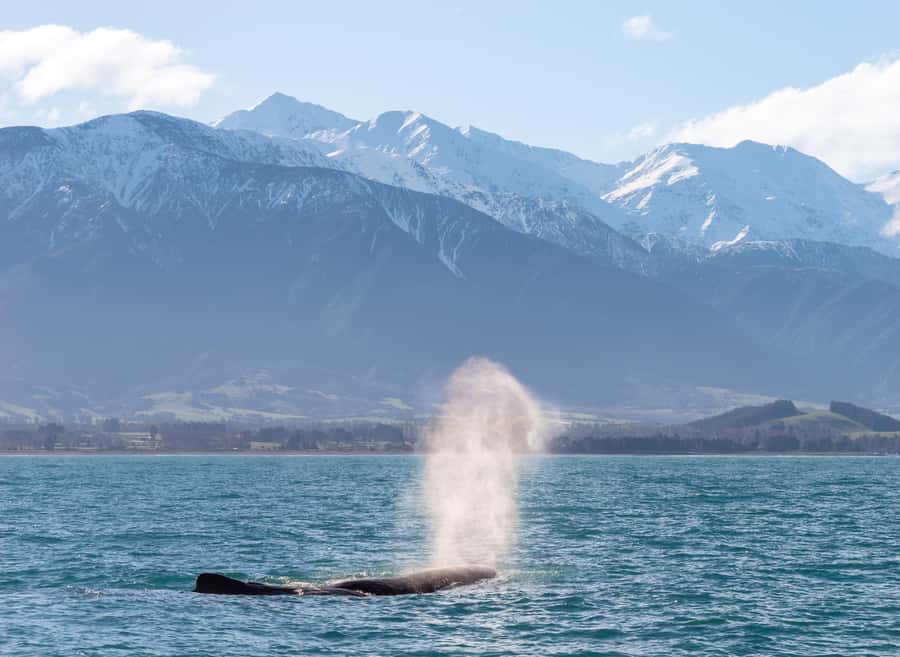
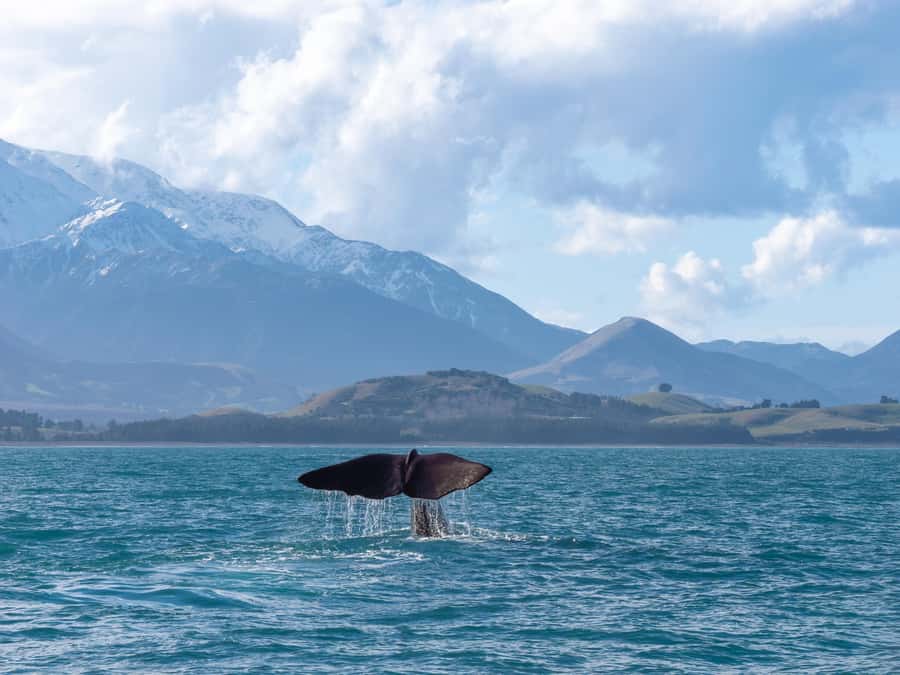
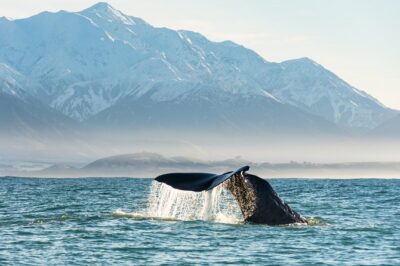
The main target is the sperm whale. These are the world’s largest toothed predators, and they are impressive even when you see only the back, blow, and tail. The crew uses experience, marine information, and underwater sound to locate them, then alerts you when a whale is preparing to submerge. That warning matters because the tail often appears for only a moment.
A whale sighting can last several minutes before the animal heads away. You may watch it breathe repeatedly, then see the tail rise as it makes a long underwater journey. The best photographs are not guaranteed, but the sequence is easy to understand and appreciate without a camera.
More Whale Watching Trips in Kaikoura
- Whale Watching in Kaikoura by Boat
★ 4.5 · 2,906 reviews - Kaikoura: Whale Watching Flight with Commentary
★ 4.6 · 823 reviews - Kaikōura Whale Watching Scenic Flight (40 Minutes)
★ 5.0 · 221 reviews
Check-in, the bus ride, and the first look at the vessel
The operation begins at the local partner’s office rather than directly at the dock. Staff handle check-in and then take you by bus to the departure point. The transfer is short, but it helps keep the process orderly and means you do not need to work out the harbor arrangements yourself.
Allow the full 3 hours and 15 minutes, not just the advertised two-hour cruise. That total includes check-in, the safety briefing, the bus ride, and boarding. Your exact departure time may change from the time you request, since weather and availability affect the schedule. The operator confirms the final time by email after booking.
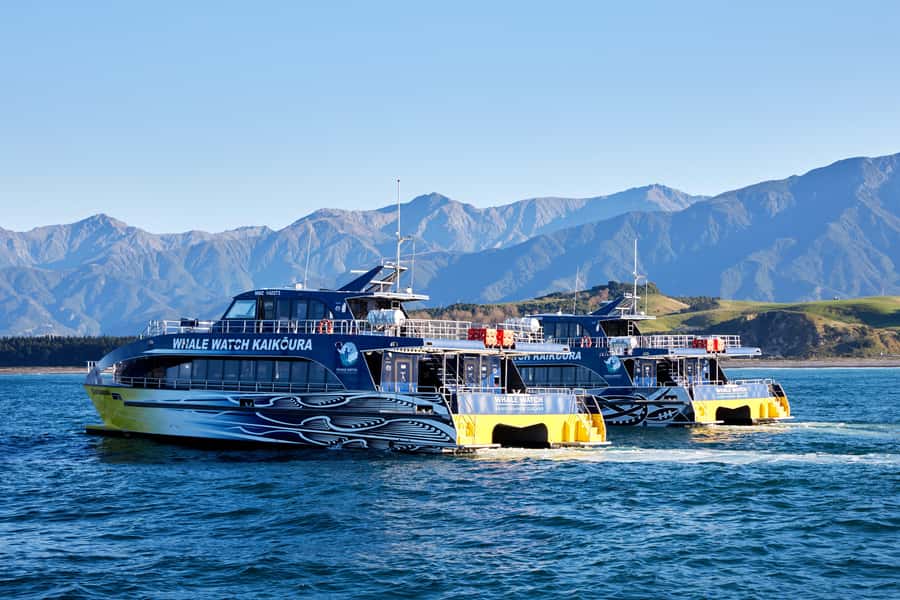
The catamaran is one of the practical strengths of this outing. It has large outdoor areas where you can move around for a clearer view, along with indoor seating in air-conditioned rooms. Plasma screens show award-winning animations about marine wildlife, so you still have something useful to follow when the boat is moving between sighting areas.
The vessel uses engines designed to reduce underwater noise and has nonpolluting toilets. Those details matter on a whale trip. The aim is to watch animals in their own habitat without treating the sea like a theme park.
Passenger numbers are kept below the boat’s full capacity. That does not mean you will have the vessel to yourself, but it helps prevent the worst sort of crowding. You can usually move between the outside rails and the inside cabin, rather than being fixed in one seat for the entire outing.
What happens during the two-hour cruise
Once underway, the crew combines safety information with an introduction to the local marine environment. The commentary covers whale behavior, the creatures that live off Kaikoura, and the methods used to find them. You also receive information shaped by indigenous knowledge and Māori connections to the sea.
The first stretch can feel like a scenic coastal ride. Keep your eyes open for seabirds and seals, while the crew watches the water and follows signs of whale activity. The boat may stop at several points as the captain and guides work out where the animals are.
The search is not always instant. Some trips produce several sperm whales, while another may bring one sighting at a distance. That uncertainty is worth understanding before you book. The crew can do a great job and still cannot command a whale to surface beside the boat.
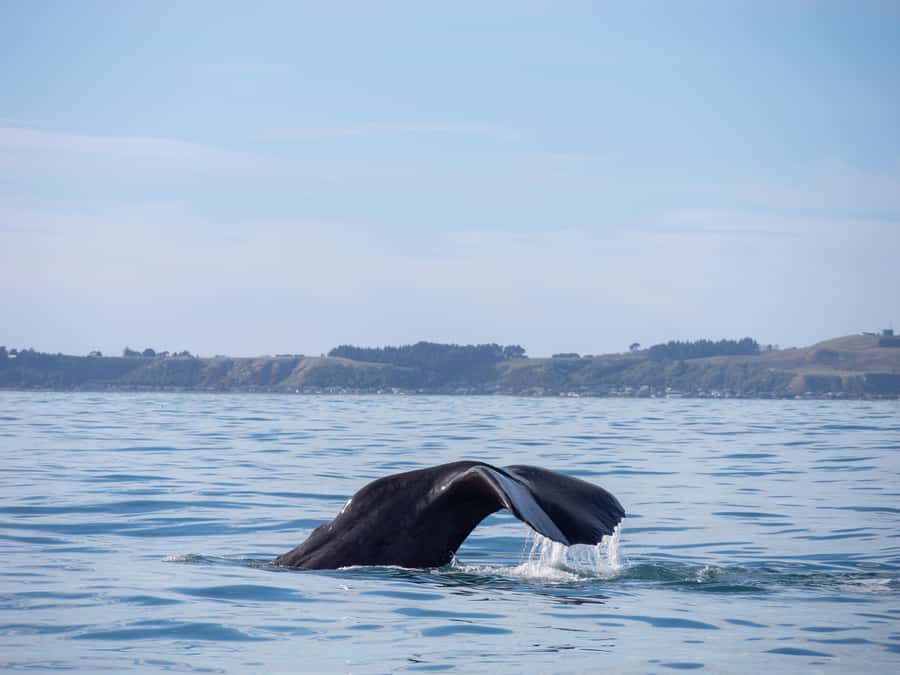
When a sperm whale appears, the pace changes. The guide explains what to watch for and may warn you before the animal heads below the surface. You might see a whale breathing for around ten minutes, then raising its tail as it goes down. The tail shot is the classic photograph, but the quiet pause before it is often just as striking.
The crew may use sonar-based information and a hydrophone to track sounds below the surface. One captain even let a participant listen to whale clicks through the hydrophone. This turns the search into something more than scanning the horizon. You get a sense of how the crew builds a picture of an animal you cannot see beneath the water.
The return trip includes more commentary and wildlife spotting. One point to note is that some of the explanation may repeat on the way back, particularly if the crew is covering basic whale information for everyone onboard. If you prefer nonstop action, that may feel slow. If you enjoy learning while you travel, it helps fill the quiet periods.
Dolphins, seals, albatross, and the bonus sightings
The sperm whale is the reason to book, but dolphins often become the most energetic part of the cruise. Dusky dolphins are regularly mentioned in the trip’s wildlife mix, and pods can be large. One outing encountered around 300 dolphins and watched them for 15 to 20 minutes.
You may see dolphins leaping, swimming beside the boat, or turning through the waves. A pod of roughly 100 animals was also seen performing repeated leaps alongside the vessel. These encounters can feel more immediate than whale watching because the dolphins are active and easier to follow from the deck.
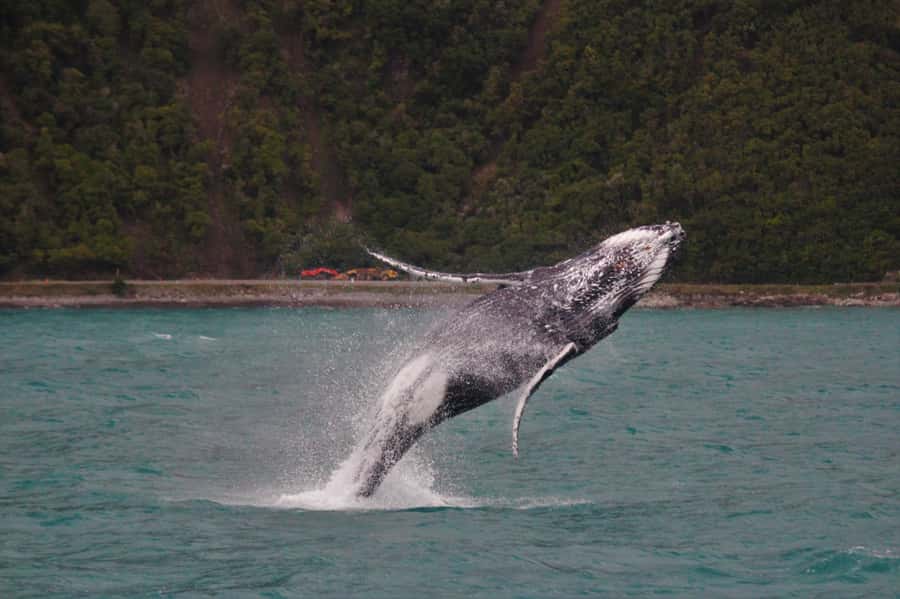
Fur seals are another common possibility. They may appear close to the boat, giving you a better look at an animal that is often difficult to appreciate from shore. Seabirds are equally important here. Keep watch for wandering albatross, other albatross species, Cape petrels, and smaller birds riding the wind above the water.
The range can be wide. Sightings have included pilot whales, humpback whales, orcas, blue whales, sharks, penguins, and more than one type of dolphin. You should treat these as possible extras, not promised features. Some trips see a sperm whale and dolphins but no orca. Others get several whale species in one morning.
That variation is exactly why I would leave room in your expectations. A trip with one distant whale is not the same as a trip with three whales and a large dolphin pod, yet both can offer a worthwhile look at life offshore. The scenery, the crew’s interpretation, and the process of searching all help make the outing more than a single sighting.
A few more Kaikoura half-days to weigh up
- Wildlife Sea Kayaking Tour – Kaikoura
★ 5.0 · 467 reviews - Seal Kayaking Adventure in Kaikoura
★ 5.0 · 422 reviews - Kaikoura: Half-Day Wildlife Kayaking Tour
★ 4.6 · 390 reviews - Half Day Zipline Adventure in Kaikoura
★ 5.0 · 258 reviews
The crew, commentary, and Māori perspective
The crew receives especially strong praise for clear explanations and friendly service. Guides named in the feedback include Caolan and Mikayla, while Captain Jack was singled out for placing the boat effectively near the whales. Crew members change, of course, but the operation’s style is consistent: explain what is happening, point out animals, and give you time to watch.
I like the balance between science and local culture. The commentary gives you facts about sperm whales and their behavior, while also explaining Māori connections to the sea and the creatures living in it. The operator is owned by the Ngāi Tahu iwi, which gives that cultural perspective a direct connection to the organization running the cruise.
Animal welfare is also part of the stated approach. The boat’s quieter engines and the crew’s attention to how whales are approached support a less intrusive form of wildlife watching. You are not guaranteed a close encounter, but that restraint is part of responsible marine tourism.
The onboard animation helps when the sea is rough or a whale remains underwater. Instead of staring at blank screens during the search, you can see visual explanations of marine life and better understand what the crew is trying to locate.
The rough-water question
Take seasickness seriously. Several outings have been described as choppy, and some people spent much of the ride feeling ill. A powerful catamaran can handle wind and waves well, but a well-built boat cannot remove the movement of the ocean.
If you know you are prone to motion sickness, take precautions before arriving at the office. Tablets are available for purchase there, but it is wiser to plan ahead rather than wait until you feel unwell. Bring only what you need onto the deck, use the indoor areas if they help, and listen carefully to the crew.
The minimum age is three, but children under three cannot join. Even children aged three or older may not be accepted if the sea and weather conditions are judged unsuitable at check-in. This is a sensible rule, but it means a young child’s place is not completely independent of the forecast.
The cruise is wheelchair accessible. Smoking is not allowed. Food and drinks are not included, so plan accordingly, especially since the total outing takes more than three hours.
Is $104 a fair price?
At $104 per person, this is not a cheap harbor ride. It is a substantial wildlife operation with a catamaran, bus transfers, trained crew, onboard commentary, marine animations, and access to a part of the coast where sperm whales are a regular focus.
I think the value is strongest if you want more than a quick look at the sea. You are paying for the effort involved in locating animals, the interpretation that explains their behavior, and the chance to see several types of wildlife in one outing. A large dolphin pod, close seals, or an albatross overhead can make the price feel justified even if the whale stays farther away than hoped.
There is also a sensible protection when the search does not produce the expected result. One person received an 80 percent refund after no whale was found. That arrangement is not presented as a blanket promise for every situation, so ask the operator about the current policy if this matters to your budget.
Free cancellation up to 24 hours before departure and reserve-now, pay-later booking add flexibility. Weather can force a reschedule, and the operator has moved trips to the next morning when wind made the original sailing unsuitable. Build some space into your Kaikoura plans if the whale cruise is important to you.
Who should book this Kaikoura cruise?
I would recommend it to anyone who wants a serious wildlife outing and can accept that nature sets the schedule. It suits adults, older children, photographers who know wildlife shots are unpredictable, and anyone interested in the sea, local ecology, or Māori perspectives.
It is especially good for people who value a strong crew and a comfortable vessel. The large viewing areas mean you can spread out, while the indoor cabin gives you a break from wind and spray. The commentary stays useful during the search, and the crew works hard to identify what you are seeing rather than simply pointing at a distant shape.
I would think twice if you get severe motion sickness, have no flexibility in your itinerary, or need a guaranteed close whale encounter. The cruise may be rescheduled, the sea may be rough, and the animals may remain far away. No operator can remove those limits.
Should you book Whale Watch Kaikōura?
Yes, if whale watching is high on your New Zealand list and you can give the outing a full half-day window. The combination of sperm whales, possible dolphins and seals, seabirds, mountain views, informed commentary, and a spacious boat makes this one of Kaikoura’s strongest wildlife choices.
Book with realistic expectations and prepare for the sea. Choose a later departure if that fits your schedule, since the first boat of the day may help locate animals for later trips, though sightings are never guaranteed. If the weather turns bad, accept the rescheduled sailing rather than forcing a miserable ride.
At $104, I see good value for a well-organized marine experience that puts animal welfare and local knowledge near the center. You may return with dramatic whale-tail photographs, or you may return with dolphins and seabirds as the day’s highlights. Either way, you get a close look at the wild coast beyond Kaikoura.
FAQ
Where does the whale watching cruise depart from?
You check in at the Whale Watch Kaikōura office, then take a bus transfer to the boat.
How long does the full experience take?
Allow about 3 hours and 15 minutes for check-in, the safety briefing, bus transfers, and just over two hours on the water.
How long is the cruise itself?
The time at sea is just over two hours. The full activity duration is listed as 210 minutes.
What whale species is the cruise mainly looking for?
The main target is the giant sperm whale, the world’s largest toothed predator.
What other animals might I see?
Possible sightings include fur seals, dolphins, wandering albatross, other seabirds, pilot whales, humpback whales, orcas, blue whales, sharks, and penguins. Wildlife sightings are not guaranteed.
Is the tour suitable for children?
Children must be at least three years old. The minimum age can still be affected by sea and weather conditions at check-in, and children under three are not permitted.
Is the cruise wheelchair accessible?
Yes, the activity is listed as wheelchair accessible.
What happens if the weather is poor?
The cruise operates only in favorable weather conditions. The operator may change or reschedule your departure and confirms the exact time by email after booking.
What should I do if I suffer from motion sickness?
Take precautions before arriving at the office. Motion sickness tablets are available for purchase there, but the sea can be very choppy.
Are food and drinks included?
No. Food and drinks are not included in the price.
Can I cancel the booking?
You can cancel up to 24 hours in advance for a full refund. Reserve-now, pay-later booking is also available.
Just added around Kaikoura
- Kaikōura Whale Watching and Scenic Landing – 1hr Premier Tour★ 5.0 · 24 reviews
- Kaikōura Whale Watching – 1hr 20min Ultimate Adventure★ 5.0 · 8 reviews
- Sunset Kayak tour in Kaikoura★ 5.0 · 46 reviews
- Llama Trek (Taster) – Kowhai River Valley and Native Woodland Tour★ 5.0 · 76 reviews
- Kaikoura Whale Watching – 45 Minute Ocean Safari★ 5.0 · 39 reviews
- Private Wildlife Kayaking Tour – Kaikoura★ 5.0 · 44 reviews
- Sunset Evening Kayaking Tour – Kaikoura★ 4.5 · 81 reviews
- Kaikoura Helicopters Extended Whale Watch★ 4.5 · 15 reviews
Whale Watching, compared.
Auckland Dolphin and Whale Watching Eco-Safari Cruise
Read our review →
Whale and Dolphin Watching Half-Day Eco Cruise
Read our review →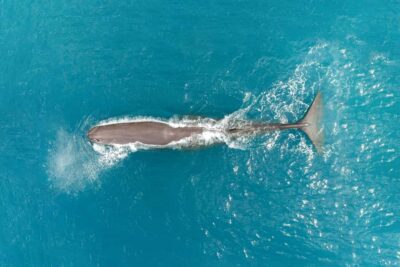
Tikapa Moana Whales, Dolphins and Islands Cruise
Read our review →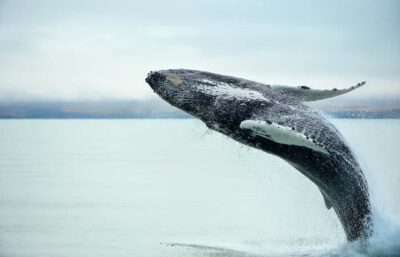
Kaikōura Whale Watching Scenic Flight (40 Minutes)
Read our review →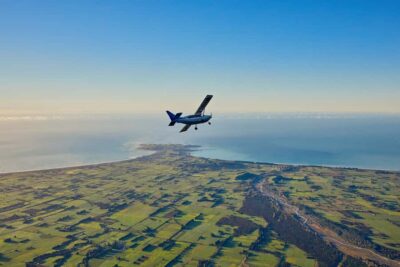
Browse the lists this tour appears in