
Reviewed · CRUISES & BOAT TOURS
Dunedin: Monarch – One Hour Wildlife Cruise
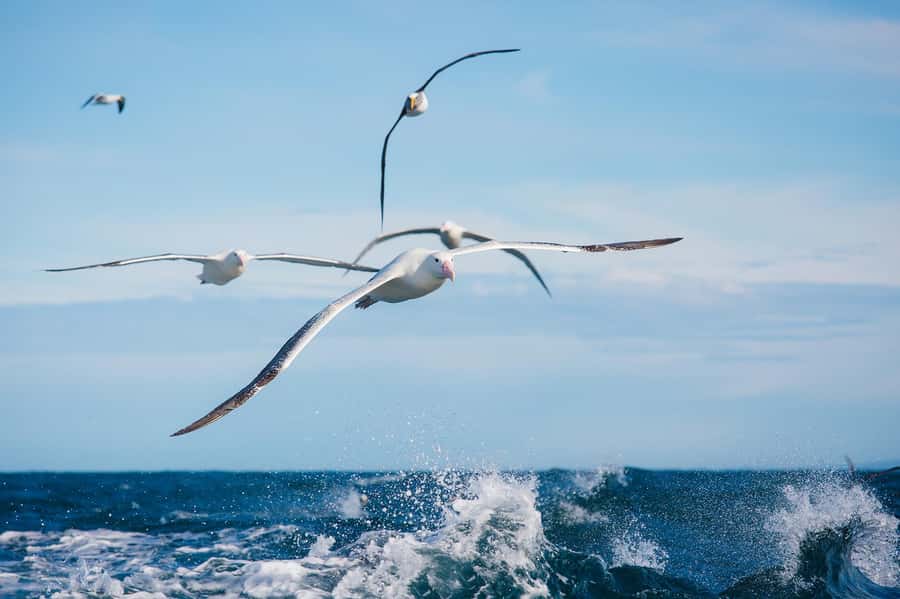
Royal albatross with wingspans near three metres are the star here. From a sturdy boat leaving Wellers Rock Wharf, you watch these huge seabirds glide low over the Pacific, catch the updraft beside Taiaroa Head, and return toward their nests. It is a fine wildlife show, but the rugged Otago coast and old lighthouse make the setting just as memorable.
I like the short, focused format and the chance to see several kinds of wildlife in one hour. I also like the full commentary, which ties together birds, geology, harbour scenery, and the military remains near Aramoana. The main drawback is the long drive from Dunedin, followed by an exposed boat ride that may be rough for anyone prone to seasickness.
Key points to know before you book
- Royal albatross in flight: See the world’s only mainland royal albatross colony from the water, with huge birds using the cliffs’ rising air.
- A compact one-hour cruise: The trip covers a lot without taking up half your day, useful when your Dunedin schedule is tight.
- Several wildlife stops: Look for fur seals on rocky breeding grounds, sea lions on Aramoana Beach, and sometimes dolphins, penguins, petrels, and smaller albatross.
- A scenic drive is part of the outing: Allow 45 to 60 minutes to reach the wharf from central Dunedin.
- Practical boat conditions: Bring warm clothes, a hat, sunscreen, and a waterproof camera. The southerly wind can feel cool and brisk.
- Best for mobile visitors: The boat is not suitable for wheelchair users, and the trip is not a good choice if you regularly suffer from seasickness.
Why the royal albatross makes this cruise special
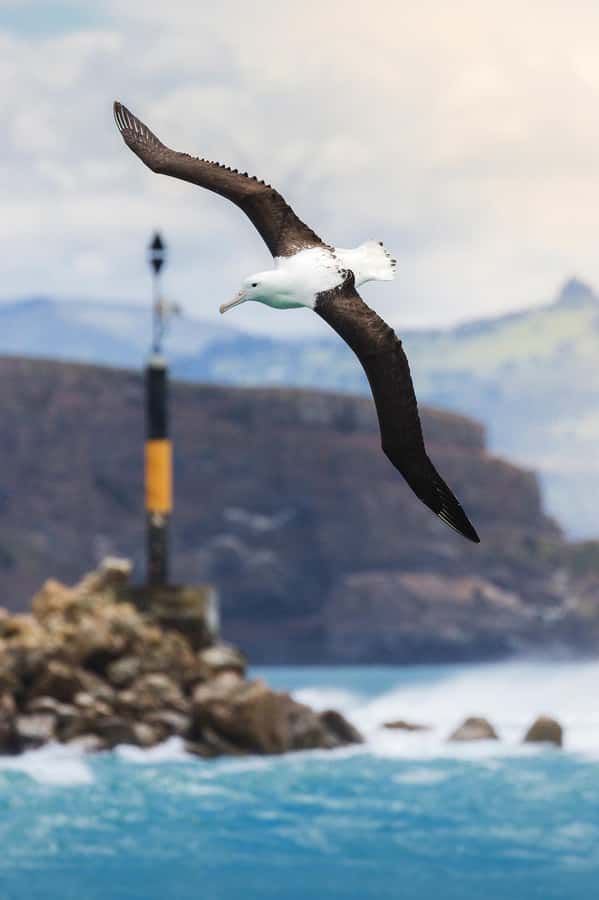
The Otago Peninsula is one of the few places where you can watch royal albatross from a boat close to a mainland nesting site. That matters because these are not distant specks over open water. You may see them fly in low from the sea, then rise on air currents along the hillside before heading toward the colony.
Their wings can stretch close to three metres. On a good day, the sight is remarkably graceful: a huge bird barely moving its wings while the wind does the work. The boat gives you a broad view of the headland, so you can watch the birds in motion rather than simply looking at a fixed colony from one viewpoint.
The experience is still wildlife watching, not a guaranteed animal parade. Birds move on their own schedule, and conditions affect what you see. The trip information specifically points to royal albatross as a central sight, while dolphins, blue penguins, and other ocean birds are occasional possibilities.
I would book this cruise for the albatross first, then treat every other animal as a welcome extra. That approach keeps expectations sensible and lets you appreciate the birds, cliffs, and sea even if one hoped-for species stays out of sight.
More Boat Tours in Dunedin
- Otago Peninsula Wildlife Cruise with Monarch
★ 4.5 · 227 reviews - Albatross, seals, and sea birds-Wildlife Cruise
★ 5.0 · 189 reviews - Cruise Dunedin City and Castle Tour
★ 5.0 · 142 reviews
Reaching Wellers Rock Wharf from Dunedin
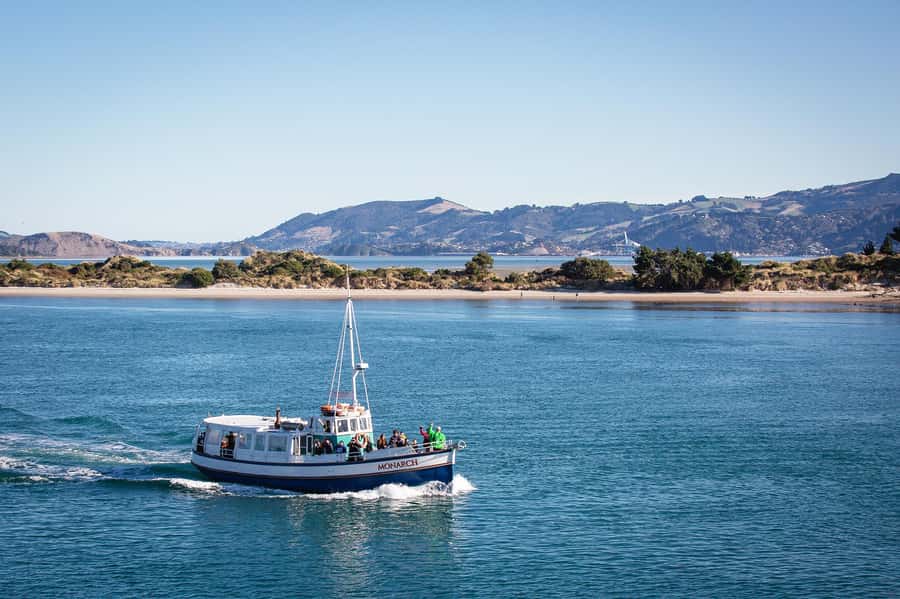
You need to make your own way to the wharf. From central Dunedin, allow 45 to 60 minutes for the drive along the Otago Peninsula. That is not a small transfer, so build in enough time rather than cutting your arrival close.
The drive is part of the appeal. The peninsula road leads you away from the city and toward the rugged entrance of Otago Harbour. You get changing views of the water, hills, and coastline before the boat even leaves shore.
This self-drive setup gives you flexibility, but it also puts the timing in your hands. Hotel pickup is not included, and neither are food, drinks, or transport. I would plan a little extra time for the road and arrive dressed for the coast, not just for Dunedin’s city centre.
The wharf location also means you are not starting in the middle of the city. If you have only one free hour, remember that the total outing is much longer once the drive is included. If you are already visiting the peninsula, though, the cruise fits neatly into a broader day of sightseeing.
Aramoana Beach and its sunbathing sea lions
One early highlight is Aramoana Beach, where tidal sandflats create a wide, open setting across the harbour entrance. Sea lions may be sprawled on the sand, basking in the sun. From the boat, you can watch them resting in a place that feels far removed from town.
Sea lions have an entertaining range of habits. They may lie still, shift position, or become active around one another. The trip description notes that they can be seen basking on the sandflats, while the fur seal colony later in the cruise offers more action around the rocks and water.
The sandflats are also a reminder that wildlife viewing is shaped by tide and weather. A resting animal may be easy to spot, while another may blend into the shore. The boat’s commentary helps you understand what you are seeing instead of simply scanning the beach without context.
You should keep a respectful distance and never feed the animals. Feeding, climbing, and other interference are not allowed, sensible rules for a place where seals and sea lions use the shore to rest and breed.
Military remains beside the harbour channel
The cruise is not only about animals. Across the harbour channel, the boat passes old lookout posts and gun emplacements built into the rocky hill. Tunnels once connected parts of this defensive system.
These remains add a human layer to the trip without taking over the wildlife focus. From the water, you see how the harbour entrance could be watched and defended. The structures also show how closely local history is tied to the coast’s steep rock and narrow approaches.
I appreciate this kind of commentary because it gives you more to notice between animal sightings. The crew covers local history and geology as well as wildlife, so the hour is not dependent on spotting a rare dolphin or penguin.
The fortifications are viewed from the boat, not explored on foot. If you want to walk through military tunnels, this cruise does not replace a land visit. It does, however, give you a useful view of the remains from the harbour side.
More Wildlife Tours in Dunedin
- Clearwater Wildlife Tours (small group 10max) Otago Peninsula
★ 5.0 · 531 reviews - Dunedin: Wildlife and Penguin Tour
★ 4.6 · 239 reviews - Dunedin Wildlife Cruise-Albatross, seals and harbour
★ 5.0 · 115 reviews - Dunedin City, Wildlife and Larnach Castle
★ 4.5 · 96 reviews
Taiaroa Head, the lighthouse, and the albatross colony
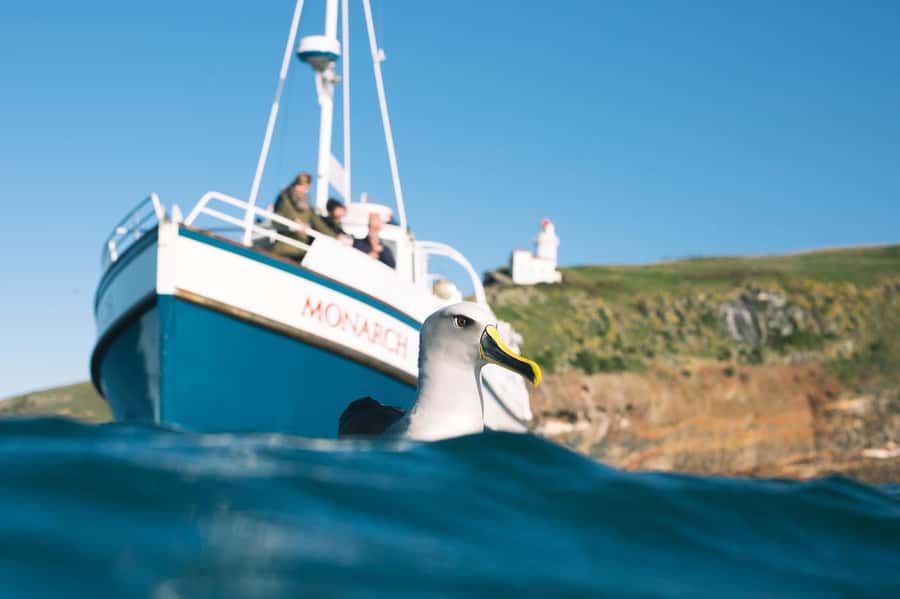
As the boat reaches Taiaroa Head, the historic lighthouse becomes part of the view. Built in 1864, it was the first lighthouse constructed on New Zealand’s South Island. Perched high above volcanic cliffs, it makes a strong visual marker for the harbour entrance.
The cliffs are important for more than scenery. Their shape helps create the updrafts that let albatross gain height with little effort. When a bird glides beside the headland, you are seeing the connection between the local geology and the wildlife that uses it.
The boat offers uninterrupted views of the mainland colony from the water. That open viewpoint is one of the strongest reasons to choose a cruise rather than treating the headland as just another coastal lookout.
The sight can be especially impressive when an albatross comes in low from the ocean. Watch for the change in movement as it reaches the hillside and begins riding the rising air. The bird’s scale can be hard to judge until it passes near the cliffs or another familiar feature.
Fur seals on the rocky breeding grounds
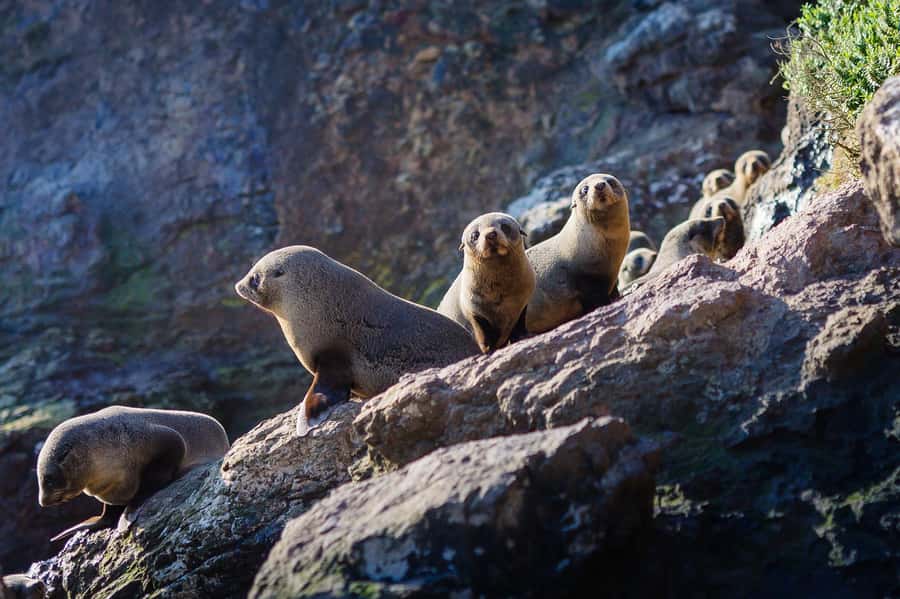
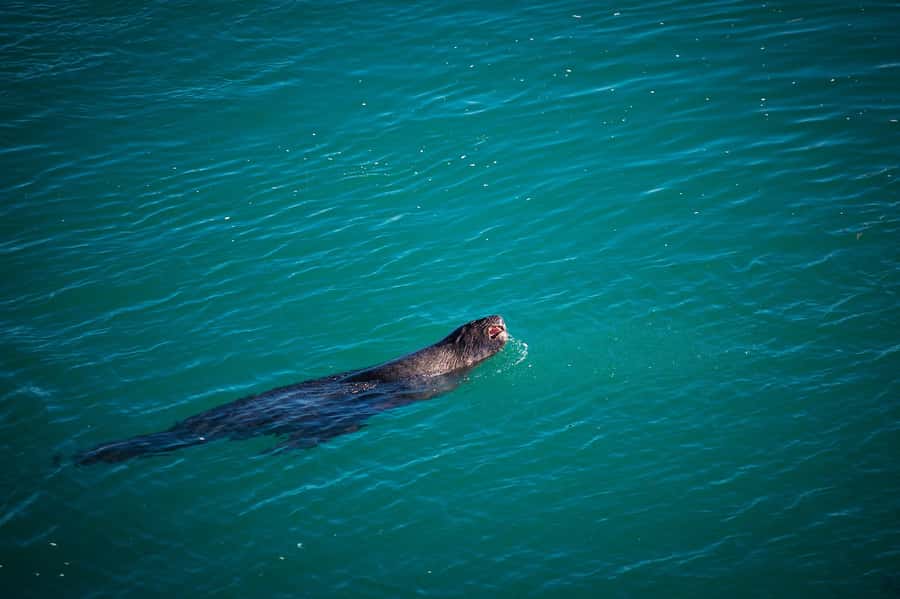
Farther along the coast, the boat approaches rocky outcrops that reach into the ocean. These rocks support a large New Zealand fur seal colony, and the animals may be resting on ledges, moving between rocks, or swimming nearby.
This part of the trip has a different feel from the albatross viewing. The birds are airborne and wide-ranging, while the fur seals are gathered in one rough, concentrated area. You may see them sleep, play, or squabble, giving you a close look at the busy social life of a breeding rookery.
The boat’s approach lets you see the colony without walking over the rocks or disturbing the animals. You should still bring a camera with a waterproof case or protection. Spray and sea air are practical concerns, especially when you are trying to capture quick movement.
Do not expect every seal to perform. Some will be motionless, and that is normal. A quiet animal on a rock is still a useful sight, particularly when the commentary explains how the colony fits into the coast around Taiaroa Head.
Out into the Pacific for smaller seabirds
The boat travels a short distance beyond the harbour and into the Pacific Ocean. This changes the viewing area from sheltered water and tidal flats to open sea, where ocean birds may pass by.
Possible sightings include smaller albatross species, cormorants, and petrels. These birds can be less obvious than the royal albatross, but they give you a broader picture of the area’s birdlife. The trip is not limited to the famous colony. It also shows the working edge between harbour and ocean.
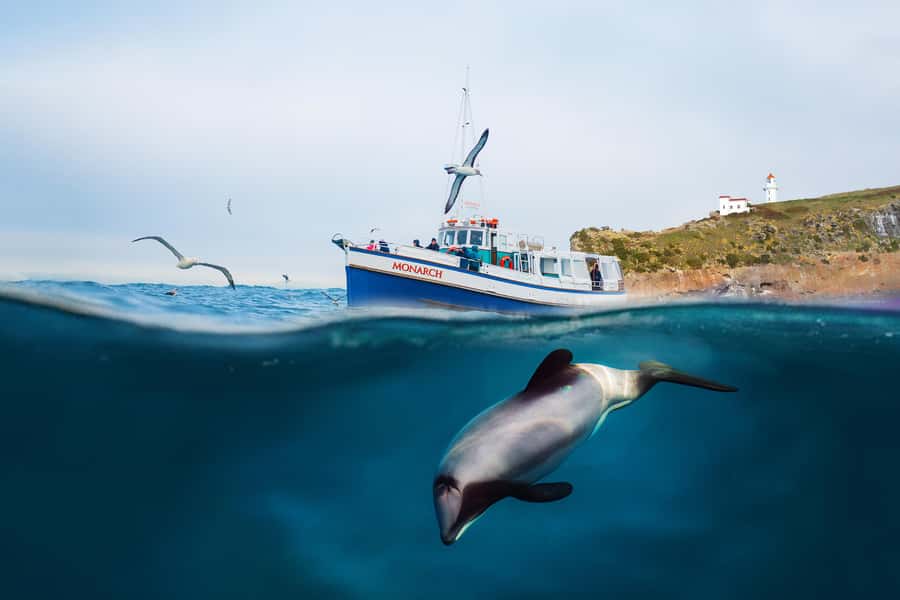
You might also see blue penguins, dusky dolphins, Hector’s dolphins, or other marine mammals. These are occasional sightings, not promises, so I would not book the trip solely for dolphins or penguins. If one appears, it can turn a strong cruise into an exceptional one.
Open water can also feel cooler and more unsettled. A cool, brisk southerly wind is common enough to plan for. Warm clothing is not optional comfort here. It can determine whether you spend the hour watching the sea happily or wishing you had packed another layer.
What the one-hour format really gives you
At $41 per person, this is a reasonably priced wildlife outing if you are already planning to visit the Otago Peninsula. The price includes the one-hour cruise and live English commentary, with no extra charge listed for the wildlife, history, or geology interpretation.
The value comes from the range packed into a short trip. In one hour, you may pass Aramoana Beach, see military remains, view Taiaroa Head and its lighthouse, watch royal albatross, approach fur seal rocks, and travel briefly into the Pacific. You are not spending a full day on a boat, yet the route covers several distinct coastal settings.
The limitation is the clock. One hour leaves little room for extended stops or long waits for a particular animal. If the boat moves on after a quick sighting, that is part of keeping the trip compact.
I see this as a good choice for a first look at the peninsula’s marine life, a family day with limited attention spans, or a port-day plan where you need a defined activity. If you want a slower wildlife expedition with long periods dedicated to one species, you may find the format too brief.
The crew provides full commentary in English. That is valuable because the route has several layers: bird behaviour, volcanic cliffs, harbour geography, military remains, and lighthouse history. A good explanation turns a scenic ride into a more complete understanding of the place.
Boat comfort, weather, and practical preparation
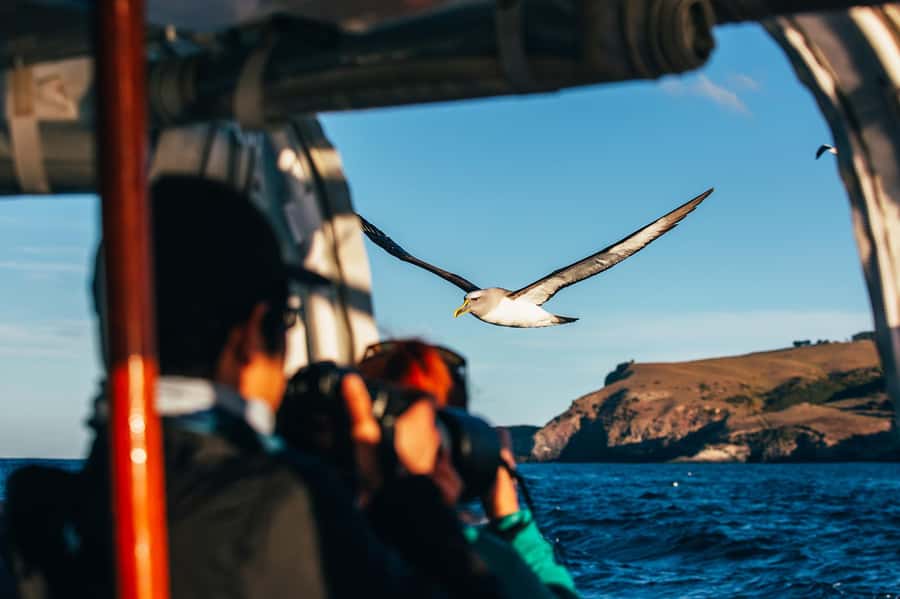
The boat is described by one recent participant as cosy, clean, and tidy, with staff who explained the sights well. That gives you a useful picture of the basic setup, though coastal comfort still depends heavily on the weather.
The trip can be cool even when Dunedin feels mild. Bring warm clothing, a hat, sunscreen, and a camera. A waterproof camera is specifically recommended, and I would protect any phone or standard camera from spray as well.
The southerly wind can be cool and brisk. That wind is part of what makes the albatross viewing possible, since the birds use air currents along the cliffs, but it can make the ride feel exposed. Dress for wind rather than relying on a sunny forecast.
People prone to seasickness should think carefully before booking. The cruise leaves the harbour for a short stretch of Pacific water, and the activity is not suitable for those who regularly struggle on boats. Strollers, bikes, drones, alcohol, vaping, smoking, fishing, and electric wheelchairs are not permitted.
The cruise is also not suitable for wheelchair users. If mobility access is essential, check carefully before paying, since the provided information gives no accessible option for this boat trip.
Who will get the most from this cruise
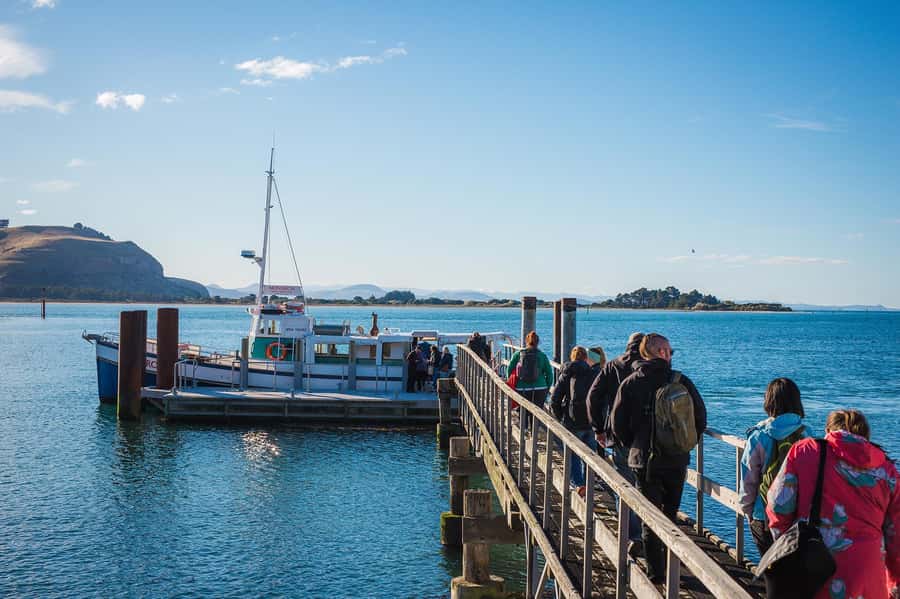
I would recommend the cruise to anyone who wants an affordable introduction to Otago Peninsula wildlife without committing to a long excursion. Bird lovers have the clearest reason to go, especially if royal albatross are high on your list.
It also suits people who enjoy variety. You may move from sea lions on sandflats to historic defence sites, then from a lighthouse above volcanic cliffs to seals on ocean rocks. That mix keeps the hour moving.
Families may appreciate the short duration, although young children still need warm clothes and close supervision around the boat. Photographers should bring protection for their equipment and accept that moving wildlife requires patience and a little luck.
I would be more cautious about booking if you have limited time in Dunedin and are not prepared for the drive. The cruise itself lasts one hour, but the round trip from the city takes considerably longer. I would also skip it if you are very sensitive to rough water or need wheelchair access.
The experience has received a 4.5 rating from 48 reviews, with especially strong praise for the crew, the clean boat, and the quality of the wildlife commentary. Recent feedback also records sightings of many albatross and, on one outing, dolphins. Those details match the main strengths of the trip: a capable crew, a tidy boat, and a route built around a remarkable colony.
Should you book the Monarch wildlife cruise?
Book it if you want to see royal albatross from the water, enjoy a compact coastal outing, and can comfortably handle the drive and open boat conditions. At $41, the price is fair for a one-hour trip that combines wildlife, geology, history, and some of the Otago Peninsula’s best coastal views.
I would treat the albatross, fur seals, and sea lions as the main reasons to go. Dolphins, penguins, and smaller seabirds are possible bonuses, not guarantees. Arrive warm, protect your camera, leave plenty of time for the drive from Dunedin, and this cruise gives you a practical, memorable look at the harbour entrance and Pacific coast.
FAQ
How long is the Monarch wildlife cruise?
The cruise lasts one hour. You should also allow 45 to 60 minutes to drive from central Dunedin to Wellers Rock Wharf.
Where does the cruise depart?
The boat departs from Wellers Rock Wharf on the Otago Peninsula. Hotel pickup and drop-off are not included, so you need to arrange your own transport.
What wildlife can I see?
The cruise focuses on royal albatross, New Zealand fur seals, and sea lions. You might also see smaller albatross species, cormorants, petrels, blue penguins, dusky dolphins, Hector’s dolphins, and other marine mammals.
Is the cruise suitable for someone prone to seasickness?
No. The experience is not suitable for people prone to seasickness, and the boat travels a short distance into the Pacific Ocean.
What should I bring?
Bring warm clothing, a hat, sunscreen, and a camera. A waterproof camera is recommended because the boat operates in exposed coastal conditions.
Can wheelchair users join the cruise?
No. The activity is not suitable for wheelchair users. Baby strollers and electric wheelchairs are also not permitted.
More 1-Hour Experiences in Dunedin
- One Hour Cathedral Cove Boat Tour in Hahei
★ 5.0 · 340 reviews - Queenstown: 1-Hour Zipline Tour with 2-Lines & 21-Meter Drop
★ 4.6 · 119 reviews - Lake Wanaka 1-Hour Cruise Including Wine and Cheese
★ 4.5 · 95 reviews - Russell: 1-Hour Sightseeing Tour by Coach & Long Beach
★ 4.8 · 61 reviews
Just added around Dunedin
- Otago Peninsula Scenery and Dunedin City Highlights Tour★ 4.5 · 33 reviews
- Clearwater Private Penguin & Wildlife Tour from Port Otago (5hrs)★ 5.0 · 7 reviews
- Castle, Coast & City Tour – 8 pax max – Castle Entrance Included★ 5.0 · 102 reviews
- Dunedin Nature & City Tour – Full Day Cruise Excursion★ 4.5 · 87 reviews
- Shore Excursion: Dunedin City, Otago Peninsula, Castle Gardens & Olveston Tour★ 5.0 · 81 reviews
- Iconic Wildlife Tour with Yellow Eyed Penguins & Royal Albatross★ 4.5 · 33 reviews
- Harbour, Albatross and Wildlife Cruise on Otago Harbour★ 4.5 · 22 reviews
- Dunedin Shore Excursion – Sightseeing, Larnach Castle, Chinese Garden & Museum★ 3.5 · 13 reviews
Cruises & Boat Tours, compared.
Premium Milford Sound Small Group Tour & Cruise from Queenstown
Read our review →
Cruise Milford NZ Small Boutique Cruise Experience
Read our review →

Walter Peak Gourmet BBQ & Lake Whakatipu Cruise
Read our review →
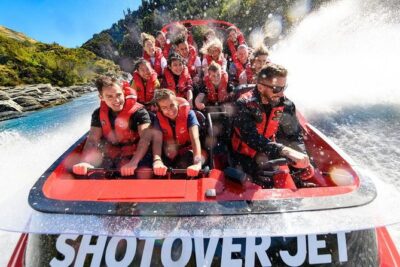
Shotover River Extreme Jet Boat Ride in Queenstown
Read our review →Browse the lists this tour appears in