
Reviewed · OTAGO PENINSULA WILDLIFE TOURS
Dunedin: Wildlife and Penguin Tour
The rarest penguins in the world are the reason to come here, but they are not the only attraction. This private Otago Peninsula reserve protects hoiho, or Yellow-eyed penguins, alongside little penguins, fur seals, sea lions, and native birds. The tour also gives you a close look at the work needed to bring damaged habitat back to life.
I like the three-part format: the conservation presentation gives the wildlife context, the rehabilitation centre can put you near penguins, and the guided walk takes you into their real home. I also like the practical touch of provided rain jackets and binoculars when available, since Otago weather can change quickly and much of the wildlife is viewed from a distance.
The main catch is simple: wild penguins are never guaranteed. Yellow-eyed penguin numbers are declining, and their movements vary by season and by day. You may see them on the beach, or only in care, while seals and sea lions provide much of the excitement on another outing.
Key points to know before you go
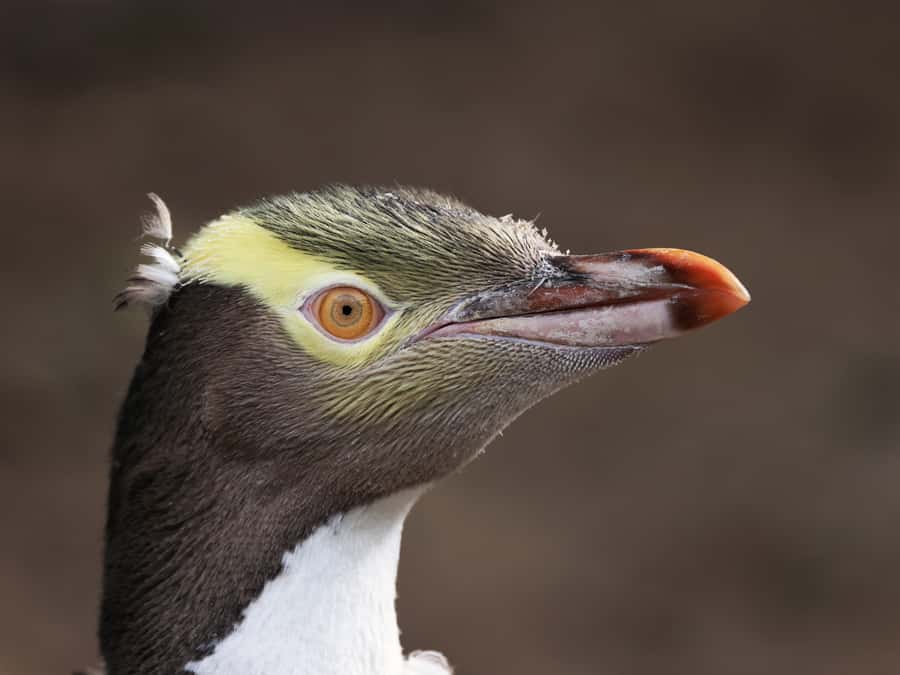
- Yellow-eyed penguins are the star, but sightings in the wild vary greatly.
- The 2-kilometre guided walk combines coastal wildlife with native plants and birds.
- The rehabilitation centre may offer close views of penguins when birds are present.
- Emma and Eden are among the guides praised for their warmth, passion, and clear explanations.
- Rain jackets and binoculars may be available, but you should still wear sturdy shoes and outdoor clothing.
- The $44 price is fair if you value conservation, a small-group feel, and several different wildlife habitats in one short tour.
Why this Otago Peninsula reserve matters
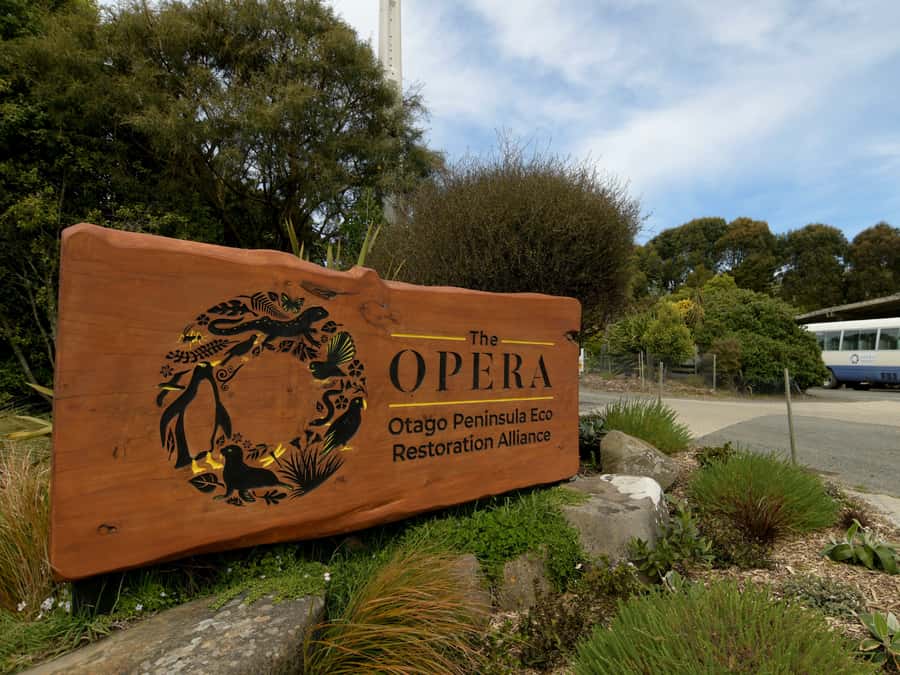
The experience begins at 45 Pakihau Road, on the Otago Peninsula, at a private reserve focused on habitat restoration and penguin protection. This is not simply a wildlife lookout where you arrive, take a few pictures, and leave. The conservation work is part of the visit.
In the theatre, you learn how the reserve is being restored to something closer to its original state. You also get an introduction to hoiho, the Yellow-eyed penguin, and the pressures affecting the species. That first talk matters because it changes how you watch the animals later. A penguin hidden in vegetation is no longer just a missed photo. It is a wild animal that needs space and quiet.
The presentation also covers the reserve’s plans for protecting its penguins and other species. I appreciate this approach because it puts the $44 fee in a wider frame. You are paying for a 90-minute outing, but part of the value is knowing that your visit helps support the reserve’s ongoing work.
The guide is central to this part of the tour. Emma and Eden have both led outings praised for their enthusiasm and strong understanding of the animals and habitat. The best guides here do more than point toward a bird. They explain what you are seeing, why it matters, and how to behave around it.
More Wildlife Tours in Dunedin
- Clearwater Wildlife Tours (small group 10max) Otago Peninsula
★ 5.0 · 531 reviews - Otago Peninsula Wildlife Cruise with Monarch
★ 4.5 · 227 reviews - Albatross, seals, and sea birds-Wildlife Cruise
★ 5.0 · 189 reviews
The rehabilitation centre: your best chance for close penguin views
The rehabilitation centre is visited after the theatre presentation, when penguins are present. This is where you may see Yellow-eyed penguins and other penguin species at much closer range than you can expect in the reserve.
That distinction is important. Wild penguins are sensitive to people, and the centre must protect their welfare. You may not have a wide-open view of every bird, and one visitor specifically wished for better visibility while also understanding why the animals need shelter. The experience is built around low impact, not guaranteed close-up photographs.
At times, the centre has held several penguins of different types. Some outings have included three different penguin species, while other visits have offered especially good views of two Yellow-eyed penguins. The exact birds present change, so you should treat this as a possible bonus rather than a fixed exhibit.
Seeing a penguin in care can also be more meaningful than simply seeing one at the shoreline. You learn that rehabilitation is part of conservation, not a separate attraction. The centre gives the team a place to treat and protect birds, while the wider reserve offers habitat where wildlife can live on its own.
Bring a camera, but keep your expectations sensible. The centre may not provide the perfect angle, and the animals come first. Do not touch the penguins, and follow the guide’s instructions closely.
A short bus ride into a working wildlife reserve
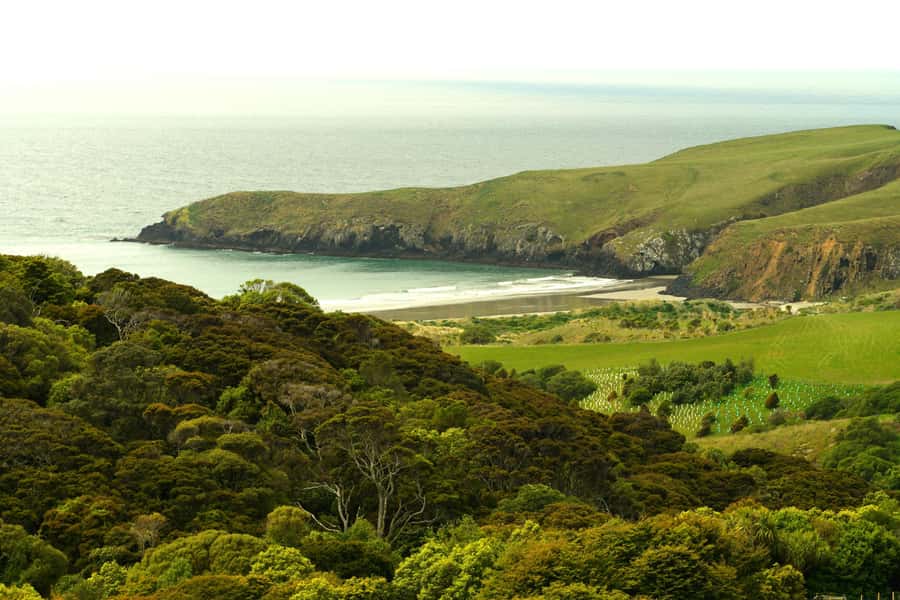
After the indoor introduction and rehabilitation-centre visit, a bus takes you farther into the reserve. The ride is short, but it is not dead time. Guides provide commentary along the way, explaining the reserve and pointing out parts of the habitat.
This is useful for two reasons. First, it lets you reach the walking area without turning the entire experience into a long hike. Second, it gives you more information before you start searching for wildlife on foot. One guide was praised for keeping up a steady explanation during the bus ride, making good use of the transfer.
The bus also helps make the 90-minute schedule work. You are not spending the whole tour walking from the entrance to the wildlife areas. That leaves more time for the guided nature walk and for stopping when the group finds something worth watching.
Group size can vary, but at least one outing was divided into a small group. That is helpful on a wildlife tour. A smaller group is easier to manage around sensitive penguin habitat, and you are more likely to hear the guide without a constant stream of questions and camera clicks around you.
The 2-kilometre walk: wildlife, plants, and patient watching
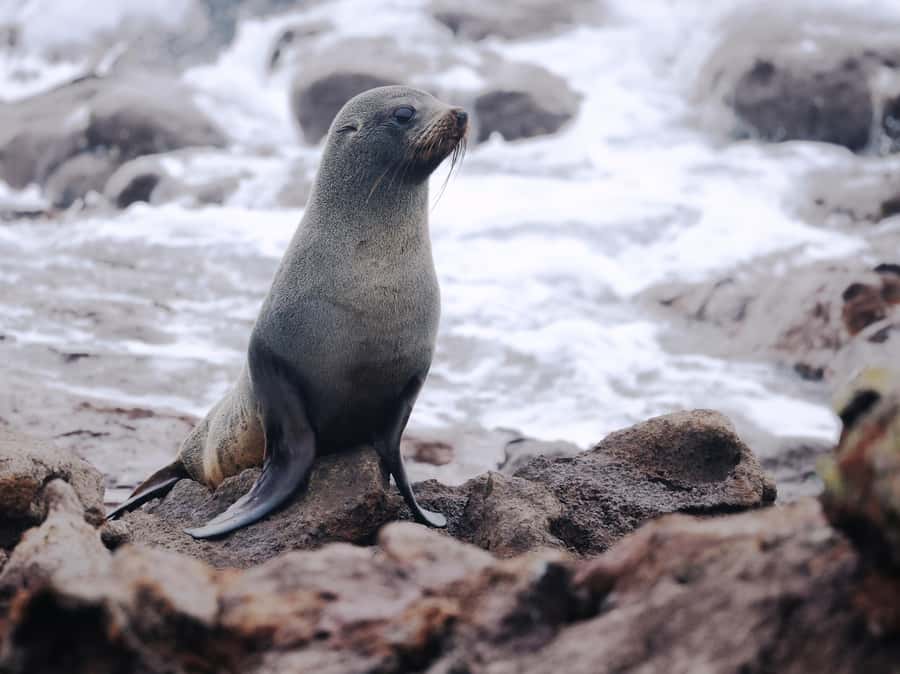
The nature walk covers about 2 kilometres, or 1.25 miles, through the reserve. It is described as a guided walk rather than a strenuous trek, but the operator does not recommend it for people with low fitness, mobility impairments, wheelchair users, or visual impairments.
Wear comfortable walking shoes. Outdoor clothing is more important than dressing for a city tour, especially on a cool or wet day. Rain jackets are included, and jackets may be available if you arrive without suitable wet-weather gear, but you should still bring layers and clothing that can handle wind and rain.
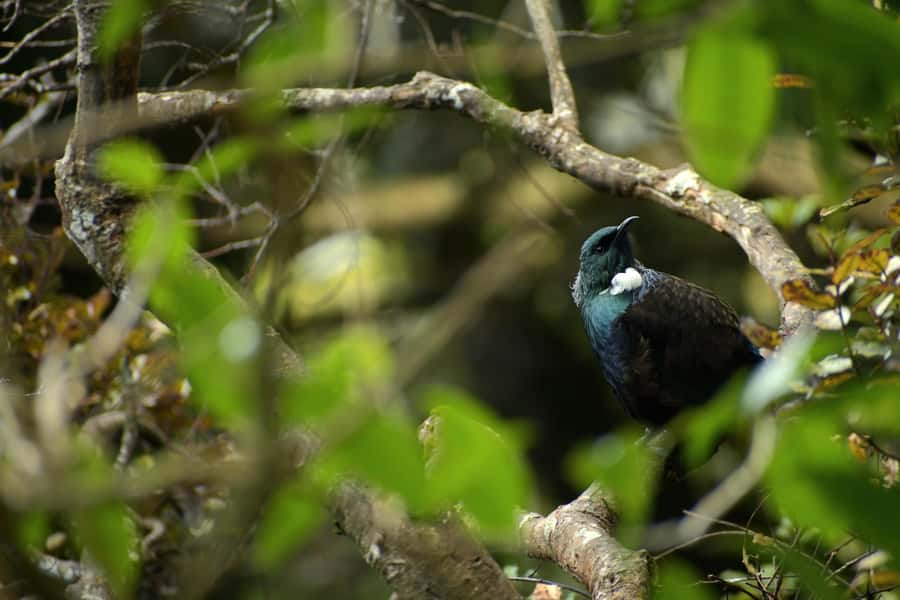
The walk gives you a chance to look for Yellow-eyed penguins and little penguins in their own setting. You might also see New Zealand fur seals, New Zealand sea lions, shorebirds, land birds, and native plants. The variety is one of the tour’s strengths. If the penguins stay out of sight, the walk still has plenty to watch.
Seals and sea lions can be especially rewarding. They may be resting, moving around, or simply behaving in ways that are more entertaining than any planned show. Close wildlife encounters are possible, but you must let the guide set the distance and route.
Little penguins, also called Blue penguins, may be seen in nest boxes. These birds are small and easy to miss, so binoculars help. The reserve has sometimes provided binoculars for those who did not bring them, but I would still pack your own if you have a pair. They make a real difference when an animal is farther away or partly hidden.
The guide may stop for photographs or allow extra time when the group is interested. That relaxed pace is valuable. Wildlife watching works best when you are willing to wait, scan, and accept that the animal may appear only briefly.
More albatross and penguin watching on the peninsula:
- Guided Evening Penguin Viewing Otago Peninsula, Dunedin, New Zealand
★ 5.0 · 471 reviews - Dunedin Shore Excursion: Small-Group Tour of Dunedin and the Otago Peninsula
★ 4.5 · 270 reviews - Otago Peninsula In-Depth Tour & Blue Penguins Pukekura Experience
★ 5.0 · 163 reviews - Dunedin Wildlife Cruise-Albatross, seals and harbour
★ 5.0 · 115 reviews
What you might see, and what you might miss
The reserve is home to many native animals, but it is not a zoo. The animals move freely, and their presence depends on the time of day, season, weather, and plain luck.
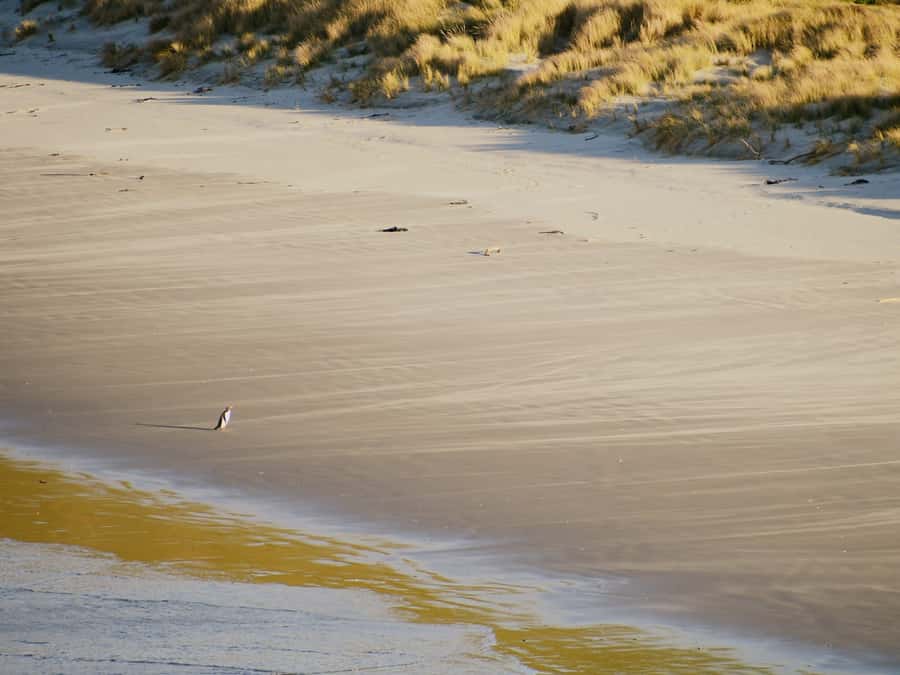
Yellow-eyed penguins are the least predictable highlight. Their numbers are in decline, and sightings differ from one day to the next. You might see one coming ashore or moving through the reserve. You might instead see little penguins in nest boxes and Yellow-eyed penguins at the rehabilitation centre. On some outings, no penguins appear in the wild at all.
That should not be treated as a failure of the tour. A responsible reserve cannot make wild animals perform on schedule. In fact, a lack of a sighting can underline the reason conservation work is needed. Still, if your main goal is a guaranteed penguin photograph, this is not the right kind of attraction.
The other wildlife can fill the gap. Fur seals and sea lions have appeared very close to the walking route, and several bird species may be present. Some outings have included a Blue penguin, a sea lion, fur seals, and other birds in the same visit.
Sunset can be a lovely time to go, with one guide praised for making a late outing feel special. But the key point is not a particular hour. It is that every time slot has different wildlife possibilities. Check the available start times and choose one that fits your day, then accept that nature sets the schedule.
A guide-led experience with real conservation value
The guides are one of the strongest parts of this activity. Emma has been praised for her enthusiasm and for giving the group time to stop and take photographs. Eden has also been singled out for her passion for penguins and the reserve’s restoration work.
That energy matters on a short tour. Ninety minutes can feel rushed if the guide simply moves you from one stop to the next. Here, the format allows for questions, wildlife pauses, and explanations during the bus ride. You are given enough context to understand the reserve rather than just collect sightings.
The conservation message is also handled in a practical way. You learn how habitat restoration supports penguins and how sensitive the birds are to people. That helps you make better choices during the walk: keep your distance, avoid touching animals, stay with the guide, and do not treat a wild penguin like a tame one.
I especially like that the tour includes future conservation plans. It gives you a sense that the reserve is still being built and improved, rather than presenting conservation as a finished project. Your ticket helps support that work, even if your particular outing does not produce a Yellow-eyed penguin in the wild.
Is $44 good value for 90 minutes?
At $44 per person, this is a reasonably priced wildlife outing, especially if you want a shorter activity that fits around other Otago Peninsula plans. The price includes the guided tour, bus transport within the reserve, the rehabilitation-centre visit, the nature walk, and possible use of rain jackets.
The value depends on what you want. If you are paying only for a guaranteed penguin sighting, the price may feel less secure because no wild animal can be promised. If you value a conservation-led visit with several habitats, a guide, and the chance to see seals, sea lions, birds, and penguins, the cost is easier to justify.
The 90-minute duration is a benefit for many people. You get a focused introduction without giving up most of your day. It also suits families and independent sightseers who want a structured outing but do not want a long cruise or a full-day wildlife commitment.
There are a few costs to plan around. Food and drinks are not included, so eat beforehand or arrange refreshments separately. You should also bring outdoor clothing, comfortable shoes, a camera, and binoculars if you own them.
Free cancellation is available up to 24 hours before the start time, and you can reserve without paying immediately. Those policies are useful if your Otago Peninsula plans depend on weather or changing transport arrangements.
Who should book this wildlife tour?
I would choose this tour if you care about conservation and want more than a quick wildlife photo stop. It suits people who enjoy learning about animal protection, walking at a moderate pace, and looking carefully for wildlife rather than expecting a staged display.
It is also a good fit if you have limited time. The bus ride, theatre presentation, rehabilitation-centre visit, and 2-kilometre walk create a full experience in 90 minutes. The tour is conducted in English, and the guides can answer questions during the visit.
You should think twice if you have mobility limits, use a wheelchair, have a visual impairment, or have a low level of fitness. The nature walk is an essential part of the outing, not an optional extra, and the operator does not list the tour as suitable for those needs.
Most important, book with the right expectation. You are coming for a chance to see Yellow-eyed penguins, not a promise. If the rare hoiho stays hidden, the rehabilitation centre, fur seals, sea lions, little penguins, birds, and conservation story can still make the visit worthwhile.
Should you book it?
Yes, if you want a compact and purposeful Otago Peninsula wildlife experience. The best reasons are the private reserve, the chance to see penguins in rehabilitation, the 2-kilometre guided walk, and the clear link between your visit and conservation work.
Book it with flexible expectations about wild sightings. I would especially recommend it to anyone who would rather support a careful reserve than chase a guaranteed photograph. If seeing a Yellow-eyed penguin in the wild is your only goal, consider the $44 a contribution to conservation first and a wildlife ticket second.
FAQ
Where does the tour start?
The tour starts at 45 Pakihau Road on the Otago Peninsula. Check in at reception before the experience begins.
How long does the experience last?
The guided experience lasts 90 minutes, including the presentation, rehabilitation-centre visit, bus ride, and approximately 2-kilometre nature walk.
Will I definitely see a Yellow-eyed penguin in the wild?
No. Yellow-eyed penguin sightings vary throughout the year and from day to day. They are wild animals, and viewing cannot be guaranteed.
Can I see penguins up close?
You may see Yellow-eyed penguins and other penguin species at the rehabilitation centre when birds are present. Views in the centre can vary because the animals need protection and low-impact care.
What other animals might I see?
The reserve is home to little penguins, New Zealand fur seals, sea lions, forest birds, shorebirds, land birds, and other native wildlife. Sightings depend on conditions and animal movements.
What should I bring?
Bring comfortable walking shoes, outdoor clothing, a camera, and binoculars if you have them. Rain jackets are included, and binoculars may be available during the tour.
Is the tour suitable for wheelchair users or people with limited mobility?
No. The experience is not suitable for wheelchair users, people with mobility impairments, people with visual impairments, or people with a low level of fitness.
Can I cancel if my plans change?
Yes. You can cancel up to 24 hours before the experience for a full refund. You can also reserve now and pay later.
Just added around Dunedin
- Clearwater Private Penguin & Wildlife Tour from Port Otago (5hrs)★ 5.0 · 7 reviews
- Otago Peninsula Scenery and Dunedin City Highlights Tour★ 4.5 · 33 reviews
- Castle, Coast & City Tour – 8 pax max – Castle Entrance Included★ 5.0 · 102 reviews
- Dunedin Nature & City Tour – Full Day Cruise Excursion★ 4.5 · 87 reviews
- Shore Excursion: Dunedin City, Otago Peninsula, Castle Gardens & Olveston Tour★ 5.0 · 81 reviews
- Iconic Wildlife Tour with Yellow Eyed Penguins & Royal Albatross★ 4.5 · 33 reviews
- Harbour, Albatross and Wildlife Cruise on Otago Harbour★ 4.5 · 22 reviews
- Dunedin Shore Excursion – Sightseeing, Larnach Castle, Chinese Garden & Museum★ 3.5 · 13 reviews
Otago Peninsula Wildlife Tours, compared.
Clearwater Wildlife Tours (small group 10max) Otago Peninsula
Read our review →
Guided Evening Penguin Viewing Otago Peninsula, Dunedin, New Zealand
Read our review →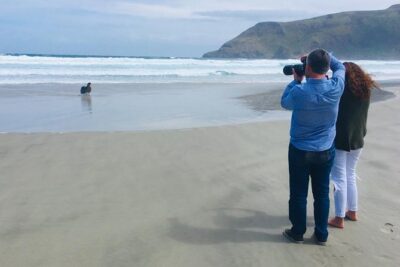
Dunedin Shore Excursion: Small-Group Tour of Dunedin and the Otago Peninsula
Read our review →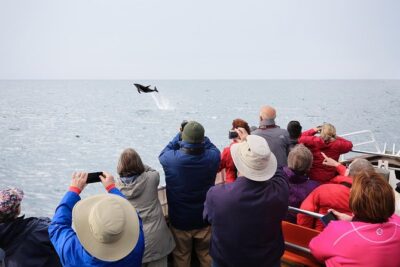
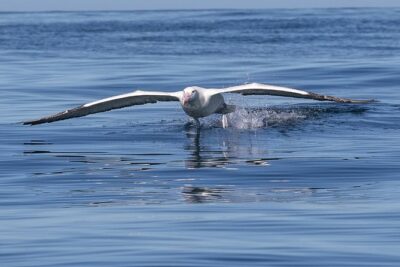
Albatross, seals, and sea birds-Wildlife Cruise
Read our review →
Otago Peninsula In-Depth Tour & Blue Penguins Pukekura Experience
Read our review →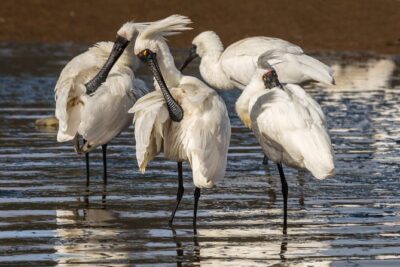
Dunedin Wildlife Cruise-Albatross, seals and harbour
Read our review →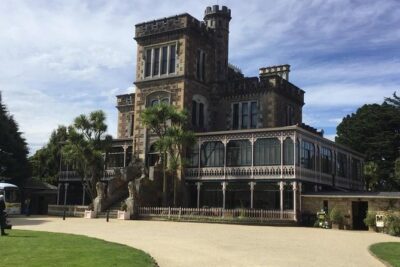
Shore Excursion: Dunedin City, Otago Peninsula, Castle Gardens & Olveston Tour
Read our review →Browse the lists this tour appears in