
Reviewed · HISTORICAL TOURS
Heritage Highlights Walk
Dunedin’s best introduction may be a short walk through its compact center, where grand stone buildings, civic spaces, and a famous railway station sit close together. This private Heritage Highlights Walk gives you the city’s basic story without taking half a day, making it especially useful if you have only a short visit.
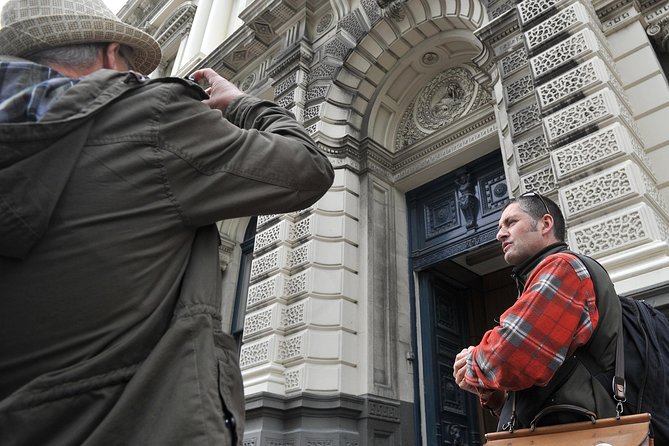
I like the one-hour format and the personal attention of a private guide. I also like the route itself: you begin at the Octagon, study St. Paul’s Cathedral, and finish inside Dunedin Railway Station, one of New Zealand’s most impressive buildings.
The main consideration is that this is an overview, not a full city tour. Entry to St. Paul’s Cathedral is no longer guaranteed, and Dunedin is hillier than its compact center might suggest, although the route is designed to avoid strenuous climbing where possible.
Key points at a glance

- Start in the Octagon: Learn how Dunedin’s central public space changed as the city grew.
- Hear the Presbyterian story: St. Paul’s Cathedral offers a useful look at the religious and civic forces that shaped Dunedin.
- Finish at the 1906 railway station: Go inside to see its decorative interior and understand its place in New Zealand architecture.
- Walk with Athol Parks: The guide brings local knowledge and a clear affection for Dunedin to the hour-long route.
- Private attention: Only your group takes part, so you can ask questions and set the pace within the planned walk.
- Good for tight schedules: The 2:00 pm start and central finish work well for many leisure, business, and cruise visits, but you should allow time to return to your ship if needed.
Why this short Dunedin walk works
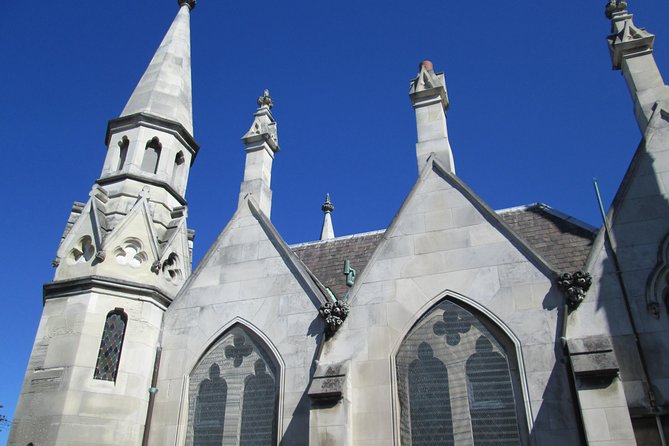
Dunedin rewards visitors who look up and slow down. Its central streets hold grand civic buildings, churches, and railway architecture within a manageable area, so you can cover a lot without boarding a bus or committing to a long excursion.
That is the strength of the Heritage Highlights Walk. In roughly an hour, you get a clear introduction to the city’s layout, past, and built character. The route is not trying to show you every attraction in Dunedin. Instead, it links three places that explain how the city developed.
You meet at the Dunedin isite Visitor Information Centre at 50 The Octagon. From there, the walk ends at Dunedin Railway Station on the edge of the central area. The finish is practical if you want to continue exploring on foot, take photographs, or use nearby public transport.
Because the tour is private, your group receives direct attention from Athol Parks. That matters on a short experience. A large group can spend much of an hour waiting for people to catch up or listening to a speech aimed at the average visitor. Here, you can ask about a building, pause for a photograph, or ask Athol to explain a point in more detail.
A few more Dunedin half-days to weigh up
- Clearwater Wildlife Tours (small group 10max) Otago Peninsula
★ 5.0 · 531 reviews - Speight’s Brewery Tour & Guided Tasting
★ 5.0 · 508 reviews - Guided Evening Penguin Viewing Otago Peninsula, Dunedin, New Zealand
★ 5.0 · 471 reviews
The Octagon: Dunedin’s civic starting point
The Octagon is more than a convenient meeting place. It is the city’s central public space, and the tour uses it to explain both Dunedin’s urban plan and its growth over time.
Your first 15 minutes are spent here. You can expect an introduction to how the space evolved and how Dunedin changed around it. That gives you a useful frame for the rest of the walk. Rather than looking at buildings as isolated sights, you begin to see the Octagon as part of the city’s civic life.
This is also a good place to get your bearings. If Dunedin is new to you, the Octagon helps establish the center’s scale and direction. You can connect the public square with the surrounding streets before moving on to the cathedral and station.
The stop suits first-time visitors especially well. You do not need much prior knowledge of Dunedin to follow the story, and the free admission keeps the experience focused on the guide’s interpretation and the setting itself.
The Octagon can also be a useful place to return later. After the tour, you will know where the city center begins and how the major sights relate to one another. That practical orientation is one reason a short walking tour can be more useful than a quick drive past the buildings.
St. Paul’s Cathedral and Dunedin’s religious character
The next stop is St. Paul’s Cathedral, with about 10 minutes devoted to the building and its setting. The important point here is not only the cathedral’s appearance. Athol explains why it occupies such a prominent place in a city that was strongly Presbyterian.
That contrast gives the stop real substance. Architecture can tell you something about power, faith, and public identity, but only when someone explains the setting. At St. Paul’s, you get a concise look at the beliefs and civic choices that shaped Dunedin.
You should not count on entering the cathedral. Entry is no longer guaranteed, so the tour may focus on the exterior and the building’s position within the city. If stepping inside is essential to your plans, this uncertainty is worth keeping in mind.
Even without guaranteed entry, the stop has value because it connects the building to Dunedin’s wider story. You are not simply photographing a church facade. You are considering why this site mattered and how its architectural presence fit a town with a strong Presbyterian identity.
The short time here also keeps the tour moving. If you are interested in religious architecture, you may want to return independently for a longer look if opening arrangements allow. The walk gives you context, but it is not designed as an extended cathedral visit.
Dunedin Railway Station: the grand finale
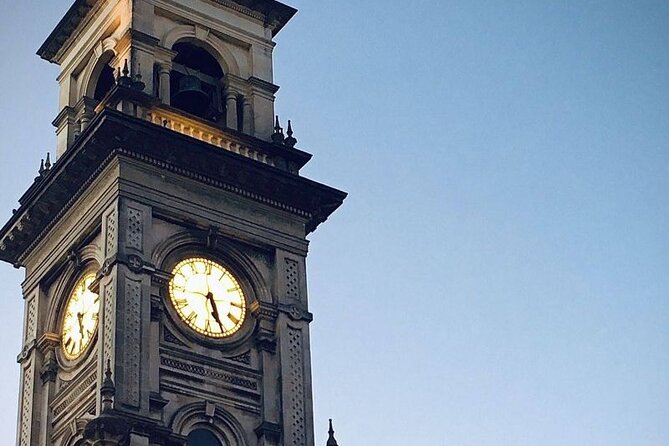
The tour finishes at Dunedin Railway Station, which opened in 1906. This is the strongest visual ending to the walk, since you enter the building and have time to examine its decoration.
The station is often treated as one of New Zealand’s finest buildings, and the tour places it in context before directing your attention to its interior. That order matters. You first learn why the station was built and what role it played, then you can appreciate the design with more than a quick photograph.
Allow yourself time to look around. The station’s decorative details are the sort of features that are easy to miss when you are simply passing through. With Athol’s explanation, the building becomes a final lesson in Dunedin’s ambitions and architectural character.
The station is also a convenient endpoint. You do not finish in an out-of-the-way suburb or need another transfer just to return to the center. From here, you can continue your own walk or make your way toward other transport connections.
For many visitors, this will be the most memorable stop because it combines history, design, and a chance to go inside. It also gives the walk a satisfying progression: public square, religious building, then a major civic structure with a highly decorated interior.
Same corner of the country, a completely different day out:
- Larnach Castle and Gardens Admission Ticket
★ 4.5 · 279 reviews - Dunedin Shore Excursion: Small-Group Tour of Dunedin and the Otago Peninsula
★ 4.5 · 270 reviews - Dunedin: Wildlife and Penguin Tour
★ 4.6 · 239 reviews - Otago Peninsula Wildlife Cruise with Monarch
★ 4.5 · 227 reviews
What Athol Parks adds to the experience
Athol Parks is the guide named for this walk, and his role is central to its value. The tour is short, so the quality of the explanation matters more than the number of stops.
Athol is described as friendly, well informed, and clearly fond of Dunedin. That combination works well for a local history walk. You get facts, but the city does not feel reduced to dates and building names.
He also adjusts the pace to the group. Dunedin’s center is compact, yet the city has hills, and the route may include some changes in level. Athol makes an effort to avoid unnecessary exertion, so you can focus on the buildings rather than racing uphill.
The private format gives you room to ask about details that catch your eye. If you are interested in architecture, settlement history, religious influence, or urban planning, say so at the start. An hour passes quickly, and a little direction can help Athol tailor the emphasis to your interests.
This is not a theatrical performance or a large-scale sightseeing operation. It is a personal introduction from a local guide. That makes it a good choice if you prefer conversation and explanation over a fixed audio script.
Walking effort, timing, and practical planning

The walk is described as easy, but Dunedin is not completely flat. One visitor found the city hillier than expected, while also appreciating that Athol kept the route from becoming a hard climb. You should wear comfortable shoes and expect ordinary city walking rather than a strenuous hike.
Most people can take part, and service animals are allowed. The experience is near public transportation, which makes reaching the central meeting point straightforward, though no specific transport route is provided.
The listed start time is 2:00 pm. That timing can suit visitors who spend the morning arriving in Dunedin, handling business, or exploring another part of the city. Cruise passengers should check their all-aboard time carefully and leave a generous buffer after the tour, even though the central finish is convenient.
The walk lasts about one hour. The stated stop times total about 35 minutes, with the rest allowing for movement, explanation, and time at the buildings. Do not read the short stop lengths as a rushed dash. The route is meant to give you a focused overview rather than long visits at each site.
A mobile ticket keeps the booking simple. Confirmation is sent at booking, and the experience is private, with only your group participating.
Is $31.03 good value?

At $31.03 per person, the walk is priced as an accessible introduction rather than a major day tour. The value depends on what you want from Dunedin.
If you are visiting for the first time, the price pays for a local guide, a private format, and a well-planned route through three important central sites. You also finish with a better sense of where to spend your own time afterward. That orientation can save you from wandering without context.
The value is strongest for two or a few people who want a private explanation without booking a longer excursion. You receive direct attention, and the one-hour commitment leaves the rest of your day free.
The value is weaker if you already know Dunedin well or want entry to several interiors. The cathedral visit is not guaranteed, and the experience covers only a small part of the city. You are paying for interpretation and focus, not a long list of attractions.
For business visitors, the short duration is a major advantage. You can fit the walk into a free afternoon without giving up an entire workday. For leisure visitors, it works as a first look before independent sightseeing.
Who should book this walk?
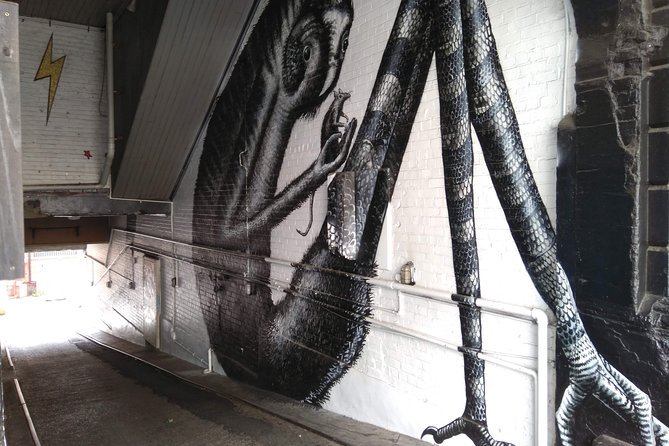
I would recommend it to first-time visitors who like architecture, local history, and city planning. It is also a good fit if you prefer walking to riding in a vehicle and want a human guide rather than a self-guided route.
The experience suits mobile visitors who can manage an hour on city streets. It may also work for people with some mobility concerns because the walk is described as easy and the guide takes care not to make the hills harder than necessary. Still, the available information does not promise step-free access or a fully accessible route, so you should ask before booking if you need specific accommodations.
Families, couples, solo visitors, and small private groups can all make use of the format. The route is short enough for a tight schedule, and the private setting means you do not have to match the pace of a large party.
You may want something else if your priority is the Otago Peninsula itself. Despite the wider location, this particular experience concentrates on central Dunedin and does not provide a peninsula wildlife outing or a long countryside excursion.
Booking and cancellation advice
You can cancel for a full refund if you do so at least 24 hours before the 2:00 pm start time. Changes or cancellations made less than 24 hours ahead are not accepted for a refund, and the cut-off uses local time.
The experience is often booked about 17 days ahead on average. That does not guarantee that a particular date will sell out, but planning ahead is sensible if you want Athol’s private attention at a specific time.
Check your meeting details before setting out. The walk begins at the Dunedin isite Visitor Information Centre, 50 The Octagon, and ends at Dunedin Railway Station, 3074332 in Central Dunedin.
Should you book the Heritage Highlights Walk?
Book it if you want a short, private introduction to Dunedin’s central architecture and history, especially with limited time. The sequence from the Octagon to St. Paul’s Cathedral and then the railway station gives you a clear sense of the city without exhausting your afternoon.
I would be most likely to choose it on a first visit, a cruise stop, or a business trip. Athol Parks adds the local perspective, the route is manageable, and the railway station provides a strong finish.
Skip it if you need guaranteed cathedral entry, extensive time inside each building, or a tour of the Otago Peninsula. For everyone else, $31.03 is a fair price for a focused hour that helps you see Dunedin with more purpose.
FAQ
How long does the Heritage Highlights Walk last?
The walk lasts approximately one hour.
Where does the tour begin?
It begins at the Dunedin isite Visitor Information Centre at 50 The Octagon, Central Dunedin, Dunedin 9016, New Zealand.
What time does the walk start?
The listed start time is 2:00 pm.
Where does the tour finish?
The walk finishes at Dunedin Railway Station, 3074332, Central Dunedin, Dunedin 9016, New Zealand.
Is this a private tour?
Yes. Only your group participates in the private tour or activity.
Who guides the walk?
The named guide is Athol Parks.
Will I be able to enter St. Paul’s Cathedral?
Entry is no longer guaranteed. The tour will study the cathedral and discuss its setting and importance even if entry is unavailable.
Is the walk difficult?
It is described as an easy walking tour. Dunedin does have hills, but the route is planned to avoid making the walk unnecessarily strenuous.
Is the tour suitable for most people?
Most visitors can participate. Service animals are allowed, and the experience is near public transportation.
What is the cancellation policy?
You can cancel at least 24 hours before the local start time for a full refund. Cancellations or changes made less than 24 hours before the start are not accepted for a refund.
More Walking Tours in Dunedin
- Heritage Dunedin City Walking Guided Tour
★ 4.5 · 48 reviews - Dunedin: 3 Hour Artisan Food Walking Tour
★ 4.4 · 7 reviews - Hobbiton™ Movie Set Walking Tour from Shires Rest
★ 5.0 · 3,577 reviews - Rotorua’s Ultimate Zipline: 6 ziplines, 400 m Tandem, Cliff Walk
★ 5.0 · 2,557 reviews
Just added around Dunedin
- Otago Peninsula Scenery and Dunedin City Highlights Tour★ 4.5 · 33 reviews
- Clearwater Private Penguin & Wildlife Tour from Port Otago (5hrs)★ 5.0 · 7 reviews
- Castle, Coast & City Tour – 8 pax max – Castle Entrance Included★ 5.0 · 102 reviews
- Dunedin Nature & City Tour – Full Day Cruise Excursion★ 4.5 · 87 reviews
- Shore Excursion: Dunedin City, Otago Peninsula, Castle Gardens & Olveston Tour★ 5.0 · 81 reviews
- Iconic Wildlife Tour with Yellow Eyed Penguins & Royal Albatross★ 4.5 · 33 reviews
- Harbour, Albatross and Wildlife Cruise on Otago Harbour★ 4.5 · 22 reviews
- Dunedin Shore Excursion City Sightseeing & Tour of Larnach Castle★ 4.0 · 66 reviews
Historical Tours, compared.


All Blacks Experience: Interactive Guided Cultural Tour
Read our review →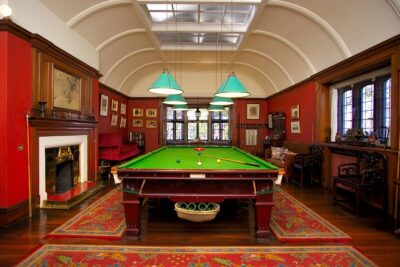

Skippers Canyon 4WD Heritage half day Tour from Queenstown
Read our review →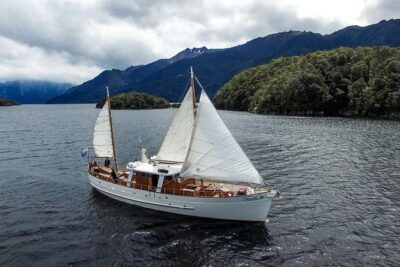
Scenic Cruise & Guided Walk on Historic Motor Yacht Lake Te Anau
Read our review →
Skip the Line:WWI & WWII Combo Exhibitions at the Omaka Aviation Heritage Centre
Read our review →
Heritage City and Larnach Castle Van tour with Historian Guide
Read our review →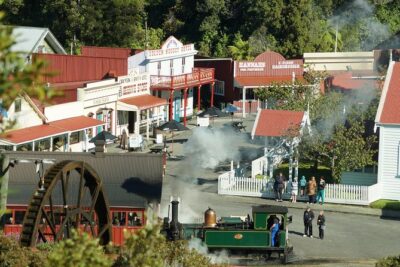
Browse the lists this tour appears in