
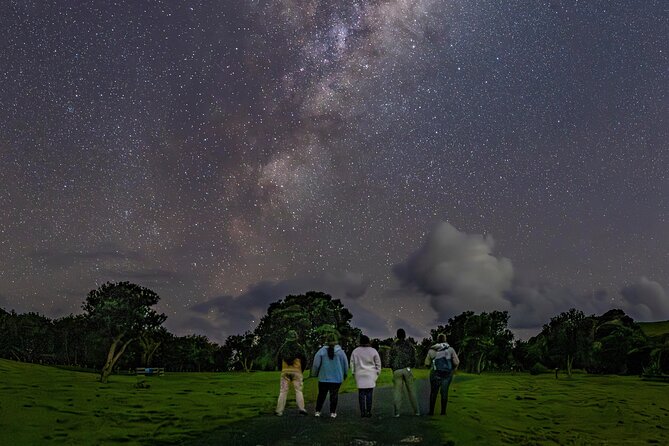
Reviewed · STARGAZING TOURS
Nocturnal Wonders Tawharanui Kiwi Spotting and Stargazing Tour
Tawharanui after dark is a different park from the one you see on a daytime outing. As twilight fades, your guide leads you through native bush in search of North Island brown kiwis, then takes you to a dark spot for stars, planets, and constellations. The chance to see a kiwi at close range is the main draw.
I like the maximum group size of 10, which gives you room to ask questions and move quietly through the bush. I also like the two-part design: wildlife first, stargazing second. The main caution is simple: this is a night walk in nature, so sightings are not guaranteed, and poor weather can cancel the outing.
Key points to know before you book
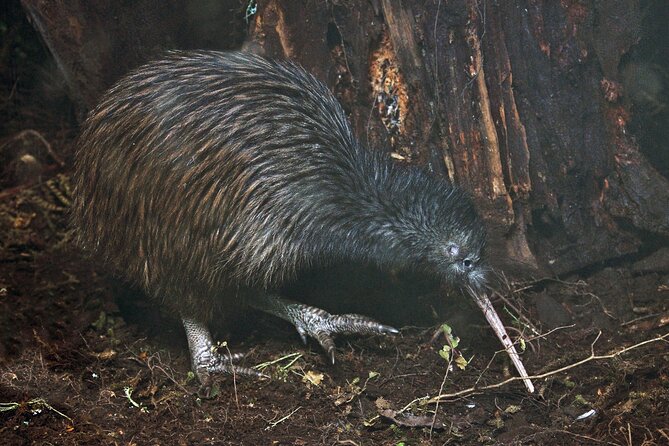
- Kiwi search at twilight: Follow your guide through native bush while looking for signs of kiwi activity.
- A rare nighttime view of Tawharanui: The tour shows you the park after most daytime visits have ended.
- Telescopes and binoculars supplied: Your guide provides specialist equipment for the stargazing session.
- Māori astronomy included: Stars and constellations come with stories and cultural context, not just technical names.
- Small group of up to 10 people: This makes it easier to hear the guide and ask questions.
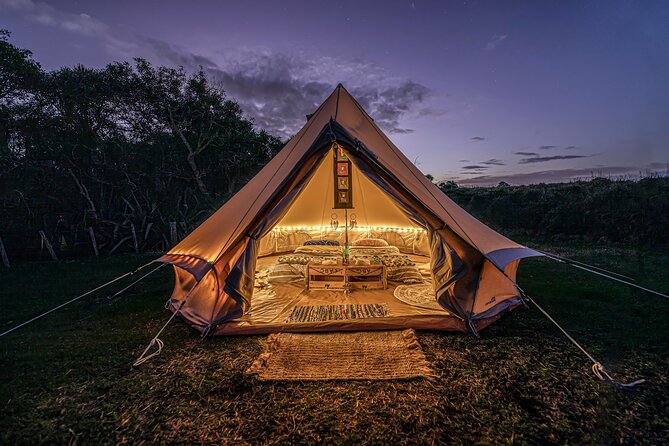
- Optional glamping extension: Camping is possible, but campsite reservations and fees are not included.
Why this three-hour night tour feels different
Many visits to Tawharanui Regional Park end before the sky turns fully dark. This tour begins around twilight, when the park shifts from a place of beaches and open daylight views into a quieter world of rustling bush, nocturnal insects, and searching eyes.
The format is appealing because it does not treat wildlife and astronomy as separate day trips. You spend the first part looking down and listening for signs of kiwi activity. Later, you look up through equipment supplied by the guide. That change of focus gives the evening a pleasing rhythm.
I would choose this experience for the chance to see a side of the park that is difficult to access on your own after dark. It is also a good option if you enjoy asking questions. With no more than 10 people, the guide can explain what you are seeing instead of simply leading a large line through the reserve.
Still, keep your expectations sensible. A kiwi search is a search, not a guaranteed animal encounter. One past outing produced sightings of three kiwis, including one that came very close, but that should be viewed as a fortunate result rather than a promise for every departure.
More dark sky nights near Auckland:
- Lake Tekapo: Alpine Stargazing Experience with a Guide
★ 4.5 · 626 reviews - Lake Tekapo: Stargazing Experience
★ 4.9 · 607 reviews - Chameleon Stargazing Shared Tour
★ 5.0 · 181 reviews
Meeting the bush at Tawharanui Peninsula
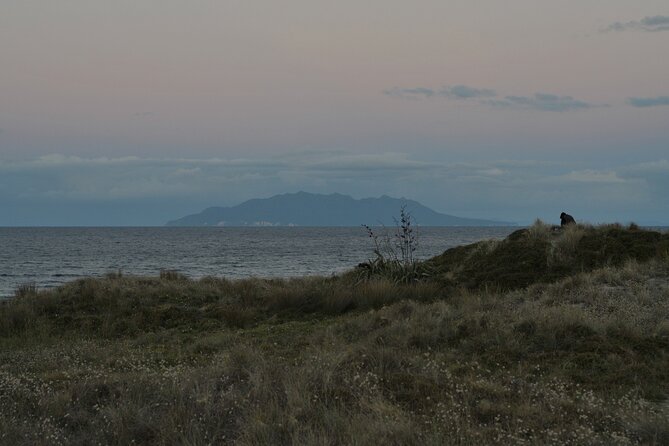
The tour starts at Tawharanui Regional Park, 1181 Takatu Road, on Tāwharanuī Peninsula. It ends back at the same meeting point, so you do not need to arrange a separate pickup point at the end of the evening.
The timing matters. At twilight, there is still enough light to follow the path, but the daytime activity is fading. Your guide directs your attention to traces of kiwi activity and explains more about these distinctive birds as you walk.
The supplied details do not specify the exact walking route, distance, or degree of steepness. I would therefore avoid treating this as a strenuous trek or as a completely flat stroll. The clearest description is a guided walking tour through native bush, and you should be ready to walk quietly outdoors after dark.
The guide’s role is especially important here. Kiwi are not animals you should chase, call toward, or approach on your own terms. A guide can keep the group focused, explain how to behave around the bush, and help you notice small signs that are easy to miss.
The group limit of 10 is a real advantage. Smaller numbers usually mean less noise and fewer people crowding around a possible sighting. It also gives you a better chance to ask about kiwi behavior, the park, or other nocturnal creatures without waiting for a large group to settle down.
What you might see after sunset
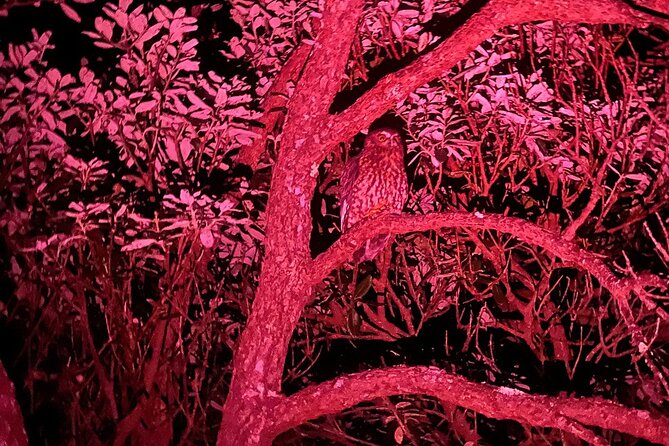
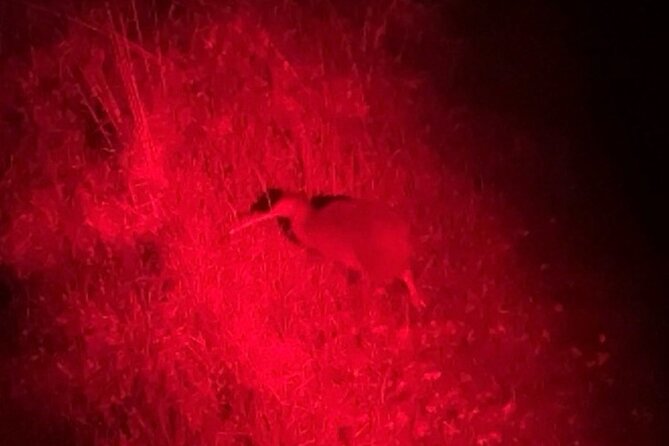
The North Island brown kiwi is the star of the evening, but it is not the only target. The tour also looks for nocturnal birds, insects, and reptiles. That wider focus helps keep the outing worthwhile even if the kiwi remain hidden.
You may spend part of the walk watching and listening rather than moving quickly. That is not wasted time. Night wildlife often reveals itself in brief moments, and the guide’s explanations give purpose to the quiet stretches between sightings.
One especially encouraging detail is the report of seeing three kiwis and getting close to one. It shows what can happen when conditions are right and the group follows the guide carefully. At the same time, wildlife remains unpredictable. The tour’s value should come from the guided search and the setting, not from a guaranteed checklist.
This is also a better fit for people who enjoy patient observation than for anyone seeking constant activity. The walk has an exploratory quality. You may find that the anticipation is part of the fun, especially as you try to work out what made a sound or movement in the bush.
The stargazing session under a dark sky
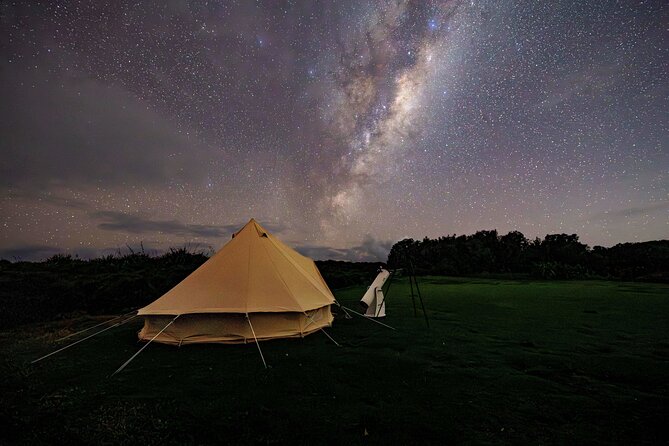
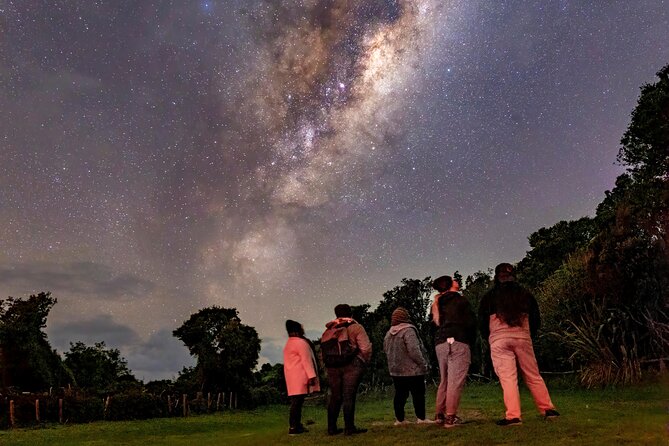
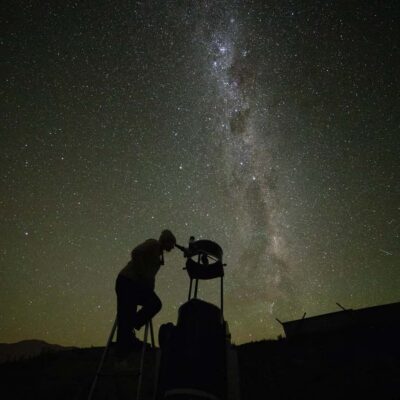
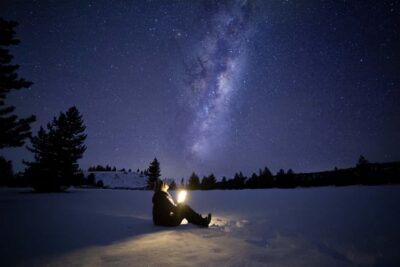
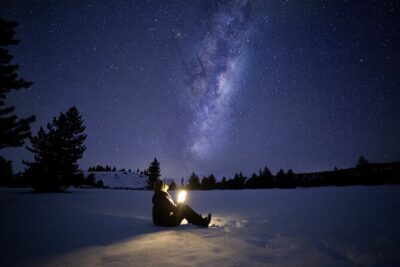
After the kiwi search, the group visits a secluded stargazing site within the park, away from city glare. This is where the tour changes from a wildlife walk into a practical night-sky lesson.
Your guide supplies telescopes and binoculars. That matters because you do not need to bring specialist astronomy equipment to take part. The exact equipment available at a given departure is not described in detail, but the tour specifically includes both telescopes and binoculars.
You can expect attention to stars, planets, and constellations. The guide also covers indigenous astronomy, adding Māori stories and ways of understanding the sky to the usual star-map approach. For me, this cultural element makes the stargazing more meaningful than simply pointing out a few bright objects.
The quality of this part depends heavily on the weather and the sky conditions. Cloud, rain, or poor visibility can limit what you see, which is why the experience requires good weather and can be moved or canceled if conditions are unsuitable.
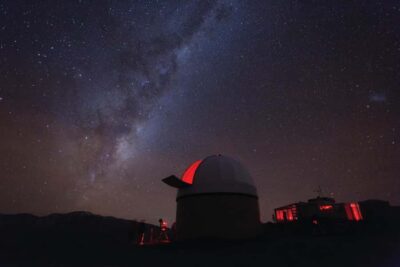
There is no need to expect a formal observatory presentation. The setting is a regional park, and the tour combines equipment, explanation, and an outdoor view of the sky. That makes it more personal and less technical than a dedicated astronomy attraction may be.
A few more Auckland half-days to weigh up
- Waiheke Island: Ferry & Hop-On Hop-Off Explorer Bus Tickets
★ 4.6 · 3,311 reviews - Hobbiton & Waitomo Caves Guided Day Trip from Auckland incl lunch
★ 5.0 · 2,677 reviews - From Auckland: Hobbiton & Waitomo Caves Day Trip with Lunch
★ 4.9 · 2,505 reviews - Auckland Dolphin and Whale Watching Eco-Safari Cruise
★ 4.5 · 1,790 reviews
The guide and the value of a small group
The supplied information does not name the guide, so I cannot give you a name to request. What is clear is that the guide leads both parts of the evening and provides the specialist equipment for the stargazing.
That combination makes the guide more than a walking escort. You need someone who can explain kiwi activity, help the group behave appropriately in the bush, identify things in the sky, and connect the astronomy session with Māori knowledge.
A large tour would work against the experience. Night wildlife requires quiet, while stargazing works best when everyone can see and hear the explanation. A maximum of 10 people gives this outing a more thoughtful pace and should make questions easier.
The tour is also described as suitable for most people. That is useful, but it is not a detailed accessibility statement. Since the route, surface, and elevation changes are not provided, anyone with specific mobility concerns should ask the operator before booking.
Is NZ$93.09 a fair price?
At $93.09 per person, this is not the cheapest way to spend an evening around Auckland. Its value depends on what you want included in that price.
You are paying for a three-hour guided experience, a small group, a kiwi search, interpretation of other night wildlife, and access to telescopes and binoculars. The evening also joins two activities that would otherwise require separate planning: a nocturnal bush walk and a guided stargazing stop.
I think the price is reasonable if you care about expert guidance and do not already have a good way to explore Tawharanui after dark. The specialist equipment adds value, as does the small group. You are not simply buying entry to a park and wandering around by yourself.
The price is less attractive if your main goal is a guaranteed kiwi photograph or a long astronomy session. The outing is only about three hours, and wildlife sightings can vary. You should book it for the quality of the search and the setting, not as a guaranteed encounter.
Camping is an optional way to extend the evening. Glamping tents are available as an added part of the experience, but campsite reservations and fees are separate. That distinction matters, so check your camping arrangements before assuming the overnight stay is included in the $93.09 price.
Who will enjoy this experience most
I would recommend this tour to people who enjoy wildlife, quiet outdoor activities, and learning from a guide. It suits couples, solo visitors, and families whose children can walk quietly and stay attentive after dark.
It is also a strong choice for anyone who has already seen Tawharanui by day and wants a different perspective. The familiar park takes on a new character at night, and the combination with astronomy gives the evening more range than a simple night walk.
You may like it if you are interested in Māori astronomy as well as European star names. That cultural content is one of the tour’s more distinctive features, since the guide discusses indigenous astronomy rather than treating the sky as a list of planets and constellations.
I would think twice if you dislike waiting quietly, outdoor conditions, or uncertain wildlife sightings. The tour is not designed for someone who wants a fast-paced attraction with a fixed sequence of guaranteed highlights.
The supplied information says most people can participate, but it does not give a minimum age, detailed fitness level, or route description. If you are booking for a child or someone with mobility needs, ask the provider for those specifics before paying.
Timing, weather, and what to plan for
The tour lasts about three hours and begins at the park meeting point. Because it takes place at twilight and after dark, give yourself enough time to reach 1181 Takatu Road without rushing.
The tour ends back where it starts. That is convenient if you are staying nearby or have arranged your own transport, but the experience information does not include a transfer from Auckland or any other pickup service. Plan on making your own way to the regional park.
Good weather is required. If conditions are poor, the experience may be canceled, with the choice of another date or a full refund. Clear skies are also important for the astronomy portion, so a weather check is sensible before setting out.
The booking includes a mobile ticket, which makes access straightforward. Free cancellation is available if you cancel at least 24 hours before the start time. Cancellations or changes made inside that 24-hour window are not refunded or accepted, and the cut-off follows local time.
The tour also requires a minimum number of bookings. If that minimum is not reached, you can be offered another date or experience, or receive a full refund.
How to get the most from the evening
Arrive ready for a walking tour, not a drive-by wildlife stop. The more quietly you move and listen, the more useful the guide’s help will be during the kiwi search.
Use the guide’s equipment during the stargazing section and ask questions. The small group is one of the main benefits, so do not be shy about asking for help with a constellation, planet, or part of the Māori astronomy story.
Keep the two parts of the experience in balance. If no kiwi appears, the evening can still offer nocturnal birds, insects, reptiles, and a sky far from city glare. If clouds reduce the stargazing, the bush walk may still be the stronger part of the night.
If you want the camping option, arrange the campsite separately. The glamping tents are an enhancement, not part of the standard $93.09 ticket, and campsite fees are not included.
Should you book Nocturnal Wonders Tawharanui?
Book it if you want a small, guided night outing with two clear highlights: the chance to look for North Island brown kiwis and a stargazing session using supplied equipment. The 4.9 rating from 23 ratings and 100 percent recommendation signal a strong record, while the close encounter with three kiwis shows the experience can deliver a memorable wildlife moment.
I would not book it if you need a guaranteed kiwi sighting, a long astronomy program, or transport from Auckland. For the right person, though, the mix of quiet bush, night creatures, dark skies, and Māori astronomy makes the $93.09 worthwhile.
FAQ
Where does the tour begin?
It begins at Tawharanui Regional Park, 1181 Takatu Road, Tāwharanui Peninsula 0986, New Zealand.
Where does the tour finish?
The activity ends back at the meeting point in Tawharanui Regional Park.
How long does the experience last?
The tour lasts approximately three hours.
How many people can join the tour?
The maximum group size is 10 people.
Is a guide included?
Yes. A guide is included and leads both the kiwi search and the stargazing session.
Is stargazing equipment provided?
Yes. The guide provides telescopes and binoculars.
What wildlife does the tour focus on?
The tour looks for North Island brown kiwis, along with other nocturnal birds, insects, and reptiles.
Does the tour include camping?
Camping is an optional enhancement, but campsite bookings and fees are not included.
Is the tour suitable for most people?
The experience states that most people can participate. Specific route and accessibility details are not provided.
Can I cancel for a full refund?
Yes, if you cancel at least 24 hours before the experience start time. Poor weather or failure to meet the minimum number of bookings can also lead to a different date or a full refund.
Just added around Auckland
- Auckland Airport Private One-Way or Round-Trip Transfer★ 4.5 · 14 reviews
- Zombie Bite Escape Room Experiences★ 5.0 · 54 reviews
- Kumeu Wine Region Shuttle from Auckland★ 4.5 · 19 reviews
- Auckland’s Wild West Coast & Black Sand Beaches Tour inc Lunch★ 5.0 · 12 reviews
- Vineyards Honey and Black Sand Beaches from Auckland★ 5.0 · 93 reviews
- West Coast Discovery Tour★ 5.0 · 37 reviews
- Wētā Workshop Unleashed – Intro to Scars and Scrapes Workshop★ 5.0 · 5 reviews
- West Coast Discovery Piha Beach Private Tour★ 5.0 · 14 reviews
Stargazing Tours, compared.
Mount John Observatory Stargazing Experience, Tekapo
Read our review →
Silver River Stargazing Experience in Lake Tekapo
Read our review →
Stargazing Experience at Cowan’s Private Observatory
Read our review →
Dark Sky Indoor Maori Cultural Astronomy Experience
Read our review →Browse the lists this tour appears in