
Reviewed · WILDLIFE
Willowbank Wildlife Reserve Day Entry
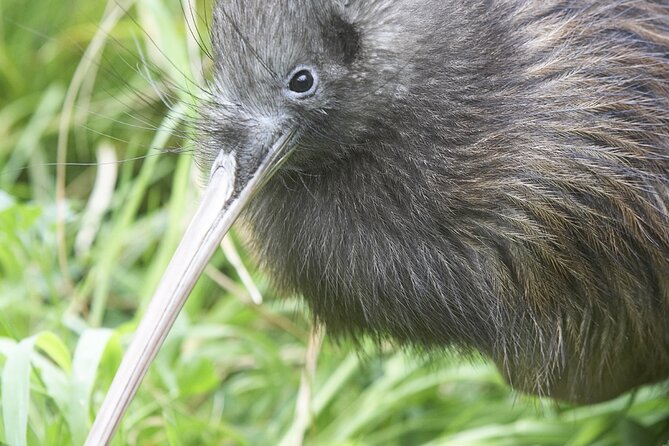
The big draw at Willowbank is simple: you are guaranteed to see a kiwi in the reserve’s nocturnal kiwi house. That makes this a useful stop in Christchurch, where spotting New Zealand’s shy national bird in the wild takes patience, luck, and often a late night.
I like the freedom to walk at your own pace, and I like the mix of native species, introduced animals, and friendly farm creatures. The reserve is also close to Christchurch airport, which makes it handy on a travel day. The main drawback is the kiwi house itself: it is very dark, and you may need to wait quietly before your eyes adjust and a kiwi appears.
Key points to know before you go
- Guaranteed kiwi viewing: The nocturnal house gives you a reliable chance to see a kiwi, though the bird may be asleep or hard to spot.
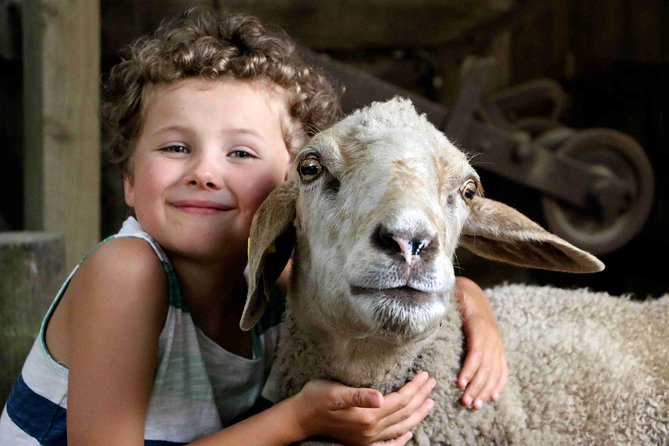
- Hands-on animal encounters: You can feed or pat many animals, including farm animals and some of the reserve’s larger residents.
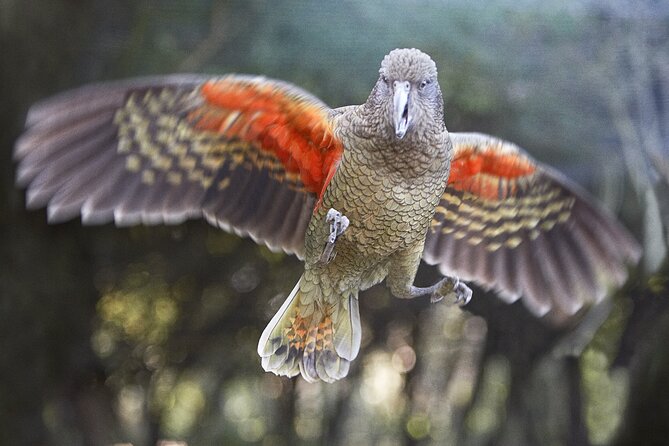
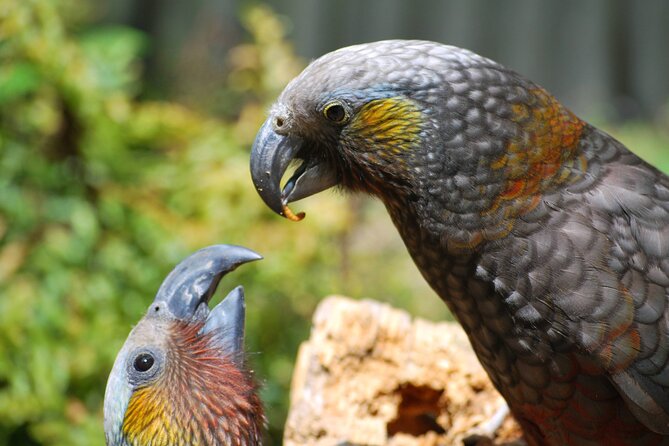
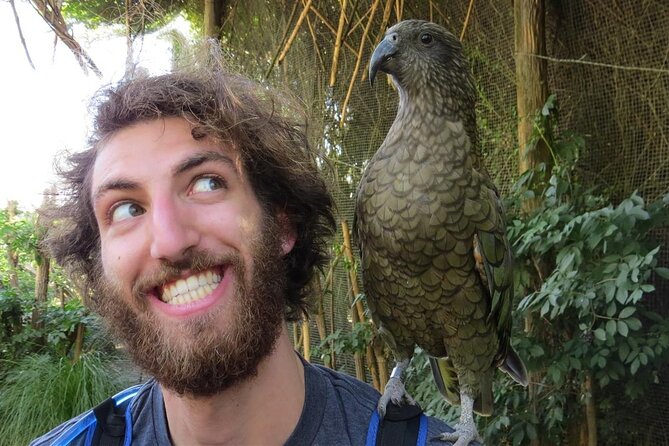
- Strong New Zealand focus: Look for kea, kaka, takahe, tuatara, and kiwi in one easy-to-reach place.
- Flexible visit length: Plan on about two hours for a relaxed walk, or up to three hours if you stop for food and spend time with the animals.
- Useful airport stop: Willowbank sits close to Christchurch airport, making it practical before a flight or early in your stay.
- Good family value: At $22.65 per person, it offers a reasonably priced half-day outing with a cafe, walking paths, and child-friendly animal encounters.
Why the kiwi house is the main event
New Zealand kiwi are nocturnal, shy, and difficult to see in the wild. Willowbank removes much of the guesswork by keeping kiwi in a purpose-built nighttime setting and guaranteeing that you will see one.
That guarantee does not mean the bird will pose in bright light. The house is dark by design, and the kiwi may be moving in the shadows or resting. I would allow extra time here rather than rushing through. Stand quietly, let your eyes adjust, and look closely along the edges of the viewing area.
You may not get a sharp, postcard-style view. One kiwi may be asleep, while another could cross the enclosure quickly. A nearby visitor may spot one before you do, so listen for quiet directions from staff or people around you. The setting can also feel busy and noisy outside the enclosure, which makes silence inside especially important.
This is still one of the strongest reasons to book Willowbank. You get a real chance to observe a kiwi without arranging a specialist night tour or heading far from Christchurch. For many people, this will be the most memorable part of the visit.
A few more Christchurch half-days to weigh up
- Christchurch Hop-On Hop-Off Tram
★ 4.5 · 841 reviews - Christchurch Gondola and Tram City Tour Combo
★ 4.5 · 725 reviews - Christchurch: Hop-On Hop-Off Tour by Vintage Tram
★ 4.6 · 717 reviews
Walking through Willowbank at your own pace
Willowbank is designed as a self-guided visit rather than a tightly timed tour. You follow paths through leafy areas, animal enclosures, wooden walkways, and open spaces. Some paths are gravel, and signage is not perfect in every section, so keep an eye out for route markers and allow yourself time to get oriented.
The setting helps the reserve feel less like a row of cages and more like a walk through a planted wildlife park. Water, trees, and wooden paths give the visit a calm rhythm. You can stop for a close look, move on when a child loses interest, or return to a favorite animal without waiting for a group.
A full visit commonly takes around two hours. If you read the signs, feed animals, visit the cafe, and spend time in the kiwi house, three hours is reasonable. If your schedule is tight, one hour will cover the main route, but it will feel rushed.
Native New Zealand species in one place
Willowbank gathers several of New Zealand’s best-known native animals in a single destination. You can look for kea and kaka, two intelligent native parrots with strong personalities. The reserve also has takahe, a large flightless bird once thought to be extinct, and tuatara, an ancient reptile found only in New Zealand.
Seeing these species together gives you useful context. New Zealand wildlife evolved for a long time without land mammals such as cats, dogs, and stoats. Many native birds became flightless or ground-dwelling, which also made them vulnerable after introduced predators arrived.
You will not get the same sense of remote wilderness found on a South Island track, but you can see several rare or unusual species without spending a full day in the countryside. For a first visit to New Zealand, that concentration is valuable. It helps you recognize the animals you may hear about elsewhere in the country.
The native collection is also a good reason for adults to visit, even if they are not especially interested in farm animals. The kiwi, takahe, tuatara, kea, and kaka give the outing a clear New Zealand identity.
Capybara, lemurs, wallabies, and other introduced animals
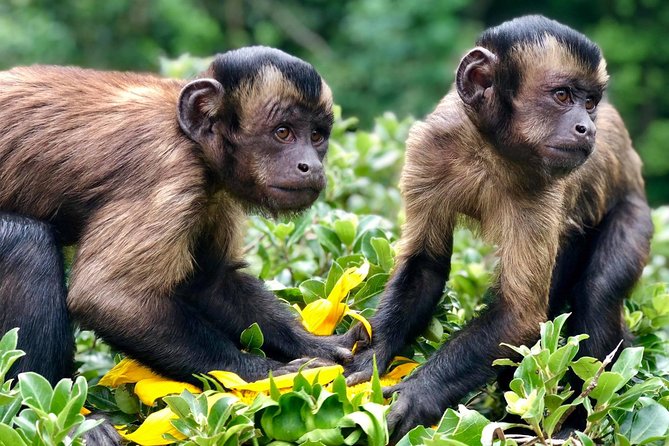
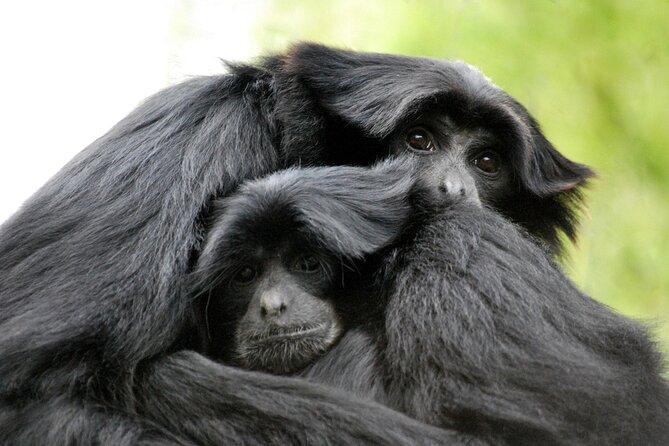
Willowbank is not only a native bird reserve. You will also see animals introduced to New Zealand, including monkeys, lemurs, capybara, and wallabies.
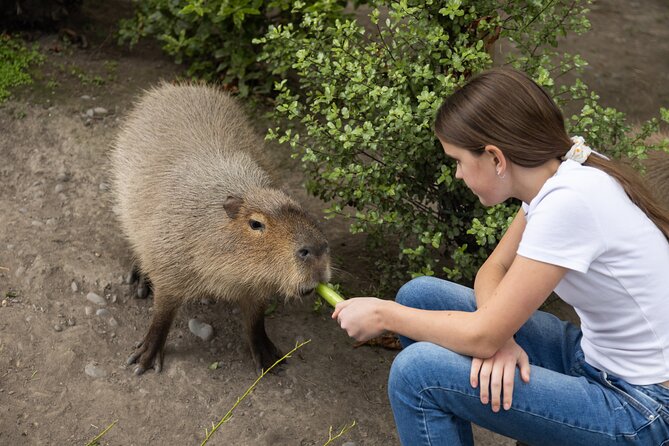
The capybara are a popular stop because you can get close to them, and their calm, curious behavior makes them easy to watch. Otters are another favorite for many people, especially when they are active. Wallabies add a distinctly Australasian touch, though some visitors feel their enclosure could offer more room to roam.
The introduced animals make the reserve more appealing to children, but they also change the focus of the visit. If you want only rare New Zealand wildlife, part of the route may feel less important. If you are visiting with a family, the variety is a strength. A child who is not patient enough for the dark kiwi house may be delighted by a capybara or lemur a few minutes earlier.
The mix also makes Willowbank a practical choice for a first day in Christchurch. You can learn about native wildlife while still seeing familiar animals and species that are simply fun to watch.
More wildlife trips around Christchurch:
- Christchurch: Orana Wildlife Park Admission
★ 4.5 · 119 reviews - Clearwater Wildlife Tours (small group 10max) Otago Peninsula
★ 5.0 · 531 reviews - Wildlife Sea Kayaking Tour – Kaikoura
★ 5.0 · 467 reviews - Milford Sound: 2-Hour Wildlife & Nature Cruise
★ 4.6 · 418 reviews
Feeding the animals, with a little caution
One of the reserve’s most enjoyable features is the chance to feed and pat many of the animals. Farm areas include sheep, rabbits, and alpaca. Ducks and other birds may follow you if they think you have food.
Deer are particularly eager. Keep your food pouch under control, because they may come up quickly and surround you. That is amusing for some people and slightly overwhelming for others, especially young children. Follow any feeding instructions and do not offer animals food that has not been approved.
The hands-on design gives Willowbank more energy than a standard viewing-only zoo. You are not simply standing at a distance and moving on. You may pause to stroke an alpaca, watch a child feed a sheep, or find a bird walking freely along the path.
The tradeoff is noise and movement. Uncaged birds can make the reserve lively, and ducks may trail behind you. If you prefer a quiet nature walk, choose a less busy time and spend longer in the wooded sections.
A good family outing, with room to slow down
Willowbank works especially well for families because it offers different kinds of entertainment in one visit. Young children can feed animals, watch capybara and otters, and use play or climbing areas. Older children can look for native birds and learn why kiwi and takahe are so unusual.
The paths are generally easy to walk, with wooden walkways over water and a layout that is straightforward once you get started. Some gravel sections could use clearer signs, so do not assume every turn will be obvious.
The reserve also suits mixed-age groups. One person can spend time studying a tuatara while another watches the ducks. Nobody needs to follow a fixed guide or keep pace with a large party. The maximum group size is listed as 200 people, but your visit itself is self-guided.
Children must be accompanied by an adult. Most people can take part, but the experience involves walking outdoors and spending time in a dark viewing house. Bring patience for the kiwi section, especially if younger children expect an instant sighting.
Timing your visit near Christchurch airport
Willowbank’s location is one of its biggest practical advantages. It is close to Christchurch airport, so you can fit it into a day that includes a flight, hotel check-in, or wider Christchurch sightseeing.
Allow time for your own transport. Admission does not include transportation to or from the reserve. Public transportation is nearby, and a shuttle from Cathedral Square has also been useful, but check the current schedule before building your day around it.
The flexible arrival format helps. You can use a mobile ticket, and advance booking means you do not need to sort out admission after landing or during a busy sightseeing day. A paper ticket option is also available if that suits your plans better.
I would avoid squeezing Willowbank into the final minutes before a flight. The kiwi house rewards quiet time, and the walk can take longer than expected if you stop to feed animals or eat at the cafe. For a relaxed visit, give yourself two to three hours at the reserve, plus transport time.
What the $22.65 admission buys you
At $22.65 per person, Willowbank is priced as an affordable half-day activity rather than a major full-day attraction. The value comes from the range: native birds, kiwi, tuatara, introduced mammals, farm animals, walking paths, and feeding opportunities all sit within one admission.
The guaranteed kiwi viewing is particularly important when you compare the price with more specialized wildlife outings. You do not need to book a separate evening activity simply to have a chance of seeing a kiwi.
Food and drinks cost extra, but the onsite cafe makes the reserve easier to use as a longer stop. It offers food choices suitable for families, so you can avoid leaving just because someone needs lunch. There is also a retail store for souvenirs.
The value is weaker if you want a large, formal zoo with many big animals or a guided conservation presentation. Willowbank is smaller in feel and more interactive. Its appeal comes from close encounters and New Zealand species, not from grand exhibits or a packed schedule of demonstrations.
What to expect in the cafe and retail area
The cafe is useful rather than essential. You can make it part of a half-day visit, especially if you are traveling with children and want a proper break between the animal areas and the kiwi house.
Food choices have worked well for families, including young children. Prices are described as affordable, though food and drinks are not included in the entry fee. If you are watching your budget, you can keep the visit focused on the reserve and treat the cafe as optional.
The retail store gives you a final chance to pick up a souvenir, but it is not a reason to visit on its own. The main value remains the animals and the relaxed route through the grounds.
How Willowbank compares with a wild kiwi search
A visit here cannot replace seeing wildlife in a remote reserve. You will not be hiking through a protected forest at night or waiting for a kiwi to cross a natural track. Willowbank offers a controlled setting, clear access, and a reliable viewing opportunity.
That difference matters. If you have limited time in Christchurch, the reserve gives you a practical introduction to native species. You can see a kiwi even if rain, transport, or a packed itinerary rules out a longer excursion.
The dark enclosure also teaches you something about kiwi behavior. You need to lower your voice and watch carefully instead of expecting a brightly lit exhibit. The sighting may be brief, but that is part of the experience.
I would choose Willowbank for convenience and variety. I would choose a remote wildlife trip for a more intense nature experience. Many visitors can reasonably enjoy both if their New Zealand itinerary allows it.
Tips for getting more from your visit
- Visit the kiwi house before you feel rushed. The bird may be asleep or hidden, and quiet observation takes time.
- Let your eyes adjust in the dark. Do not leave after a quick glance. Look along the edges and watch for movement.
- Keep food away from eager animals. Deer, ducks, and other animals may follow closely once they see a paper bag.
- Wear practical walking shoes. Paths include gravel and wooden walkways.
- Allow two hours at minimum for a comfortable visit. Add more time if you plan to eat at the cafe.
- Use the reserve’s flexible format. You can move at your own pace instead of waiting for a guide or fixed departure.
- Book ahead if the kiwi sighting matters to you. Advance entry saves time on a busy travel day and includes the guaranteed kiwi viewing.
The reserve is rated 4.5 out of 5 from 94 reviews, which fits the experience: its strongest points are the kiwi house, the well-kept grounds, close animal contact, and easy family pace. The main cautions are the dark kiwi viewing, occasional weak signage, and the fact that some animals may feel more confined than others.
Should you book Willowbank Wildlife Reserve?
Book it if you want an affordable, flexible wildlife stop near Christchurch airport, especially if you are traveling with children or have only a few hours. The combination of kiwi, native birds, tuatara, farm animals, capybara, lemurs, and feeding opportunities gives you plenty to see without committing to a full-day tour.
I would also recommend it for cruise passengers, people beginning a South Island trip, and anyone who wants a dependable kiwi sighting. The experience is easy to fit around other plans, and you can stay for one hour or make a full afternoon of it.
Skip it if you want a remote, wild encounter or a large zoo with extensive guided talks. Also think twice if dark viewing is difficult for you, since the kiwi house is central to the visit. For most people, though, $22.65 buys a pleasant and varied introduction to New Zealand wildlife, with a realistic chance to see the country’s most elusive bird.
Free cancellation is available if you cancel at least 24 hours before the experience start time. Changes or cancellations made later are not accepted for a refund.
FAQ
How long should I spend at Willowbank Wildlife Reserve?
The visit usually takes about 1 to 3 hours. Two hours gives you time to follow the paths, see the animals, and visit the kiwi house without rushing.
Is kiwi viewing guaranteed?
Yes. Admission includes guaranteed kiwi viewing in the reserve’s kiwi house. The enclosure is dark because kiwi are nocturnal, so you may need to wait quietly and adjust your eyes before spotting the bird.
What animals can I see at Willowbank?
You can see kiwi, kea, kaka, takahe, tuatara, monkeys, lemurs, capybara, wallabies, otters, deer, sheep, rabbits, alpaca, ducks, and other birds and animals.
Can I feed or pat the animals?
Yes. Willowbank is hands-on, and you can feed or pat many animals, including sheep, rabbits, alpaca, and other selected animals. Food and drinks are not included in the admission.
Is transportation included?
No. Transportation to and from Willowbank is not included. The reserve is near public transportation and close to Christchurch airport.
Can I cancel my booking for a refund?
Yes, if you cancel at least 24 hours before the experience start time. Cancellations made less than 24 hours in advance, as well as late changes, are not refunded.
Just added around Christchurch
- Wine trail and Christchurch City – Luxury, Small Group Tour★ 5.0 · 15 reviews
- Waipara Valley Winery Tour Wine Tastings and Scenic Views★ 5.0 · 5 reviews
- Uniquely Kiwi Landsailing Adventure★ 5.0 · 66 reviews
- Southern Alps Scenic★ 5.0 · 8 reviews
- Arthur’s Pass Tour From Christchurch With Jet Boat & TranzAlpine★ 5.0 · 8 reviews
- Tranz Alpine Train Tour★ 5.0 · 92 reviews
- Akaroa with optional dolphin cruise (Small Group Tour)★ 5.0 · 3 reviews
- Rock Climbing Christchurch 1/2-day or full-day (Small Group Tour)★ 5.0 · 6 reviews
Wildlife, compared.
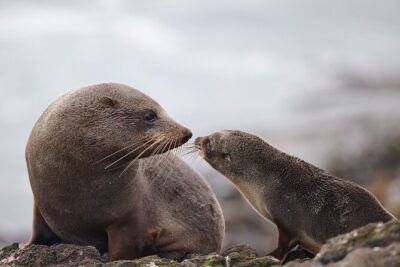
Clearwater Wildlife Tours (small group 10max) Otago Peninsula
Read our review →
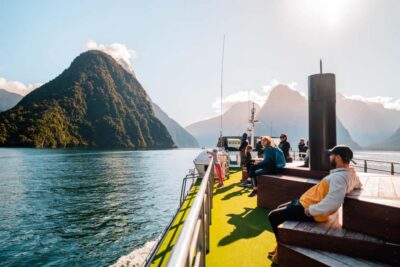
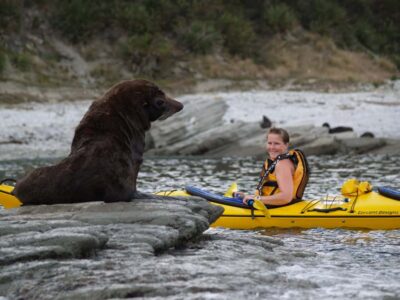
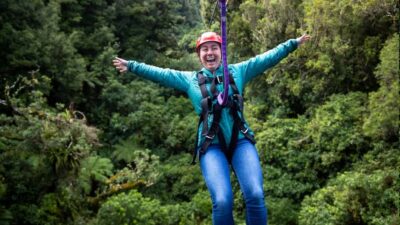
6 Ziplines, Swing-Bridges & Wildlife Encounters
Read our review →
Small Group Daytime 2-Hour Eco Wildlife Tour at Zealandia
Read our review →Browse the lists this tour appears in