
Reviewed · WILDLIFE
Small Group Daytime 2-Hour Eco Wildlife Tour at Zealandia
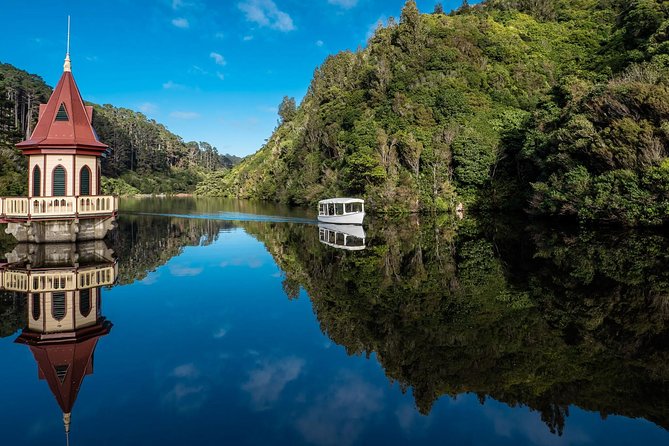
Zealandia gives you a rare chance to see New Zealand wildlife in a protected urban eco-sanctuary, not a zoo. Within minutes of Wellington, you walk through native forest and wetlands while listening for tūī, bellbirds, kākā, and the sharp calls of less common birds. With luck, you may spot a takahē or tuatara.
I like the way a guide turns a quiet walk into a lesson in ecology, and I like that your entrance fee supports Zealandia’s bold 500-year plan to restore native life. The small group, capped at 12 people, also gives you time to stop for questions and photographs.
The main caution is that this remains a wildlife outing, not a guaranteed animal show. Weather can be wet, windy, or foggy, and some paths may be restricted if a member of the group has mobility limits. Bring suitable clothing and keep your expectations flexible.
Key points to know
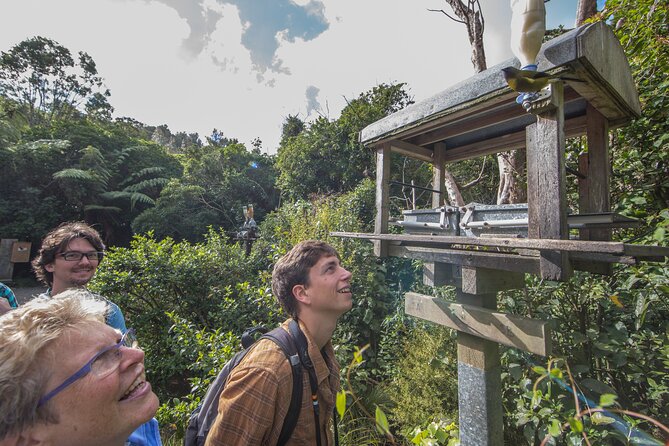
- A two-hour guided walk: Follow forest and wetland tracks with a professional guide, then return to the Visitor Centre.
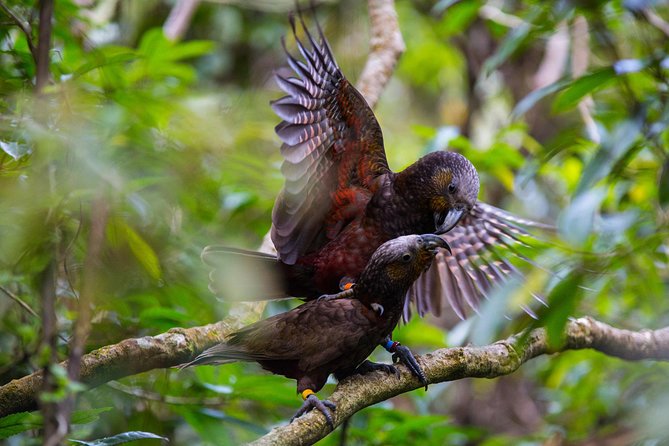
- Rare wildlife in the city: Look and listen for kākā, kākāriki, tūī, tīeke, hihi, bellbirds, takahē, tuatara, and green geckos.
- Small group size: The tour allows a maximum of 12 people, making it easier to ask questions and hear bird calls.
- Conservation with a long view: Learn how Zealandia’s predator-proof fence and habitat work support its 500-year restoration goal.
- All-weather outing: The walk operates in all weather, so rain gear and sturdy footwear matter.
- Good value for nature lovers: At $43.44 per person, admission and a guided experience are included, with no hotel transfer or meal.
Why Zealandia feels different from a normal wildlife stop
The first surprise is the setting. Zealandia Te Māra a Tāne sits just outside central Wellington, yet the sanctuary feels far removed from city traffic. The point is not to display animals in enclosures. It is to protect a living area where native birds, reptiles, plants, and wetlands can recover.
That difference matters. You are not simply ticking off species from a list. You are seeing the results of predator control, habitat repair, and years of careful conservation work. The guide explains why New Zealand’s wildlife needs protection and how the sanctuary is trying to bring back an older balance between native plants and animals.
I especially like the way the experience asks you to slow down. A guide may stop the group and ask everyone to listen. The reward can be a bird call that you would likely miss alone, followed by an explanation of which species made it and why its call matters.
The sanctuary’s long-term goal also gives the visit more weight. Zealandia works toward a 500-year vision of restoring the area to something closer to its original ecological state. You will not see that entire project in two hours, of course, but you can see a working part of it in the forest and wetlands around you.
A few more Wellington half-days to weigh up
- Wellington: Wētā Workshop Guided Tour Ticket
★ 4.7 · 997 reviews - Wētā Workshop Experiences Tour – Wellington
★ 5.0 · 875 reviews - Wellington: Return Cable Car Ticket
★ 4.6 · 714 reviews
Starting at the Visitor Centre
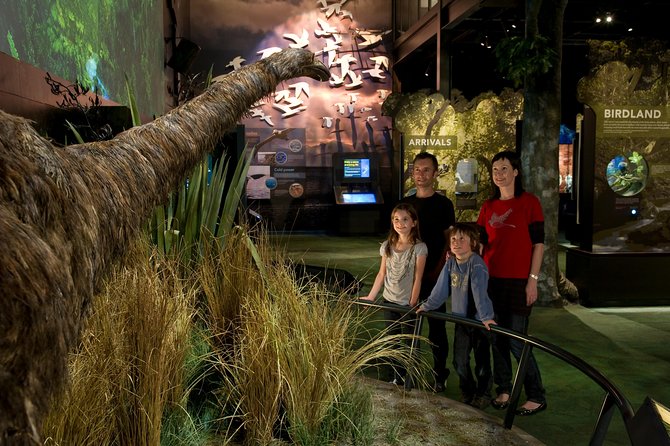
You meet your guide at the Zealandia Visitor Centre, at 53 Waiapu Road in Karori. Arrive 15 minutes before your selected morning or afternoon departure. The tour begins indoors with an introduction and a short film on the large screen.
This opening is useful rather than filler. It gives you the basic story of Zealandia before you head outside: why the sanctuary exists, what makes its fence important, and how its conservation work fits into New Zealand’s wider effort to protect native species.
The Visitor Centre is also the practical place to sort yourself out. Use the time to check your clothing, water, camera, and footwear before the walk begins. Food, drinks, and lunch are not included, although alcoholic drinks are available to purchase. A café is available at the sanctuary, but supplies may not always be guaranteed, so do not depend on it as your only meal plan.
After the introduction, your guide leads the group onto the tracks. The tour ends back at the same meeting point, which makes it easy to continue on your own afterward if you still have time and energy.
Walking the forest and wetland tracks
The route uses a variety of tracks and trails through Zealandia’s forest and wetland areas. The guide chooses stopping points, viewpoints, and feeding areas based on the conditions and the wildlife activity that day.
This is a walking tour, so you should expect steady movement rather than a bus ride or a series of viewing platforms. The required fitness level is described as moderate. One recent account found the tracks suitable for all ability levels, but another found that a mobility scooter limited the route and slowed the group.
That distinction is important. The tour information warns that it is not ideal for people with mobility issues, and access may vary across the sanctuary. If someone in your party uses a mobility aid, contact Zealandia before booking and ask how that day’s guided route can be adapted. A self-guided visit may provide more control over pace and route.
For most people, the two-hour format should feel manageable. The walk is long enough to cover several habitats and short enough to fit into a busy Wellington day. It also leaves room for you to stay longer afterward if your admission allows it.
The birds you may hear before you see
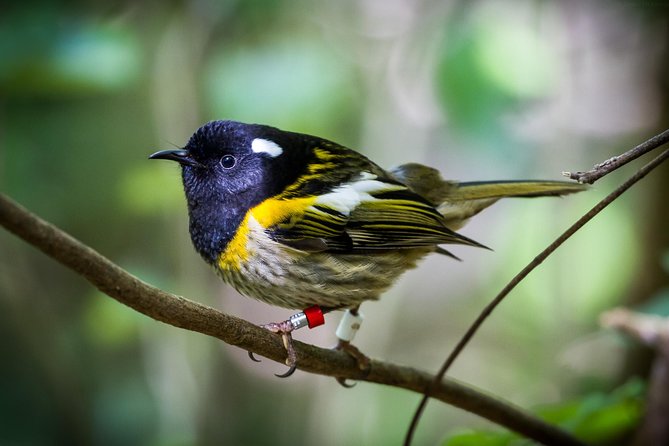
Birdwatching here is often a listening game. Kākā, kākāriki, tūī, tīeke, hihi, and bellbirds are all among the species you may encounter. Some may appear clearly in the trees, while others announce themselves from cover.
A guide adds real value because bird calls can be hard to identify without help. One of the most enjoyable parts of the walk is the pause when everyone grows quiet, listens to the bush, and then learns which bird has been calling. You may not have known what to listen for on your own.
Kākā, the native bush parrot, is one of the memorable possibilities. Kākāriki add a flash of color when visible, while tūī and bellbirds bring distinctive sounds to the forest. Tīeke, also called saddleback, and hihi are less familiar names for many people, which makes the guide’s explanations useful.
The flightless takahē is another possible highlight. It is rare, and there is no promise that you will see one. Still, simply knowing that the sanctuary protects such an unusual bird changes how you look at the tracks. You start scanning the edges of the forest instead of walking past them.
Photography is allowed, but you will get more from the walk if you do not spend the whole time behind a screen. Bring your camera if you like, then put it down when the guide asks the group to listen.
More wildlife trips around Wellington:
- Clearwater Wildlife Tours (small group 10max) Otago Peninsula
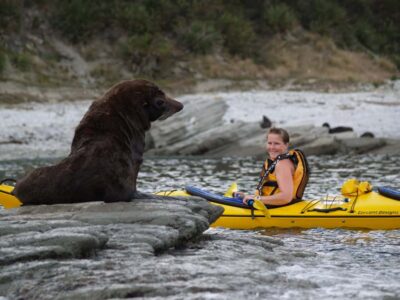
★ 5.0 · 531 reviews - Wildlife Sea Kayaking Tour – Kaikoura
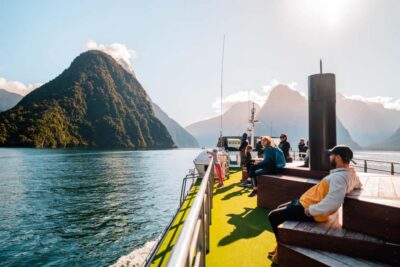
★ 5.0 · 467 reviews - Milford Sound: 2-Hour Wildlife & Nature Cruise
★ 4.6 · 418 reviews - Kaikoura: Half-Day Wildlife Kayaking Tour
★ 4.6 · 390 reviews
Tuatara, green geckos, and the smaller discoveries
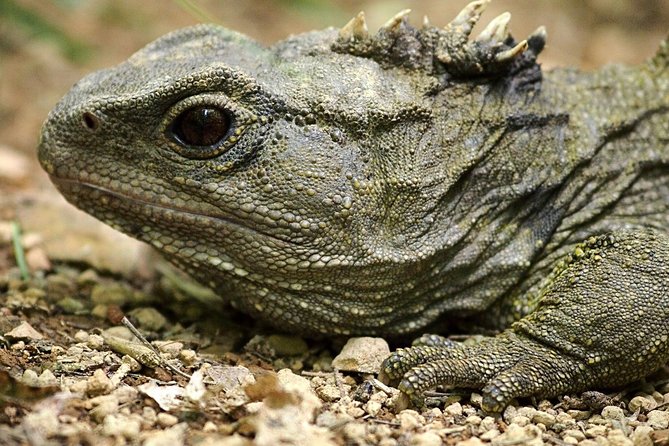
Zealandia is not only about birds. The sanctuary is also home to reptiles such as tuatara and green geckos. These animals can be much harder to spot than a bird overhead, so your guide’s trained eye becomes especially helpful.
Tuatara are among New Zealand’s most unusual native animals, and seeing one can be the moment that makes the visit memorable. One particularly enthusiastic account described seeing several tuatara, while other outings may produce only a glimpse or none at all. Treat any sighting as a bonus, not a promise.
The same applies to green geckos. They may blend into plants and branches, and they are easy to miss if you hurry. The guide can point out where to look and explain what makes the species special.
You will also learn about native plants and the wider ecosystem. The tour is not a simple list of animals. It connects the birds and reptiles to the trees, water, shelter, and predator control that allow them to survive. That broader explanation is one reason the guided option works better than a quick solo stroll for first-time visitors.
What the guides add to the experience
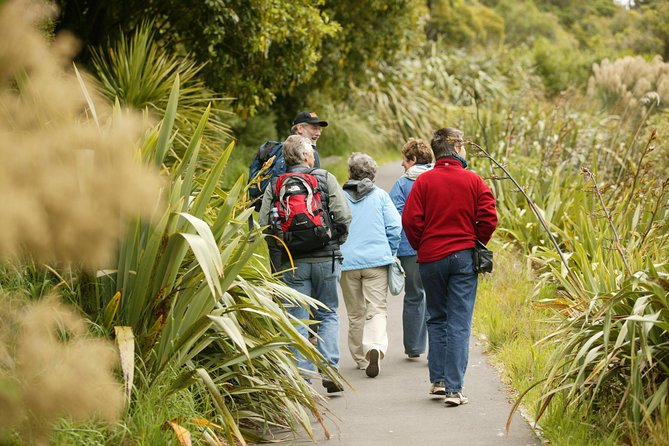
The quality of the guide is central to this tour. Guides named in recent feedback include Manuela, Ruth, Oliver, Matt, Don, Gill, and Roy. Their strengths are described in similar terms: enthusiasm, strong knowledge of the sanctuary, clear explanations, and a willingness to allow time for questions and photographs.
That matters because wildlife does not appear on command. A good guide keeps the group alert without turning the walk into a race. They may explain the story behind the predator-proof fence, identify a call, point out a reptile, or share a detail about the plants that you would likely pass by.
I would choose the guided walk over going alone if this is your first visit or if you do not already know New Zealand bird calls. One person summed up the practical difference well: without a guide, it can be hard to know what you are hearing. The guide gives structure to the experience and helps you notice more.
The small group also works in your favor. With no more than 12 people, you should have a better chance of hearing the commentary and asking a personal question than you would on a large coach-style outing. Group pace still matters, though. If somebody needs a slower route, the whole party may see less of the sanctuary during the two-hour period.
Rain, fog, and the Wellington weather question
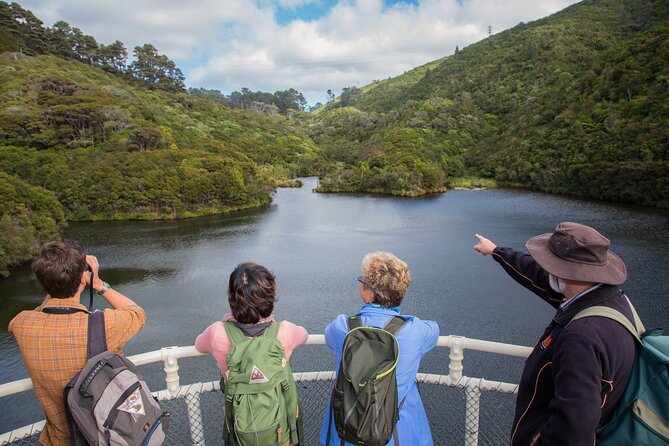
The tour runs in all weather. That is not a minor note in Wellington, where drizzle, fog, and wind can arrive even when the morning looks promising.
Bad weather does not automatically spoil Zealandia. Mist can make the forest feel quiet and atmospheric, and one wet morning still produced a rewarding walk because the guide kept attention on the plants and animals. Birds may also remain active in light rain.
Still, dress for comfort rather than hoping the forecast improves. Wear waterproof outer clothing, comfortable walking shoes, and layers. A wet two-hour walk is much less enjoyable if you arrive in city clothes and unsuitable shoes.
Weather can also affect what you see. Some wildlife may be harder to spot in poor conditions, and viewpoints may be less clear. The fair way to judge this tour is by the quality of the walk and the conservation story, not by expecting a perfect list of sightings every time.
Is $43.44 good value?
At $43.44 per person, the price includes sanctuary admission and a professional two-hour guide. There is no hotel pickup, food, lunch, or drink included, so you are paying for access and interpretation rather than an all-inclusive excursion.
For me, that is a fair price if you care about native wildlife or have limited time in Wellington. Admission alone gives you access to the sanctuary, but the guide helps you find and understand species that are easy to miss. The small group makes the extra cost more useful than a large, scripted tour would be.
The value is less clear if you want a guaranteed close-up of a particular animal or prefer to set your own pace. In that case, a self-guided visit may suit you better. Some people stay on after the guided walk and explore more tracks alone, which is a smart way to combine expert help with personal freedom.
The booking policy is also simple enough for most plans: cancel at least 24 hours before the local start time for a full refund. Changes or cancellations inside that window are not accepted for a refund.
Getting there and planning your time
You make your own way to the Visitor Centre. Hotel pickup and drop-off are not included, but the meeting point is near public transportation.
Pay close attention to the selected departure time. For an early morning tour, public transport schedules may need thought. One useful timing note is that free shuttle buses may not begin until around 9:50, close to the meeting time for a 10:00 tour. Regular buses may offer an earlier option, so check your route before the day.
The tour lasts about two hours and returns to the Visitor Centre. Build in extra time if you want to continue exploring independently, visit the café, or spend time in the exhibition area. Do not assume the guided walk is the full Zealandia experience if your schedule allows a longer visit.
Children must be accompanied by an adult. The maximum booking size is 12 people, and the activity is recommended for people with moderate physical fitness. Ask about service animal entry before booking, as specific arrangements are not provided in the tour details.
Who should book this walk?
I recommend it most strongly to people who want a meaningful introduction to New Zealand’s native wildlife but do not have time for a full-day excursion. It also suits families with older children, bird lovers, photographers, and anyone interested in practical conservation rather than staged animal encounters.
It is a particularly good Wellington choice on a day when you want fresh air without leaving the city area. The mix of forest, wetlands, birds, reptiles, and conservation history gives the outing more substance than a standard park walk.
You may want to choose self-guided access instead if you need full control over speed, route, or rest stops. You should also think twice if a specific animal sighting is essential to your plans. Nature can be generous here, but it is still nature.
Final verdict: book it if you want to notice more
Book this tour if you want a short, focused walk that helps you understand what you are seeing. The sanctuary’s mission is compelling, the setting is close to Wellington, and the guides can turn bird calls and quiet tracks into a clear story about New Zealand’s native life.
I would not book it as a guaranteed wildlife checklist. I would book it as a chance to slow down, listen carefully, and support a long-term conservation project. Add suitable clothing, arrive early, and leave room to explore on your own afterward. For $43.44, that is a strong nature experience in Wellington.
FAQ
How long does the Zealandia wildlife tour last?
The guided walk lasts approximately two hours and ends back at the Zealandia Visitor Centre.
Where does the tour begin?
Meet your guide at the Visitor Centre at 53 Waiapu Road, Karori, Wellington 6012, New Zealand.
How early should I arrive?
Arrive at the Visitor Centre 15 minutes before your selected tour start time.
What wildlife might I see?
Possible sightings include kākā, kākāriki, tūī, tīeke, hihi, bellbirds, takahē, green geckos, and tuatara. Wildlife sightings are not guaranteed.
Is entrance to Zealandia included?
Yes. The sanctuary admission fee is included in the tour.
Is hotel pickup included?
No. You make your own way to Zealandia, and hotel pickup and drop-off are not included.
How large is the group?
The activity has a maximum of 12 people, and each booking can include no more than 12 people.
Does the tour operate in bad weather?
Yes. It operates in all weather conditions, so you should dress appropriately for rain, wind, or cooler conditions.
Can I cancel for a full refund?
Yes, if you cancel at least 24 hours before the experience begins, based on the local start time. Cancellations or changes made less than 24 hours before the start are not refunded.
More 2-Hour Experiences in Wellington
- Milford Sound: 2-Hour Small Boat Scenic Cruise
★ 4.8 · 2,561 reviews - 2-Hour Milford Sound Scenic Cruise
★ 5.0 · 1,520 reviews - Whitianga: 2-Hour Cathedral Cove and Volcanic Coast Cruise
★ 4.8 · 816 reviews - Queenstown: 2-Hour Zipline Tour with 4-Lines
★ 4.7 · 462 reviews
Just added around Wellington
- Te Awa Kairangi Grade 2 Scenic Rafting Tour★ 4.8 · 10 reviews
- Te Awa Kairangi Grade 2 Scenic Duckie Tour★ 4.7 · 9 reviews
- Remutaka Rail Trail eBike Shore Excursion for Cruise Ships★ 5.0 · 9 reviews
- Private Lord of the Rings Tour Wellington with Lunch★ 5.0 · 3 reviews
- Martinborough Winery and South Wairarapa Wild Coast Tour★ 4.8 · 21 reviews
- Chefs Private Martinborough wine tour with Gourmet Lunch★ 5.0 · 3 reviews
- Kapiti Island: Classic Guided Day Tour★ 4.8 · 5 reviews
- From Wellington: Kapiti Island Classic Guided Day Tour★ 5.0 · 4 reviews
Wildlife, compared.

Clearwater Wildlife Tours (small group 10max) Otago Peninsula
Read our review →
6 Ziplines, Swing-Bridges & Wildlife Encounters
Read our review →
Albatross, seals, and sea birds-Wildlife Cruise
Read our review →Browse the lists this tour appears in