
Reviewed · DUNEDIN TOURS
Twilight at the Opera
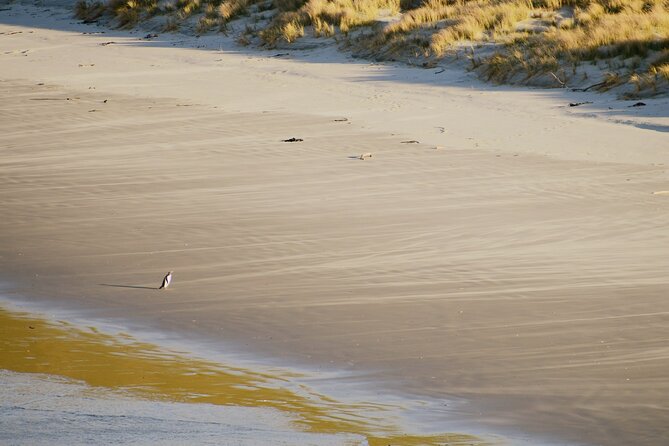
The best reason to choose Twilight at the Opera is the timing. At sunset, the Otago Peninsula turns quiet and atmospheric, and hoiho, or yellow-eyed penguins, may return from a day at sea. You also have a chance to see fur seals, sea lions, shorebirds, land birds, and native wildlife.
I like the small maximum of 15 people, which gives the outing a more personal feel than a large wildlife bus tour. I also like that your ticket helps pay for penguin rehabilitation, habitat restoration, conservation, and education at the Otago Peninsula Eco Restoration Alliance.
The catch is simple: wildlife follows its own schedule. You may not see yellow-eyed penguins in the wild, and sunset can bring cold rain. Bring warm layers and accept that the reserve itself, not a guaranteed penguin sighting, is the main event.
Key points to know before you book
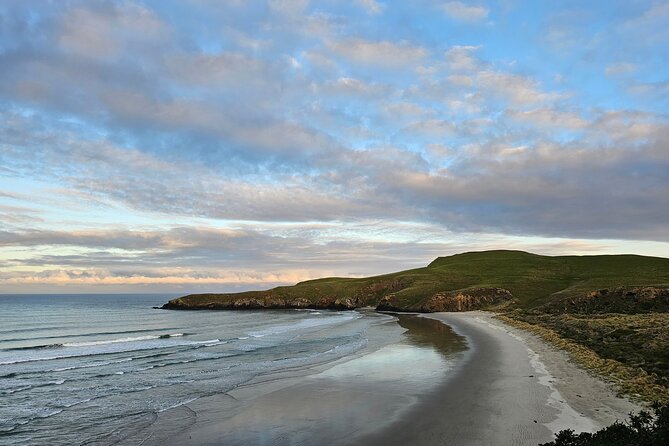
- Sunset is the special draw: The changing evening light gives the reserve a different mood from a daytime visit.
- Wild hoiho sightings are possible, not promised: At certain times of year, returning penguins may be easier to spot.
- The visit has three parts: You begin with a theatre presentation, see birds in rehabilitation, then head into the reserve.
- Small groups matter: The maximum group size is 15 people.
- Useful equipment is included: You can borrow high-quality binoculars and a waterproof jacket.
- Your money supports conservation: Tour income directly funds care, restoration, research, and education at the reserve.
Why sunset changes the Otago Peninsula experience
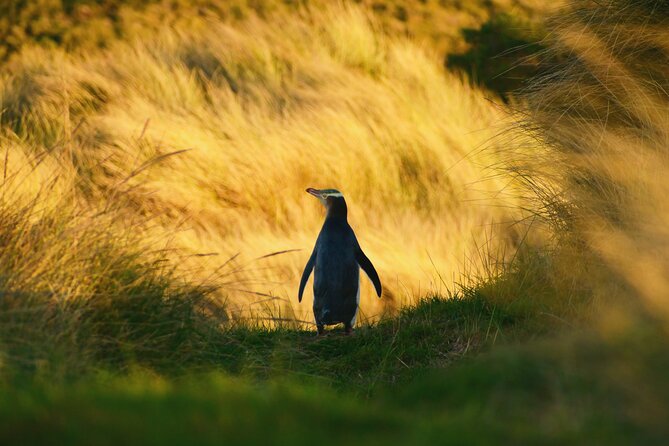
The Otago Peninsula is known for its wildlife, but the hour around sunset gives you a different way to see it. The light softens, activity can shift, and the reserve feels less like a sightseeing stop and more like a living place with its own timetable.
That timing matters most for hoiho. These endangered yellow-eyed penguins spend the day foraging at sea, then may return toward shore and their nesting areas later in the day. At some points in the year, twilight offers one of the better chances to see this behavior in the wild.
Still, I would book this with realistic expectations. A penguin can arrive after your group has left, stay out of view, or choose a route you cannot see. The evening is not built around a guaranteed close-up. It is built around learning about the species, visiting birds receiving care, and watching the reserve as the day closes.
You may also see fur seals, sea lions, shorebirds, land birds, and native fauna. Binoculars are supplied, which is important because wildlife sightings can be distant and fleeting. Good optics let you spend less time guessing at a shape and more time watching behavior.
A few more Dunedin half-days to weigh up
- Clearwater Wildlife Tours (small group 10max) Otago Peninsula
★ 5.0 · 531 reviews - Speight’s Brewery Tour & Guided Tasting
★ 5.0 · 508 reviews - Guided Evening Penguin Viewing Otago Peninsula, Dunedin, New Zealand
★ 5.0 · 471 reviews
The three-part visit at 45 Pakihau Road
The tour begins at the Otago Peninsula Eco Restoration Alliance at 45 Pakihau Road, Portobello. The full visit lasts about 90 minutes, and it ends back at the same meeting point.
That compact format works well if you are building a larger day around the peninsula. You get a focused introduction to the reserve without committing to a long evening expedition. The tradeoff is that 90 minutes can pass quickly, especially if wildlife is active and your group needs to move between the different parts of the visit.
The experience is divided into three clear stages:
- A theatre presentation about hoiho and conservation
- A visit to the rehabilitation centre
- Time in the private reserve at sunset
Each part answers a different question. The presentation explains why the penguins need help. The rehabilitation centre shows what that help looks like. The reserve puts the work into a wider setting, where wild animals are still making their own choices.
Starting with hoiho in the theatre
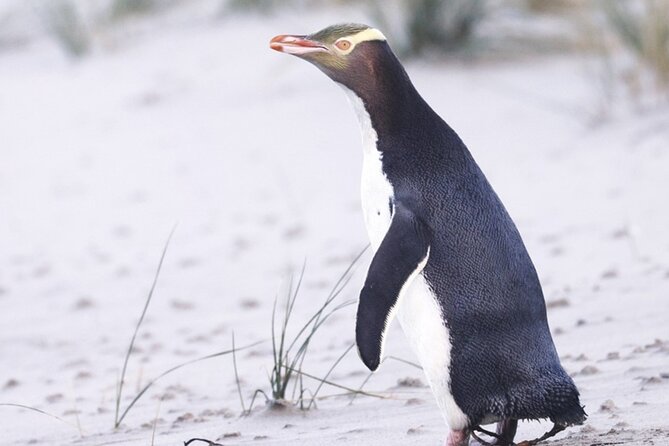
The opening presentation gives you a useful foundation before you head outside. You learn about the yellow-eyed penguin and the conservation work being carried out to protect it.
That introduction is more than a short briefing. Hoiho are endangered, so seeing one in the wild has a different weight from ticking a common seabird off a list. Knowing something about the species first can make a distant sighting feel meaningful rather than merely lucky.
This indoor start is also welcome if the weather is poor. The Otago Peninsula can be cold and wet, and an indoor presentation gives you time to get oriented before heading into the reserve. It means the experience still has substance even if the weather limits outdoor viewing.
The theatre portion may feel less exciting to children who want to see animals right away. I would explain beforehand that the visit has a learning component, not just a viewing platform. For anyone interested in conservation, that context is one of the stronger parts of the tour.
Seeing penguins receiving care
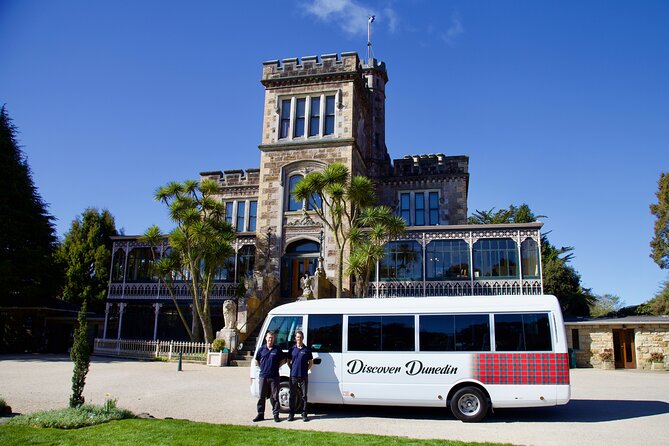
Next, you visit the rehabilitation centre. When hoiho or other penguin species are in care, you may see them at close range.
This is often the most dependable wildlife portion of the experience because it does not rely entirely on animals appearing at the right moment in the reserve. It also gives you a closer look at penguins that need treatment or support, while showing why rehabilitation facilities matter.
There is an important limit here. Birds are only visible when they are in the centre’s care, so this part should not be treated as a permanent penguin exhibit. The animals are there because they need help, and their presence can change.
That distinction is worth keeping in mind. A conservation centre is not a zoo designed to guarantee a particular display. The quieter, less predictable setup is part of what makes the visit feel connected to real wildlife work.
The use of the rehabilitation centre also adds balance to the evening. If weather or timing prevents a wild penguin sighting, you still learn about the species and may see birds up close. One wet-weather visit included two penguins in rehabilitation even though no yellow-eyed penguins were seen returning to the beach or nesting areas.
Same corner of the country, a completely different day out:
- Larnach Castle and Gardens Admission Ticket
★ 4.5 · 279 reviews - Dunedin Shore Excursion: Small-Group Tour of Dunedin and the Otago Peninsula
★ 4.5 · 270 reviews - Dunedin: Wildlife and Penguin Tour
★ 4.6 · 239 reviews - Otago Peninsula Wildlife Cruise with Monarch
★ 4.5 · 227 reviews
Walking into the private reserve at twilight
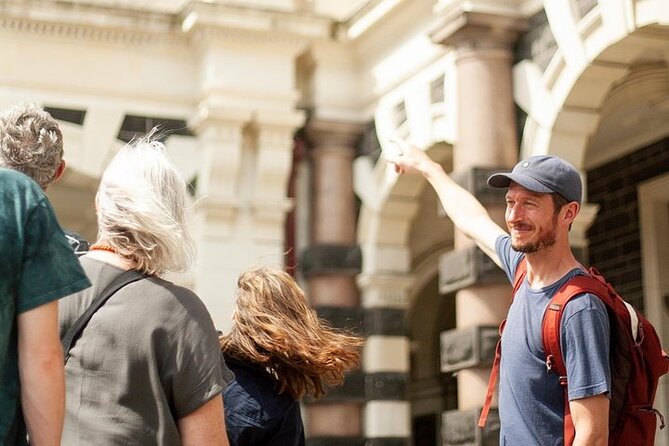
The final section takes you into the reserve as the sun goes down. This is the part most people will have in mind when they book, and it is where the timing, weather, and wildlife behavior come together.
The reserve provides a setting for possible sightings of hoiho, fur seals, sea lions, shorebirds, land birds, and other native fauna. The supplied binoculars are a real help here. Use them early rather than waiting for an animal to appear close by, since a distant movement may be your best view.
The evening light is a major part of the appeal. Sunset can cast warm color over the hills and shore, and the scenery changes as the light fades. I like tours that treat the setting as part of the experience rather than rushing from one animal to the next. Here, the reserve is not just a backdrop. It is the place where the conservation story plays out.
Weather can shape the experience sharply. Cold rain does not cancel the value of the reserve, but it does make walking less comfortable and can make wildlife harder to spot. Waterproof jackets are supplied, and that was especially useful during a rainy visit. Still, you should wear warm clothing and shoes suitable for walking on wet ground.
Take care with your footing in rain. One practical note from the experience is that wet conditions can make the walk slippery or awkward, so this is not the time for delicate footwear. The physical requirement is listed as moderate, which suggests you should be comfortable walking for the duration of the visit.
What your ticket helps fund
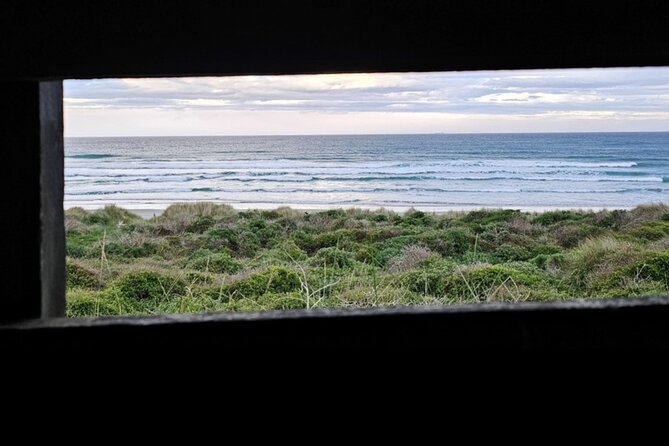
The conservation link gives this tour added value. Tour operations directly fund conservation, rehabilitation, restoration, and education initiatives at The OPERA.
That makes the price easier to judge. At $46.54 per person, you are paying for a 90-minute guided wildlife experience, access to a private reserve, use of binoculars, a waterproof jacket, and entry to the rehabilitation centre when birds are in care. You are also helping support ongoing work rather than paying only for an entertainment product.
The value depends on what you want. If your only goal is a guaranteed close-up photograph of a yellow-eyed penguin, this may feel uncertain. If you want a small-group visit that explains the species and supports its protection, the price is fair.
The conservation model also helps you think about wildlife responsibly. The best outcome is not simply that every person sees a penguin. It is that the reserve remains a safer place for penguins, native birds, and other animals over time.
Group size, equipment, and comfort
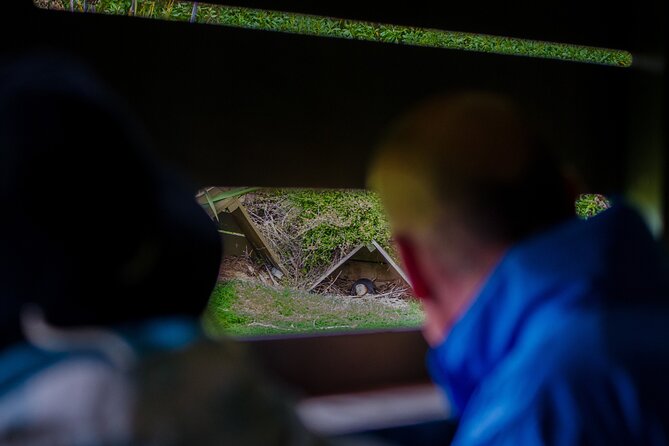
With a maximum of 15 people, the tour is small enough to avoid the feel of a crowd. That matters at a wildlife reserve, where noise and movement can affect the mood of the visit and where everyone needs a reasonable chance to use the binoculars.
A guide and driver are included. The supplied binoculars save you from bringing specialist equipment, though you can still bring your own if you prefer. The complimentary waterproof jackets are practical, particularly because rain is a real possibility rather than a remote concern.
Alcoholic beverages are not included. That is not a major drawback for a short nature tour, but it is useful to know if you are comparing this with a sunset outing built around food or drinks. This experience is focused on wildlife and conservation.
The mobile ticket keeps the booking simple. Confirmation is provided at booking, and the activity begins and ends at 45 Pakihau Road in Portobello. No transport from another part of Dunedin is listed, so you should plan your own way to the meeting point unless your booking details say otherwise.
Who will get the most from Twilight at the Opera
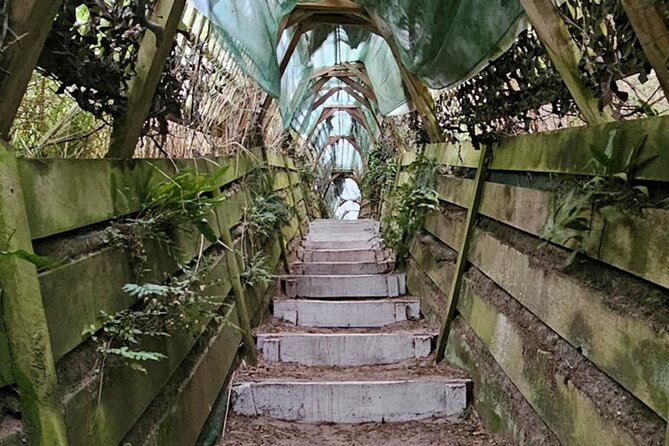
I would recommend this experience to you if you care about wildlife, conservation, and a slower kind of sightseeing. It suits people who would rather learn how a reserve operates than race between photo stops.
It is also a good choice for anyone hoping to see hoiho in the wild but willing to accept uncertainty. The possibility of watching a penguin return from the sea is special, but the tour cannot control the birds, daylight, or weather.
Families may enjoy the penguins and the short duration, though children should be ready for the theatre presentation and a moderate amount of walking. The wet-weather conditions also require patience and sensible clothing.
Photography fans should bring realistic expectations. Sunset light can be lovely, but wildlife may be far away, hidden, or moving quickly. The binoculars will likely be more useful than a phone camera, especially if your main goal is observation rather than a perfect picture.
I would think twice if you dislike cold rain, have difficulty walking outdoors, or need guaranteed animal sightings. The reserve provides shelter and equipment where possible, but it does not turn a wild animal into a scheduled performer.
Booking, cancellation, and timing advice
This experience is commonly booked about 47 days in advance, which suggests you should reserve ahead if your Dunedin dates are fixed. The small group limit can make popular times less flexible.
You can cancel for a full refund up to 24 hours before the start time. Cancellations or changes made less than 24 hours before the experience are not accepted for a refund, and the cut-off uses local time.
I would check the forecast on the day, then dress for the worst reasonable version of it. A waterproof jacket is supplied, but warm layers and secure footwear remain your responsibility. You will enjoy the sunset more if you are comfortable enough to stay focused on the reserve.
Should you book this sunset wildlife tour?
Book Twilight at the Opera if you want a small, conservation-focused visit with a genuine chance to see endangered hoiho in the wild. The theatre introduction, rehabilitation centre, and private reserve create a well-shaped 90-minute experience, while the binoculars and waterproof jackets remove two common hassles.
Do not book it expecting a guaranteed penguin parade. The strongest reason to go is the combination of sunset scenery, expert guidance, possible wildlife sightings, and direct support for the Otago Peninsula Eco Restoration Alliance. If you can handle changing weather and accept that nature sets the schedule, this is a thoughtful and worthwhile addition to a Dunedin itinerary.
FAQ
Where does Twilight at the Opera begin?
The tour begins at 45 Pakihau Road, Portobello, Dunedin 9077, New Zealand.
Where does the experience end?
The activity ends back at the meeting point at 45 Pakihau Road.
How long does the tour last?
The guided experience lasts about 1 hour and 30 minutes.
What happens during the tour?
The visit has three parts: a theatre presentation about hoiho and conservation, a visit to the rehabilitation centre when birds are in care, and time in the private reserve at sunset.
Are binoculars and jackets provided?
Yes. High-quality binoculars and complimentary waterproof jackets are provided.
Will I definitely see yellow-eyed penguins in the wild?
No. Wild hoiho sightings are possible, particularly at certain times of year when they return from foraging at sea, but sightings are not guaranteed.
What is the cancellation policy?
You can cancel up to 24 hours before the start time for a full refund. Cancellations or changes made less than 24 hours before the start time are not accepted for a refund.
Just added around Dunedin
- Otago Peninsula Scenery and Dunedin City Highlights Tour★ 4.5 · 33 reviews
- Clearwater Private Penguin & Wildlife Tour from Port Otago (5hrs)★ 5.0 · 7 reviews
- Castle, Coast & City Tour – 8 pax max – Castle Entrance Included★ 5.0 · 102 reviews
- Dunedin Nature & City Tour – Full Day Cruise Excursion★ 4.5 · 87 reviews
- Shore Excursion: Dunedin City, Otago Peninsula, Castle Gardens & Olveston Tour★ 5.0 · 81 reviews
- Harbour, Albatross and Wildlife Cruise on Otago Harbour★ 4.5 · 22 reviews
- Iconic Wildlife Tour with Yellow Eyed Penguins & Royal Albatross★ 4.5 · 33 reviews
- Dunedin Shore Excursion – Sightseeing, Larnach Castle, Chinese Garden & Museum★ 3.5 · 13 reviews
Dunedin Tours, compared.
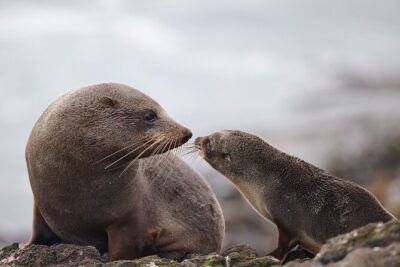
Clearwater Wildlife Tours (small group 10max) Otago Peninsula
Read our review →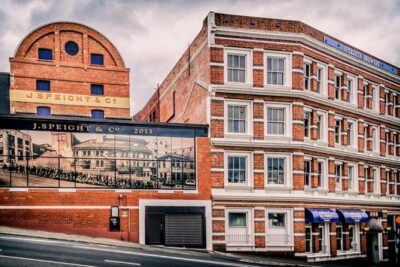
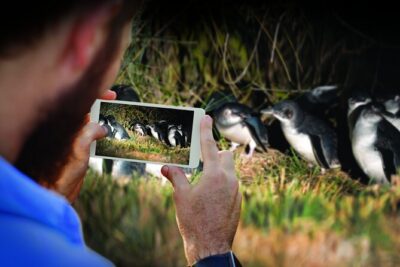
Guided Evening Penguin Viewing Otago Peninsula, Dunedin, New Zealand
Read our review →
Dunedin Shore Excursion: Small-Group Tour of Dunedin and the Otago Peninsula
Read our review →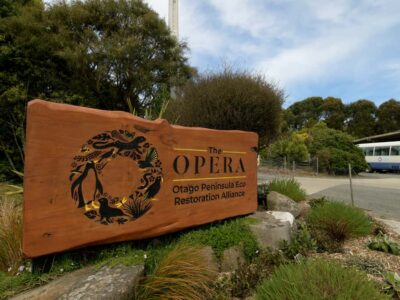
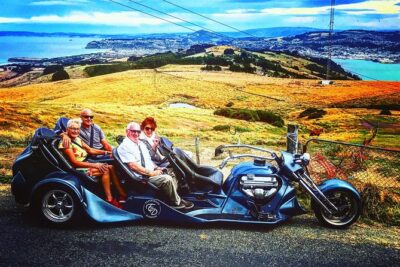
Shore Excursion: V8 Trike, Peninsula and City Tour
Read our review →Browse the lists this tour appears in