
Reviewed · OTAGO PENINSULA WILDLIFE TOURS
Dunedin: Otago Peninsula with Guided Penguin Reserve Tour
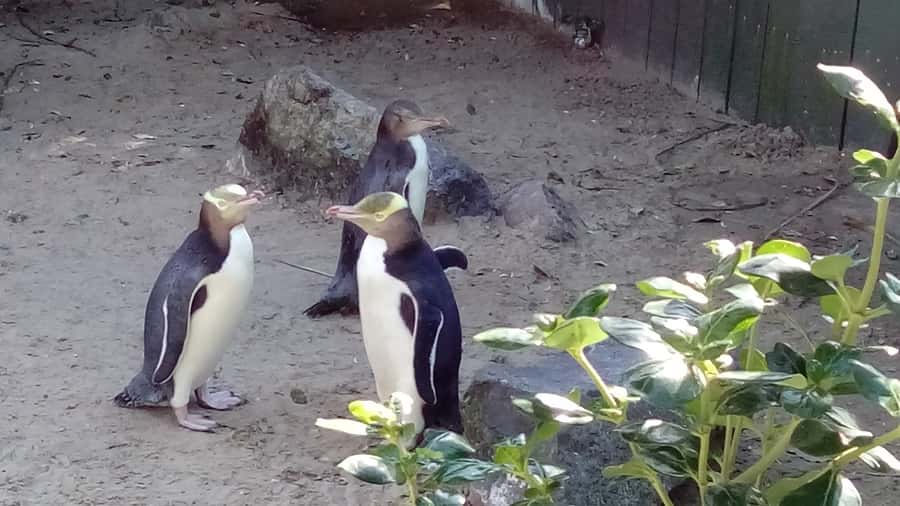
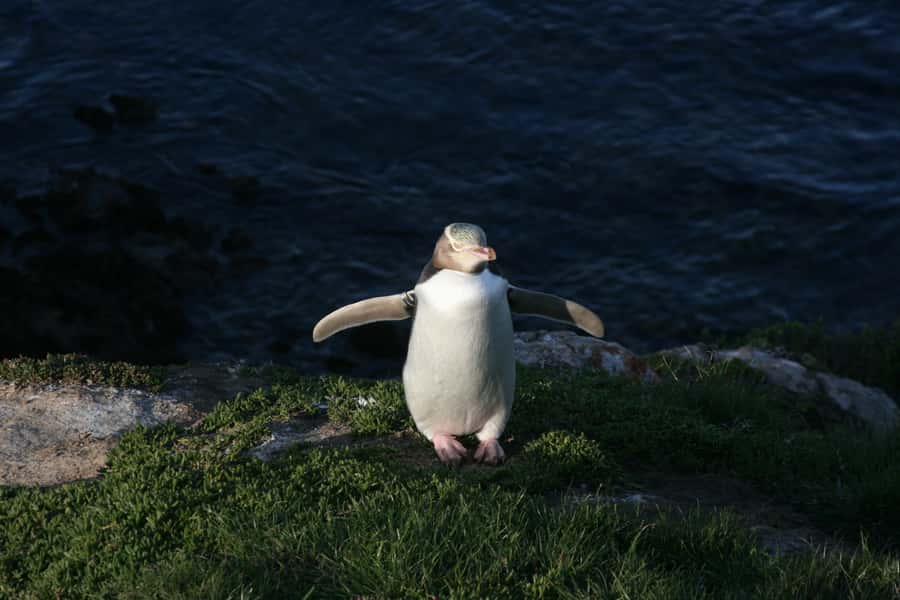
The rarest bird on this tour is also the least predictable. At The Opera, formerly Penguin Place, you learn how yellow-eyed penguins are protected, then walk through their coastal habitat hoping to spot one. The penguins may be fishing, sheltering, or simply out of view, so this is a conservation visit first and a wildlife sighting second.
I like the small-group format, which lets guides such as Asta, Teresa, Josh, and Warren adjust the day when time and group interests allow. I also like the mix of city and coast: Dunedin’s Railway Station and Botanic Garden give you a sense of place before the Otago Peninsula opens into wide harbor views.
The main caution is simple: wild penguins are not guaranteed. You may see one in the rehabilitation center, or none at all in the open habitat. Add roughly 1 kilometer of walking up and down hills, limited lunch time, and a six-hour schedule, and this tour suits active cruise passengers more than anyone seeking a slow, leisurely outing.
Key points to know before you book
- Yellow-eyed penguin conservation: The private reserve supports one of New Zealand’s rarest penguins, even when the birds stay out of sight.
- A full Dunedin sampler: See Baldwin Street, the Botanic Garden, and the city’s famous Railway Station before heading into the countryside.
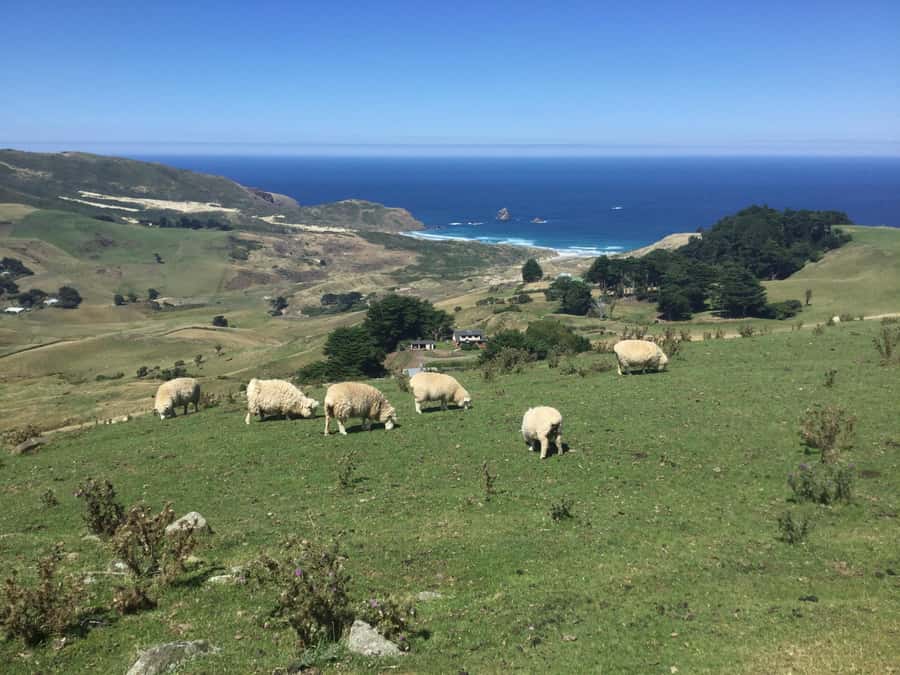
- Two views of the peninsula: Highcliff Road offers lofty outlooks, while the return along the low road gives you a closer harbor perspective.
- Cruise-friendly timing: Pickup is at Port Chalmers in the morning, with an expected return between 3:30 and 4:00 PM.
- Small groups help: Guides can make extra photo stops and, when time permits, add a personal stop such as a beach visit.
- Bring proper gear: Comfortable shoes, sun protection, and rain gear matter in a place where conditions can shift quickly.
Why this six-hour Dunedin outing works well
At $191 per person, this is not the cheapest way to spend a day in Dunedin. But you are paying for roundtrip transport from Port Chalmers, an English-speaking guide, city sightseeing, a long Otago Peninsula drive, and entry to a private penguin reserve. For a cruise stop, that combination can be good value because it removes the need to arrange several separate visits while keeping the day focused.
The tour also fills a gap that a simple city walk cannot. Dunedin has fine buildings and a strong Scottish and railway heritage, but its most memorable scenery lies beyond the center. The peninsula brings cliffs, harbor views, open farmland, and wildlife into the same day.
I would book this for a first visit to Dunedin, especially if your ship gives you only one day. You get enough city background to understand the place, then spend much of the day in the open air. The tradeoff is pace. Six hours covers a lot, and lunch becomes a quick sandwich or snack stop rather than a proper meal.
More albatross and penguin watching on the peninsula:
- Clearwater Wildlife Tours (small group 10max) Otago Peninsula
★ 5.0 · 531 reviews - Guided Evening Penguin Viewing Otago Peninsula, Dunedin, New Zealand
★ 5.0 · 471 reviews - Dunedin Shore Excursion: Small-Group Tour of Dunedin and the Otago Peninsula
★ 4.5 · 270 reviews
Meeting your guide at Port Chalmers
Your guide meets you at the Port Chalmers cruise terminal waiting area, between doors 1 and 2. The meeting information gives 9:15 AM as the pickup time, while the day’s general schedule begins at 9:00 AM, so check your final booking details carefully and arrive early. Look for the Fantail Tours sign.
Roundtrip port transport is included, which is a major advantage for cruise passengers. You do not need to find a taxi, compare local transport, or worry about getting back from the peninsula on your own. The return is expected between 3:30 and 4:00 PM, but the order of stops can change because of road closures, ship timing, or other conditions.
The drive from Port Chalmers to Dunedin takes about 20 minutes. Use it to get your bearings. A good guide can point out the setting and explain how the port relates to the city before the first stop.
Baldwin Street gives you a quick start
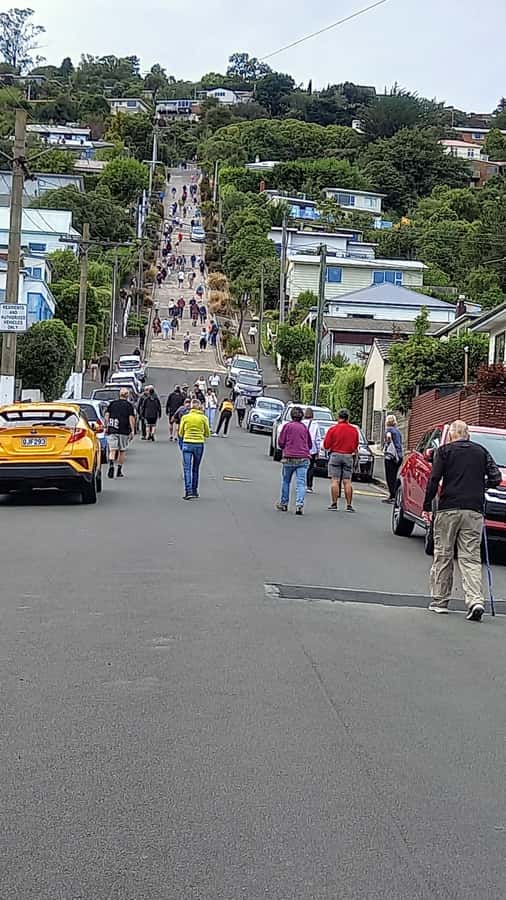
The first main stop is Baldwin Street, billed as the world’s steepest street. You get about 10 minutes here, which is enough for a look, some photographs, and a sense of the grade. It is a short stop, not a long walk or a full neighborhood visit.
That limited time is sensible. The street is a visual experience more than a place where you need an hour. Still, if hills are difficult for you, take the warning seriously. The tour includes walking up and down slopes, and Baldwin Street is only the beginning of the day’s uneven ground.
A nearby lookout provides a wider view before the group continues. These early stops help you understand Dunedin’s hills and harbor setting before the road heads toward the peninsula.
Dunedin Botanic Garden adds native plants and birds
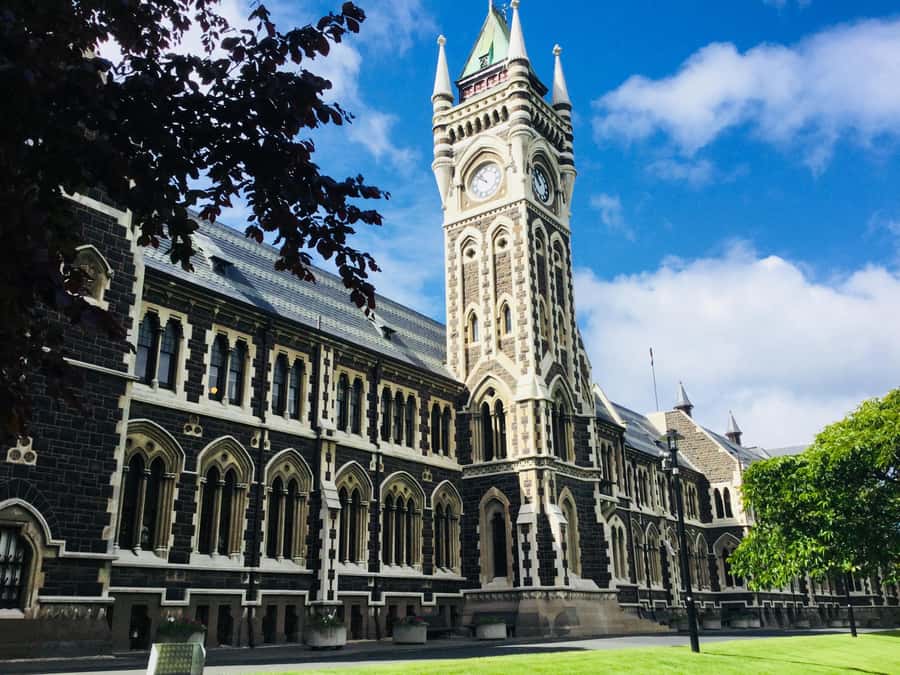
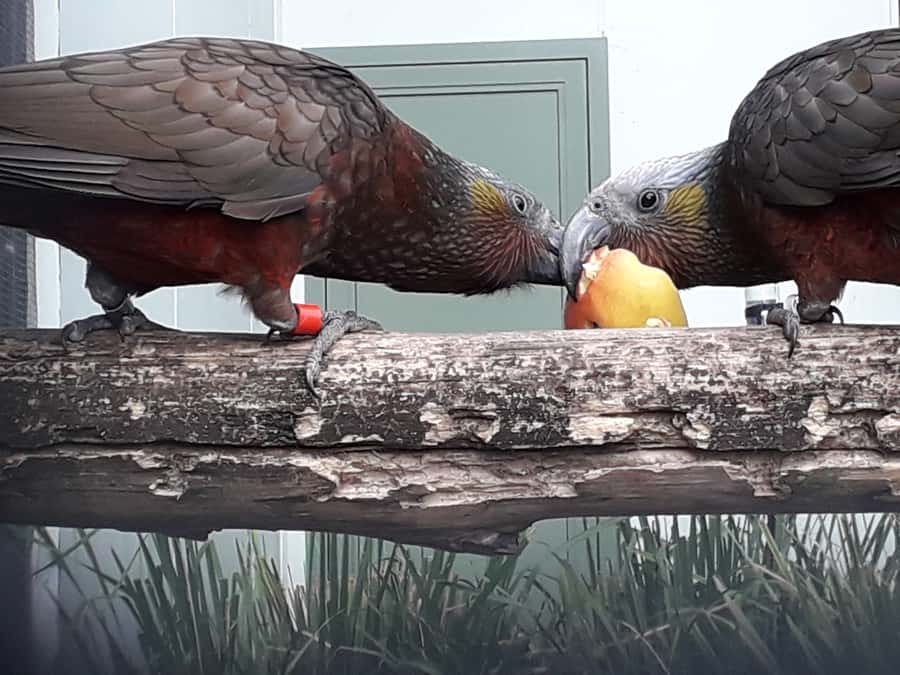
The Dunedin Botanic Garden is identified as New Zealand’s oldest botanical garden. It gives the city portion of the tour a welcome pause from roads, buildings, and photo stops.
You will see a range of plants and may notice native birds in the garden. The focus is not a formal garden lecture or an extended private walk. Instead, your guide helps connect the plants and birdlife to the wider natural setting you will see later on the peninsula.
I like this stop because it adds texture to the day. You are not simply checking off famous buildings before rushing to the penguins. The garden gives you a quieter look at local plant life and a chance to stretch your legs.
Keep in mind that time is shared across many stops. If you want a long, detailed garden visit, you may find this outing too broad. If you want a useful introduction to Dunedin, the short visit fits the schedule.
A few more Dunedin half-days to weigh up
- Speight’s Brewery Tour & Guided Tasting
★ 5.0 · 508 reviews - Larnach Castle and Gardens Admission Ticket
★ 4.5 · 279 reviews - Dunedin: Wildlife and Penguin Tour
★ 4.6 · 239 reviews - Otago Peninsula Wildlife Cruise with Monarch
★ 4.5 · 227 reviews
Railway Station explains Dunedin’s grand civic style
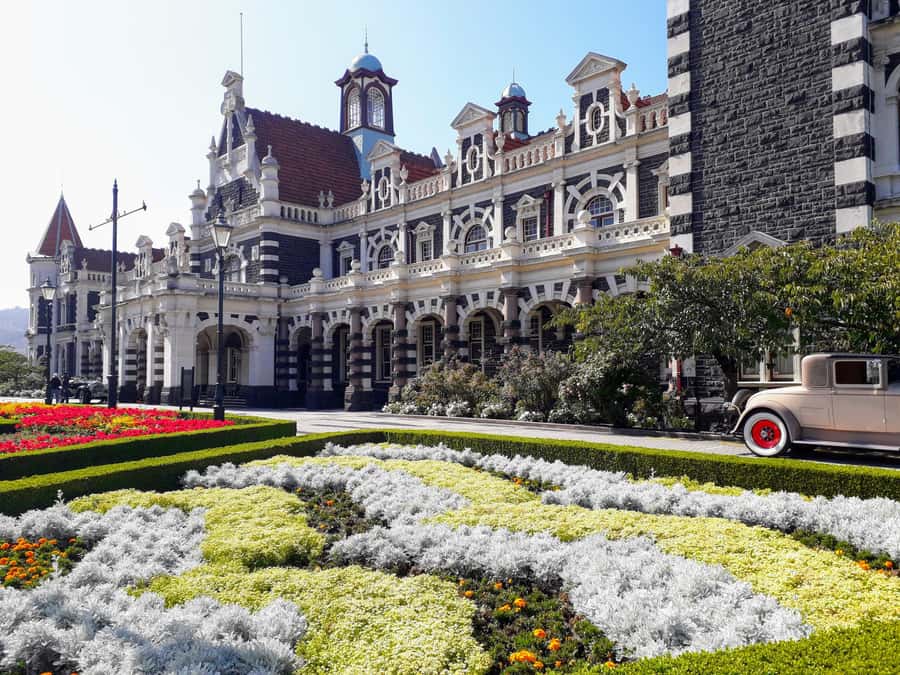
Dunedin Railway Station is one of the city’s signature buildings and an important stop on the route. Your guide explains its past and architectural significance, giving you more than a quick exterior photograph.
The station adds a human story to the day. Dunedin grew as a major center in the South Island, and the railway helped link the city with the wider region. The building’s decorative design also shows how much civic pride went into public architecture.
The itinerary includes a stop at the station during the city visit and a final stop there before returning to Port Chalmers. That repeat gives you a little more flexibility. If the first visit is brief, the later stop may allow another look or a few photographs.
The exact amount of time can shift, especially when ship schedules or road conditions affect the day. Think of the station as a strong city highlight, not a full museum visit.
Highcliff Road is the scenic heart of the drive
The route then follows Highcliff Road across the Otago Peninsula. This is where the day opens up. You see broad views over the harbor and coastal country, with extra photo stops along the way.
The road itself is part of the experience. You are not being taken directly from Dunedin to a reserve with nothing in between. The high route gives you a sense of the peninsula’s scale and its exposed setting. Your guide can stop at viewpoints when conditions and timing allow.
Bring a hat, sunscreen, and rain gear. The information for this tour specifically recommends all three, and that is practical advice for an outdoor day. The weather can affect how long you want to linger at a viewpoint.
The drive to the end of the peninsula takes about an hour after the scenic stops. If you dislike winding roads or prefer a slow day with little vehicle time, this may feel long. If you enjoy scenery and photography, it is one of the tour’s best parts.
The Opera makes conservation more important than a guaranteed sighting
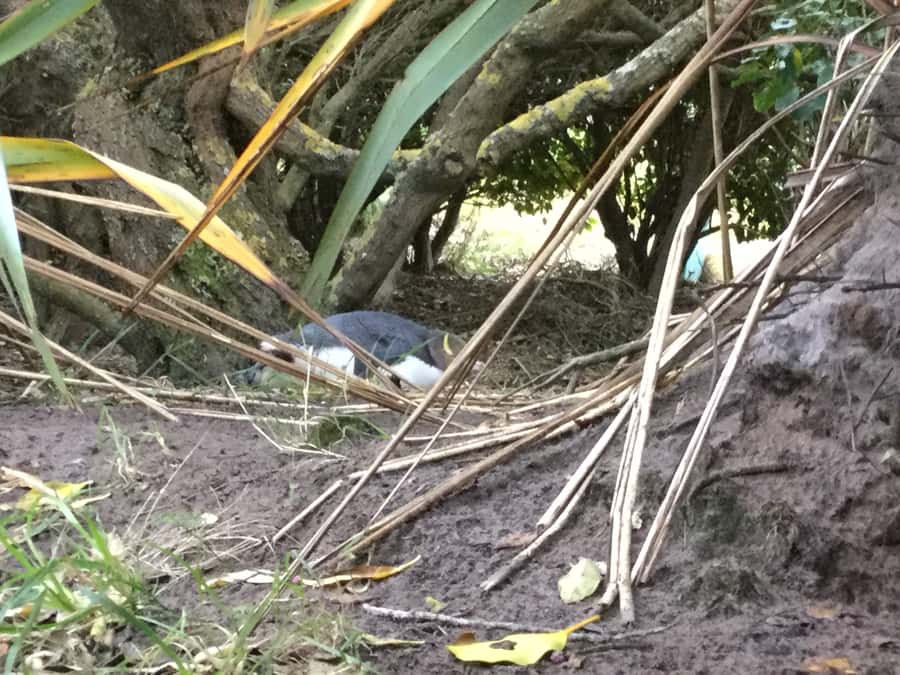
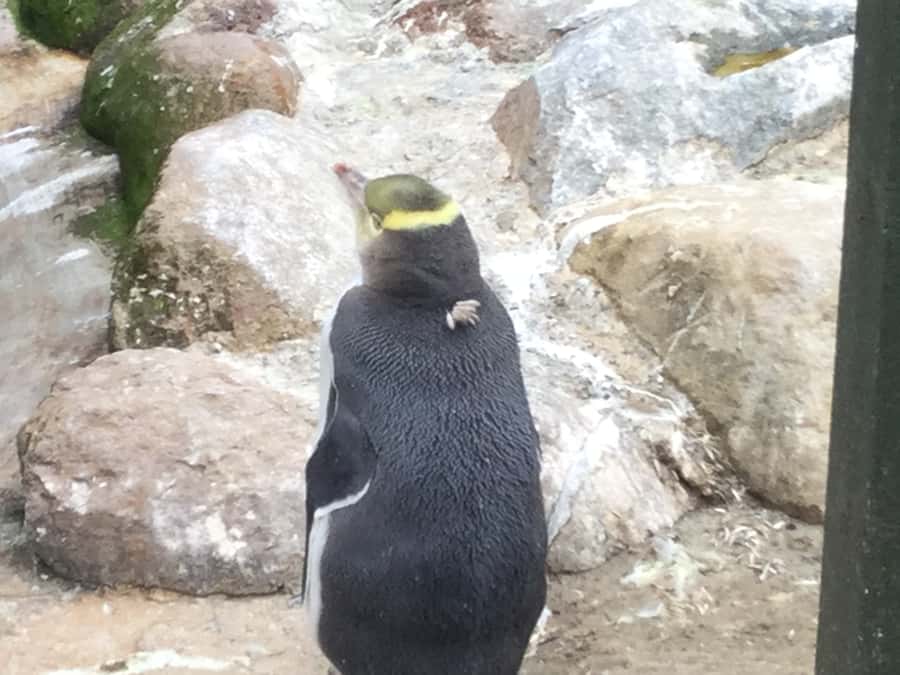
The main wildlife visit takes place at The Opera, formerly known as Penguin Place. This private reserve protects yellow-eyed penguins, one of the world’s rarest penguin species. The guided visit explains the birds, the threats they face, and the work needed to help them survive.
You may see a penguin in the rehabilitation center. You may also see one in the reserve’s natural setting. But the birds are free to roam, and sightings are not promised. Numbers along the southern coast of the South Island are very low, so on some days you may see only a few, and sometimes none in the wild.
That uncertainty can disappoint anyone booking mainly for photographs. One account of the experience described seeing a yellow-eyed penguin in a protected area but no wild birds, while another noted that the penguins were away fishing. This is not a flaw in the animals or the reserve. It is the reality of observing wildlife responsibly.
The timing can also matter. Yellow-eyed penguins may be difficult to spot during the middle of the day, and they can remain inside their wooden shelters. Flash photography is not allowed, which is good for the birds but may frustrate anyone hoping for a sharp close-up.
I would judge this stop by the quality of the conservation lesson, not just by the number of penguins visible. Your admission supports work intended to protect the species from extinction. That gives the visit real value even when nature does not produce a perfect wildlife encounter.
The walk covers about 1 kilometer at a slow pace, but it includes hills. Wear shoes with a good grip and expect some up-and-down movement. This reserve is not suitable for people with mobility impairments, and non-folding or electric wheelchairs are not allowed.
The low road changes the view on the way back
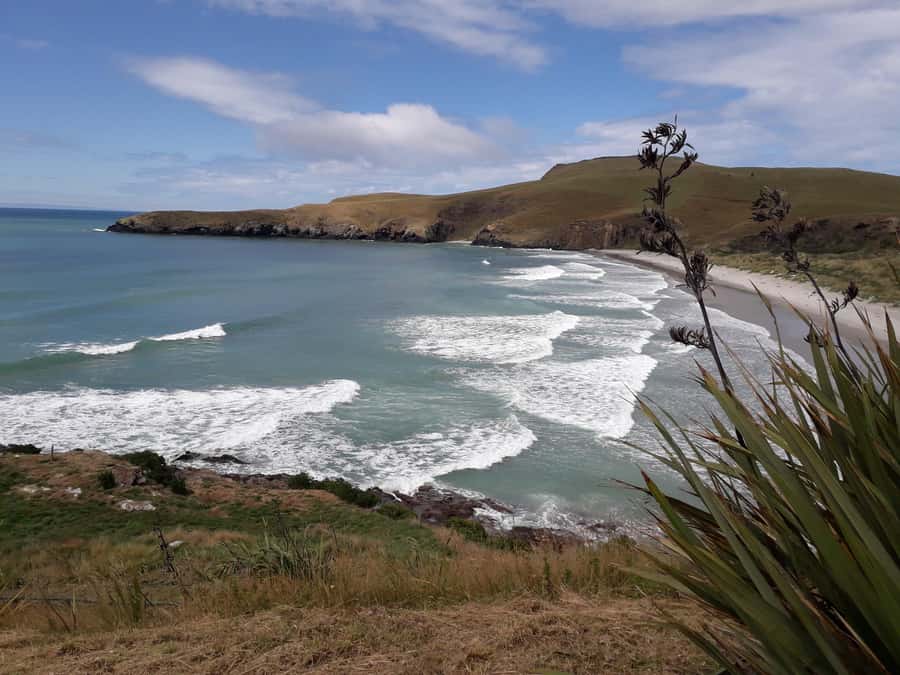
After the reserve, the return route follows the peninsula’s low road. This is a useful design choice. You do not simply repeat the same drive, and the lower route gives you a different angle on the harbor and shoreline.
The high road is about distant views and wide horizons. The low road feels closer to the water and gives the return trip its own character. The guide may continue pointing out places of interest or stopping for photographs, depending on time.
Some guides have added a personal stop when the group and schedule allow. A small group once made it possible to visit a beach, and another day included an extra stop for tiramisu ice cream. These extras are not guaranteed, but they show why group size can matter.
Lunch is practical, not leisurely
There is limited time for lunch. Your guide stops so you can buy a quick sandwich or snack, but a sit-down meal is not part of the plan. I would bring water and consider carrying a small snack of your own, especially if you prefer regular meals.
This arrangement keeps the tour moving and protects time for the peninsula. Still, you should know what you are choosing. At $191, lunch not being included is a minor extra cost, but the bigger issue is time. You will not have a long restaurant break in the middle of this outing.
The day is best for people who would rather see more places than linger over lunch. If a proper meal is a key part of your sightseeing, you may prefer a shorter city tour.
Guide quality is a major part of the value
The guides are central to this experience. Asta is praised for her warmth, local knowledge, flexibility, and pride in Dunedin. Teresa is noted for giving extra context and making frequent stops for points of interest and photographs. Josh is described as professional and deeply enthusiastic about the city.
Warren is also singled out for explaining the nature walk in an easy-to-follow way. Other guides have been described as friendly, funny, considerate, and attentive to group interests.
That range matters because the itinerary covers many subjects: city history, architecture, plants, birds, roads, coastal scenery, and penguin conservation. The vehicle time would feel much longer without a guide who can connect these pieces.
A small group also lets the guide adapt. You may get more photo stops, a little help with pacing, or a personal recommendation. Do not expect every extra mentioned above. The official route remains the city, peninsula, reserve, and port return.
Who should book this tour?
This outing suits you if you want a broad first look at Dunedin and the Otago Peninsula in one cruise day. It is especially good for people who value local guiding, scenic drives, conservation, and a small-group setting.
You should also be comfortable with:
- About 1 kilometer of walking at a slow pace
- Hills and uneven outdoor paths
- A quick lunch stop
- Six hours of sightseeing
- Wildlife sightings that depend on nature
- No guarantee of seeing yellow-eyed penguins in the wild
Families and couples who want several kinds of scenery in one day should find the variety appealing. So should photographers, as long as you accept that weather and wildlife may not cooperate.
I would hesitate if your main goal is a guaranteed penguin photograph. I would also think twice if you have difficulty walking, use a non-folding or electric wheelchair, or need a long meal break.
FAQ
Where does the tour meet?
Your guide meets you at the Port Chalmers cruise terminal waiting area between doors 1 and 2. Look for a guide holding a Fantail Tours sign.
What time does the tour start and return?
The meeting information gives a 9:15 AM pickup, while the general schedule begins at 9:00 AM. Confirm the exact time when booking. The expected return to Port Chalmers is between 3:30 and 4:00 PM.
Are yellow-eyed penguins guaranteed?
No. The penguins are free to roam, and their numbers are very low. You may see one in the rehabilitation center, in the reserve, or none at all in the wild.
How much walking is involved?
The tour involves about 1 kilometer of walking at a slow pace, including walking up and down hills.
Is lunch included?
No. There is limited time to buy a quick sandwich or snack during the tour. Lunch and souvenirs are not included in the price.
Is transportation included?
Yes. Pickup and drop-off at Port Chalmers are included, as are hotel pickup and drop-off where applicable.
Can I cancel the booking?
You can cancel up to 24 hours in advance for a full refund. A reserve-now, pay-later option is also available.
Should you book the Otago Peninsula penguin tour?
Book it if you want one well-packed day covering Dunedin’s main sights, scenic peninsula roads, and a serious conservation visit. The strongest reasons are the small groups, capable guides, port transport, and the chance to support yellow-eyed penguin protection.
Do not book it expecting a wildlife guarantee. Book it because you want to learn about a fragile species and see a beautiful part of New Zealand, with a possible penguin sighting as the reward. That is the honest value of this tour.
Just added around Dunedin
- Otago Peninsula Scenery and Dunedin City Highlights Tour★ 4.5 · 33 reviews
- Clearwater Private Penguin & Wildlife Tour from Port Otago (5hrs)★ 5.0 · 7 reviews
- Castle, Coast & City Tour – 8 pax max – Castle Entrance Included★ 5.0 · 102 reviews
- Dunedin Nature & City Tour – Full Day Cruise Excursion★ 4.5 · 87 reviews
- Shore Excursion: Dunedin City, Otago Peninsula, Castle Gardens & Olveston Tour★ 5.0 · 81 reviews
- Harbour, Albatross and Wildlife Cruise on Otago Harbour★ 4.5 · 22 reviews
- Iconic Wildlife Tour with Yellow Eyed Penguins & Royal Albatross★ 4.5 · 33 reviews
- Dunedin Shore Excursion – Sightseeing, Larnach Castle, Chinese Garden & Museum★ 3.5 · 13 reviews
Otago Peninsula Wildlife Tours, compared.
Clearwater Wildlife Tours (small group 10max) Otago Peninsula
Read our review →
Guided Evening Penguin Viewing Otago Peninsula, Dunedin, New Zealand
Read our review →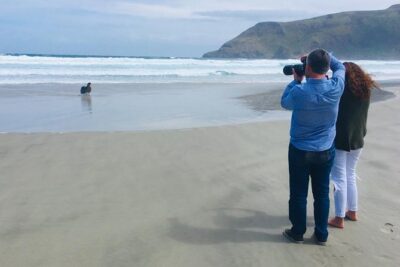
Dunedin Shore Excursion: Small-Group Tour of Dunedin and the Otago Peninsula
Read our review →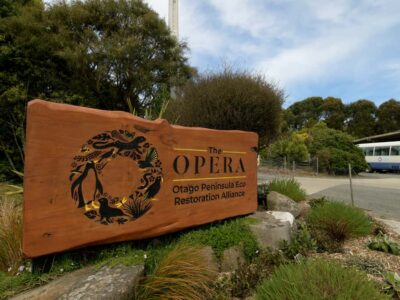
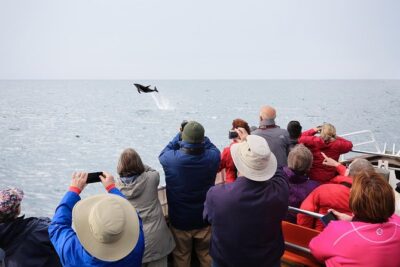
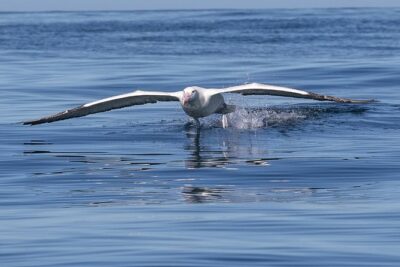
Albatross, seals, and sea birds-Wildlife Cruise
Read our review →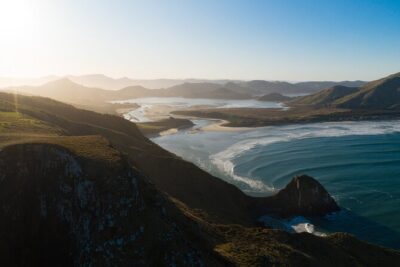
Otago Peninsula In-Depth Tour & Blue Penguins Pukekura Experience
Read our review →
Dunedin Wildlife Cruise-Albatross, seals and harbour
Read our review →Browse the lists this tour appears in