
Reviewed · STARGAZING TOURS
Lake Tekapo: Stargazing Experience at Cowan’s Observatory
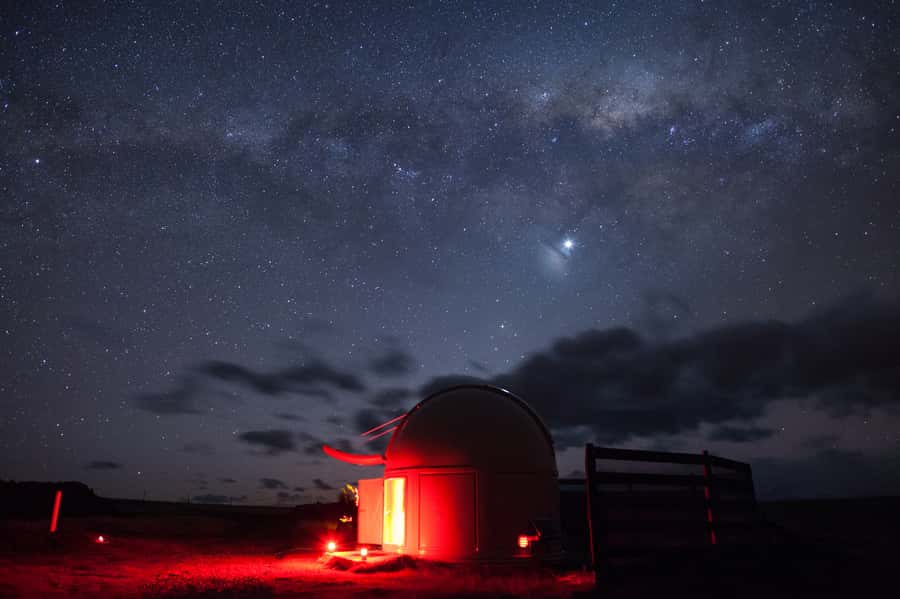
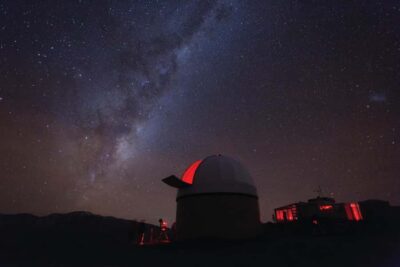
The best part of this Lake Tekapo outing is the setting: purpose-built observation craters shield you from wind and stray light while the southern sky opens overhead. You begin with the stars you can see unaided, then use powerful telescopes to look farther into the night.
I like the clear, friendly guidance, especially for first-time stargazers, and I like the return transport from central Tekapo. The main drawback is value: at $77 per person, this is not a cheap way to simply look at the stars, particularly if you already know your way around a telescope.
Key points
- Sheltered crater viewing: Watch the sky from observation craters designed to reduce wind and light.
- Gold Standard skies: Cowan’s Observatory sits within the world’s largest Gold Standard International Dark Sky Reserve.
- Guide-led astronomy: Your guide adjusts the session to what is visible that night, with languages including English, Chinese, and Japanese.
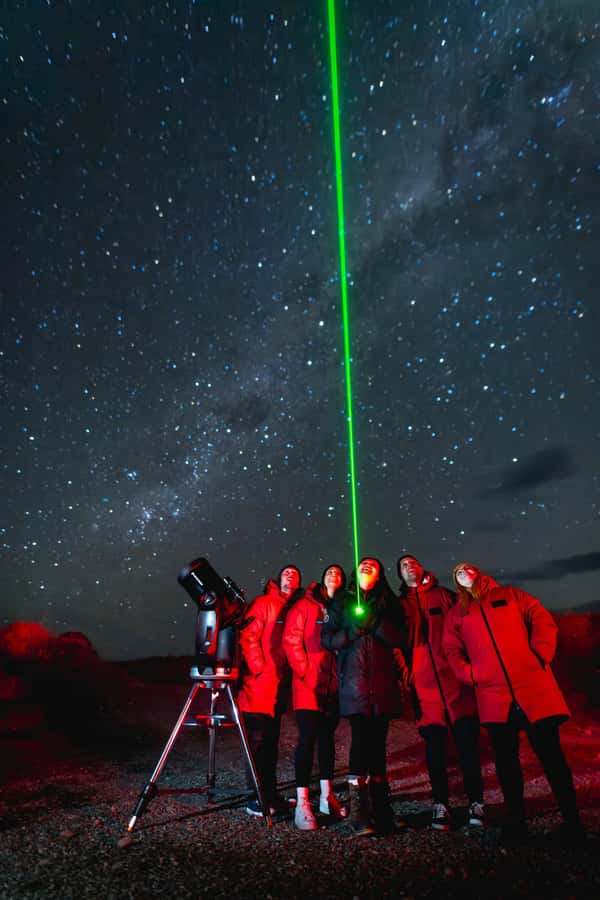
- Naked-eye and telescope viewing: You first learn to read the southern sky, then use powerful telescopes for a closer look.
- Easy central meeting point: Meet at the Dark Sky Project Booking Office at 1 Motuariki Lane in Lake Tekapo.
- Cold-weather planning matters: Warm clothing, a hat, and a scarf are essential in every season.
Why Cowan’s Observatory is more than a quick look at the stars
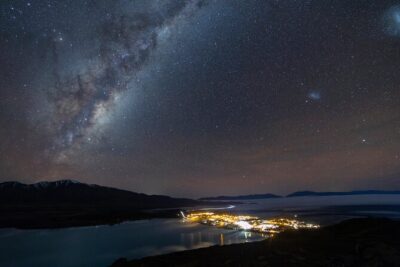
Lake Tekapo is a fine place for night-sky viewing because the region is protected from much of the artificial light that makes stars harder to see. This experience takes you beyond a casual roadside stop and into a dedicated viewing area at Cowan’s Private Observatory.
That difference matters. From the town, you may look up and see an impressive spread of stars. At the observatory, you have a guide to explain what you are seeing, sheltered craters to sit or stand in, and telescopes that bring distant objects closer.
The experience lasts 75 minutes. That is long enough for a proper introduction without turning the evening into a full night course. I would think of it as a guided first step into astronomy, not an advanced observing session for people who already own serious equipment.
The guide customizes the content according to what is visible. This is important because the night sky changes with the season, the time, and the conditions. You are not simply given the same fixed speech every evening.
More Stargazing Tours in Lake Tekapo
- Lake Tekapo: Alpine Stargazing Experience with a Guide
★ 4.5 · 626 reviews - Lake Tekapo: Stargazing Experience
★ 4.9 · 607 reviews - Chameleon Stargazing Shared Tour
★ 5.0 · 181 reviews
Meeting at Dark Sky Project in central Tekapo
Your visit begins at the Dark Sky Project Booking Office, at 1 Motuariki Lane in Lake Tekapo. Arrive with your warm layers already on, since the outdoor portion is the main event and the temperature can feel very different after sunset.
From the base building, return transport takes you to Cowan’s Private Observatory and back again. That is useful if you do not have a car, and it saves you from working out how to reach a darker viewing area on your own at night.
Pay close attention to the date when booking a start time after midnight. Late-night sessions can cross from one calendar date into the next, so check the booking date carefully before you confirm.
The meeting arrangement is simple, but do not treat the transfer as a chance to arrive unprepared. Food and drinks are not included, and there is no mention of refreshments being provided. Eat beforehand and bring what you need for the cold.
Entering the secluded observation craters
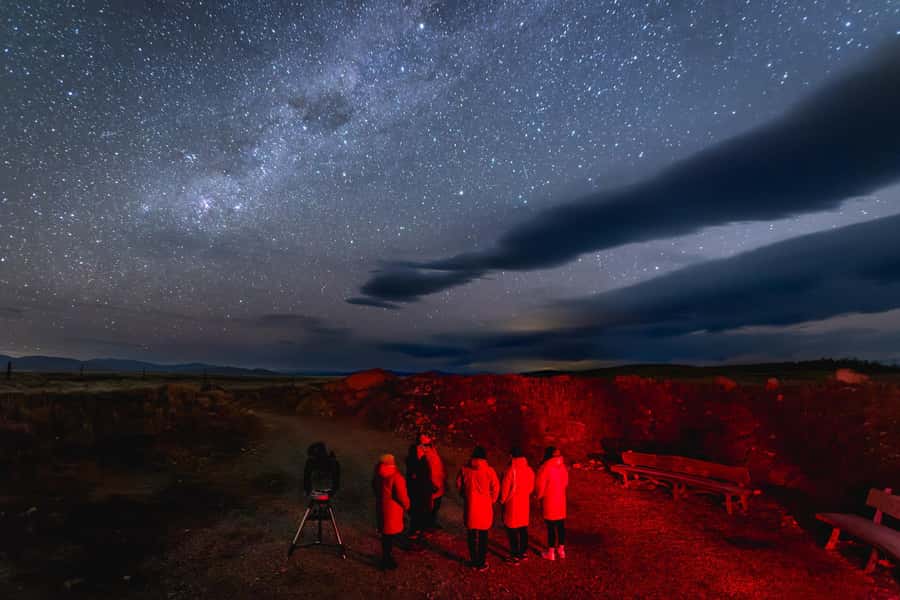
At Cowan’s Observatory, the observation craters are the unusual feature. They provide shelter from wind and help limit the effect of nearby light, giving you a more comfortable place to focus on the sky.
You are not simply standing in an open field hoping the weather behaves. The crater design gives the viewing area some protection, which can make a real difference during a 75-minute outdoor session. Even so, the craters do not replace warm clothing. Bring a hat, scarf, and warm layers regardless of the season.
The setting also helps the guide keep your attention on the sky. Once you are away from the brighter parts of Tekapo, the darkness becomes part of the experience. Your eyes have time to adjust, and the guide can point out features that might otherwise look like a confusing scatter of lights.
Flash photography is not allowed. That rule is sensible, since a bright flash affects everyone’s night vision. If you want photographs, plan to work without flash, but remember that this experience is chiefly about seeing and understanding the sky rather than collecting pictures.
Learning the southern sky without a science degree
The session begins with naked-eye stargazing. This is a strong choice for beginners because it teaches you to look at the sky as a whole before placing your eye to a telescope.
Your astronomy guide explains the southern sky and helps you understand what is visible that night. The instruction is meant for everyone, including families with older children, first-time observers, and people who already have some astronomy experience.
The guide’s role is especially valuable here. A sky full of stars can be beautiful but confusing. With a guide, you have a better chance of understanding the patterns, the Milky Way, and the larger idea of what you are looking at rather than simply hearing a list of star names.
The teaching style appears to be clear and patient. Vickey, one of the guides, has been praised for explaining things plainly and repeating points so people could follow along. That kind of repetition is helpful in the dark, where you may be trying to listen, look in the right direction, and keep warm at the same time.
The languages offered are English, Chinese, and Japanese. If you are more comfortable in one of those languages, check availability for your chosen departure time.
More dark sky nights near Lake Tekapo:
- Lake Tekapo: Mountaintop Stargazing at Mount John Summit
★ 4.5 · 176 reviews - Mount John Observatory Stargazing Experience, Tekapo
★ 4.5 · 160 reviews - Silver River Stargazing Experience in Lake Tekapo
★ 4.5 · 106 reviews - Stargazing Experience at Cowan’s Private Observatory
★ 4.0 · 85 reviews
Bringing the Milky Way closer with telescopes
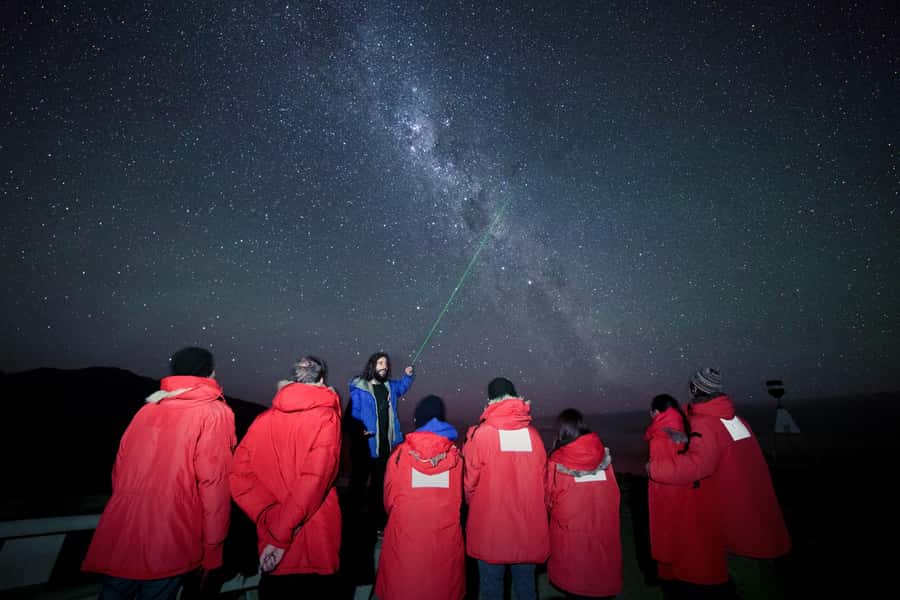
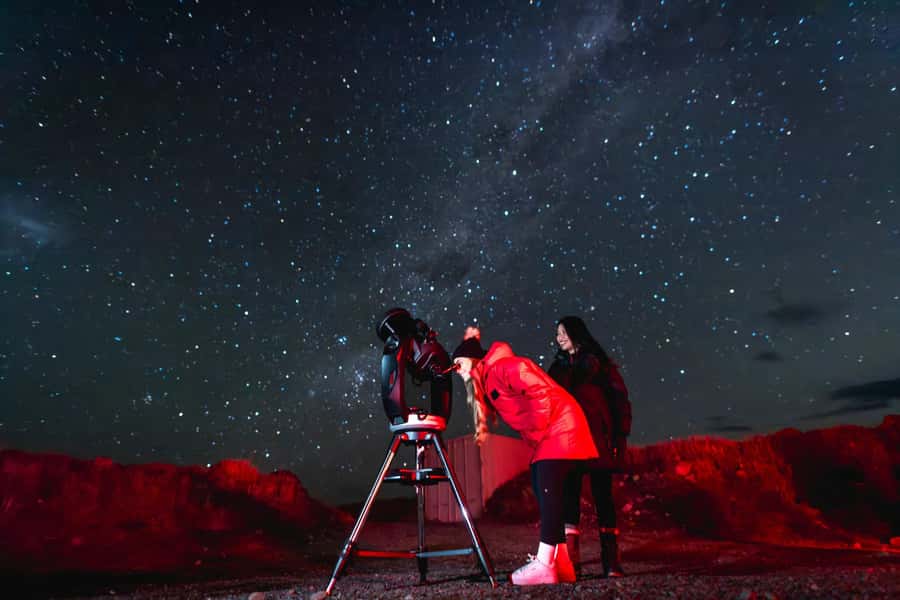
After learning to view the sky without equipment, you use powerful telescopes. This gives the experience a useful progression: first you get your bearings, then you look closer.
The supplied information does not promise a fixed list of planets or galaxies, and that is a good thing. What you see depends on the night. The guide can adjust the session to the conditions and the objects available at that time.
For a first-time stargazer, the telescope section is likely to be the most memorable part. You can look at the southern sky with help from equipment that shows more detail than your eyes can manage alone.
For an experienced amateur astronomer, the value is less certain. One customer considered the experience expensive for what it offered and suggested it was best suited to novice astronomers. That is fair advice. If you already spend your evenings tracking planets and viewing Jupiter’s moons, you may find the introductory format familiar.
Still, experienced stargazers may appreciate the location and the chance to see southern skies in a Dark Sky Reserve. Just do not book this expecting an advanced observing program or specialist equipment session.
What makes the Dark Sky Reserve important
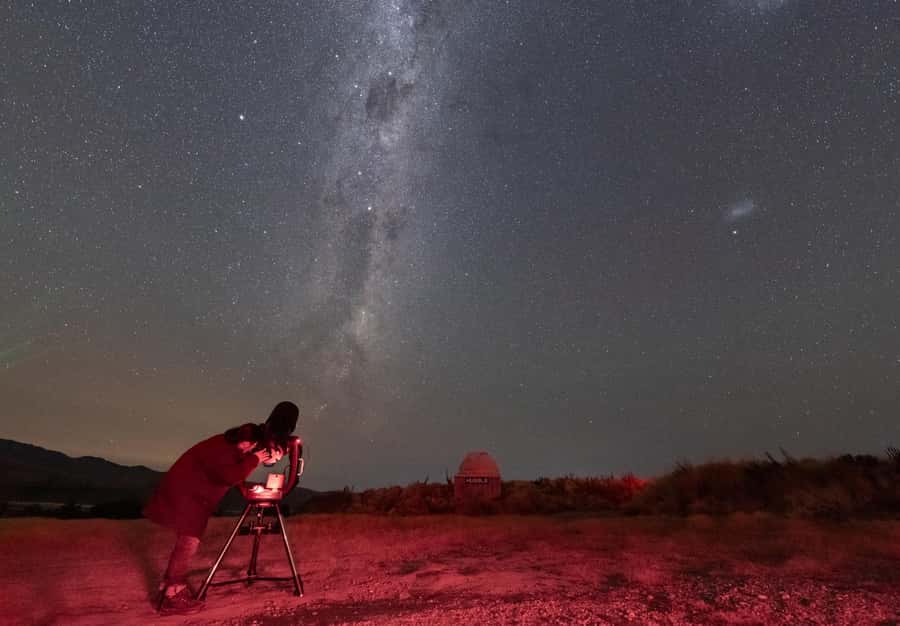
The experience takes place in the world’s largest Gold Standard International Dark Sky Reserve. That designation signals strong protection from light pollution across a large area.
You do not need to know the technical rules behind the designation to feel its benefit. Less artificial light means a darker background, making faint stars and parts of the Milky Way easier to pick out.
This is particularly useful for people who have only viewed the night sky from a city or brightly lit suburb. You may find that the largest change is not one dramatic object, but the sheer number of stars visible at once.
The reserve does not guarantee a perfect sky every night. Clouds and poor weather can still cancel the outdoor portion. If that happens, an indoor alternative is offered, or you can receive a full refund. That policy makes the weather risk easier to accept, though an indoor session cannot fully replace clear skies.
Is 75 minutes the right length?
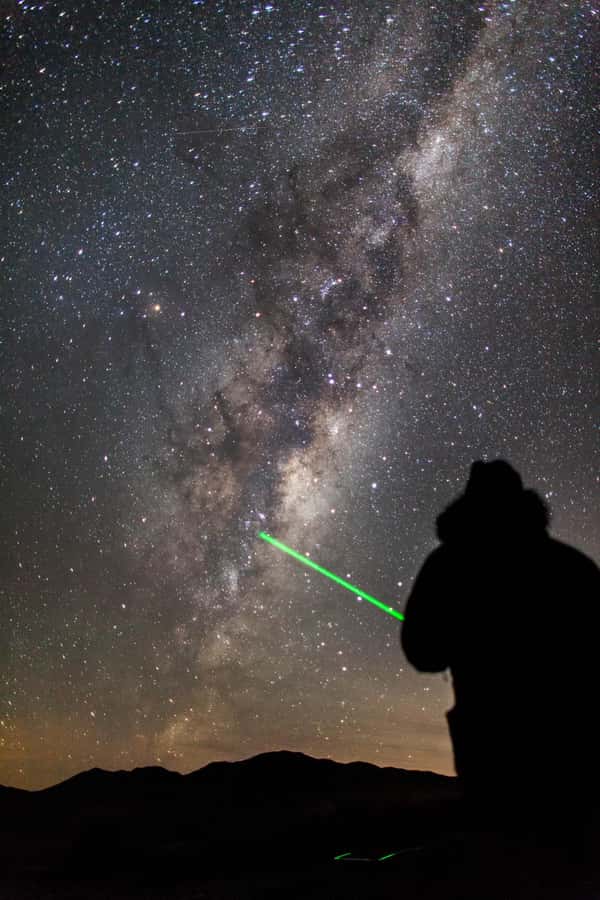
For most people, yes. A 75-minute session is long enough to include transport, orientation, naked-eye viewing, guide explanation, and telescope time without requiring a full night commitment.
The exact balance may change according to the weather and what is visible. Some nights may offer more time at the telescopes, while others may focus more on broad sky watching and explanation.
The short format also works well if you are fitting Cowan’s Observatory into a busy South Island route. Lake Tekapo is often part of a wider drive through the Mackenzie Basin, and you may not want an activity that takes up an entire evening.
On the other hand, you should not expect a slow, private astronomy retreat unless that is specifically confirmed when you book. The available information does not state the group size or promise private telescope time. If personal attention is your top priority, ask the operator before paying.
The real value of $77 per person
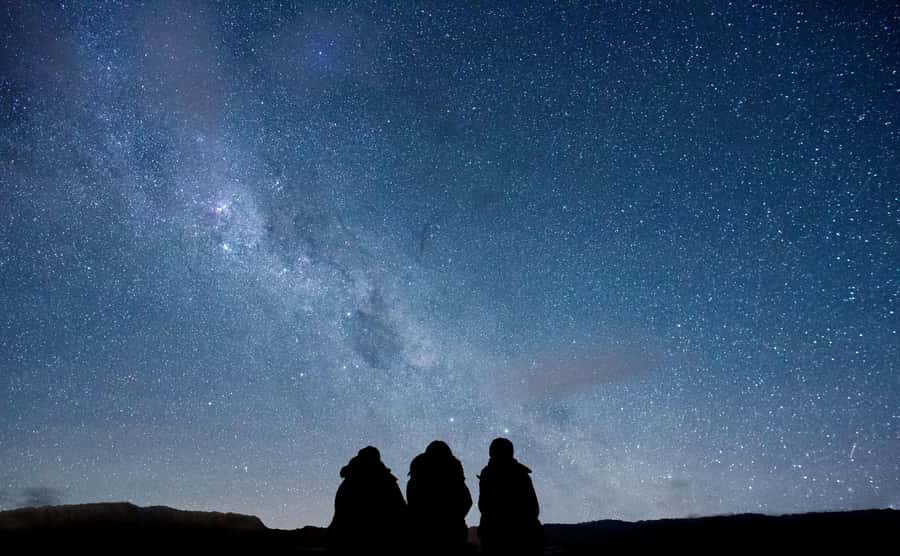
At $77 per person, Cowan’s Observatory sits in the paid-experience category rather than the casual evening activity category. You are paying for access to a protected dark-sky setting, return transport, a trained astronomy guide, sheltered viewing areas, and telescope use.
That package is easiest to justify if you are new to astronomy, visiting Lake Tekapo only once, or traveling without a car. The guide gives shape to the evening, and the transport removes the problem of finding your way to a darker site at night.
The value is less obvious if you can reach a dark area independently and are happy to look at the stars without explanation. You may also question the price if you already own astronomy equipment or regularly attend advanced stargazing sessions.
I would book it as an educational outing, not as a guaranteed list of spectacular sightings. The sky is not a stage that performs on demand. Weather, timing, and visibility all matter.
The rating of 4.7 from 52 reviews suggests a generally strong experience, but the individual feedback points to an important distinction: the guides receive high praise, while the price may feel high to experienced observers. That is the fairest way to read the value.
Who will enjoy this experience most?
This is a good match for first-time stargazers. You do not need prior astronomy knowledge, and the guide can explain the southern sky in a way that gives you a starting point.
Families can also consider it, provided every child is at least five years old. Children younger than five cannot join, and the cold may make the session demanding for young children even when they meet the age requirement.
It also suits couples and solo visitors who want a structured evening rather than an unplanned stop beside the lake. The return transfer and clear meeting point make the outing easy to add to a Tekapo stay.
You may want to skip it if your main goal is advanced astronomy. The format is an introduction for all levels, so an experienced observer may find parts of the explanation basic.
The activity is wheelchair accessible. Since outdoor surfaces and the specific movement around the observation craters are not described in detail, you should still contact the operator if you need precise access information.
What to wear and how to prepare
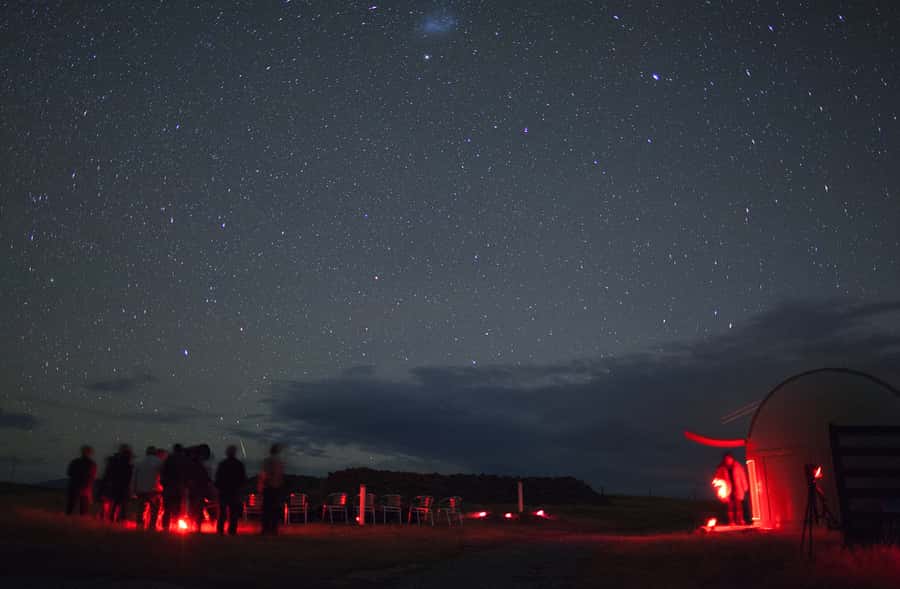
Warm clothing is essential, even in summer. Bring several warm layers, a hat, and a scarf. The wording here is worth taking seriously: this is an outdoor night activity, and the cold can distract you from the sky.
I would eat before meeting the group because food and drink are not included. You also need to avoid flash photography, both for the comfort of the group and to protect night vision.
The tour can be canceled in bad weather. You will be offered an indoor alternative or a full refund, so there is no need to treat a cloudy forecast as an automatic loss. If clear skies are especially important to you, check the weather close to departure and keep your plans flexible.
Free cancellation is available up to 24 hours in advance for a full refund. You can also reserve now and pay later, which is useful when your South Island itinerary depends on road conditions or changing plans.
Should you book Cowan’s Private Observatory?
Book this experience if you want a clear, friendly introduction to the southern sky, especially if you are new to astronomy or do not have your own transport. The sheltered craters, Dark Sky Reserve location, telescopes, and patient guides such as Vickey give the evening more purpose than simply looking upward from town.
Think twice if you already know the main planets and regularly use a telescope. At $77, the introductory nature may not feel like enough for you.
For most first-time visitors to Lake Tekapo, I would consider it a worthwhile splurge, provided you dress warmly and accept that weather controls what you see. The best reason to book is not a promise of one particular galaxy or planet. It is the chance to learn how to read a remarkably dark southern sky.
FAQ
Where does the experience begin?
Meet at the Dark Sky Project Booking Office at 1 Motuariki Lane, Lake Tekapo 7999.
How long does the stargazing experience last?
The stargazing experience lasts 75 minutes, or one hour and 15 minutes.
Is transport included?
Yes. Round-trip transport from the Dark Sky base building in Tekapo to Cowan’s Private Observatory is included.
What equipment is provided?
Powerful telescopes are provided for the stargazing session.
Is the experience suitable for beginners?
Yes. It is designed as an accessible introduction to stargazing and suits first-time explorers, families, and experienced stargazers.
What languages are available?
Live guides are available in English, Chinese, and Japanese.
Can children join the experience?
Children under five years old are not allowed to join the tour.
What should I bring?
Bring warm clothing, a hat, and a scarf. Warm clothing is essential regardless of the season.
Is flash photography allowed?
No. Flash photography is not allowed.
What happens if the weather is bad?
The tour can be canceled in bad weather. An indoor alternative will be offered, or a full refund will be provided.
Is the experience wheelchair accessible?
Yes, the activity is listed as wheelchair accessible.
Just added around Lake Tekapo
- Silver River Stargazing Experience in Lake Tekapo★ 4.5 · 106 reviews
- Tekapo Star Gazing Tour – Soak in the Stars★ 4.5 · 109 reviews
- Mt Cook Day Tour From Tekapo (Small Group, Carbon Neutral)★ 4.5 · 11 reviews
- Lake Tekapo Scenic Wilderness Cass Valley Tour★ 4.5 · 19 reviews
- Scenic 4WD Tour Lake Tekapo Backcountry★ 5.0 · 77 reviews
- Day Trip: Lake Tekapo to Mt Cook National Park★ 4.5 · 31 reviews
- Lake Tekapo Ultimate Stargazing Experience★ 5.0 · 3 reviews
- Stargazing Experience at Cowan’s Private Observatory★ 4.0 · 85 reviews
Stargazing Tours, compared.
Mount John Observatory Stargazing Experience, Tekapo
Read our review →
Silver River Stargazing Experience in Lake Tekapo
Read our review →
Stargazing Experience at Cowan’s Private Observatory
Read our review →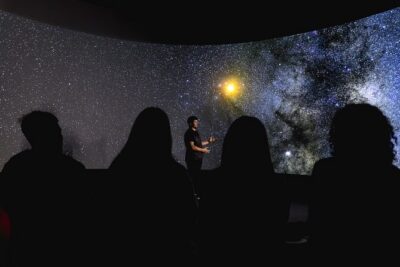
Dark Sky Indoor Maori Cultural Astronomy Experience
Read our review →Browse the lists this tour appears in