
Reviewed · STARGAZING TOURS
Lake Tekapo: Alpine Stargazing Experience with a Guide
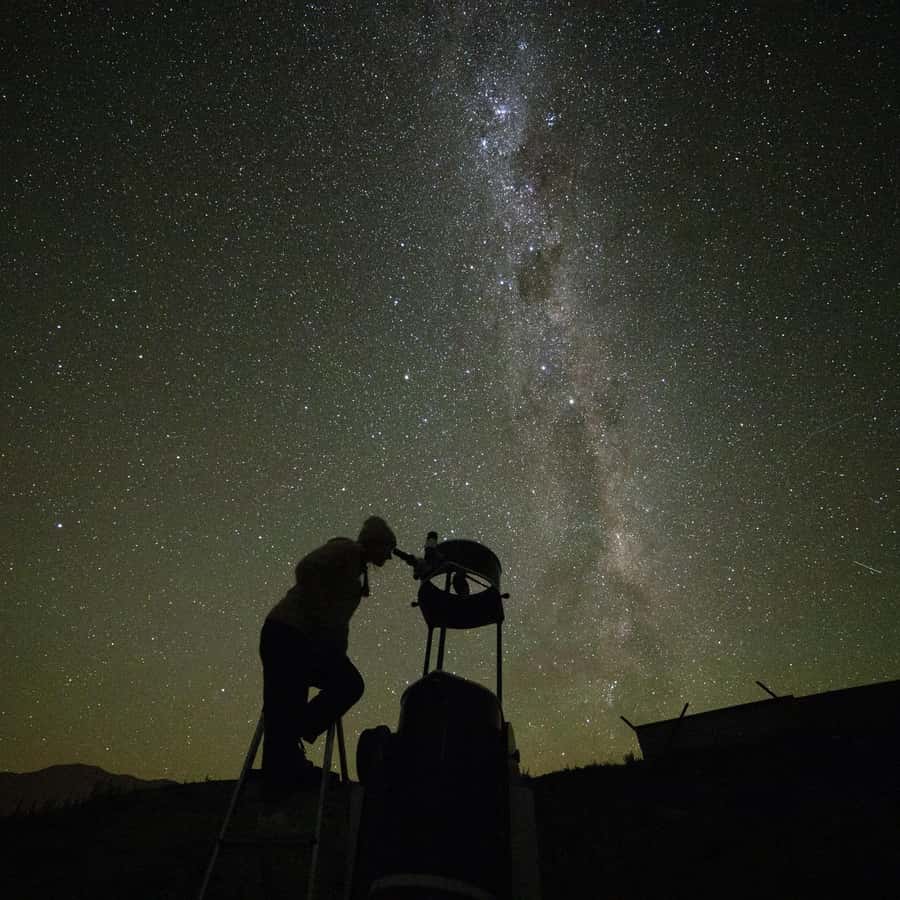
The Milky Way is the main event here. Far from Lake Tekapo’s lights, you reach a private 50,000-acre farm inside the Aoraki Mackenzie International Dark Sky Reserve, where the southern sky can look almost crowded with stars. A 14-inch telescope adds close views of objects such as Jupiter, Saturn, the Moon, star clusters, and nebulae.
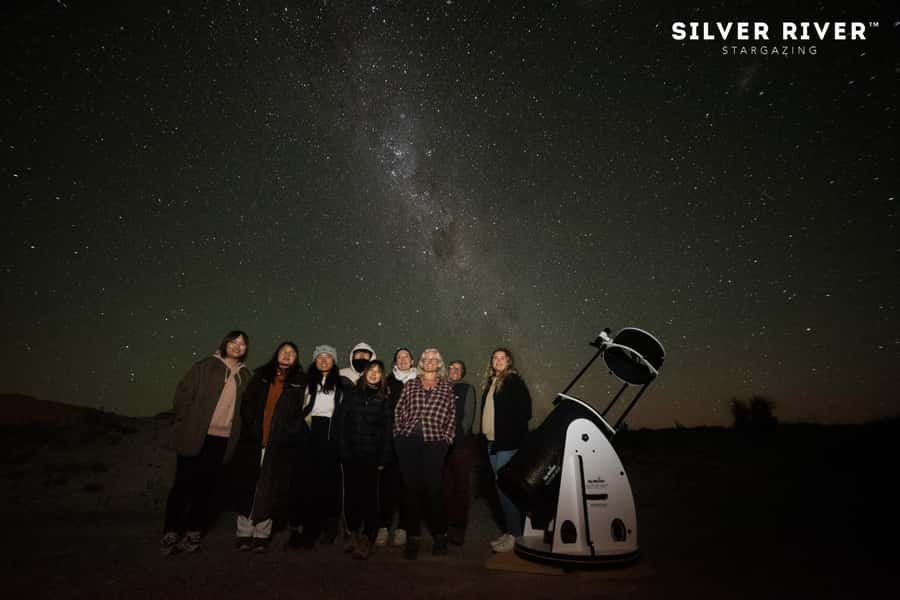
I like the small group of up to 10 people, since you get a fair chance at the telescope instead of waiting behind a large crowd. I also like the guides’ use of an astro-laser, which makes constellations easier to follow and gives the talk a clear, practical shape. The main drawback is simple: clouds, wind, and moonlight can limit what you see, and the 75-minute session may feel short if you want long periods at the telescope.
Key points before you book
- The naked-eye Milky Way may be the highlight: The reserve’s low light pollution lets you see far more stars without any equipment.
- A 14-inch telescope brings the sky closer: Depending on the night, you may view the Moon, Jupiter and its moons, Saturn, star clusters, galaxies, or nebulae.
- The farm location matters: The private site removes much of the stray light from Lake Tekapo and gives you wide 360-degree views.
- Guides make the difference: Sam, Tara, JoJo, Nicole, Marcus, and others have been praised for clear explanations, humor, and patience with questions.
- Cold-weather planning is built in: Long warm down jackets are provided, though you should still wear warm layers and sturdy shoes.
- You receive a useful souvenir: A complimentary group photo under the stars is sent by digital link, normally within 48 hours and depending on the weather.
Why Lake Tekapo is such a fine place to look up
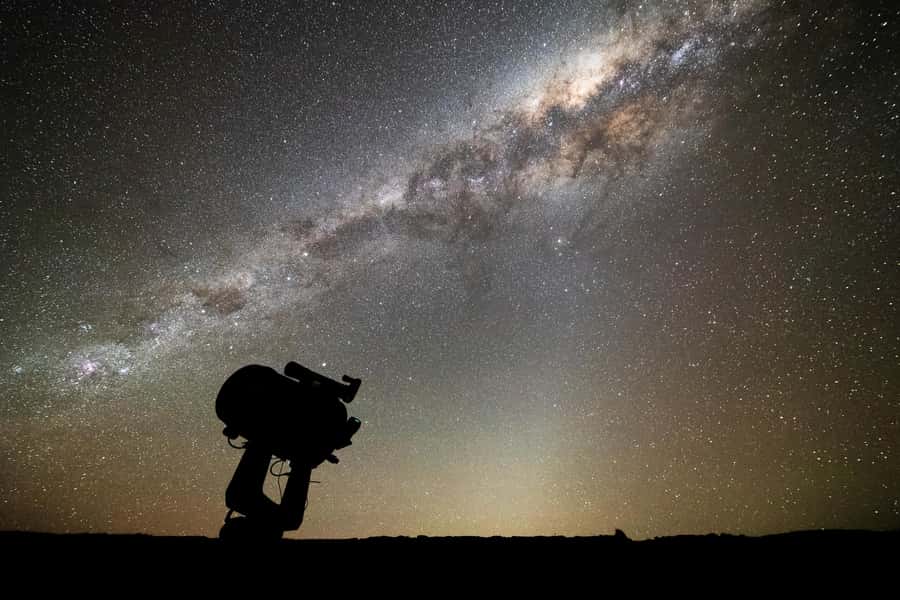
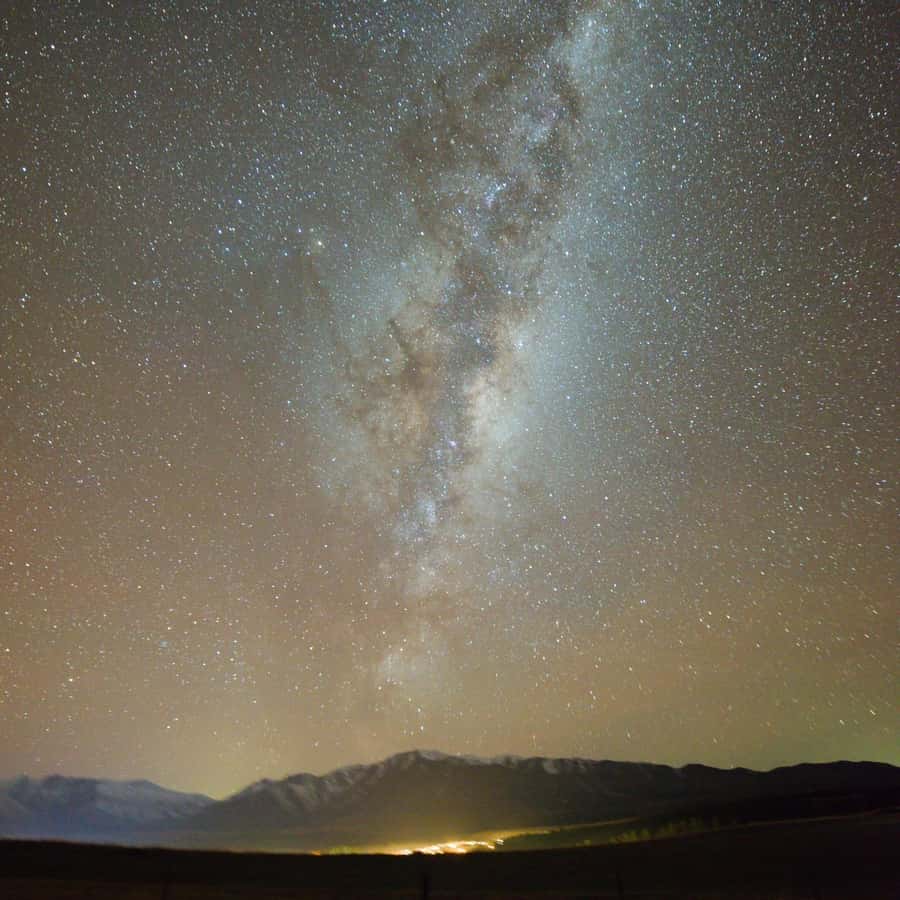
Lake Tekapo sits within the Aoraki Mackenzie International Dark Sky Reserve, a large protected area in New Zealand’s South Island. The point is not simply that the night looks pretty here. The low level of artificial light lets your eyes adjust to a much darker sky, revealing the Milky Way, faint stars, and southern constellations that are hard to see from a city.
The location also gives you a different view of the heavens from what you may know in the Northern Hemisphere. The guide can explain why the southern sky looks different and point out formations that are unfamiliar to many people. You might hear stories behind the names of stars and constellations, learn how to use stars for navigation, or discuss planets, galaxies, and the wider universe.
I like that the experience begins with the sky as you see it unaided. The telescope is impressive, but it does not replace the broad sweep overhead. Several people have found the Milky Way more powerful than the telescope views because it gives you a sense of the scale of space rather than one small, magnified target.
More Stargazing Tours in Lake Tekapo
- Lake Tekapo: Stargazing Experience
★ 4.9 · 607 reviews - Chameleon Stargazing Shared Tour
★ 5.0 · 181 reviews - Lake Tekapo: Mountaintop Stargazing at Mount John Summit
★ 4.5 · 176 reviews
From Kiwi Treasure to a private hilltop farm
Your starting point is the Silver River Stargazing office inside Kiwi Treasure, which also serves as Lake Tekapo’s post office. That detail is useful because the meeting point may not look like a dedicated observatory. Ask for the post office if you need help finding it.
After a short safety briefing of about five minutes, you collect a warm down jacket if you need one. The group then boards the tour vehicle for a transfer of roughly five minutes to the stargazing site. Some accounts describe an old bus or RV-style vehicle making the short ride up the hill, which adds a bit of character to the outing.
The farm is private and broad, with uninterrupted views in all directions. Getting away from the glow of the town is a real advantage. You are not standing beside a road or in a public park with passing headlights. Instead, the group settles at a prepared viewing area on the farmland, where chairs and the telescope are ready.
The ride is brief, so transportation is not the reason to book this activity. Its value is that the vehicle takes you to a darker place quickly and avoids the need to arrange your own access to private land.
A 60-minute guided tour with room to ask questions
The main session lasts about one hour. The guide first helps you get oriented in the darkness, then uses an astro-laser to trace stars and constellations. This is a small but important tool. In a dark sky, it is easy to lose track of which point of light the guide means. The laser connects the explanation to the actual sky above you.
The talks are not limited to technical astronomy. Guides have explained the origins and stories behind star names, compared different cultural interpretations, and shown how to find certain patterns. This gives the session more shape than simply pointing at bright objects one by one.
The guides named in the feedback include Sam, Tara, JoJo, Nicole, Marcus, Evan, Keira, Estelle, Cody, Simon, Wilson, Roselyn, and Sakura. Individual styles vary, but the strongest pattern is clear: you can expect a guide who explains the subject in plain language, answers questions, and tries to involve the whole group.
Families may find this especially useful. One guide patiently handled children’s questions, while another helped an 18-year-old become interested enough to keep learning about astronomy afterward. Teenagers also enjoyed the telescope and the chance to ask questions rather than listen to a long lecture.
The experience is offered in English and Japanese, with live guides in both languages. If you have hearing or vision concerns, tell the staff at the start. One person with visual impairment found the laser particularly helpful, and the guide made extra effort to help with the telescope.
What you might see through the 14-inch telescope
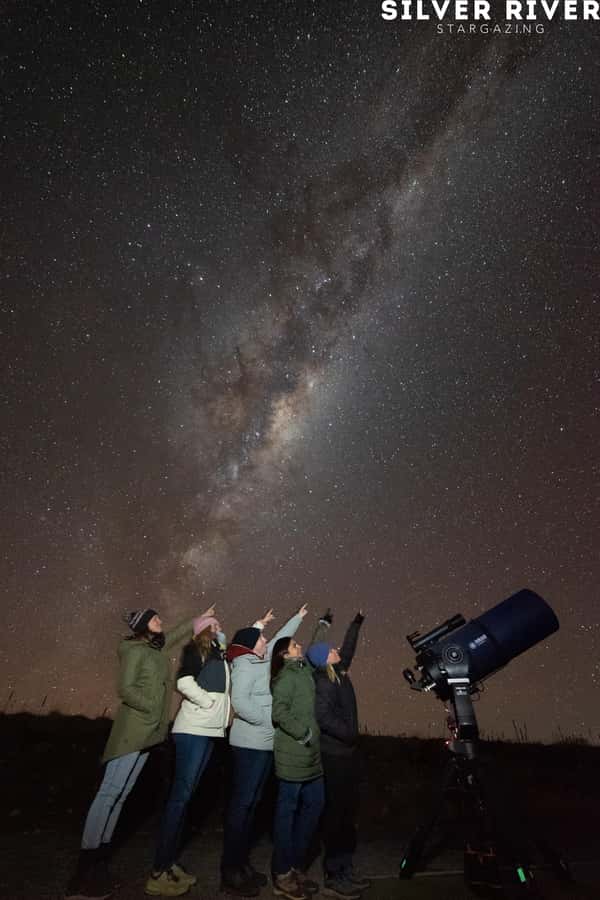
A 14-inch telescope is the technical centerpiece of the tour. Its size allows the guide to show more than bright stars alone, including deep-sky objects that are difficult to pick out without optical help.
Exact viewing targets depend on the season, weather, and the position of the planets. Past sessions have included the Moon, Jupiter and its four largest moons, Saturn, star clusters, nebulae, and a neighboring galaxy. A meteor has also appeared during one outing, though that is pure luck rather than something the operator can promise.
The Moon can be bright and detailed through the telescope, but a full or nearly full moon also washes out some fainter stars. One person still had a good night despite an almost full moon, while another found a new moon especially helpful. If you have flexible plans, a darker moon phase may improve the view of faint objects.
The telescope is shared among the group, so you should not expect private, continuous use. The group limit of 10 gives you a better chance of several turns, but the 75-minute total includes the transfer, briefing, explanations, and photography. A few people have wished for more telescope time. That is a fair criticism if you are already an astronomy enthusiast.
For most first-time sky watchers, the telescope provides enough variety. You may look at a planet, then step back and see how it fits into the larger sky. That change between close-up detail and the naked-eye view is one of the best parts of the evening.
More dark sky nights near Lake Tekapo:
- Mount John Observatory Stargazing Experience, Tekapo
★ 4.5 · 160 reviews - Silver River Stargazing Experience in Lake Tekapo
★ 4.5 · 106 reviews - Stargazing Experience at Cowan’s Private Observatory
★ 4.0 · 85 reviews - Dark Sky Indoor Maori Cultural Astronomy Experience
★ 4.5 · 70 reviews
Cold air, wind, and the practical side of stargazing
Night temperatures around Tekapo can make a short outdoor session feel much longer. The operator supplies warm, long down jackets, and this is more than a minor extra. You may arrive with clothing suited to a daytime visit around the lake, not an hour sitting still on an exposed hill.
Still, treat the provided jacket as backup rather than your entire cold-weather plan. Wear warm layers, covered shoes, and clothing that lets you remain comfortable while standing or sitting outside. The jackets were appreciated during cold and windy evenings, but wind has affected telescope clarity on some nights.
Chairs are available at the viewing area, which helps because you are outside for the full guided portion. Hot drinks and blankets are not listed as included. One person specifically wished they were available, so bring your own warm drink only if the operator permits it and you can manage it safely in the dark.
The site is described as wheelchair accessible, but the information does not give detailed terrain or vehicle specifications. If you use a wheelchair, contact Silver River Stargazing before booking so the staff can confirm that the current departure and farm access suit your needs.
Weather is the one thing no tour can control
Stargazing is always weather dependent. Clouds can block the telescope and hide the stars, while wind can make views through the instrument less sharp. One session took place under clouds but still offered a useful introduction when gaps appeared. Another could not provide telescope views because the weather stayed closed in.
The operator may adjust the starting time slightly if conditions change. A 15-minute delay helped one group catch a clearer sky, and the short delay did not disrupt the evening. You should keep your schedule a little flexible rather than planning a tight dinner reservation immediately afterward.
A cloudy night is not automatically a wasted night. The guide can still explain the southern sky, and the darkness of the farm remains part of the experience. But you should book this with realistic expectations. No guide can guarantee the Milky Way, a planet, an aurora, or a clear telescope image.
The Southern Lights, or Aurora Australis, have appeared during some outings and added a spectacular bonus. That is a lucky extra, not part of the standard promise. Book for the dark sky and astronomy lesson first, and treat an aurora as a gift.
The complimentary photo is a smart final touch
Near the end, the guide takes a group photograph under the stars, depending on weather and visibility. You receive a digital link, normally within 48 hours, so you can share the image or keep it as a souvenir.
Night-sky portraits are difficult to make on your own. A normal phone snapshot usually turns people into dark shapes or loses the stars entirely. Having the guide handle the photograph gives you a useful record of the evening without asking you to spend the session adjusting camera settings.
The image is a group photo, so it may not suit you if you want a private portrait. Still, at $59 per person, a high-quality digital keepsake adds real value, especially for families and couples who may otherwise leave with only memories and cold fingers.
Some outings have also included a postcard. The confirmed included item is the digital photo, so regard any additional paper souvenir as a pleasant extra rather than something to count on.
Is $59 good value for 75 minutes?
At $59 per person, this is not the cheapest way to look at the night sky. You can always step outside in Tekapo and look up for free. The question is what the paid experience adds.
You are paying for transport to private farmland, access to a large 14-inch telescope, a guide who can explain what you are seeing, warm down jackets, a small group, and the digital photo. If you already own astronomy equipment and can reach an equally dark place, the value may be less obvious.
For most visitors, the price is reasonable because the guide turns a dark sky into something you can understand. Instead of seeing thousands of points and wondering what matters, you learn where to look and why the southern sky is different. The telescope also gives you views that your eyes alone cannot provide.
The small group is important to the calculation. With no more than 10 people, the ratio of equipment to participants is better than on a large coach outing. You still need to share the telescope, but the arrangement gives you more personal attention and a better chance to ask questions.
The 75-minute duration keeps the cost and time commitment manageable, but serious amateur astronomers may want a longer session. For a first astronomy experience during a Lake Tekapo stay, I consider the package worthwhile.
Who should book this experience?
I would choose this tour for first-time stargazers, families with older children, couples, solo visitors, and anyone who wants context rather than a silent view of the sky. The guides make the subject accessible, and the laser demonstrations help you follow along even if you know little about astronomy.
It also suits people visiting from the Northern Hemisphere who want to understand the southern sky. The chance to see the Milky Way clearly, then examine planets or deep-sky objects through a telescope, gives the night more depth than a simple lookout stop.
Children are allowed, but there is a limit of one infant per tour, and the infant must be booked onto the earliest departure of the night. The late timing may also test young children’s patience, so consider your family’s bedtime habits before booking.
You may want to think twice if you dislike cold outdoor activities, have a very tight schedule, or would be disappointed by clouds. The tour provides jackets, but it remains an outdoor night experience. Astronomy enthusiasts may also prefer a longer, more specialized program with more telescope time.
Cancellation is flexible up to 24 hours before departure for a full refund, and you can reserve now and pay later. Those options help if the weather forecast is uncertain, though they do not remove the need to check conditions before you go.
My verdict: book it for the guide and the sky
I recommend Silver River Stargazing if you have one clear evening in Lake Tekapo and want more than a quick look upward. The private farm, low light pollution, 14-inch telescope, and small group create a strong package at $59.
The greatest reward may be the unaided view of the Milky Way, while the best practical feature is the guide’s ability to explain what you are seeing. Ask questions, dress warmly, and keep your plans flexible for weather.
Book it if you want an approachable introduction to the southern night sky, especially with children or teenagers. Skip it only if a short session feels too limited, or if you need guaranteed telescope viewing. The stars are free, but learning how to read them is what makes this outing worth paying for.
FAQ
Where does the Lake Tekapo stargazing tour meet?
Meet at the Silver River Stargazing office inside Kiwi Treasure, which is also Lake Tekapo’s post office.
How long does the experience last?
The full activity lasts 75 minutes. This includes a five-minute safety briefing, approximately five minutes of transport each way, and about one hour at the stargazing site.
How far is the stargazing location from the meeting point?
The transfer takes about five minutes each way. The site is on private 50,000-acre farmland within the Aoraki Mackenzie International Dark Sky Reserve.
How many people are in each group?
The small-group option is capped at 10 people. This allows guests to share the telescope while still having time with the guide.
What telescope is provided?
You can use a modern 14-inch telescope to view deep-sky objects and, depending on the conditions and season, targets such as the Moon, Jupiter, Saturn, star clusters, galaxies, and nebulae.
Are warm clothes provided?
Warm down jackets are included. You should still wear suitable layers because the viewing area can be cold and windy.
Is the tour available in Japanese?
Yes. Live guiding is available in English and Japanese.
What happens if I need to cancel?
You can cancel up to 24 hours in advance for a full refund. You can also reserve your place and pay later, subject to availability.
Just added around Lake Tekapo
- Silver River Stargazing Experience in Lake Tekapo★ 4.5 · 106 reviews
- Tekapo Star Gazing Tour – Soak in the Stars★ 4.5 · 109 reviews
- Mt Cook Day Tour From Tekapo (Small Group, Carbon Neutral)★ 4.5 · 11 reviews
- Lake Tekapo Scenic Wilderness Cass Valley Tour★ 4.5 · 19 reviews
- Scenic 4WD Tour Lake Tekapo Backcountry★ 5.0 · 77 reviews
- Lake Tekapo Ultimate Stargazing Experience★ 5.0 · 3 reviews
- Day Trip: Lake Tekapo to Mt Cook National Park★ 4.5 · 31 reviews
- Stargazing Experience at Cowan’s Private Observatory★ 4.0 · 85 reviews
Stargazing Tours, compared.
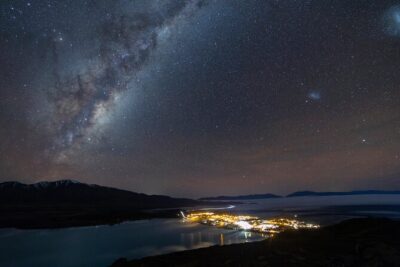
Mount John Observatory Stargazing Experience, Tekapo
Read our review →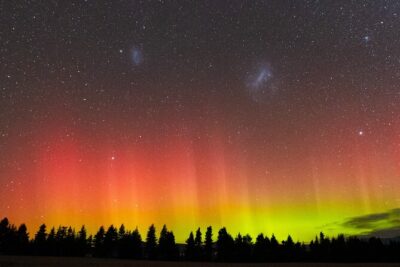
Silver River Stargazing Experience in Lake Tekapo
Read our review →
Stargazing Experience at Cowan’s Private Observatory
Read our review →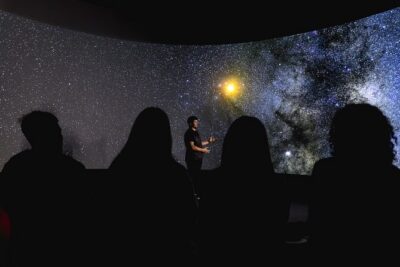
Dark Sky Indoor Maori Cultural Astronomy Experience
Read our review →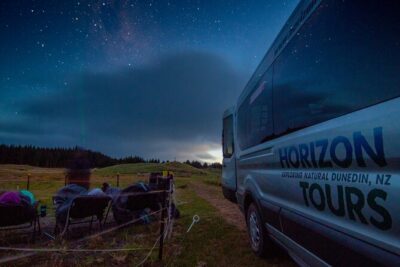
Browse the lists this tour appears in