
Reviewed · 2-HOUR EXPERIENCES
Akaroa: Pohatu Penguins Scenic Nature 2-Hour or 4-Hour Tour
The best part of this Akaroa outing is that the penguins are only one piece of the story. You cross the crater rim of an extinct volcano, reach a working sheep farm at Pohatu Bay, and learn how one local family protects little blue penguins on mainland New Zealand. The scenery is superb, and guides such as Kevin, Joey, Meg, Becky, and Duncan bring real local feeling to the drive.
I especially like the farm visit and sheep feeding, which gives the trip a friendly New Zealand touch, and the fact that your money helps fund penguin protection. The main consideration is timing: penguins and native wildlife are seasonal, so this is a nature and conservation tour, not a guaranteed penguin viewing show.
Key points to know before you book
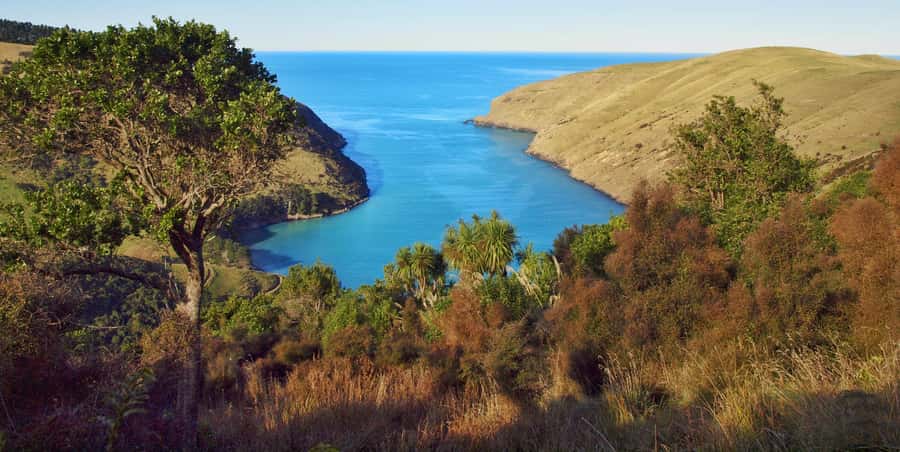
- A 700-meter volcanic lookout: Cross the crater rim of the old Akaroa volcano for wide views over Akaroa Harbor and the Pacific Ocean.
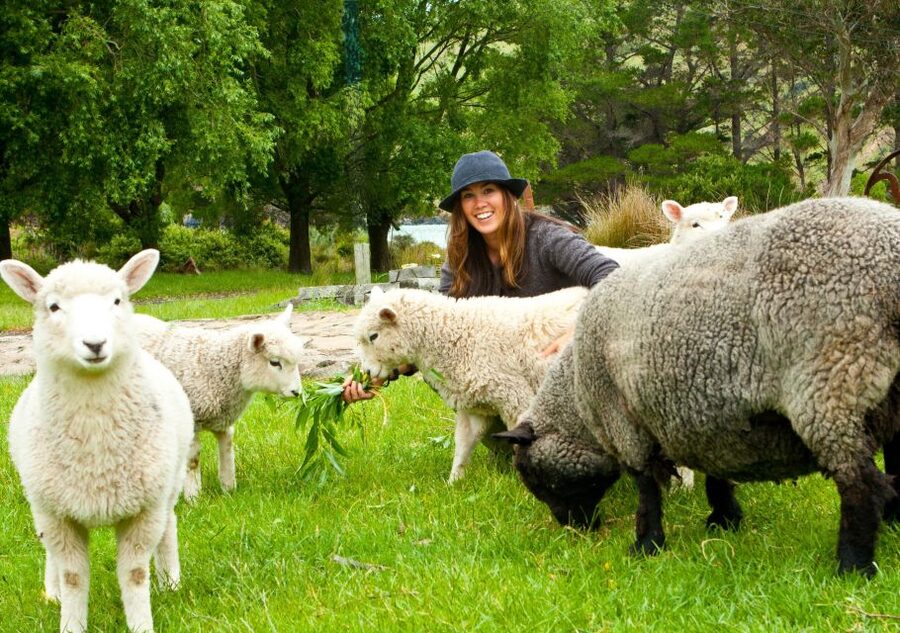
- A working farm at Pohatu Bay: Meet friendly sheep and hand-feed them during a relaxed stop by the coast.
- A conservation visit, not a wildlife performance: You may inspect nesting boxes in season and learn how the colony is protected.
- Two tour lengths: The two-hour trip suits a tight schedule, while the four-hour option adds Akaroa Heads Lighthouse Reserve, more time at Flea Bay, and tea with homemade baking.
- Season matters: The main penguin rehabilitation work runs from mid-November to mid-February, and only four-hour participants can view that work.
- A 4WD is essential: The minivan takes you along roads and routes that independent visitors would not easily reach.
From Akaroa to the crater rim
The trip begins at Unit 2, 8 Rue Balguerie in Akaroa. Look for the building with shade sails behind the BNZ building on Rue Lavaud. The starting point is central, but check the meeting instructions carefully before you set off, especially if you are arriving by cruise ship.
You leave town in a 4WD minivan with an English-speaking guide. The vehicle matters here. Pohatu Bay and Flea Bay are reached by a scenic, winding route over the crater rim, and this is not a simple coastal stroll from Akaroa.
The drive itself forms much of the experience. Your guide explains how the volcanic shape of Banks Peninsula influenced the harbor and the bays, then points out local plants, animals, and landmarks. Guides are often praised for making the commentary lively rather than turning it into a dry lecture. Kevin, in particular, is remembered for his humor, while Joey is noted for her strong local knowledge and careful driving on the winding road.
I would choose a seat with a good window view and keep your camera ready. The tour includes photo stops, so you are not expected to photograph everything through the glass. Still, weather can change quickly, and one outing in January had such poor conditions that the scenery was harder to appreciate. The trip can remain worthwhile in rain, but clear weather gives you far more from the lookout stops.
A few more Akaroa half-days to weigh up
- Akaroa Dolphins ~ Harbour Nature Cruise
★ 5.0 · 2,143 reviews - Akaroa: Dolphin Nature Cruise
★ 4.9 · 440 reviews - Akaroa Harbour Nature Cruise
★ 5.0 · 332 reviews
The 700-meter lookout above Akaroa Harbor
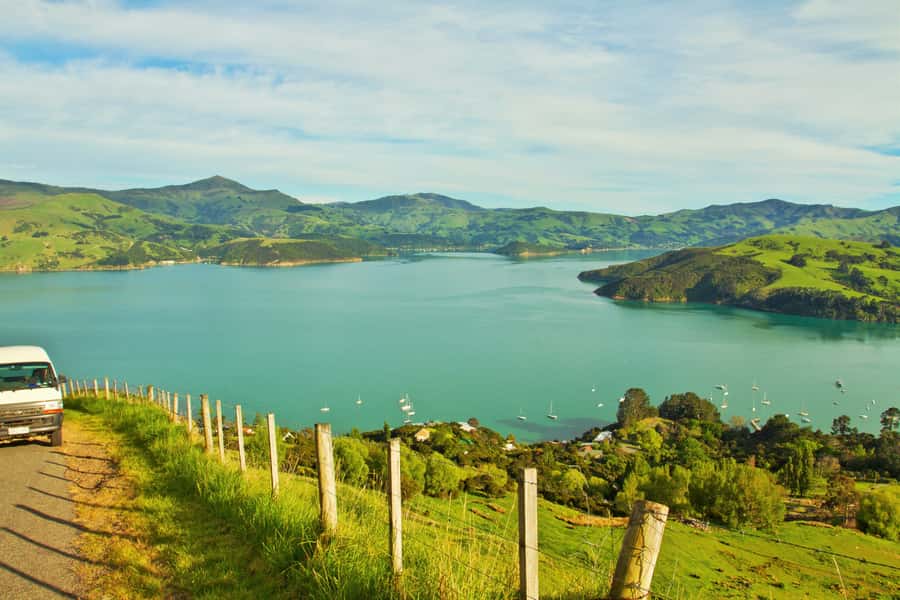
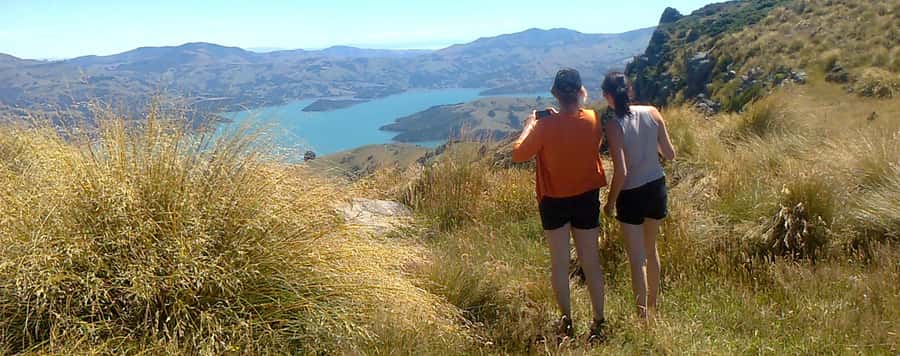
One of the most striking stops is high on the crater rim, at a lookout around 700 meters above sea level. From here, you can see the curves of Akaroa Harbor and the outer coast leading toward the Pacific Ocean.
This is where the tour gains its sense of scale. At sea level, Akaroa feels like a small harbor town. From above, the old volcanic crater and the many folds of the peninsula become easier to understand. I like this stop because it gives useful context to the rest of the trip. You are not just being driven to a farm. You are seeing how geology shaped the roads, bays, pasture, and settlement around you.
The guide also supplies the area’s human story, including local farming and the long-running work to protect wildlife. The commentary is one of the strongest reasons to take this tour rather than simply drive around Akaroa on your own. Several guides have been singled out for answering questions patiently and adjusting the amount of detail to the group.
The lookout is also a practical reminder to wear proper shoes. This is not described as a strenuous hike, but you will be getting in and out of a vehicle and exploring outdoor stops. Comfortable shoes and a bottle of water are sensible choices.
Meeting sheep at the Pohatu family farm
At Pohatu Bay, the tour visits a working sheep farm. This is a small but memorable part of the trip, especially if you are looking for something more personal than a standard scenic drive.
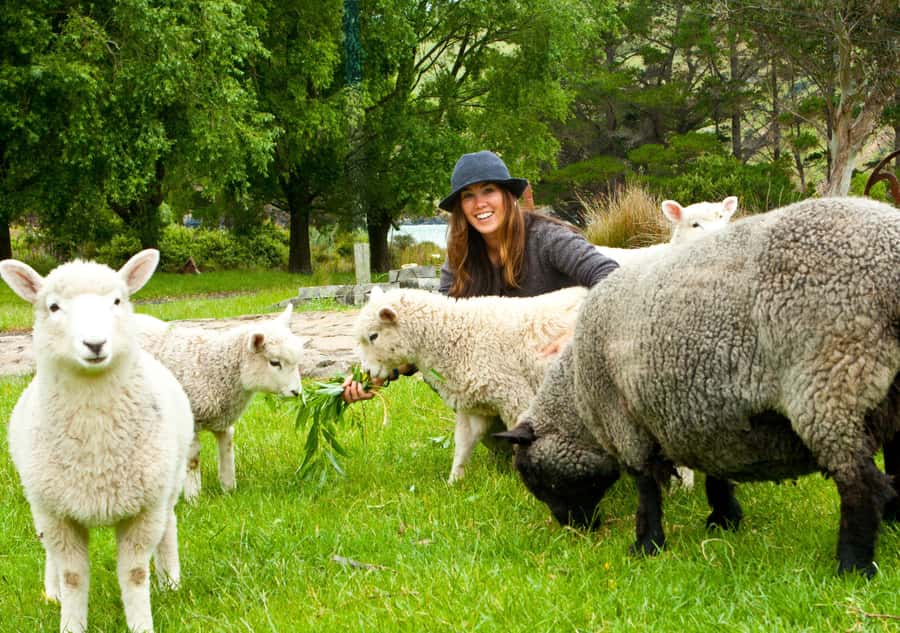
You can meet friendly pet sheep and hand-feed them. Families with children often find this the easiest part of the outing to enjoy, since it is direct, gentle, and easy to understand. It also gives you a glimpse of working rural New Zealand, where farming and conservation share the same piece of land.
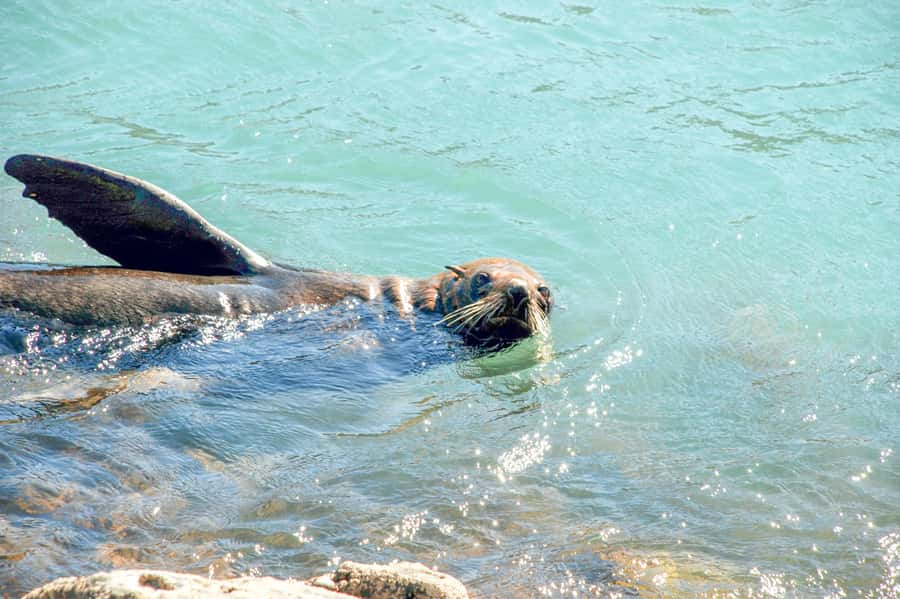
The farm sits near the beach, adding another pleasant change of scene after the high lookout. You may see other wildlife in the area too, including New Zealand fur seals. The animal sightings are not promised, but seals have appeared as a welcome extra on several trips.
I appreciate that the sheep stop does not feel bolted onto a wildlife itinerary. The farm is part of the conservation story. The local family manages land, livestock, and penguin habitat together, and the guide can explain how those concerns overlap.
Learning how little blue penguins are protected
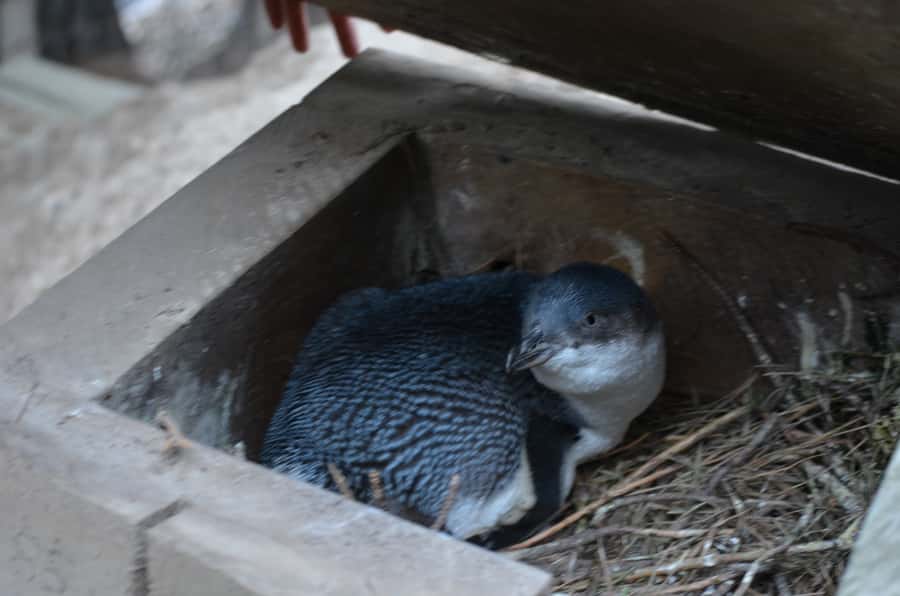
Pohatu Bay is home to the largest colony of little penguins on mainland New Zealand. These small penguins, also called little blue penguins, are the main wildlife focus of the tour, but you should arrive with realistic expectations.
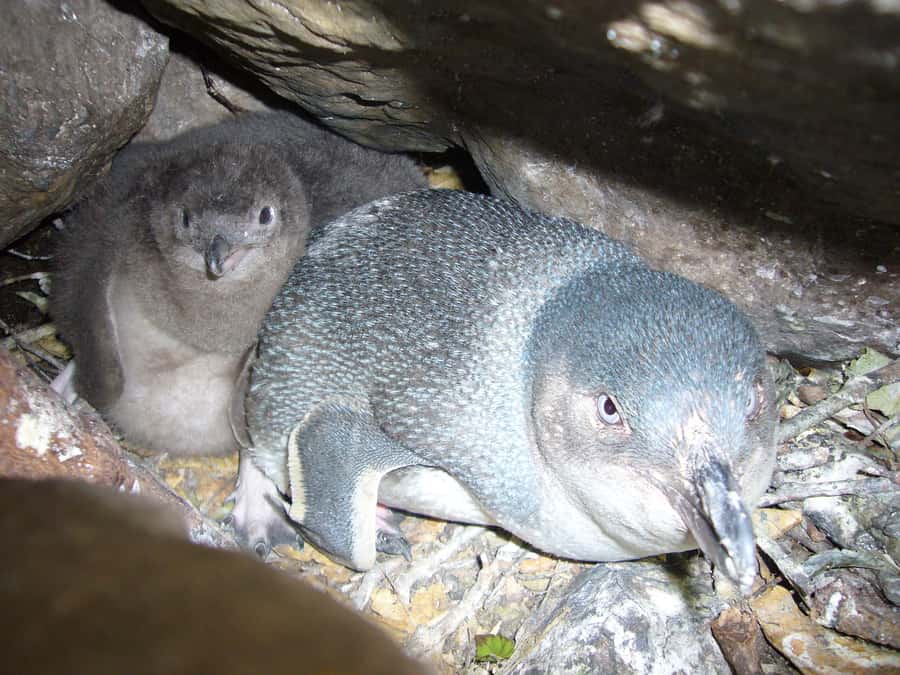
You may see penguins in nesting boxes during the appropriate season. The guide may explain their breeding, nesting, feeding, and rehabilitation, and may monitor nesting sites as part of the conservation work. Some outings have included close views of penguins in boxes, including young birds waiting to be fed or adults going through their moulting period.
That close access is carefully tied to the conservation program. This is not a place where penguins are gathered for easy photographs. Flash photography is not allowed, and the emphasis is on protecting the birds and explaining their needs. You are there to observe and learn, not to chase a guaranteed encounter.
Penguin numbers and visibility change through the year. Some visitors have seen several birds, while others have had only a short sighting or no major encounter. In the off-season, you may still spot a penguin, but you should book this trip because you want the whole nature experience, not because you expect a fixed number of birds.
The conservation work gives the tour its purpose. Your ticket directly helps support protection at Pohatu Bay. That includes managing nesting boxes and rehabilitation efforts, which makes the cost feel more useful than a simple sightseeing fare.
Same corner of the country, a completely different day out:
- Swimming with Wild Dolphins in Akaroa
★ 4.5 · 261 reviews - Akaroa Harbour 2-Hour Dolphin Nature Cruise
★ 4.7 · 235 reviews - Akaroa Shore Excursion: Banks Peninsula and Christchurch City Sights Tour
★ 4.0 · 228 reviews - Shore Excursion Guided Sea Kayaking through Akaroa Marine Reserve
★ 5.0 · 160 reviews
What the four-hour tour adds
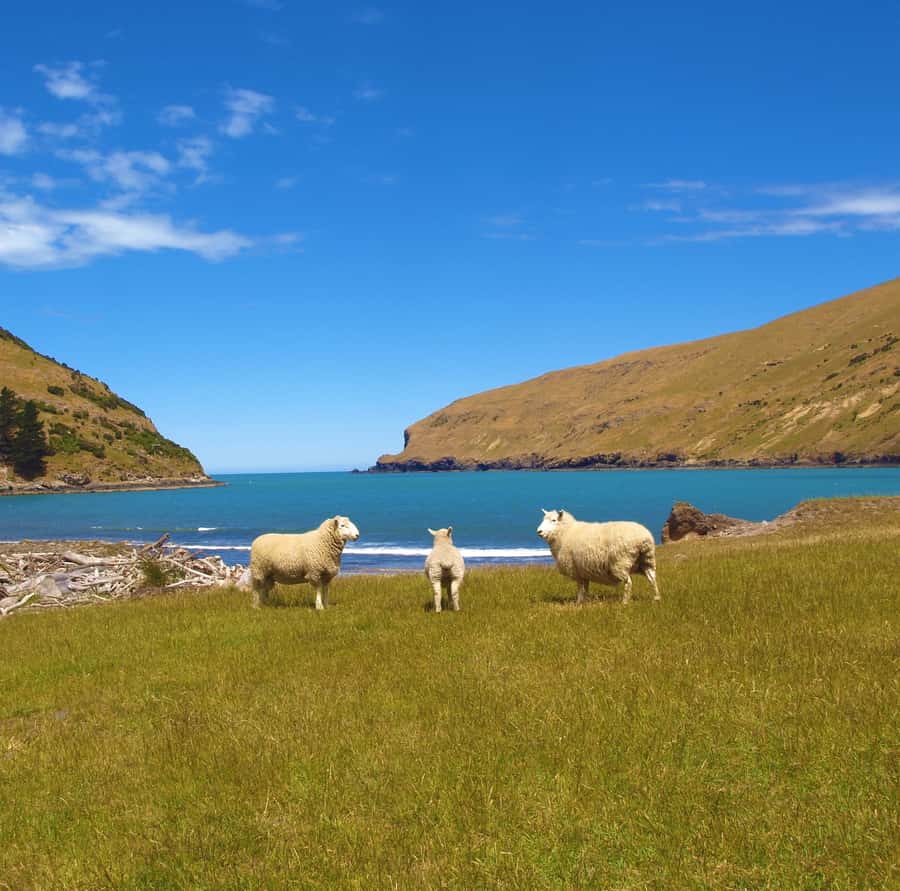
The four-hour version is the better choice if you have enough time in Akaroa. It includes the core drive, farm, wildlife, and conservation experience, then gives you additional time at Flea Bay and the spectacular cliff-tops of Akaroa Heads Lighthouse Reserve.
More time matters here because this is a place best enjoyed at a slower pace. You can stop for more photographs, spend longer taking in the coast, and allow the guide to explain the conservation work without rushing everyone back into the vehicle.
The extended trip also includes tea, coffee, and homemade muffins or cakes. That may sound like a small detail, but it suits the character of the outing. You are visiting a family-run farm in a remote bay, not moving through a tightly timed city attraction. A warm drink and homemade baking make the stop feel generous and grounded in the place.
From mid-November to mid-February, much of the penguin rehabilitation work takes place. To reduce disturbance and crowding, only people on the extended four-hour tour can view that rehabilitation. If seeing this aspect of the program matters to you, the longer option is the clear choice.
I would also choose four hours if you are visiting Akaroa as a cruise port and do not expect another chance to explore the outer bays. The trip costs you more time, but it gives you a fuller sense of the peninsula.
Is two hours enough?
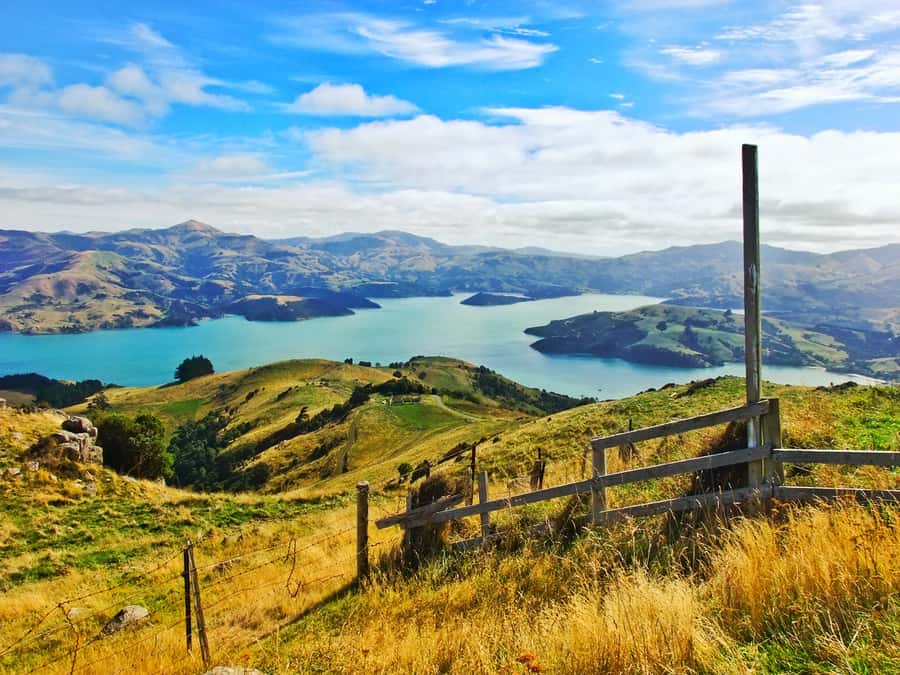
The two-hour tour is a sensible option when your schedule is tight or you want a lighter outing. You still get the 4WD journey from Akaroa, scenic stops, the volcanic crater rim, the farm, sheep feeding, and an introduction to the penguin program.
It can also work well for families or for anyone who prefers not to spend half a day in a vehicle. The two-hour trip has received praise for being engaging even when a guest was translating the English commentary for a parent. That suggests the experience is built around clear explanations and visible activities, not only long stretches of spoken information.
The trade-off is time at Flea Bay and the lack of access to the rehabilitation viewing offered on the four-hour trip. You may also feel that the outing ends just as you are getting familiar with the bay.
At the listed price of $56 per person, the two-hour version offers good value if your priority is scenery, a farm stop, and a useful introduction to conservation. The four-hour option offers more value if you want the lighthouse reserve, homemade refreshments, extra wildlife time, and a closer look at the conservation program. I would compare the cost with your available time, not simply pick the shorter option because it is cheaper.
Guides make the difference
This tour depends heavily on the guide. You are riding through a remote area, stopping at viewpoints, meeting farm animals, and learning about a conservation project. A flat delivery would weaken the experience, while a warm and informed guide can tie all those parts together.
The guide names praised over different departures include Kevin, Joey, Meg, Becky, Duncan, Jaquieline, Sue, Mark, and Ben. You cannot select a particular guide from the information provided, but the repeated pattern is clear: the guiding is a major part of the outing.
Meg has led trips that included work around the penguins, giving participants a close view of the practical side of conservation. Joey has been noted for sharing family knowledge of the area and for making the drive feel personal. Other guides are praised for humor, patience, enthusiasm, and a willingness to answer questions.
I would use the drive to ask about the penguins, native plants, farming, and the volcanic formation of the harbor. This is the kind of tour where questions can turn a pleasant ride into a much more memorable lesson.
Weather, wildlife, and practical limits
Akaroa weather can make a real difference. Clear skies open up the harbor and coastal views, but poor weather does not automatically ruin the tour. One outing took place in very bad conditions and still worked because the guide kept explaining the area and made the most of each stop.
You should bring comfortable shoes, water, and a camera. Do not bring smoking materials for use on the tour, and do not use flash photography around the penguins.
The trip is not suitable for wheelchair users or people with mobility impairments. You will be using a 4WD minivan and visiting outdoor sites, so anyone who has trouble getting in and out of a vehicle should check the physical demands before booking.
Allow extra time around the stated duration if your day is tightly planned. The two-hour and four-hour labels describe the tour length, but weather, road conditions, and wildlife activity can affect how the outing feels. If you are connecting with a cruise schedule, confirm the meeting time and return requirements carefully.
You can cancel for a full refund up to 24 hours before departure. Cancellation inside that period is not refunded unless the local operator cancels the trip. A reserve-now, pay-later option is also available, which is useful when your New Zealand plans are still shifting.
Who should book this Akaroa outing?
I would recommend it most strongly to you if you enjoy scenery, local stories, farm animals, and wildlife protection. It works particularly well for families, cruise visitors, couples, and anyone who wants to see beyond the main streets of Akaroa.
You will get the most from it if you are happy to treat penguins as wild animals rather than a scheduled attraction. A penguin sighting can be close and special, but it depends on season and conditions. The strongest experience combines the views, the farm, seals or other wildlife, and the explanation of how the colony is being helped.
If penguins are your only reason for booking, the seasonal limits may disappoint you. If you want a broader outing with a meaningful conservation purpose, the tour is much easier to recommend.
FAQ
Where does the tour meet?
The meeting point is Unit 2, 8 Rue Balguerie in Akaroa. Look for the shade sails on the building behind the BNZ building on Rue Lavaud.
How long is the tour?
You can choose a two-hour or four-hour tour. Check availability for the available starting times.
What happens on the two-hour tour?
The two-hour outing includes 4WD transport from Akaroa, scenic photo stops, the crater rim lookout, a visit to Pohatu Bay and the working sheep farm, sheep feeding, and an introduction to the little penguin conservation program.
What does the four-hour tour add?
The four-hour tour adds Akaroa Heads Lighthouse Reserve, more time at Flea Bay, more opportunities to see native wildlife, and tea, coffee, and homemade muffins or cake.
Can I definitely see penguins?
No. Little penguins and other native wildlife are seasonal, so sightings are not guaranteed. The tour focuses on nature, local history, and conservation as well as penguins.
When can I see penguin rehabilitation work?
Most rehabilitation takes place from mid-November to mid-February. To limit crowding, rehabilitation viewing is available only to people taking the extended four-hour tour.
Is the tour suitable for people with mobility impairments?
No. The activity is not suitable for wheelchair users or people with mobility impairments.
Should you book it?
Book this tour if you want a scenic, locally guided trip that connects volcanic geology, farming, wildlife, and conservation. I would choose the two-hour option for a compact introduction and the four-hour option for the fuller experience, especially during the mid-November to mid-February rehabilitation period.
The penguins may be the headline, but the real value is the complete visit to Pohatu Bay: high crater-rim views, a family farm, sheep, possible seals, and practical work to protect a vulnerable mainland colony. If you keep your expectations flexible and let the place, rather than a guaranteed animal sighting, be the point, this is one of Akaroa’s most worthwhile nature outings.
Just added around Akaroa
- Night Awe – Stargazing tour in Akaroa★ 5.0 · 61 reviews
- Solar Explorer in Akaroa – Sun-Viewing Tour with Telescopes★ 5.0 · 5 reviews
- Akaroa Wildlife Cruise★ 5.0 · 101 reviews
- Guided Electric Mountain Bike & Sea Kayak Tour in Akaroa★ 5.0 · 22 reviews
- Guided Electric Mountain Bike Tour- Akaroa Explorer★ 5.0 · 4 reviews
- Lava Loop- Guided electric mountain bike tour in Akaroa★ 5.0 · 34 reviews
- Shamarra Alpaca Farm Tours★ 5.0 · 117 reviews
- Akaroa Explorer- Guided Electric Bike Tour in Akaroa★ 5.0 · 18 reviews
2-Hour Experiences, compared.
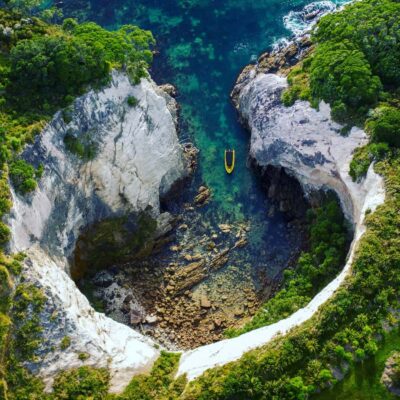
2-Hour Cathedral Cove and Volcanic Coast Cruise
Read our review →
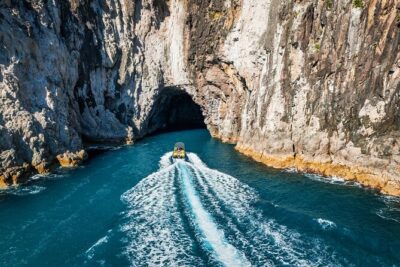
2 Hour Cathedral Cove and Volcanic Coast Cruise with Shade Canopy
Read our review →
America’s Cup 2-Hour Sailing Experience Waitemata Harbour
Read our review →
Browse the lists this tour appears in