
Reviewed · HISTORICAL TOURS
Bullswool Heritage Farm General Entry Ticket
Bullswool Heritage Farm turns a simple farm visit into a hands-on slice of rural New Zealand. You can hand-feed rare-breed animals, wander through native bush, inspect old farm buildings and leave the children loose in several play areas. The mix of working-farm life, conservation and local history gives the place more substance than a quick animal stop.
I like the chance to spend time with the animals without a tight schedule, and I like the range of small museums spread around the property. The setting near Karangahake Gorge also makes this an easy addition to a Coromandel road trip. The main drawback is that it is weather dependent, and the opening days are limited to Tuesday through Sunday.
Key points at a glance
- Hand-feed friendly farm animals: Rare-breed animals are a central part of the visit, and you can get close enough to feed them by hand.
- Five different heritage displays: See the Sheepshed Museum, Early Milking Shed, Working Horses of New Zealand Stable Museum, and Historic Kauri and Gold Museum.
- Native bush setting: Walking tracks cross 100 acres of mature native bush and hill country.
- A real family time-saver: Children have several play areas, while adults can explore the farm collections and bird reserve.
- Good value for an open-ended visit: The $11.17 entry price covers roughly 2 to 3 hours, with no stated time limit during opening hours.
- Useful road-trip stop: The farm is only minutes from Karangahake Gorge and about 15 minutes from the Waihi area.
A working farm near Karangahake Gorge
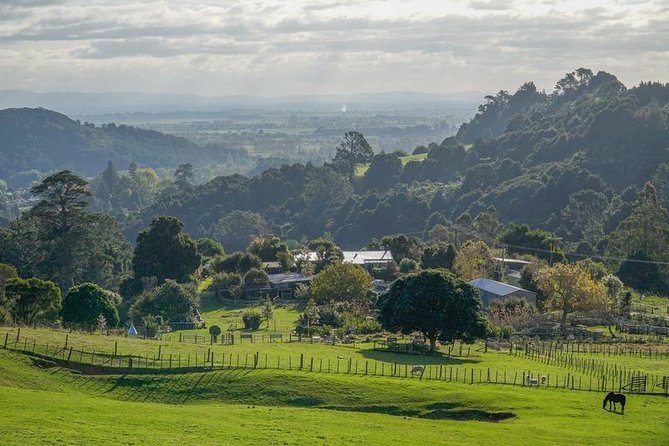
Bullswool Heritage Farm sits in the Southern Coromandel, close to one of the North Island’s best-known historic and walking areas. The farm covers 100 acres, with mature native bush and hill country giving the visit a rural setting rather than the feel of a small urban petting zoo.
That distinction matters. You are not simply moving from one animal pen to the next. The property combines farm tracks, old sheds, museums, a bird reserve and children’s play spaces. You can set your own pace, spend extra time with the animals, or keep moving if the children have decided that the playground is the day’s main attraction.
The farm was named among the AA’s 101 Must Dos for Kiwis, and it has also received recognition for its conservation work. Those awards are useful context, but the practical point is simpler: this is a place built around New Zealand farming, native wildlife and rural life, not a generic entertainment park.
A few more North Island half-days to weigh up
- Wool Sheep Farm Experience with Handmade Wool Hat in New Zealand
★ 5.0 · 9 reviews - Queenstown: Queenstown Lake Cruise and Walter Peak Farm Tour
★ 4.8 · 950 reviews - Dinner at Walter Peak High Country Farm and Cruise from Queenstown
★ 4.5 · 576 reviews
Feeding the friendly rare-breed animals
For most families, the animals are the main event. Bullswool has many rare-breed farm animals, and the experience is designed to let you get close and hand-feed them. That makes the visit active from the start. Children do not just look over a fence, and adults can take part instead of waiting on the sidelines.
The animals are described as friendly, ranging from small farm creatures to larger animals. You should still follow the farm’s instructions and use sensible care around any animal, especially with younger children. Hand-feeding is fun, but it works best when children understand that animals can be eager and unpredictable.
The lack of a strict time limit is a real advantage here. A family can spend a few minutes with one group of animals, move on, then return later. The farm has been praised for its value partly because you can stay as long as you like within the opening period, rather than being pushed through a short timed encounter.
One detail worth noting is that not every animal may be equally keen on attention. A young deer was described as less friendly than the other animals, which is a reminder to treat the farm as a working animal setting rather than a guaranteed cuddle session. That small caveat does not take away from the experience, but it helps set fair expectations.
Walking the farm tracks through native bush
The walking tracks give Bullswool more room to breathe than a compact animal park. You can move between the heritage buildings and animal areas while seeing mature native bush and the farm’s hill-country setting.
The tracks also help break up the visit. After children have spent time feeding animals, a short walk gives everyone a change of pace. You can look for native plants and birds, enjoy the open setting and make the day feel less like a checklist of exhibits.
The property is large enough to create a sense of discovery, but the supplied information does not specify track distances, grades or accessibility details. If someone in your group has limited mobility, contact the farm before booking to ask about the paths and surfaces. Service animals are allowed, and most people can take part.
Bring practical outdoor clothing. The experience requires good weather, and the farm’s outdoor areas are a major part of its appeal. A wet day could limit how enjoyable the walking tracks, play areas and animal feeding become, even if some displays remain available.
The Sheepshed Museum and early farming life
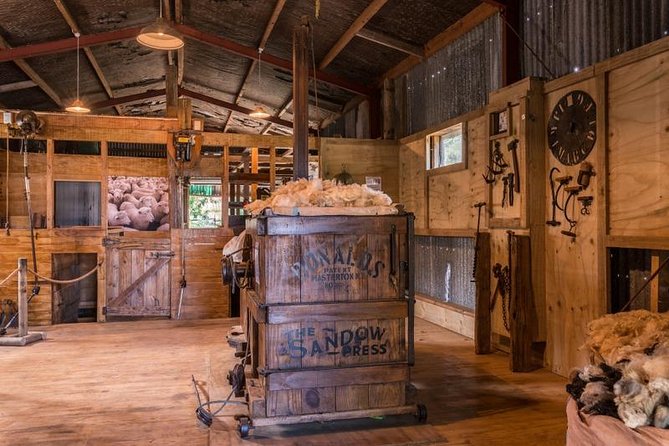
The Working Sheepshed Museum tells the story of New Zealand’s early farming pioneers. This is an important part of the visit because sheep farming shaped much of rural New Zealand, and a sheepshed gives that story a physical setting.
You can expect a display that connects farming history with the work once done in these buildings. It is a useful stop for adults who want more context, while children may enjoy seeing the tools, equipment and structure of an old working shed.
The museum is not presented as a long formal tour, so you can explore it at your own speed. That suits families well. You can spend time reading and looking at the displays, or keep the visit moving when younger children reach their limit for historical objects.
Same corner of the country, a completely different day out:
- Hobbiton™ Movie Set Walking Tour from Shires Rest
★ 5.0 · 3,577 reviews - Gannet Safaris Overland tour to Cape Kidnappers Gannet Colony
★ 5.0 · 942 reviews - Cathedral Cove Kayak Tour
★ 5.0 · 887 reviews - Kaituna Cascades – Grade 5 Wairoa River near Tauranga
★ 5.0 · 437 reviews
The Early Milking Shed and working horses
The Early New Zealand Milking Shed Museum adds another piece to the farming story. Milking was a daily task that required routine, physical work and equipment very different from what most modern visitors see today.
The display helps you picture how basic farm operations once worked. It also gives the visit a stronger local connection than a collection of unrelated antiques. The focus is on ordinary rural life, which is often the most useful kind of history when you are visiting New Zealand outside the main cities.
The Working Horses of New Zealand Stable Museum continues that theme. Horses were once central to farm transport and heavy work, and the stable setting helps explain their role. You can take these displays in between animal encounters, making the farm suitable for mixed-age groups with different interests.
Do not expect a full museum day from these exhibits. Bullswool is best understood as an outdoor farm experience with compact heritage displays, not as a large, formal museum complex. That balance is part of its strength, but visitors wanting detailed indoor interpretation should keep expectations in check.
Kauri, gold and the story of the Coromandel
The Historic Kauri and Gold Museum brings two important parts of the region’s past together. Kauri is closely tied to New Zealand’s natural and economic history, while gold mining shaped the Coromandel and areas around Karangahake Gorge.
This display gives you a useful connection to the wider area. If you are already visiting the gorge, the farm’s kauri and gold material adds another layer to the road trip. You are not looking at the region only as pretty scenery. You are also seeing how natural resources and rural work influenced local life.
The museum is another short, flexible stop rather than a scheduled presentation. That means you can fit it around feeding animals, walking and play time. It also makes Bullswool practical for a group where one person wants history and another wants to get back outside.
The Karangahake Native Bird Reserve
The award-winning Karangahake Native Bird Reserve gives the farm a conservation focus. It is a worthwhile change from the livestock areas and shows that the property is concerned with native wildlife as well as farm breeds.
You can expect this part of the visit to be quieter and more observation based. The reserve works well for adults and older children who want a break from the lively animal-feeding areas. It also gives you a chance to think about the difference between farm animals brought into rural New Zealand and native birds protected in their natural setting.
The supplied details do not name the bird species or promise sightings, so keep your expectations sensible. This is not described as a guided bird-watching tour. Still, the reserve adds depth to the property and supports its reputation for conservation work.
Play areas that keep children involved
The kids’ play areas are a major reason this farm works for families with children of different ages. Children can feed animals, look through farm displays and then burn off energy on wooden play equipment.
One family was especially pleased with the wooden toys and play structures, while another found the farm suitable for children aged four and seven. That gives you a useful sense of the audience: younger children can take part in the hands-on activities, and school-age children have enough variety to stay interested.
The play areas also make the experience easier for adults. You do not have to keep children focused on museum displays for hours. Instead, the day can move naturally between animals, exhibits, walking tracks and play.
Conditions can change at any outdoor attraction, so inspect equipment and supervise children as you normally would. The farm has been praised for being clean, tidy and well maintained, but normal care still matters around play structures and animals.
How much time to allow
The suggested visit length is 2 to 3 hours. That is enough time for a relaxed look at the museums, animal feeding, the bird reserve, walking tracks and play areas.
You can shorten the visit if Bullswool is one stop on a busy driving day. You can also stay longer if you bring a picnic and want to use the grounds at an easier pace. A picnic lunch was part of one particularly successful visit, and another family said they would bring one next time so they could stay longer.
The open-ended format is one of the farm’s best practical features. You are not forced to rush through every exhibit, and you can pause when children need a break. Plan on at least two hours if you want to see the main areas without hurrying.
Bullswool is open Tuesday through Sunday from 10:00 a.m. to 4:00 p.m. The stated operating period runs from October 12, 2019, through February 16, 2027. Check the date and opening hours when you book, especially if you are planning a Monday visit or travelling during a holiday period.
Why the $11.17 ticket offers good value
At $11.17 per person, the entry price is modest for a 2 to 3 hour visit, particularly if you use the full property. The price covers admission to the farm, animal areas, museums, native bird reserve and play spaces.
The value improves for families who can stay several hours. You are paying for a broad mix of activities rather than a single short animal encounter. The chance to hand-feed animals, explore heritage displays and let children play gives the ticket more usefulness than the low price alone suggests.
You should judge the value against your interests. If you want a large-scale zoo, a long guided tour or a major museum, Bullswool may feel small. If you want a relaxed rural stop with hands-on activities and local history, the price is easy to justify.
The mobile ticket is convenient for a driving itinerary. Confirmation is provided at booking, and admission is included. There is no information provided about transport, so plan to make your own way to the farm.
Who will enjoy Bullswool most
I would recommend Bullswool most strongly to families with children, animal lovers and anyone building a Coromandel road trip around short outdoor stops. It also suits visitors who want a look at everyday New Zealand farming rather than a polished, highly staged attraction.
It works well for mixed groups. Children can feed animals and play, while adults can examine the museums, walk through native bush and visit the bird reserve. The farm also suits a small group tour, as long as the group allows enough time for people to move at different speeds.
You may enjoy it less if you dislike outdoor weather, have very limited time, or are looking for a fully guided historical experience. The attraction is self-paced, and the information provided does not describe scheduled guides or talks. Owner Sue has been singled out for warm hospitality, but the experience is not presented as a personal tour led by her.
Practical advice before you go
Choose a dry day if possible. The farm requires good weather, and poor conditions can lead to a different date or a full refund. Wear footwear and clothing suitable for walking around a working farm and outdoor property.
Allow time for the animals rather than treating them as a quick photo stop. Children often want to return to their favourite animals, and the flexible format allows that.
Consider bringing a picnic if your schedule permits. The grounds are suited to a longer stay, and a picnic can turn a 2 hour visit into a relaxed half-day stop.
The cancellation policy is generous if your plans change. You can cancel for a full refund up to 24 hours before the start time. Changes or cancellations made less than 24 hours ahead are not accepted for a refund, and the cut-off uses local time.
Should you book Bullswool Heritage Farm?
Book it if you want a low-cost, hands-on farm visit near Karangahake Gorge. The strongest reasons are the friendly rare-breed animals, the freedom to stay at your own pace, the range of small heritage museums and the play areas for children.
I would make it part of a Southern Coromandel driving day rather than travel a long distance for the farm alone. Pairing it with Karangahake Gorge gives the outing more variety and makes the short drive worthwhile.
Skip it if the forecast is poor, your group wants a formal guided tour, or you have less than an hour available. For everyone else, the $11.17 ticket offers an unusually full rural experience, especially when you take your time with the animals, museums and native bird reserve.
FAQ
Where is Bullswool Heritage Farm?
Bullswool Heritage Farm is in the Southern Coromandel on New Zealand’s North Island, only minutes from Karangahake Gorge and about 15 minutes from the Waihi area.
How long does a visit usually take?
You should allow approximately 2 to 3 hours. The visit can be shorter or longer depending on how much time you spend feeding animals, exploring the museums, walking and using the play areas.
What does the general entry ticket include?
Admission includes access to the farm, walking tracks, friendly farm animals, the Sheepshed Museum, Early New Zealand Milking Shed Museum, Working Horses of New Zealand Stable Museum, Historic Kauri and Gold Museum, native bird reserve and children’s play areas.
Can I feed the animals?
Yes. Visitors can hand-feed many of the farm’s friendly rare-breed animals.
What are the opening hours?
The farm is open Tuesday through Sunday from 10:00 a.m. to 4:00 p.m. The stated operating period runs through February 16, 2027.
Is the ticket mobile?
Yes. The experience provides a mobile ticket, and confirmation is received at the time of booking.
Are service animals allowed?
Yes. Service animals are allowed, and most people can participate.
What happens if the weather is poor?
The experience requires good weather. If the farm cancels because of poor weather, you will be offered a different date or a full refund. You can also cancel for a full refund up to 24 hours before the experience begins.
Just added around North Island
- The Boulders Scenic Half Day Float on the Rangitikei River★ 5.0 · 3 reviews
- The Awesome Scenic Rafting Adventure – Full Day Rafting on the Rangitikei River★ 5.0 · 38 reviews
- Rangitaiki River White Water Scenic Rafting from Rotorua★ 5.0 · 23 reviews
- Half Day, Grade 5, White Water Rafting on the Rangitikei River★ 5.0 · 66 reviews
- Rangitaiki River White Water Rafting from Rotorua★ 5.0 · 96 reviews
- Puketi Rainforest Guided Walks .This is not a Shore Excursion product .★ 5.0 · 20 reviews
- Private tour to Cape Kidnappers Gannet Colony★ 5.0 · 10 reviews
- Fine Wine Tour in Napier, New Zealand★ 5.0 · 17 reviews
Historical Tours, compared.


All Blacks Experience: Interactive Guided Cultural Tour
Read our review →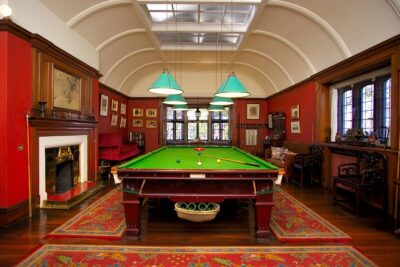
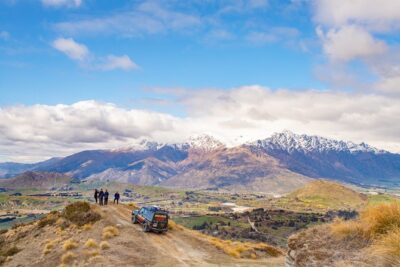
Skippers Canyon 4WD Heritage half day Tour from Queenstown
Read our review →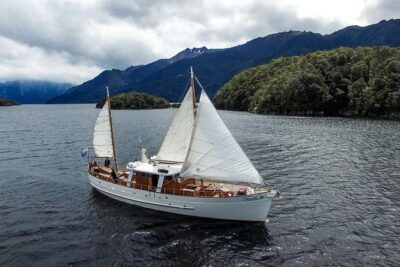
Scenic Cruise & Guided Walk on Historic Motor Yacht Lake Te Anau
Read our review →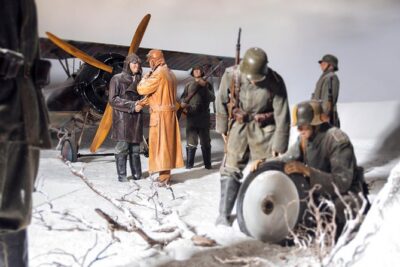
Skip the Line:WWI & WWII Combo Exhibitions at the Omaka Aviation Heritage Centre
Read our review →
Heritage City and Larnach Castle Van tour with Historian Guide
Read our review →
Browse the lists this tour appears in