
Reviewed · FARMS
Wool Sheep Farm Experience with Handmade Wool Hat in New Zealand
The most memorable part of this one-hour farm visit is the full wool journey, from a sheep’s fleece to a finished hat. Angie introduces you to her animals, explains how the farm works, and lets you try wool spinning before you choose a hand-dyed hat made from natural, home-spun wool.
I like the hands-on animal time, especially the chance to feed chickens, ducks, sheep, horses, and Scottish Highland cows. I also like the clear connection between New Zealand farming and daily life, with a practical demonstration of how wool is processed and turned into clothing.
The main consideration is the short running time. An hour gives you a lively introduction, but not a slow, extended farm stay. Outdoor conditions also matter, since the experience can be canceled in poor weather.
Key points to know before you book
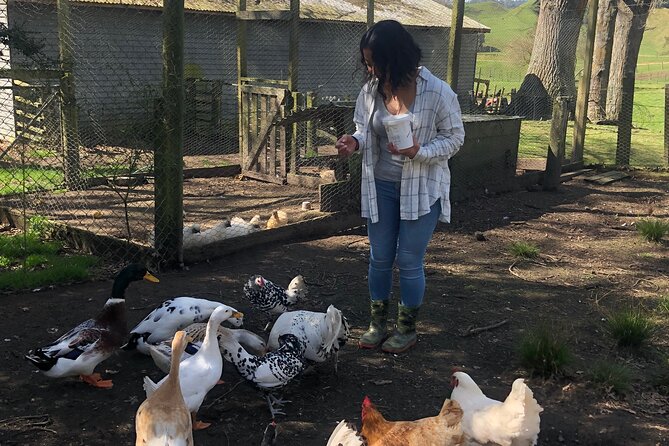
- Feed several kinds of farm animals: The visit includes chickens, ducks, Corriedale wool sheep, horses, and Scottish Highland cows.
- Meet Angie, the farm owner: She leads the personal tour and explains animal care, farm life, and New Zealand’s sheep-farming story.
- Follow wool from fleece to hat: You see how wool is processed, hand-dyed, hand-spun, and knitted.
- Try spinning wool yourself: This adds a useful bit of participation to what could otherwise be only a demonstration.
- Take home a handmade hat: Your souvenir is a usable piece of locally made wool clothing, not a generic shop purchase.
- Plan for about one hour: The tour begins and ends at 291 Parsons Road in Ātiamuri and accepts a maximum of 20 people.
A real farm welcome at 291 Parsons Road
This experience begins at 291 Parsons Road, Ātiamuri, on New Zealand’s North Island. It is a meeting-point activity, so you arrange your own way there, and it ends back at the same place. That makes it easiest to fit into a road trip rather than a day based around city transport.
Angie, the owner, leads the visit personally. That matters here. This is not a large attraction with a set of distant viewing platforms. The point is to meet the person who cares for the animals and hear how the farm operates in everyday life.
The group size can reach 20 people. That is still modest compared with a major commercial attraction, though the experience may feel more personal with a smaller group. If you are booking for a family or a small party, the limited size should help keep the visit manageable.
You should also expect an outdoor farm setting rather than a polished indoor exhibit. Wear practical clothing and shoes suitable for being around animals. The supplied details do not specify a dress code, but the tour depends on good weather, so a wet day can affect the schedule.
A few more North Island half-days to weigh up
- Bullswool Heritage Farm General Entry Ticket
★ 5.0 · 6 reviews - Queenstown: Queenstown Lake Cruise and Walter Peak Farm Tour
★ 4.8 · 950 reviews - Dinner at Walter Peak High Country Farm and Cruise from Queenstown
★ 4.5 · 576 reviews
Feeding sheep, chickens, ducks, and cattle
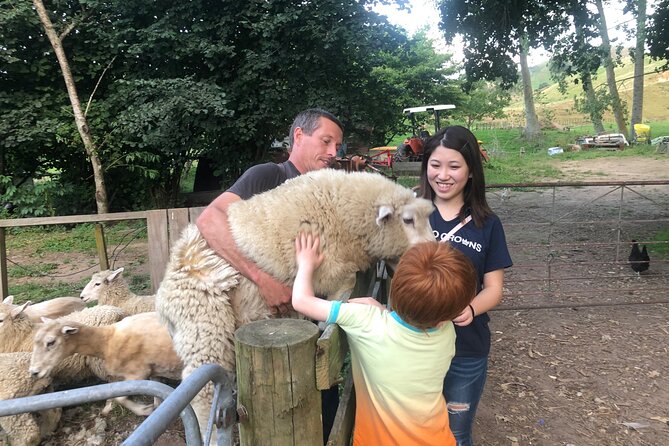
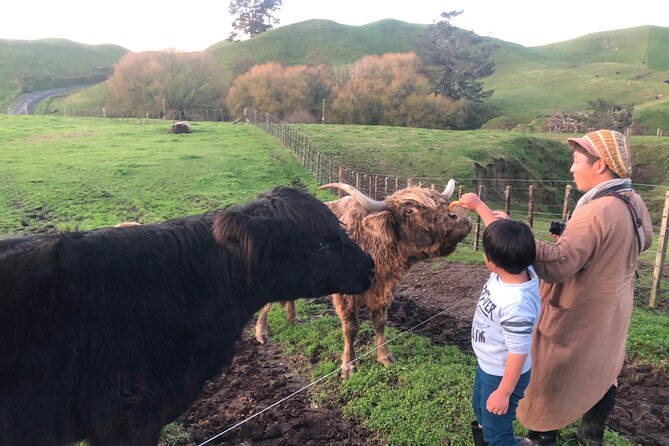
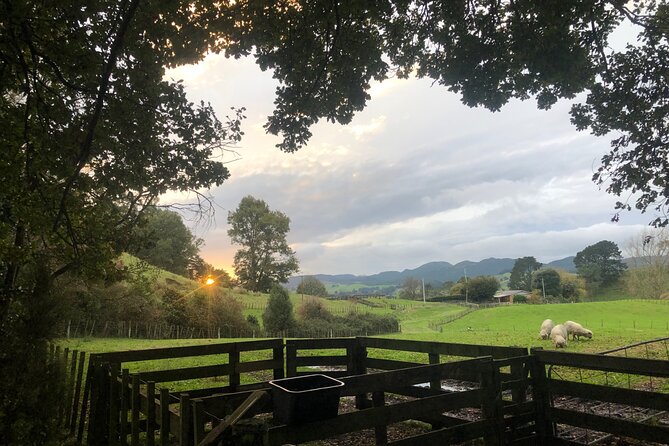
The animal portion comes first and gives the hour its friendly, informal feel. You can hand-feed chickens, ducks, Corriedale sheep, horses, and Scottish Highland cows. This is more engaging than simply looking over a fence, especially for children who enjoy animals and want to take part.
Corriedale sheep are particularly useful to the story because they connect directly to the wool demonstration later. You are not just meeting a collection of farm animals. You are seeing the sheep whose fleece becomes the material for the clothing and hats made on the property.
The other animals add variety. Chickens and ducks keep the visit lively, while horses and Highland cows give you a wider picture of farm life. The Highland cattle are especially eye-catching because of their long hair, but the value is not only visual. Angie uses the animals to explain how she cares for them and how they fit into the farm.
You are welcome to ask questions as you go. That open format is useful if you want to understand feeding, care, or the practical work involved in keeping several species. It also means the exact rhythm of the animal visit can vary. A curious group may spend more time asking questions, while a family with young children may focus on feeding.
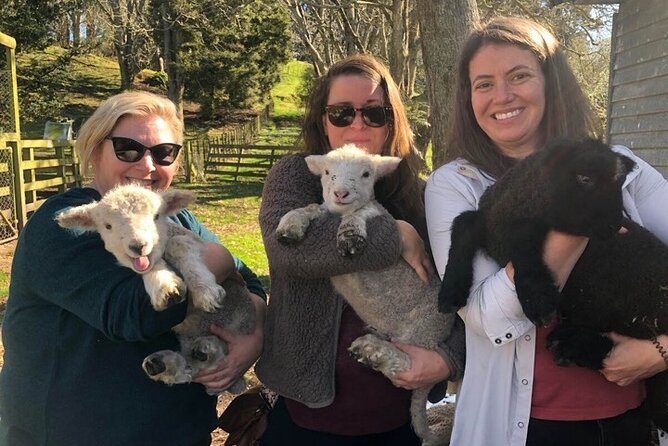
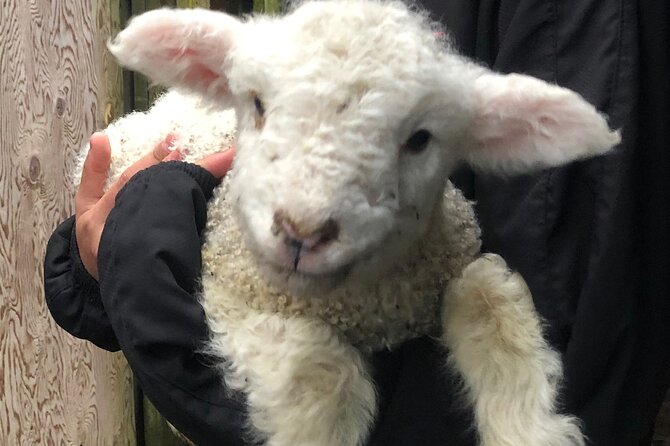
Some visits may include baby sheep and bottle-feeding, an especially appealing moment for children. You should treat that as a possible part of the farm activity rather than a guaranteed feature every time, since the information provided does not promise that lambs will always be available.
Joey the dog may also be part of the farm welcome. He was a memorable character for one family, but animals are animals, and his presence should not be treated as a fixed stop on the tour.
Why the wool lesson matters in New Zealand
New Zealand is strongly associated with sheep farming, and this experience gives that familiar image some substance. Angie explains how sheep farming helped shape the country, linking the animal in front of you with a wider part of New Zealand’s agricultural past.
The useful point is that you do not only hear about finished wool products. You see the stages that come after shearing. The demonstration covers organic processing, hand dyeing, hand spinning, and knitting. Each step helps explain why a handmade wool item costs more than a mass-produced souvenir.
This is also where the visit becomes more than a simple animal encounter. You learn that wool is not instantly ready to wear after it leaves the sheep. It must be prepared and worked before it becomes yarn or clothing. Seeing that process makes the hat at the end feel connected to the farm rather than picked from a standard gift-shop shelf.
The demonstration is likely the most valuable part for adults who want context. Children may prefer the animals, but the wool work gives the visit a clear beginning, middle, and end. You meet the sheep, see what happens to the fleece, and then take home an item made from that same kind of material.
Trying wool spinning by hand
You also have the chance to try wool spinning. This small hands-on moment helps you understand the craft better than watching Angie do everything herself.
Spinning is easy to underestimate until you see how much control it requires. The activity lets you handle the material and get a feel for how fleece becomes yarn. The supplied information does not promise that you will produce a finished length of yarn, so think of this as a short introduction rather than a full craft workshop.
That distinction is important when setting expectations. If you want a long, detailed textile class, this one-hour farm experience will feel brief. If you want a practical taste of a traditional skill within a broader farm visit, it fits nicely.
The demonstration also gives you a reason to look more closely at the hat you choose later. You will have seen the work behind the yarn, including hand dyeing and knitting, so the finished item carries more meaning than a regular keepsake.
Same corner of the country, a completely different day out:
- Hobbiton™ Movie Set Walking Tour from Shires Rest
★ 5.0 · 3,577 reviews - Gannet Safaris Overland tour to Cape Kidnappers Gannet Colony
★ 5.0 · 942 reviews - Cathedral Cove Kayak Tour
★ 5.0 · 887 reviews - Kaituna Cascades – Grade 5 Wairoa River near Tauranga
★ 5.0 · 437 reviews
Choosing a handmade wool hat
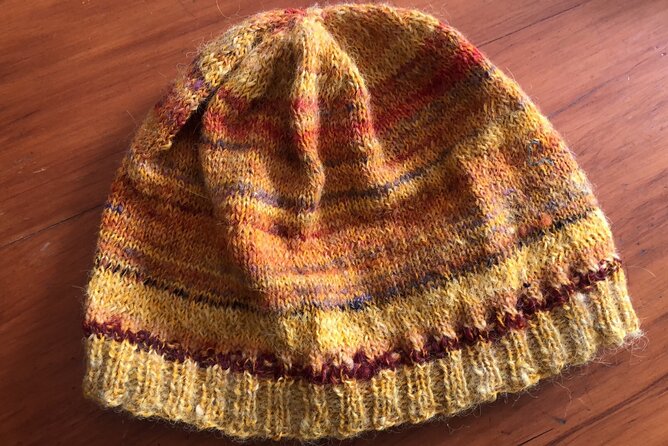
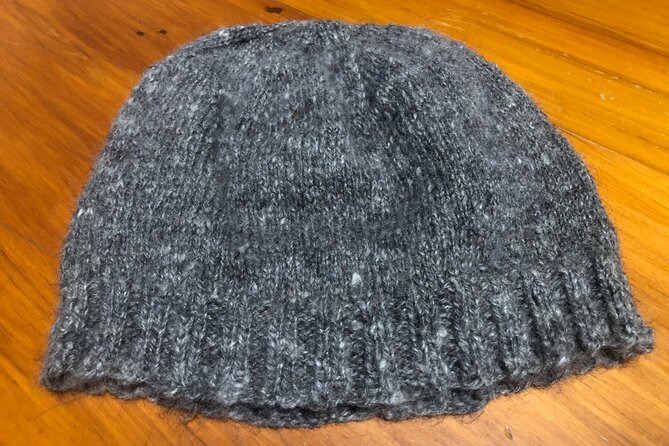
The final feature is the take-home hat. You choose your own specially handmade wool hat, made from natural wool that has been hand-dyed, hand-spun, and knitted.
This is the strongest value point in the price. At $31.03 per person, you are not paying only for a one-hour introduction and a few animal encounters. You are also receiving a wearable souvenir connected to the farm’s own wool production.
The hat should appeal to anyone who prefers useful souvenirs. It is a small piece of New Zealand history that you can wear, rather than an item that sits in a drawer. The wool is described as warm and soft, though the exact color and style available will depend on the selection at the farm.
Choosing the hat gives the ending a personal touch. Instead of receiving an identical item, you select the one you like best. That is particularly helpful if you are buying for different members of a family, since each person can choose a preferred look.
Still, keep the one-hour schedule in mind. The hat selection is part of the visit, not a long shopping session. If you need a particular size, color, or style, the available options are not specified in advance.
Is $31.03 a fair price?
I consider $31.03 a reasonable price if you value both the activity and the souvenir. The tour combines animal feeding, a personal farm explanation, a wool-processing demonstration, a short spinning activity, and a handmade hat. The price makes more sense when you count the hat as part of the experience rather than as an optional extra.
It is less compelling if you only want to see sheep for a few minutes. The animal time is central, but the real purpose is the connection between farming and wool craft. You should book it because you want that complete story, not simply because you are passing a farm.
The one-hour length also keeps the cost and time commitment modest. It can fit into a North Island driving day without taking over the schedule. Since there is no transport included in the details provided, you should already be planning to reach Ātiamuri independently.
The hat gives the visit a lasting benefit. A short activity can fade quickly, but a warm wool hat provides a physical reminder of the farm and the work you saw. That makes the price easier to justify for people who enjoy local crafts and practical mementos.
Rain, timing, and the farm setting
The experience requires good weather. If poor conditions force a cancellation, you can receive a full refund or move to another date. That policy offers useful protection, but it also means you should avoid placing the tour at the most time-sensitive point in a tightly packed itinerary.
A rainy day does not necessarily ruin the visit. One family found the tour enjoyable even in wet weather, and the animals and wool activities still provided plenty to do. Even so, the official conditions make clear that the farm may need to cancel when weather becomes unsuitable.
You should leave some flexibility around the booking if possible. The same applies if the minimum number of participants is not reached. In that case, you are offered another date or experience, or a full refund.
Free cancellation is available up to 24 hours before the start time. Cancellations or changes made less than 24 hours ahead are not refunded or accepted. Cut-off times follow local time in New Zealand.
Who will get the most from this visit?
Families are a natural fit. Children can feed animals, ask questions, and possibly bottle-feed baby sheep if lambs are available. The hat gives them a concrete memento, while the wool demonstration adds an educational part without requiring a long attention span.
It also suits adults who want a quieter, more personal look at rural New Zealand. You hear directly from the owner, see animal care up close, and learn how a traditional material becomes clothing. The tour does not try to cover every aspect of farming, but it offers a focused look at sheep, wool, and handmade production.
Craft-minded visitors should pay special attention to the spinning and dyeing stages. Anyone interested in sustainable or small-scale production will also find value in seeing wool handled organically and made into a finished product on a farm setting.
The tour may be less suitable if you want a long farm day, extensive walking, or a large museum-style presentation. The experience lasts approximately one hour, and the available description does not promise a full shearing session or a lengthy workshop.
Most people can participate, and service animals are allowed. The maximum group size is 20, which keeps the activity from becoming a very large group outing.
What makes the visit memorable
For me, the strongest feature is the way the parts fit together. Feeding a sheep is pleasant on its own, but it becomes more meaningful when you then see fleece processed and learn how it becomes yarn. The hat completes that chain.
Angie’s personal connection with the animals also shapes the visit. She shares her story and explains how she cares for the farm, so the experience has a human voice rather than only general facts about New Zealand agriculture.
The animal mix keeps the hour varied. You are not standing with one flock for the entire visit. Chickens, ducks, horses, Highland cows, sheep, and possibly Joey the dog give children and adults several points of interest.
The handmade hat is another strong feature because it preserves the memory in a useful form. It also gives you a better understanding of traditional wool work. After trying to spin by hand, you can appreciate the skill behind the finished knitted item.
Should you book this wool farm experience?
Book it if you want hands-on animal time plus a clear wool story. The combination of feeding farm animals, meeting Angie, trying spinning, and choosing a handmade hat offers more substance than a quick photo stop.
I would especially recommend it for families, craft fans, and anyone driving through the North Island who wants a short rural experience with a local connection. The $31.03 price is fair when you factor in the included hat and the personal farm visit.
Skip it if you want a long, formal agricultural tour or if your schedule cannot tolerate a possible weather change. For everyone else, this is a compact and friendly way to connect a living New Zealand farm with one of the country’s best-known materials.
FAQ
Where does the wool sheep farm experience begin?
The experience begins at 291 Parsons Road, Ātiamuri 3077, New Zealand.
Where does the activity end?
The activity ends back at the meeting point at 291 Parsons Road.
How long does the tour last?
The experience lasts approximately one hour.
How much does the experience cost?
The listed price is $31.03 per person.
What animals can I meet?
You can hand-feed chickens, ducks, Corriedale wool sheep, horses, and Scottish Highland cows. Baby sheep and the farm dog Joey may also be part of some visits, but they are not listed as guaranteed features.
Is a wool hat included?
Yes. You can choose a handmade wool hat made from the sheep’s wool, including wool that has been hand-dyed, hand-spun, and knitted.
Can I cancel for a full refund?
Yes. You can cancel up to 24 hours before the experience start time for a full refund. Cancellations or changes made less than 24 hours before the start time are not refunded or accepted.
What happens if the weather is poor?
If poor weather causes a cancellation, you are offered a different date or a full refund. If the minimum number of participants is not reached, you are offered a different date or experience, or a full refund.
Just added around North Island
- The Boulders Scenic Half Day Float on the Rangitikei River★ 5.0 · 3 reviews
- Half Day, Grade 5, White Water Rafting on the Rangitikei River★ 5.0 · 66 reviews
- The Awesome Scenic Rafting Adventure – Full Day Rafting on the Rangitikei River★ 5.0 · 38 reviews
- Rangitaiki River White Water Scenic Rafting from Rotorua★ 5.0 · 23 reviews
- Puketi Rainforest Guided Walks .This is not a Shore Excursion product .★ 5.0 · 20 reviews
- Rangitaiki River White Water Rafting from Rotorua★ 5.0 · 96 reviews
- Fine Wine Tour in Napier, New Zealand★ 5.0 · 17 reviews
- Private tour to Cape Kidnappers Gannet Colony★ 5.0 · 10 reviews
Farms, compared.
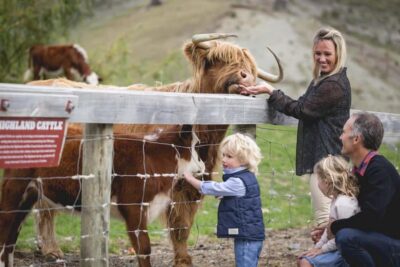
Queenstown Lake Cruise and Walter Peak Farm Tour
Read our review →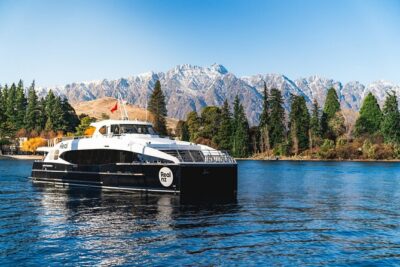
Dinner at Walter Peak High Country Farm and Cruise from Queenstown
Read our review →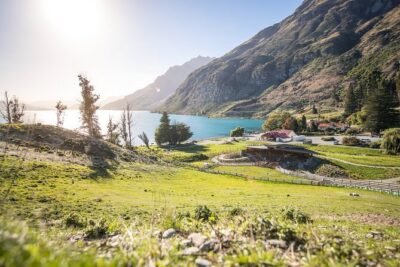
Queenstown Lake Cruise and Walter Peak Farm Adventure
Read our review →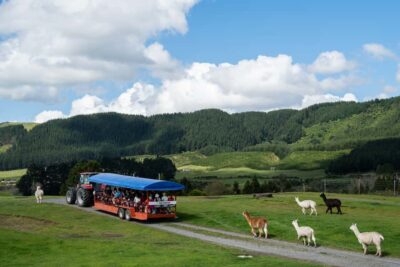
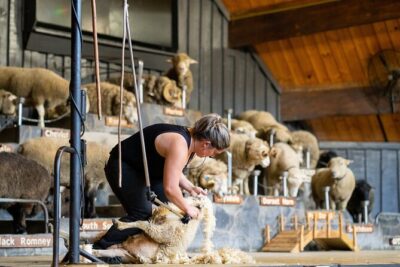
Agrodome Farm Experience including Farm Show and Farm Tour – Rotorua
Read our review →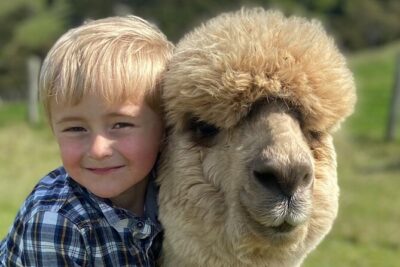
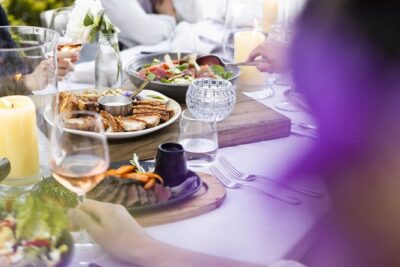
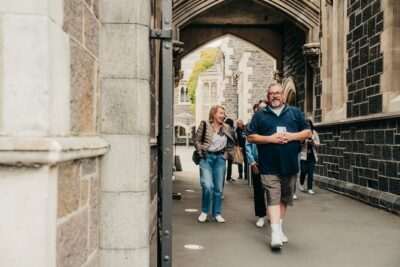
Sheep Farm Day Trip from Christchurch + Lunch and Winery visit.
Read our review →Browse the lists this tour appears in