
Reviewed · WILDLIFE
Skip the Line: Franz Josef Wildlife Center Ticket with Optional Backstage Pass
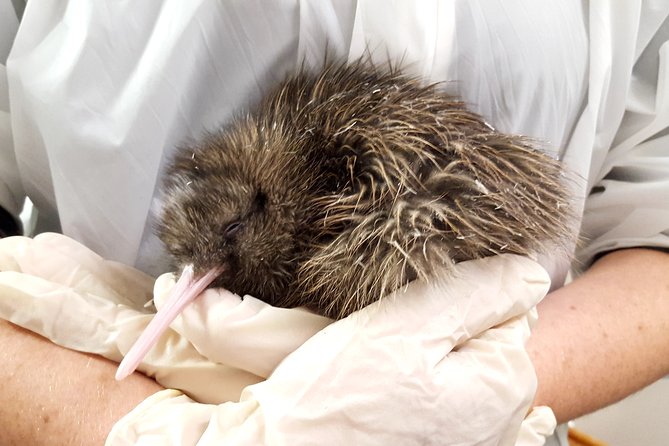
Seeing a rare Rowi kiwi up close is the main reason to visit the Franz Josef Wildlife Centre. These shy, nocturnal birds are difficult to spot in the wild, but the centre lets you watch them moving through their habitat during the day. You can also see tuatara and learn how New Zealand is trying to protect its native wildlife.
I like the 48-hour ticket validity, which gives you a second chance if you rush through or want to return between glacier activities. I also like the optional Backstage Pass, especially for families and anyone keen to understand the work behind kiwi recovery. The main consideration is that this is a small wildlife centre, not a large zoo, and kiwi eggs or hatchlings may not be present when you visit.
Key points to know before you go
- Rare Rowi kiwi viewing: See live kiwi in a darkened nocturnal house, often close enough to watch their natural movements without glass between you and the birds.
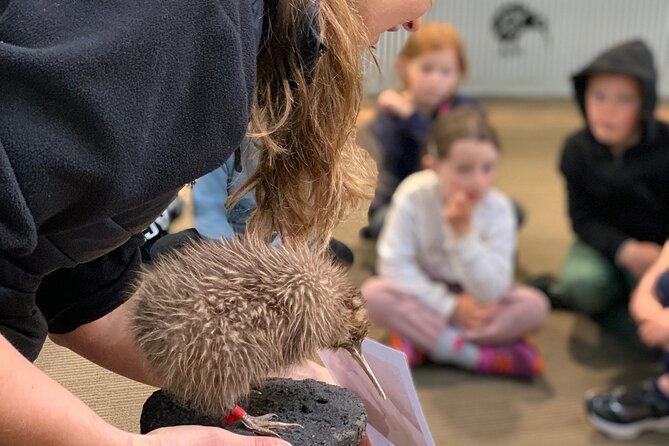
- Optional Backstage Pass: Spend roughly 30 to 45 minutes with a guide and learn more about kiwi eggs, tuatara, monitoring, and conservation work.
- Useful in wet weather: The centre is indoors and open throughout the year, making it a practical choice on a rainy West Coast day.
- Return access for 48 hours: Your admission allows you to come and go during that period, at no extra charge.
- More than kiwi: The ticket includes tuatara, glacier exhibits, films, storytelling displays, and information about the Predator Free 2050 goal.
- Small groups: The activity has a maximum of eight people, which suits visitors who want to ask questions during the guided session.
Why the kiwi encounter matters
The centre focuses on the Rowi, one of New Zealand’s rarest kiwi. You enter a nocturnal house during daylight hours, when the room is kept dark so the birds follow their natural rhythm. Give your eyes time to adjust. At first, you may see little more than shadows, but the kiwi can come surprisingly close as they walk, forage, and move around their space.
This is not a quick photo stop. Photography is restricted inside the nocturnal house, so you need to put the phone away and watch carefully. That limitation may disappoint anyone hoping for a souvenir image, but it also keeps the room calm and protects the birds from bright flashes and distractions.
The best part is the chance to see behavior rather than a stuffed specimen or a distant bird behind thick glass. You might watch two kiwi moving about their enclosure, which can be a memorable moment for children and adults alike. Still, animal sightings are never entirely predictable. The birds may be active, or they may be harder to spot.
The centre also works with the Department of Conservation, and the displays explain how kiwi numbers are supported. The work includes handling eggs, raising young birds, and helping them return to safer areas. Depending on the season and current conservation needs, the incubator rooms may contain eggs, equipment, or no eggs at all. The absence of eggs does not mean nothing is happening. It can reflect successful work in the wild, with more eggs left in their natural setting as the program grows.
A few more Franz Josef and Fox Glacier half-days to weigh up
- Franz Josef Glacier Heli-Hike
★ 4.5 · 618 reviews - Heli Hike Fox Glacier
★ 5.0 · 563 reviews - Small-Group Kayak Adventure from Franz Josef Glacier
★ 5.0 · 393 reviews
What you see during the main visit
Set aside one to two hours for the full visit. The centre opens daily from 8:30 a.m., and free parking is included. Since the ticket remains valid for 48 hours, you do not have to force every display into one rushed stop.
The first major section is the kiwi nocturnal house. Expect low light and a quiet atmosphere. Staff provide a learning booklet to help you understand what you are seeing, and the exhibits give context about kiwi behavior and conservation.
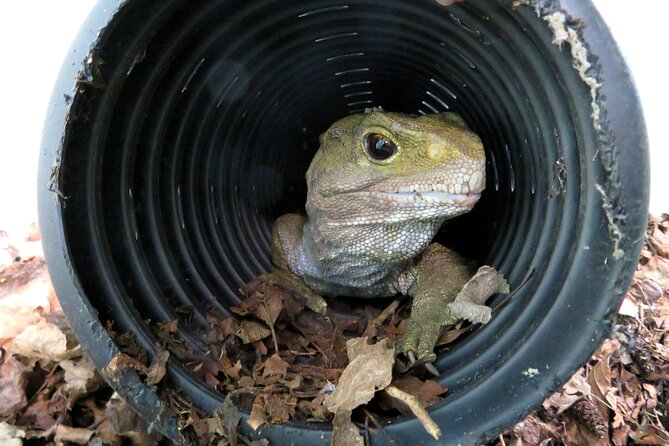
You can also see live tuatara. These reptiles are found only in New Zealand and are described at the centre as survivors from a very ancient line, dating back more than 330 million years. They are not lizards, though they may look somewhat similar at a glance. Their presence adds variety to the visit and gives you another example of native wildlife that needs protection.
The glacier exhibition connects the centre to the West Coast setting. Interactive displays and storytelling areas explain glacier features, while films add a wider look at the region. This section is useful if the weather has spoiled your outdoor glacier plans, though it does not replace seeing a glacier in person.
You will also find films and displays about invasive predators and New Zealand’s goal of becoming predator-free by 2050. This helps explain why kiwi conservation is difficult. Protecting a bird is not simply a matter of raising eggs. It also involves controlling threats and maintaining suitable habitat.
The centre is compact, so you can cover the main displays without spending an entire afternoon. That is a strength if you have a busy Franz Josef schedule. If you want a large animal collection or a long series of exhibits, you may find the visit limited.
The Backstage Pass and what it adds
The optional Backstage Pass is the part I would consider most carefully when comparing ticket choices. The standard admission lets you see the public displays and the kiwi, while the guided session explains the conservation work in much greater detail.
The supplied information describes a session of about 30 minutes, while guide responses refer to tours lasting around 40 to 45 minutes. Plan for roughly 30 to 45 minutes and confirm the current timing when you book or arrive.
The group size is limited to eight people, which should make it easier to hear the guide and ask questions. Guides named in the experience information include Steve and Devon. Both are described as passionate about the subject, and their sessions cover more than a basic explanation of what kiwi are.
Expect practical details about the hatching program, the use of incubators, and how birds are monitored. The session can include props and surveillance videos that show how conservation staff follow kiwi activity and care for the birds. You may also get a closer look at tuatara areas that are not part of the standard walk-through.
Photography is available on the Backstage Pass, even though it is restricted in the main nocturnal house. That makes the upgrade more appealing if you hope to take a few pictures, though you should still follow the guide’s instructions.
The strongest reason to add this tour is understanding. Watching a kiwi is special, but the guided explanation tells you why the work matters and what happens before and after a bird appears in front of you. Families often get more from the visit when children can ask questions instead of only looking through displays.
There is one important warning. You are not guaranteed to see eggs, hatchlings, or every stage of the hatching process. The facility may have no eggs on site at the time of your visit. The guide can still explain the equipment and program, but anyone buying the upgrade mainly to see baby kiwi should keep expectations flexible.
How the displays work on a rainy day
Franz Josef is famous for outdoor scenery, but West Coast weather can change quickly. Rain can make a glacier walk unpleasant, cancel plans, or simply leave you looking for an indoor activity. This centre gives you a reliable backup that still connects to the area.
I like the way the visit combines wildlife and local storytelling. The glacier displays are not a substitute for a guided walk or scenic flight, but they give you something useful to do when clouds close in. The films and interactive sections also help younger children stay interested after the kiwi viewing.
The centre works for different ages because you can choose your level of detail. A family with limited time can see the kiwi and tuatara in about an hour. Someone with a stronger interest in conservation can read the displays, watch the films, return later using the 48-hour ticket, and add the Backstage Pass.
The ticket is also practical for a stop between activities. You do not need to arrange hotel pickup because none is included, but the centre has free car parking and is near public transportation. A cafe sells food and coffee, and major credit cards are accepted.
More wildlife trips around Franz Josef and Fox Glacier:
- Clearwater Wildlife Tours (small group 10max) Otago Peninsula
★ 5.0 · 531 reviews - Wildlife Sea Kayaking Tour – Kaikoura
★ 5.0 · 467 reviews - Milford Sound: 2-Hour Wildlife & Nature Cruise
★ 4.6 · 418 reviews - Kaikoura: Half-Day Wildlife Kayaking Tour
★ 4.6 · 390 reviews
Is the $40.34 admission good value?
The listed price is $40.34 per person, with the Backstage Pass offered as an option. Value depends on what you want from the stop.
If your priority is seeing a kiwi, the admission can be worthwhile because spotting one in the wild is difficult, especially during a short stay. The centre gives you a realistic chance to see live birds without committing to a long wildlife excursion. You also receive access to tuatara, glacier displays, films, and conservation information.
The ticket becomes better value if you use the 48-hour return privilege. You could make a short first visit, spend more time elsewhere, and return before the ticket expires. That flexibility matters in Franz Josef, where outdoor plans often depend on weather.
The Backstage Pass costs extra. The experience information cites an additional fee of $30 NZD per person in connection with the guided tour, though you should check the current amount when booking. I would add it if you want a more serious look at conservation, enjoy asking questions, or are traveling with older children.
I would skip the upgrade if you only have a brief window, mainly want a quick kiwi sighting, or dislike guided presentations. The public displays still cover a good amount of ground. Also remember that souvenir photos and DVDs cost extra, and neither hotel transfers nor personal purchases are included.
A realistic visit from start to finish
Allow time to park, collect your booklet, and get oriented before entering the darkened kiwi room. Do not rush the first few minutes. Your eyes need time to adjust, and patience improves your chance of seeing the birds clearly.
After the kiwi viewing, move through the tuatara area and the glacier displays. The centre’s small size makes it easy to follow, but you can spend longer at the films and information panels if the conservation side interests you.
If you have booked the Backstage Pass, allow extra time for the guided section. The guide may use props, video footage, and examples from the hatching program. This is where the visit shifts from a simple wildlife viewing stop to an explanation of how staff support rare birds.
You may see eggs during the right season, but there is no promise of eggs or hatchlings. The conservation program changes throughout the year, and success can mean that more eggs remain in the wild instead of being held at the centre. That is a positive result, even if it leaves the incubator room empty for your visit.
Before leaving, decide if you have covered the glacier and predator-control sections. If not, the 48-hour admission gives you a useful reason to return. You do not need to pay again for entry to the main attraction during that period.
Who will enjoy this most?

I would recommend the centre to families, first-time visitors to New Zealand, wildlife fans, and anyone needing a dependable rainy-day plan. Children often respond well to the close kiwi viewing, while adults may value the conservation story and tuatara displays.
The centre also suits people with limited time. You can see something genuinely distinctive without arranging a full-day outing. It is especially useful if you are already based in Franz Josef or passing through the Franz Josef and Fox Glacier area.
The Backstage Pass is best for visitors who want detail. Guides such as Steve and Devon explain the program with energy, and the small group size gives the session a personal feel. If you have visited wildlife centres before and prefer to move at your own pace, standard admission may be enough.
This is not the right choice if you expect a large zoo, guaranteed baby animals, extensive outdoor grounds, or unrestricted photography. The centre is focused and fairly small. Its strength is close access to kiwi and a clear explanation of conservation, not a long list of species.
Practical details that matter
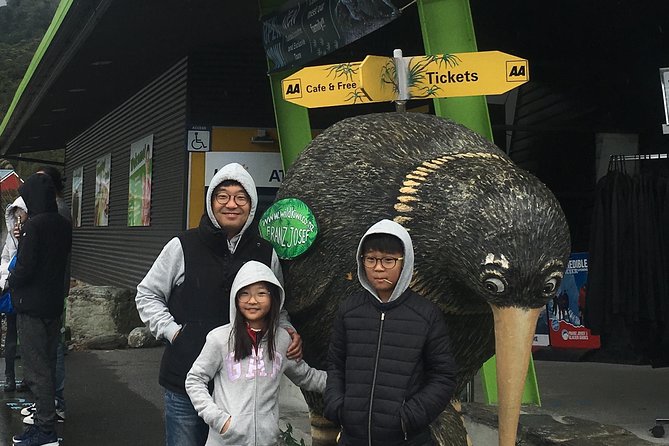
The centre is open every day from 8:30 a.m. and the visit usually takes one to two hours. Children must be accompanied by an adult, and most people can take part.
If you buy a senior ticket, bring proof of age. The activity can accommodate a maximum of eight people, although the standard attraction itself is a public centre rather than only a small guided group.
Photography restrictions apply inside the kiwi nocturnal house. The Backstage Pass allows photography, but follow staff directions around the birds and other animals.
Admission is non-refundable and cannot be changed after booking. That matters in Franz Josef, where weather can alter your schedule. I would choose a time that fits your plans with some care, since you cannot rely on getting your money back if you cancel.
Should you book the Franz Josef Wildlife Centre?
Book it if seeing a rare kiwi is high on your New Zealand wish list, especially if you want an indoor activity that works in poor weather. The 48-hour ticket adds useful flexibility, and the tuatara, glacier displays, and conservation films make the admission more than a single animal viewing.
Add the Backstage Pass if you want the best educational value. The guided explanation from rangers such as Steve or Devon can turn a short visit into a clearer picture of how kiwi recovery works. Just do not book it expecting guaranteed eggs or hatchlings.
Skip it if your schedule is packed with outdoor glacier activities and you are not interested in a small, focused wildlife centre. For most visitors staying in Franz Josef, though, this is a sensible stop with a rare payoff: the chance to watch a kiwi doing its quiet, busy work just a few steps away.
FAQ
Where is the Franz Josef Wildlife Centre located?
The centre is in the Franz Josef and Fox Glacier area of New Zealand.
How long should I allow for the visit?
Set aside about one to two hours for the main visit. If you add the Backstage Pass, allow roughly 30 to 45 extra minutes for the guided session.
What animals can I see?
You can see live Rowi kiwi in the nocturnal house and live tuatara. The centre also has films and information about native wildlife and conservation.
Can I photograph the kiwi?
Photography is restricted inside the kiwi nocturnal house. Photography is available during the kiwi Backstage Pass Tour.
Is the attraction suitable for children?
Yes. It is described as family-friendly, but children must be accompanied by an adult.
Is the centre open all year?
The centre is open every day from 8:30 a.m. and is promoted as an all-weather activity.
How long is my admission valid?
All tickets are valid for 48 hours. You can come and go during that period without paying another main admission fee.
Is parking included?
Yes. Free car parking is included.
Is food available?
The centre has a cafe where you can buy food and coffee. Major credit cards are accepted.
Can I cancel or change my booking?
No. The experience is non-refundable and cannot be changed for any reason after booking.
More Skip the Line in Franz Josef and Fox Glacier
- Skip the Line: Auckland Museum General Admission Ticket
★ 4.5 · 183 reviews - Skip the Line:WWI & WWII Combo Exhibitions at the Omaka Aviation Heritage Centre
★ 5.0 · 86 reviews - Skip the Line: Shantytown Heritage Park Experience Ticket
★ 4.0 · 59 reviews - Skip the Line: Dangerous Skies WWII Exhibition – Omaka Aviation Heritage Centre
★ 4.5 · 25 reviews
Just added around Franz Josef and Fox Glacier
- Ultimate Discovery: 3 Glaciers & Snow Landing – 45min★ 5.0 · 112 reviews
- Fox Glacier: Twin Glacier Helicopter Flight with Snow Landing★ 4.5 · 33 reviews
- Twin Glacier Fox and Franz, Snow Landing (allow 30 mins – departing Fox Glacier)★ 4.5 · 10 reviews
- Tandem Skydive 16,500ft from Franz Josef★ 5.0 · 19 reviews
- Tandem Skydive 10,000ft from Franz Josef★ 5.0 · 4 reviews
- Tandem Skydive 18,000ft from Franz Josef★ 4.5 · 29 reviews
- Fox Glacier & Mount Cook 35-Minute Helicopter Flight★ 4.5 · 8 reviews
- 2-Hour Scenic Cruise in Lake Mapourika★ 5.0 · 105 reviews
Wildlife, compared.
Clearwater Wildlife Tours (small group 10max) Otago Peninsula
Read our review →
6 Ziplines, Swing-Bridges & Wildlife Encounters
Read our review →
Small Group Daytime 2-Hour Eco Wildlife Tour at Zealandia
Read our review →Browse the lists this tour appears in