
Reviewed · OTAGO PENINSULA WILDLIFE TOURS
Clearwater Wildlife Tours (small group 10max) Otago Peninsula
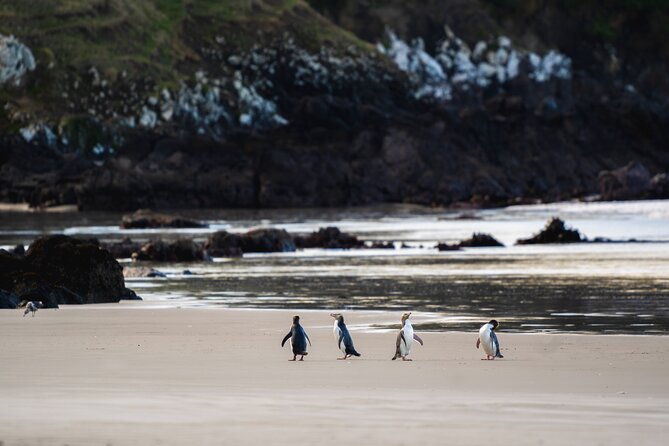
The rarest sight here is the yellow-eyed penguin, or hoiho, a shy bird that lives in the wild along the Otago Peninsula. This four-hour trip takes you beyond the usual public stops, into private habitats near Cape Saunders where seals, sea lions, seabirds, and penguins may appear in their own territory.
I like two things right away: the 10-person maximum keeps the van and viewing spots personal, and the conservation work gives the outing real purpose. Guides such as Adrian, Ben, Kelly, Quinn, Paula, and Ferg are praised for spotting animals and explaining the local ecology without treating the wildlife like a stage show.
The main caution is simple: wild animals do not follow a timetable. You may miss the penguins, even though they are a central reason to book. The walk also includes hills, stairs, sand, and uneven ground, so this is not a good match for anyone with serious mobility limits.
Key points to know before you book
- Private access near Cape Saunders: You visit a secluded fur seal breeding colony and a native conservation reserve not generally open to the public.
- Small van, maximum 10 people: You get more room for questions and a better chance of hearing the guide when wildlife appears.
- Wildlife is never guaranteed: Yellow-eyed penguins have been seen, sometimes alongside seals and sea lions, but sightings depend on the animals.
- Four hours with no food stop: Bring snacks or a packed lunch. Water and cookies are supplied.
- Weather can turn fast: Warm layers and waterproof footwear matter. Jackets are available if you need them.
- Moderate walking required: Expect hills, steps, stairs, sand, and uneven tracks.
Why this Otago Peninsula tour feels different
Many Dunedin wildlife outings focus on a public attraction or a boat ride. Clearwater Wildlife Tours takes you across the Otago Peninsula by road, then into private coastal and conservation areas near Cape Saunders. That change matters. You are not simply ticking animals off a list. You are seeing the places where they breed, rest, and feed.
The tour is built around quiet observation. You may look down toward a secluded beach where New Zealand fur seals gather, scan the coast for seabirds, or use binoculars to search for a yellow-eyed penguin returning from the sea. The animals remain wild, and viewing distances are controlled for good reason.
I especially like the balance between scenery and wildlife. The drive passes through backcountry, inlets, wetlands, and open coastal country. Even when an animal stays hidden, the route itself gives you a strong sense of the peninsula’s wild side.
The cost is $139.63 per person. That is not a bargain-basement bus ride, but the price includes about four hours of guiding, return transport from central Dunedin, access to private land, binoculars, weatherproof jackets, water, and cookies. For you, the value rests mainly in the private access and the guide’s ability to find and explain wildlife. If all you want is a quick scenic drive, there are cheaper ways to see the peninsula. If you want a focused wildlife outing with a small group, the price is easier to justify.
More Wildlife Tours in Dunedin
- Dunedin: Wildlife and Penguin Tour
★ 4.6 · 239 reviews - Otago Peninsula Wildlife Cruise with Monarch
★ 4.5 · 227 reviews - Albatross, seals, and sea birds-Wildlife Cruise
★ 5.0 · 189 reviews
From Dunedin’s Octagon to Cape Saunders
You meet at 50 The Octagon in central Dunedin. The tour ends at the same point, which makes planning easier if you are staying in town or arriving by public transport. The air-conditioned vehicle holds no more than 10 people, a useful limit on a four-hour trip with several stops and walks.
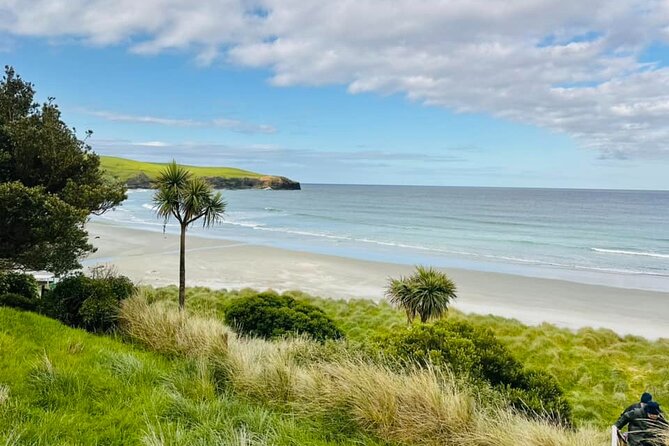
The drive toward Cape Saunders is part of the experience, not dead time. The route crosses the Otago Peninsula’s backcountry and inlets, with wetlands and wading birds appearing along the way. The scenery changes as you leave the city behind and reach the rugged Pacific coast.
Your guide provides the running commentary. The strongest part of the guiding is not only naming animals, but explaining why the peninsula matters. Adrian, for example, is noted for his conservation background and for discussing New Zealand ecology and history. Ferg has also been praised for explaining the work connected with yellow-eyed penguin protection. Guides including Ben, Kelly, Quinn, and Paula are known for spotting animals quickly and keeping the group engaged.
Ask questions as you go. With a large coach group, you might hesitate or miss the answer. In a 10-person van, the format is much more relaxed.
Cape Saunders and the private fur seal colony
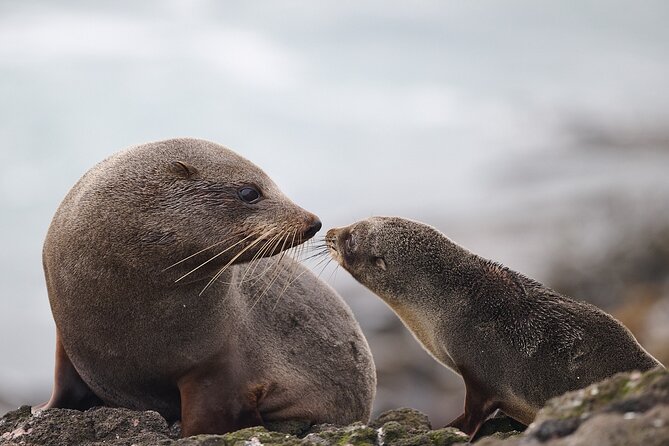
At Cape Saunders farm, you visit two viewing locations overlooking the Pacific. The coast here is wild and exposed, with a breeding colony of New Zealand fur seals below and seabirds moving around the cliffs and shore.
The private setting is the key advantage. You are not limited to a crowded roadside lookout, and the guide can direct your attention to animals that are easy to miss. A hide or viewing area helps you look toward the seal colony without walking into the animals’ space.
Fur seals can be especially rewarding because you may see different age groups and natural behavior. Sightings have included young seals playing, adults resting, and animals moving along the beach. The exact scene changes by day, so you should expect an unscripted encounter rather than a fixed display.
Seabirds add variety. Your guide may point out smaller wetland birds on the journey and larger coastal birds from the viewing sites. Albatross have been spotted in the wider area, sometimes far offshore, so binoculars are important. Clearwater supplies high-quality binoculars, which is a practical inclusion and saves you from packing bulky optics.
This section can be windy and cold. Bring warm clothing even in summer. Maritime weather shifts quickly, and the supplied wind and rain jackets are useful backup rather than a reason to arrive in light clothing.
The conservation reserve and the search for hoiho
The next major part of the trip is a native conservation reserve. Here, the guide leads you toward breeding grounds used by yellow-eyed penguins and New Zealand sea lions.
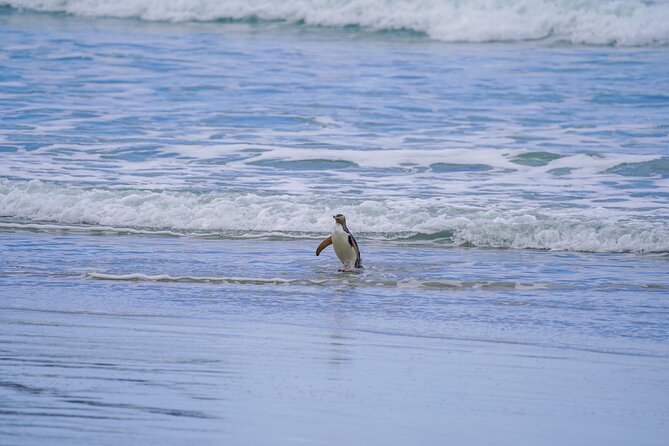
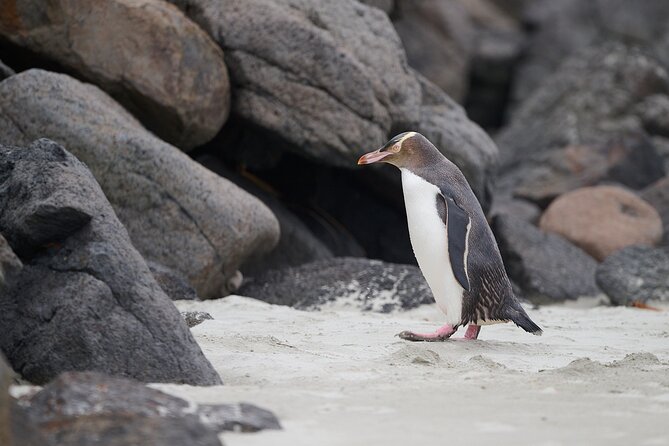
Yellow-eyed penguins are among New Zealand’s most precious wildlife sightings, but you need realistic expectations. They are shy and rare. You may see one from a distance with binoculars, perhaps on a beach or moving back from the ocean. You should not expect a close encounter, and you should not expect a sighting on every departure.
That distance is part of responsible wildlife watching. The penguins are protected from unnecessary disturbance, so the best viewing may be a small figure far away. A guide who knows where to look makes a large difference, but no guide can control when a penguin appears.
A few practical photography points help. Bring your best camera, but do not plan on walking right up to the animals. Binoculars are included, though you may find photography difficult without a long lens. One useful suggestion is that a spotting scope could help people who struggle with binoculars, but the tour’s supplied equipment is still a strong start.
The reserve also gives you a chance to understand conservation beyond the headline species. Your guide can connect the penguins, sea lions, plants, birds, beaches, and human land use into one local story. That is why I would choose this tour over a simple drive-by wildlife stop.
More albatross and penguin watching on the peninsula:
- Guided Evening Penguin Viewing Otago Peninsula, Dunedin, New Zealand
★ 5.0 · 471 reviews - Dunedin Shore Excursion: Small-Group Tour of Dunedin and the Otago Peninsula
★ 4.5 · 270 reviews - Otago Peninsula In-Depth Tour & Blue Penguins Pukekura Experience
★ 5.0 · 163 reviews - Dunedin Wildlife Cruise-Albatross, seals and harbour
★ 5.0 · 115 reviews
Sea lions, beaches, and a moderate walk
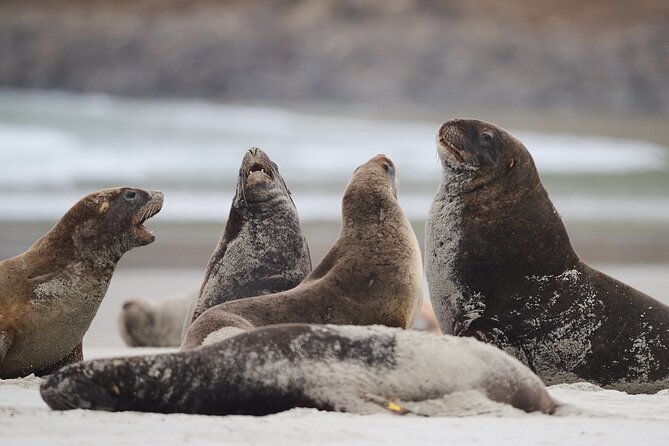
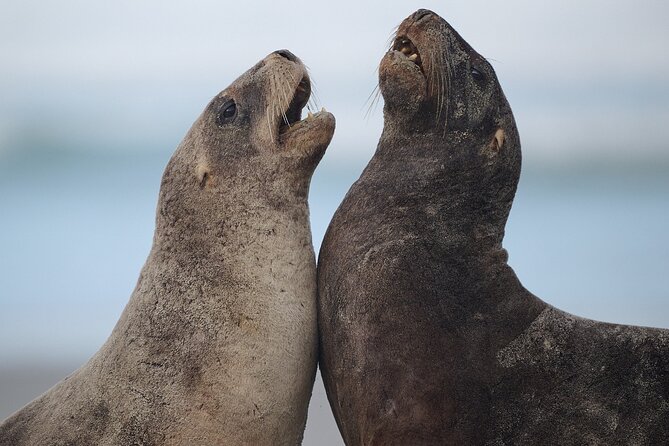
New Zealand sea lions are another major attraction. They may be resting on the beach, lying in the sand, or moving between the shore and inland areas. Their size and presence make them easy to appreciate, but you still need to follow the guide’s instructions and keep a respectful distance.
The beach walk is memorable because it puts you in the animals’ wider home range rather than behind a standard exhibit barrier. It also requires more effort than the marketing language might suggest. You will deal with sand, uneven ground, hills, and several sets of steps or stairs.
For many people, this is a moderate and manageable outing. Wear walking shoes or boots with good tread, especially if conditions are wet or muddy. Sand can be tiring, and the combination of stairs and slopes may slow you down.
If you have a mobility limitation, read the fitness notes carefully. The terrain is not suitable for people with walking disabilities, and the tour is not recommended for those with mobility issues. Some scenic viewing options may involve less walking, but the full experience depends on reaching the trails and beach areas.
Children under five cannot join. Older children can take part, but small children may struggle to keep up, and they cannot sit on an adult’s lap for safety reasons. Families with children who enjoy nature and can manage a four-hour outdoor outing should pack carefully and bring extra layers.
Weather, food, and what to pack
This is an outdoor tour in a place where conditions can change quickly. The safest packing list is practical:
- Warm layers, even during warmer months
- Waterproof outer clothing
- Walking shoes or boots with firm tread
- Personal medication
- A packed lunch or snacks
- A camera with a useful zoom, if you have one
The company supplies wind and rainproof jackets, binoculars, water, and cookies. Toilets are available at the farm and at the Octagon meeting point. There are no food stops, so do not count on buying lunch during the trip.
The four-hour duration is long enough for hunger to become a distraction. A small packed meal keeps you focused on the coast instead of wondering when the next café will appear.
If you are visiting from a cruise ship, tell the operator the name of your ship when booking. The central meeting point and four-hour schedule can work well for a port day, but you should still leave a sensible buffer around ship departure and return transport.
How good is the small-group format?
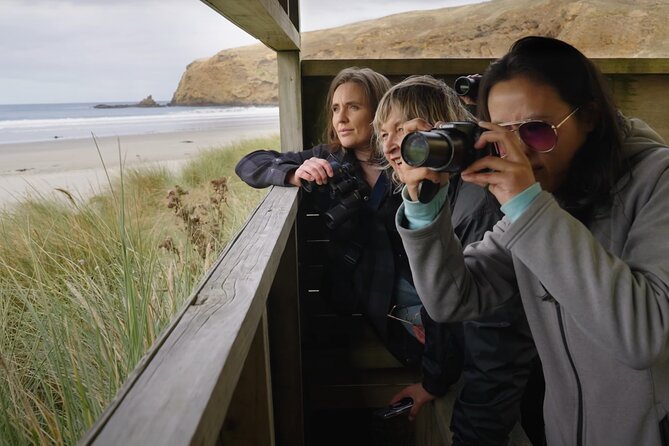
The maximum of 10 people is one of the tour’s strongest features. Wildlife watching depends on quiet, quick communication. When a guide spots a penguin or distant bird, a smaller group can move into position with less fuss.
You also get more time for questions. The guides are praised for discussing conservation, local culture, history, and animal behavior, not just pointing at the next seal. A guide’s skill matters a great deal here because wildlife can be difficult to see, especially at a distance.
The small van also makes the journey more personal. You spend a fair amount of time driving through the peninsula, so a compact group helps the trip feel like a guided outing rather than a transfer.
Still, do not mistake small group size for guaranteed privacy. Ten people can fill the vehicle, and everyone needs a clear view when something appears. The format improves your odds of a good experience, but the animals remain in charge.
The wildlife you might see
The main species connected with this outing include:
- Yellow-eyed penguins
- New Zealand fur seals
- New Zealand sea lions
- Albatross
- Wetland and wading birds
- Other native birds and coastal species
Sightings vary. Some departures have included seals, sea lions, yellow-eyed penguins, and many birds. Other outings have missed penguins but still produced strong seal, sea lion, bird, and scenery encounters.
That variation is worth accepting before you book. The honest appeal of this tour is not a guaranteed animal checklist. It is access to a protected coastal setting with a guide who knows how to search without harassing the wildlife.
Who will get the most from this tour?
I would recommend it to you if you care about native wildlife, enjoy outdoor walks, and prefer a small group to a large coach. It suits photographers, birdwatchers, families with children old enough to manage the terrain, and cruise passengers looking for a land-based alternative to a boat trip.
It is also a good choice if conservation matters to you. The guides bring a clear concern for protecting the animals, and the trip lets you see why habitat and careful viewing rules matter.
I would hesitate to recommend it if you need step-free access, dislike changing weather, or will be disappointed by a distant penguin sighting. You should also reconsider if you need a meal stop, a leisurely pace, or a fully guaranteed wildlife encounter.
Is Clearwater Wildlife Tours worth $139.63?
For a standard sightseeing drive, the price is high. For a four-hour small-group trip with private habitat access, specialist guiding, binoculars, jackets, return transport, and a real chance of seeing rare wildlife, it is fair value.
The strongest value comes from the setting and the guides. A skilled guide can spot a penguin or albatross that you would pass without noticing, then explain what you are seeing and why it matters. That turns a view through binoculars into a memorable natural-history experience.
The only part no price can fix is luck. You may see the full mix of penguins, seals, sea lions, and birds. You may see only some of them. Book this as a respectful wildlife outing, not as a guaranteed penguin show.
Should you book it?
Yes, if the Otago Peninsula is a priority and you want private access, a small group, and strong conservation-focused guiding. The combination of Cape Saunders scenery, fur seals, sea lions, seabirds, and possible yellow-eyed penguins is hard to match in a half-day format.
Before booking, check that you can handle hills, stairs, sand, and uneven ground. Pack food and warm waterproof layers. If you can accept that nature sets the schedule, Clearwater Wildlife Tours offers one of Dunedin’s most meaningful ways to meet the peninsula’s wildlife.
FAQ
How long does Clearwater Wildlife Tours last?
The tour lasts approximately four hours.
Where does the tour start and finish?
It starts at 50 The Octagon in central Dunedin and ends back at the same meeting point.
What animals can I see?
You may see yellow-eyed penguins, New Zealand fur seals, New Zealand sea lions, albatross, wetland birds, wading birds, and other native species.
Are yellow-eyed penguins guaranteed?
No. Yellow-eyed penguins are rare and wild, so sightings cannot be guaranteed.
What is included in the tour?
The tour includes an air-conditioned vehicle, high-quality binoculars, wind and rainproof jackets, water, cookies, and access to toilets at the farm and meeting point.
Do I need to bring food?
Yes. There are no food stops, so bring a packed lunch or snacks if you need them during the four-hour outing.
Is the tour suitable for people with mobility issues?
No. The tour requires moderate fitness and includes hills, stairs, sand, and uneven ground. It is not suitable for people with walking disabilities and is not recommended for those with mobility issues.
Just added around Dunedin
- Otago Peninsula Scenery and Dunedin City Highlights Tour★ 4.5 · 33 reviews
- Clearwater Private Penguin & Wildlife Tour from Port Otago (5hrs)★ 5.0 · 7 reviews
- Dunedin Nature & City Tour – Full Day Cruise Excursion★ 4.5 · 87 reviews
- Shore Excursion: Dunedin City, Otago Peninsula, Castle Gardens & Olveston Tour★ 5.0 · 81 reviews
- Castle, Coast & City Tour – 8 pax max – Castle Entrance Included★ 5.0 · 102 reviews
- Iconic Wildlife Tour with Yellow Eyed Penguins & Royal Albatross★ 4.5 · 33 reviews
- Harbour, Albatross and Wildlife Cruise on Otago Harbour★ 4.5 · 22 reviews
- Dunedin Shore Excursion – Sightseeing, Larnach Castle, Chinese Garden & Museum★ 3.5 · 13 reviews
Otago Peninsula Wildlife Tours, compared.
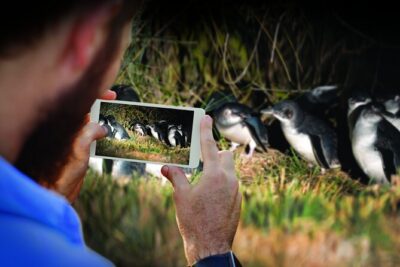
Guided Evening Penguin Viewing Otago Peninsula, Dunedin, New Zealand
Read our review →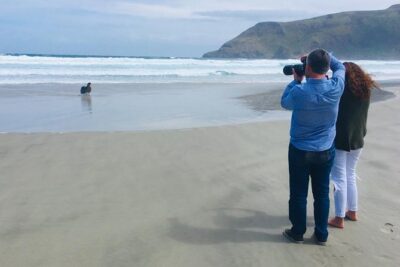
Dunedin Shore Excursion: Small-Group Tour of Dunedin and the Otago Peninsula
Read our review →
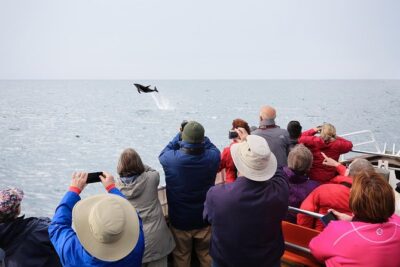
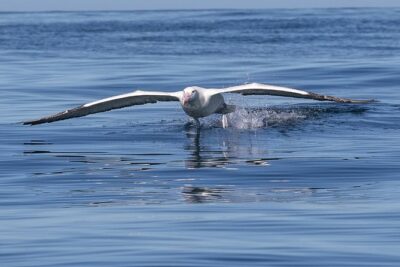
Albatross, seals, and sea birds-Wildlife Cruise
Read our review →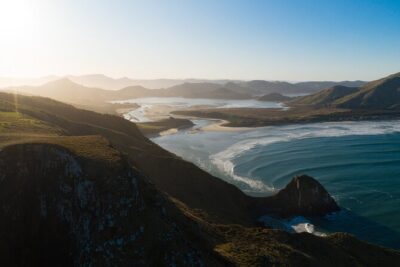
Otago Peninsula In-Depth Tour & Blue Penguins Pukekura Experience
Read our review →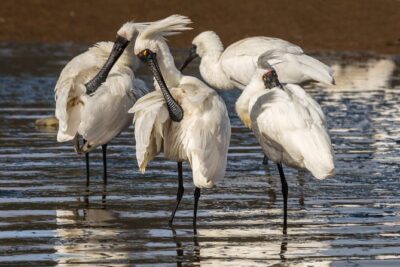
Dunedin Wildlife Cruise-Albatross, seals and harbour
Read our review →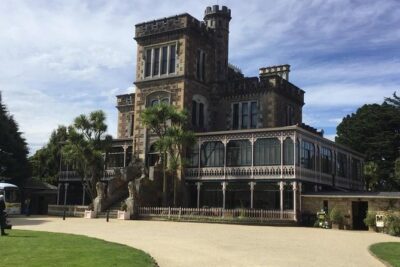
Shore Excursion: Dunedin City, Otago Peninsula, Castle Gardens & Olveston Tour
Read our review →Browse the lists this tour appears in