
Reviewed · OTAGO PENINSULA WILDLIFE TOURS
Wildlife and Penguin Tour
The rarest sight here is the yellow-eyed penguin, or hoiho, a New Zealand species that may appear on the beach or remain hidden at sea. This 90-minute visit combines a conservation talk, close views of penguins in care, and a guided search in their natural setting.
I like the small group of no more than 15, which gives you room to ask questions. I also like the thoughtful gear: good binoculars and waterproof jackets save you from packing extra equipment. The catch is simple: wild animals keep their own schedule, so you might see only a distant penguin, or none at all.
Key points
- Three-part visit: Start with a theatre presentation, see penguins in rehabilitation when available, then take a short bus ride to the reserve.
- A 2-kilometre nature walk: Expect a moderate outing on foot, not a quick roadside wildlife stop.
- Wildlife beyond penguins: Fur seals, sea lions, and birds may appear during the reserve visit.
- Useful equipment included: High-quality binoculars and complimentary waterproof jackets are provided.
- Conservation comes first: The visit explains the work protecting an endangered native species.
- Best for patient wildlife watchers: Late afternoon or evening may offer better penguin viewing, but sightings are never guaranteed.
Meeting the hoiho on the Otago Peninsula
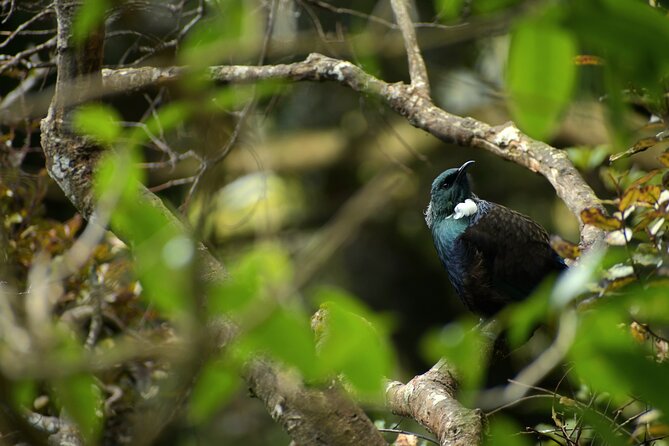
The Otago Peninsula is one of the best places in New Zealand to look for yellow-eyed penguins in the wild. The hoiho is endangered and native to New Zealand, so seeing one here carries more weight than checking off a common zoo animal.
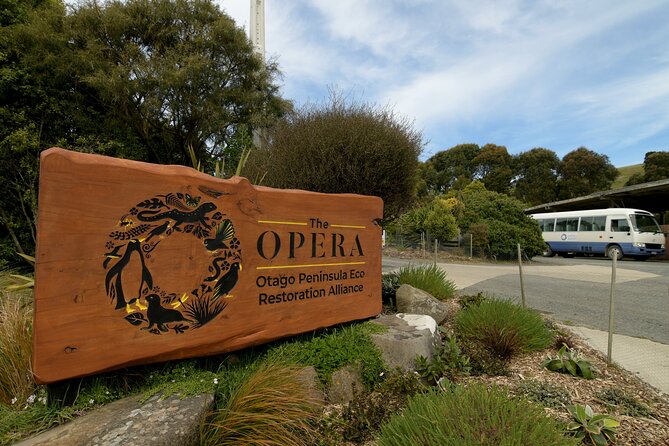
The tour is operated by the Otago Peninsula Eco Restoration Alliance, known as OPERA. Its purpose is not simply to point a camera at wildlife. You learn why the penguins need protection, see the work being done at the rehabilitation centre, and then head outside to look for animals living free.
That order matters. A wild penguin can be easy to miss, especially from a distance. After the presentation and close views at the centre, you understand what you are looking for and why the sighting matters.
The total visit lasts about 90 minutes. That is long enough to include several different parts without taking over your whole day in Dunedin. It is also short enough to fit beside other Otago Peninsula plans, though the 2-kilometre walk means you should not treat it as a purely seated activity.
More Wildlife Tours in Dunedin
- Clearwater Wildlife Tours (small group 10max) Otago Peninsula
★ 5.0 · 531 reviews - Dunedin: Wildlife and Penguin Tour
★ 4.6 · 239 reviews - Otago Peninsula Wildlife Cruise with Monarch
★ 4.5 · 227 reviews
The theatre talk gives the visit a purpose
The first part takes place in a theatre setting. Here, you learn about the yellow-eyed penguin and the conservation work aimed at protecting it.
This is a useful beginning, especially if you are new to New Zealand wildlife. The talk puts the rest of the visit into context. Instead of simply hoping to spot a small bird on a distant shore, you understand that the tour supports a serious effort to protect a species under pressure.
The strongest praise for this part of the visit has centred on the staff. You can expect a friendly, approachable guide who explains the work clearly and gives you time to ask questions. In a group limited to 15 people, the talk should feel more personal than a large coach outing.
The theatre portion is not the wildlife highlight by itself. If you want nonstop animal sightings, you may find the opening presentation slow. I see it as an important tradeoff: less time rushing outside, more time understanding what you are seeing.
The rehabilitation centre offers the closest penguin views
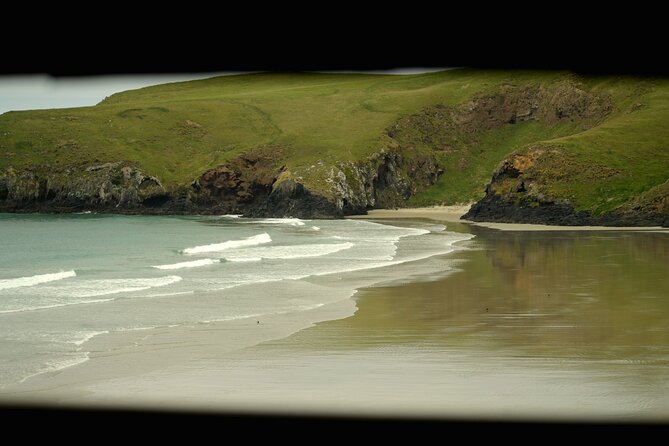
Next, you visit the rehabilitation centre. When penguins are present, you can see yellow-eyed penguins and other penguin species up close while learning how the centre helps them.
This is often the surest part of the tour for seeing a penguin. A wild hoiho might stay hidden, but a bird in care can give you a much clearer look at its shape, colouring, and behaviour. The close view also helps children and anyone without sharp eyesight appreciate the animal.
The centre is not presented as a petting area. The penguins remain behind a fence, and that distance is appropriate. The goal is care and recovery, not entertainment at the animal’s expense.
Keep your expectations sensible. The number of penguins at the centre depends on which animals are receiving care at that time. You may see several species, or only a few birds. Still, this stop gives the tour a reliable conservation element even when the outdoor search is quiet.
I especially like the combination of a close look and a clear explanation of the work involved. It turns a brief penguin sighting into a better understanding of why rehabilitation is needed.
A short bus ride leads to the reserve
After the centre, you take a short bus trip into the reserve. This saves you from walking the full distance from the meeting point and lets the guided nature portion begin in the wildlife area.
The bus transfer is practical rather than scenic entertainment. It connects the indoor parts of the visit with the outdoor search and keeps the 90-minute schedule manageable.
Once you arrive, the guide leads an approximately 2-kilometre walk. You use the supplied binoculars to scan for yellow-eyed penguins and other animals. The binoculars are a real help because a penguin may be far away, partly hidden, or moving along the shore.
This is where patience becomes part of the outing. You might see a penguin returning from the water, a nesting bird, or an animal at a distance. You might instead spend more time watching seals and sea lions. The guide can help you identify what you are looking at and explain the wildlife around you.
A moderate level of fitness is recommended. The distance is not extreme, but the tour does involve walking outdoors rather than simply stepping off a bus for a quick photo. Wear sensible shoes and be ready for changing conditions. The complimentary waterproof jacket is useful, but it does not replace comfortable walking clothes.
More albatross and penguin watching on the peninsula:
- Guided Evening Penguin Viewing Otago Peninsula, Dunedin, New Zealand
★ 5.0 · 471 reviews - Dunedin Shore Excursion: Small-Group Tour of Dunedin and the Otago Peninsula
★ 4.5 · 270 reviews - Albatross, seals, and sea birds-Wildlife Cruise
★ 5.0 · 189 reviews - Otago Peninsula In-Depth Tour & Blue Penguins Pukekura Experience
★ 5.0 · 163 reviews
Expect seals, sea lions, and birds as well as penguins
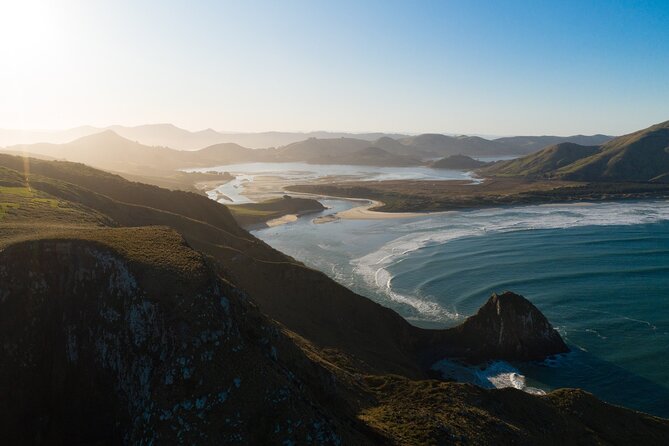
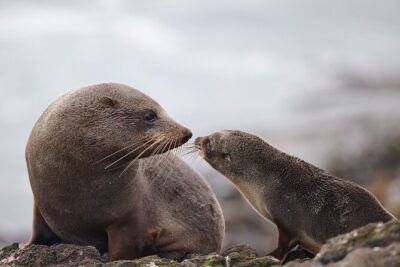
The title focuses on penguins, but the reserve visit has a wider wildlife mix. Fur seals, sea lions, and birds may also appear.
That variety helps soften the disappointment if the hoiho stays out of sight. A few people have reported seeing nesting penguins along with several seals and sea lions. Others have had only a distant penguin, or no useful wild sighting at all. Wildlife viewing is never fixed, and the difference between a memorable outing and a quiet one can come down to timing, weather, and animal behaviour.
You should think of the wild section as a search, not a performance with a guaranteed finale. The guide can take you to the right area and explain what to watch for, but no responsible wildlife operator can command a penguin to leave the ocean at a particular minute.
This is also why the binoculars matter. A distant hoiho may still be a meaningful sighting, but without optical help it could look like a tiny moving dot. The included binoculars give you a better chance to follow the action without bringing your own pair.
Why the conservation message is worth your time
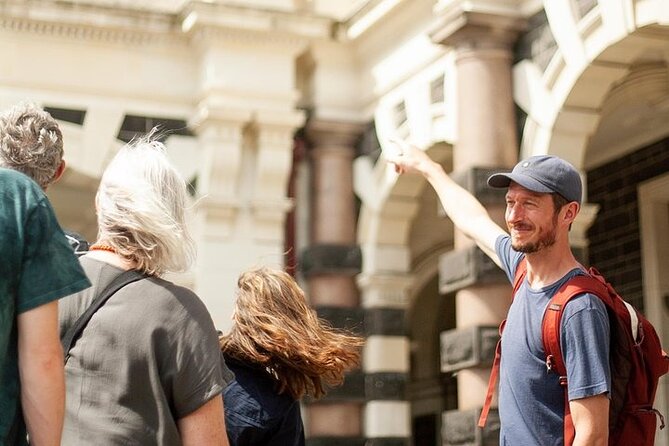
The conservation work is the heart of this visit. Yellow-eyed penguins are endangered and found only in New Zealand, so the chance to see one comes with a responsibility to protect its habitat and wellbeing.
The tour lets you see conservation at three levels. The theatre explains the problem. The rehabilitation centre shows direct care for penguins. The reserve walk gives you a look at the animals in their natural setting.
That structure makes this more worthwhile than a simple wildlife drive for anyone who wants context. You are not just collecting a photograph. You are learning why a quiet beach, a nesting area, or a distant bird can matter.
The rehabilitation centre also gives you a useful contrast. A penguin in care can be seen clearly, while a wild bird must be left alone and may remain far away. That difference is part of the lesson. The best wildlife visit respects the animal’s freedom, even when that means the photograph is not perfect.
Timing can affect what you see
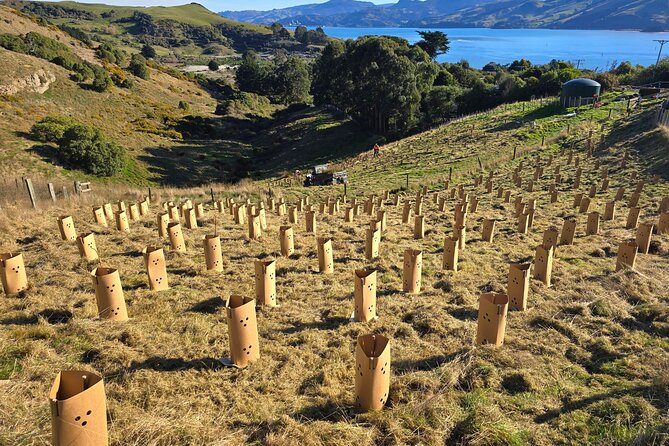
One practical tip comes from the nature of the animals: a later tour may give you a better chance of seeing penguins. A late afternoon or evening visit has been described as a good choice because penguins may return from the water around that time.
This is not a promise. The hoiho can return at any point, and its behaviour is unpredictable. Still, if you have flexibility, I would favour a later departure over expecting a midday sighting to deliver the same result.
Weather matters too. The Otago Peninsula can be exposed, and the tour provides waterproof jackets to help with wet conditions. Take the offer seriously. Even a short outdoor walk is more enjoyable when you are prepared for rain or spray.
The weather may also affect visibility and comfort. A calm, clear outing can make distant wildlife easier to spot. A wet or windy visit may feel tougher, though the jackets and binoculars reduce some of the trouble.
Is $46.54 good value?
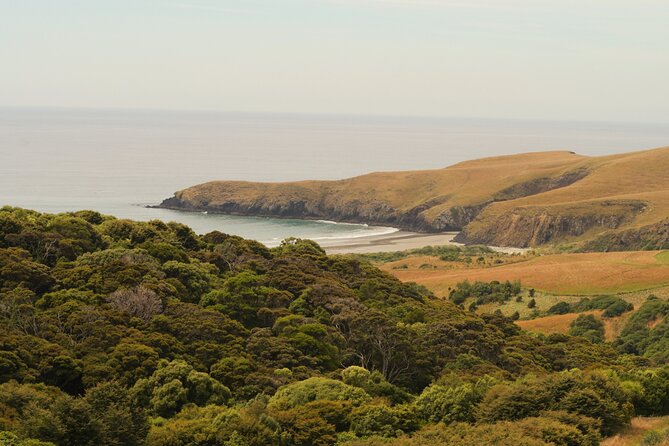
At $46.54 per person, this is reasonably priced for a guided 90-minute wildlife visit that includes admission, a guide, a bus transfer within the reserve, binoculars, waterproof jackets, the theatre presentation, the rehabilitation centre, and the outdoor walk.
The value depends on what you want. If your only goal is a guaranteed close-up of a wild yellow-eyed penguin, no price can remove the uncertainty. You could pay for the tour and see only one bird far away.
If you value conservation information and a range of wildlife, the price makes more sense. You receive several distinct parts rather than a single viewing platform. The centre can provide close penguin views when animals are present, while the reserve adds the possibility of wild hoiho, seals, sea lions, and birds.
The small group also helps. With a maximum of 15 people, you are less likely to feel lost in a crowd, and there should be more opportunity to ask about the animals and conservation work.
I would call it good value for nature lovers who accept that wildlife is unpredictable. I would be more cautious if your schedule is tight and you need one specific animal to appear on cue.
Who will enjoy this tour most?
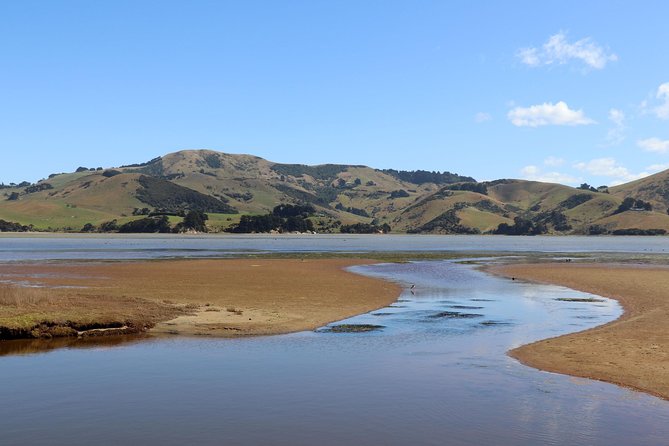
This tour suits anyone who cares about wildlife and wants more than a quick photo stop. Families can benefit from the different formats, moving from a presentation to close animal views and then an outdoor walk.
It also suits visitors with a particular interest in New Zealand’s native species. The yellow-eyed penguin is not just another penguin in a long list. It is an endangered bird with a strong local connection, and the tour explains that importance.
You should have moderate physical fitness because of the 2-kilometre walk. The tour is less suitable if you want to avoid walking outdoors or if you need guaranteed close access to wild animals.
Patient photographers may enjoy it, especially with the binoculars provided. But this is not the place to expect every sighting to produce a sharp, close photograph. Bring patience along with your camera.
What to know before you go
The meeting point is 45 Pakihau Road in Portobello, Dunedin 9077. The activity finishes back at that same meeting point, so plan your transport around both ends.
A mobile ticket is accepted. Alcoholic drinks are not included, though they are not central to this short wildlife visit.
Book with the weather and timing in mind. If you can choose among departures, a later afternoon or evening option may improve your chance of seeing penguins return from the sea. Wear footwear suited to a moderate walk, and use the supplied waterproof jacket if conditions look wet.
You can cancel for a full refund if you do so at least 24 hours before the start time. Changes or cancellations inside that period are not accepted for a refund, and the cut-off uses local time.
Should you book the OPERA penguin tour?
Book it if you want a compact, well-organized introduction to yellow-eyed penguins and Otago Peninsula conservation. The combination of a clear presentation, rehabilitation-centre access, binoculars, a small group, and a reserve walk gives you more substance than a simple wildlife lookout.
Go with realistic expectations. You may see a hoiho up close at the centre, in the wild at a distance, or not at all outside. The most praised parts are the friendly staff, the useful information, the variety of wildlife, and the chance to see penguins receiving care.
For me, the tour earns its price because the conservation work is not an add-on. It is the reason the visit feels worthwhile even on a quiet wildlife day. If you need guaranteed wild penguins, choose with caution. If you want to support conservation while giving yourself a genuine chance to see a rare New Zealand bird, this is a sensible Dunedin choice.
FAQ
Where does the Wildlife and Penguin Tour start?
The tour starts at 45 Pakihau Road, Portobello, Dunedin 9077, New Zealand.
Where does the tour finish?
The activity ends back at the meeting point at 45 Pakihau Road.
How long does the tour last?
The tour lasts approximately 1 hour and 30 minutes.
What animals might I see?
You may see yellow-eyed penguins, other penguin species at the rehabilitation centre, fur seals, sea lions, and birds.
Are yellow-eyed penguin sightings guaranteed?
No. Yellow-eyed penguin behaviour is unpredictable, and wild sightings can vary from one day to another.
How long is the outdoor walk?
The guided reserve walk is approximately 2 kilometres, or 1.25 miles.
Are binoculars provided?
Yes. High-quality binoculars are included for the wildlife search.
Are waterproof jackets provided?
Yes. Complimentary waterproof jackets are available during the tour.
What is the cancellation policy?
You can cancel at least 24 hours before the local start time for a full refund. Cancellations or changes made less than 24 hours before the start time are not accepted for a refund.
Just added around Dunedin
- Otago Peninsula Scenery and Dunedin City Highlights Tour★ 4.5 · 33 reviews
- Clearwater Private Penguin & Wildlife Tour from Port Otago (5hrs)★ 5.0 · 7 reviews
- Castle, Coast & City Tour – 8 pax max – Castle Entrance Included★ 5.0 · 102 reviews
- Dunedin Nature & City Tour – Full Day Cruise Excursion★ 4.5 · 87 reviews
- Shore Excursion: Dunedin City, Otago Peninsula, Castle Gardens & Olveston Tour★ 5.0 · 81 reviews
- Iconic Wildlife Tour with Yellow Eyed Penguins & Royal Albatross★ 4.5 · 33 reviews
- Harbour, Albatross and Wildlife Cruise on Otago Harbour★ 4.5 · 22 reviews
- Dunedin Shore Excursion City Sightseeing & Tour of Larnach Castle★ 4.0 · 66 reviews
Otago Peninsula Wildlife Tours, compared.
Clearwater Wildlife Tours (small group 10max) Otago Peninsula
Read our review →
Guided Evening Penguin Viewing Otago Peninsula, Dunedin, New Zealand
Read our review →
Dunedin Shore Excursion: Small-Group Tour of Dunedin and the Otago Peninsula
Read our review →
Albatross, seals, and sea birds-Wildlife Cruise
Read our review →
Otago Peninsula In-Depth Tour & Blue Penguins Pukekura Experience
Read our review →
Dunedin Wildlife Cruise-Albatross, seals and harbour
Read our review →Browse the lists this tour appears in