
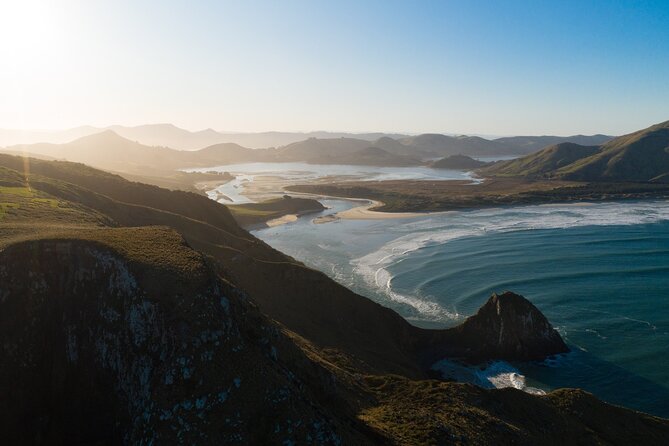
Reviewed · OTAGO PENINSULA WILDLIFE TOURS
Otago Peninsula In-Depth Tour & Blue Penguins Pukekura Experience
The smallest penguins in the world are the stars here. At dusk, they come out of the sea and waddle past the viewing platform only a few metres away, heading to burrows where they feed chicks or rest. Before that, you spend nearly two hours touring the Otago Peninsula with a guide who explains its geology, Māori heritage, wildlife, and plants, not just the road to the penguin colony.
I like two things right away: the small van group, capped at 11, makes the long ride personal, and the guides, including Jonathan, Danni, James, and Sian, bring real field experience to the stories. You also get close wildlife viewing without a zoo setting. The main catch is that this is an evening outing in an exposed coastal area, so it can be very cold after dark, and penguins arrive on their own schedule.
Key points to know before booking
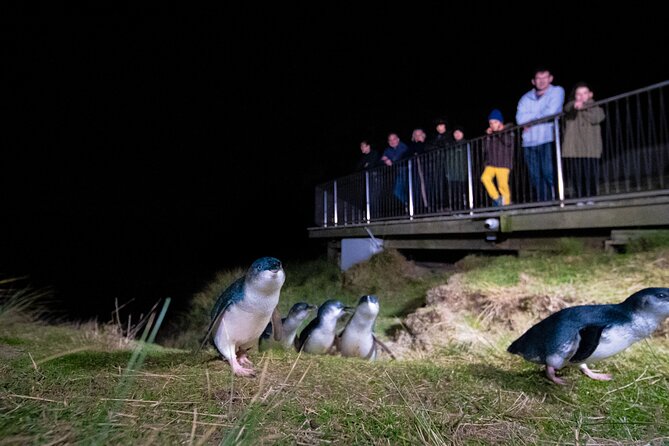
- Little blue penguins pass just metres away: The viewing platform gives you a close look as the birds leave the water and walk inland.
- The drive is part of the tour: You learn about Dunedin and the Otago Peninsula while stopping for scenery, birds, and coastal wildlife.
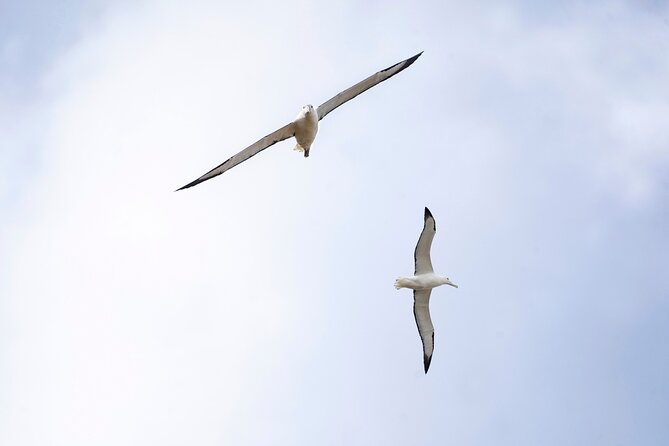
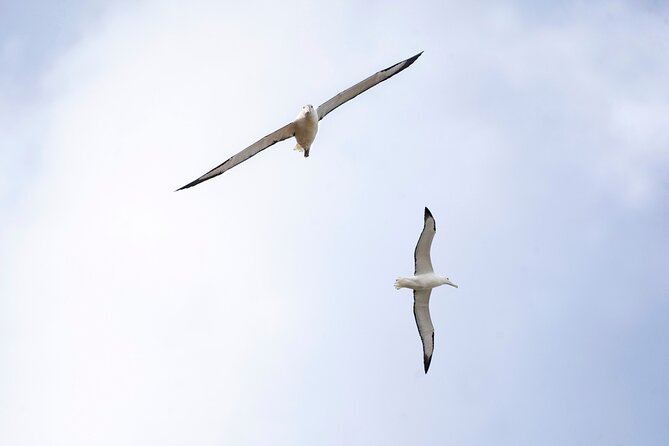
- Wildlife sightings change with the season: Seals and albatross are possible, but they are not guaranteed.
- Small transport group, larger penguin audience: The van holds no more than 11 people, while up to 75 people may join the penguin viewing.
- Bring serious warm clothing: You remain outdoors after sunset, and umbrellas are not allowed on the viewing platform.
- A good value half-day outing: At $102.39 per person, transport, guiding, the peninsula tour, and the penguin experience are bundled together.
Why the penguins are worth the late finish
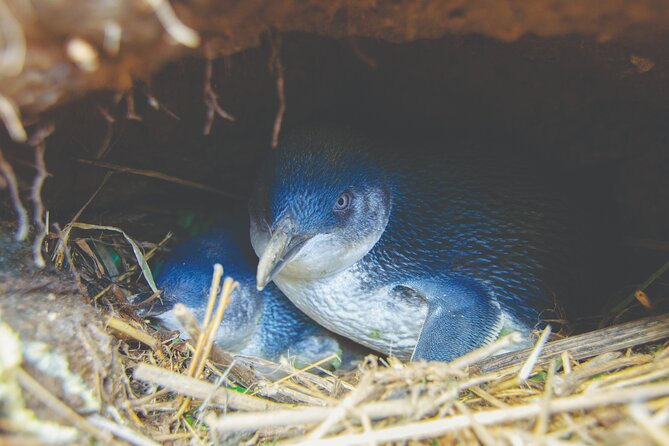
Pukekura, also known as Taiaroa Head, protects one of the Otago Peninsula’s largest little blue penguin colonies. These birds spend the day at sea and return after dark, often in small groups. You wait at the viewing area as the waterline becomes active, then watch the penguins cross the beach and make their way toward their burrows.
The timing is part of the excitement. The guides can tell you the penguins will return, but they cannot promise exactly when. Some evenings produce a spectacular procession, with more than 120 birds arriving within an hour. On other nights, the wait is longer and the numbers may be lower.
That uncertainty is worth understanding before you book. This is a wild colony, not a staged animal show. The penguins do not appear on command, and the weather affects what else you see. The operator offers a 30 percent refund through this booking channel if fewer than five penguins appear. Direct bookings have a different stated refund level of 50 percent, so compare terms if that matters to you.
The close viewing is handled well. You stay on the platform while the birds pass below and nearby, and photography is allowed as long as you turn off the flash. That rule protects the penguins and helps keep the viewing calm. You may hear a range of calls as the birds gather, which adds more character than a silent photo opportunity.
More albatross and penguin watching on the peninsula:
- Clearwater Wildlife Tours (small group 10max) Otago Peninsula
★ 5.0 · 531 reviews - Guided Evening Penguin Viewing Otago Peninsula, Dunedin, New Zealand
★ 5.0 · 471 reviews - Dunedin Shore Excursion: Small-Group Tour of Dunedin and the Otago Peninsula
★ 4.5 · 270 reviews
Dunedin to Taiaroa Head, with the city as a prologue
The tour starts at the Dunedin i-SITE Visitor Information Centre at 50 The Octagon. Pickup is offered, and the city portion takes about 30 minutes, including pickup time. You pass some of Dunedin’s best-known buildings before the road opens toward the peninsula.
This first section is brief, but useful. If you have just arrived, it gives you a quick orientation to Dunedin before the wildlife begins. The guide also handles the driving, which matters later when the return journey takes place in darkness on winding roads.
From the city, the route follows the Otago Peninsula toward Pukekura. The road itself is scenic, with coastal views and changing vegetation, but the real value comes from the commentary. Instead of simply being delivered to an attraction, you get an explanation of how the peninsula formed and how people and wildlife use it today.
The exact stops can vary. Guides such as Jonathan, Danni, James, and Sian are praised for pointing out birds, landmarks, and details that are easy to miss from a moving vehicle. Danni, in particular, is described as energetic and deeply interested in wildlife, while Jonathan is known for linking natural and human history as the van moves along.
The 1-hour-45-minute peninsula tour
The main daytime portion lasts about 1 hour and 45 minutes. It covers the peninsula’s geology, human history, botany, and zoology, a much broader introduction than a simple ride to an animal viewing area.
The tour was designed by Lyndon Perriman, a former wildlife ranger who spent 30 years working on the Otago Peninsula. That background helps explain why the commentary reaches beyond a list of species. You hear how the peninsula’s landforms affect its plants and animals, how people have used the area, and why the headland matters as a place of both Māori significance and wildlife protection.
I would pay attention to the guide’s local observations here. The best parts of this drive are not always the scheduled stops. A guide may spot a bird, point out a landmark, or explain a feature of the coastline that you would otherwise pass without noticing. The experience gives you context first, then lets you watch the penguins with a better sense of the place they call home.
The wildlife count is seasonal. You might see several kinds of birds, seals, or albatross, but conditions can change what appears. One evening brought seals and many penguins but no albatross because there was little wind. Another outing included albatross overhead and a sea lion. Treat these animals as possible bonuses rather than promised stops.
Taiaroa Head and the meaning of Pukekura
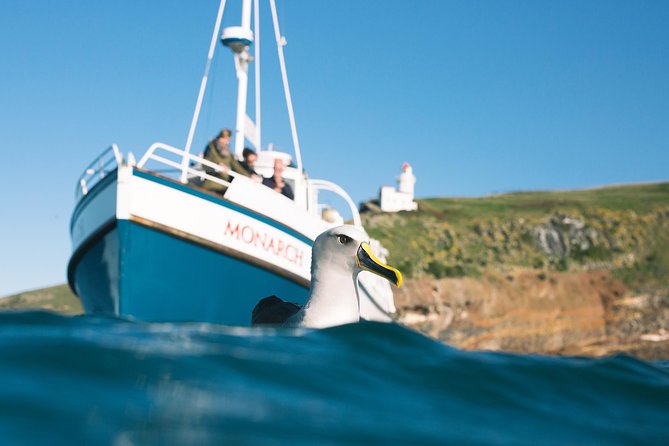
At the tip of the peninsula, Pukekura, or Taiaroa Head, carries importance beyond its wildlife. It is a significant Māori site and now a major reserve for birds and marine animals. The guide leads you to cliff viewing locations, where you may look for seals nearby and albatross flying above.
This is one of the tour’s strongest features because it connects wildlife with place. You are not simply checking animals off a list. The headland has cultural, geological, and ecological meaning, and the guide explains those layers before you settle in for the penguin return.
Allow some flexibility here. Albatross sightings depend on season and conditions, and they may be limited to a few birds overhead. If albatross are your main goal, this trip should not be treated as a guaranteed albatross viewing tour. The little blue penguins are the central event.
The cliff area can also be windy and exposed. You will be outside for much of the outing, so a proper jacket, warm layers, and a hat are sensible. A light outfit that feels fine in Dunedin during the afternoon may not be enough once the sun is down at Taiaroa Head.
A few more Dunedin half-days to weigh up
- Speight’s Brewery Tour & Guided Tasting
★ 5.0 · 508 reviews - Larnach Castle and Gardens Admission Ticket
★ 4.5 · 279 reviews - Dunedin: Wildlife and Penguin Tour
★ 4.6 · 239 reviews - Otago Peninsula Wildlife Cruise with Monarch
★ 4.5 · 227 reviews
The shared Pukekura penguin viewing
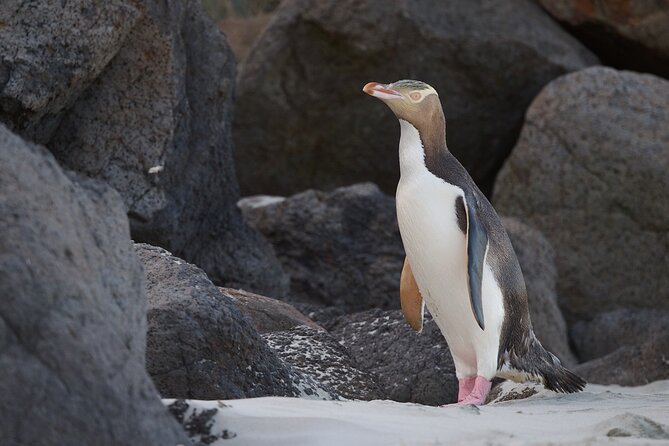
For the final major part of the evening, your small van group joins other visitors for the Blue Penguins Pukekura Experience. The full tour vehicle holds up to 11 people, but this portion can include up to 75 people. That distinction matters if you book expecting the entire evening to remain private or small-group.
The viewing platform is designed to give everyone a chance to see the penguins. The birds emerge from the sea, cross the beach, and walk toward their homes. Some may pass only a few metres from you, creating excellent viewing even though you are sharing the space.
You can take photographs, but flash is forbidden. Bring a camera with a low-light setting if you have one, but do not let photography distract you from the scene. The penguins are tiny, quick, and surprisingly expressive. The sound of the colony can be as memorable as the sight of the birds.
The visitor centre also has an indoor display area and a shop. You may have time to look around, but the outdoor penguin arrival is the reason to keep your attention on the clock. One practical lesson: the penguins are worth waiting for, even if they arrive late.
Guides who make the drive matter
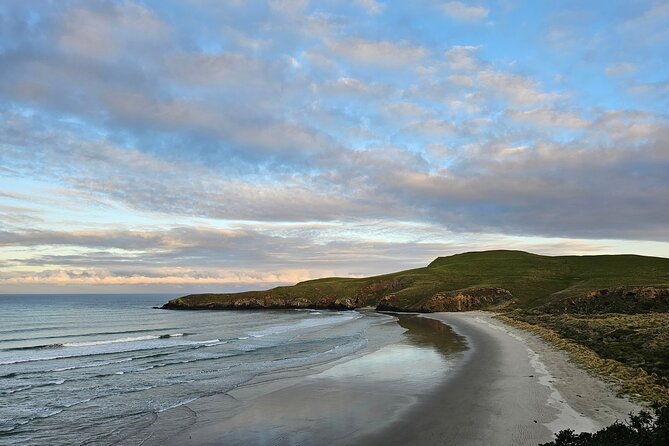
This experience depends heavily on the guide. A basic transfer would get you to Taiaroa Head, but the stronger guides turn the road into a natural history lesson.
Jonathan is frequently praised for explaining Dunedin, the peninsula, wildlife, and the area’s human past. Danni brings energy and warmth, especially when pointing out birds and discussing conservation. James is noted for combining clear information with a calm, considerate approach, including getting people safely back through the dark. Sian adds local stories, mythology, and a lively presentation.
The tour provider also draws on the experience of Lyndon Perriman, whose decades as a wildlife ranger shaped the route and subject matter. You should expect the guide to discuss more than penguins: local plants, bird behavior, ecology, history, Māori culture, geology, and the wider role of the reserve.
That breadth is a major reason to choose this tour instead of arranging only a penguin visit. You see more of the peninsula and gain a framework for understanding the wildlife. It also makes the outing worthwhile for anyone in your group who is interested in nature but not obsessed with penguins.
The five-hour timing and return to Dunedin

The complete experience lasts about five hours. The schedule includes the Dunedin pickup and city drive, around 1 hour and 45 minutes touring the peninsula, 30 minutes around Taiaroa Head, roughly 1 hour and 30 minutes for the penguin experience, and about 45 minutes returning to Dunedin.
The return route may use Portobello Road or Castlewood Road, depending on drop-offs, including possible drop-offs for people staying near Larnach Castle. Some departures begin around 6:30 in the evening and return to Dunedin at about 11:30 p.m. Exact timing will depend on the season, pickup arrangements, penguin arrival, and traffic.
That late finish is not a minor detail. You should avoid booking a dinner reservation or another evening activity that depends on a precise return time. The outing works best when you accept the penguin schedule and let the evening unfold.
Transport is another practical plus. The van is clean, comfortable, and small enough for a more personal ride. Hotel pickup and drop-off are available according to the booking arrangement, while the listed meeting point is the i-SITE in the Octagon. If you are prone to motion sickness, tell the guide early. One passenger was able to sit at the front of the van, which made the ride easier.
Is $102.39 good value?
At $102.39 per person, I consider this a fair price for the amount packed into five hours. You are paying for transport from Dunedin, a guided tour of the peninsula, multiple wildlife viewing opportunities, access to the Pukekura penguin experience, and a return ride after dark.
The value is strongest if you do not have a car or do not want to drive unfamiliar roads at night. You also avoid having to plan separate stops and interpret the area on your own. The guide’s ability to spot birds and explain the peninsula adds something a self-drive visit may miss.
The price is less compelling if you only want a quick penguin encounter and do not care about geology, culture, history, plants, or birds. The first part of the outing is not filler, but it does require time and attention before the main event.
The operator is a charitable trust whose stated aim is to protect the reserve and the peninsula’s largest penguin colony. For many people, supporting a conservation-focused organization adds value, especially when the visit is managed around the welfare of a wild colony.
Who should book this experience?
I would choose this tour if you want a broad introduction to the Otago Peninsula and a close look at little blue penguins in one evening. It suits first-time visitors to Dunedin, solo visitors who prefer organized transport, wildlife fans, and anyone who likes learning the story behind a place.
It is also a good fit for families with older children. Children must be at least six years old, and the vehicles do not carry small child restraints. The tour is not suitable for very young children.
You need to walk about 300 metres without assistance and manage stairs. The walkway to the viewing platform includes about 60 stairs, so this is not a fully accessible outing for anyone who cannot handle that distance or stair count.
You should skip it if you dislike late nights, cold weather, waiting outdoors, or uncertain wildlife sightings. You should also think twice if you need a tightly timed evening. The penguins are wild, and the schedule must leave room for them.
What to bring for a comfortable evening
Pack warmer clothing than you think you need. The final wait takes place outdoors after dark, and several parts of the peninsula are exposed to wind. Bring a warm jacket, extra layers, and a hat.
Do not bring an umbrella for the viewing platform. Umbrellas are not allowed there because they can create an eye hazard for people nearby. Wear shoes suitable for walking and stairs, and keep your camera flash switched off.
Your phone is useful for confirmation and mobile ticketing, but the important preparation is clothing and patience. If the penguins arrive late, you will be glad you dressed for standing outside.
Should you book the Otago Peninsula and Blue Penguins tour?
Book it if you want more than a penguin photo. The strongest feature is the combination of a well-explained peninsula tour with a close, carefully managed encounter with little blue penguins. The wildlife is genuine, the guides bring local depth, and the small vehicle keeps the driving portion comfortable.
Go in with sensible expectations. Albatross and seals are possible rather than guaranteed, penguin numbers vary, and the evening can be cold and late. If you accept those conditions, this is one of Dunedin’s most worthwhile nature outings, especially for anyone who wants to understand the Otago Peninsula as well as see its animals.
FAQ
How long does the Otago Peninsula and Blue Penguins Pukekura experience last?
The tour lasts approximately five hours, including pickup or meeting in Dunedin, the peninsula tour, penguin viewing, and the return journey.
Where does the tour start?
The listed meeting point is the Dunedin i-SITE Visitor Information Centre at 50 The Octagon, Central Dunedin. Pickup is also offered.
How many people travel in the tour vehicle?
The tour vehicle holds a maximum of 11 people.
How many people may join the penguin viewing?
The Blue Penguins Pukekura viewing is shared with other visitors and can include up to 75 people.
What wildlife might I see?
Depending on the season and conditions, you might see little blue penguins, seals, albatross, a sea lion, and other birds. Wildlife sightings are not guaranteed.
Can I take photographs?
Yes. Photography is allowed during the penguin experience, but flash photography is not permitted.
How cold is the experience?
You spend much of the tour outdoors, and it can become very cold after dark. Warm clothing is strongly advised.
Are children allowed to join?
Children must be at least six years old. The vehicles do not carry small child restraints.
What physical ability is required?
You need to walk about 300 metres without assistance and manage stairs. The walkway to the viewing platform includes approximately 60 stairs.
What happens if fewer than five penguins are seen?
The stated refund for bookings through this channel is 30 percent if fewer than five penguins are seen. The experience may also be changed or fully refunded if poor weather causes cancellation. Cancellations made at least 24 hours before the start time qualify for a full refund.
Just added around Dunedin
- Clearwater Private Penguin & Wildlife Tour from Port Otago (5hrs)★ 5.0 · 7 reviews
- Otago Peninsula Scenery and Dunedin City Highlights Tour★ 4.5 · 33 reviews
- Castle, Coast & City Tour – 8 pax max – Castle Entrance Included★ 5.0 · 102 reviews
- Dunedin Nature & City Tour – Full Day Cruise Excursion★ 4.5 · 87 reviews
- Shore Excursion: Dunedin City, Otago Peninsula, Castle Gardens & Olveston Tour★ 5.0 · 81 reviews
- Iconic Wildlife Tour with Yellow Eyed Penguins & Royal Albatross★ 4.5 · 33 reviews
- Harbour, Albatross and Wildlife Cruise on Otago Harbour★ 4.5 · 22 reviews
- Dunedin Shore Excursion – Sightseeing, Larnach Castle, Chinese Garden & Museum★ 3.5 · 13 reviews
Otago Peninsula Wildlife Tours, compared.
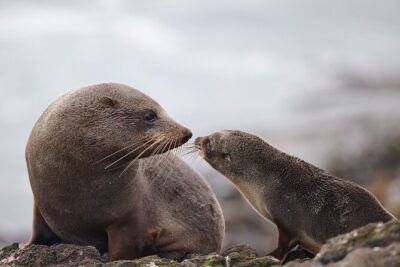
Clearwater Wildlife Tours (small group 10max) Otago Peninsula
Read our review →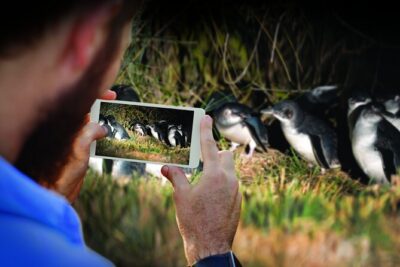
Guided Evening Penguin Viewing Otago Peninsula, Dunedin, New Zealand
Read our review →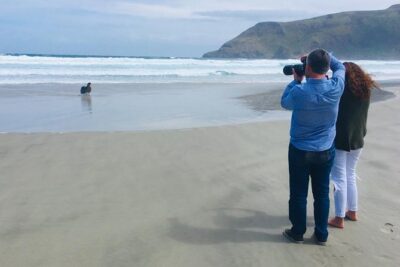
Dunedin Shore Excursion: Small-Group Tour of Dunedin and the Otago Peninsula
Read our review →
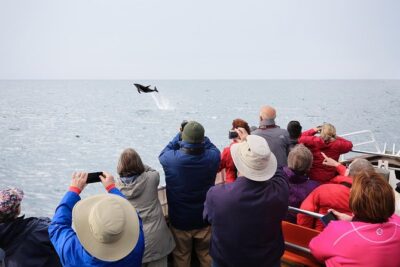
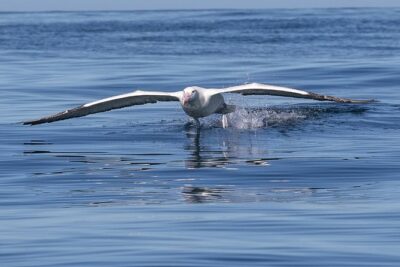
Albatross, seals, and sea birds-Wildlife Cruise
Read our review →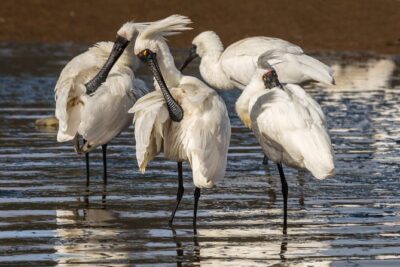
Dunedin Wildlife Cruise-Albatross, seals and harbour
Read our review →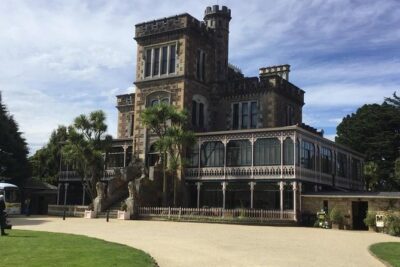
Shore Excursion: Dunedin City, Otago Peninsula, Castle Gardens & Olveston Tour
Read our review →Browse the lists this tour appears in