
Reviewed · SAFARI
Wellington: Half Day Seal Coast Safari
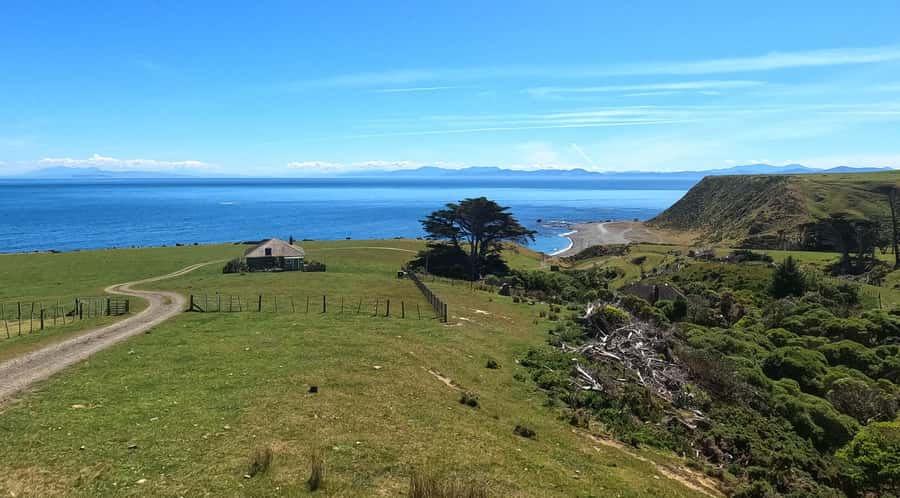
The real prize here is not simply a glimpse of seals. It is the route to reach them: a rough 4WD journey across private farmland, over high ridges and down to a remote beach that most Wellington visitors never see. At Tongue Point, fur seals lounge on the rocks, while ferries cross Cook Strait and the South Island mountains may appear beyond the water.
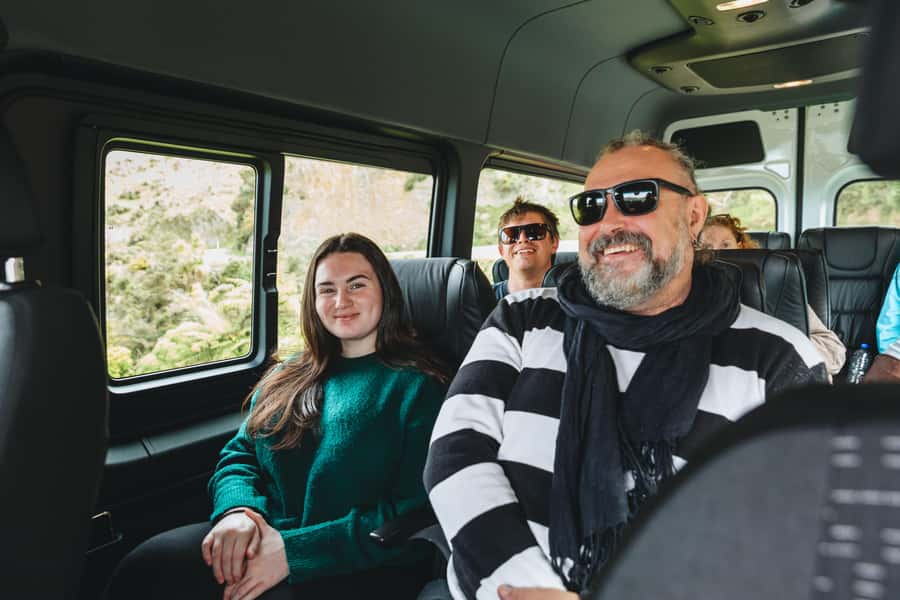
I like the thoughtful mix of native forest and wild coast, and I like that the small group format gives you time to ask questions. Guides such as Sarah, Grant, Marc, Chewy, Andy, and Gina are praised for their local stories, driving, and easy manner. The catch is the price, $116 per person, plus a bumpy ride that can feel like a lot if you only want a quick look at seals.
Key points to know before you book
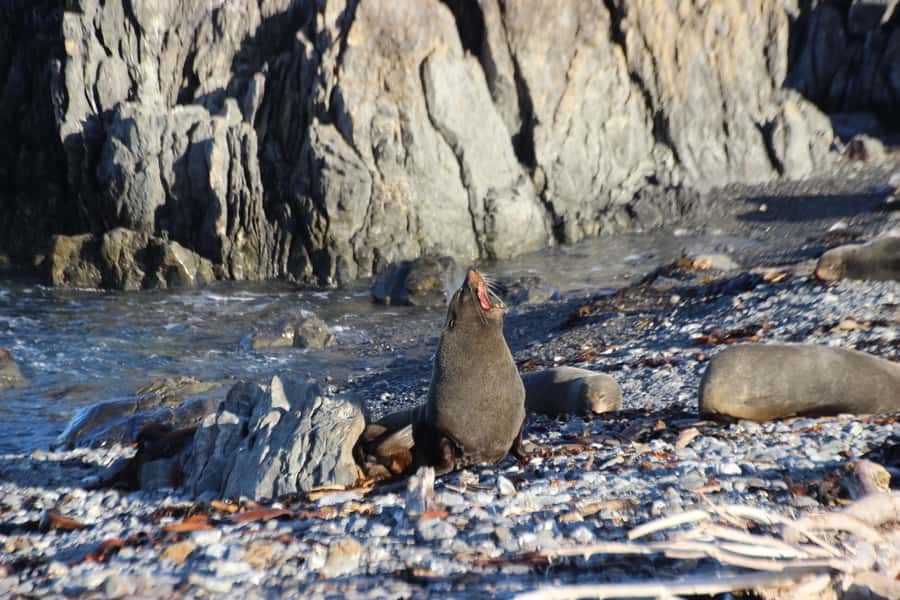
- Seals near Wellington: Watch New Zealand fur seals resting, playing, and swimming at Tongue Point.
- Private farmland access: Travel through Terawhiti Station, a route you cannot simply use on your own.
- Three very different settings: Visit Otari-Wilton’s Bush, cross open farm country, then reach the rugged South Coast.
- Small and personal: Groups are limited to 10 people, with pickup from central Wellington or the cruise terminal.
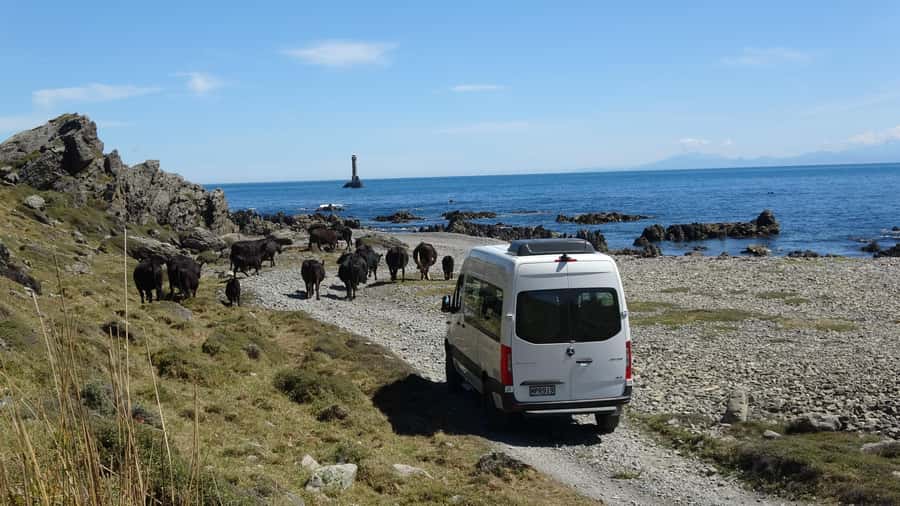
- Expect a proper 4WD track: Farm roads and the beach approach are rough, so the Mercedes van earns its keep.
- Weather matters: The safari runs in all conditions, but fog, rain, and wind can change the route and reduce the views.
Why this half-day safari offers more than a seal sighting
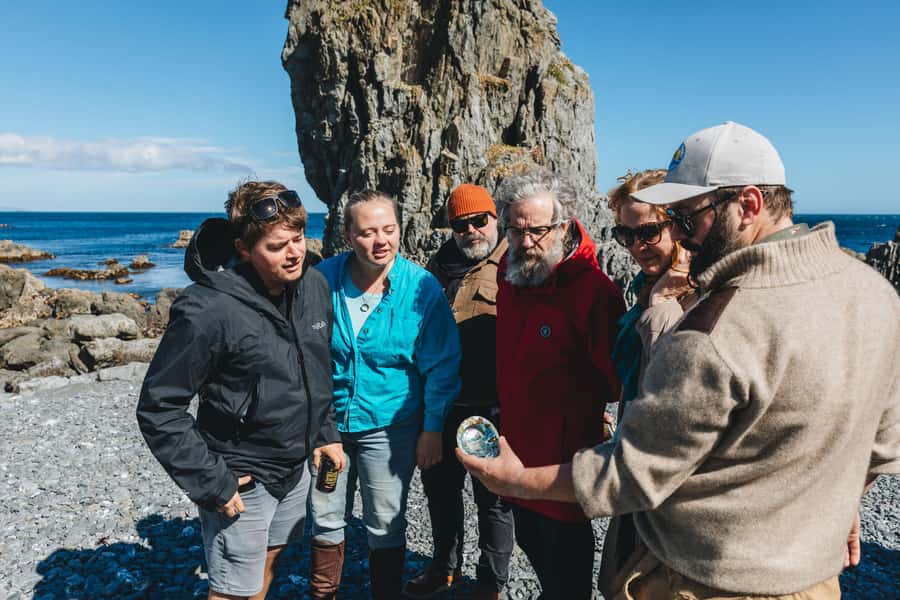
This 210-minute trip works because the seals are only one part of the outing. You begin with forest, move through working farmland, climb to broad Cook Strait views, and finish beside the sea.
That variety gives you a better sense of Wellington than a standard city tour. The city is compact, but its surrounding country is rugged and exposed. Within one half-day, you see native plants, recovering birdlife, sheep country, wind turbines, fault lines, and marine wildlife.
I also like the scale. With no more than 10 people, you are not being moved around in a large coach. The guide can explain a plant, stop for a photograph, or answer questions about Māori culture, local conservation, and Wellington’s famously strong wind.
The experience is sold at $116 per person. That is not cheap for a half-day outing, especially if you judge it only by the time spent at the seal colony. The value comes from the private access, 4WD transport, guide commentary, central pickup, and the chance to reach a remote coast without hiring a vehicle or arranging a long independent drive.
A few more Wellington half-days to weigh up
- Wellington: Wētā Workshop Guided Tour Ticket
★ 4.7 · 997 reviews - Wētā Workshop Experiences Tour – Wellington
★ 5.0 · 875 reviews - Wellington: Return Cable Car Ticket
★ 4.6 · 714 reviews
Otari-Wilton’s Bush begins the nature lesson
The first stop is Otari-Wilton’s Bush, a 100-hectare area of ancient and regenerating forest. It is also New Zealand’s only botanical garden devoted entirely to native plants.
This is a useful opening because it gives you context before the safari reaches the coast. On the skybridge, you look across the forest canopy while the guide explains how New Zealand’s plant life developed and how early Māori and European settlers encountered the country.
The forest is also a good place to learn about native birds. You might see tūī, kākā, kākāriki, kererū, and, occasionally, kārearea. The tour explains that several of these birds were extinct or endangered around Wellington only 25 years ago, so their return is part of a larger conservation story.
Do not expect a long forest hike. Minimal walking is required, and the stop is designed as an introduction rather than a full botanical excursion. That makes it suitable if you want nature without a demanding trek, but less appealing if your main goal is extended time among plants.
Guides bring their own style to this section. Natalie was especially praised for adding Māori culture and medicinal plant information, while Grant was noted for his clear explanations at the bush and along the coast. The exact guide varies, but the commentary is a central part of the experience.
Terawhiti Station turns the drive into an attraction
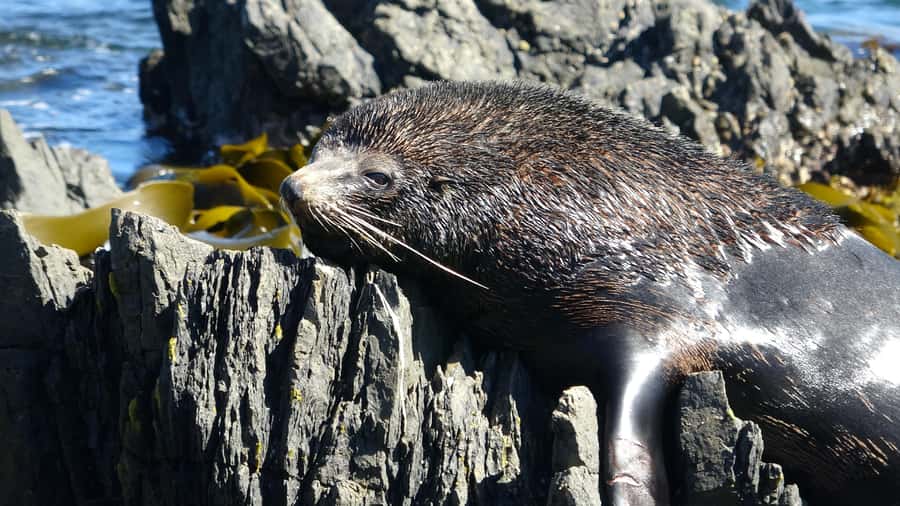
From the bush, the van heads toward Wellington’s South Coast and turns onto private access through Terawhiti Station. This is one of the tour’s strongest features.
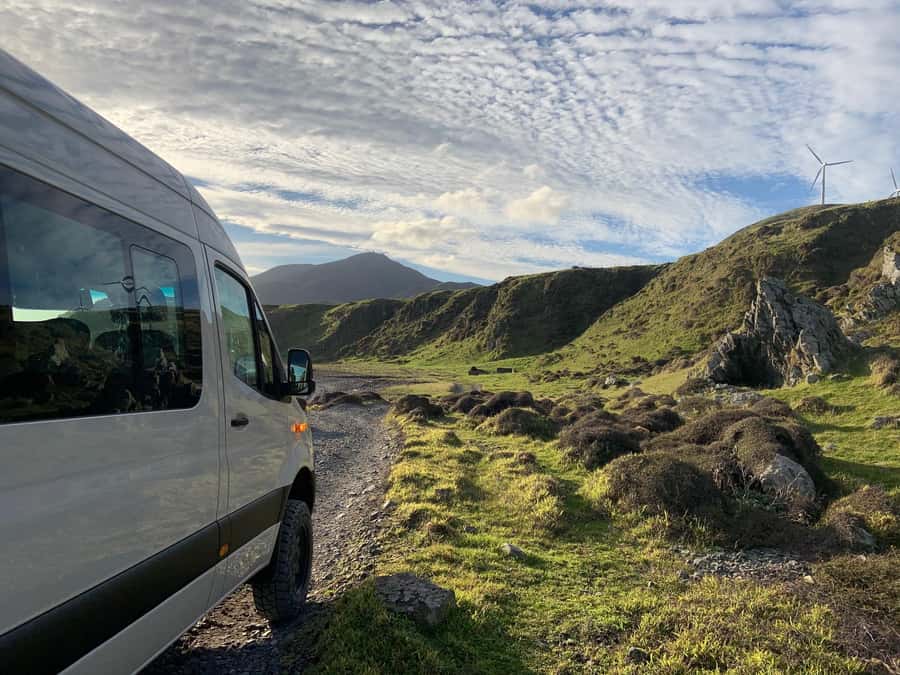
Terawhiti is one of New Zealand’s oldest and largest stations. As the van climbs, you might see sheep, cows, and goats. The drive is not polished or urban. It is open, exposed, and practical, with farm tracks shaped by the needs of the station rather than by sightseeing.
That also means the road can be rough. Several people specifically noted the bumps, and one described the ride as a proper test for the 4WD vehicle. The Mercedes vans are built for the route, but you should still expect to be shaken about at times. Comfortable shoes are sensible, and anyone prone to motion sickness may want to prepare.
At the high points, the reward is immediate. You may see across Cook Strait toward the South Island and the Kaikōura Ranges, with snow on the mountains when conditions are clear. Wellington’s weather can change quickly, so these views are never guaranteed. Heavy rain and fog have made the trip atmospheric but have also hidden the distant peaks.
The private route gives this portion real value. You are not just driving beside farmland from a public road. You are crossing a working station and reaching country that many people in Wellington never visit.
Wind turbines, kiwi recovery, and a hard country to farm
The ridgeline road was created for Project West Wind, a wind farm that produces enough electricity to power homes across the Wellington region. The turbines make perfect sense here. Wellington is known as Windy Welly for good reason, and this high, exposed country catches plenty of it.
Your guide explains how the wind farm and the farming operation work alongside each other. It is a practical example of how difficult country can support both agriculture and power generation.
The hills also form part of the Capital Kiwi project. Wild kiwi were recently reintroduced here after being absent from these hills for roughly 100 years. You are not promised a kiwi sighting, but the story adds meaning to the drive. The route becomes a look at conservation in progress, not just a scenic ride.
I find this part valuable because it shows how the area is changing. You see an old station, modern energy infrastructure, and new efforts to restore native wildlife in the same setting. The guide’s stories help connect those pieces.
The tradeoff is that the farm itself may feel incidental if you are expecting a dedicated agricultural visit. The main reason for crossing the station is access to the coast. Still, the views and the sense of remoteness make the drive worthwhile for anyone who enjoys seeing how places function beyond the city.
Same corner of the country, a completely different day out:
- Half Day Tour of Wellington
★ 4.5 · 638 reviews - Wellington: Guided City Tour with Cable Car Ticket
★ 4.8 · 553 reviews - Wellington’s Original LOTR Experience – includes Weta and Lunch
★ 5.0 · 529 reviews - Kapiti Island Classic Guided Day Tour
★ 5.0 · 522 reviews
The leaning lighthouse marks the descent to the sea
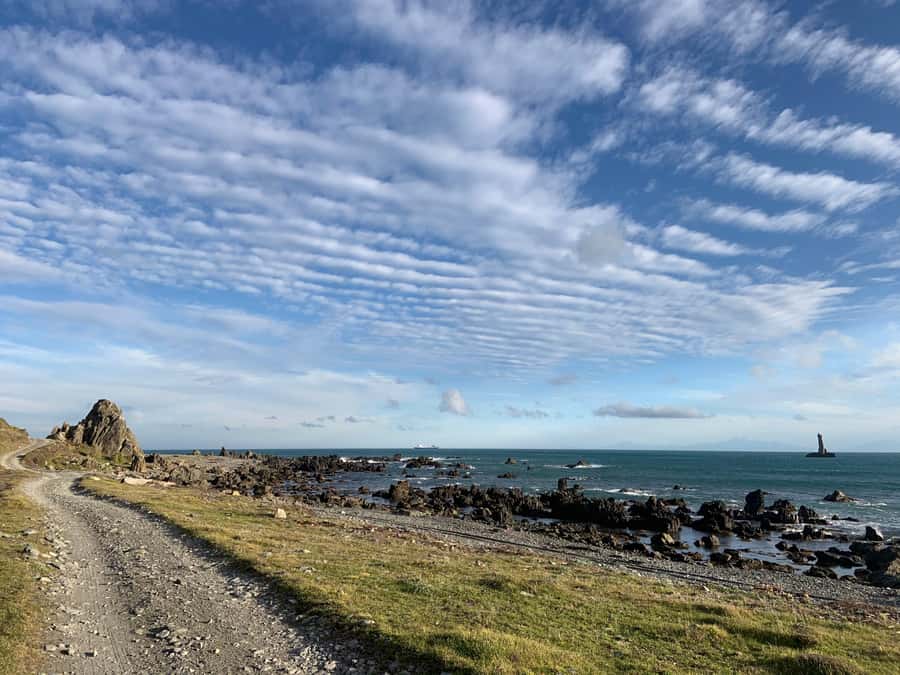
As the van drops toward sea level, look for Karori Rock Lighthouse, often called the leaning lighthouse. It was one of New Zealand’s first automated lighthouses, and it really does lean.
The lighthouse is not the main stop, but it is a memorable landmark on an otherwise wild stretch of coast. Once the van reaches the shoreline, the track becomes rocky and sandy as it continues toward Tongue Point.
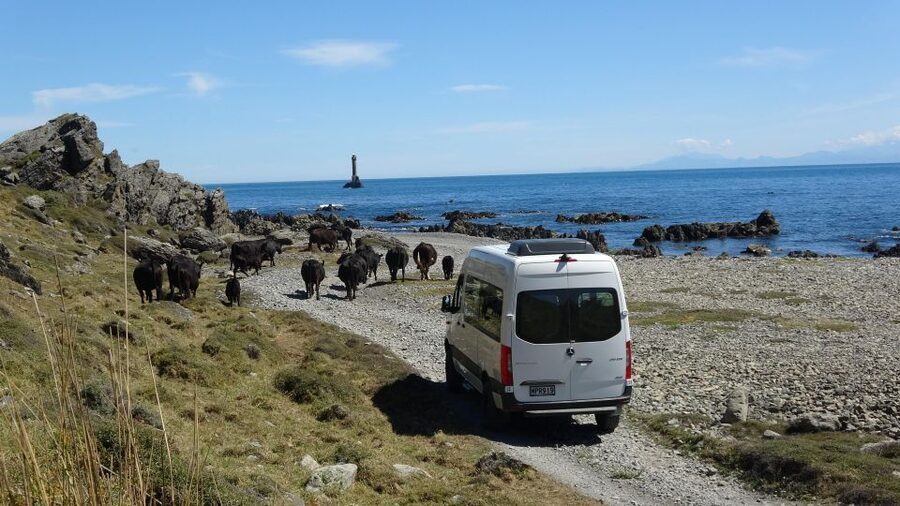
This is where the transport matters. The coast is not presented as an easy roadside pull-off. The vehicle handles the access track, allowing you to reach the seal colony without a long, strenuous walk. Minimal walking is required once you arrive, although you should still wear shoes suited to uneven ground.
The setting is exposed. Bring warm clothing even in summer, along with sunscreen and sunglasses. A bright day can make the coast dazzling, while a wet or windy day can feel raw. The safari runs in all weather, and conditions can lead to route changes.
Tongue Point is the clear highlight
At Tongue Point, you walk along the beach and rocky shore to watch New Zealand fur seals in their natural setting. They may be sunbathing, playing, or slipping into the water.
The seals are wild animals, not performers. Their behavior is the point. Some will be active, while others may simply lie still on the rocks. Your guide keeps you at a safe distance for the animals and for you, but the viewing can still feel close. One outing had seals photographed from roughly 10 to 15 metres away.
Numbers can vary, yet the colony is a reliable focus of the trip. Several outings saw many seals, and the animals were repeatedly described as the highlight. You should bring a camera, but do not forget to watch without it for a while. A seal colony is more enjoyable when you are not viewing the whole thing through a screen.
The guide explains the history, ecology, and conservation work behind the colony’s recovery. That matters because the visit becomes more than a wildlife photo stop. You learn why the animals are here and what has helped their numbers grow.
Light refreshments are served on the coast. A cup of tea or coffee beside a remote beach, with seals nearby and ferries moving between New Zealand’s two main islands, is exactly the sort of small travel moment that justifies the effort of getting there. One guide even made a particularly welcome coffee on a difficult-weather day.
Keep your expectations realistic. This is not a guaranteed close encounter, and you are not allowed to approach or touch the seals. The appeal is observing them where they have chosen to live.
The return journey adds another layer
After the coast, the van retraces the farm tracks and ridgelines toward Wellington. It might sound repetitive, but the return often gives you a second chance at the views.
Weather may have shifted, light may have improved, or a cloud bank may have opened over the South Island. The guide also continues with stories about the farmland, local fault lines, and the area’s history.
The ride back is another reason to think of this as a full half-day outing rather than a simple wildlife transfer. You spend substantial time in the vehicle, but the changing scenery keeps the route active.
The guides are a major part of that. Sarah has been praised for Wellington facts and careful driving, Chewy for being friendly and easy to talk with, and Marc for bringing the area alive with history and detail. Grant, Andy, Chris, Blue, Emily, Hamish, Gina, and others have also been praised for humor, local knowledge, and attention to comfort.
The exact quality depends partly on who leads your van, but the repeated pattern is clear: the guide is expected to do more than drive. You get commentary throughout the route, not just a short explanation at each stop.
Transport, pickup, and practical planning
Pickup is available from central Wellington locations and the cruise terminal. Listed city meeting points include Bunny Street near Wellington Railway Station, Wakefield Street, Te Papa, Cuba Street, and Courtenay Place. You must give your preferred pickup location when booking because the exact time varies by stop.
Cruise ship passengers should select Wellington Cruise Ship Port for direct pickup from the ship. If you are driving into the city, Barnett Street beside Te Papa is recommended as a meeting area, with the group gathering near the museum’s main entrance.
The group limit is 10 people. That is small enough to avoid the impersonal feel of a coach, and it helps the guide manage the forest stop, farm access, and seal viewing.
Do not bring luggage or large bags. This is important if you are joining between transport connections. The vans are set up for people and day bags, not suitcases.
The safari lasts 210 minutes, or three and a half hours. That makes it easy to fit into a Wellington day, but cruise passengers should allow a sensible margin after returning to the ship. The operator has worked with ship schedules, yet road and weather conditions can affect timing.
You can cancel up to 24 hours before departure for a full refund, and confirmed bookings can be moved to another day without charge if the supplier receives at least 24 hours notice. Reserve now and pay later is also available, which helps if your Wellington schedule is still changing.
Who will enjoy this most?
I would choose this for anyone who wants wildlife and scenery without a strenuous hike. It suits couples, solo visitors, small families, and cruise passengers looking for something beyond the central waterfront.
It is also a strong choice if you do not have a car. Private access through Terawhiti Station is difficult to replicate independently, and the 4WD handles the route for you.
Nature lovers will get the most from the combination of native forest, birdlife, farm country, conservation, and seals. It is also a good fit for anyone who enjoys local stories. The guides cover Māori culture, plants, farming, energy, wildlife, and Wellington history.
I would think twice if you dislike bumpy roads, windy conditions, or several hours in a vehicle. The walking is limited, but the drive is not gentle. I would also compare the cost with your priorities. If seals are your only goal, $116 may feel high. If you value access, transport, guiding, and a broad view of Wellington’s wild edge, the price is easier to defend.
Should you book the Wellington Seal Coast Safari?
Book it if you want to see a side of Wellington that is hard to reach on your own. The seals are the star, but the native forest, Terawhiti Station, wind farm, kiwi recovery story, lighthouse, and Cook Strait views make the trip feel complete.
Bring warm layers, expect a rough ride, and keep your schedule flexible around the weather. If you do that, this is a memorable half-day outing with real local character, not just a quick wildlife stop.
FAQ
How long does the Wellington Seal Coast Safari last?
The safari lasts 210 minutes, or three and a half hours.
What wildlife might I see?
At Otari-Wilton’s Bush, you might see native birds such as tūī, kākā, kākāriki, kererū, and occasionally kārearea. At Tongue Point, you will visit a colony of New Zealand fur seals.
Is pickup included?
Yes. Pickup is available from central Wellington locations and the Wellington Cruise Ship Port. You need to provide your preferred pickup location when booking.
How many people are in each group?
The tour is limited to 10 participants.
What should I bring?
Bring comfortable shoes, a camera, sunscreen, sunglasses, and warm clothing. Large bags and luggage are not allowed.
Is the safari suitable for wheelchair users?
No. The experience is not suitable for wheelchair users. Minimal walking is required, but the route includes rough farm and coastal tracks.
Just added around Wellington
- Te Awa Kairangi Grade 2 Scenic Rafting Tour★ 4.8 · 10 reviews
- Te Awa Kairangi Grade 2 Scenic Duckie Tour★ 4.7 · 9 reviews
- Remutaka Rail Trail eBike Shore Excursion for Cruise Ships★ 5.0 · 9 reviews
- Private Lord of the Rings Tour Wellington with Lunch★ 5.0 · 3 reviews
- Martinborough Winery and South Wairarapa Wild Coast Tour★ 4.8 · 21 reviews
- Chefs Private Martinborough wine tour with Gourmet Lunch★ 5.0 · 3 reviews
- Kapiti Island: Classic Guided Day Tour★ 4.8 · 5 reviews
- From Wellington: Kapiti Island Classic Guided Day Tour★ 5.0 · 4 reviews
Safari, compared.
Auckland Dolphin and Whale Watching Eco-Safari Cruise
Read our review →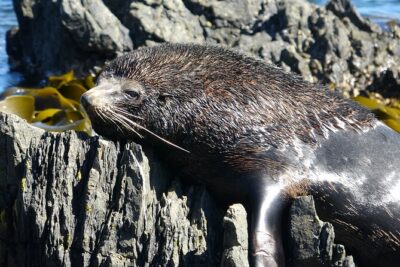
Seal Coast Safari – Exclusive access to Wellington’s secret coast
Read our review →
Kaikoura Whale Watching – 45 Minute Ocean Safari
Read our review →
Browse the lists this tour appears in