Reviewed · AUCKLAND TOURS
Tiritiri Matangi Island Discovery – from Auckland
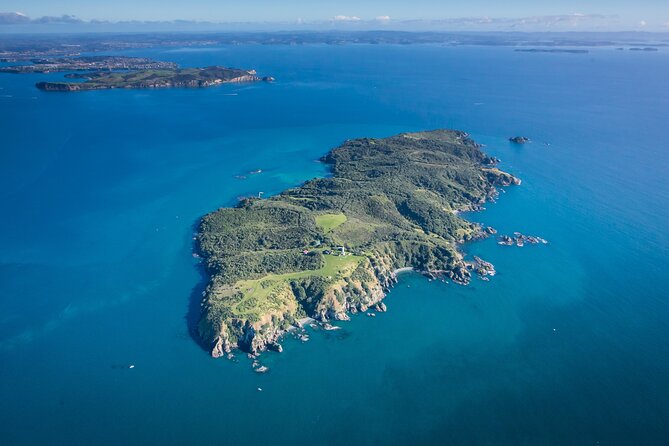
Tiritiri Matangi is one of Auckland’s best chances to see rare New Zealand wildlife in the open, not behind glass. On this pest-free island sanctuary, kōkako, takahē, tīeke, and tuatara have room to thrive, while volunteers help you choose the right walking track.
I like the combination of an 80-minute Hauraki Gulf cruise and several unhurried hours on the island. I also like the freedom to pick your pace, from birdwatching in native bush to a gentle walk to Hobbs Beach. The catch is simple: trails can be steep and muddy, and rough water can make the boat ride uncomfortable for some.
Key points to know before you book
- Rare wildlife in the open: Look and listen for takahē, kōkako, tīeke, and other native species.
- Two departure points: Leave from Auckland Viaduct for an 80-minute cruise, or Gulf Harbour for a 20-minute express crossing.
- A full half-day or longer: The island visit lasts about five hours, with return times at 2:40pm on weekdays and 4:00pm on weekends.
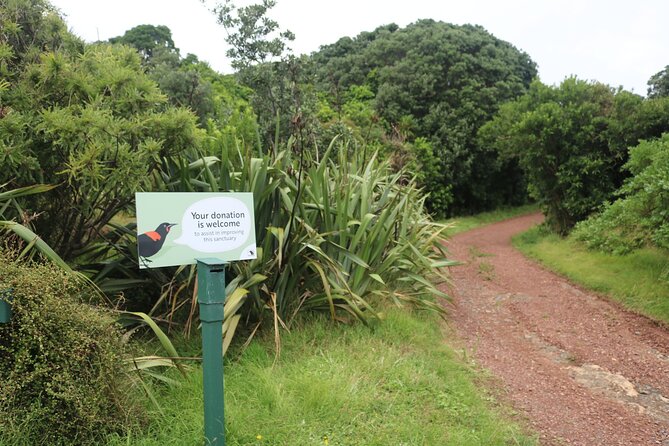
- Bring your own picnic: No food or drinks are sold on the island, and anything you bring must be sealed to protect the sanctuary.
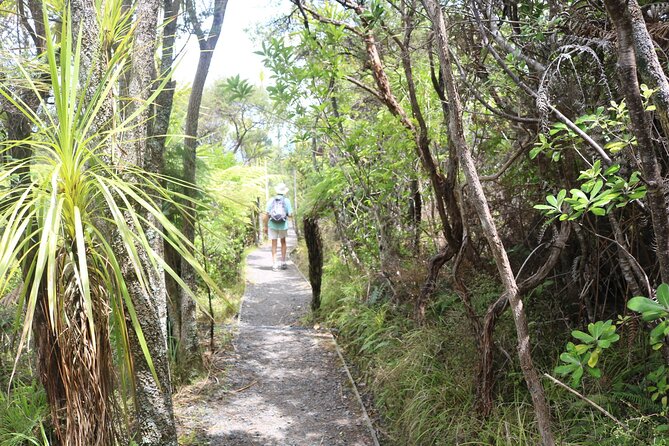
- Walking requires care: Some tracks are steep, and wet weather can leave the ground muddy.
- Optional guided help: You can arrange a guided walk at the island kiosk, with volunteers such as Greg offering useful background on the restoration work.
Why Tiritiri Matangi feels different from Auckland
Auckland has plenty of water, volcanic hills, and city parks, but Tiritiri Matangi offers something more focused: a protected place where native species have a real chance to return. The island is pest-free, which matters because introduced predators have made life difficult for many of New Zealand’s native birds.
That protection changes the feel of a walk. Instead of simply passing through bush, you are watching for movement in the branches, listening for unfamiliar calls, and looking closely at the ground and tree trunks. A sighting is never guaranteed, but the setting gives you a better chance to see birds that are difficult to find elsewhere near Auckland.
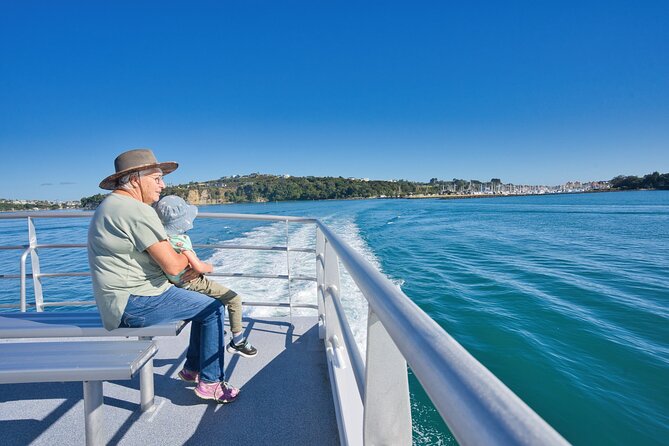
The island is also easy to reach. From the Auckland Viaduct, the ferry takes about 80 minutes each way. From Gulf Harbour on the Whangaparaoa Peninsula, the express crossing takes about 20 minutes. That second option is useful if you are staying north of the city or prefer to spend less time on the water.
The ferry has air conditioning and restrooms. Food and drinks are not available on the island, although you can buy something on board if needed. I would still bring a packed lunch and water, sealed in a bag or container before you board.
A few more Auckland half-days to weigh up
- Waiheke Island: Ferry & Hop-On Hop-Off Explorer Bus Tickets
★ 4.6 · 3,311 reviews - Hobbiton & Waitomo Caves Guided Day Trip from Auckland incl lunch
★ 5.0 · 2,677 reviews - From Auckland: Hobbiton & Waitomo Caves Day Trip with Lunch
★ 4.9 · 2,505 reviews
The morning cruise through Tikapa Moana
From Auckland Viaduct, weekday departures are at 9:00am, with Saturday and Sunday departures at 8:30am. From Gulf Harbour, the weekday departure is 9:55am, and the weekend departure is 9:25am.
The crossing gives you a long, open-water introduction to the Hauraki Gulf. The ferry is part of the experience, not just a transfer. It also means you need to plan your day around fixed sailing times. This is not a hop-on, hop-off outing where you can return whenever you like.
The boat can be windy, and rough water is possible. I would carry a warm layer even on a pleasant Auckland morning. One useful detail from the island shop is that clean second-hand clothes may be available for visitors who need extra warmth, but you should not rely on that. Bring your own jacket.
The return departure from Tiritiri Matangi is at 2:40pm on weekdays and 4:00pm on weekends. Weekend visitors therefore get a longer island day, while weekday visitors have a shorter window. Check your watch before setting off on a longer track, especially if you are walking slowly or stopping often for birds.
Arriving at the wharf and choosing your route
Once you reach Tiritiri Matangi, you have about five hours to explore. The island is not presented as a single guided procession. You can choose your own route, or arrange a guided walk at the kiosk after arrival.
That freedom is valuable. You might prefer a quiet walk with plenty of time to listen for birds. Another person in your group may want to head straight toward the lighthouse or the beach. You do not have to spend the whole visit at the same pace.
The island volunteers are an important part of the experience. Greg, one of the named guides, has helped visitors understand the restoration work and select routes. A guide can add meaning to what you see, especially if you do not know the difference between the island’s native birds or want to understand why the sanctuary exists.
A guided walk is an optional extra, not part of the ferry fare. You can ask about booking it when you check in at the kiosk. If bird identification is new to you, this may be money well spent.
Searching for kōkako, takahē, tīeke, and tuatara

The wildlife is the main reason to make the trip. Tiritiri Matangi provides a safe home for species including kōkako, takahē, and tīeke. Tuatara are another major draw, and seeing one can be a memorable moment because these reptiles are not easy to find around Auckland.
You will need patience. This is a wildlife sanctuary, not a show with scheduled appearances. The most rewarding approach is to slow down, scan the trees, and pay attention to sound. The island’s birds are part of the place, so the experience depends on observation rather than a guaranteed checklist.
Takahē sightings can be especially exciting. A family has been seen on the island, and visitors may encounter these large, distinctive birds during their walk. Still, wildlife moves freely, and conditions change. You should book this for the setting and the chance to see rare species, not with a promise of a particular animal.
The island’s conservation work also gives the visit a clear purpose. You are not simply looking at birds in an attractive setting. The sanctuary represents a long-term effort to restore native bird habitat, and a guided walk can help connect the animals you see with that work.
Same corner of the country, a completely different day out:
- Auckland Dolphin and Whale Watching Eco-Safari Cruise
★ 4.5 · 1,790 reviews - Auckland: Hobbiton Movie Set Day Trip with Festive Lunch
★ 4.8 · 1,431 reviews - Hobbiton Movie Set Small Group Tour from Auckland
★ 5.0 · 1,380 reviews - Auckland Explorer: Sightseeing Hop-on Hop-off Tour
★ 4.0 · 1,180 reviews
Walking tracks, cliff tops, and native bush
The island has established walking tracks through native bush and along dramatic cliff tops. Some sections are steep, so comfortable walking shoes are important. Wet weather can turn parts of the ground muddy, and a rainy day may slow you down.
This is a better outing for people who enjoy walking than for anyone expecting a flat, paved attraction. You do not need to be an expert hiker, but you should be ready for uneven and sloping trails. Give yourself enough time to stop for birds and still return to the wharf before the ferry leaves.
The cliff-top sections add open views after stretches through bush. They also make the island feel larger than its ferry access suggests. You can move from enclosed forest to exposed coastal scenery in the same outing.
The variety is one of the island’s strengths. A short visit focused on the lighthouse will feel different from a longer walk that includes coastal views and birdwatching. Ask the volunteers about the route that fits your time and energy.
New Zealand’s oldest working lighthouse
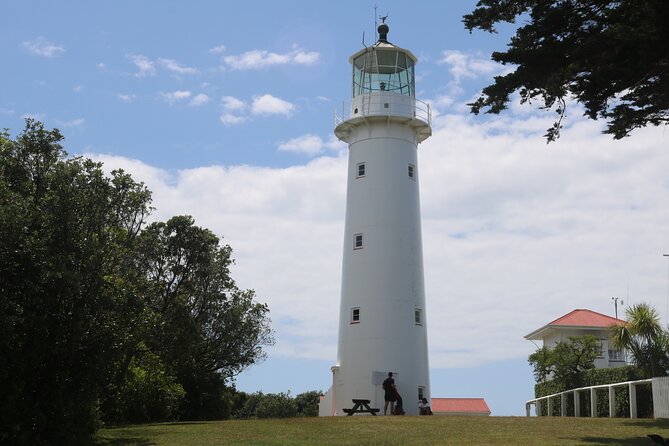
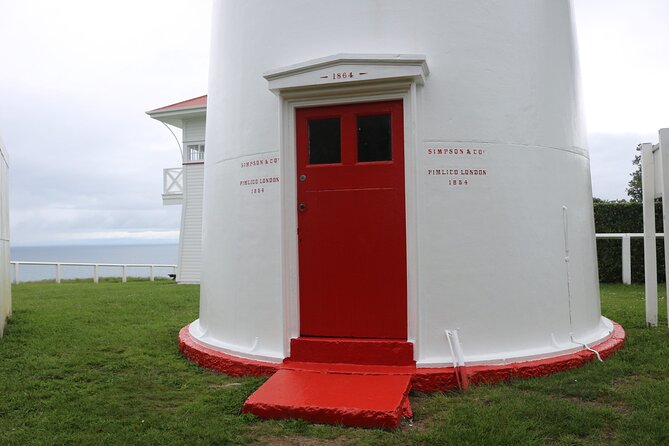
The lighthouse is one of the island’s best-known landmarks and an easy target for your route planning. It gives the day a clear destination, especially if you prefer to combine wildlife with a piece of maritime history.
You can visit the lighthouse area as part of your island walk, then choose to continue along another track or head toward the beach. The lighthouse does not replace the wildlife experience, but it adds a human element to an otherwise natural setting.
If you are traveling with people who are less interested in birdwatching, the lighthouse, coastal views, and beaches help keep the day varied. You can make the outing about nature, history, scenery, or all three.
Hobbs Beach for a slower afternoon
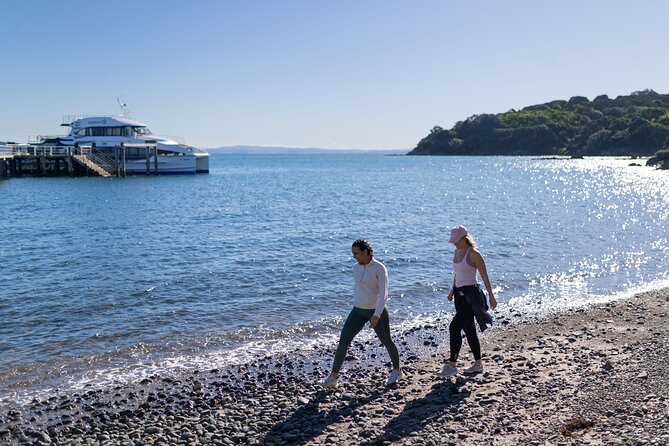
For an easier section of the day, follow the coastline from the wharf on a roughly 10-minute walk to Hobbs Beach. It is a practical place for a picnic or swim, provided conditions suit you.
This is the island’s simplest option for a relaxed visit. You can skip the longer and steeper tracks, eat lunch near the shore, and still experience the sanctuary. It is also a useful choice if someone in your group prefers a gentler walk.
Remember that food cannot be purchased on the island. Bring lunch before boarding, and keep it in a sealed container or bag. This rule is not a minor packing detail. It helps prevent unwanted pests from reaching the island, so follow it carefully.
A beach stop also gives your schedule some breathing room. If you spend the morning walking through bush, Hobbs Beach can be a pleasant place to pause before returning to the wharf.
What the $68.26 price really covers
At $68.26 per person, the fare includes the return ferry from Auckland Viaduct or Gulf Harbour, access to the island, and several hours to use the walking tracks and beaches. You also get the convenience of an organized return sailing rather than having to arrange separate transport.
The value is strongest if you want a full nature outing without hiring a car or planning your own boat transfer. The Auckland departure is particularly convenient if you are based around the central city. Gulf Harbour may offer better value in time if you are already on the Whangaparaoa Peninsula.
The price does not include hotel pickup or drop-off, lunch, drinks, or an optional guided walk. Food can be purchased on board if necessary, but you should plan ahead because the island itself has no food or drink service.
For a visitor who enjoys rare wildlife and several hours outdoors, the cost is reasonable. For someone who wants a quick attraction with guaranteed animal sightings and little walking, it may not be the right use of your day.
Weather, clothing, and practical comfort
This experience depends on good weather. If poor weather causes the trip to be canceled, you are offered another date or a full refund. Even when the ferry sails, rain can make the island tracks muddy, and wind can make the crossing feel cold.
I would pack:
- A warm jacket for the ferry
- Sturdy shoes with good grip
- A sealed lunch and snacks
- Water in a secure container
- Clothing suitable for changing conditions
The boat has restrooms, but no hotel pickup is included. The tour is near public transportation, so you will need to make your own way to the selected departure point.
The maximum group size is 200 people. That is a sizable boat outing, but the island itself gives you room to spread out across different tracks. A guided walk will give you a more structured experience, while going independently lets you avoid staying with the main flow of people.
Who will enjoy this island day most
I would choose this trip if you care about New Zealand’s native wildlife, enjoy walking, and want a break from central Auckland. It suits birdwatchers, families with older children, photographers, and anyone who likes a day built around nature rather than a list of indoor attractions.
It is also a good fit if you want to see conservation work in action. The island’s purpose gives the outing more weight than a standard scenic cruise, and a volunteer guide can help you understand what you are seeing.
I would think twice if you dislike boats, have trouble with steep or muddy tracks, or need a flexible return time. The ferry schedule is fixed, and the island day requires you to manage your time carefully.
The experience has an average rating of 4.3 from 17 ratings, with especially strong praise for the wildlife, scenery, volunteer support, and ease of the ferry arrangements. The repeated practical warning is just as useful: bring a jacket, expect wind, and prepare for mud after rain.
Should you book Tiritiri Matangi from Auckland?
Book it if rare birds, native bush, and a full outdoor day sound better to you than another city attraction. The chance to see takahē, kōkako, tīeke, or tuatara is the central appeal, while the lighthouse, cliff tops, and Hobbs Beach give you plenty to do if sightings are slow.
Choose Gulf Harbour if the shorter crossing works better for your plans. Choose Auckland Viaduct if you are staying centrally and want the ferry ride through Tikapa Moana to be part of the day.
Bring proper clothing, a sealed picnic, and realistic expectations about wildlife. If you do that, Tiritiri Matangi offers one of the most distinctive nature outings available from Auckland.
FAQ
How long does the Tiritiri Matangi experience last?
The experience takes approximately five to nine hours, depending on the departure point and sailing schedule. You have about five hours on the island.
Where does the ferry depart from?
You can depart from Auckland Viaduct or Gulf Harbour on the Whangaparaoa Peninsula.
How long is the ferry ride from Auckland?
The cruise from Auckland Viaduct takes about 80 minutes each way.
How long is the ferry ride from Gulf Harbour?
The express cruise from Gulf Harbour takes about 20 minutes.
What time does the ferry leave Auckland?
It departs Auckland Viaduct at 9:00am from Wednesday to Friday and at 8:30am on Saturday and Sunday.
What time does the ferry return from Tiritiri Matangi?
The return ferry departs at 2:40pm on weekdays and 4:00pm on weekends.
Is food available on Tiritiri Matangi?
No. You should bring a packed lunch and drinks. Food or drinks may be purchased on board the ferry if needed.
Do I need to seal the food I bring?
Yes. Food brought onto the island must be in a sealed container or bag to help keep the sanctuary pest-free.
What happens if bad weather cancels the trip?
You can choose a different date or receive a full refund if the experience is canceled because of poor weather. Free cancellation is also available if you cancel at least 24 hours before the start time.
Just added around Auckland
- Auckland Airport Private One-Way or Round-Trip Transfer★ 4.5 · 14 reviews
- Zombie Bite Escape Room Experiences★ 5.0 · 54 reviews
- Kumeu Wine Region Shuttle from Auckland★ 4.5 · 19 reviews
- Auckland’s Wild West Coast & Black Sand Beaches Tour inc Lunch★ 5.0 · 12 reviews
- Vineyards Honey and Black Sand Beaches from Auckland★ 5.0 · 93 reviews
- West Coast Discovery Tour★ 5.0 · 37 reviews
- Wētā Workshop Unleashed – Intro to Scars and Scrapes Workshop★ 5.0 · 5 reviews
- West Coast Discovery Piha Beach Private Tour★ 5.0 · 14 reviews
Auckland Tours, compared.
Hobbiton & Waitomo Caves Guided Day Trip from Auckland incl lunch
Read our review →
Hobbiton & Waitomo Caves Day Trip with Lunch
Read our review →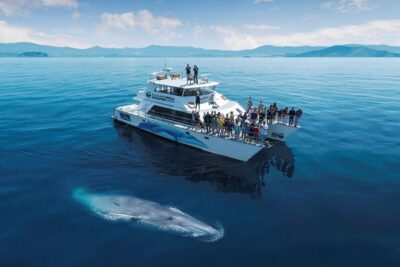
Auckland Dolphin and Whale Watching Eco-Safari Cruise
Read our review →
Hobbiton Movie Set Day Trip with Festive Lunch
Read our review →
Hobbiton Movie Set Small Group Tour from Auckland
Read our review →
Auckland Explorer: Sightseeing Hop-on Hop-off Tour
Read our review →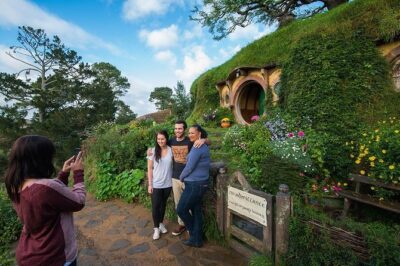
Hobbiton & Waitomo Caves Small-Group Tour W Lunch from Auckland
Read our review →