
Reviewed · NEW ZEALAND
Stewart Island: Wild Kiwi Experiences
A wild kiwi walking within a few feet of your group is the great prize here, but the evening is much more than a kiwi hunt. You first cruise around Stewart Island’s nearby islands at sunset, then walk through dark forest and along the beach at Little Glory Cove or Oneke. I like the two-part wildlife experience and the care guides take to let everyone see the animals without disturbing them.
I also like the small group, limited to 10 people, plus the hot cocoa, tea, coffee, and biscuits waiting during the evening. The main drawback is simple: a kiwi sighting is never promised. You may see several, as some groups have, or none at all. The walk, weather, boat ride, and wild setting still make this a worthwhile outing, but you should book it for the whole experience, not only for a photograph.
Key points to know before you go
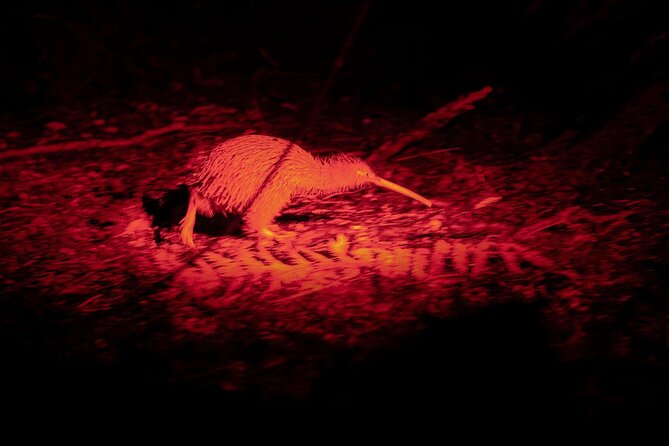
- Kiwi search after dark: Walk roughly two hours on uneven, sometimes muddy ground while guides look and listen for southern brown kiwi, also called tokoeka.
- Wildlife cruise first: The sunset boat ride may bring penguins, albatross, seals, sea lions, shags, and other seabirds into view.
- Small group of 10: A limited group gives guides a better chance to manage quiet viewing and position everyone near a kiwi.
- Warm clothing matters: Bring hiking shoes, rain gear, and warm layers. Loud waterproof fabric can make noise in the forest.
- Late return to Oban: You return to the Visitor Terminal after dark, so arrange accommodation on Stewart Island for that night.
- Conservation built in: If no kiwi appears, $20 per person goes to conservation work at Little Glory Cove instead of a refund.
Why this Stewart Island kiwi tour feels different
Rakiura Stewart Island is one of the best places in New Zealand to look for a kiwi in the wild. These birds are not presented in a pen or brought out for a scheduled feeding. They move through their own forest and shoreline habitat, and your group has to slow down, keep quiet, and wait.
That uncertainty is part of the appeal. A guide may spot a kiwi feeding near the track while you are looking in the wrong direction. You may hear movement before seeing anything. Sometimes you may find tracks or signs and never get a clear view.
I think that makes this more honest than a standard wildlife attraction. You are not buying a guaranteed animal encounter. You are paying for access to a remote place, specialist guidance, a boat trip, and a careful attempt to find one of New Zealand’s most unusual birds.
The four-hour format works well because it gives the evening a proper shape. You do not simply walk into the bush, shine a torch around, and hope. The cruise builds an understanding of the island and its wildlife before the forest walk begins.
Other New Zealand days people book at the same time:
- Hobbiton Movie Set: Guided Tour Ticket
★ 4.9 · 8,167 reviews - Rotorua Canopy Tours: 2.5Hour Native Forest Zipline Adventure
★ 5.0 · 4,563 reviews - Hobbiton™ Movie Set Walking Tour from Shires Rest
★ 5.0 · 3,577 reviews
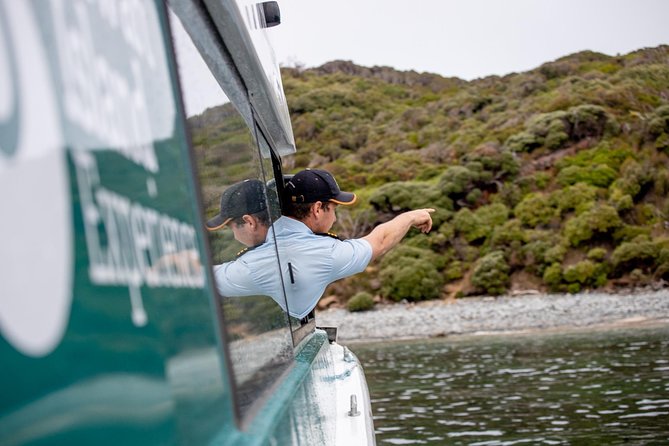
The sunset cruise around Stewart Island’s islands
The experience begins about 1.5 hours before nightfall at the Visitor Terminal in Oban. You need to arrive 20 minutes early, and this departure point matters: the tour leaves from Stewart Island, not Bluff on the South Island mainland.
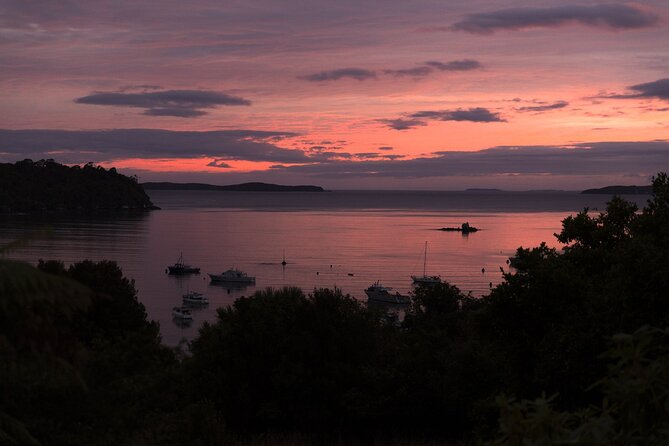
The boat heads around nearby islands and coastal areas while daylight fades. This is a useful first chapter because the guides can point out wildlife in open water and along the shore before you begin the quieter kiwi search.
Possible sightings include:
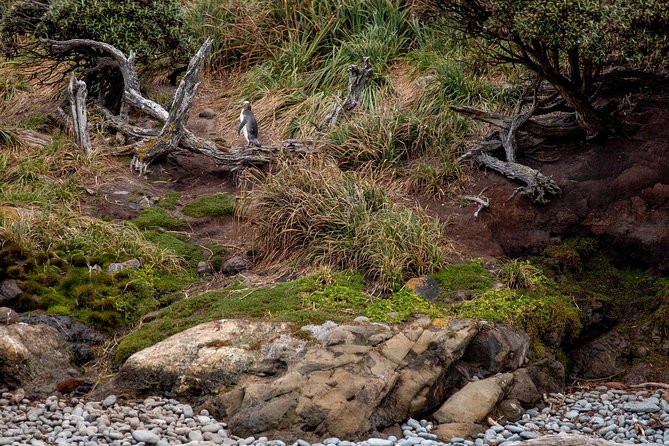
- Little penguins, also called kororā
- Yellow-eyed penguins, or hoiho
- Fiordland crested penguins, also called tawaki
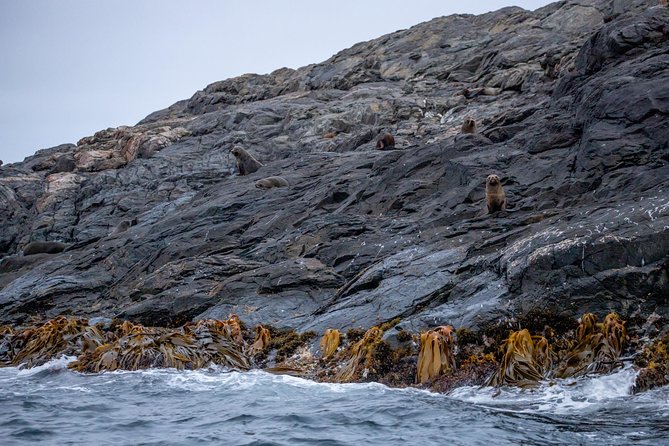
- New Zealand fur seals
- Sea lions
- Albatross
- Cape petrels
- Giant petrels
- Shags and other seabirds
Sightings depend on weather, season, and luck. That is true of any wildlife trip, but the boat gives you more chances to look than the forest walk alone. The skipper may turn the boat so people on different sides get a fair view, and binoculars may be available during the cruise.
I especially like the variety reported during this part of the evening. Some outings have included all three penguin types, along with seals and sea lions. That does not mean you should expect a wildlife checklist every time, but it shows why the cruise is not just transport to the walking track.
The ride also gives you wider views of the islands and coastal setting. As the sun goes down, the focus shifts from open-water sightings to the sounds and dark shapes of the bush. On clear evenings, you may later see the Southern Cross, other constellations, and possibly the Aurora Australis, although none of these can be guaranteed.
The drawback is that weather controls the departure. Stewart Island weather can change quickly, and the cruise may be cancelled or altered if conditions are poor. Pack for wind and rain even if Oban looks calm when you leave.
Little Glory Cove and the torchlit forest walk
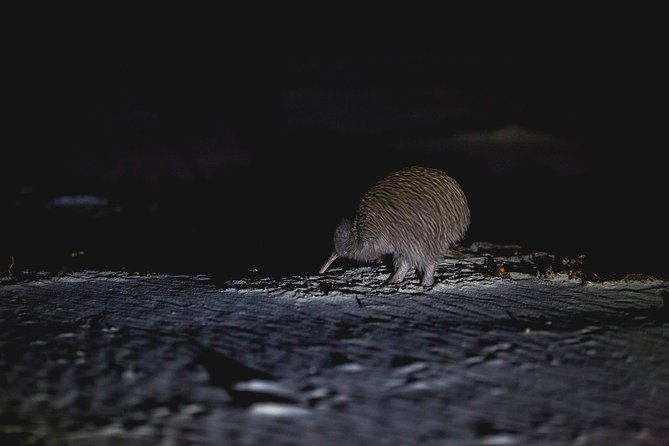
After the cruise, you arrive at Little Glory Cove for the search on foot. The walk takes about two hours in total and includes forest and beach. You should expect uneven, muddy ground rather than a smooth path.
This is not a hard mountain hike, but it does require a reasonable level of fitness. The activity is not suitable for anyone who cannot walk independently for more than 1.5 kilometres on uneven ground. Children under 15 and wheelchair users cannot take part.
The guides use torches, and the group moves carefully through the dark. You are not there to cover distance quickly. The pace is set by the possibility of a bird feeding beside the track or moving through low vegetation.
A guide’s real value becomes clear here. A kiwi’s brown feathers can blend into the ground, and a feeding bird may make only small movements. One person described walking straight past a kiwi until an experienced guide noticed it. That kind of trained eye is the reason I would not try to copy this outing alone.
Guides also explain how to behave around the birds. The group stays quiet and avoids flash photography. You may be asked to stand still while the guide positions people so that those at the back get a fair chance to see. This matters in a small group, especially when a kiwi comes close to the path.
Some sightings have lasted only a few minutes. Others have continued for 15 or 30 minutes while a bird fed nearby. One kiwi even came close to people’s boots. These moments are special precisely because the bird is doing its own thing, not performing for the group.
You should not expect every person to get the same view. The guides make an effort to rotate positions and keep the group together, but a wild animal can move suddenly. Keep your torch controlled, follow instructions, and resist the urge to whisper loudly or reach for a phone at the wrong moment.
Oneke, the Neck, and the cultural side of the night
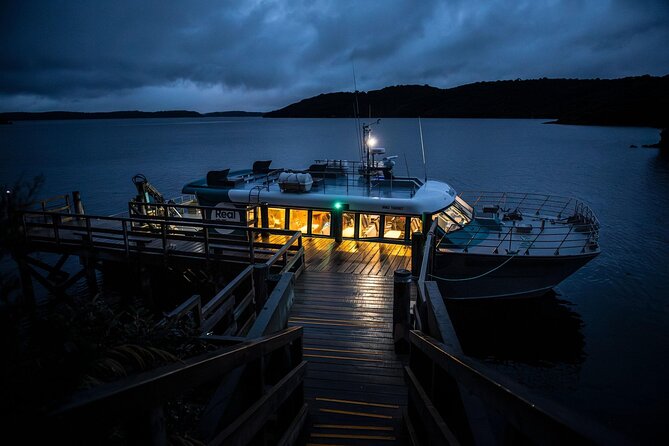
The Wild Kiwi and Culture Encounter takes you to Oneke, known as The Neck. This area carries both Māori and European history, and the guides share stories about the place before the night search begins.
The cultural content adds useful context. You are not just entering an anonymous patch of bush. You learn why this part of Rakiura matters and how people have connected with the island over time.
The exact balance between wildlife information, local history, and cultural storytelling depends on the guide and the conditions. Names associated with the guiding team include Natasha, Karen, Sarah, Jane, Jan, Matt, and others, with skipper Nick Marshall also praised for his work. The strongest guides bring warmth and humor while keeping the group focused and respectful.
At some point, you can warm up with a drink inside a traditional whare. Tea, coffee, cocoa, and biscuits are included. That sounds like a small detail, but after a damp walk in the evening, a hot drink changes the comfort level of the entire outing.
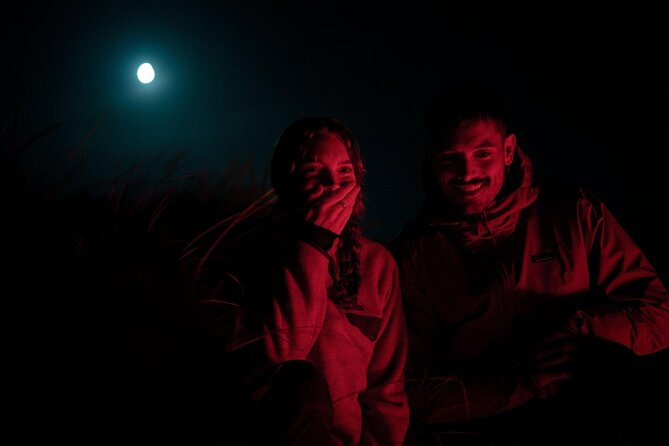
The beach is also an important part of the experience. Even if no kiwi appears there, the open shore gives you a place to listen, look at the stars, and take in the quiet. You are likely to remember the sounds of the forest and the open night sky as much as the animal sightings.
Same corner of the country, a completely different day out:
- Mitai Maori Village: Cultural Experience and Dinner Buffet
★ 4.7 · 3,575 reviews - Waiheke Island: Ferry & Hop-On Hop-Off Explorer Bus Tickets
★ 4.6 · 3,311 reviews - Kaikoura: Whale Watching Cruise
★ 4.6 · 3,089 reviews - Premium Milford Sound Small Group Tour & Cruise from Queenstown
★ 5.0 · 3,001 reviews
What the guides add to the $154 price
At $154 per person, this is not a cheap evening activity. I would not recommend it if you want a quick, guaranteed photo opportunity. You are paying for a four-hour program, a return boat trip, specialist guides, access to a remote wildlife area, torches, and hot drinks.
The price makes more sense when you consider the logistics. Little Glory Cove and other search areas are not places you casually reach from Oban at night. The boat, skipper, guiding team, safety planning, and conservation work all form part of the cost.
The small group limit of 10 is another point in its favor. A larger crowd would make a quiet kiwi search harder, especially when the bird is close. Small does not mean private, though. One person felt the group could have been smaller, so you should not expect a one-to-one nature walk.
The guides are the biggest part of the value. Strong guides explain tracks, calls, birds, and island history, but they also manage the group’s behavior. They make sure people at the back get a chance to see and help you notice wildlife you would probably miss.
There is also a conservation contribution tied to the no-sighting policy. If the group does not find a kiwi, $20 from each ticket goes toward conservation projects at Little Glory Cove. You do not receive a refund, but the money supports future protection and helps improve the chance of wild sightings.
The overall rating is 4.8 from 177 ratings, and 89 percent of people gave the transport a perfect score. Those figures suggest strong performance, but they do not erase the central uncertainty: nature decides what appears.
What to wear for a quiet night in the bush
Take the packing advice seriously. You need warm clothing, hiking shoes, rain gear, and insect repellent. Add a windproof and waterproof jacket, since you will be outside on a boat and on foot after sunset.
Wear shoes with a firm sole and enough grip for mud. Avoid smooth casual sneakers. The walk is manageable for people with reasonable fitness, but uneven ground becomes harder in darkness and wet weather.
One useful tip is to avoid noisy waterproof clothing if possible. Gore-Tex-style fabric can rustle when you move your arms or legs, and that sound carries in a quiet forest. Keep rain gear with you, but choose the quietest practical layers.
Flash photography is not allowed. Your guide will provide a torch or flashlight, and you should follow directions about when to use it. A bright phone screen or camera flash can disturb wildlife and ruin the viewing for everyone.
You also need accommodation in Oban for that night. The return is late, with one outing reaching the dock around midnight. Do not plan a mainland connection or a long drive after the tour.
The kiwi sighting question
The most important booking decision is your attitude toward uncertainty. This is a genuine wild encounter, not a zoo visit. No company can promise that a kiwi will appear, remain in one place, or give every person a clear view.
Several outings have found two, three, four, or even five kiwi. Other groups have seen tracks, heard birds, or found no kiwi at all. One person who missed the bird still valued the night forest, the smell of the bush, the sounds, and the marine wildlife seen from the boat.
That is the right way to judge the experience. If a kiwi is your only acceptable outcome, you may finish disappointed even after a strong cruise and walk. If you value the search itself, the outing offers a better chance to see tokoeka than you would have on your own.
The guides improve your odds without controlling the result. They know where to look, how to read signs, and how to move a group quietly. They can also explain what you are seeing when the bird stays hidden.
Who should book this evening?
I would choose this tour if you want a close look at Stewart Island’s wildlife and do not mind getting muddy or staying out late. It suits adults and older teenagers, especially people who enjoy birds, native species, night walks, and quiet natural settings.
It is a good match for you if you want more than a single attraction. The cruise gives you marine wildlife, the walking section focuses on kiwi, the cultural talk adds local context, and the beach provides time under the stars.
I would hesitate if you dislike boats, cold weather, dark forest, or uncertain results. The total walking time is about two hours, and the track can be uneven. Anyone with limited mobility should not book this activity.
It is also a poor fit for a tight schedule. You need to be staying on Stewart Island that evening, and the late return leaves little room for onward plans. Build the night around the tour rather than trying to squeeze it between other bookings.
Should you book RealNZ Wild Kiwi Experiences?
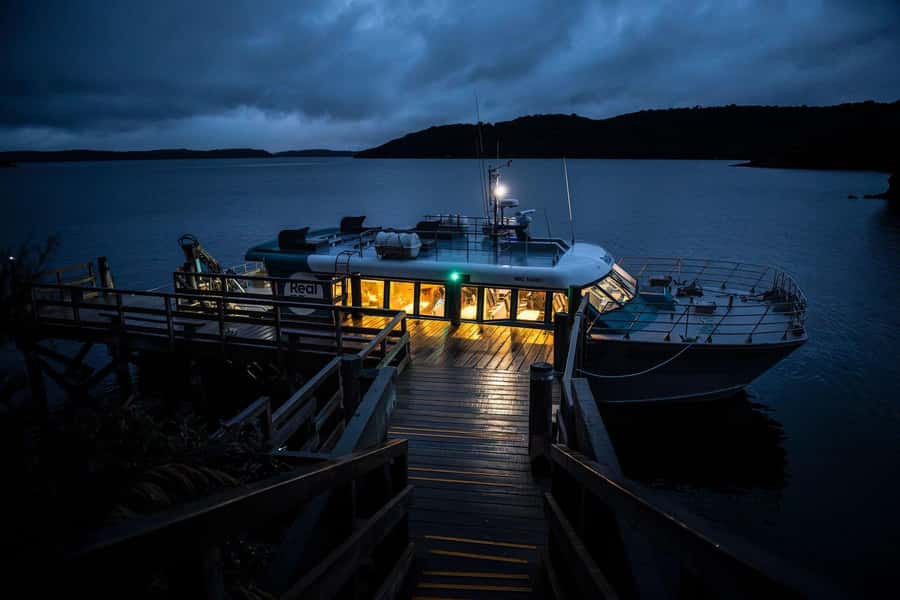
I would book it if seeing a wild kiwi would be meaningful, but I would also be happy with an evening of marine wildlife, forest sounds, local stories, and stars. The combination of boat and bush makes the $154 easier to justify than a short kiwi-only walk.
The best reason to go is the setting and the chance to see tokoeka behaving naturally. The strongest outings have included birds close to the group, penguins and seals from the boat, and guides who worked hard to share each sighting fairly.
The caution is just as important: there is no guaranteed kiwi. Dress well, keep your expectations flexible, and think of the ticket as support for a careful wildlife operation rather than payment for a promised animal.
FAQ
Where does the Stewart Island kiwi tour depart from?
It departs from the Visitor Terminal in Oban on Stewart Island. It does not depart from Bluff on the South Island mainland.
How early should I arrive?
You should arrive 20 minutes before the activity starts.
How long does the experience last?
The experience lasts about four hours. The return to Oban is late, and some outings have returned around midnight.
How much walking is involved?
Total walking time is approximately two hours. The track can be uneven and muddy, so you need a reasonable level of fitness.
Is the kiwi sighting guaranteed?
No. Kiwis are wild and unpredictable, so there is no guarantee of a sighting. The tour does not provide a refund if no kiwi appears.
What happens if no kiwi is seen?
Twenty dollars from each participant is donated to conservation projects at Little Glory Cove.
What wildlife might I see from the boat?
Possible sightings include penguins, albatross, seals, sea lions, shags, Cape petrels, and giant petrels. Wildlife sightings are not guaranteed.
What should I bring?
Bring warm clothing, hiking shoes, rain gear, and insect repellent. A windproof and waterproof jacket is especially useful.
Are children allowed to join?
The experience is not suitable for children under 15 years old.
Can I use flash photography?
No. Flash photography is not allowed during the experience.
Is the tour suitable for wheelchair users?
No. The activity is not suitable for wheelchair users because of the boat access and uneven walking track.
What is included in the price?
The $154 price includes the return cruise, a guided nature walk with a specialist guide, a torch or flashlight, and complimentary cocoa, tea, and coffee. Accommodation is not included.
Can I cancel the booking?
You can cancel up to 24 hours in advance for a full refund. You can also reserve now and pay later.
Just added around New Zealand
- Scenic Queenstown Lake Cruise★ 4.5 · 22 reviews
- Scenic Guided eBike Tour Ride to the Lake★ 5.0 · 67 reviews
- Routeburn Track Guided Hike (Full Day)★ 5.0 · 27 reviews
- Full-Day Small-Group Routeburn Valley Hike★ 5.0 · 11 reviews
- Queenstown Memories Helicopter Flight★ 5.0 · 36 reviews
- E-Bike Adventures Through the Wineries in Gibbston★ 5.0 · 22 reviews
- Routeburn Track Guided Walk (Half-Day)★ 4.5 · 17 reviews
- 6 Hour’s – Queenstown’s Helicopter Gin Tour★ 5.0 · 8 reviews