
Reviewed · ROTORUA TOURS
Rotorua: Kaituna River Rafting Experience
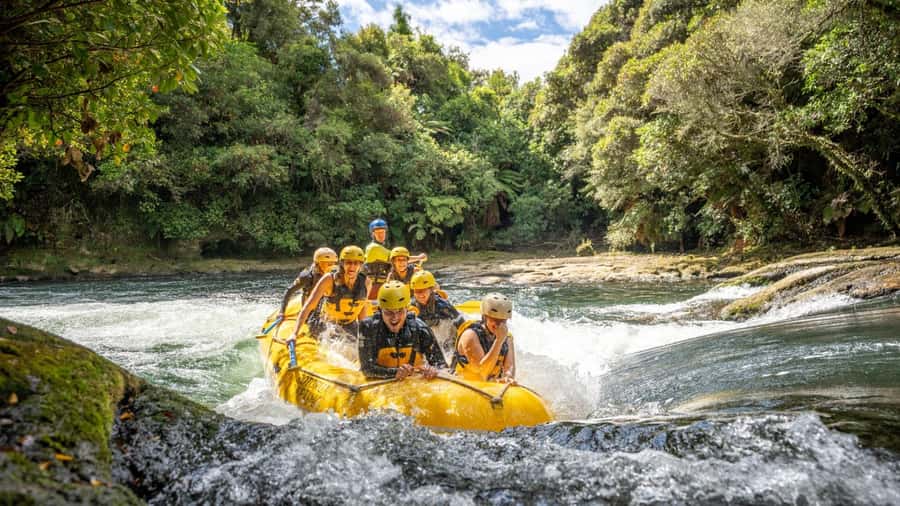
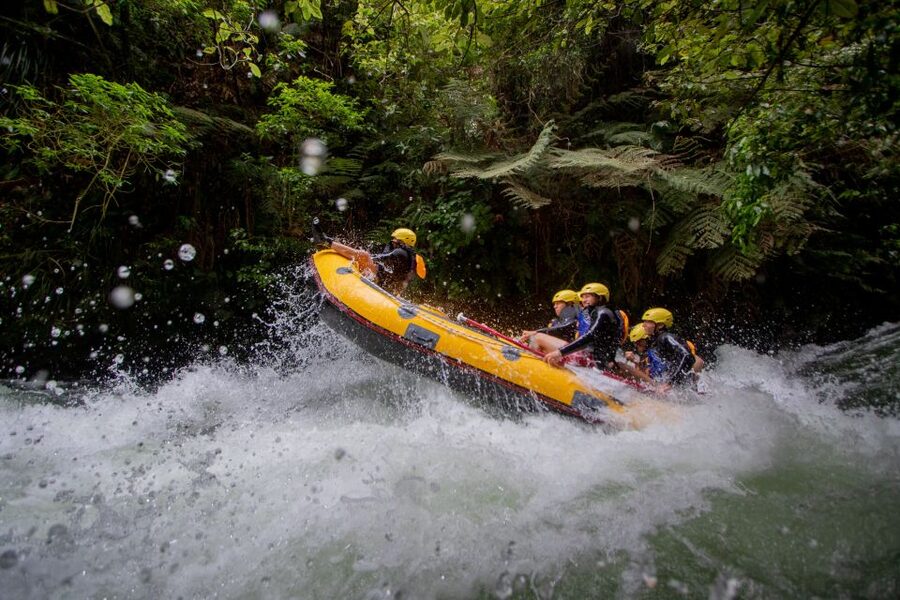
The Kaituna River packs a surprising amount of action into a short trip. In about an hour on the water, you paddle through 14 rapids and three waterfalls, including a 7-metre drop that gives this outing its big headline moment. You do not need rafting experience, and even non-swimmers can take part.
I like the clear, patient instruction and the way guides adjust the challenge to the people in each raft. I also like the chance to swim, jump, surf, and enjoy the forested river setting rather than simply sit and be carried along. The main consideration is that the whole activity lasts two hours, with roughly 40 to 60 minutes on the river, so serious whitewater fans may wish the run were longer.
Kaituna River rafting at a glance
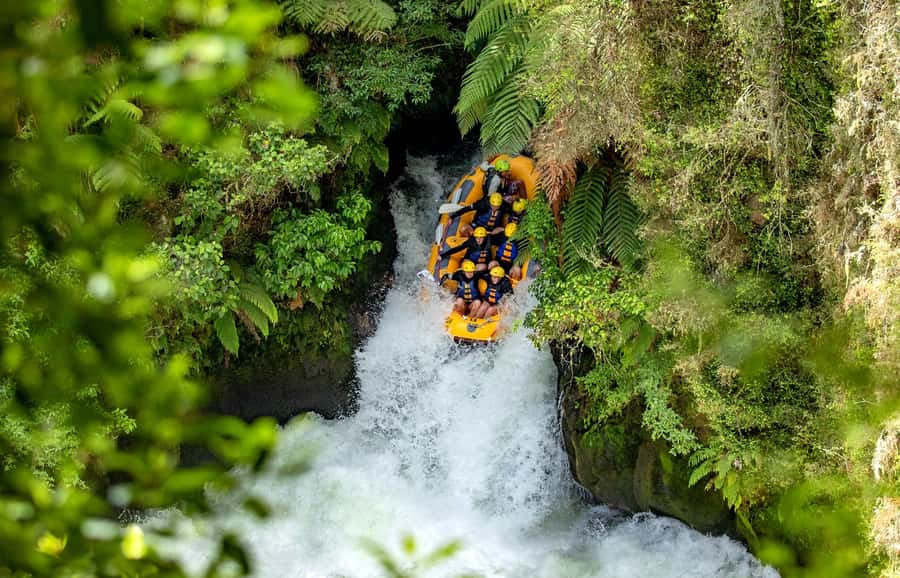
- A 7-metre waterfall drop: You raft over the highest commercially rafted waterfall on the planet, a thrilling but carefully instructed moment.
- 14 rapids in one short run: The river provides near-constant action instead of long stretches of quiet paddling.
- Beginner-friendly instruction: Guides explain what to do before you reach the water and give direct commands during each rapid.
- Swimming and jumping options: You may leave the raft for a swim or leap into the river, adding choice beyond standard rafting.
- A warm summer river: At about 25 degrees Celsius in summer, the Kaituna is described as New Zealand’s warmest river.
- $59 for two hours: The price includes a wetsuit, booties, helmet, life jacket, and instruction, while transport and photographs cost extra.
Reaching the Kaituna River from Rotorua
The rafting base sits about a 20-minute drive from central Rotorua. That makes this an easy half-day addition to a Rotorua schedule, especially if you have a car and can reach the base on your own.
Hotel pickup and drop-off are not included. If you need transport from Rotorua, a shuttle can be arranged for $15 per person. Add that cost when comparing this activity with other adventures in the area, since the advertised $59 price assumes you make your own way to the base.
The short transfer matters for another reason: you are not spending most of your booking sitting in a vehicle. You arrive, get changed, receive your safety briefing, and cross the road to the river. The preparation is part of the two-hour timing, so allow enough time to arrive ready rather than treating the start time as a last-minute target.
A few more Rotorua half-days to weigh up
- Rotorua Canopy Tours: 2.5Hour Native Forest Zipline Adventure
★ 5.0 · 4,563 reviews - Mitai Maori Village: Cultural Experience and Dinner Buffet
★ 4.7 · 3,575 reviews - Rotorua: Wai-O-Tapu Geothermal Park Entry Ticket
★ 4.6 · 2,601 reviews
Getting fitted out before the water
At the base, you change into a wetsuit and receive booties and safety equipment. You need to bring swimwear and a towel. The wetsuit is useful even on a warm day because river water can feel cold, and you will spend plenty of time close to it, or in it, during the run.
The staff then explain the basic rafting commands and what to do around rapids and drops. This is where the activity becomes accessible to first-timers. You are not expected to know how to paddle, brace, or react to a waterfall before you arrive.
That said, rafting still asks you to listen and respond. Guides give clear instructions, but you need to follow them quickly, particularly when the raft reaches a drop. A useful rule is simple: pay attention during the briefing, keep hold of the raft when told, and do not let the excitement drown out the guide’s voice.
The guide team speaks English, German, Spanish, Japanese, and Korean. Guides named in the feedback include Peach, Josh, Nate, Cam, Nathan, Jack, Tom, Lukas, Mitch, Sam, Jure, and David. The names change, but the pattern is consistent: direct safety instructions, plenty of reassurance, and a relaxed sense of humor.
Fourteen rapids and three waterfalls in about an hour
A quick trip across the road brings you to the launch point. From there, the Kaituna River delivers the main event in a compact stretch of water.
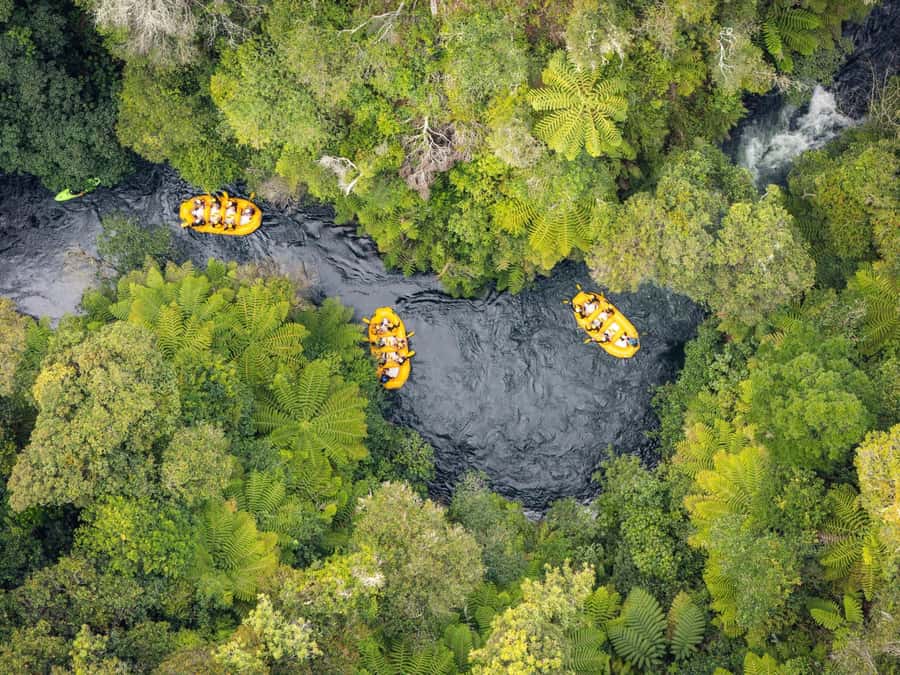
The 14 rapids keep the run busy. You paddle, brace, and react as the raft moves through the faster sections. This is not a scenic float with one dramatic moment at the end. The river provides repeated bursts of action, which makes the short time on the water feel full.
The surrounding forest adds a welcome change of pace between rapids. You get glimpses of the river corridor and its greenery while your guide handles the route and keeps the raft moving. The setting is attractive without taking attention away from the whitewater.
You may also have the chance to swim or jump into the river. One option described during the trip involves leaving the raft and allowing the current to carry you through a rapid. That gives you a more direct feel for the force of the water, but you should only take part when your guide says it is suitable and explains exactly what to do.
Some people want every extra challenge available. Others prefer to stay in the raft and concentrate on paddling. Both approaches fit the trip. The guides can offer more daring or gentler choices depending on the people in the raft, so you do not need to arrive with a fixed idea of how bold you must be.
The 7-metre waterfall drop
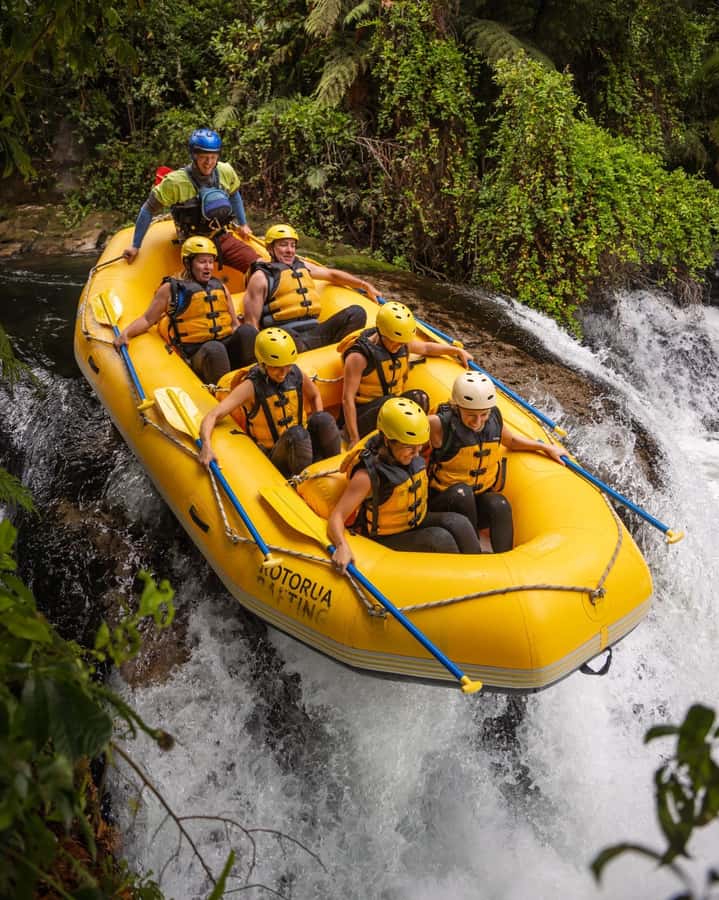
The largest moment comes at the 7-metre waterfall. This is the point that can make the activity look intimidating before you start. From the raft, the drop is fast and physical, and you need to hold on tightly while the guide directs the crew.
The important distinction is that the waterfall is not sprung on you. You receive instructions beforehand, and the guides are positioned to manage the raft and the group through the drop. People who feel nervous often find the preparation helps, though nervousness is still a perfectly normal reaction.
A black eye has been reported after one run, which is a useful reminder that whitewater rafting is an adventure sport, not a gentle boat ride. The operator provides safety equipment and instruction, but you still accept some physical risk. Read the company’s full risk disclosure before booking, particularly if you have concerns about your health or ability.
Children aged 10 to 12 do not raft the river below the grade 5 waterfall. Instead, they walk with the photographer to the halfway point and join the raft there. Contact the operator for the exact arrangements if you are booking for this age group.
The activity is not suitable for children under 10, pregnant women, or anyone over 287 pounds, or 130 kilograms. These restrictions are practical safety limits, not minor booking notes, so check them before paying.
Same corner of the country, a completely different day out:
- Rotorua’s Ultimate Zipline: 6 ziplines, 400 m Tandem, Cliff Walk
★ 5.0 · 2,557 reviews - Rotorua Rafting: Kaituna River White Water Rafting & Free Sauna
★ 5.0 · 1,952 reviews - Cultural Experience & Seasonal Māori Cuisine at Te Pā Tū
★ 5.0 · 1,546 reviews - Mitai Maori Village Cultural Experience in Rotorua
★ 4.5 · 1,294 reviews
Why beginners fit in well
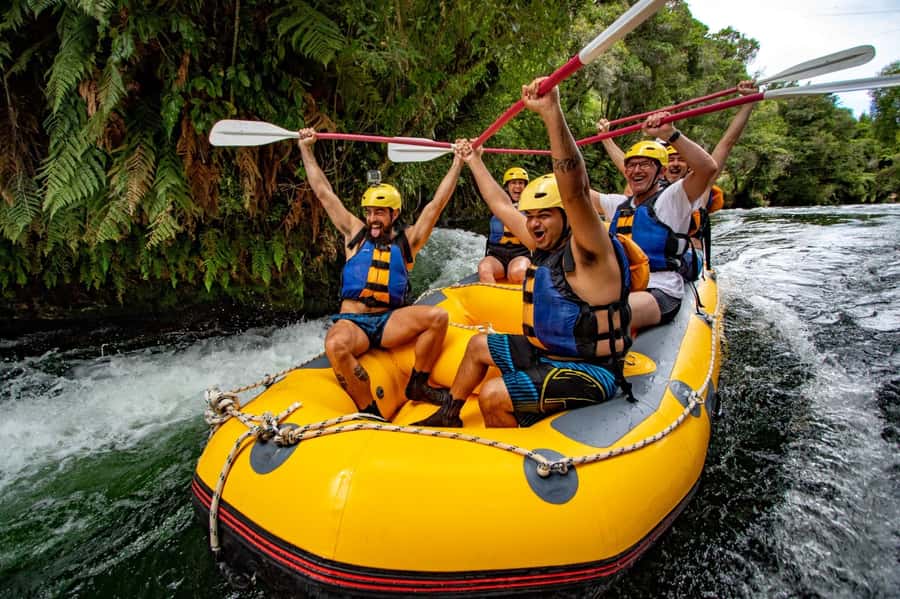
You do not need previous rafting experience. The instruction is designed to get newcomers ready for the river, and the guide remains with the raft throughout the run.
The activity can also work for non-swimmers. That does not mean you can ignore the safety briefing or treat the river casually. It means you can take part without being a confident swimmer, provided you meet the other requirements and follow the guide’s directions.
I would especially consider this trip if you are nervous about rafting but still want a genuine whitewater outing. Several guides are praised for being reassuring without taking away the excitement. Josh, for example, is singled out for supporting a larger and less confident participant, while Tom helped a frightened first-timer settle into the raft.
The crew’s attitude is a real part of the value. Guides such as Peach, Nathan, Nate, Cam, and Mitch are described as friendly, funny, clear, and alert to different comfort levels. That balance matters. A guide who focuses only on safety can make the trip stiff, while one who focuses only on thrills can leave beginners uneasy. Here, the best reports point to both.
Is the Kaituna River suitable for families?
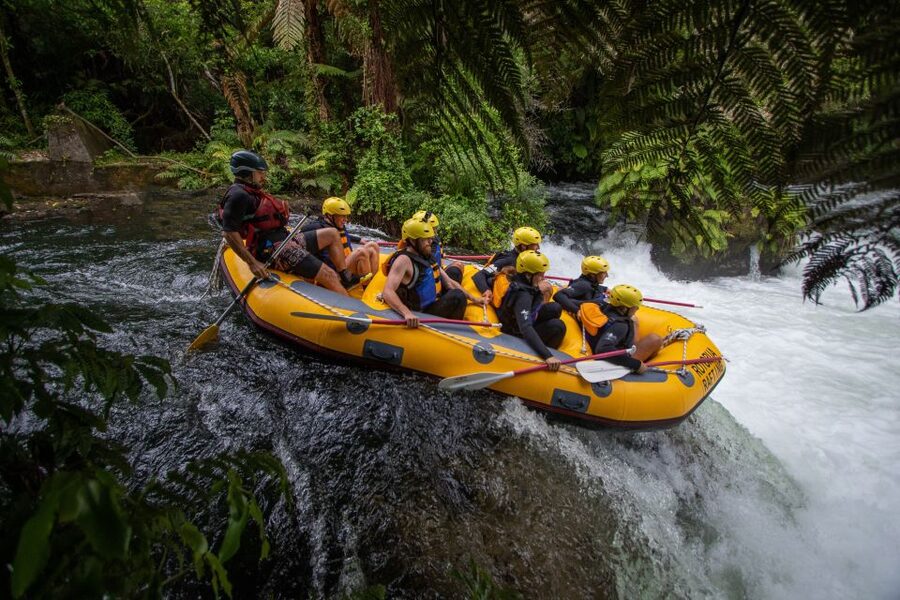
Families with teenagers can have a great time here, provided everyone meets the age and weight rules. One family with teenage children praised the guide’s habit of pointing out hazards and explaining what was coming next. Another young participant loved the run even after the raft flipped.
A flip is possible. It is not presented as the expected outcome, but it is part of the physical nature of rafting. If your group includes someone who is easily frightened, explain that the experience can involve sudden movement, cold water, and the possibility of ending up outside the raft.
The activity also works for solo visitors. You will join a raft with other participants, and the guide directs the whole crew. Solo participants can still enjoy the social side without needing to organize a private group.
For older adults, fitness and comfort matter more than a particular age number. A 58-year-old participant who was concerned about being overweight still found the trip manageable with a supportive guide. You should be honest about your health and mobility before booking, and remember the 130-kilogram maximum.
What the $59 price really covers
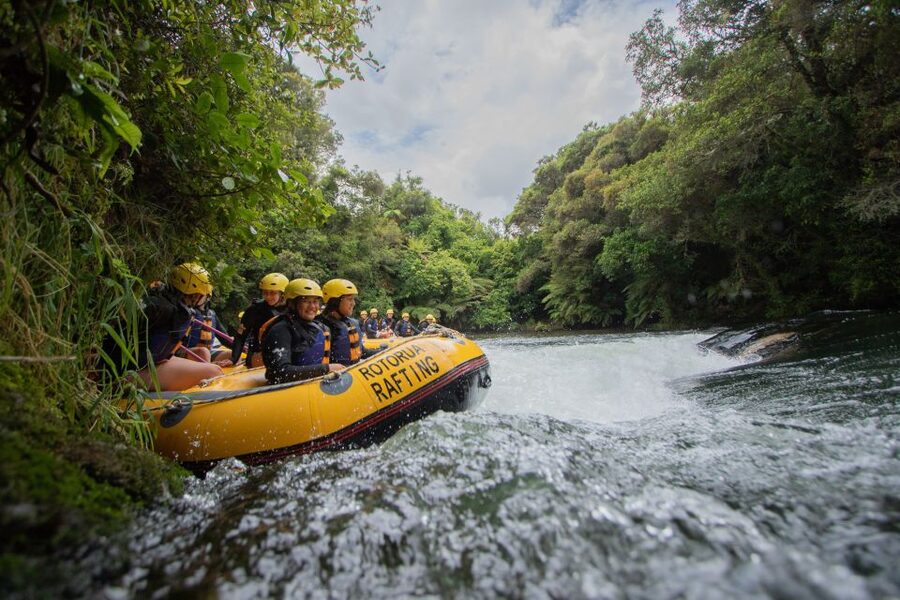
At $59 per person, this is strong value if you want a concentrated burst of adventure rather than a full-day rafting expedition. The price includes the wetsuit, booties, and safety equipment, plus the guide’s instruction and the river run itself.
The cost does not include hotel pickup, so add $15 per person if you use the Rotorua shuttle. Photos are also optional and cost extra. The photography is taken during the adventure, then shown at the base after you change, so you can decide there if you want a record of the waterfall drop and everyone’s less-than-composed expressions.
Several people found the photo purchase reasonably priced. I would treat it as a nice extra rather than part of the core value. You will already have the river, the forest, and the 7-metre drop. If you are traveling light, saving money, or prefer not to buy activity photos, skipping them does not reduce the rafting itself.
The two-hour duration makes the activity easy to fit around Rotorua’s geothermal parks, cultural evenings, or other outings. The tradeoff is that you get only about an hour of river action. If you measure value by time on the water, the trip is brief. If you measure it by the number of rapids and the scale of the waterfall, the price looks much better.
Practical ways to make the day easier
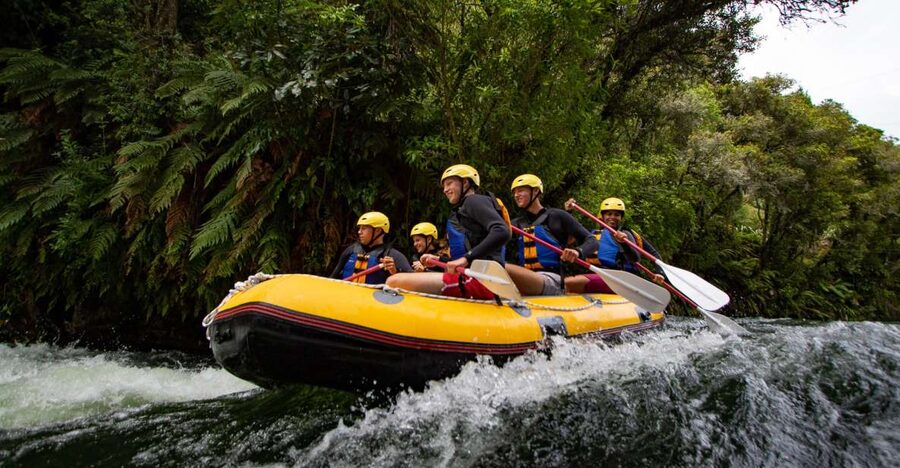
Bring swimwear to wear under the wetsuit and pack a towel for afterward. You will want dry clothes available when you return to the base.
Wear the supplied booties and safety gear as directed. The equipment is included, so there is no need to arrange your own rafting kit.
Arrive with enough time to listen carefully. The briefing may include commands that seem simple on land but become important when the raft is moving quickly. If you are nervous, tell the guide. The team has experience adjusting the tone and level of challenge for different people.
Summer has one clear advantage: the river can reach about 25 degrees Celsius, making it the warmest river in New Zealand. Even then, water temperature and weather can vary, so the wetsuit remains useful. The river is described as clear and refreshingly cold in some conditions, which sounds pleasant after a sunny day but can still come as a shock when you first enter.
Morning and afternoon departures are usually available. Choose the time that fits your Rotorua plans, but leave room afterward to change and look at photos if you want them.
Free cancellation is available up to 24 hours in advance for a full refund. That gives you some flexibility if your plans change, but read the risk disclosure before booking and check the operator’s latest conditions.
Who should book this rafting trip?
I would book it if you want a high-action Rotorua activity that does not require a full day or previous experience. It suits first-time rafters, families with eligible children, solo visitors, and adults who want a serious thrill with strong guide support.
It is also a good choice if your group has mixed confidence levels. One person can aim for the biggest thrills while another stays focused on the basic raft route. The guides can offer different options, though everyone still takes part in the same whitewater setting.
I would think twice if you dislike cold water, sudden drops, physical jolts, or the possibility of falling from the raft. The 7-metre waterfall is the feature, but it is also the clearest sign that this is not a mild sightseeing cruise.
Should you book the Kaituna River rafting experience?
Yes, if you want a compact, well-supported adventure with a real waterfall at its center. The combination of 14 rapids, three waterfalls, optional swimming and jumping, and a 7-metre drop gives you a lot for $59, even after allowing for the short time on the river.
Book with the right expectations. You are paying for roughly two hours at the base and on the river, not an all-day expedition. Bring swimwear and a towel, follow the guide closely, and add the $15 shuttle cost if you need transport from Rotorua.
For many visitors, this will be the most memorable adrenaline activity in Rotorua. The guides, especially people such as Peach, Josh, Nate, Cam, and Nathan, are a major reason beginners can enjoy the river without feeling abandoned by the professionals. If you want excitement with a sensible safety net, this is an easy choice.
FAQ
How long does the Kaituna River rafting experience last?
The activity lasts two hours in total. The river portion usually lasts about 40 to 60 minutes, with the remaining time used for changing, instruction, and returning to the base.
How much does the rafting experience cost?
The listed price is $59 per person. A Rotorua shuttle can be arranged for an additional $15 per person.
Is transport from central Rotorua included?
No. Hotel pickup and drop-off are not included. A shuttle from Rotorua is available for $15 per person.
Do I need previous rafting experience?
No. The activity is designed for beginners, and the guides teach you everything you need to know before you reach the river.
Can non-swimmers take part?
Yes. Non-swimmers can tackle the river, but you must follow the safety instructions and meet the operator’s other requirements.
What should I bring?
Bring swimwear and a towel. Wetsuits, booties, and safety equipment are provided.
What age restrictions apply?
Children under 10 cannot take part. Children aged 10 to 12 raft only the section above the grade 5 waterfall, then join the raft at the halfway point after walking with the photographer.
Who cannot take part in the rafting?
The activity is not suitable for pregnant women or people over 287 pounds, or 130 kilograms. Read the operator’s full risk disclosure before booking.
Just added around Rotorua
- Thrilling Riverbug Adventure on the Rangitāiki River★ 5.0 · 4 reviews
- Te Puia: Te Pō Combo: Te Rā, Dinner, and Haka Performance★ 4.6 · 5 reviews
- Te Puia: Te Rā Guided Day Tour and Haka Performance★ 5.0 · 4 reviews
- Rotorua: Waimangu Volcanic Valley Ticket & Self-Guided Walk★ 4.8 · 104 reviews
- Rotorua: White Island, Mount Tarawera & Waimangu Volcanic …★ 4.4 · 5 reviews
- Rotorua: Velocity Valley – Two Ride Pass★ 4.6 · 8 reviews
- Rotorua: Wai Ariki Hot Springs & Spa 1hr Restorative Bathing★ 4.8 · 16 reviews
- Rotorua: Velocity Valley – One Ride Pass★ 4.9 · 15 reviews
Rotorua Tours, compared.
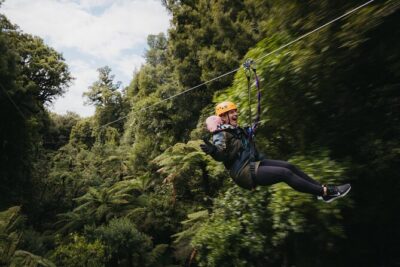
Rotorua Canopy Tours: 2.5Hour Native Forest Zipline Adventure
Read our review →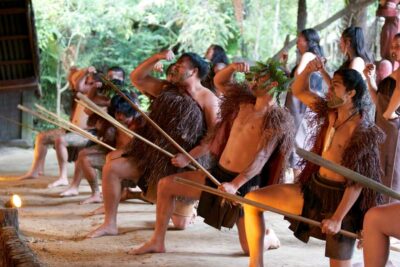
Mitai Maori Village: Cultural Experience and Dinner Buffet
Read our review →
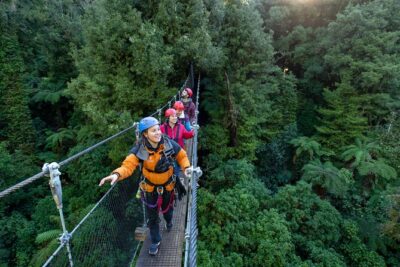
Rotorua’s Ultimate Zipline: 6 ziplines, 400 m Tandem, Cliff Walk
Read our review →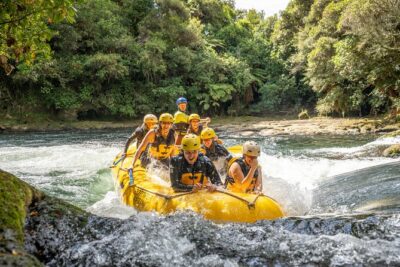
Rotorua Rafting: Kaituna River White Water Rafting & Free Sauna
Read our review →
Cultural Experience & Seasonal Māori Cuisine at Te Pā Tū
Read our review →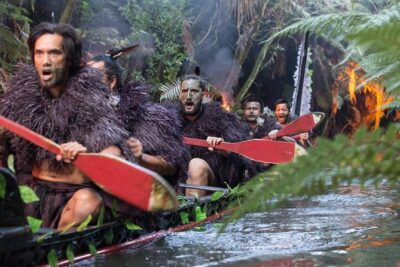
Mitai Maori Village Cultural Experience in Rotorua
Read our review →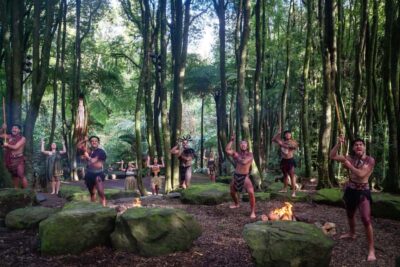
Te Pa Tu Māori Cultural Experience with Dinner
Read our review →Browse the lists this tour appears in