
Reviewed · GEOTHERMAL PARK TOURS
From Rotorua: WAIMANGU VOLCANIC VALLEY Half-Day Tour
Waimangu Volcanic Valley is where New Zealand’s volcanic forces meet a surprisingly green young ecosystem. Born from the 1886 eruption of Mount Tarawera, the valley gives you steaming craters, boiling lakes, bubbling pools, and native plant life in one compact outing from Rotorua. Inferno Crater and Frying Pan Lake are the big draws, but the changing mix of heat and greenery is what makes the walk memorable.
I like the small group of no more than 10 people, which should make the short drive and guide time more personal than a large coach trip. I also like the freedom to explore on your own rather than follow a tightly scripted walking line. The main catch is the moderate amount of walking, so this is not a good fit for wheelchair users or anyone with limited mobility.
Key points to know before you book
- Waimangu began with Mount Tarawera’s 1886 eruption, making it the world’s youngest geothermal system.
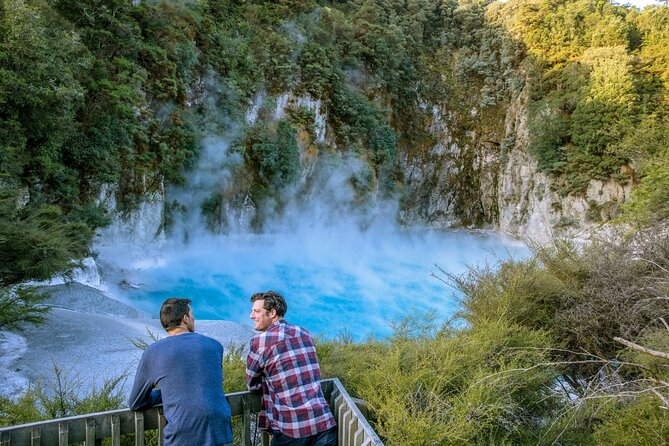
- Inferno Crater has brilliantly blue boiling water, one of the valley’s most striking sights.
- Frying Pan Lake is described as the world’s largest hot spring, with steam and heat forming a dramatic centerpiece.
- You explore at your own pace, while an English-speaking guide provides information about the geothermal activity and local cultural context.
- Pickup is at the iSite Rotorua Bus Stop on Fenton Street, not opposite the Pullman Hotel.
- The four-hour trip costs $111 per person, including transport and the Waimangu visit, but not food, drinks, or personal purchases.
Why Waimangu feels different from Rotorua’s other geothermal stops
Rotorua gives you several ways to see geothermal activity, from parks with timed viewing points to cultural experiences built around Māori traditions. Waimangu offers a different rhythm. You travel into a volcanic valley and walk through a living system shaped by a major eruption.
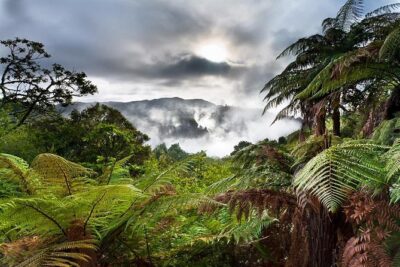
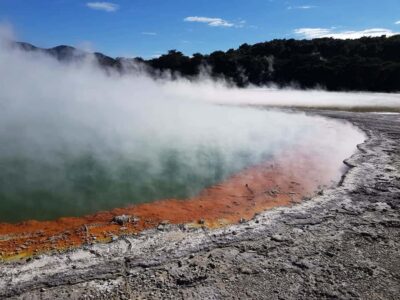
The setting is not just a collection of isolated pools. Geothermal heat appears in several forms as you move along: steaming craters, hot springs, bubbling water, and vividly colored ground. At the same time, native plants and wildlife have returned to the area. That meeting of raw volcanic activity and new growth gives Waimangu its character.
The valley’s age matters. It was created by the 1886 eruption of Mount Tarawera, so the geothermal system is considered the youngest in the world. You are not simply looking at old volcanic rocks. You are seeing a place still shaped by heat, water, mineral deposits, and ongoing change.
That makes this a strong choice if you want nature and geology rather than a staged attraction. The experience has a quiet, open-air feel, with the main reward coming from the walk and the views rather than entertainment or a long list of organized activities.
More Geothermal Tours in Rotorua
- Rotorua: Wai-O-Tapu Geothermal Park Entry Ticket
★ 4.6 · 2,601 reviews - Rotorua: Hell’s Gate Outdoor Mud Spa & Guided Walk
★ 4.7 · 1,140 reviews - Hell’s Gate Mud Bath & Spas
★ 4.5 · 475 reviews
The Rotorua pickup and drive to the valley
Your morning usually begins at the iSite Rotorua Bus Stop at 1167 Fenton Street. Pay close attention to the pickup point. The instructions specifically warn you not to wait opposite the Pullman Hotel, so arrive with enough time to find the correct side of the street.
Round-trip transport is included, which adds real value if you do not have a car. You avoid arranging a separate taxi or rental vehicle, and you can spend the drive looking out at the countryside rather than dealing with directions.
The trip to Waimangu passes through green rural scenery before reaching the volcanic valley. The drive is part of the transition from Rotorua’s urban center to a more remote natural setting. Your English-speaking guide provides information about the geothermal area and its cultural background, and one guide associated with this outing is named Jonathan.
Because the group is limited to 10 people, you should have a better chance of hearing the guide and asking questions than you would on a full-size bus. Still, this is not described as a private tour. The exact amount of commentary may depend on the guide and the pace of the group.
Walking into the world’s youngest geothermal system
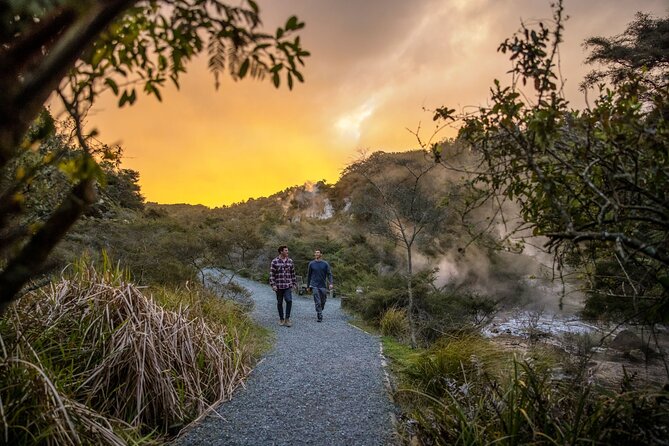
Once you arrive, the main experience is a self-guided walk or hike through Waimangu Volcanic Valley. The tour includes a guided visit, but you are not required to stay shoulder to shoulder with the guide for every step. This gives you time to stop for photographs, take in the steam, and move at a pace that suits you.
That freedom is useful because geothermal scenery deserves a little patience. A pool may look different as steam shifts in the air. A crater can feel quiet one moment and active the next. You can pause rather than hurry from one numbered point to another.
The walk is also the reason to think carefully about footwear. Comfortable walking shoes are essential, and weather-appropriate clothing matters. Bring water, sunscreen, a hat, and a camera. The valley may offer shade in places, but the instructions clearly recommend sun protection, and you should not count on buying a drink as part of the outing.
Smoking is not allowed. You should also expect a moderate amount of walking, not a short roadside stop. The tour is best for people who are comfortable spending part of a half-day on foot.
Inferno Crater and its blue boiling water

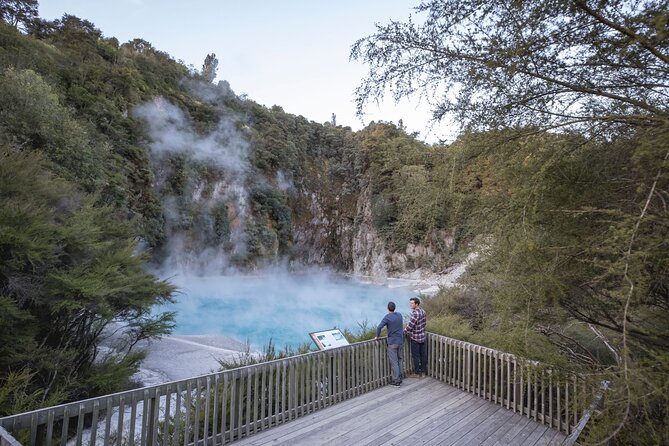
Inferno Crater is one of the tour’s defining sights. Its water is brilliantly blue and boiling, a sharp contrast to the darker volcanic rock and the steam around it.
The color is the sort of detail that photographs well, but a camera cannot fully show the sense of heat and movement. You see a pool that looks almost calm from a distance, yet its boiling water makes the geothermal force clear. Stay within the marked viewing areas and follow your guide’s instructions around all hot features.
The crater is a good example of why Waimangu is more than a scenic walk. The beauty here is tied directly to danger and heat. You are looking at water that is visually inviting but not safe to approach. That tension gives the stop its impact.
Use the time here wisely. Take your photograph, then look beyond the pool at the steam, slopes, and plant life around it. Waimangu works best when you notice how each feature fits into the wider volcanic valley.
More geothermal parks and mud pools near Rotorua:
- Rotorua: Hells Gate Outdoor Mud Bath & Spa Experience
★ 4.6 · 398 reviews - Rotorua based Small Group Morning Tour Waimangu and Wai O Tapu
★ 5.0 · 347 reviews - The Hell’s Gate Experience
★ 4.5 · 338 reviews - From Rotorua: Wai O Tapu & Waimangu Eco Thermal Morning Tour
★ 4.8 · 320 reviews
Frying Pan Lake, the largest hot spring
Frying Pan Lake is another major highlight. It is described as the world’s largest hot spring, and its broad surface gives the valley a different scale from the more concentrated craters and pools.
The name is plain and memorable, but the sight itself is anything but ordinary. Steam rises from the hot water, while the surrounding greenery shows how life has returned to a place created by eruption. You get a clear picture of geothermal activity as a system rather than a single colorful pool.
This is also a stop where the guide’s explanations can add value. A good account of the volcanic forces, heat, and water helps you understand what you are seeing instead of treating the lake as a photo stop. The tour specifically includes information about geothermal phenomena and the area’s cultural context.
Do not expect a meal break at the lake or elsewhere during the outing. Food and drinks are not included, so carry water and eat beforehand if you need more than a morning snack.
Steam, craters, and the return of native life
Waimangu’s appeal comes from the contrast between its hot features and its plant life. You move through a place with steaming ground and hot springs, yet the valley is not bare. Native plants and wildlife have made use of the conditions around the geothermal zones.
That combination makes the walk feel more layered than a simple volcanic viewpoint. You can look at a crater, then notice greenery nearby. You can watch steam rise from a lake while the wider valley carries on as a living environment.
The exact appearance of the valley can change with weather and steam. On a clear day, colors and outlines may be easier to see. In damp conditions, mist can make the area feel more mysterious, though it may also limit photographs. Since no weather guarantee is provided, dress for conditions rather than relying on a sunny forecast.
A camera is worth bringing, but do not let photography take over. The best part of the outing is seeing the valley at different distances and angles as you walk.
What the small group changes
A maximum of 10 participants is a useful middle ground. You get organized transport and a guide, but the outing should feel less crowded than a large coach excursion.
Small groups are particularly helpful at geothermal sites. You may want to ask about the 1886 eruption, the unusual water colors, or the way native life has returned. A compact group makes those questions more practical, although the experience still includes self-guided time.
The trade-off is that the tour is not entirely led from start to finish. If you want a guide explaining every feature beside you, you may prefer a fully guided walk. If you like choosing your own stops and taking your time, the format is more comfortable.
The available rating is 4.7 from three reviews, with two five-star comments. One short comment praises the walk and names Jonathan, while another calls the excursion recommended. That is a small sample, so I would treat it as encouraging rather than conclusive. The clearest pattern is that the walking experience and the guide matter most.
Is $111 a fair price?
At $111 per person, this is not the cheapest way to see geothermal activity near Rotorua. You can find entry-only options elsewhere, and a self-drive visit may cost less if you already have a vehicle and do not need transport.
The price makes more sense when you value convenience. It includes pickup from Rotorua, return transport, the Waimangu visit, and an English-speaking guide in a small group. You also avoid spending part of your morning organizing transport to a site outside the city.
The four-hour length is another advantage. You get a substantial nature outing without giving up an entire day. That leaves room for other Rotorua plans, such as a Māori cultural activity, another geothermal park, or a visit to the city’s museums and lakeside area.
The value is weaker if you dislike walking, want a meal included, or prefer a long, detailed guided geology lesson. You should also budget for anything you want to eat or drink, since those costs are separate.
Who should choose this half-day tour?
I would recommend Waimangu to you if you want to see Rotorua’s volcanic side in a natural setting and prefer a smaller group. It suits people who enjoy walking, photography, and self-directed exploration.
It is also a good match if you have only one morning available. The four-hour schedule gives you a focused visit without the commitment of a full-day excursion.
You may want a different activity if your main interest is Māori culture, an evening meal, or a spa-style experience. Waimangu includes cultural context from the guide, but it is primarily a geothermal nature visit, not a dedicated cultural program.
The tour is not suitable for wheelchair users or people with mobility impairments. Even if you can walk but find uneven or moderate walking difficult, consider that limitation before booking.
Practical ways to get more from the morning
Arrive early at the Fenton Street iSite pickup point and confirm that you are waiting at the correct bus stop. The warning about the Pullman Hotel is easy to overlook, and a missed pickup would spoil a short tour quickly.
Wear shoes you trust for walking and bring a light layer suited to the weather. Pack water, sunscreen, and a hat. These are simple items, but they matter more here than an extra camera accessory.
Keep your schedule flexible after returning to Rotorua. The tour normally runs in the morning, but the supplied details do not give an exact return time. Avoid booking another fixed activity too tightly against it.
If you want photographs of Inferno Crater and Frying Pan Lake, keep your camera ready but remain attentive to safety instructions. Geothermal areas can look peaceful while containing boiling water and steam.
Should you book Waimangu Volcanic Valley?
Book this tour if you want a focused geothermal walk with transport from Rotorua, a small group, and freedom to explore at your own pace. Inferno Crater, Frying Pan Lake, and the contrast between volcanic heat and returning native life give you plenty to see within four hours.
The decision comes down to walking and value. At $111, you are paying for convenience and guidance as much as admission. If that combination suits your plans, Waimangu is a strong half-day choice. If you need accessible paths, included food, or a fully guided tour at every moment, choose another Rotorua activity.
FAQ
How long does the Waimangu Volcanic Valley tour last?
The tour lasts four hours and is usually available in the morning.
Where do I meet the tour?
Meet at the iSite Rotorua Bus Stop at 1167 Fenton Street, Rotorua. Do not wait opposite the Pullman Hotel.
Is transportation included?
Yes. The experience includes round-trip transportation from Rotorua to Waimangu Volcanic Valley.
Is the walk self-guided or guided?
The visit includes a guided tour with an English-speaking guide, while the walk or hike through the valley can be explored at your own pace.
What are the main sights at Waimangu?
The main sights include Inferno Crater, with its brilliantly blue boiling water, and Frying Pan Lake, described as the world’s largest hot spring. You will also see steaming craters, bubbling pools, and native plant life.
How much does the tour cost?
The price is $111 per person.
What should I bring?
Bring comfortable walking shoes, weather-appropriate clothing, a hat, sunscreen, water, and a camera.
Is the tour suitable for wheelchair users?
No. The experience is not suitable for wheelchair users or people with mobility impairments, and you should be prepared for a moderate amount of walking.
More Half-Day Tours in Rotorua
- Rotorua: Mount Tarawera Volcanic Crater Half-Day Guided Walk
★ 4.8 · 121 reviews - From Rotorua: WAI-O-TAPU Geothermal Wonderland Half-Day Tour
★ 4.6 · 76 reviews - Rotorua: Explore The Lakes Half-Day Morning Tour
★ 5.0 · 12 reviews - Half-day Discover Auckland City Sightseeing Tour
★ 5.0 · 1,080 reviews
Just added around Rotorua
- Thrilling Riverbug Adventure on the Rangitāiki River★ 5.0 · 4 reviews
- Te Puia: Te Pō Combo: Te Rā, Dinner, and Haka Performance★ 4.6 · 5 reviews
- Te Puia: Te Rā Guided Day Tour and Haka Performance★ 5.0 · 4 reviews
- Rotorua: Waimangu Volcanic Valley Ticket & Self-Guided Walk★ 4.8 · 104 reviews
- Rotorua: White Island, Mount Tarawera & Waimangu Volcanic …★ 4.4 · 5 reviews
- Rotorua: Velocity Valley – Two Ride Pass★ 4.6 · 8 reviews
- Rotorua: Wai Ariki Hot Springs & Spa 1hr Restorative Bathing★ 4.8 · 16 reviews
- Rotorua: Velocity Valley – NEW Vertigo 43m drop★ 5.0 · 3 reviews
Geothermal Park Tours, compared.
Rotorua based Small Group Morning Tour Waimangu and Wai O Tapu
Read our review →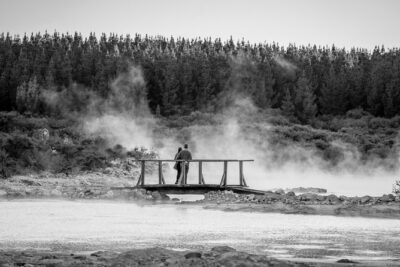
Wai O Tapu & Waimangu Eco Thermal Morning Tour
Read our review →
Rotorua Lake: Deluxe Lake Spa Geothermal Hot Spring Bathing
Read our review →Browse the lists this tour appears in