
Reviewed · NEW ZEALAND
Explore the legacy of artist, ecologist, architect, visionary
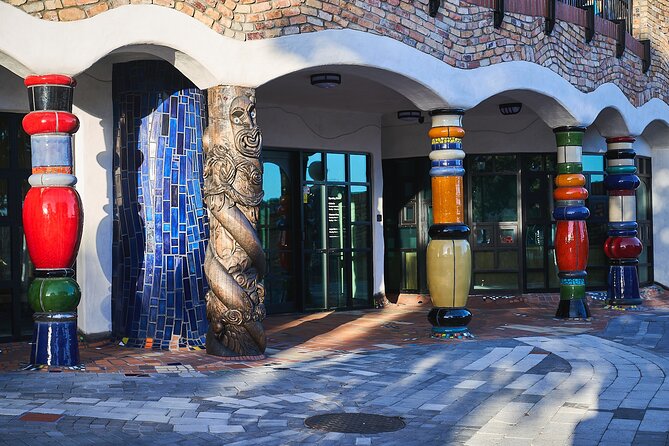
Whangarei’s Hundertwasser Art Centre is far more than a gallery. The building itself is the main event, with uneven lines, colourful tiles, flowing stairs, planted roofs, and a golden cupola looking over the Hātea River. Inside, you get art, ecological ideas, and a dedicated Māori gallery in one compact stop.
I like the freedom here. You can spend an hour seeing the main rooms, or use the included all-day access to return after lunch and take your time. I also like the mix of Hundertwasser’s work with contemporary Māori art at Wairau Māori Art Gallery, which gives the visit a wider New Zealand focus.
The main caution is value. At $18.62 per person, the ticket is reasonable if you care about Hundertwasser, architecture, or Māori art, but some people may find the indoor collection smaller than expected. The exterior and rooftop are likely to be the highlights for visitors less interested in art displays.
Key points to know before you go
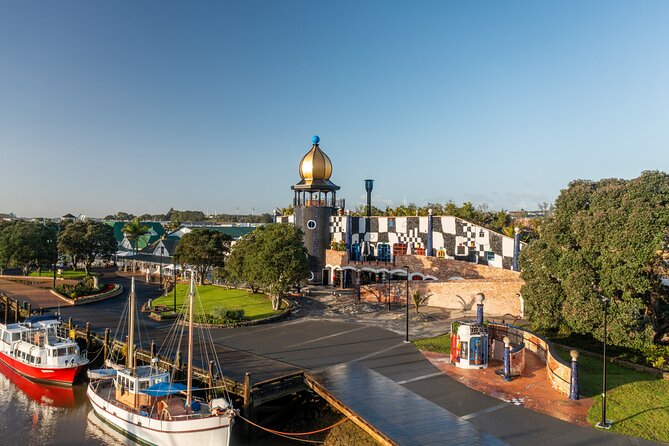
- The building is part of the exhibit: Expect colourful tiles, curved forms, unusual railings, and a planted Afforested Roof.
- Largest collection outside Vienna: The Hundertwasser display includes his art and examples of his ecological ideas in New Zealand.
- Two galleries in one visit: Wairau Māori Art Gallery presents changing exhibitions by contemporary Māori artists.
- Self-guided or guided: Admission covers independent exploring, while the one-hour interactive guided tour costs extra.
- Plan for more than a quick look: Your ticket provides access all day, so you can combine the visit with time at the Town Basin.
- The rooftop is worth finding: The golden cupola and 360-degree views make the upper level especially appealing.
Why Hundertwasser belongs in Whangarei
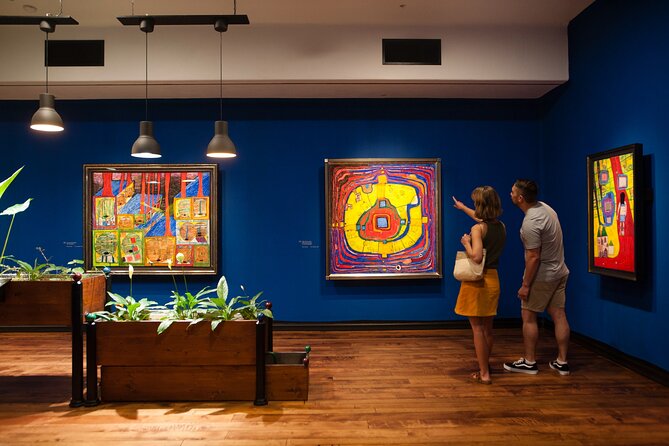
Friedensreich Hundertwasser was a painter, ecologist, architect, and forceful advocate for a closer relationship between people and nature. His work is easy to spot. Straight lines give way to irregular shapes. Buildings grow plants. Windows do not all look alike. Colour is not decoration added at the end. It is part of the structure.
Whangarei has the largest collection of Hundertwasser’s work outside Vienna, where he lived and worked. That gives this visit genuine weight, even though the centre itself is manageable in size. You are not simply looking at isolated paintings on white walls. You are seeing his ideas applied to a building in New Zealand.
The centre also reflects his years of connection with the country. The exhibition titled Hundertwasser in New Zealand 1973 to 2000 places his work and ecological thinking in a New Zealand setting. For me, that context matters. It helps explain why the building uses planting, uneven surfaces, and natural references instead of following the polished, neutral style common in modern museums.
If you have never encountered Hundertwasser before, you can enjoy the shapes and colours without knowing much about him. If you already like his architecture, you will probably pay more attention to the details: the roof planting, the handmade look of the surfaces, the irregular lines, and the way art and structure overlap.
Other North Island days people book at the same time:
- Hobbiton™ Movie Set Walking Tour from Shires Rest
★ 5.0 · 3,577 reviews - Gannet Safaris Overland tour to Cape Kidnappers Gannet Colony
★ 5.0 · 942 reviews - Cathedral Cove Kayak Tour
★ 5.0 · 887 reviews
The exterior gives you your first lesson
Before entering, walk around the building rather than heading straight to the ticket area. The outside offers a quick introduction to Hundertwasser’s visual language. Look for colourful tiles, curving brickwork, unusual railings, and flowing stairways.
This is a useful tip if you are short on time. One person may decide the exterior tells the story well enough and simply enjoy the building from the Town Basin area. Another may want the full indoor visit. The ticket is most useful for the second type of visitor, particularly if you want to see both galleries and spend time on the roof.
The location by the Town Basin makes the centre easy to add to a wider walk around central Whangarei. You can pair the visit with riverside time and nearby restaurants, rather than treating it as a separate all-day outing. Public transport is nearby, and the experience is suitable for most people. Service animals are allowed.
Inside the Hundertwasser in New Zealand exhibition
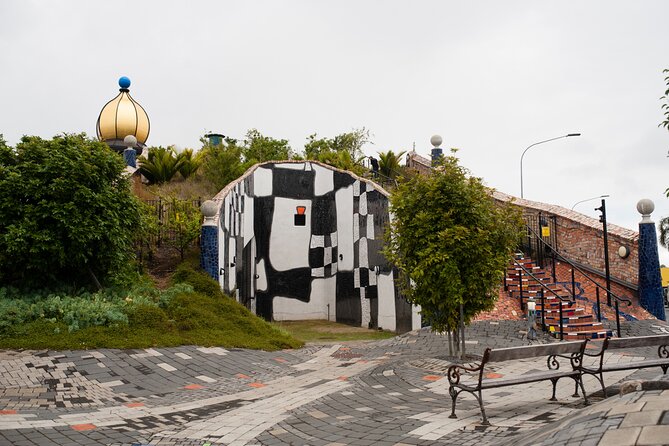
The main exhibition is the centre’s strongest reason for buying admission. It brings together the largest collection of Hundertwasser’s work outside Vienna and includes examples of his applied art and design thinking.
You will find paintings and objects, along with displays that explain his life, his time in New Zealand, and his concern for the natural world. The appeal is not only visual. Hundertwasser wanted people to question rigid architecture and the idea that buildings should push nature aside. His work asks you to notice roofs, windows, walls, plants, and the ground beneath a building as part of one living setting.
I would allow enough time to look beyond the bold colours. The first impression can be playful, even childlike, but the ideas behind it are serious. His message about people behaving responsibly toward nature remains easy to understand today.
The collection may feel limited if you expect a large national museum. One criticism is that the indoor architectural material does not offer as much as the exterior suggests. Models of other buildings are present, but the documentary film may feel less satisfying if you want a clear, detailed narrative. A small film theatre runs documentaries on a loop, so you can watch part of one without arranging your visit around a fixed screening time.
That flexible setup is helpful, but I would not make the film the main reason to come. Treat it as an optional pause between the artwork and the roof.
Wairau Māori Art Gallery adds a second point of view
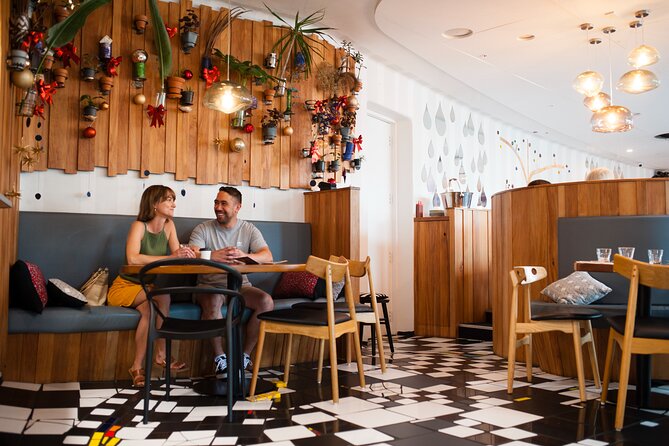
The Wairau Māori Art Gallery is the world’s first dedicated Māori public art gallery. Its changing exhibitions feature contemporary Māori artists working with indigenous themes and Aotearoa’s history.
This is an important part of the visit because it prevents the centre from becoming only a tribute to one European-born artist. Hundertwasser’s work gives you one way to think about nature, architecture, and place. The Māori gallery brings forward artists working from an indigenous New Zealand perspective.
Since exhibitions change, the exact content depends on your visit date. That also means the gallery can reward repeat visits. You should not assume that a second stop will show the same work.
The two galleries may appeal to different members of your group. Someone interested in architecture may focus on Hundertwasser. Someone more interested in contemporary art or New Zealand identity may prefer Wairau. Families and mixed groups benefit from having both under one roof, since the visit does not depend on everyone sharing the same taste.
Same corner of the country, a completely different day out:
- Kaituna Cascades – Grade 5 Wairoa River near Tauranga
★ 5.0 · 437 reviews - One Hour Cathedral Cove Boat Tour in Hahei
★ 5.0 · 340 reviews - 15,000ft Tandem Skydive in Tauranga – Bay of Plenty
★ 5.0 · 305 reviews - Timber Trail – Ongarue to Pureora Shuttle 2 Day Ride
★ 5.0 · 186 reviews
The Afforested Roof is the payoff upstairs
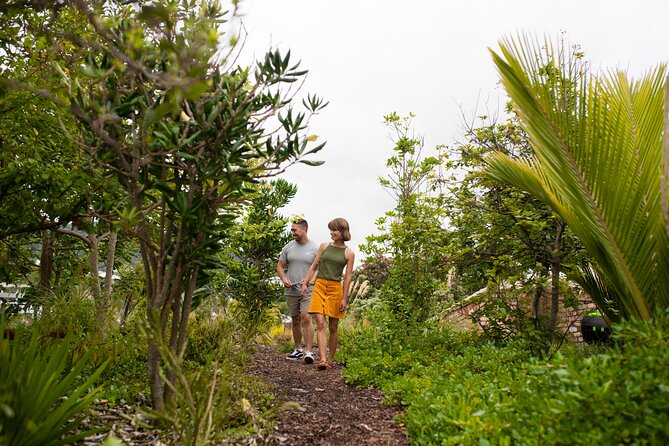
Make time for the award-winning Afforested Roof. The roof is not a token patch of greenery placed on top of the building. It is part of Hundertwasser’s wider belief that architecture should return something to nature.
From the top, you get sweeping views over Whangarei, the Hātea River, and the city. The 360-degree outlook changes the experience from an indoor gallery visit to a place-based stop. You can connect the art centre’s ideas with the real setting around it.
The golden cupola is another memorable feature. It gives the roof a strong visual focus and makes the building easy to recognize from the surrounding area. If the weather is good, I would put the roof near the end of your visit so it becomes your final view. If clouds or rain arrive, you can reverse the order and see the indoor displays first.
The roof is also where the centre’s ecological message feels most concrete. A painting can express an idea, but a planted roof lets you see that idea built into the structure. That makes it especially useful for children and for anyone who finds abstract art harder to connect with.
How much time should you allow?
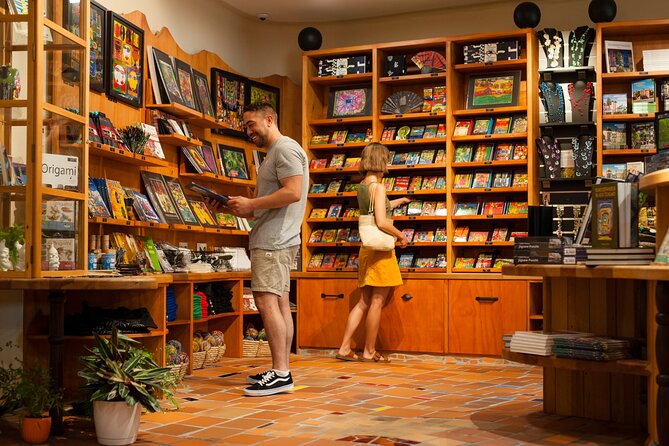
The advertised duration is about one to three hours, but your admission provides all-day access. Those two facts work together rather than conflict.
Allow about an hour if you want a brisk visit covering the main Hundertwasser rooms, the Māori gallery, and the rooftop. Two hours gives you time for a slower look at the art, a documentary segment, and the building’s details. With all-day access, you can leave and return, making the centre easier to fit around lunch or a walk by the river.
You do not need to rush through every room. The building rewards looking up, around corners, and back at surfaces you passed quickly. Still, the collection is not so large that you need a full day devoted only to the centre.
A one-hour interactive guided tour is available at an additional cost. I would consider it if Hundertwasser is a major reason for your visit or if you want help connecting the artwork, architecture, and ecological ideas. The self-guided option should suit you if you like moving at your own pace or prefer not to spend extra.
No guide names are provided for this experience, so do not book expecting a particular person to lead the tour.
Is $18.62 good value?
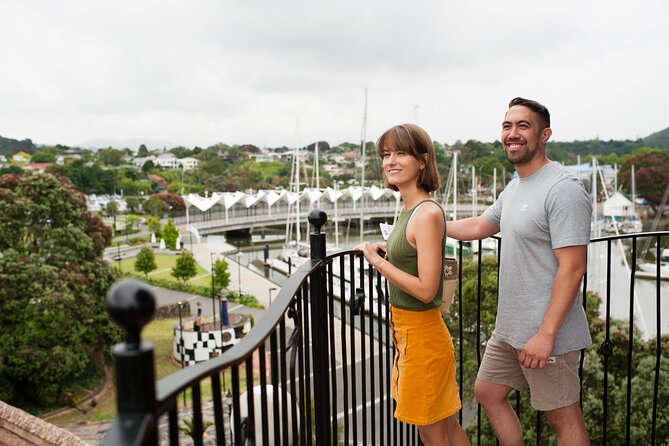
At $18.62 per person, the price sits in a comfortable middle ground for a museum and architecture visit. It becomes good value when you use the all-day access and see both galleries, the roof, and at least part of the film program.
The ticket is less compelling if you only want to admire the building from outside. The exterior is free to appreciate, and the indoor architectural spaces may not satisfy someone expecting a large collection of original works or a major museum presentation.
The best value comes from treating the centre as a three-part experience:
- Hundertwasser’s art and ecological ideas
- Contemporary Māori art at Wairau
- The building, roof, and views over Whangarei
An on-site restaurant adds another reason to stay longer. Sashimi and chowder have been singled out as good choices, and the setting includes views from the building. Food is not included in admission, so consider it an optional addition rather than part of the ticket value.
The MuseumShop is also substantial, with Hundertwasser applied art, unusual objects, gifts, and Wairau-related items. You may find more here than in a standard museum shop, especially if you are looking for a small design object rather than a postcard.
Who will enjoy this most?
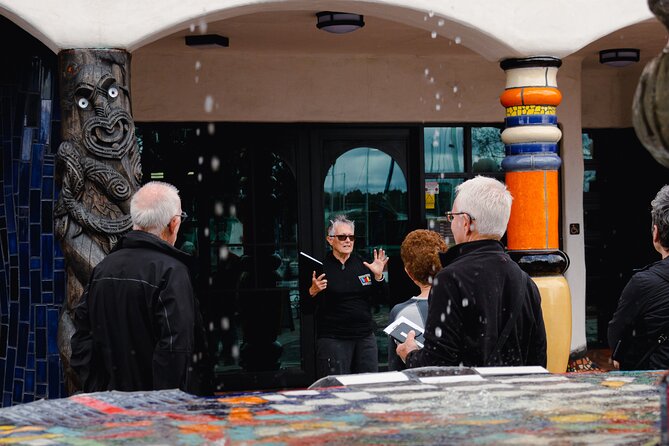
I would recommend the visit to you if you like unusual buildings, modern art, environmental ideas, or contemporary Māori work. It also suits families because the shapes, colours, roof, and city views offer several ways into the experience. Teenagers who do not want a long traditional museum visit may respond better to the building itself and the playful visual details.
It is a good stop for architecture fans who have seen Hundertwasser’s work elsewhere and want to compare this New Zealand example with his projects abroad. It is also useful for first-time visitors because you do not need much background to understand the basic themes.
You may want to skip the admission if your interest is limited to taking exterior photographs, or if you expect a large museum with room after room of major works. In that case, the $18.62 may feel high for the indoor displays.
The centre works best when you are open to several short experiences rather than one blockbuster exhibit. Give the building your attention, look at both galleries, and use the roof to connect the visit with Whangarei.
Practical details that make the visit easier
Your mobile ticket is confirmed at booking, and admission includes full-day access. The guided tour is not included, so check the price before adding it.
The centre is near public transport, and most people can take part. Service animals are permitted. The experience is in the North Island city of Whangarei, beside the Town Basin area.
Free cancellation is available if you cancel at least 24 hours before the experience start time. Cancellations or changes made less than 24 hours ahead are not accepted for a refund, and the cut-off follows local time.
For the best visit, arrive with enough time to see the roof rather than treating it as an optional extra. Also allow a few minutes outside before entering. The architecture is not a wrapper around the art. It is the clearest expression of what this place is trying to do.
Should you book the Hundertwasser Art Centre?
Book it if you want a distinctive Whangarei stop with art, architecture, Māori perspectives, and city views in one place. At $18.62, it offers solid value when you use the all-day access and see the Afforested Roof.
I would not book it solely for a large indoor art collection. The strongest parts are the building, the ecological ideas, the rooftop, and the combination with Wairau Māori Art Gallery. If those features match your interests, this is a worthwhile Town Basin visit. If not, a walk around the exterior may be enough.
FAQ
Where is the Hundertwasser Art Centre?
It is in Whangarei on New Zealand’s North Island, near the Town Basin and the Hātea River.
How much does admission cost?
The stated price is $18.62 per person.
How long does the experience take?
The visit takes approximately one to three hours, but admission provides access for the full day.
Is a guided tour included?
No. Admission covers self-guided access. An optional one-hour interactive guided tour costs extra.
What galleries can I visit?
You can visit the Hundertwasser in New Zealand 1973 to 2000 exhibition and the Wairau Māori Art Gallery, which presents changing exhibitions by contemporary Māori artists.
What is special about the Hundertwasser collection?
The centre has the largest collection of Friedensreich Hundertwasser’s work outside Vienna.
Can I visit the rooftop?
Yes. The Afforested Roof has a golden cupola and sweeping 360-degree views of Whangarei, the Hātea River, and the city.
Is public transport available nearby?
Yes. The centre is near public transportation.
Can I cancel my booking for a refund?
Yes, if you cancel at least 24 hours before the experience start time. Cancellations or changes made less than 24 hours before the start time are not accepted for a refund.
Just added around North Island
- The Boulders Scenic Half Day Float on the Rangitikei River★ 5.0 · 3 reviews
- The Awesome Scenic Rafting Adventure – Full Day Rafting on the Rangitikei River★ 5.0 · 38 reviews
- Rangitaiki River White Water Scenic Rafting from Rotorua★ 5.0 · 23 reviews
- Half Day, Grade 5, White Water Rafting on the Rangitikei River★ 5.0 · 66 reviews
- Rangitaiki River White Water Rafting from Rotorua★ 5.0 · 96 reviews
- Puketi Rainforest Guided Walks .This is not a Shore Excursion product .★ 5.0 · 20 reviews
- Fine Wine Tour in Napier, New Zealand★ 5.0 · 17 reviews
- Wool Sheep Farm Experience with Handmade Wool Hat in New Zealand★ 5.0 · 9 reviews