
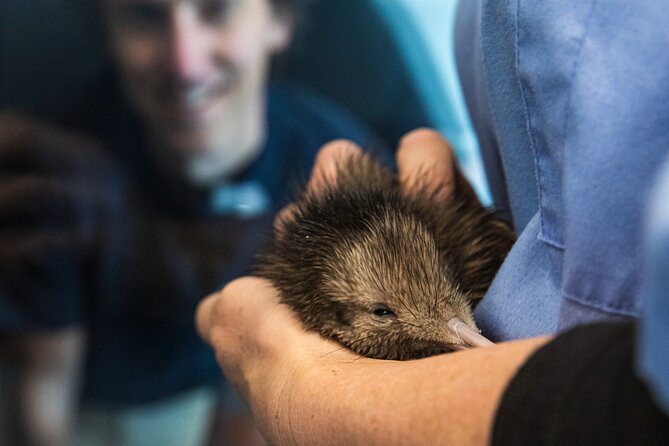
Reviewed · ROTORUA TOURS
National Kiwi Hatchery – Kiwi Encounter Guided Tour
Rotorua’s National Kiwi Hatchery gives you something rare: a close look at New Zealand’s national bird, from egg incubation to adult foraging. The one-hour tour takes place in a purpose-built facility at the Agrodome, with a guide explaining how kiwi chicks are raised before returning to the wild.
I like the mix of science and quiet animal viewing. You may see eggs being checked, a chick receiving a health check, or an adult kiwi probing the ground in the Nocturnal House. I also like that your admission supports the hatchery’s conservation work directly. The main consideration is timing: outside the September to March hatching season, you may see no eggs or chicks.
Key points to know before you book
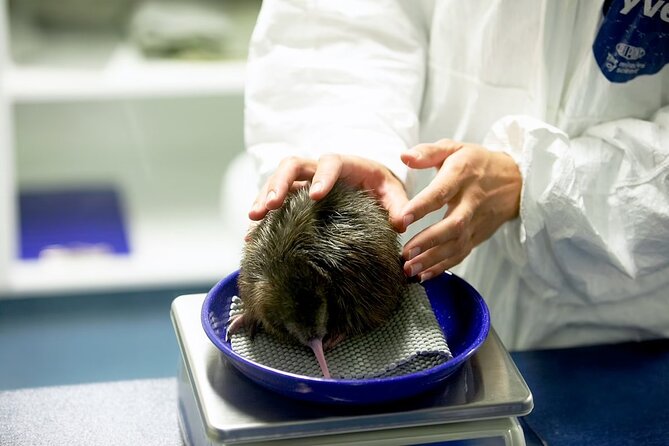
- September to March offers the best chance of seeing chicks: The hatchery’s busiest period gives you the strongest odds of seeing eggs, newborns, or young kiwi.
- Adult kiwi are viewed in near darkness: The Nocturnal House matches their natural nighttime habits, but the low light can make sightings brief.
- The experience stays mostly indoors: It works well on a wet Rotorua day, with only a short walk between buildings.
- Guides add much of the value: Teresa, Carol, Kai, and Nico are praised for clear explanations, warmth, and humor.
- Photography is not allowed: You need to put the camera away, which protects the shy birds and keeps the enclosure calm.
- Children must be at least five: This is important for families planning a Rotorua day out.
Why this one-hour kiwi visit matters
Seeing a kiwi in New Zealand is not as simple as spotting a deer beside the road. Kiwi are nocturnal, shy, and under serious pressure from predators. The hatchery gives you a controlled way to see them while helping raise birds for conservation work.
The program focuses on practical kiwi care. You learn how eggs are incubated, how chicks hatch, how young birds are checked and fed, and why the early stages of life need such careful attention. The information is not just a collection of bird facts. It explains why kiwi breeding programs matter and how human help can improve the species’ chances.
The experience has a strong educational side, with presentations, video, a quiz, and physical examples used to explain the kiwi life cycle. That variety helps keep the tour moving, especially for families. You are not simply led past a glass enclosure and sent on your way.
The tour is rated 4.8 out of 5 from 228 ratings, with 96 percent recommending it. Those numbers fit the main strengths of the experience: clear guides, close viewing opportunities, and a conservation purpose you can understand.
A few more Rotorua half-days to weigh up
- Rotorua Canopy Tours: 2.5Hour Native Forest Zipline Adventure
★ 5.0 · 4,563 reviews - Mitai Maori Village: Cultural Experience and Dinner Buffet
★ 4.7 · 3,575 reviews - Rotorua: Wai-O-Tapu Geothermal Park Entry Ticket
★ 4.6 · 2,601 reviews
Starting at the Agrodome in Rotorua
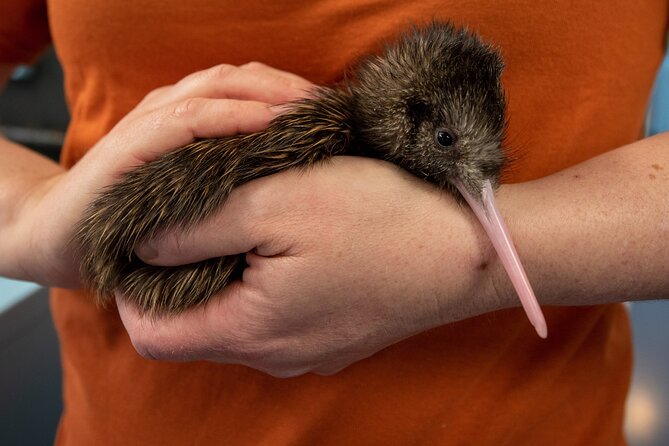
The National Kiwi Hatchery is located at the Agrodome, outside Rotorua’s central visitor area. Your ticket includes a return shuttle from the Agrodome check-in zone to the hatchery facility, so you do not need to arrange a separate transfer once you arrive there.
You should check in 15 minutes before departure. That small buffer matters because the shuttle and guided entry operate on a schedule. The tour does not include hotel pickup, so you need to make your own way to the Agrodome. The site is near public transportation, and most people can take part.
The facility is inside the Agrodome grounds, but this is not mainly a farm tour. The focus is the kiwi conservation program. A short transfer brings you to a modern, purpose-built building designed for incubation, chick care, exhibits, and viewing.
Inside the incubation and hatching facility
The first major part of the visit explains how kiwi eggs are handled. The National Kiwi Hatchery is a national leader in egg incubation systems, hatching methods, kiwi husbandry, and chick rearing. You get a close look at the work behind the scenes, although the exact activity you see depends on the season and the birds’ development.
During the hatching season, from September through March, you may see eggs under inspection or chicks at different stages of care. A lucky visit might include a newborn being weighed, fed, or given a health check. You may also see a chick preparing to move toward an outside enclosure before eventual release into the wild.
This is where timing affects the experience most. A visit during the hatching season gives you the best chance of seeing the youngest birds, but no hatchery can promise that a chick will be hatching during your particular hour. The birds follow their own schedule, not the tour timetable.
Outside the main season, the tour still includes the educational displays and live adult kiwi in the Nocturnal House. You should simply book with the right expectation: the program remains worthwhile, but it becomes more about kiwi care, conservation, and adult birds than newborn chicks.
Meeting kiwi from egg to adult
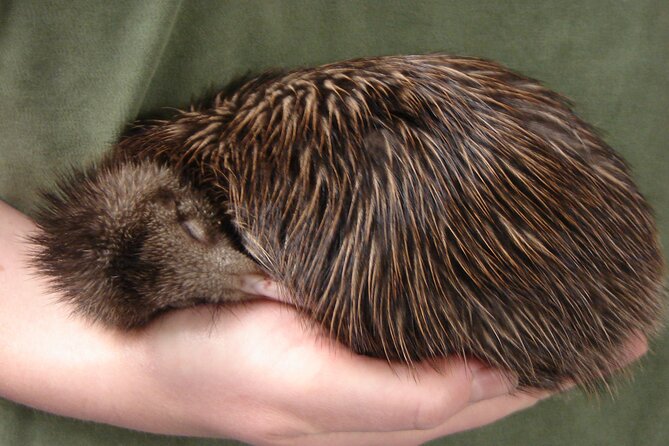
The interactive kiwi burrow helps connect the different stages of the bird’s life. It gives you a sense of how kiwi live and forage, while the guide explains the journey from egg to adult. This part is useful if you are visiting with children because it turns a complicated conservation story into something easier to follow.
The guides are a major part of the experience. Teresa is praised for her humor and clear explanations, while Carol is noted for her enthusiasm and warmth. Kai and Nico are also singled out for answering questions and explaining the conservation work in a way that keeps the group involved.
The exact guide on your departure is not guaranteed, but the pattern is clear: expect a guided presentation rather than a silent walk through displays. You can ask questions and learn why kiwi are endangered, how the hatchery helps increase survival, and what happens as young birds move toward release.
The program also uses quiz questions and physical examples. That is a welcome change from a standard animal exhibit, especially if you already know the basic kiwi story. You leave with a better sense of the practical work involved, not just the broad message that kiwi need protection.
Same corner of the country, a completely different day out:
- Rotorua’s Ultimate Zipline: 6 ziplines, 400 m Tandem, Cliff Walk
★ 5.0 · 2,557 reviews - Rotorua Rafting: Kaituna River White Water Rafting & Free Sauna
★ 5.0 · 1,952 reviews - Cultural Experience & Seasonal Māori Cuisine at Te Pā Tū
★ 5.0 · 1,546 reviews - Mitai Maori Village Cultural Experience in Rotorua
★ 4.5 · 1,294 reviews
The Nocturnal House and adult kiwi sightings
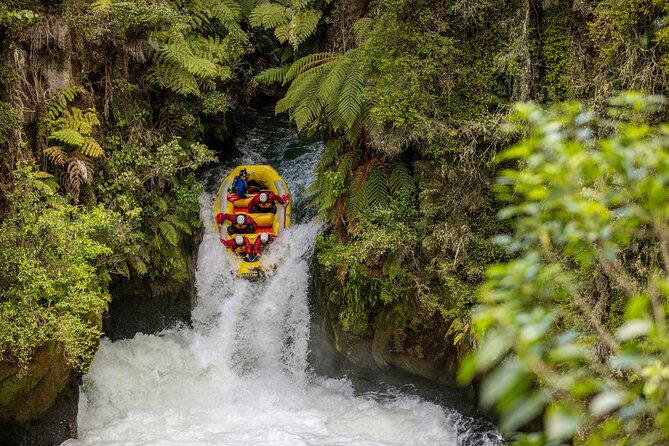
The Nocturnal House is the most atmospheric part of the visit. Kiwi are active at night, so the enclosure is kept dark and quiet. You watch through glass as the birds roam and forage, using their long bills to search the ground.
You may see one adult kiwi, two, or occasionally all three resident birds. Sightings are not guaranteed, and even a visible bird may move in and out of view. That uncertainty is part of the experience, but it can frustrate anyone expecting a bright, close-up animal display.
The lack of photography is worth knowing before you arrive. No cameras are allowed, including phone photography. The rule protects the birds from flashes and distractions, and it helps keep the space quiet. Still, anyone hoping for a kiwi photo should adjust expectations. You will need to enjoy the sighting in the moment.
The dark enclosure can also make the birds harder to see than animals in a normal zoo habitat. This is a genuine kiwi viewing experience, not a brightly lit photo opportunity. If you value natural behavior over pictures, the restriction makes sense. If getting an image is central to your visit, it may feel limiting.
What makes the conservation work valuable
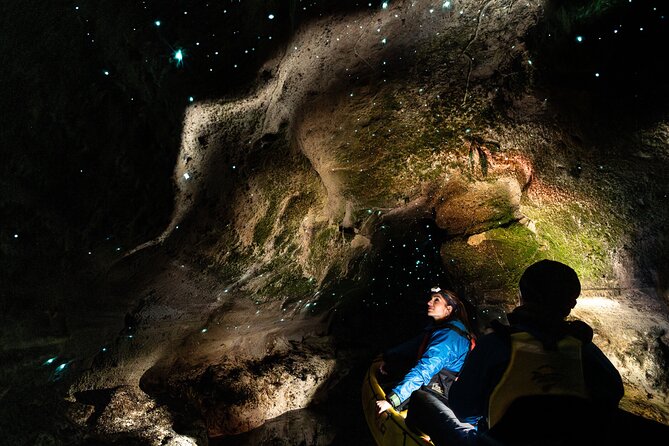
Your ticket fee goes back into the kiwi hatching program. At $47.74 per person, this is not the cheapest short activity in Rotorua, but you are paying for more than an hour of entertainment. You are supporting a working conservation operation while receiving instruction and live animal viewing.
The value is strongest if you care about wildlife protection or want to understand New Zealand beyond its scenery. The hatchery shows the labor behind species recovery: careful egg handling, incubation, chick checks, feeding, weighing, and preparation for release.
You also get access to a facility that most people could not reproduce on their own. A wild kiwi sighting is possible in New Zealand, but it is not something you can count on during a normal sightseeing day. Here, you have a planned opportunity to see the bird and learn how experts care for it.
That said, the experience is only about an hour. If you measure value purely by time, the price may seem high. The shorter length works well as part of a wider Rotorua schedule, but it may not satisfy you if you want a full-day attraction with many animals and activities.
A strong rainy day choice for families
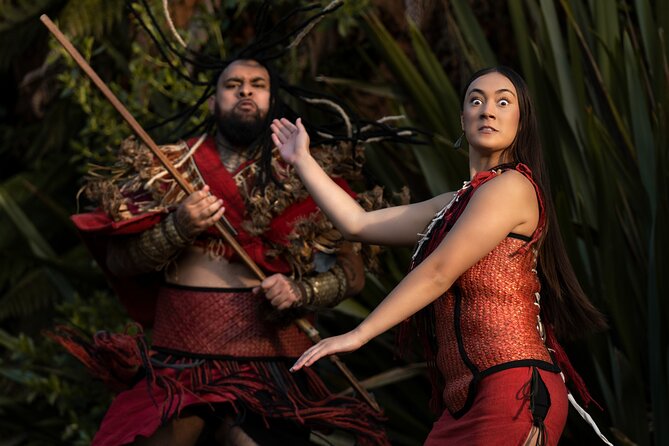
Rotorua weather can change quickly, and this tour is largely indoors. After the short walk between buildings, you spend the experience inside the hatchery, displays, and Nocturnal House. That makes it a useful backup for a wet morning or afternoon.
Children must be at least five years old. Younger children cannot participate, so families should check ages carefully before booking. For children who meet the requirement, the combination of a quiz, video, interactive burrow, and live kiwi viewing gives the hour a good rhythm.
The dark enclosure may not suit every young child, especially one who expects a brightly lit animal park. The guide-led format also requires a little patience. Still, the chance to see a newly hatched chick, when available, can make the visit especially memorable for a child.
Adults should find enough substance here as well. The conservation work is explained clearly, and the viewing is not reduced to a cartoon version of the kiwi story. This is a good family activity for parents who want an outing with a purpose.
Planning your visit around hatching season
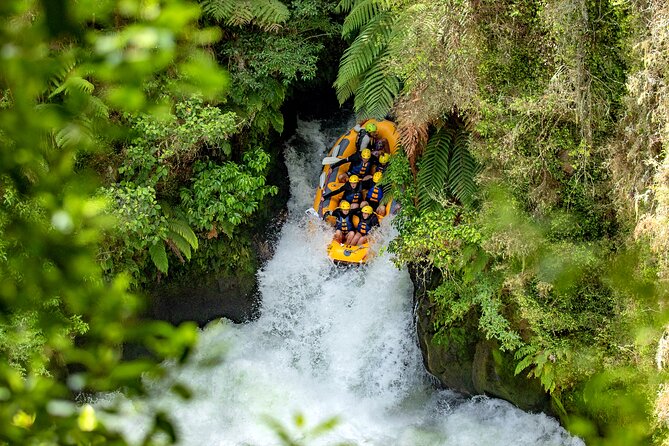
September through March is the key period if you want to improve your odds of seeing eggs and chicks. The exact chance varies, but this is when the facility is most likely to have young birds at different stages.
A visit outside those months can still be worthwhile. You can learn about incubation and kiwi conservation, explore the burrow experience, and watch adult kiwi in the Nocturnal House. Just do not book an off-season date assuming you will see a hatchling.
Even in season, treat a baby kiwi as a bonus rather than a promise. Some people have seen a one-day-old chick, several chicks, or a hatching event. Others may see only adult birds and the displays. The hatchery cannot control which stage the birds are in when your group arrives.
If newborn kiwi are your main reason for booking, choose a September to March date and keep your plans flexible enough to enjoy the wider program. If seeing a live adult kiwi is enough, any season can work.
What to expect from the pace and setting
The visit lasts about one hour, which makes it easy to pair with other Rotorua activities. You are guided through the facility rather than left to explore at your own speed. That structure keeps the information focused and helps you understand what you are seeing.
The shuttle from the Agrodome check-in area is included and has been described as comfortable and air-conditioned. The facility itself is modern, with an attractive building and shop. Food and drinks are not included, so plan those separately before or after the tour.
This is not a hands-on animal encounter. You do not handle the kiwi, and the birds remain behind glass. The lack of contact is appropriate for a shy endangered species, but it is worth stating plainly if you are looking for an animal feeding experience.
The tour also does not include hotel transportation. You need to reach the Agrodome yourself and arrive early enough for check-in. These details are simple, but missing them could make a short scheduled activity feel rushed.
Who should book the National Kiwi Hatchery
I would put this high on the list for anyone who wants to see a kiwi in Rotorua and learn why the bird needs protection. It suits wildlife enthusiasts, families with children aged five and older, and anyone looking for an indoor activity with real conservation value.
It is especially good for you if you enjoy guided interpretation. The strongest part is not simply seeing the bird. It is understanding the steps taken to protect it, from egg incubation to chick care and eventual release.
You may want to choose another activity if you need guaranteed close-up viewing, unrestricted photography, or several hours of entertainment. The adult kiwi may stay partly hidden, and the tour ends after roughly an hour.
For most people, the best approach is to treat it as a focused Rotorua experience. It gives you one meaningful wildlife encounter, then leaves time for geothermal sites, museums, or other local activities.
Should you book this kiwi tour?
Book it if seeing New Zealand’s national bird matters to you and you want your admission to support an active conservation program. The guides, the egg-to-adult story, the Nocturnal House, and the chance of seeing chicks make this more substantial than a simple animal display.
For the best chance of seeing eggs or hatchlings, choose a date from September to March. Outside that window, go for the conservation lesson and adult kiwi viewing. Keep your camera in your bag, arrive 15 minutes early, and remember that the birds may not perform on cue.
At $47.74, it is fair value for a well-run, one-hour conservation visit, especially in poor weather. I would book it for families with older children, animal lovers, and anyone who wants a respectful, educational kiwi encounter rather than a staged photo stop.
FAQ
Where is the National Kiwi Hatchery located?
The National Kiwi Hatchery is located onsite at the Agrodome in Rotorua, New Zealand.
How long does the guided experience last?
The guided National Kiwi Hatchery experience lasts approximately one hour.
What is the price of the tour?
The listed price is $47.74 per person.
When is the best time to see kiwi eggs and chicks?
The hatching season runs from September through March. This period gives you the best chance of seeing eggs, newly hatched chicks, or young kiwi receiving care.
Can I still see kiwi outside the hatching season?
Yes. Outside the September to March hatching season, you can still see live adult kiwi foraging in the purpose-built Nocturnal House, though eggs and chicks may not be present.
Are children allowed to join the tour?
Children must be at least five years old to participate. Children under five cannot take part in the experience.
Is photography allowed inside the hatchery?
No. Photography is not allowed, including in the Nocturnal House and exhibit areas.
Is transportation included?
A return shuttle from the Agrodome check-in zone to the hatchery facility is included. Hotel pickup and drop-off are not included.
Can I cancel the booking for a full refund?
You can cancel for a full refund if you do so at least 24 hours before the experience start time. Cancellations or changes made less than 24 hours before the start time are not accepted for a refund.
Just added around Rotorua
- Thrilling Riverbug Adventure on the Rangitāiki River★ 5.0 · 4 reviews
- Te Puia: Te Pō Combo: Te Rā, Dinner, and Haka Performance★ 4.6 · 5 reviews
- Te Puia: Te Rā Guided Day Tour and Haka Performance★ 5.0 · 4 reviews
- Rotorua: Waimangu Volcanic Valley Ticket & Self-Guided Walk★ 4.8 · 104 reviews
- Rotorua: White Island, Mount Tarawera & Waimangu Volcanic …★ 4.4 · 5 reviews
- Rotorua: Velocity Valley – Two Ride Pass★ 4.6 · 8 reviews
- Rotorua: Wai Ariki Hot Springs & Spa 1hr Restorative Bathing★ 4.8 · 16 reviews
- Rotorua: Velocity Valley – NEW Vertigo 43m drop★ 5.0 · 3 reviews
Rotorua Tours, compared.
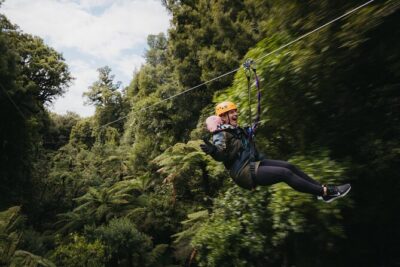
Rotorua Canopy Tours: 2.5Hour Native Forest Zipline Adventure
Read our review →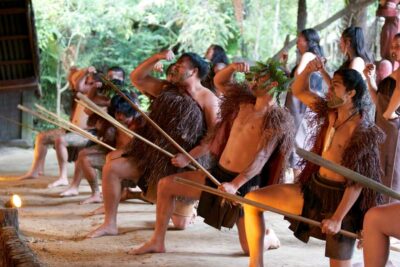
Mitai Maori Village: Cultural Experience and Dinner Buffet
Read our review →
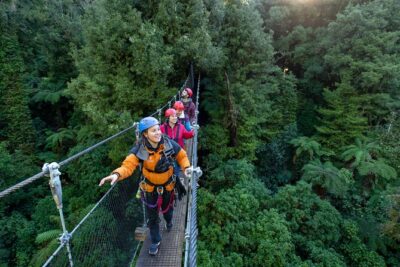
Rotorua’s Ultimate Zipline: 6 ziplines, 400 m Tandem, Cliff Walk
Read our review →
Rotorua Rafting: Kaituna River White Water Rafting & Free Sauna
Read our review →
Cultural Experience & Seasonal Māori Cuisine at Te Pā Tū
Read our review →
Mitai Maori Village Cultural Experience in Rotorua
Read our review →
Te Pa Tu Māori Cultural Experience with Dinner
Read our review →Browse the lists this tour appears in