
Reviewed · AUDIO TOURS
Explore Auckland: Self Guided Audio Tour
Auckland reveals itself well on foot, and this self-guided audio tour gives you a simple way to connect major sights with lesser-known city corners. You begin at the Sky Tower and follow audio commentary and a GPS map through churches, public squares, parks, theaters, and civic buildings.
I like the freedom to stop for photos or replay a section whenever you want. I also like the low price, $15.29, which makes this a useful introduction before you spend money on museums or paid attractions. The tradeoff is clear: you must download and operate the tour yourself, and one user found the setup too hard to use.
Key points to know before you walk
- Seven central Auckland stops: The main route includes the Sky Tower, St Matthew-in-the-City, Aotea Square, the Sir Dove-Myer Robinson statue, Baptist Tabernacle, Auckland Art Gallery, and Albert Park.
- About one to three hours: Your pace, photo stops, and time spent listening will determine the total length.
- Download before starting: The audio files and GPS map are supplied digitally, and you should have them ready before reaching the Sky Tower.
- English only: There is no physical guide, and the tour does not include an audio device.
- Expect hills: Comfortable walking shoes matter, especially because the route includes uphill and downhill streets.
- Good for independent exploring: You can take the tour alone or with a group, pause the commentary, and set your own rhythm.
What this Auckland walk is really like
This is not a guided group outing with a person leading you from one stop to the next. It is a downloadable walking route that uses audio tracks and a map to help you find your way around central Auckland.
That distinction matters. You do not need to meet a guide at a fixed departure time, and you can take a little longer at a square or move on quickly from a building that interests you less. At the same time, you are responsible for downloading the material, opening the right files, and keeping your phone usable during the walk.
The route lasts roughly one to three hours. The shorter end is possible if you walk steadily and keep your stops brief. If you listen carefully, take photos, and pause in the parks or public spaces, allow more time.
The tour starts and finishes at the Sky Tower in Auckland Central. The route is near public transport, so it can fit neatly into a day of sightseeing. Transport, food, drinks, admission fees, and an audio device are not included.
A few more Auckland half-days to weigh up
- Waiheke Island: Ferry & Hop-On Hop-Off Explorer Bus Tickets
★ 4.6 · 3,311 reviews - Hobbiton & Waitomo Caves Guided Day Trip from Auckland incl lunch
★ 5.0 · 2,677 reviews - From Auckland: Hobbiton & Waitomo Caves Day Trip with Lunch
★ 4.9 · 2,505 reviews
Starting beneath the Sky Tower
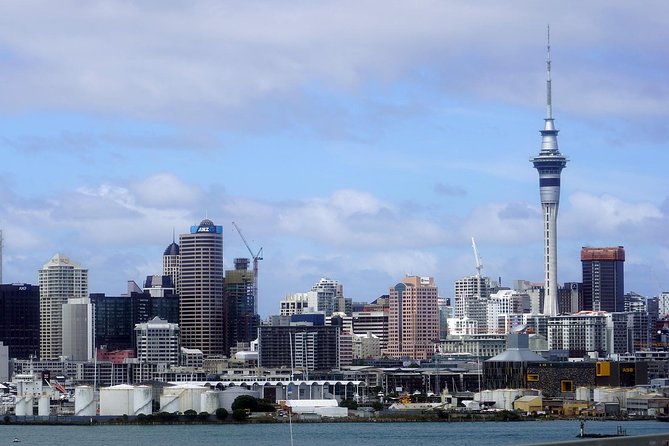
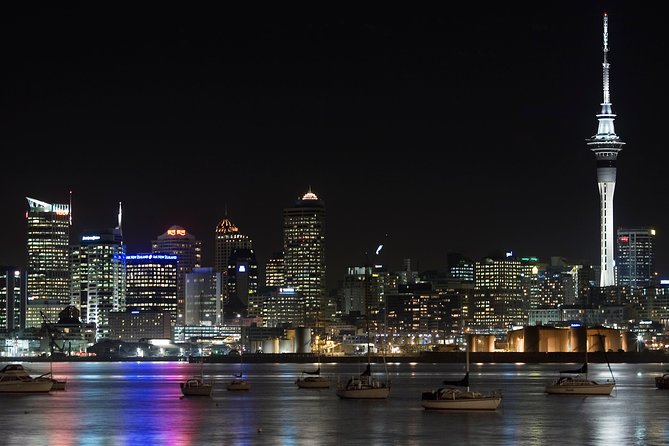
The Sky Tower is an easy starting point because it is one of Auckland’s clearest landmarks. The tour allows about 15 minutes here, enough to orient yourself, listen to the introduction, and take in the tower from ground level.
Admission is not included. That keeps the tour price low, but it also means you should treat the Sky Tower visit as an exterior stop unless you separately choose to go inside.
Beginning here gives the walk a strong sense of place. You start with Auckland’s modern city symbol, then move toward older churches, civic spaces, and historic buildings. The contrast helps frame the rest of the route.
Before you leave, check that the audio is playing correctly and that the map is visible. This is the most important practical step of the day. The supplied instructions appear in the Before You Go section of your ticket, and you should follow them before arriving.
St Matthew-in-the-City and Auckland’s early foundations
The next stop is St Matthew-in-the-City, at the corner of Hobson and Wellesley Streets. The land was bought from the Crown in 1843 by Bishop George Augustus Selwyn, giving the church an early place in Auckland’s European history.
The audio segment is planned for about 15 minutes. That is enough time to look at the church, hear its background, and understand how the city developed around early religious and civic institutions.
This stop also shows why an audio route can be useful. A church may look like a quick photograph from the street, but its date, founders, and setting add meaning. You get a short explanation without committing to a long indoor visit.
There is no admission included, and the tour does not promise interior access. Plan on experiencing this as an outside stop unless you independently find the building open.
Aotea Square and the city’s public stage
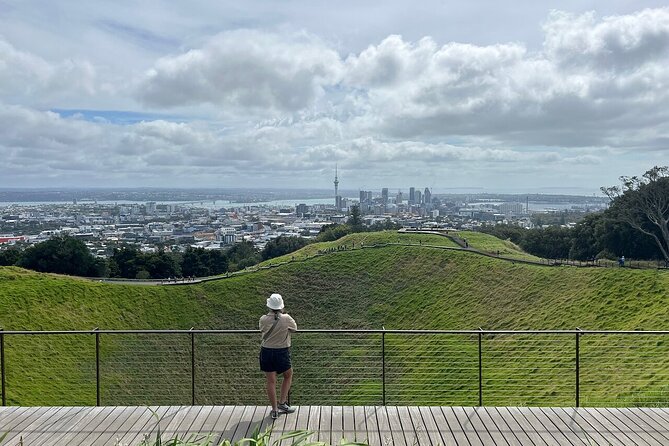
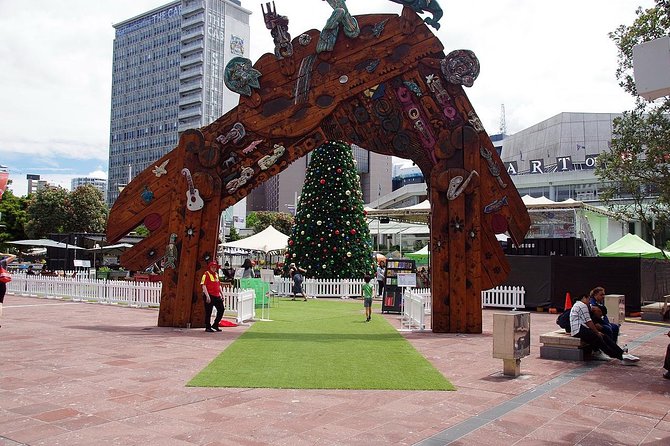
Aotea Square sits beside Queen Street and is one of the route’s larger public spaces. It opened to the public in 1979 under Mayor Sir Dove-Myer Robinson.
The square gives you a break from the tighter streets around the central city. You can pause here, listen to the commentary, and watch Auckland’s public life pass through the space. The planned stop lasts around 15 minutes.
The audio also helps explain why this square matters rather than treating it as a place to cross on the way to something else. Its connection to the former mayor and the city’s modern development adds a civic layer to the walk.
The square itself is not a paid attraction. That means you can linger without worrying about using up admission time. If you are moving quickly, this is one of the easier places to shorten the tour. If you enjoy city design and public spaces, give it the full stop.
Same corner of the country, a completely different day out:
- Auckland Dolphin and Whale Watching Eco-Safari Cruise
★ 4.5 · 1,790 reviews - Auckland: Hobbiton Movie Set Day Trip with Festive Lunch
★ 4.8 · 1,431 reviews - Hobbiton Movie Set Small Group Tour from Auckland
★ 5.0 · 1,380 reviews - Auckland Explorer: Sightseeing Hop-on Hop-off Tour
★ 4.0 · 1,180 reviews
Meeting Sir Dove-Myer Robinson in bronze
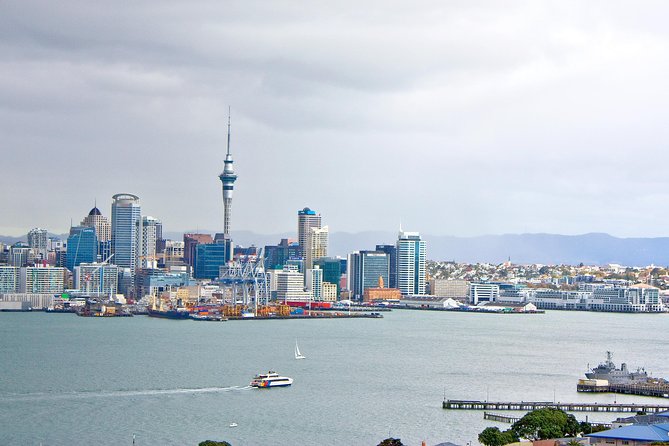
The statue of Sir Dove-Myer Robinson follows naturally from the Aotea Square stop. Robinson was Auckland’s longest-serving mayor, and the sculpture was created by Toby Twiss.
This is a brief but worthwhile stop because it puts a face to the name you have just heard. Public statues can be easy to ignore, especially in a city center full of larger buildings. The audio gives you a reason to pause and look closely.
Allow about 15 minutes, although the statue itself will not require that long. You can use the extra time to replay the commentary or take a few photographs.
This is also a good example of the tour’s value. You are not paying to enter a major attraction at every stop. Instead, you are paying for context that helps ordinary streets, squares, and monuments make more sense.
The Baptist Tabernacle’s London connection
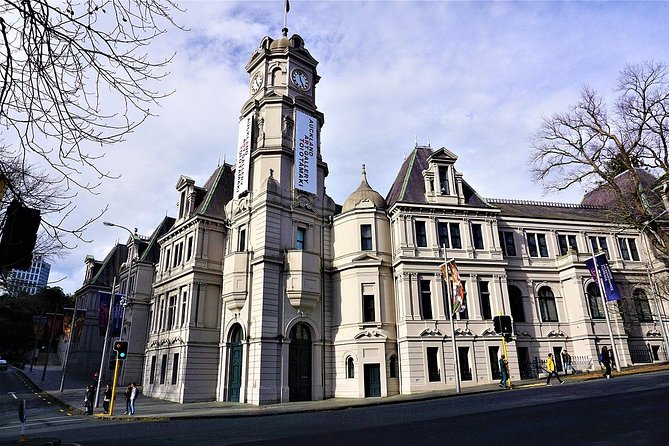
The Baptist Tabernacle dates from 1884 and was designed by architect Edmund Bell. Its design was based on London’s Metropolitan Tabernacle at Elephant and Castle, a detail that gives the building a clear connection to the wider British world of the period.
The church is scheduled as another 15-minute stop. You can expect the audio to focus on its architecture and religious background, including the influence of Auckland pastor Thomas Spurgeon.
This building adds variety to the walk. After the open space of Aotea Square and the public statue, you return to a more formal architectural subject. The stop is especially useful if you like city buildings that reveal how Auckland’s communities and institutions grew.
Again, no admission is covered. The practical approach is to view the exterior and listen from the public street unless you have separate information about opening hours.
Auckland Art Gallery and Toi o Tamaki
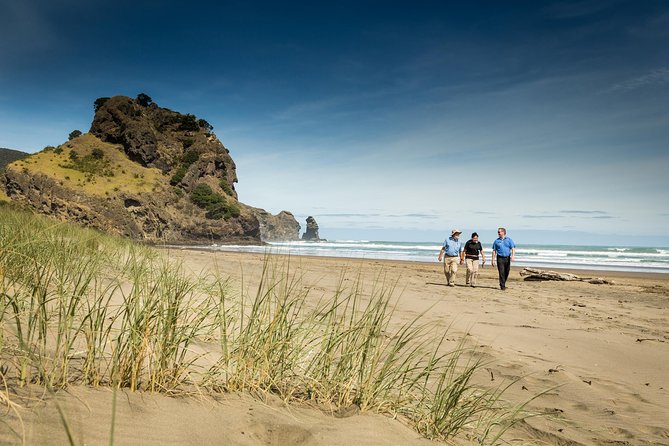
Auckland Art Gallery, also called Toi o Tamaki, is the route’s main art-focused stop. Its collection includes works from 1376 by Maori, Pacific Islander, and European artists.
The tour allows about 15 minutes here, which is enough for an introduction but not enough for a full gallery visit. Admission is not included, so decide in advance if you want only the outside commentary or plan to return later for a paid visit.
I see this as one of the route’s most useful orientation points. The collection’s range reflects Auckland’s position within New Zealand and the Pacific. Even a short audio segment can help you understand what you might want to see if you return inside.
Do not rush this stop if art is a priority. The self-guided format lets you pause the route and spend extra time in the area, but any gallery admission and extra visit time are your responsibility.
Albert Park and the Gateway sculpture
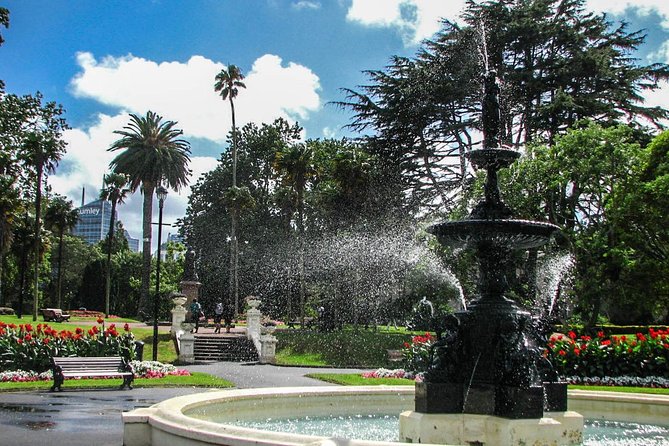
Albert Park provides another change of pace. The route highlights Gateway, a sculpture by Chris Booth, set among ferns and descending pohutukawa trees at a busy city intersection.
The planned stop is about 15 minutes. This is a good place to slow down after the built-up streets, listen to the final commentary, and take photographs.
The park stop also shows that the route is not limited to famous postcard sights. You get a mix of major landmarks, public art, green space, churches, and local civic details. That makes the walk feel more like an introduction to Auckland as a working city, not just a checklist of attractions.
The supplied route information also points to places such as Khartoum Place, Myers Park, and St Kevin’s Arcade. These additions suggest that the audio experience may direct you through more central-city details beyond the seven main stops. Use the GPS map to confirm the exact path as you walk.
Hills, walking shoes, and the right pace
The main physical issue is the terrain. The route includes hills, with both uphill and downhill walking. You should wear comfortable shoes and expect a moderate level of physical effort.
This is not presented as a strenuous hike, but it is more demanding than a flat waterfront stroll. If you are sensitive to hills, build in extra time and use the freedom of the audio format to pause.
A one to three hour range gives you useful flexibility. A quick listener who already knows Auckland may finish near the short end. If you stop often, replay sections, or take photographs, the longer estimate is more realistic.
You should also keep your phone charged and have the map ready before you start. The tour is only as convenient as your device setup. One person was unable to work out how to use the material and did not complete the experience, so do not wait until you are standing under the Sky Tower to begin troubleshooting.
How the $15.29 price holds up
At $15.29 per person, this is priced as a low-cost orientation walk rather than a full guided sightseeing day. You are paying for the route, the audio commentary, and the GPS map, not for admissions, transport, food, or a person walking beside you.
The value is strongest if you want background while exploring independently. A couple, family, or group can share the pace and stop whenever needed. Solo visitors also get a clear structure without joining a group or arranging a private guide.
The price is less attractive if you expect personal help with navigation or technology. There is no physical guide, and the audio device is not supplied. You use your own phone and must download the files yourself.
The 92 percent recommendation rate and 4.5 rating from 12 ratings suggest a generally positive experience, but the small number of ratings means you should not treat that figure as a guarantee. The strongest pattern is clear: people who get the files working appreciate the flexibility and the information.
Who should book this walk?
I would choose this tour if you want a first look at central Auckland and prefer to set your own schedule. It works well on a free afternoon, on an arrival day when you want a gentle introduction, or as a low-cost way to decide which attractions deserve more time.
It suits solo visitors, couples, and groups. You can listen together, stop for photographs, and replay sections without holding up a guide or other participants.
It is also a good match for people who enjoy small pieces of city history. The route does not focus only on major ticketed sights. It links a tower, churches, a statue, a square, an art gallery, a park, and public art.
I would think twice if you want inside access to every attraction, a flat route, or hands-on help. The tour will not cover admission fees, and the hills may be tiring. It is also available only in English.
The booking capacity is listed as a maximum of 18 people, but this remains a self-guided activity rather than a conventional group tour. Do not expect a guide to gather everyone, explain the route in person, or answer questions along the way.
Practical details before you book
Confirmation is provided at booking. Cancellation is free if you cancel at least 24 hours before the local start time. Cancellations or changes made within 24 hours are not accepted for a refund.
You start and end at the Sky Tower in Auckland Central. The tour is near public transport, but transport costs are your own responsibility.
Download the audio and map before you set out. The instructions are provided with your ticket, and the audio should be ready before you begin. This one step can make the difference between a smooth walk and a frustrating one.
My verdict: a useful, low-cost Auckland introduction
Book this tour if you want an affordable, flexible walk through central Auckland and are comfortable managing your own phone. The best features are the freedom to move at your own pace, the mix of major and smaller sights, and the useful context around places you might otherwise pass without a second glance.
Skip it if you need a personal guide, want entry to the Sky Tower or Auckland Art Gallery included, or find hills difficult. For the right kind of visitor, $15.29 buys a practical city framework, not a polished guided production. Prepare the files first, wear good shoes, and let the route become a flexible introduction to Auckland.
FAQ
Where does the Auckland audio tour start?
It starts at the Sky Tower in Auckland Central, Auckland 1010, New Zealand.
Where does the tour finish?
The activity ends back at the meeting point, which is the Sky Tower.
How long does the self-guided tour take?
The estimated duration is one to three hours, depending on your walking speed, listening time, photo stops, and pauses.
What attractions are included in the walking route?
The main stops are the Sky Tower, St Matthew-in-the-City Church, Aotea Square, the statue of Sir Dove-Myer Robinson, the Baptist Tabernacle, Auckland Art Gallery, and Albert Park.
Is admission to the attractions included?
No. Admission fees are not included in the tour price.
Is a physical guide provided?
No. This is an independent walking tour with downloadable audio files and a GPS map. No physical guide is included.
What language is the audio available in?
The tour is available only in English.
What happens if I need to cancel?
You can receive a full refund if you cancel at least 24 hours before the experience start time. Cancellations or changes made less than 24 hours before the start time are not refunded or accepted.
More Audio Tours in Auckland
- Discover Picton: Self-Guided Audio Tour
★ 3.0 · 8 reviews - Discover Akaroa: Self Guided Audio Tour
★ 4.0 · 6 reviews - Discover Napier Earthquake: Self-Guided Audio Tour
★ 4.5 · 4 reviews - Explore Dunedin: Self-Guided Audio Tour Adventure
★ 3.5 · 3 reviews
Just added around Auckland
- Auckland Airport Private One-Way or Round-Trip Transfer★ 4.5 · 14 reviews
- Zombie Bite Escape Room Experiences★ 5.0 · 54 reviews
- Kumeu Wine Region Shuttle from Auckland★ 4.5 · 19 reviews
- Auckland’s Wild West Coast & Black Sand Beaches Tour inc Lunch★ 5.0 · 12 reviews
- Vineyards Honey and Black Sand Beaches from Auckland★ 5.0 · 93 reviews
- West Coast Discovery Tour★ 5.0 · 37 reviews
- Wētā Workshop Unleashed – Intro to Scars and Scrapes Workshop★ 5.0 · 5 reviews
- West Coast Discovery Piha Beach Private Tour★ 5.0 · 14 reviews
Audio Tours, compared.
Discover Napier Earthquake: Self-Guided Audio Tour
Read our review →
Explore Dunedin: Self-Guided Audio Tour Adventure
Read our review →Browse the lists this tour appears in