Reviewed · AUCKLAND TOURS
Auckland (Tawharanui): Wild Kiwi Bird Spotting Encounter
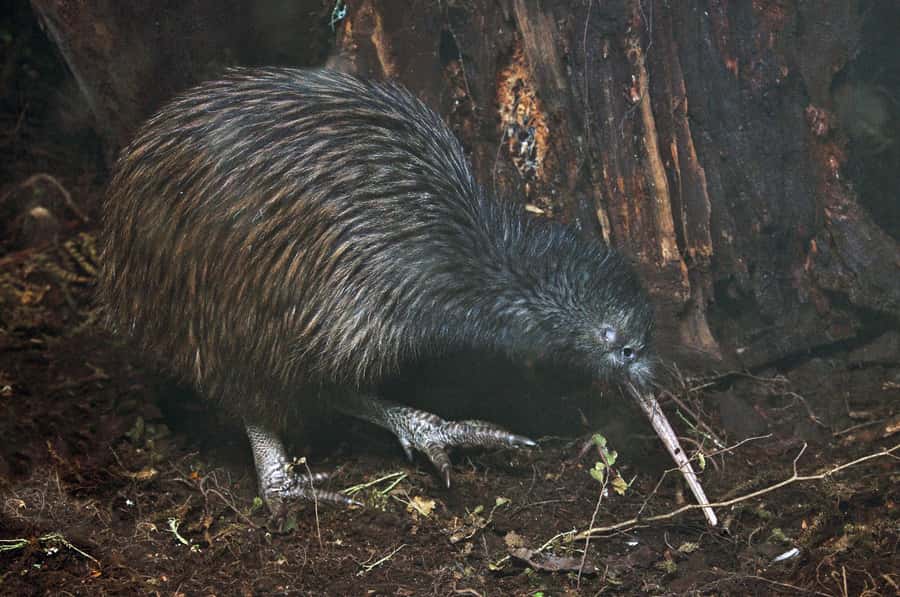
The real draw here is simple: you leave the city behind and search for wild North Island brown kiwis in their own nighttime home. This is not a zoo visit or a quick photo stop. You move slowly through Tāwharanui Regional Park, listening for calls and watching for small, fast shapes in the bush.
I like the mix of wildlife and astronomy. I also like the conservation setting, where the kiwi encounter is tied to native forest protection rather than separated from it. The catch is patience: some groups see two birds, while others report six, ten, or even more. A kiwi sighting is never promised, and cloudy skies can cancel the star show.
Key points to know before you book
- Wild kiwi in Tāwharanui: Search for North Island brown kiwis roaming freely in a protected regional park.
- A slow, quiet walk: The best sightings come from standing still, listening, and letting the guide do the hard spotting.
- More than birdwatching: Learn about kiwi behaviour, local wildlife, Māori star stories, and the park’s conservation work.
- A proper dark sky: On a clear night, you may see planets, constellations, and the Moon through supplied viewing equipment.
- Small groups or private outings: The format can suit families, couples, and visitors who prefer a more personal evening.
- Optional overnight stay: Glamping can be added, but campsite booking, fees, food, drinks, and transport are separate.
From Auckland to Tāwharanui after dark
Tāwharanui Regional Park sits a scenic drive north of Auckland, at the end of Takatu Road. The meeting point is near the public toilets inside the park, which is useful to know because this is not a city-centre departure point unless you add transport during booking.
The drive matters. You are not simply changing venues for a night walk. You are moving from Auckland’s city lights to a protected coastal area managed for native plants and animals. By the time darkness arrives, the setting feels far removed from the urban glow.
You meet your guide and fellow walkers near the car park. Guides have included Legend, Chris, Millie, Lucas, Sean, Ryan, Sharn, Hayley, and others. The strongest part of the guiding is the mix of field skill and easy conversation. Legend is often praised for his stories and enthusiasm, while guides such as Lucas and Sean bring strong knowledge of kiwi, plants, stars, and local culture.
The opening talk covers the route, safety, and the park’s wildlife. Pay attention here. You need to understand why the group will keep voices low, avoid sudden movement, and follow the guide’s instructions around the birds. The point is not to chase a kiwi into view. It is to watch without changing its behaviour.
A few more Auckland half-days to weigh up
- Waiheke Island: Ferry & Hop-On Hop-Off Explorer Bus Tickets
★ 4.6 · 3,311 reviews - Hobbiton & Waitomo Caves Guided Day Trip from Auckland incl lunch
★ 5.0 · 2,677 reviews - From Auckland: Hobbiton & Waitomo Caves Day Trip with Lunch
★ 4.9 · 2,505 reviews
The two-hour kiwi search
The core activity lasts about two hours. You walk through native bush and open areas, stopping often to listen and scan the ground. Your guide uses experience, animal calls, movement, and other signs to work out where a kiwi may be active.
This is a very different pace from a standard sightseeing tour. You may spend a fair stretch of time waiting for something to happen. That can test children and anyone hoping for constant action, but it is also what makes a successful sighting feel real. Kiwi are nocturnal, flightless birds with a habit of appearing briefly and moving quickly.
Several groups have seen a couple of birds clearly. Others have had far more active nights, with reports of six, seven, eight, ten, fourteen, or even fifteen kiwi. One group watched three birds within ten minutes near the end of the walk. Another saw a male and female together, a young bird farther down the track, and several more spread through the park.
Those numbers are encouraging, but do not treat them as a guarantee. Wildlife activity changes with weather, season, ground conditions, and plain luck. One night may begin slowly, with the birds seeming to avoid the group, then suddenly produce several sightings close together. Another may offer only a brief glimpse.
The supplied lights and spotting gear make a major difference. You may receive a torch or headlamp, and guides have used thermal equipment and other viewing tools to help locate the birds. You should still avoid shining light directly at a kiwi unless the guide directs you. The bird’s welfare comes first, and the best guides keep the encounter calm.
Why seeing a wild kiwi matters
A kiwi in the bush is more than a tick on a New Zealand checklist. It gives you a direct look at the country’s conservation story. Tāwharanui is managed as an ecological stronghold, with work focused on native forest, threatened wildlife, and a protected coastal environment.
Your guide explains the pressures kiwi face, their habitat needs, and the work required to keep populations safe. This turns the walk into something more useful than a hunt for a photograph. You begin to understand why a healthy kiwi population depends on protection, monitoring, and careful control of threats.
The experience also helps you notice the rest of the night world. You may hear ruru calls while walking through the bush, and your guide may point out other animals, insects, plants, or signs of activity. One guide even shared information about plants used as medicine. These details add texture without taking attention away from the kiwi.
The walk is suitable for families in some cases. A nine-year-old reportedly loved seeing kiwi in the wild, and another group with an eleven-year-old and two older adults had a strong evening. Still, you should be comfortable walking slowly in darkness and staying quiet for long periods. Young children who need constant movement may struggle.
Stargazing under a coastal dark sky
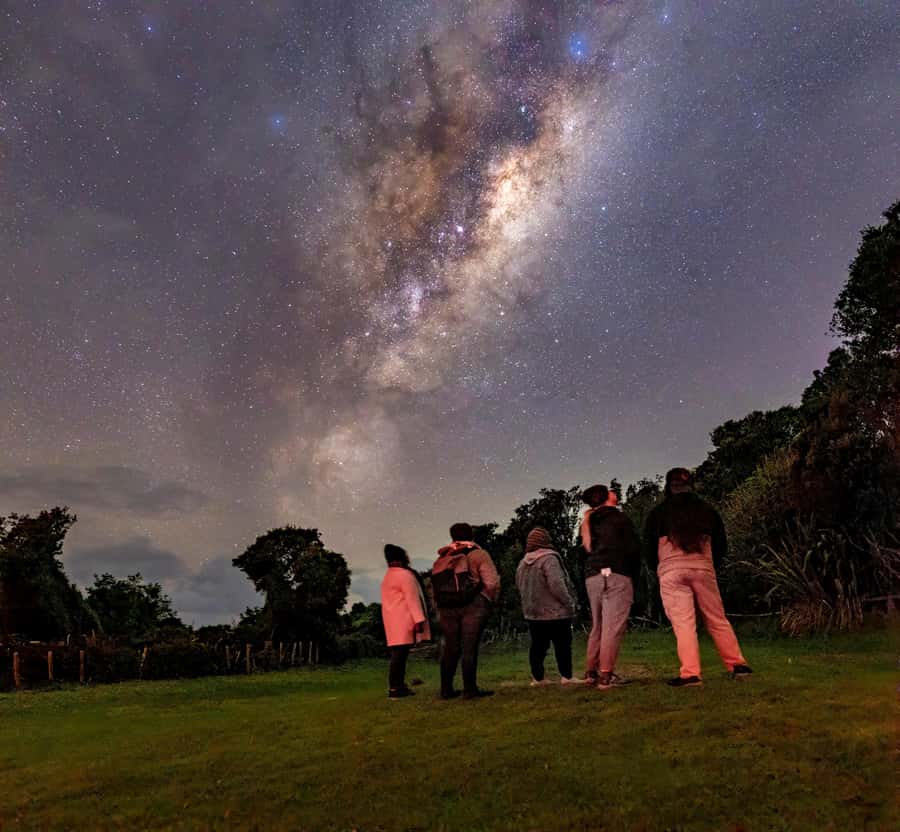
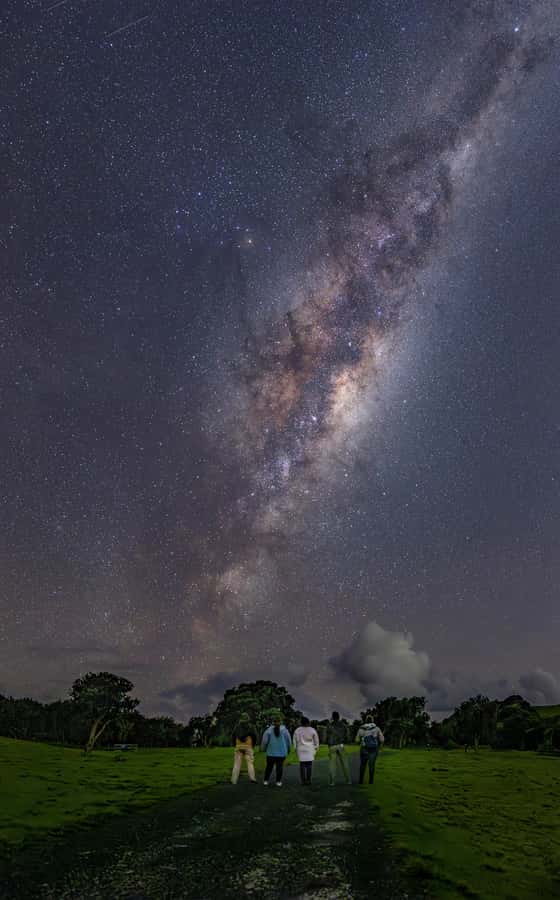
As full night arrives, the park’s distance from Auckland helps reveal a much better sky than you will see in the city. On a clear evening, your guide may point out stars, planets, and seasonal constellations. Binoculars, a telescope, and other stargazing equipment are included.
The astronomy adds real value to the $89 price. You are not paying only for a walk and the chance of a bird sighting. You also get an introduction to Southern Hemisphere skies, with explanations that connect astronomy, navigation, and Māori traditions.
Past outings have included views of Venus, Jupiter, Saturn, and the Moon’s craters through a telescope. Guides have also shared Māori stories linked to the constellations. The exact display depends on the time of year, cloud cover, and the moon. On one cloudy night, there was no useful stargazing, so the group spent the evening focusing on kiwi instead.
That flexibility is important. A good guide adjusts the balance between wildlife and the sky rather than forcing a fixed script. If the clouds roll in, you may lose the stars but still have a strong kiwi walk. If the birds stay hidden, astronomy can give the evening a second focus.
Bring warm clothing even in summer, and take extra care in winter. Several visitors have found the night cold, including during otherwise successful outings. Comfortable shoes are essential, and you should carry water. A warm drink has sometimes been part of the evening, including hot chocolate prepared by Hayley, but food and drinks are not generally included.
Same corner of the country, a completely different day out:
- Auckland Dolphin and Whale Watching Eco-Safari Cruise
★ 4.5 · 1,790 reviews - Auckland: Hobbiton Movie Set Day Trip with Festive Lunch
★ 4.8 · 1,431 reviews - Hobbiton Movie Set Small Group Tour from Auckland
★ 5.0 · 1,380 reviews - Auckland Explorer: Sightseeing Hop-on Hop-off Tour
★ 4.0 · 1,180 reviews
Bioluminescence, if nature provides it
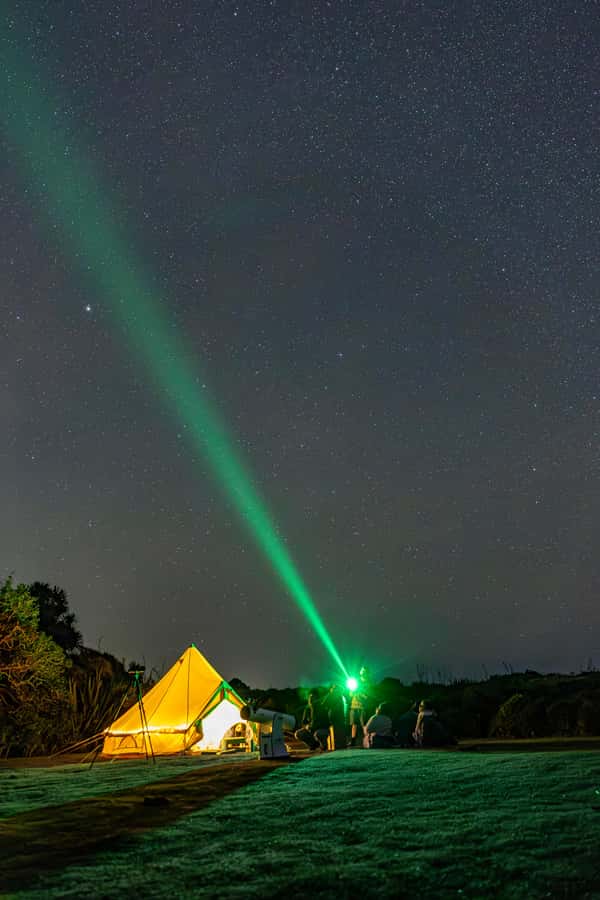
Some outings may include a look at bioluminescence along the shoreline or in shallow water. When conditions line up, movement in the sand or water can produce a faint electric-blue glow from microscopic organisms.
This is an atmospheric extra, not a promised part of the tour. You should not book expecting a guaranteed blue shoreline. If it appears, your guide can explain the science behind the glow and show how the coastal night has its own living light.
The mention of shoreline conditions also hints at the varied setting around Tāwharanui. The experience is built around bush and open habitat, with ocean nearby and very low light pollution. You get a sense of the park as a whole rather than visiting one enclosed viewing area.
What the optional glamping stay adds
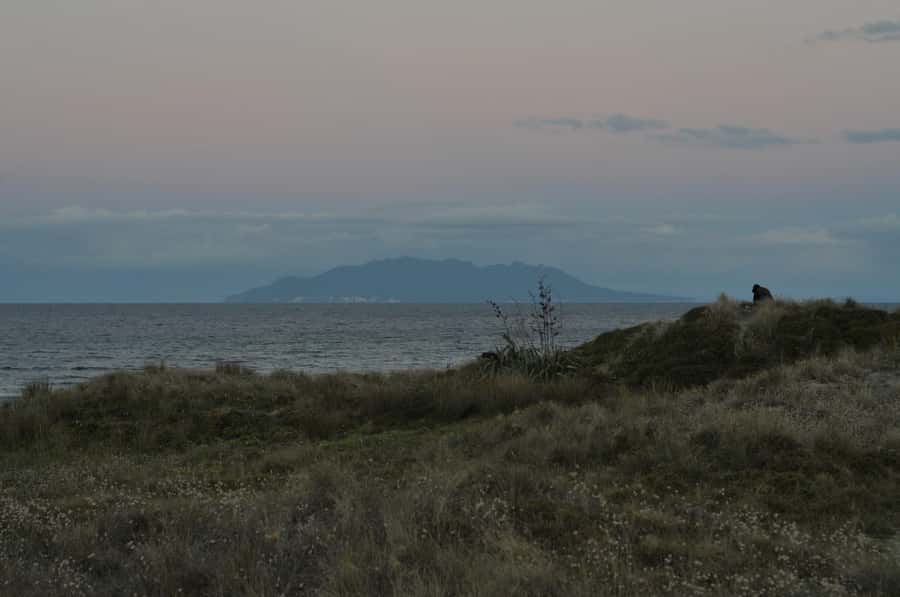
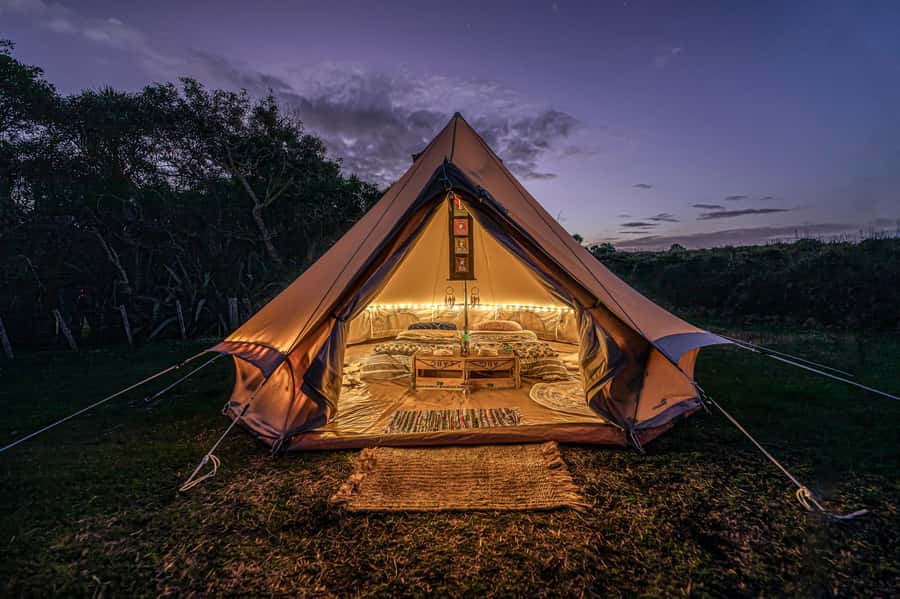
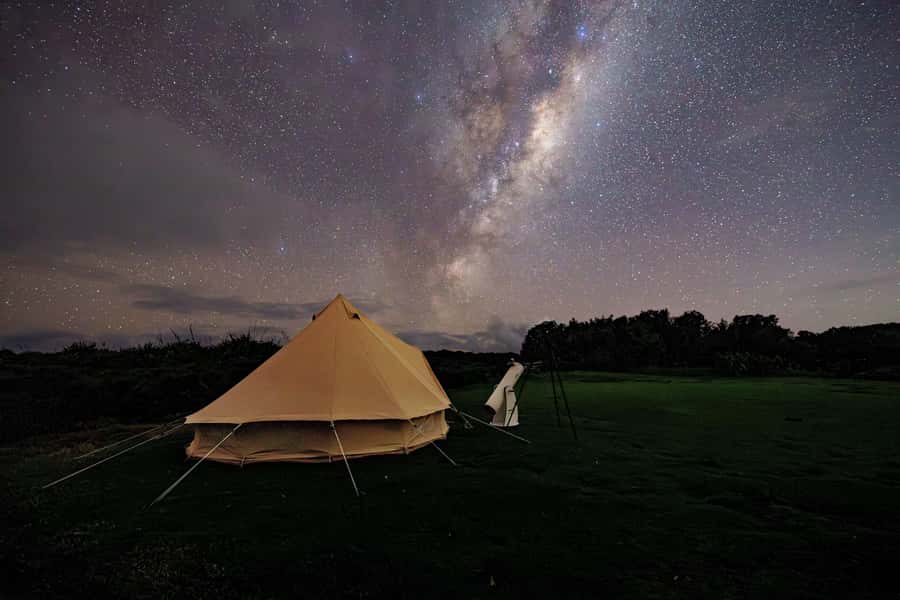
The standard activity is described as a two-hour guided encounter, but an overnight option may be selected. Glamping can make sense if you want to avoid a late drive back to Auckland or would like to experience the park across the night.
The overnight setup has included a prepared tent, blankets, foam mattresses, small snacks, and basic necessities. It is a useful comfort upgrade, especially after walking outside in cold conditions. The campsite booking and campsite fees are not included, and food and drinks are extra.
Check exactly what your booking includes before you pay. The glamping stay is an option, not part of every $89 reservation. Transport is also separate, though it can be added at checkout. One group used pickup from Auckland and returned to its accommodation around 2 a.m. with a driver who made sure they got back safely. That late timing is worth considering if you choose city transport.
If you drive yourself, plan around the meeting point at the end of Takatu Road. The public toilets are the stated landmark. Arrive ready for an outdoor night, not a formal attraction with indoor facilities.
Is $89 good value?
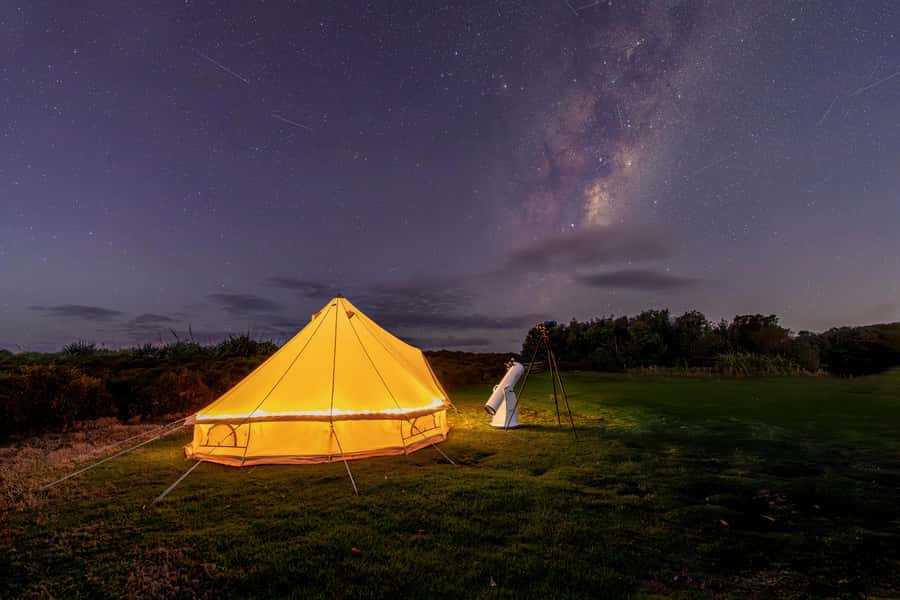
At $89 per person, this is fair value if you care about wildlife and accept that nature does not follow a timetable. The price covers a guide, kiwi-spotting equipment, and stargazing equipment. You are also paying for local field knowledge that would be difficult to replace with a self-guided walk.
The value improves if you see several kiwi and get a clear night sky, but the tour should not be judged only by the final bird count. The guide’s ability to read the area, protect the animals, explain conservation, and make a slow walk enjoyable is central to the experience.
The price does not cover transport, extra food and drinks, or campsite booking and fees. If you add city pickup or glamping, your total will rise. Compare that full cost with your plans, especially if you already have a car and accommodation nearby.
I would choose this over a basic nighttime walk if a wild kiwi is high on your New Zealand wish list. I would also choose it if you want a small-group experience with a guide who can talk about wildlife, Māori culture, and astronomy in the same evening.
Who will enjoy this most
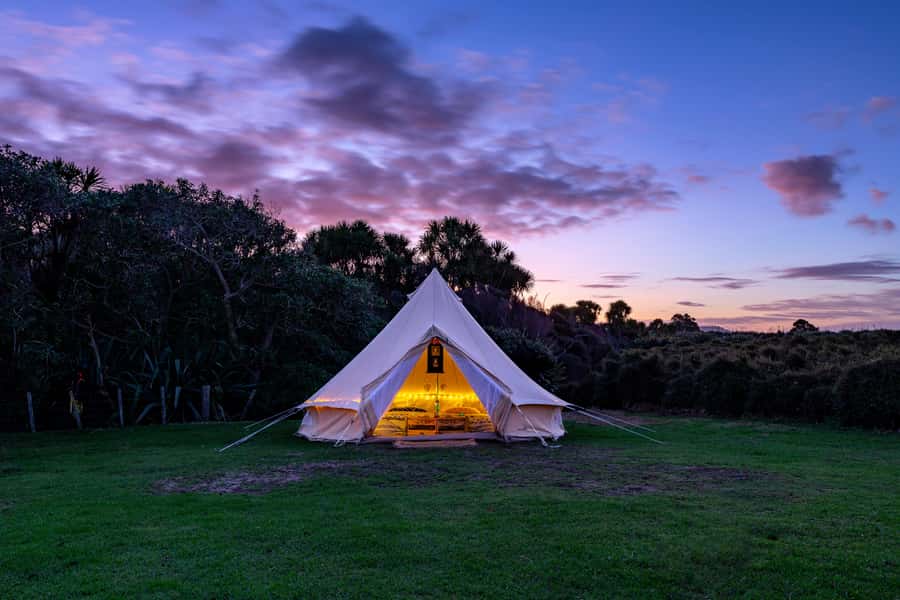
This outing suits you if you like quiet outdoor activities, wildlife, photography without guaranteed results, and guided interpretation. It works particularly well for couples, families with patient older children, and visitors who want something beyond daytime city sightseeing.
It is also a strong pick for people without a car if the transport add-on is available for their booking. The park is outside Auckland, and returning late at night can be awkward without arranged transport.
Think twice if you dislike darkness, cold weather, uneven outdoor walking, or waiting silently. You also need to accept that a kiwi may appear only briefly, at a distance, or not at all. The guides are skilled, but no guide can order a wild bird onto the path.
The activity is offered in English, with private or small-group formats available. A private option may be worth considering if your group includes children, older adults, or keen birdwatchers who want more time to ask questions.
Practical tips for a better night
Wear warm layers rather than relying on one thick jacket. The temperature can drop once you stop moving, and the walk may include long pauses while the guide listens for kiwi.
Choose shoes that feel secure on a bush walk. Bring water, and do not count on snacks or drinks unless your selected package clearly includes them. If you want an overnight stay, confirm the tent and campsite details as well as the extra charges.
Keep your expectations flexible. A night with two clear kiwi sightings can be just as memorable as a night with ten, especially when you hear the birds moving through the bush or catch a baby bird close to the track.
If stars matter greatly to you, check the forecast and accept that clouds may change the plan. The tour can still work as a wildlife outing when the telescope stays packed away.
Cancellation is free up to 24 hours before the start time, and you can reserve now and pay later. That gives you some breathing room when your Auckland plans depend on weather.
Should you book the Tāwharanui kiwi encounter?
Book it if you want a genuine chance to see North Island brown kiwi in the wild and you enjoy the idea of a slow, guided night walk. The combination of protected bush, dark skies, Māori astronomy, and expert searching gives the $89 cost a sound purpose.
I would not book it as a guaranteed wildlife performance or a quick photo stop. The birds can stay hidden, clouds can erase the stars, and the late finish may require transport planning. But if you bring warm clothes, patience, and realistic expectations, this is one of the more memorable nature outings available from Auckland.
FAQ
Where does the kiwi spotting experience meet?
Meet near the public bathrooms at the end of Takatu Road in Tāwharanui Regional Park.
How long does the main experience last?
The guided kiwi-spotting experience lasts two hours. Additional itinerary details describe further sightseeing and an optional overnight stay.
How much does the experience cost?
The listed price is $89 per person. Transport, extra food and drinks, and campsite booking or fees are not included.
Are kiwi sightings guaranteed?
No. Kiwi are wild animals, and sightings depend on conditions and animal activity. Some outings have produced only a few sightings, while others have seen more than ten.
What kind of kiwi can I see?
The experience focuses on the North Island brown kiwi in its natural habitat.
Is stargazing included?
Yes. Stargazing equipment is included, and the guide may show you stars, planets, constellations, and Māori astronomy. Cloud cover can limit what you see.
What should I bring?
Bring comfortable shoes, warm clothing, and water. Night temperatures can feel cold, especially in winter.
Is transport from Auckland included?
No. Transport is not included in the base experience, but it can be added at checkout. The meeting point is inside Tāwharanui Regional Park.
Can I stay overnight?
Yes, a glamping stay is available if you select that option. Campsite booking and fees are separate, and food and drinks are not included.
Just added around Auckland
- Auckland Airport Private One-Way or Round-Trip Transfer★ 4.5 · 14 reviews
- Zombie Bite Escape Room Experiences★ 5.0 · 54 reviews
- Kumeu Wine Region Shuttle from Auckland★ 4.5 · 19 reviews
- Auckland’s Wild West Coast & Black Sand Beaches Tour inc Lunch★ 5.0 · 12 reviews
- Vineyards Honey and Black Sand Beaches from Auckland★ 5.0 · 93 reviews
- West Coast Discovery Tour★ 5.0 · 37 reviews
- Wētā Workshop Unleashed – Intro to Scars and Scrapes Workshop★ 5.0 · 5 reviews
- West Coast Discovery Piha Beach Private Tour★ 5.0 · 14 reviews
Auckland Tours, compared.
Hobbiton & Waitomo Caves Guided Day Trip from Auckland incl lunch
Read our review →
Hobbiton & Waitomo Caves Day Trip with Lunch
Read our review →
Auckland Dolphin and Whale Watching Eco-Safari Cruise
Read our review →
Hobbiton Movie Set Day Trip with Festive Lunch
Read our review →
Hobbiton Movie Set Small Group Tour from Auckland
Read our review →
Auckland Explorer: Sightseeing Hop-on Hop-off Tour
Read our review →
Hobbiton & Waitomo Caves Small-Group Tour W Lunch from Auckland
Read our review →