
Reviewed · ROTORUA TOURS
Rotorua: The Buried Village of Te Wairoa
The 1886 eruption of Mt. Tarawera buried Te Wairoa beneath ash and mud, along with homes, shops, and the lives of the Māori and missionary community who lived there. You begin in an award-winning museum, then walk through the excavated village before following a forested trail to Te Wairoa Falls.
I like the way the museum gives you the human story before you see the ruins, and I especially like the waterfall trail, where the final view can include spray in your face after wet weather. The main consideration is that the waterfall route includes steep steps, and some signs around the site may feel too brief if you want a lot of written detail.
- The museum sets the scene: See household objects and other excavated pieces from 19th-century Te Wairoa.
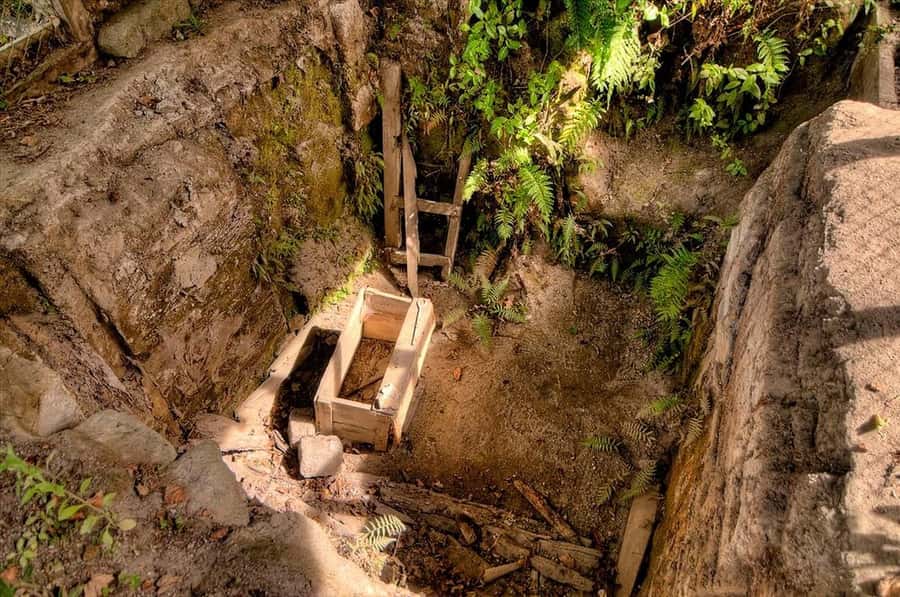
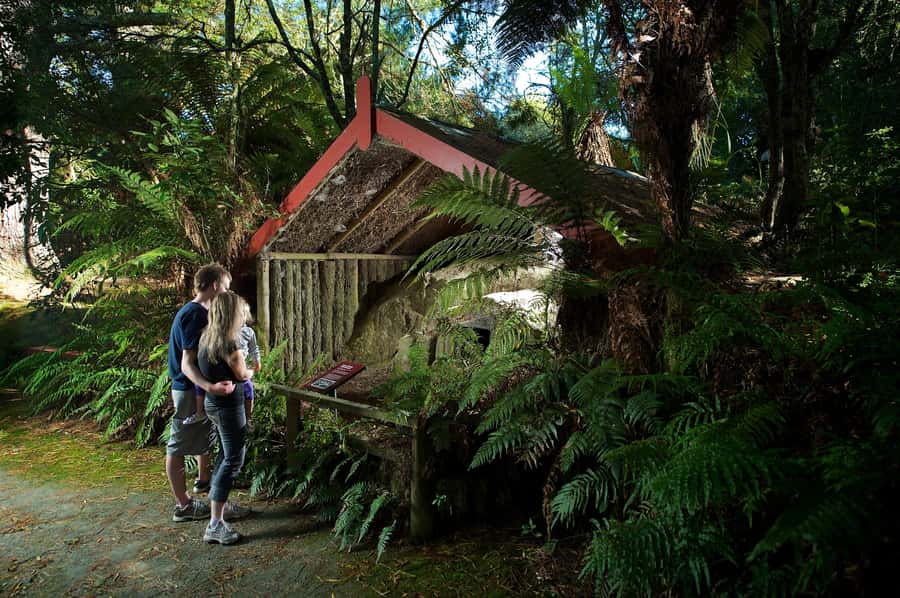
- The village walk brings the eruption close: Archaeological remains show how homes and buildings were affected.
- Local storytelling adds depth: Use the English audio guide, join a scheduled talk, or listen to a host such as Marie, described as a third-generation guide connected with Sophia.
- Te Wairoa Falls is the reward at the end: The short but steep route leads to a viewpoint and waterfall mist.
- Smith & Co makes a useful pause: Stop for scones, pastry pies, Devonshire tea, coffee, or hot chocolate.
- Family-friendly extras add fun: Try the clue scavenger hunt or dress in Victorian clothing for an old-fashioned photograph.
Why Te Wairoa Matters Near Rotorua
Rotorua is famous for geothermal activity, Māori culture, and volcanic scenery. Te Wairoa adds a different kind of volcanic story. Here, you are not simply looking at a crater or steaming pool. You are walking through the remains of a settlement destroyed in a single night.
Mt. Tarawera erupted in 1886, one of New Zealand’s most destructive natural disasters. The eruption also destroyed the Pink and White Terraces, a famous natural attraction of the time. Te Wairoa, a village of Māori residents and missionaries, was buried by the force of the eruption and the material it sent across the area.
That context gives the visit its weight. The ruins are not a decorative old village built for tourists. They are the remains of a real community, excavated and cared for under the kaitiakitanga, or guardianship, of the Smith family for nearly 90 years.
You can reach the site in about 15 minutes by car from Rotorua. The address is 1180 Tarawera Road, Rotorua 3076. The admission price provided is $14 per person, which is strong value if you want a historical stop that also includes a museum, archaeological walk, and waterfall trail.
Start in the Museum, Not on the Trail
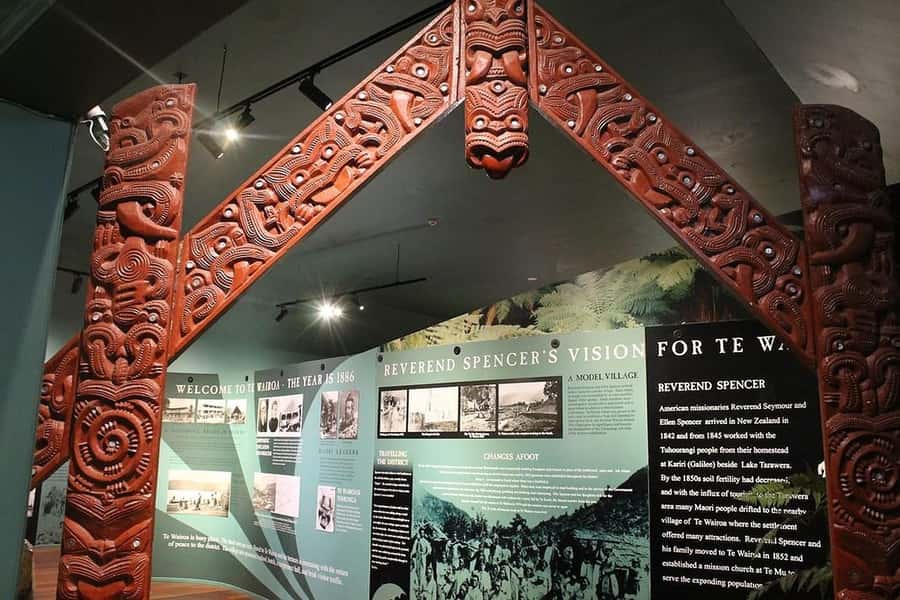
I recommend beginning indoors. The museum gives you a picture of Te Wairoa before the eruption, so the archaeological remains make more sense once you step outside.
The collection includes a wide range of excavated objects from the 1800s. These everyday items help you picture a working settlement rather than a vague collection of stones and foundations. You may see the material traces of domestic life and the structures that once served the Māori and missionary community.
The museum is described as interactive, and it works best as an introduction to the people affected by the eruption. You can also use the audio guide in English, which lets you move at your own pace. Scheduled talks and living history presentations add another layer, with costumed guides explaining the events of that night.
One practical note: the museum can feel chilly, particularly on a cool day. Bring an extra layer even if the weather outside looks pleasant. You will likely appreciate stepping into the sun after spending time indoors.
The site offers host or greeter support in English, German, and Māori. The audio guide is available in English. A local guide identified in one account as Marie was described as a third-generation guide connected with Sophia, an interesting link to the people who have kept the site’s story alive across generations.
A few more Rotorua half-days to weigh up
- Rotorua Canopy Tours: 2.5Hour Native Forest Zipline Adventure
★ 5.0 · 4,563 reviews - Mitai Maori Village: Cultural Experience and Dinner Buffet
★ 4.7 · 3,575 reviews - Rotorua: Wai-O-Tapu Geothermal Park Entry Ticket
★ 4.6 · 2,601 reviews
Walking Through the Buried Village
After the museum, follow the route through the archaeological area. This is an easy way to connect the objects in the display cases with the physical remains outside.
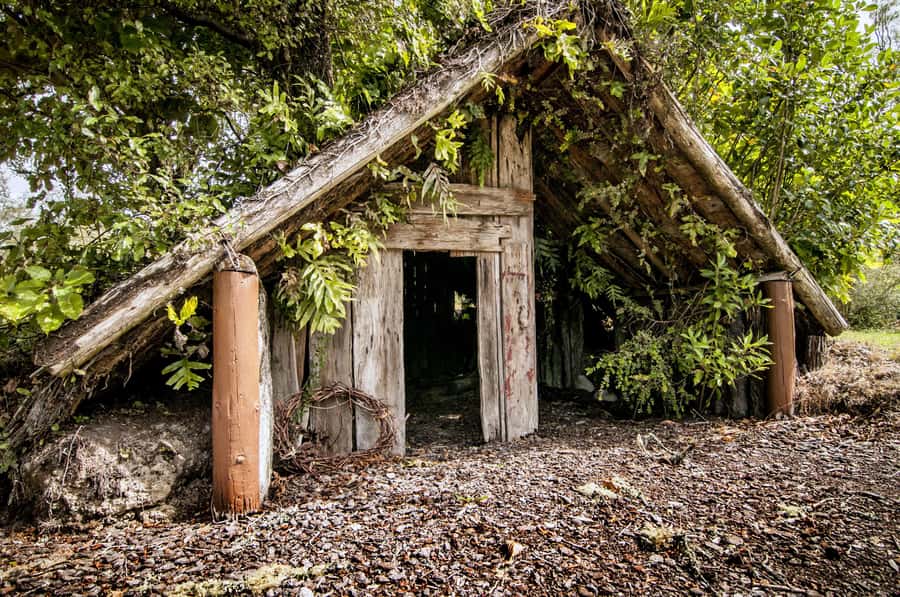
The walk is not simply a line of ruins with labels. It shows how the village was affected by the eruption and gives you a sense of the settlement’s former shape. Plaques and a map help you find your way, although some signs may not explain every feature in as much detail as you would like.
Take your time here. Look for changes in the ground, surviving building traces, and the way the site has been presented. The experience becomes more powerful when you picture the village as a place where people lived and worked, not just as an archaeological stop on a day out from Rotorua.
Some of the most useful interpretation comes from listening to a guide or using the audio tour. If a talk is scheduled during your visit, it is worth timing your walk around it. The spoken account of the eruption helps explain the confusion and danger of that night more clearly than a quick look at the remains can.
The tour is self-guided if you prefer independence. That suits visitors who want to pause for photographs, read at their own speed, or keep the visit short. If you want a more personal explanation, look for the scheduled talks or local host presentations.
Te Wairoa Falls and the Forest Trail
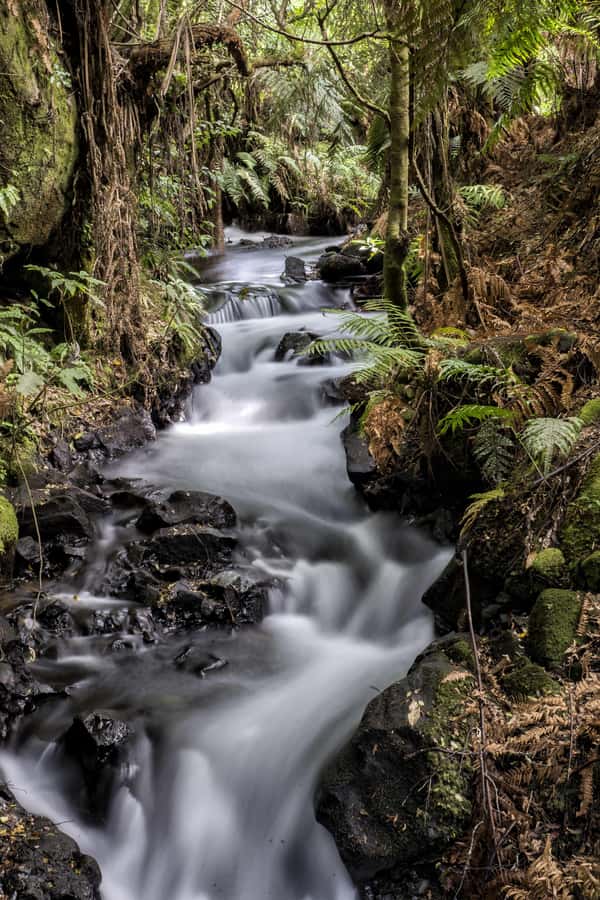
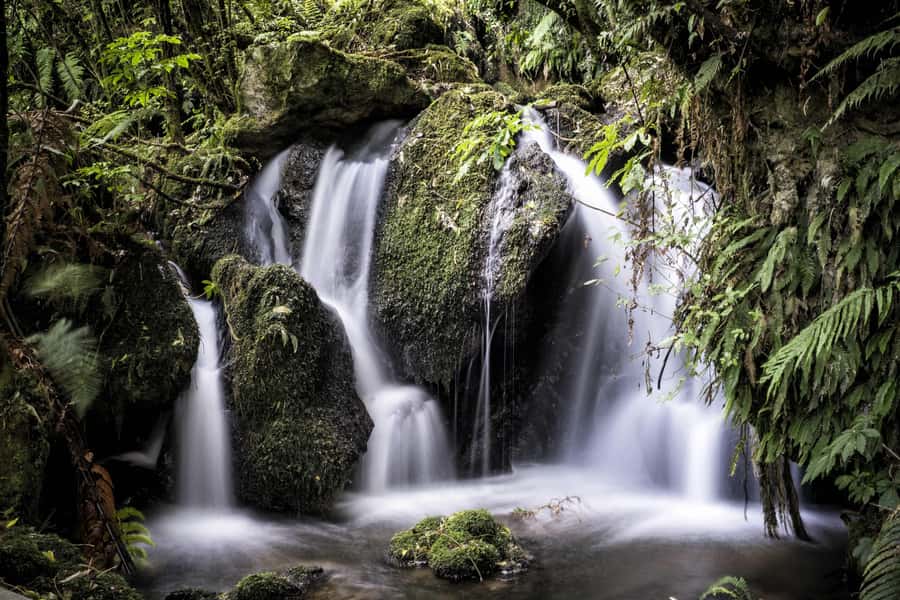
The waterfall trail is the physical highlight of the visit. It leads through native plant life and recovering forest to Te Wairoa Falls, where you can experience the water from close range.
The route includes steps and can be steep in places. The waterfall walk itself is not described as long, with one account estimating roughly 10 to 15 minutes to reach the falls, but the effort matters more than the distance. Wear comfortable shoes, especially if the ground is damp.
Recent rain can make the falls especially impressive. The water may be strong, and you might feel mist from the cascade at the viewing area. That close approach gives the trail a different mood from the museum and ruins. You move from a story of destruction to a place showing how plant life and water continue to shape the area.
The route also offers information about native flora and fauna. It is a good choice if you want more than a purely indoor history stop. The forested setting gives you a chance to slow down and see the area beyond the buried buildings.
The drawback is clear: the stairs may not suit everyone. The attraction is wheelchair accessible, but the waterfall route itself has steep sections. If you have limited mobility, ask on arrival which parts of the grounds are easiest to access. You can still gain a great deal from the museum and archaeological area without treating the waterfall walk as compulsory.
A Story Told by People Connected to the Site
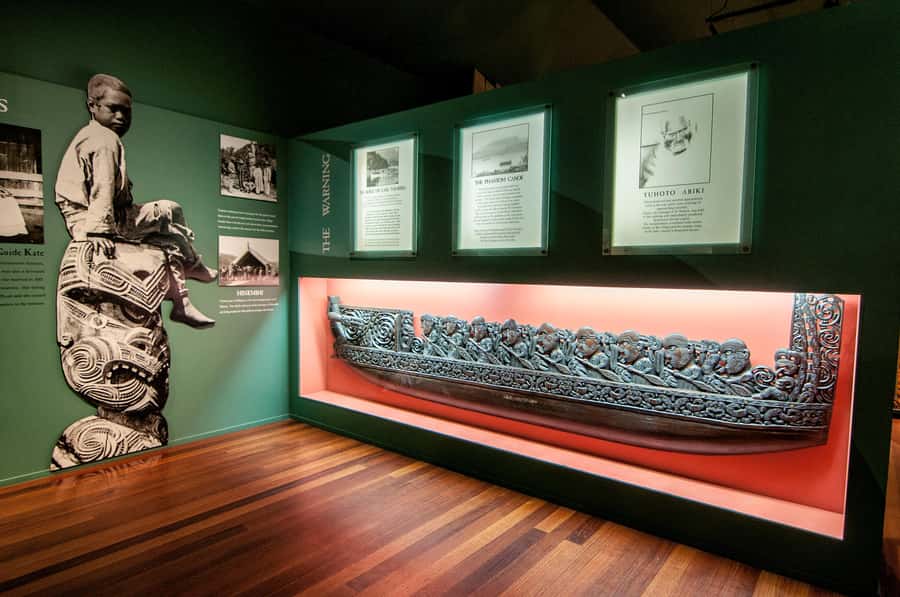
Te Wairoa has a long connection with the Smith family, who have cared for the place under kaitiakitanga for nearly 90 years. That continued care matters because the site is about more than a volcanic event. It is also about the people whose homes and community were buried.
A guide can explain the eruption in a way that connects the large event with individual buildings and objects. One account singled out Marie, described as a third-generation guide of Sophia, for making the story interesting and helping visitors develop a greater respect for Māori culture and its people.
You can also use the electronic tour app if you prefer not to join a talk. I like having both choices. A guide gives you a chance to hear emphasis and detail in person, while an audio tour lets you stop whenever something catches your attention.
The language options are English, German, and Māori for hosts or greeters. The included audio guide is in English. Check the available starting times when booking if a particular talk or host experience matters to you, since the activity is valid for one day and scheduled presentations may not run continuously.
Same corner of the country, a completely different day out:
- Rotorua’s Ultimate Zipline: 6 ziplines, 400 m Tandem, Cliff Walk
★ 5.0 · 2,557 reviews - Rotorua Rafting: Kaituna River White Water Rafting & Free Sauna
★ 5.0 · 1,952 reviews - Cultural Experience & Seasonal Māori Cuisine at Te Pā Tū
★ 5.0 · 1,546 reviews - Mitai Maori Village Cultural Experience in Rotorua
★ 4.5 · 1,294 reviews
Smith & Co Cafe and the Victorian Photo Stop
Plan a break at Smith & Co, the onsite cafe. It offers scones with whipped cream and jam, New Zealand-style pastry pies, Devonshire tea, coffee, and hot chocolate.
This is useful because the visit combines indoor displays with outdoor walking. After the museum and waterfall route, a warm drink or simple meal gives you a comfortable place to pause before leaving. The cafe is not included in the entry price, so budget separately for food and drinks.
You can also dress in Victorian-style clothing for a period photograph. It is a lighthearted extra after a serious historical visit, and families may enjoy it in particular. The old-fashioned clothing and photo opportunity fit the 19th-century setting without changing the main focus of the site.
The gift shop offers a range of goods and souvenirs. I would leave time for it rather than rushing straight from the waterfall to the car. A small memento can help you remember the story, especially if you are visiting several Rotorua attractions in a short stay.
How Long Should You Allow?
The official validity is one day, but you should allow at least 1.5 hours to get a worthwhile visit. That gives you time for the museum, archaeological walk, and part of the waterfall route.
I would allow closer to two or three hours if you want to read the displays carefully, join a talk, stop at the cafe, try the Victorian clothing, or browse the shop. Families may also need extra time for the clue scavenger hunt, which leads participants through the museum and park areas.
The attraction works well as a half-day stop rather than an all-day outing. You can visit from Rotorua without giving up an entire day, then continue to another activity. The supplied duration is listed as one day because your entry is valid for that day, not because you need to remain onsite from morning to evening.
There is no hotel pickup or drop-off included with this entry. The information places the site about a 15-minute drive from Rotorua, so you need to arrange your own transport unless your wider excursion includes transfers. One account refers to a coach driver named Nutta, but that appears to relate to a separate pickup experience rather than the standard entry described here.
Who Will Get the Most From This Visit?
I would recommend Te Wairoa to anyone who wants a historical side trip from Rotorua with a clear outdoor component. It suits you especially well if you enjoy archaeology, volcanic history, Māori culture, old buildings, or short nature walks.
Families have several ways to keep children involved. The clue scavenger hunt turns the museum and grounds into a gentle puzzle, while the waterfall adds a clear goal to the walk. Victorian dress-up and the cafe provide easy breaks between the more serious parts of the visit.
Solo visitors can use the audio guide and set their own rhythm. You are not tied to a large group if you prefer to read, pause, and photograph the grounds quietly.
The site may be less satisfying if you want a long guided tour with constant narration or a fully level walk to the falls. Some signs are concise, and the waterfall path has steep steps. You should also know that food and drinks are extra, and no hotel transfer comes with the basic entry.
Is $14 Good Value?
At $14 per person, the admission covers three distinct parts of the visit: the Museum of Te Wairoa, the archaeological grounds, and access to the Te Wairoa Trail and waterfall.
That is good value for a Rotorua activity lasting at least 90 minutes. You are getting a museum visit and a short nature walk, not just access to a single viewpoint. The price also leaves room to decide how much extra you want to spend on the cafe, gift shop, Victorian photograph, or optional experiences such as a VR presentation mentioned in connection with some visits.
The value is strongest if you use the whole site. Arriving late, skipping the museum, and turning around before the waterfall would make the admission feel less worthwhile. Begin indoors, listen to the story, walk the ruins, and then tackle the falls if the steps suit you.
Free cancellation is available up to 24 hours before the activity for a full refund, and reserve-now, pay-later booking is offered. Those terms help if Rotorua weather is uncertain, especially since the waterfall can look particularly strong after rain but the trail may be less comfortable.
Practical Tips Before You Go
Wear comfortable shoes. This is the one item specifically recommended, and the advice matters because the grounds include walking and the waterfall route has steep steps.
Bring a warm layer for the museum. The indoor space can feel chilly, even when the outdoor weather is sunny.
If the waterfall is a priority, allow enough time for the trail and do not judge it by distance alone. The route is short, but the steps make it more demanding than a flat stroll.
Check the day’s starting times if you want a talk or living history presentation. You can still visit independently with the English audio guide.
Keep some extra money available for the cafe and shop. The entry includes the site, museum, trail, and falls, but not food or drinks.
If you are visiting with children, ask about the clue scavenger hunt. It can turn the museum and grounds into an active activity rather than a sequence of displays.
Should You Book the Buried Village of Te Wairoa?
I would book it if you have at least 90 minutes in Rotorua and want a stop that combines real archaeological remains with a beautiful waterfall. The museum gives the eruption a human scale, and the trail provides a welcome change from indoor interpretation.
Make it a priority if you value Māori and missionary history, volcanic events, and local storytelling. Choose another activity first if steep steps are a serious problem or if you want a long, fully guided tour with more detailed signs at every stop.
For most people, the $14 entry is an easy addition to a Rotorua day. Start with the museum, listen to the story, walk the village, and finish at Te Wairoa Falls. That order gives the visit its full meaning.
FAQ
Where is the Buried Village of Te Wairoa?
It is at 1180 Tarawera Road, Rotorua 3076, New Zealand, about a 15-minute drive from Rotorua.
How long should I spend at the Buried Village?
Allow at least 1.5 hours to see the museum, archaeological site, and waterfall trail. You may want two or three hours if you include a talk, cafe stop, dress-up photograph, scavenger hunt, or gift shop visit.
What does the entry include?
Entry includes the Buried Village of Te Wairoa, the Museum of Te Wairoa, and access to the Te Wairoa Trail and waterfalls.
Is food included in the admission price?
No. Food and drinks are available to buy at Smith & Co cafe, which serves scones, pastry pies, Devonshire tea, coffee, and hot chocolate.
Is the waterfall walk difficult?
The trail includes steep steps. The walk to the waterfall is relatively short, with one estimate putting it at about 10 to 15 minutes, but comfortable shoes are important.
Is the Buried Village wheelchair accessible?
The activity is listed as wheelchair accessible. The waterfall trail includes steep steps, so ask onsite about the most suitable accessible areas.
Is a guide included?
You can hear stories from local guides or use the included English audio guide. Hosts or greeters are listed as speaking English, German, and Māori, and talks are scheduled during the day.
Is transport from Rotorua included?
Hotel pickup and drop-off are not included with the standard entry. The site is about a 15-minute drive from Rotorua.
Can I cancel the booking?
You can cancel up to 24 hours in advance for a full refund. Reserve-now, pay-later booking is also available.
Just added around Rotorua
- Thrilling Riverbug Adventure on the Rangitāiki River★ 5.0 · 4 reviews
- Te Puia: Te Rā Guided Day Tour and Haka Performance★ 5.0 · 4 reviews
- Te Puia: Te Pō Combo: Te Rā, Dinner, and Haka Performance★ 4.6 · 5 reviews
- Rotorua: Waimangu Volcanic Valley Ticket & Self-Guided Walk★ 4.8 · 104 reviews
- Rotorua: White Island, Mount Tarawera & Waimangu Volcanic …★ 4.4 · 5 reviews
- Rotorua: Velocity Valley – Two Ride Pass★ 4.6 · 8 reviews
- Rotorua: Wai Ariki Hot Springs & Spa 1hr Restorative Bathing★ 4.8 · 16 reviews
- Rotorua: Velocity Valley – NEW Vertigo 43m drop★ 5.0 · 3 reviews
Rotorua Tours, compared.
Rotorua Canopy Tours: 2.5Hour Native Forest Zipline Adventure
Read our review →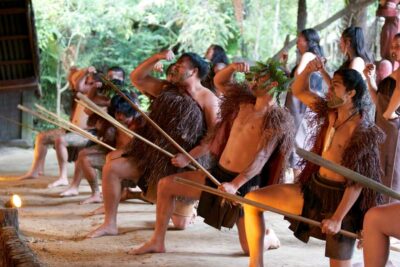
Mitai Maori Village: Cultural Experience and Dinner Buffet
Read our review →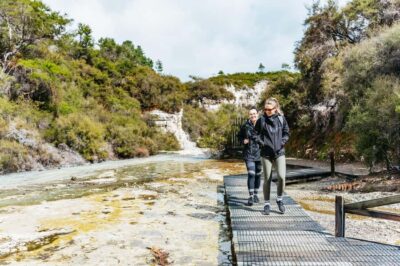
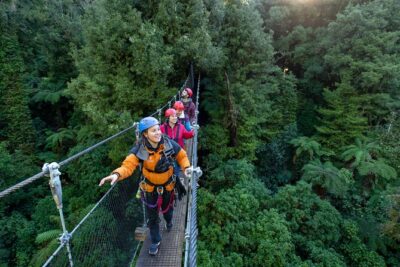
Rotorua’s Ultimate Zipline: 6 ziplines, 400 m Tandem, Cliff Walk
Read our review →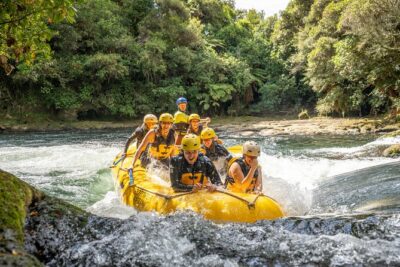
Rotorua Rafting: Kaituna River White Water Rafting & Free Sauna
Read our review →
Cultural Experience & Seasonal Māori Cuisine at Te Pā Tū
Read our review →
Mitai Maori Village Cultural Experience in Rotorua
Read our review →
Te Pa Tu Māori Cultural Experience with Dinner
Read our review →Browse the lists this tour appears in