
Reviewed · ROTORUA TOURS
Rotorua Rafting: Kaituna River White Water Experience
The headline here is hard to beat: you raft down the Kaituna River and drop over 7-metre Tutea Falls, the world’s highest commercially rafted waterfall. Before that splash, expert guides teach you the basics, explain local Māori ideas about caring for the river, and lead you through 14 rapids in a steep, bush-lined canyon.
I like two things especially. First, the guides make this workable for first-timers, with clear instructions and a strong safety focus. Second, the package gives you more than a thrill ride: the river’s Māori connection and the idea of Kaitiakitanga, guardianship of the land, add real meaning. The main drawback is that you spend about an hour on the water, so the $49 price is excellent, but this is not an all-day rafting trip.
Key points to know before you book
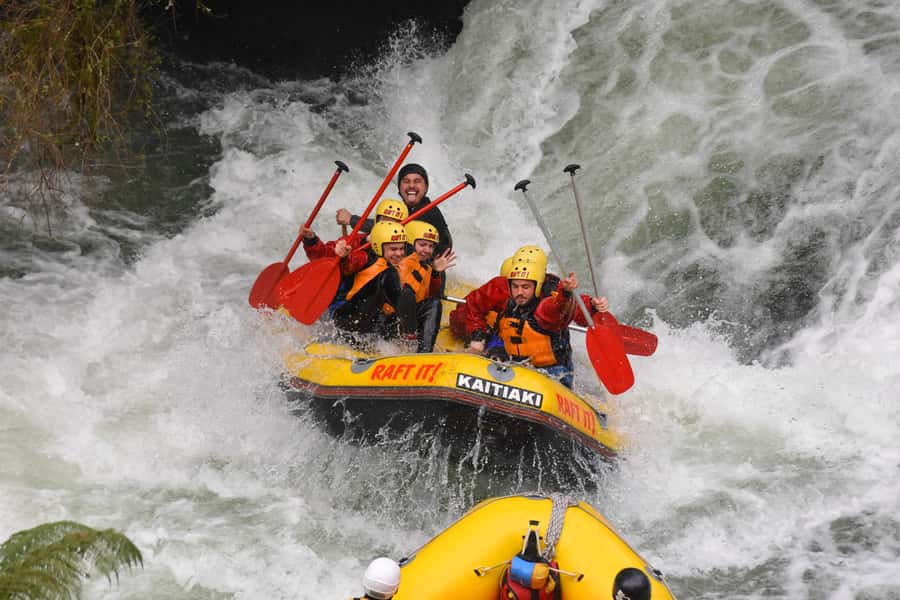
- Tutea Falls is the big test: You raft over a 7-metre waterfall, with the possibility of the boat flipping at the drop.
- Fourteen rapids fill the river section: The trip packs plenty of action into roughly one hour on the water.
- Māori culture is part of the outing: Guides explain Kaitiakitanga and the cultural importance of the river.
- First-timers are welcome: You receive a safety talk, river training, wetsuit gear, and paddle instructions before the rapids.
- Rotorua transport is included: Courtesy pickup and drop-off cover central Rotorua accommodation, including the Rotorua Information Centre.
- Plan for more time than the headline duration: The full pickup-to-drop-off day can run about 3.5 hours, while self-drivers are about 15 minutes from central Rotorua.
Why Tutea Falls makes this Rotorua trip special
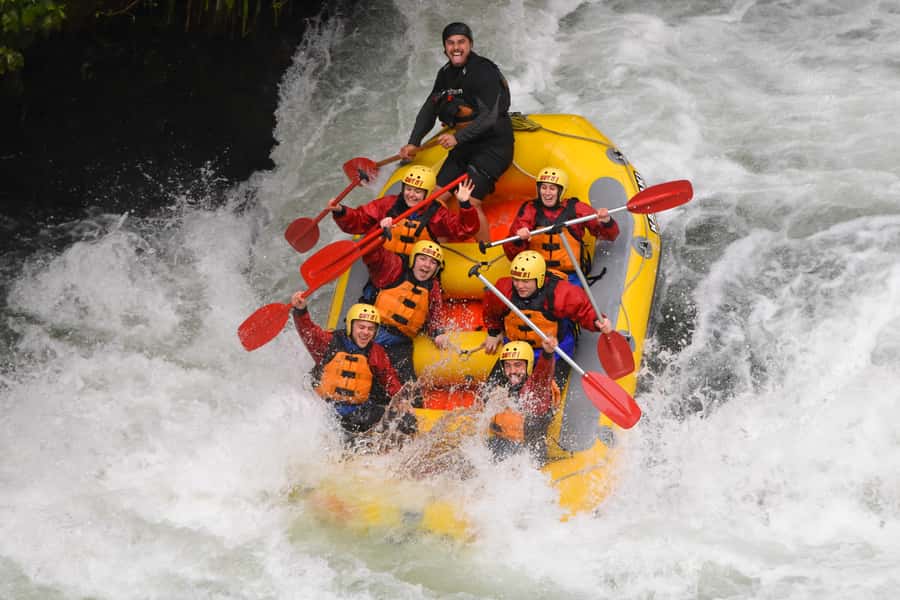
Rotorua has no shortage of geothermal parks, Māori performances, forest walks, and adventure activities. This rafting trip brings several of those themes together in one compact outing. You get native forest, canyon scenery, moving water, Māori interpretation, and a serious adrenaline hit.
The Kaituna River section near Ōkere is the star. The river cuts through steep, green canyon walls, and the changing pace keeps you alert. One moment you are paddling through calmer water beneath thick bush, and the next you are following a guide’s command through a rapid.
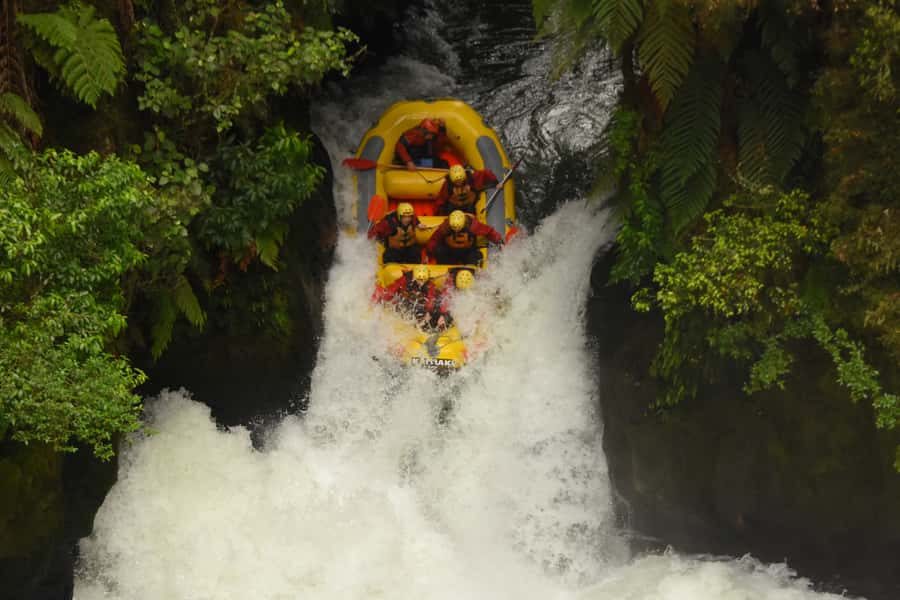
Then comes Tutea Falls. At 7 metres, it is not a small bump in the river. You and your boat line up for a controlled plunge, with the raft tipping over the lip and landing in the pool below. The experience can include a flip, so you should be ready to get fully wet and follow your guide’s instructions after the drop.
That sounds intimidating, and it is meant to. Still, the setup matters. The company supplies a life jacket, wetsuit, booties, splash jacket, and other safety equipment. You receive instruction before entering the river, and a safety kayaker is part of the operation. Guides such as Jack, Ben, Kyle, Erin, and Gilly have earned repeated praise for calm explanations, good humor, and keeping nervous people involved.
I would not call this a gentle sightseeing float. You are expected to paddle, listen, brace yourself, and work with the rest of the raft. But you do not need previous whitewater experience. The activity is aimed at capable beginners as well as people who have rafted before.
A few more Rotorua half-days to weigh up
- Rotorua Canopy Tours: 2.5Hour Native Forest Zipline Adventure
★ 5.0 · 4,563 reviews - Mitai Maori Village: Cultural Experience and Dinner Buffet
★ 4.7 · 3,575 reviews - Rotorua: Wai-O-Tapu Geothermal Park Entry Ticket
★ 4.6 · 2,601 reviews
From Rotorua pickup to the Kahikatea forest base
You can either drive yourself or use the courtesy shuttle. Pickup is available from central Rotorua accommodation and the Rotorua Information Centre, but you need to provide your location when booking.
Self-driving gives you more control. The base is about 15 minutes from Rotorua city center, with plenty of free parking. If you take the shuttle, allow roughly 3.5 hours from pickup to drop-off rather than treating the advertised 2.5 hours as the full door-to-door time.
The River Base sits among native Kahikatea forest. This is a useful starting point, not just a place to check in. You can use the changing rooms and lock boxes, store your belongings, and get ready without worrying about leaving valuables in a vehicle.
There is also a volleyball court onsite, which may be handy if your group arrives early or wants a little downtime afterward. Food and drinks are not included, so eat before you arrive or bring something for later. The activity is physical, and you will appreciate having a proper meal planned around it.
Getting suited up and ready for whitewater
The changing process is practical. Bring swimwear, a towel, comfortable shoes, and a jacket for before or after the river. The company supplies the main river kit: wetsuit, booties, splash jacket, life jacket, and safety equipment.
The river water may feel more comfortable than you expect, especially with the wetsuit and other layers. Still, you should assume you will be wet from head to toe. A warm jacket for the bus ride and time at the base is a sensible addition, particularly in winter.
The safety talk is a major part of the value here. You learn how to sit in the raft, use the paddle, respond to commands, and handle the water if you fall out or the raft flips. The exact tone depends on the guide, but the best guides balance seriousness with jokes. Jack has been singled out for putting nervous people at ease, while Ben and Kyle are praised for clear explanations.
This is also where the cultural side enters. Kaitiaki Adventures connects the river experience with Kaitiakitanga, the Māori concept of guardianship and protection of the natural world. That gives you a way to understand the river as more than a course for adventure sports. The guides also share local history and Māori connections to the area during the outing.
The Ōkere River section: practice before the main rapids
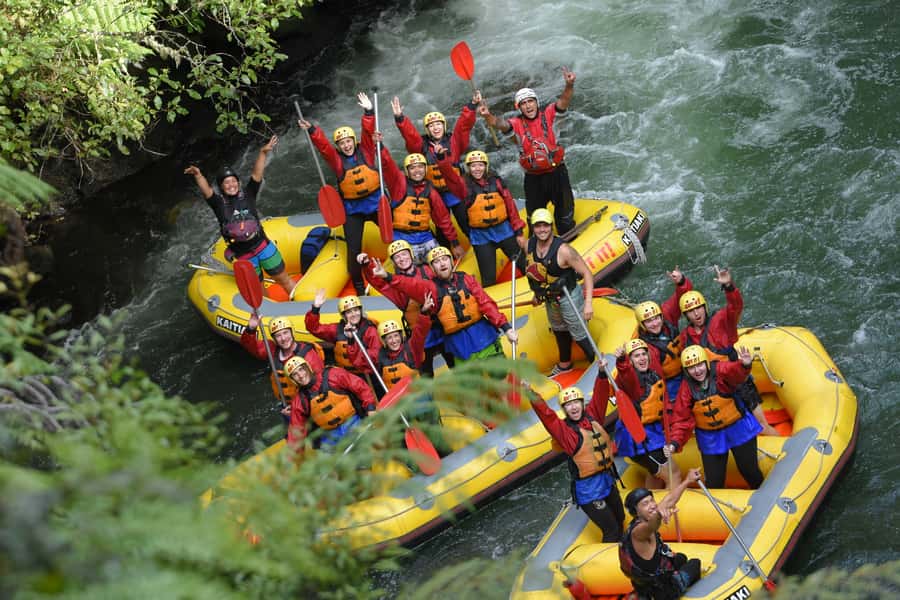
A short bus transfer takes you from the base to the Ōkere section of the Kaituna River. You do not simply arrive and get thrown into the biggest drop. The guides use the early river section to help you learn how the raft responds and how the group should paddle together.
That practice matters. Whitewater rafting is not passive. If the guide calls for forward paddling, everyone needs to move together. If the command changes, you need to react rather than freeze. A few minutes of instruction on easier water can make the later rapids feel exciting instead of chaotic.
The canyon scenery begins to do its work here. Bush-covered slopes rise close to the river, and the confined setting makes the rapids feel more dramatic. You get the best views when the raft slows in calmer stretches, giving you a chance to look up at the native forest and canyon walls.
The trip also offers broad scenic views at points along the route, including 360-degree panoramic views. These are not long photo stops, since the focus remains on moving downstream, but they add a strong sense of place to the ride.
Same corner of the country, a completely different day out:
- Rotorua’s Ultimate Zipline: 6 ziplines, 400 m Tandem, Cliff Walk
★ 5.0 · 2,557 reviews - Rotorua Rafting: Kaituna River White Water Rafting & Free Sauna
★ 5.0 · 1,952 reviews - Cultural Experience & Seasonal Māori Cuisine at Te Pā Tū
★ 5.0 · 1,546 reviews - Mitai Maori Village Cultural Experience in Rotorua
★ 4.5 · 1,294 reviews
Fourteen rapids and three waterfalls in one compact run
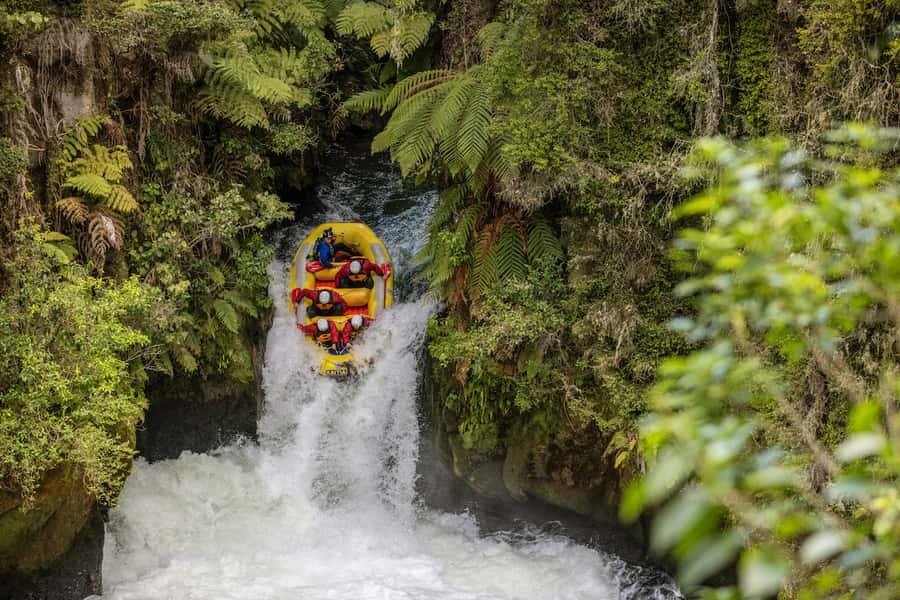
The rafting section includes 14 rapids and three waterfalls. That is a lot of action for roughly one hour on the water, and the sequence helps the outing feel varied rather than built around a single stunt.
Some rapids are about teamwork and timing. Others bring a sharper jolt as the raft turns, drops, or takes a wave over the side. Your guide sets the pace and tells you where to paddle. The group’s job is to listen and work together.
The three waterfalls give the river a distinct character. Tutea Falls is the main event, but the smaller drops help you build confidence and understand the rhythm of the river. By the time you reach the largest waterfall, you have already practiced the basic commands and felt the boat move through rough water.
You should know that the actual paddling time is shorter than the total experience. The full rafting component is described as about 1.5 hours, with approximately one hour on the water. One participant felt the river time could have been longer. That is fair criticism if you are comparing this with a full-day rafting expedition, but the short format also makes it easy to fit between other Rotorua plans.
What it feels like to go over Tutea Falls
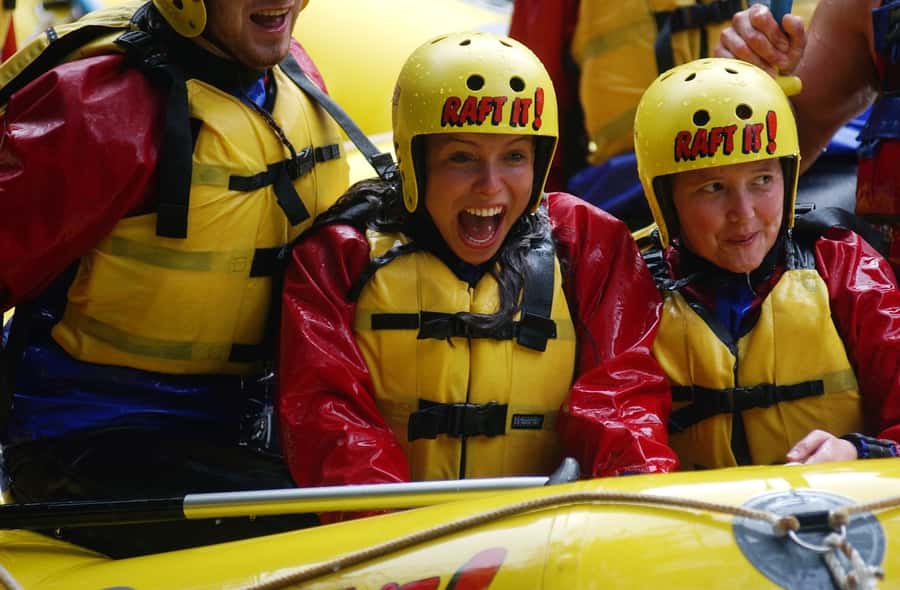
The waterfall is the point where a scenic rafting trip becomes a serious adventure. Your guide prepares the raft, explains what to do, and positions the boat for the drop. You may see the water rushing over the lip before the raft follows it down.
At the bottom, the group regains its position and continues downstream. If the raft flips, the safety procedures you learned earlier become important. Several accounts describe the flip as part of the thrill, while also noting that the guides maintained control and helped people feel safe.
You do not have to be an adrenaline expert to enjoy this, but you do need to be comfortable with water and with the possibility of falling into it. The activity is not suitable for children under 13 or pregnant women. If you are very uneasy around water, this may not be the best first adventure, even though beginners are welcome.
GoPro use is allowed only with a chest mount and only if the guide approves it. That rule makes sense. Loose cameras can become a hazard in rough water, and you do not want to spend the trip worrying about expensive equipment.
The guides are a big part of the experience
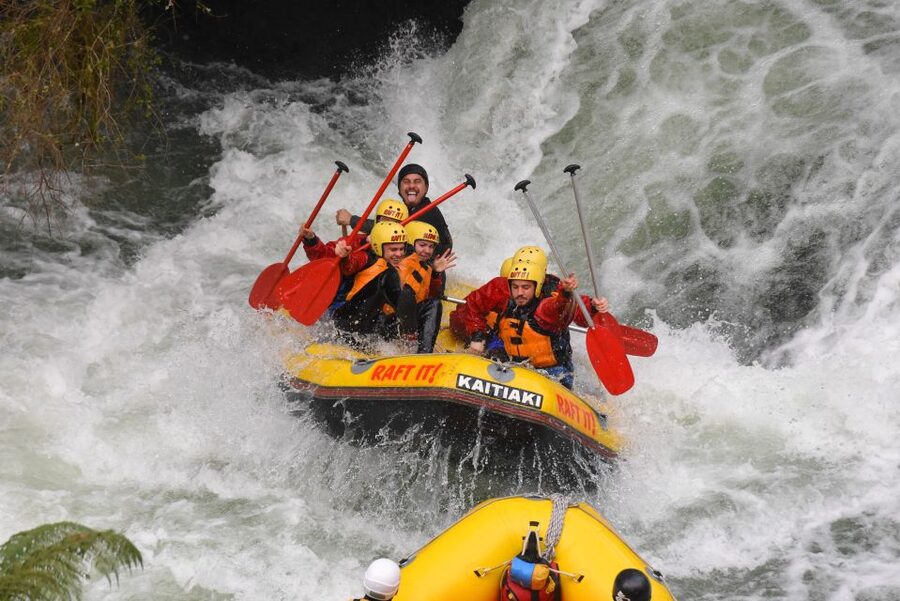
The strongest feature of this outing is the guide team. A good rafting guide has to do several jobs at once: read the river, explain technique, manage safety, keep the group together, and make the ride fun.
Guides named in the feedback include Jack, Ben, Kyle, Erin, Gilly, Chorizo, Caruso, Connor, Ruby, Jess, and Debora. You should not expect a particular person on your departure, but the repeated praise for the wider team points to a consistent approach.
Jack is often noted for being friendly and reassuring, including with solo participants and people who began the day nervous. Ben is praised for explaining each step while keeping the mood light. Kyle is described as clear and entertaining, and Erin helped one group feel relaxed before the waterfall. Gilly helped a participant who fell from the raft.
The humor is useful, not distracting. It keeps the safety briefing from feeling like a lecture, while the instruction remains direct. You will still need to pay attention. A funny guide cannot paddle for you or make poor listening safe.
The trip is available with English or Japanese-speaking guides. That makes the safety briefing and river commands easier to follow for more people, though you should select the language you need when booking.
Photos, changing facilities, and the practical finish
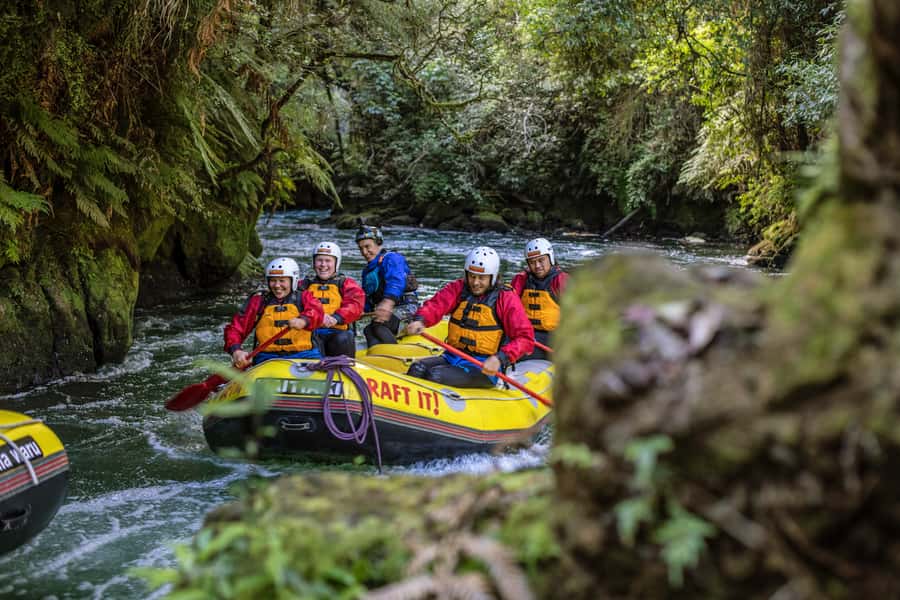
Professional photos are taken during the trip and can be bought at the River Base afterward, either by individual image or as a complete album. They can also be purchased online once you are home.
I would consider buying them if this is your first time rafting or if Tutea Falls is a major reason for your visit. It is difficult to take your own photos during a waterfall drop, and the guide’s GoPro rules mean personal filming is not guaranteed. Photos are an extra cost, so add them only if you value a record of the moment.
After the river section, you return to the base, change, collect your belongings, and continue by shuttle or your own vehicle. There are changing rooms and lock boxes, but no showers. Pack accordingly, especially if you have another activity soon after.
Since there is no food or drink included, arrange lunch, snacks, and water separately. The adventure itself is compact, but wet clothes and a hungry group can make the next part of your day less pleasant if you have not planned ahead.
Is $49 good value for Rotorua?
At $49 per person, this is strong value for a guided whitewater activity that includes transport from central Rotorua, experienced guides, all river gear, safety equipment, and the rafting run itself.
The price looks even better if you use the pickup service, because you avoid arranging your own transport to the river base. The tradeoff is time. A self-drive outing may be easier to fit into a tight schedule, while the shuttle adds convenience but can bring the total day to about 3.5 hours.
The price does not include photos, food, or drinks. Those omissions are normal for this kind of activity, but they affect your final budget. If you want the photo album, decide in advance that the $49 is the starting price rather than the complete cost.
Compared with a long rafting expedition, this is a short, focused burst of action. You are paying for the waterfall, the rapids, the scenery, the instruction, and the cultural setting rather than hours of paddling. For many people visiting Rotorua, that balance works well.
Who should book this Kaituna River trip?
I would choose this for a first whitewater experience, a couple looking for a memorable activity, or anyone who wants more physical action than a standard cultural show or geothermal walk. It also suits experienced rafters who want to tackle a famous waterfall in a short session.
You should book it if you can swim or are comfortable in moving water, can follow instructions, and want to be an active part of the raft. You should skip it if you are pregnant, under 13, or strongly opposed to getting wet and possibly flipping.
The activity can fit well into a Rotorua itinerary because it is available in morning and afternoon time slots. Pair it with a dry, slower activity later in the day rather than planning another water activity immediately afterward.
My verdict: book it for the waterfall and the people
I recommend the Kaituna River rafting experience if you want one high-impact adventure in Rotorua. The 7-metre Tutea Falls gives the trip a clear purpose, while the other rapids, forest canyon, Māori perspective, and strong guide team make it more than a single photo opportunity.
The short time on the river is the only real limitation. If you want a long expedition with hours of paddling, choose something else. If you want a well-run, fairly priced adventure that first-timers can handle, book this one, bring a towel and warm jacket, and listen closely when your guide calls the next move.
FAQ
How long does the Rotorua rafting experience last?
The advertised activity lasts 2.5 hours, but the full journey from pickup to drop-off can take about 3.5 hours. The rafting portion is about 1.5 hours, with approximately one hour spent on the water.
How high is Tutea Falls?
Tutea Falls is 7 metres high. It is described as the highest commercially rafted waterfall in the world.
Do I need previous whitewater rafting experience?
No. The trip is suitable for first-timers and experienced rafters. You receive a safety briefing and practice before reaching the main rapids.
How many rapids and waterfalls are included?
The Kaituna River route includes 14 rapids and three waterfalls.
What equipment is supplied?
The company supplies life jackets, wetsuits, booties, splash jackets, and other required river safety equipment.
What should I bring?
Bring swimwear, a towel, comfortable shoes, and a jacket. Food and drinks are not included.
Is pickup available from my Rotorua accommodation?
Courtesy transport is available from central Rotorua accommodation, including the Rotorua Information Centre. Add your pickup location when booking.
Can I take a GoPro?
You may wear a GoPro on a chest mount if the guide allows it. Photos from the experience are also available to buy at the River Base or online after you return home.
Just added around Rotorua
- Thrilling Riverbug Adventure on the Rangitāiki River★ 5.0 · 4 reviews
- Te Puia: Te Pō Combo: Te Rā, Dinner, and Haka Performance★ 4.6 · 5 reviews
- Te Puia: Te Rā Guided Day Tour and Haka Performance★ 5.0 · 4 reviews
- Rotorua: Waimangu Volcanic Valley Ticket & Self-Guided Walk★ 4.8 · 104 reviews
- Rotorua: White Island, Mount Tarawera & Waimangu Volcanic …★ 4.4 · 5 reviews
- Rotorua: Velocity Valley – Two Ride Pass★ 4.6 · 8 reviews
- Rotorua: Wai Ariki Hot Springs & Spa 1hr Restorative Bathing★ 4.8 · 16 reviews
- Rotorua: Velocity Valley – NEW Vertigo 43m drop★ 5.0 · 3 reviews
Rotorua Tours, compared.
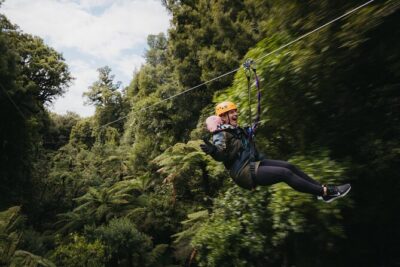
Rotorua Canopy Tours: 2.5Hour Native Forest Zipline Adventure
Read our review →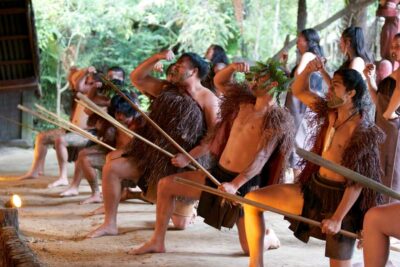
Mitai Maori Village: Cultural Experience and Dinner Buffet
Read our review →
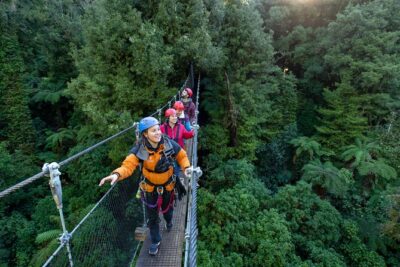
Rotorua’s Ultimate Zipline: 6 ziplines, 400 m Tandem, Cliff Walk
Read our review →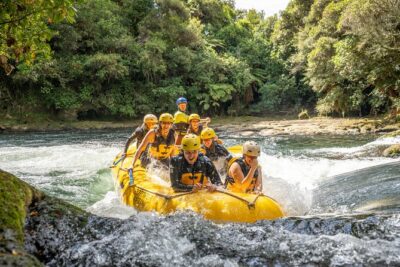
Rotorua Rafting: Kaituna River White Water Rafting & Free Sauna
Read our review →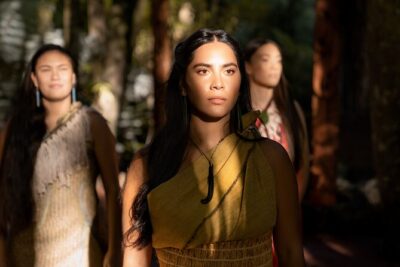
Cultural Experience & Seasonal Māori Cuisine at Te Pā Tū
Read our review →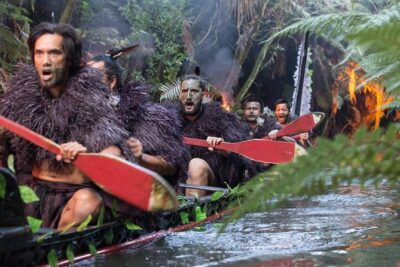
Mitai Maori Village Cultural Experience in Rotorua
Read our review →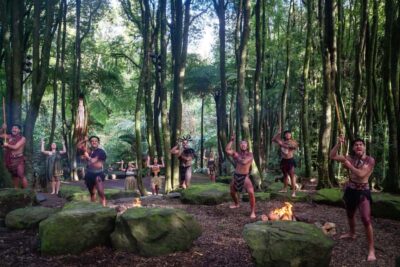
Te Pa Tu Māori Cultural Experience with Dinner
Read our review →Browse the lists this tour appears in