
Reviewed · WELLINGTON TOURS
Zealandia by Day Tour
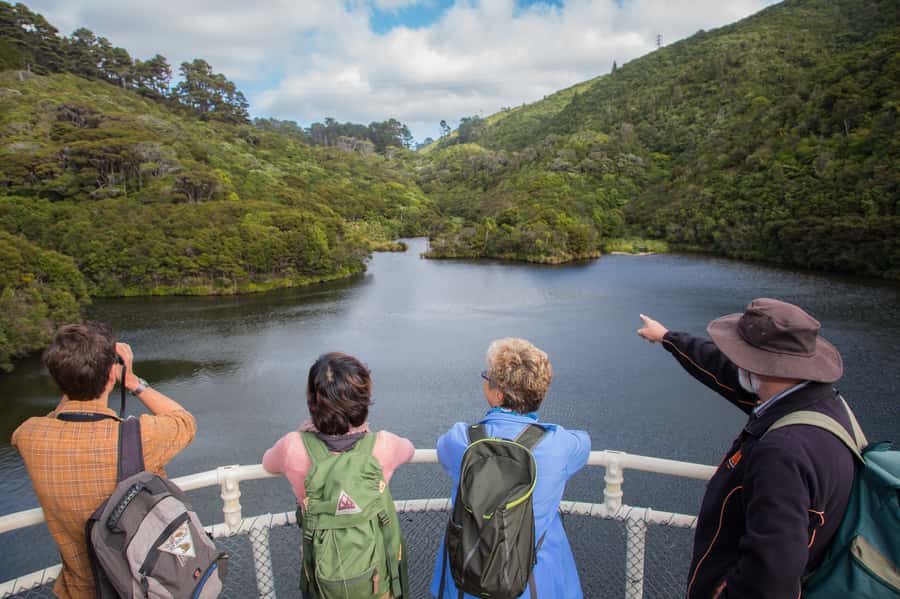
New Zealand’s most remarkable wildlife story is unfolding inside a fenced valley just 10 minutes from central Wellington. At Zealandia Te Māra a Tāne, a two-hour guided walk takes you into a predator-free sanctuary where rare birds and tuatara live in protected native forest.
I like the way the guide connects the animals to the bigger conservation project, and I like the small groups, limited to 12 people. You get help spotting birds you could easily miss alone. The main drawback is the walking pace and uneven ground, which can feel demanding, especially if the guide stops often or the group spreads out.
Key points to know before you book
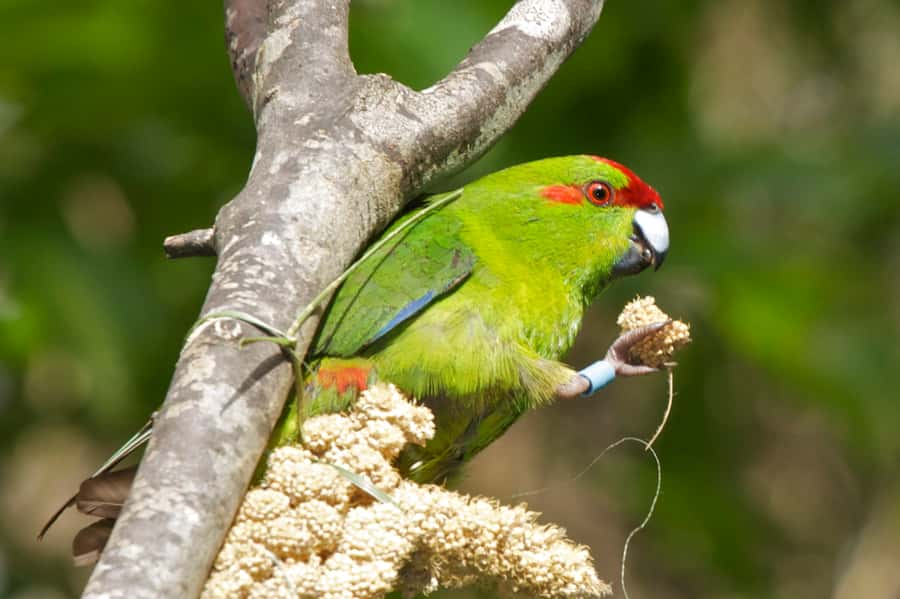
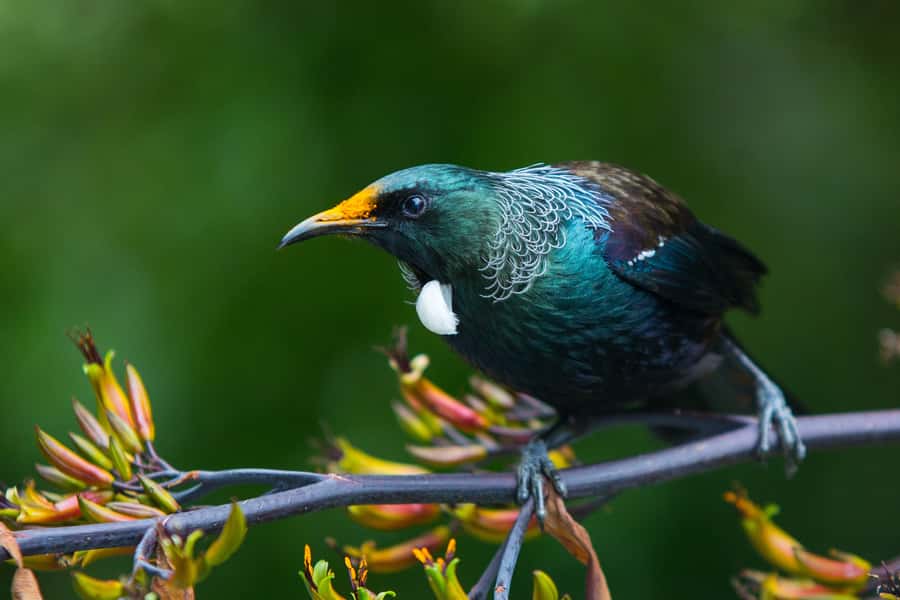
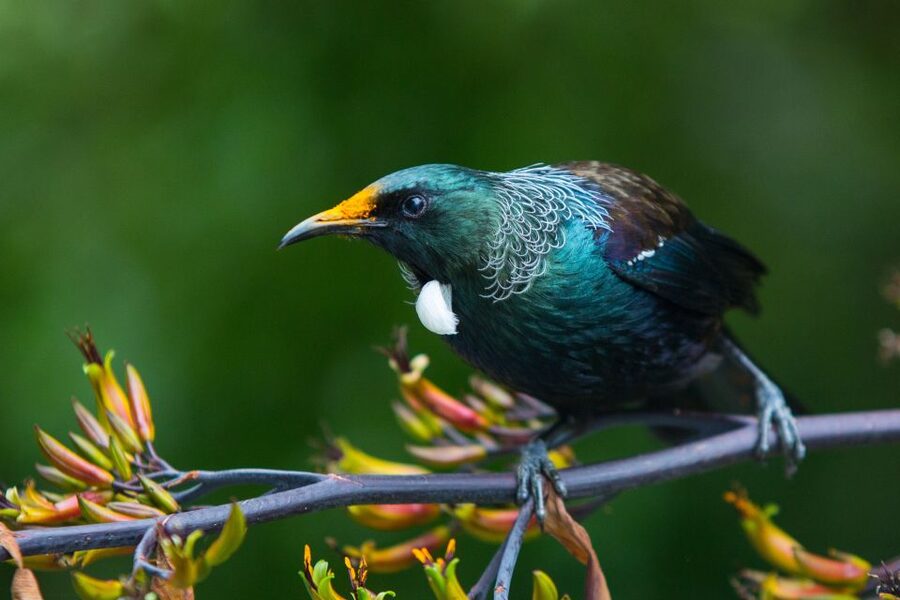
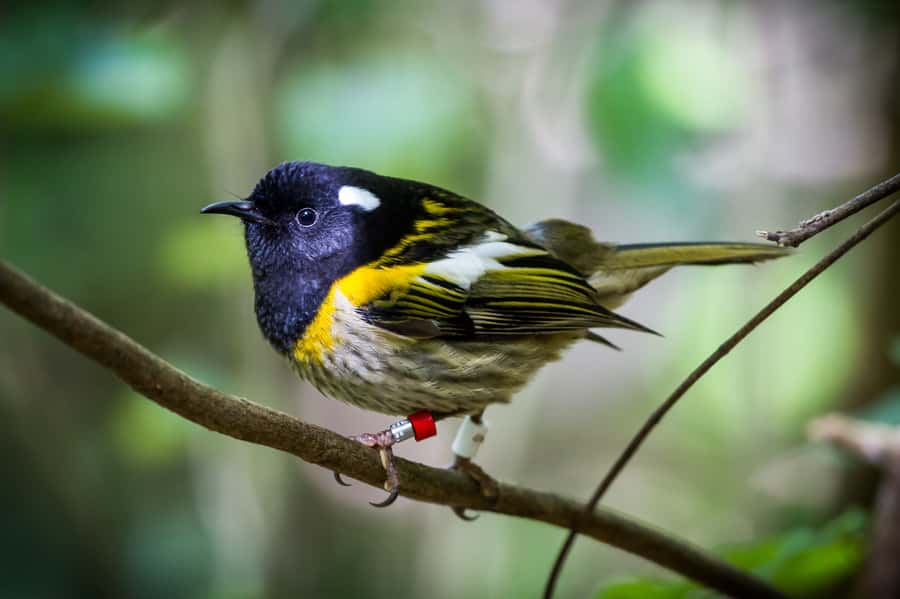
- The rare wildlife is the star: Look for takahē, kākā, tūī, bellbirds, kākāriki, tuatara, and possibly tieke.
- The guide adds real value: Guides such as Scott, Juli, Kevin, Maria, and Kieran have been praised for clear explanations and strong enthusiasm for Zealandia’s work.
- The group stays small: A maximum of 12 people makes it easier to hear the guide and ask questions.
- The sanctuary is close to Wellington: You can reach the visitor center by car, free shuttle, or cable car from central Wellington.
- Expect a proper walk: The route uses uneven surfaces and involves a moderate amount of walking.
- The ticket may give you more time: The guided portion lasts two hours, and the sanctuary ticket has been described as valid for two days.
Why Zealandia is more than a bird walk
I would choose this tour for the story behind the animals as much as for the sightings. Zealandia is a fully fenced, predator-free ecosanctuary built around the protection and return of native species. The guide explains how the fencing and wider restoration work help create a safer home for birds and reptiles that have suffered from introduced predators.
That context matters. Without it, you may see a kākā feeding or hear a tūī calling and simply move on. With the story, you understand why a sighting of a takahē or tuatara is important, and why the sanctuary has become such a major conservation project in Wellington.
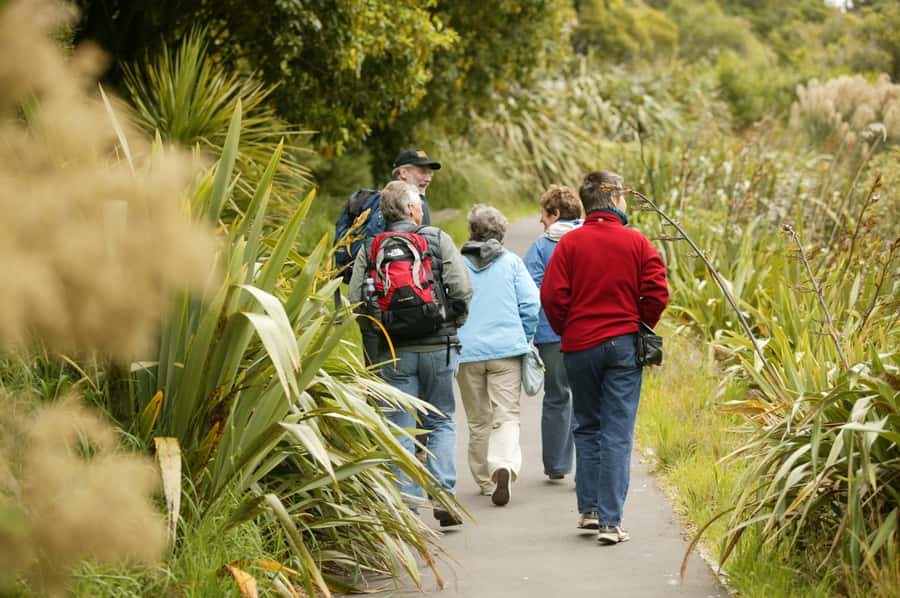
The setting also helps. This is not a quick stop beside a display case. You walk through forest and open parkland, listening for birdsong and watching the branches, shrubs, and ground. The guide points out native trees and plants, including their uses, so the tour is about the whole living environment rather than a checklist of animals.
The sanctuary sits close to Wellington’s city center, yet the setting feels removed from the streets and traffic. That makes it a smart choice for a half-day in the capital, especially if you want nature without giving up most of your day to transport.
A few more Wellington half-days to weigh up
- Wellington: Wētā Workshop Guided Tour Ticket
★ 4.7 · 997 reviews - Wētā Workshop Experiences Tour – Wellington
★ 5.0 · 875 reviews - Wellington: Return Cable Car Ticket
★ 4.6 · 714 reviews
Starting at the visitor center on Waiapu Road
Your meeting point is the Zealandia Visitor Center at 53 Waiapu Road in Karori. From Wellington CBD, the sanctuary is about 10 minutes away, and you can get there by car, free shuttle, or cable car followed by onward transport.
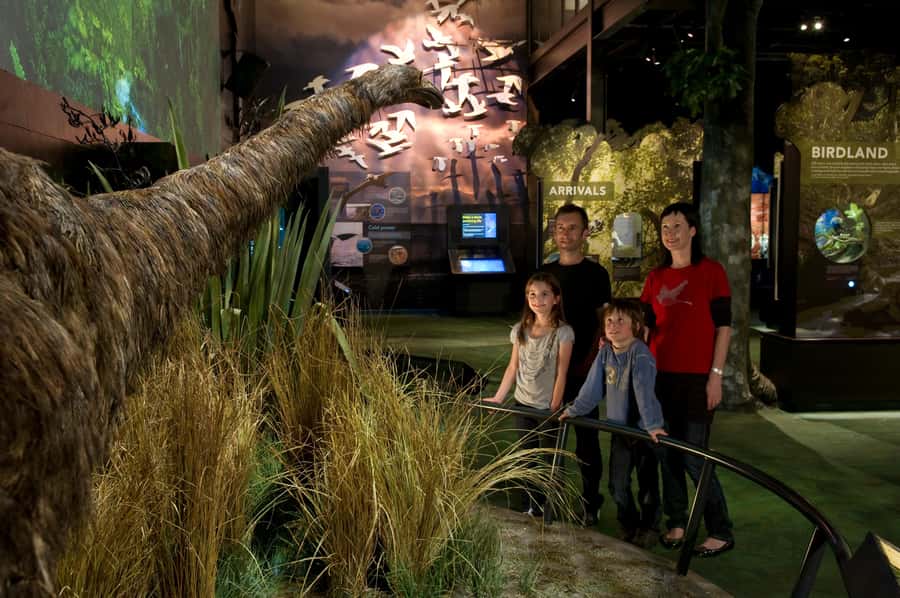
Allow enough time to arrive, find the ticket desk, and get settled before the walking tour begins. You meet the guide at the visitor center, then start with an introduction in the exhibition area. This opening gives you the basic story of the sanctuary before you head outside.
The visitor center is also useful if you arrive early or want something to eat after the walk. Rātā Cafe serves coffee and meals, and one visitor found starting with porridge there to be a good way to begin the morning. The cafe is a practical extra rather than part of the tour price, since food and drinks are not included.
Before entering the sanctuary, you complete a short biosecurity bag check. It may seem like a small delay, but it is an important part of the visit. The check helps prevent predators from entering with you, protecting the animals the sanctuary has worked so hard to establish.
Walking into a predator-free sanctuary
Once inside, the guide leads you along the sanctuary walkways and explains the work behind the fence. This is where the tour becomes more than a pleasant woodland stroll. You learn why predator control is necessary and how Zealandia’s approach supports native wildlife.
The route covers a substantial area, so you should expect steady walking rather than a short loop. Surfaces are uneven, and the activity is not recommended for people with walking disabilities or those using a wheelchair. Children can join, but they must be accompanied by an adult, and unaccompanied minors are not allowed.
One useful detail is that the tour operates in all weather. Wellington weather can change quickly, so comfortable shoes and weather-appropriate clothing are essential. A wet or windy day does not automatically ruin the outing. Several guides have continued to make the walk rewarding in poor conditions, and the forest can offer shelter once you move into the valley.
Still, dress for the forecast and do not treat this as a city sightseeing walk. If you dislike mud, uneven paths, or changing weather, you may prefer a shorter independent visit on a dry day.
Finding kākā, tūī, and other native birds
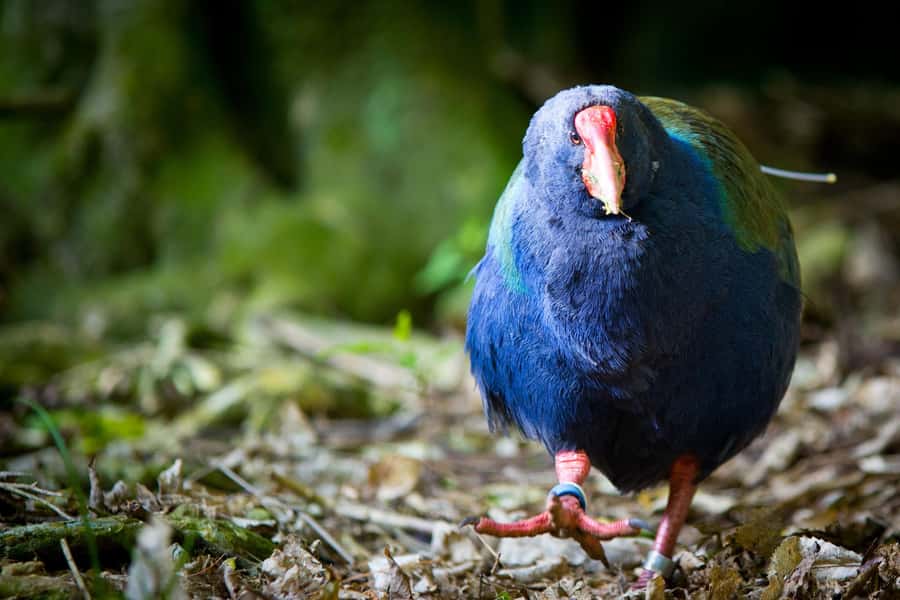
The guides use feeding stations along the walkways to help you see several native bird species. Kākā, the intelligent bush parrot, are among the most memorable possibilities. You may also see kākāriki, tūī, and bellbirds.
The feeding stations improve your odds, but no wildlife encounter can be promised. That is part of the appeal. You are still watching living animals in a protected forest, not moving through a fixed display with guaranteed performances.
A guide can make a major difference here. Experienced guides know where birds tend to appear and can point out movement or calls before the rest of the group notices anything. They also explain the differences between species, which helps you understand what you are seeing instead of confusing every dark shape in the trees.
The bird calls are part of the setting. If a rare bird appears, the group may gather quickly, so quiet helps. One practical lesson from a recent outing is to avoid talking over birdsong when someone is trying to record it. Keep your voice low near a sighting, and let the guide control the moment.
Bring patience. A few minutes of stillness may be more rewarding than rushing from one viewing point to the next. One guide, praised for waiting calmly for birds to appear, showed why this matters.
Same corner of the country, a completely different day out:
- Half Day Tour of Wellington
★ 4.5 · 638 reviews - Wellington: Guided City Tour with Cable Car Ticket
★ 4.8 · 553 reviews - Wellington’s Original LOTR Experience – includes Weta and Lunch
★ 5.0 · 529 reviews - Kapiti Island Classic Guided Day Tour
★ 5.0 · 522 reviews
The tuatara moment
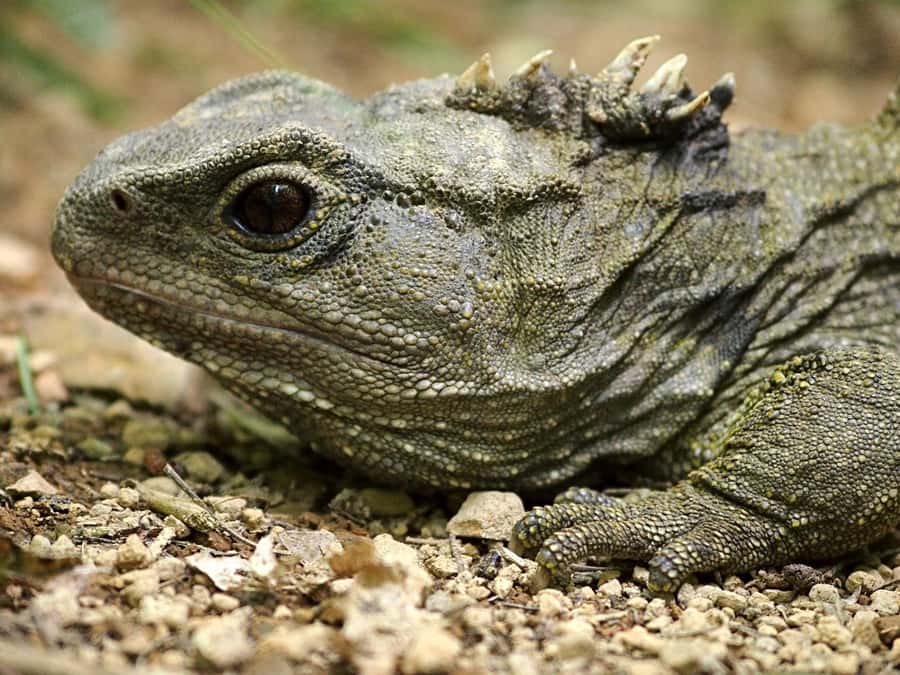
Tuatara are often a highlight because they are so unlike the birds around them. The sanctuary provides a chance to spot one in its protected setting, and several tour groups have seen more than one during the two-hour walk.
You may need to look closely. Tuatara do not have the same movement or visibility as birds at a feeding station, so the guide’s sharp eyes are useful. Expect the guide to explain what you are looking at and why the species matters to New Zealand’s natural heritage.
Wildlife sightings vary from day to day. Some groups have seen tuatara, while others have focused mainly on birds and plants. Book this tour because you want a well-guided search through native forest, not because you expect every animal named in the description to appear.
That distinction keeps expectations realistic. Even a day without a particular rare bird can still offer birdsong, native plants, forest views, and a clear explanation of the restoration work.
What the guide adds to the two-hour route
The strongest reason to book the guided version is the guide. You can walk through Zealandia independently, but the guide helps you see more and understand more.
Guides have included Scott, Juli, Kevin, Kieran, Maria, Merle, Paul, Roy, and others. Their styles differ, but the best guides combine natural history with the story of Zealandia itself. Some explain the plants and their uses. Others focus on bird behavior, the predator-proof fencing, or the sanctuary’s long-term aims.
I particularly like that the guide can adjust to the group. A guide named Alix was praised for explaining things to children, while another guide made a point of speaking with different people individually. That personal touch matters in a group of 12, where interests and walking speeds may vary.
The tour can also run beyond the advertised two hours when the guide and group agree to continue. Do not count on extra time if you have a tight schedule, but it is worth asking at the end if you want more explanation or another short look around.
There is one tradeoff. A guide who stops for many sightings and questions may not cover every path in the sanctuary. One visitor found the pace a little fast for the information, while another group did not complete the whole route because some people took longer. If seeing the entire sanctuary matters most, independent time after the tour may suit you better.
Small-group size and the viewing experience
A group capped at 12 is a sensible size for this setting. You can usually stay close enough to hear the guide, and the group is small enough for questions without turning the walk into a private tour.
The downside is that wildlife viewing still depends on group behavior. If several people talk at once, move ahead, or fall behind, you may miss a bird call or an explanation. Stay near the guide and signal if you cannot hear. The guide can often pause or repeat a point.
This format works especially well for families with older children, couples, solo visitors, and anyone who wants more than a self-guided stroll. It is also useful for first-time visitors to New Zealand who want an introduction to native wildlife and conservation.
People with limited mobility should think carefully before booking. The moderate walking requirement and uneven surfaces are clear concerns. If you use a scooter, ask the operator about your particular needs before reserving. One visitor using a scooter felt included throughout the tour, but the formal information still warns that the activity is not suitable for people with mobility impairments.
Is $41 good value?
At $41 per person, the price includes sanctuary entry, a professional guide, and the two-hour small-group walk. That is a fair price if you value interpretation and want help finding wildlife.
The comparison is simple. You can walk around Zealandia on your own, but you may miss birds, overlook plant details, and leave without understanding the scale of the restoration project. The guided tour turns the entrance ticket into a structured visit with local insight.
I would pay the extra value for the guide if this is your first visit, if your time in Wellington is limited, or if you have a strong interest in birds and conservation. If you prefer moving at your own pace, taking long photographs, or covering every path, use the sanctuary ticket independently instead.
The ability to continue exploring after the guided walk improves the value. The ticket has been described as valid for two days, so check the terms when booking and use extra time if available. That gives you a chance to revisit a favorite area without the group’s pace.
The free shuttle also keeps the total outing affordable, since you do not need to arrange a separate paid transfer from central Wellington. Hotel pickup and drop-off are not included, so you must make your own way to the visitor center.
Planning your time at Zealandia
The tour itself lasts two hours, but I would leave extra time around it. You need time for transport, check-in, the exhibition introduction, the biosecurity check, and perhaps coffee or a meal at Rātā Cafe afterward.
The best clothing is practical: sturdy, comfortable shoes and layers that suit Wellington’s weather. The sanctuary operates in all weather, so do not rely on a fine forecast alone. A rain jacket is a sensible choice, though the supplied information does not specify equipment rental or storage.
Use a small bag and keep it closed during the biosecurity check. The goal is to prevent unwanted predators from entering, so follow the staff instructions carefully.
English and Chinese tours are available. Check the starting time when you choose your date, since tour times vary and availability must be checked before booking.
The activity offers free cancellation up to 24 hours before departure, and you can reserve now and pay later. Those options help if your Wellington schedule depends on weather, transport, or a cruise timetable.
Who should book this guided walk?
I would recommend it to you if you want to learn while walking, not simply look at birds. It is also a strong choice for anyone curious about New Zealand’s conservation work, since the guide explains both the animals and the practical effort behind the sanctuary.
Families can do well here if children are comfortable walking and can stay with an adult. The guides have shown they can adapt explanations for younger members of a group, but this is not a stroller-friendly or fully accessible activity.
Birdwatchers will appreciate the feeding stations and the chance to look for several native species in one place. You should still bring patience and accept that rare wildlife is never guaranteed.
I would choose another plan if you need wheelchair access, want a very gentle paved walk, or have only a narrow window between other bookings. The tour can be information-heavy and steady-paced, and uneven ground is part of the route.
My verdict on the Zealandia day tour
Book this tour if you want the sanctuary’s conservation story to come alive. The birds and tuatara are the obvious draw, but the guide’s explanations make the visit more meaningful and help you notice things you might otherwise pass by.
The two-hour length fits neatly into a Wellington day, the $41 price is reasonable for entry plus a small-group guide, and free transport options make the trip easy to arrange. Just wear proper shoes, prepare for any weather, and do not expect every rare species to appear on command.
For a first visit to Zealandia, I would take the guided walk and then spend extra time exploring independently if your ticket allows it. That combination gives you the best of both approaches: expert eyes at the start, followed by the freedom to linger.
FAQ
How long does the Zealandia by Day Tour last?
The guided walking tour lasts two hours.
Where does the tour meet?
You meet at the Zealandia Visitor Center, 53 Waiapu Road, Karori, Wellington.
How far is Zealandia from Wellington CBD?
Zealandia is located about 10 minutes from Wellington CBD.
How can I get to Zealandia?
You can reach the visitor center by car, free shuttle, or cable car from Wellington CBD.
What wildlife might I see?
Possible sightings include takahē, tūī, kākā, kākāriki, bellbirds, tuatara, and other native wildlife. Sightings are not guaranteed.
Is food included in the tour?
No. Food and drinks are not included, but Rātā Cafe at the visitor center serves coffee and meals.
How large is the tour group?
The tour is limited to 12 people.
Is the walk suitable for people with mobility impairments?
No. The tour involves a moderate amount of walking and uneven surfaces, and it is not recommended for people with walking disabilities or those using a wheelchair.
What should I bring?
Bring comfortable shoes and clothing suitable for the weather. The tour operates in all weather conditions.
Are children allowed to join?
Yes, but children must be accompanied by an adult. Unaccompanied minors are not allowed.
What languages are available?
The live guide is available in English and Chinese.
Can I cancel the booking?
You can cancel up to 24 hours in advance for a full refund. You can also reserve now and pay later.
Just added around Wellington
- Te Awa Kairangi Grade 2 Scenic Rafting Tour★ 4.8 · 10 reviews
- Te Awa Kairangi Grade 2 Scenic Duckie Tour★ 4.7 · 9 reviews
- Remutaka Rail Trail eBike Shore Excursion for Cruise Ships★ 5.0 · 9 reviews
- Private Lord of the Rings Tour Wellington with Lunch★ 5.0 · 3 reviews
- Martinborough Winery and South Wairarapa Wild Coast Tour★ 4.8 · 21 reviews
- Chefs Private Martinborough wine tour with Gourmet Lunch★ 5.0 · 3 reviews
- Kapiti Island: Classic Guided Day Tour★ 4.8 · 5 reviews
- From Wellington: Kapiti Island Classic Guided Day Tour★ 5.0 · 4 reviews
Wellington Tours, compared.

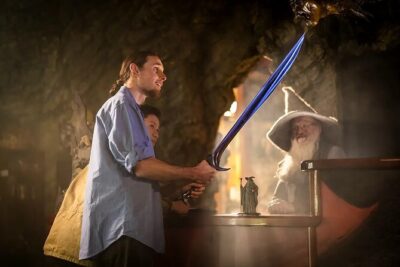



Wellington’s Original LOTR Experience – includes Weta and Lunch
Read our review →
Northern Explorer Train Journey from Wellington to Auckland
Read our review →Browse the lists this tour appears in