
Reviewed · SNOW LANDING HELICOPTER FLIGHTS
The Adventurer: Tasman Glacier Heli-hike
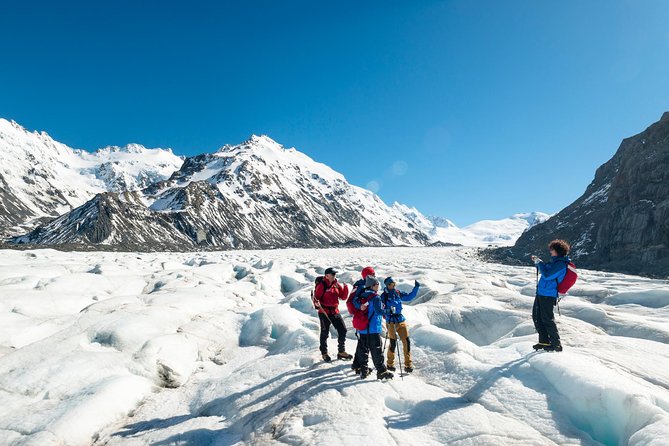
The best part of this Mount Cook adventure happens twice: first from the helicopter window, then on foot at about 1,300 metres above sea level. You fly over the Tasman Glacier, pass close to Aoraki/Mount Cook, and land on remote ice that would take a very long overland journey to reach.
I like the small group of up to 11 people, which gives your guide room to help with crampons and point out details you could easily miss. I also like the practical gear package: leather boots, wool socks, waterproof outerwear, poles, and winter snowshoes when conditions call for them. The main drawback is the price, $572.23 per person, and the fact that poor weather can cancel your plans at short notice.
Key points at a glance
- Two helicopter flights: Enjoy a scenic flight to the glacier and another memorable flight back to the Mount Cook base.
- Ice caves and blue holes: Conditions may reveal tunnels, caves, crevasses, and deep blue-white openings in the ice.
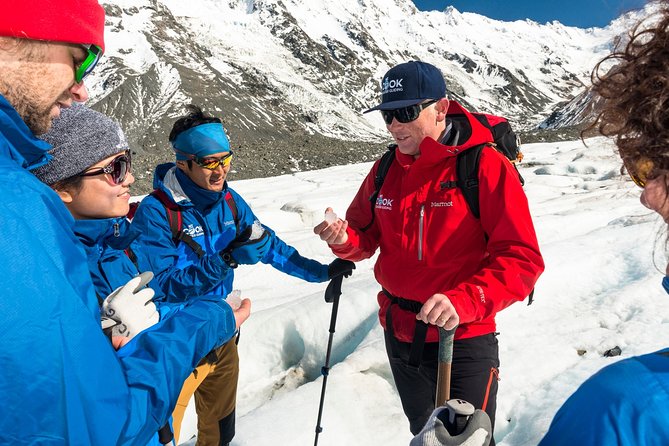
- Guides lead from the front: Guides such as Flav, Hunter, Richard, Fiona, Pawel, and Anna have been praised for safety, energy, and clear explanations.
- Gear is supplied: Boots, socks, crampons or snowshoes, poles, a jacket, and over-trousers are included.
- A demanding but manageable outing: You need moderate fitness and must handle cold, uneven ice at altitude.
- Weather controls the schedule: Helicopters cannot fly in poor conditions, and departure times cannot be delayed for late arrivals.
The flight from Mount Cook Airport to Tasman Glacier
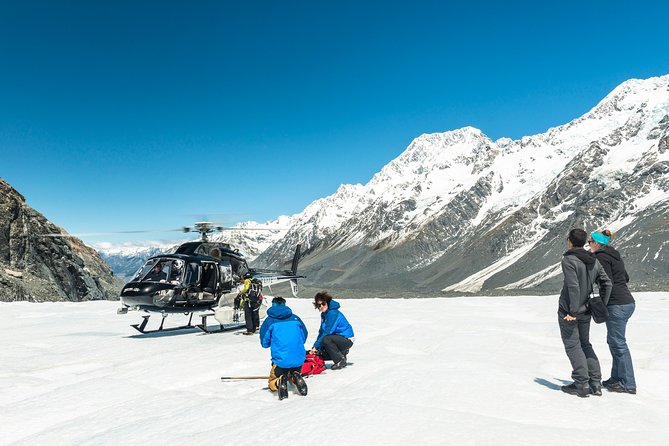
Your trip begins at Mount Cook Airport on Mount Cook Road. The helicopter flight is not just transport. It is one of the main attractions, giving you a changing view of the Southern Alps and Aoraki/Mount Cook, New Zealand’s highest peak.
The exact route depends on safe flying conditions, but the experience includes a spectacular fly-by of the mountain and a landing high on the Tasman Glacier. From the air, the glacier’s scale becomes clear. Trails and roads disappear, and the ice stretches into a broad, remote field surrounded by serious mountain country.
Helicopter seating can affect how much you see, but the operator has adjusted seating so people receive a window or front-seat view on one of the two flights. That is a useful touch. You should still bring your camera, but keep it secure during boarding and flight operations.
The helicopter ride may be the biggest single reason to book this outing. If you have never flown in a helicopter, the takeoff, close views of the mountain faces, and landing on the glacier can feel like a complete adventure before the hike even begins.
More flights that land you on the snow:
- Mount Cook: 3 Hour Heli Hike to the Tasman Glacier
★ 4.7 · 218 reviews - Tasman Glacier Heli-Hike Tour from Queenstown
★ 5.0 · 70 reviews - Mt Cook Small Group Tour & Heli Hike Combo from Queenstown
★ 5.0 · 64 reviews
Getting ready for an hour or two on the ice
After landing, you will be fitted with the equipment needed for the conditions. Crampons are used when the ice is firm and suitable for them. Snowshoes may be supplied in winter or when fresh snow makes them the better choice.
The included leather boots and wool socks are important. The glacier is cold, wet, and uneven, so ordinary casual shoes are not enough. You also receive adjustable walking poles, a waterproof jacket, and waterproof over-trousers. A harness may be provided if your guide decides it is needed.
You should arrive ready with three or four warm upper-body layers, warm trousers, sunglasses, sun protection, a hat, gloves, water, and snacks. Do not wear jeans. They hold moisture and are a poor choice for a cold day on the ice.
The clothing supplied helps, but it does not replace proper preparation. At altitude, conditions can feel colder than expected, and weather can change quickly. Pack your layers so you can add or remove them without fuss. Your hands, ears, and face deserve special attention.
Following your guide across the Tasman Glacier
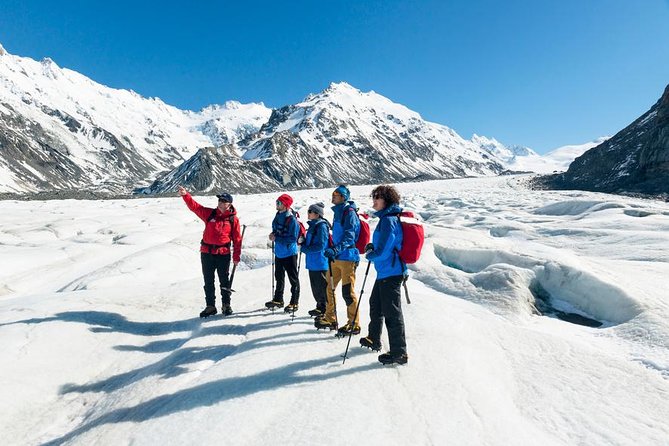
Once your crampons or snowshoes are fitted, you follow your guide across the glacier. This is not an unguided walk where you simply follow a marked trail. The route is chosen according to the ice, snow, weather, and current safety conditions.
Your guide may cut steps into the ice using techniques passed down from New Zealand’s mountain pioneers. That detail gives the outing a stronger sense of place. You are not just looking at a glacier from a viewpoint. You are learning how people move safely across it and how its surface changes.
Expect a moderate physical effort. You may walk on rough ice, fresh snow, and slopes that require careful foot placement. Some outings can include crawling through ice formations or descending into a blue-white hole with water moving below. You might also enter an ice tunnel or cave, depending on what is safe and accessible that day.
These features are not guaranteed. Glaciers shift, melt, and reform, so the formations available during your visit will depend on current conditions. That uncertainty is part of the experience, but it also means you should not book expecting one exact cave or tunnel.
The guide’s role matters here. Guides including Hunter, Richard, Flav, Fiona, Pawel, and Anna have been praised for making the outing safe, interesting, and enjoyable. You can expect explanations about the ice, help with equipment, and plenty of opportunities to stop for photographs.
Richard has been singled out for his enthusiasm and care in finding interesting sights. Hunter has been praised for leading people through caves and formations while keeping the outing fun. Flav has been noted for giving the group time to take photographs, which is especially useful because you will want more than a quick snapshot of this unusual setting.
Ice caves, water, and close-up details
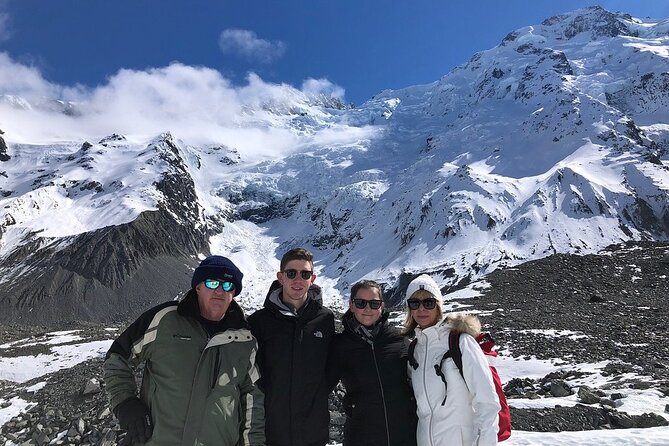
The glacier becomes most memorable when you stop treating it as a distant white surface. Look closely and you may see blue ice, deep openings, flowing water, slush, ridges, and walls shaped by melt and movement.
Some outings have included a short descent into a blue-white opening where water surges underneath. Others have included ice tunnels, caves, fresh snow, and small avalanches watched from a safe position. You may even make a slushie from glacier ice or drink meltwater, depending on the route and the guide’s judgment.
These details give the hike its character. The helicopter flight shows you the glacier’s size, while the walk shows you its texture. You can touch the ice, hear water moving through it, and notice how light changes inside a tunnel or cave.
Photography is encouraged, but the conditions are not easy. Gloves, cold fingers, bright snow, and changing light can make camera use awkward. A phone with a secure grip or a camera strap is sensible. Listen when the guide asks you to put the camera away, especially near uneven ground or an opening in the ice.
More days out at Aoraki Mount Cook:
- Mount Cook & Lake Tekapo Day Tour from Christchurch
★ 4.9 · 483 reviews - Mount Cook: Scenic Helicopter Flight with Alpine Landing
★ 4.8 · 442 reviews - Mt Cook Small Group Scenic Day Tour from Queenstown
★ 5.0 · 407 reviews - Mount Cook, Lake Tekapo and Tasman Glacier Tour from Christchurch
★ 5.0 · 353 reviews
Why a small group makes a difference
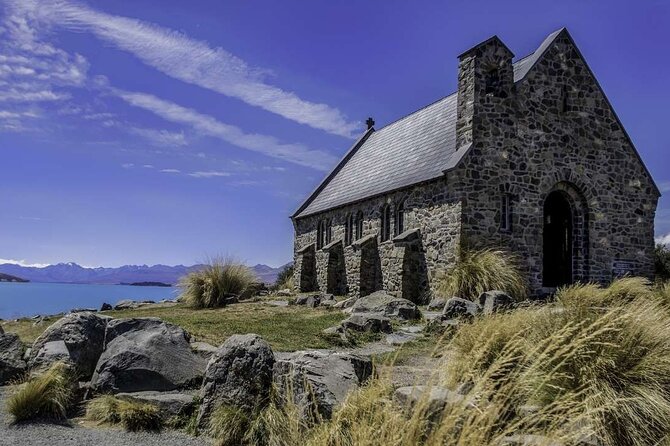
The maximum group size is 11 people. That is not a private tour, but it is small enough for the guide to keep an eye on the whole party and answer questions without turning every stop into a long wait.
A smaller group also helps during equipment fitting. Crampons and snowshoes need to be secure, and walking poles need the right adjustment. You will have a better chance of getting individual help than you would in a large coach-style activity.
The group size can affect the pace. A confident walker may need to wait occasionally, while someone less comfortable on ice may need extra guidance. That is normal. The outing is about moving safely through a changing environment, not racing across the glacier.
You should have a moderate fitness level. The description does not set out a required distance or exact hiking time, so you should be prepared for an active outing rather than a simple scenic stroll. If you are unsure about your ability to walk on uneven, snowy ground, ask the operator before booking.
Weather is part of the deal
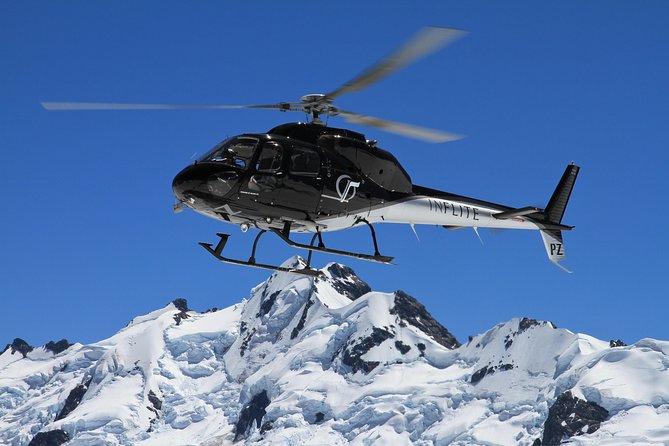
This experience requires favourable weather. Helicopter flights cannot operate safely in poor visibility or unsuitable flying conditions, and the decision may be made close to departure time.
That can be frustrating if you have driven a long way to Mount Cook or arranged the heli-hike around a tight South Island road trip. It is also the right trade-off. The operator cannot safely promise a flight when mountain weather is not suitable.
If weather cancels the activity, you are offered an alternative date or a full refund. Some departures have been moved from morning to afternoon when conditions improved, so keeping part of your day flexible is wise.
Do not plan a major long-distance drive immediately after the tour. The activity lasts about three hours, but weather decisions and scheduling can affect your day. Booking early in your Mount Cook stay gives you a better chance of fitting in a rescheduled departure if needed.
You must also arrive on time. Helicopter schedules are strict, and the operator cannot delay departure for late arrivals. If you miss your confirmed time and the seat cannot be resold, you can be charged the full cost.
Is $572.23 a fair price?
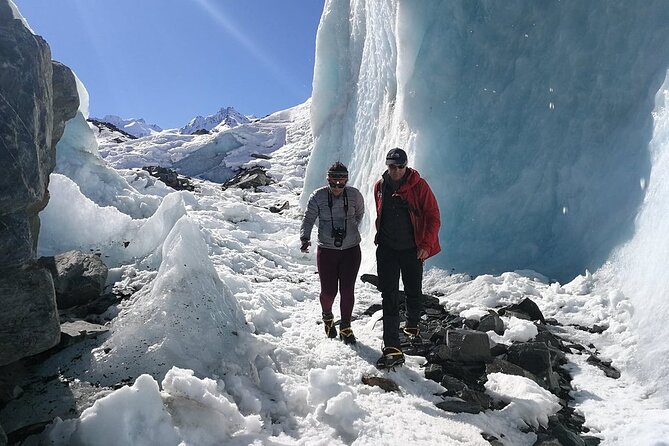
At $572.23 per person, this is a premium activity. You are paying for two scenic helicopter flights, a professional guide, glacier equipment, and access to ice that is otherwise difficult to reach.
The value depends on what you want from your Mount Cook visit. If your budget is tight and you mainly want mountain views, short walks around the national park may give you more time outdoors for much less money. A glacier viewpoint can show you the setting without the flight cost.
If you want to stand on the Tasman Glacier and explore its formations, the price becomes easier to justify. The helicopter removes the long and demanding approach, while the guided route gives you a safer way to experience crevasses, caves, snowfields, and meltwater.
The two flights also make the cost more reasonable than a simple helicopter transfer. You receive an aerial experience at the start and another scenic perspective on the way back. For a special occasion, a major New Zealand trip, or an adventure you are unlikely to repeat, this can be a worthwhile splurge.
Who should book this heli-hike?
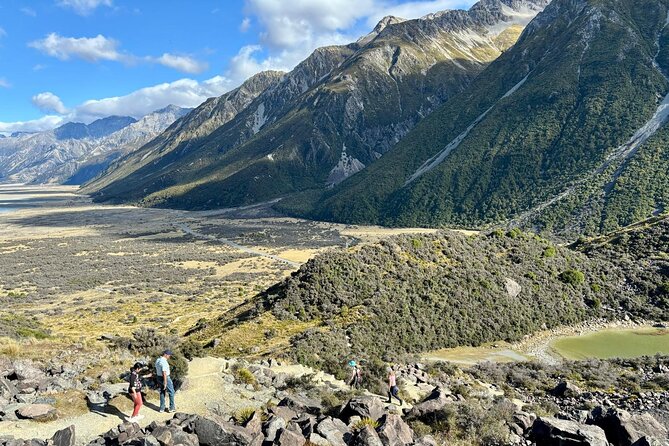
I would recommend it to active adults, couples, families with suitable fitness, photographers, and anyone who wants more than a viewpoint. It works particularly well for people who have never walked on a glacier and want expert support rather than a technical mountaineering expedition.
It is also a strong choice if you have limited time at Mount Cook. The helicopter takes you directly to remote ice, so you can experience a part of the region that would otherwise require a much harder approach.
You should think twice if you dislike helicopters, cold weather, uneven ground, or last-minute changes. This is not a warm, predictable sightseeing trip. You need to accept that the mountain decides the schedule and that your route on the glacier will depend on the day’s conditions.
The supplied clothing makes the experience easier, but you still need to bring proper layers. Sunglasses and sun protection are essential on bright snow, even when the air feels cold.
Booking, cancellation, and practical details
Your meeting and return point is Mount Cook Airport. The activity ends back there after the return flight.
Confirmation is sent within 48 hours of booking, subject to availability. Free cancellation is available if you cancel at least 24 hours before the scheduled start time. Changes or cancellations inside that 24-hour window are not accepted for a refund.
The tour can also be canceled if the minimum number of participants is not reached. In that case, you are offered another date or experience, or a full refund.
This is a mobile-ticket activity, so keep your booking details available on your phone. Bring water and snacks, since they are not included. There is no separate list of paid extras, but personal food and drink remain your responsibility.
Should you book the Tasman Glacier Heli-hike?
Book it if you want a close, active encounter with the Tasman Glacier and can accept the cost and weather risk. The strongest parts are the two helicopter flights, the chance to enter ice formations, and the care supplied by guides such as Hunter, Richard, Flav, Fiona, Pawel, and Anna.
Skip it if you are looking for a low-cost outing or a guaranteed itinerary. The scenery alone is not the whole point. You are paying for access, equipment, guiding, and the rare chance to walk across remote glacier ice.
For many visitors, this is the most distinctive activity they can add to a Mount Cook visit. Keep your schedule flexible, dress properly, arrive early, and treat the $572.23 as a major adventure purchase rather than a casual afternoon activity.
FAQ
Where does the Tasman Glacier heli-hike begin?
The activity begins at Mount Cook Airport on Mount Cook Road, Canterbury Region 7999, New Zealand.
How long does the experience last?
The tour lasts approximately three hours, including the two helicopter flights and the guided glacier hike.
Are helicopter flights included?
Yes. The experience includes a scenic helicopter flight to the glacier and a second scenic flight back to the Aoraki/Mount Cook base.
Is equipment provided?
Yes. The operator provides quality leather boots, wool socks, a waterproof jacket, waterproof over-trousers, adjustable walking poles, and crampons or snowshoes depending on conditions. A harness may also be provided if required.
What should I wear?
Bring three or four warm upper-body layers, warm trousers rather than jeans, a hat, gloves, sunglasses, and sun protection. You should also bring water and snacks.
Can poor weather cancel the tour?
Yes. The activity depends on favourable weather. If it is canceled because of poor conditions, you will be offered another date or a full refund.
How fit do I need to be?
You should have a moderate level of physical fitness. The hike takes place on glacier ice and snow, with crampons or snowshoes and walking poles used as needed.
What happens if I miss the departure time?
The helicopter schedule cannot be delayed for late arrivals. If you miss your confirmed departure and the operator cannot resell the space, you may be charged 100 percent of the tour cost.
More Hiking & Trekking in Mount Cook
- Mount Cook: 3-Hour Tasman Glacier Helicopter Ride and Hike
★ 4.9 · 235 reviews - Glentanner High Country Heli Hike
★ 5.0 · 52 reviews - From Queenstown: Mount Cook Heli-Hike and Bus Tour Combo
★ 4.8 · 42 reviews - Mount Cook: 3-Hour Tasman Glacier Heli-Hike
★ 4.5 · 29 reviews
Just added around Mount Cook
- Queenstown to Lake Tekapo via Mt Cook One-Way Small Group Tour★ 4.5 · 13 reviews
- Queenstown to Mt Cook Small Group Tour (One-Way)★ 5.0 · 25 reviews
- Queenstown to Christchurch via Mt Cook (1 way) (Small Group)★ 5.0 · 6 reviews
- Queenstown to Christchurch One Way Tour Via Lake Tekapo & Mt Cook★ 5.0 · 10 reviews
- Mount Cook Day Tour from Queenstown★ 4.0 · 63 reviews
- Queenstown to Christchurch One-Way Tour via Mt Cook & Lake Tekapo★ 4.5 · 134 reviews
- Mount Cook Tour: Finish at Queenstown, Christchurch or Dunedin★ 5.0 · 3 reviews
- Mt Cook Tour & Ultimate Alpine Experience Combo from Queenstown★ 4.5 · 51 reviews
Snow Landing Helicopter Flights, compared.
Franz Josef & Fox Glaciers Helicopter Flight & Snow Landing
Read our review →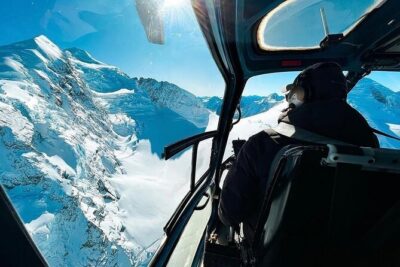
Pilot’s Choice: 2 Glaciers & Snow Landing – 35min
Read our review →
Twin Glacier Helicopter Flight with Snow Landing
Read our review →
Ultimate Discovery: 3 Glaciers & Snow Landing – 45min
Read our review →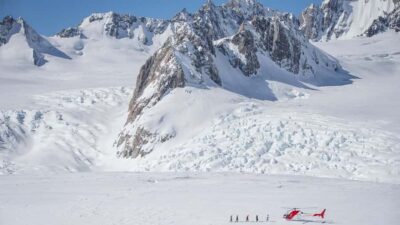
Browse the lists this tour appears in