
Reviewed · SKYDIVING
Skydive Mt. Cook – 70+ Seconds of Freefall from 16,500ft
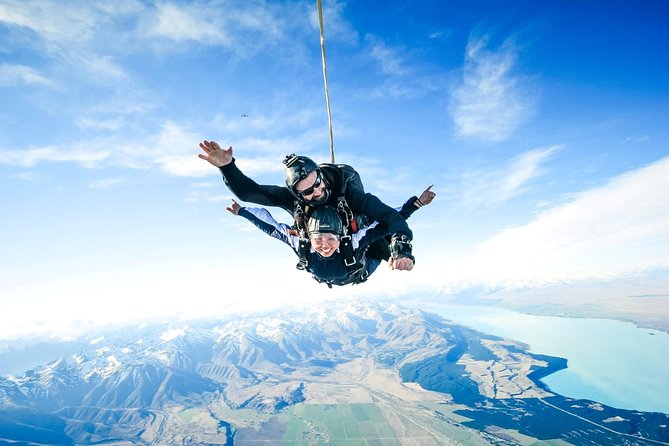
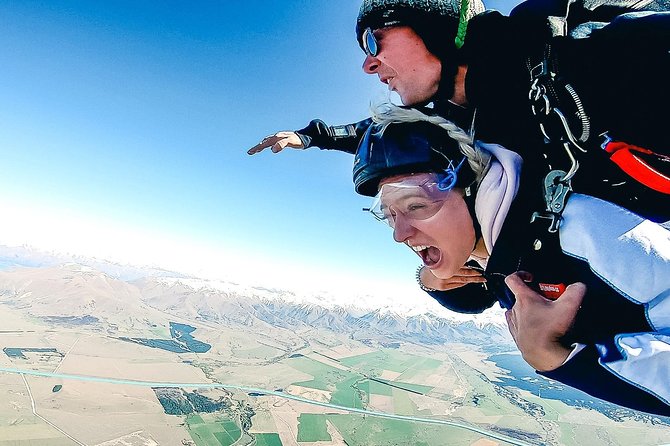
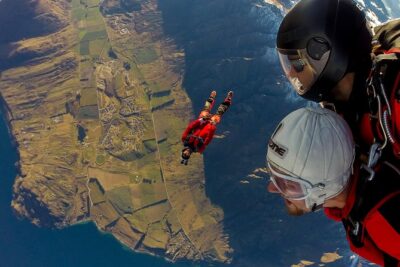
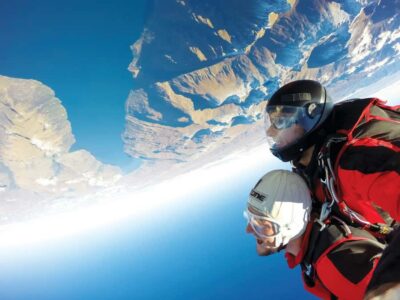
More than 70 seconds of freefall from 16,500 feet puts Skydive Mt Cook in a class of its own for anyone chasing a big South Island thrill. From the plane, you get a wide view of snow-capped mountains, glaciers, lakes, and Aoraki/Mt Cook National Park, rather than a quick drop over an ordinary patch of countryside.
I like two things right away: the setting is genuinely special, and the small maximum of nine people keeps this from feeling like a large commercial outing. The crew also earns praise for being happy, encouraging, and inspiring, which matters when you are about to step out of an aircraft.
The main consideration is weather. This activity cannot run in poor conditions, so you need some flexibility in your schedule. The price of $341.08 per person is also a serious spend, though the longer freefall and mountain views give it a clear reason for costing more than a standard skydiving session.
Key points to know before booking
- 16,500-foot exit height: You get more than 70 seconds of freefall, the longest option described for this experience.
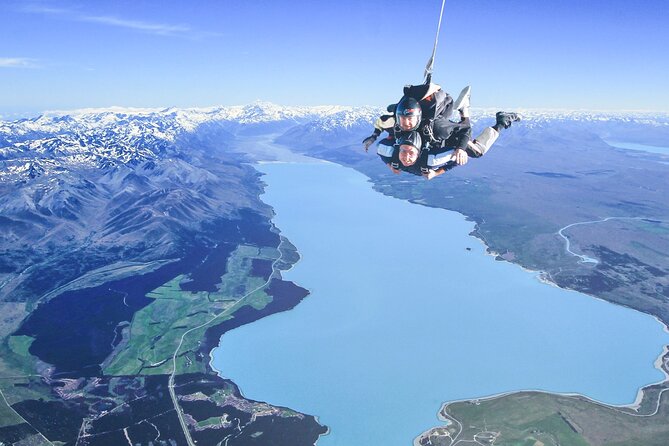
- Aoraki/Mt Cook views: Look for snow-capped mountains, glaciers, lakes, and the national park below.
- Small group size: The activity accepts a maximum of nine people.
- About two hours: Allow roughly two hours from meeting at Pukaki Airport to finishing back there.
- Friendly, upbeat crew: The staff are praised for being inspiring, happy, and bubbly, helping calm nerves before the jump.
- Weather controls the schedule: Poor conditions can lead to a new date or a full refund.
The big appeal of 16,500 feet above Mt Cook
The central reason to book this is simple: you are not paying only for the sensation of falling. You are paying for a high-altitude view over one of New Zealand’s most dramatic mountain regions.
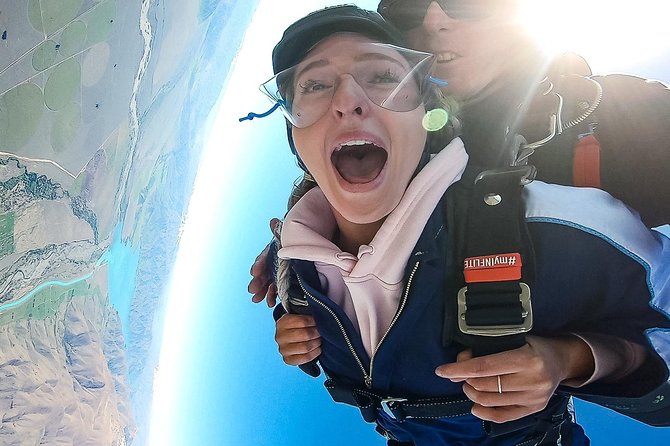
At 16,500 feet, the freefall lasts more than 70 seconds. That gives you more time to take in the view than a lower jump would allow, although the first moments will naturally be full of noise, wind, and adrenaline. If you have always wanted to try skydiving but also want a memorable setting, the combination makes sense.
The scenery is the real local character of the activity. You can expect views toward snow-covered peaks, glaciers, lakes, and Aoraki/Mt Cook National Park. The supplied details do not promise a particular mountain, glacier, or lake from every jump, since the exact view will depend on the flight path and conditions, but the setting is clearly the star.
I would choose this over a generic city or coastal jump if your South Island trip already includes the Mackenzie Basin, Pukaki, Twizel, or the Mt Cook area. The jump becomes part of the region rather than a separate thrill dropped into your itinerary.
More tandem jumps over Mount Cook:
- Mount Cook: Tandem Skydive Experience
★ 4.6 · 66 reviews - Skydive Mt. Cook – 20+ Seconds of Freefall from 10,000ft
★ 5.0 · 5 reviews - NZONE Skydive Queenstown
★ 4.5 · 1,438 reviews
Starting at Pukaki Airport
The meeting point is Skydive Mount Cook, 2 Swallow Drive, Pukaki Airport, Pukaki, Twizel 7999, New Zealand. This is also where the activity ends, so you are not left arranging a separate return transfer after the jump.
That start and finish point is useful if you are driving through the South Island. You can plan the activity around a stay or road trip in the Pukaki and Twizel area, rather than building your day around a distant city departure.
The total duration is approximately two hours. That does not mean two hours of freefall, of course. The 70-plus seconds refers to the time falling from the aircraft, while the full booking includes the time needed for the complete skydiving operation.
The available details do not give exact check-in, flight, or landing times within that two-hour period. I would therefore keep the rest of your schedule loose, especially if you have a long drive afterward. A fixed appointment later in the day may create unnecessary pressure if weather affects the departure.
What the two-hour experience is likely to involve
You meet the team at Pukaki Airport and complete the activity from that base. The published information does not list a minute-by-minute schedule, named guides, or specific instruction times, so you should not expect a detailed timetable before booking.
What is clear is that the crew plays an important part in the experience. The strongest praise focuses on the staff being happy, bubbly, and inspiring. That is not a minor detail. A calm and upbeat team can make the difference between enjoying the moment and spending the whole time worrying about the next step.
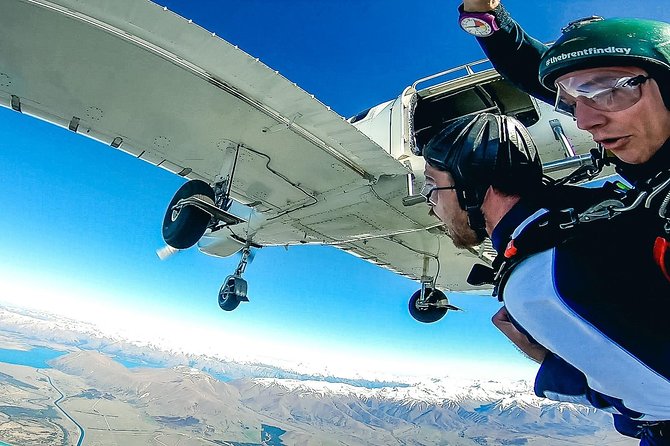
You should expect preparation before the aircraft portion, the flight to the jump height, more than 70 seconds of freefall, and the completion of the landing before returning to the airport meeting point. The supplied information does not state how much of the flight is spent climbing, how the landing works, or what equipment is provided, so ask the operator if those details matter to you.
The jump itself will be brief compared with the whole booking, but that is normal for this kind of activity. The value comes from the full setting, the high exit point, the freefall time, and the memory of seeing the Mt Cook region from above.
Reading the South Island from the sky
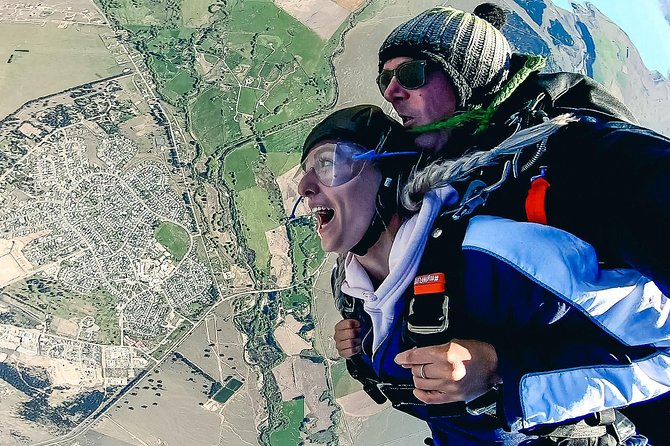
At ground level, mountain roads and lakes give you separate views. From the aircraft, you have the chance to see how the pieces fit together.
Snow-capped mountains provide the sharpest backdrop. Glaciers add broad, pale lines to the high country, while lakes bring bright blocks of color among the peaks. Aoraki/Mt Cook National Park gives the jump a strong sense of place, rather than leaving you with scenery that could belong almost anywhere.
The exact appearance will change with the weather. Clear conditions should give you the best chance of seeing the full range of features listed for the experience, while cloud can reduce visibility. This is one reason the weather policy matters so much: the operator requires suitable conditions, not just for safety but also for the view you are paying to experience.
I would avoid treating this as a guaranteed postcard moment. Mountain weather can change, and the available information does not promise a clear view on every departure. Still, the location gives you a much better chance of a memorable visual setting than a jump chosen only for convenience.
More days out at Aoraki Mount Cook:
- Mount Cook & Lake Tekapo Day Tour from Christchurch
★ 4.9 · 483 reviews - Mount Cook: Scenic Helicopter Flight with Alpine Landing
★ 4.8 · 442 reviews - Mt Cook Small Group Scenic Day Tour from Queenstown
★ 5.0 · 407 reviews - Mount Cook, Lake Tekapo and Tasman Glacier Tour from Christchurch
★ 5.0 · 353 reviews
Why the small group size matters
The maximum group size is nine people. That does not mean you will necessarily share every part of the experience with exactly eight others, but it sets a useful limit on the scale of the operation.
I like this number for a high-adrenaline activity. A small group can feel less rushed and more personal than a large queue of people waiting for their turn. It also suits anyone who prefers a quieter atmosphere before something nerve-racking.
The staff praise supports that impression. The crew is described as happy, bubbly, and inspiring, and one particularly positive account credits the team with making the jump more enjoyable. You should not book on the assumption that a particular guide will be present, since no names are provided, but you can reasonably expect an important human element rather than a purely mechanical process.
If you are nervous, tell the team. The published information does not promise a particular form of support, but the positive description of the crew suggests that a friendly attitude is part of the service.
Is $341.08 a fair price?
At $341.08 per person, this is not a casual add-on. You need to decide how much value you place on the combination of the jump and the setting.
The strongest argument for the price is the 16,500-foot altitude and the more than 70 seconds of freefall. You are also getting a location framed by glaciers, lakes, snow-covered peaks, and Aoraki/Mt Cook National Park. If you have saved for one major thrill in New Zealand, this has a clear case.
The value is weaker if you mainly want to try skydiving at the lowest possible cost. The supplied details do not say that photos, video, transport, meals, or other extras are included, so you should not count those in your comparison. Check the final booking terms carefully if recorded footage or add-ons matter to you.
I would also compare this price with your wider South Island plans. If you are already spending time around Pukaki and Mt Cook, the meeting point is convenient and the experience fits naturally into the trip. If reaching the area requires a long detour, include that travel cost and time before deciding.
Weather, cancellation, and schedule flexibility
This activity requires good weather. If poor conditions force a cancellation, you can choose a different date or receive a full refund.
That policy is helpful, but only if your itinerary has room to move. I would avoid booking the jump on the final morning of a tightly timed road trip. A weather delay may leave you with no spare day, even though the operator offers a refund or another date.
You can cancel for a full refund if you do so at least 24 hours before the experience start time. Cancellations made less than 24 hours ahead are not refunded, and changes inside that window are not accepted. The cut-off follows local time.
The experience also requires a minimum number of participants. If that minimum is not reached and the activity is canceled, you will be offered another date or experience, or a full refund. These rules are standard practical concerns, but they matter more here because weather and group numbers can affect a flight-based activity.
Who will enjoy this most
I would recommend Skydive Mt Cook to you if the setting matters as much as the thrill. It suits a first-time skydiver who wants a major South Island memory, as well as an experienced jumper looking for a higher exit point and a mountain setting.
It is also a good fit for people already visiting Pukaki, Twizel, or the Mt Cook area. The activity begins and ends at Pukaki Airport, making it easier to pair with a road trip than with a city-based sightseeing day.
Most people can participate, according to the supplied information, and service animals are allowed. The activity is also near public transportation. The published details do not specify age, weight, medical, clothing, or equipment requirements, so ask the operator directly if any of those affect your decision.
I would think twice if you dislike uncertain schedules or need to reach another destination at a fixed time. I would also pause if the cost feels uncomfortable, since $341.08 is a large amount for a short burst of action, even with a long freefall and major views.
Practical planning for your South Island day
Use a mobile ticket if that is easiest for you, since mobile tickets are accepted. Keep the booking information available when you arrive at 2 Swallow Drive.
Allow the full two hours rather than planning to leave immediately after the jump. The activity ends back at the meeting point, but the supplied details do not give an exact finish time within that estimate.
Plan around the weather, not against it. A clear forecast is helpful, but mountain conditions can still change. The operator has a stated process for cancellations, so build flexibility into your route if this jump is one of the main reasons you are visiting the area.
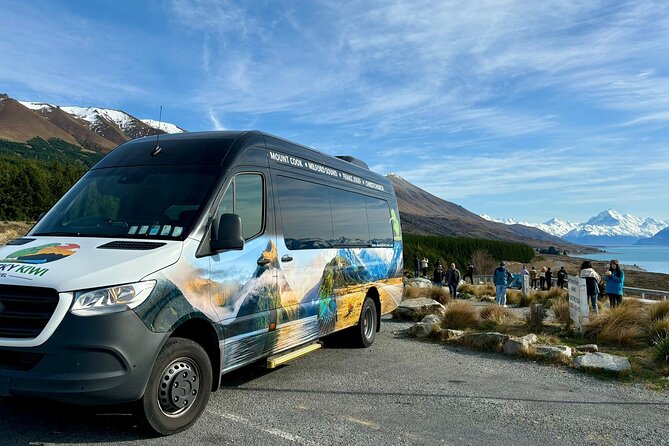
You should also treat the meeting point as your transport responsibility unless the operator confirms another arrangement. The information identifies the start and end point and notes nearby public transportation, but it does not say that hotel pickup is included.
Should you book Skydive Mt Cook?
Book it if you want a serious thrill tied to a very specific place. The high jump height, more than 70 seconds of freefall, and views toward glaciers, lakes, snow-capped mountains, and Aoraki/Mt Cook National Park make this much more than a standard adrenaline stop.
Skip it if you want the cheapest possible skydive, need a guaranteed departure in poor weather, or have no flexibility around a strict travel schedule. For everyone else, the price is easiest to justify when you are already exploring the Pukaki and Mt Cook region and want one unforgettable view from above.
FAQ
Where does Skydive Mt Cook begin?
The activity begins at Skydive Mount Cook, 2 Swallow Drive, Pukaki Airport, Pukaki, Twizel 7999, New Zealand.
Where does the activity finish?
The activity ends back at the meeting point at Pukaki Airport.
How long does the experience take?
The approximate duration is two hours.
How high is the jump?
The freefall begins from 16,500 feet.
How long is the freefall?
The freefall lasts more than 70 seconds.
What can I see during the jump?
The experience features views of snow-capped mountains, glaciers, lakes, and Aoraki/Mt Cook National Park.
How many people can join?
The activity has a maximum of nine people.
Can I cancel for a refund?
Yes. You can cancel at least 24 hours before the start time for a full refund. Poor weather cancellations may also result in a different date or a full refund.
Just added around Mount Cook
- Queenstown to Lake Tekapo via Mt Cook One-Way Small Group Tour★ 4.5 · 13 reviews
- Queenstown to Mt Cook Small Group Tour (One-Way)★ 5.0 · 25 reviews
- Queenstown to Christchurch via Mt Cook (1 way) (Small Group)★ 5.0 · 6 reviews
- Queenstown to Christchurch One Way Tour Via Lake Tekapo & Mt Cook★ 5.0 · 10 reviews
- Mount Cook Day Tour from Queenstown★ 4.0 · 63 reviews
- Queenstown to Christchurch One-Way Tour via Mt Cook & Lake Tekapo★ 4.5 · 134 reviews
- Mount Cook Tour: Finish at Queenstown, Christchurch or Dunedin★ 5.0 · 3 reviews
- Mt Cook Tour & Ultimate Alpine Experience Combo from Queenstown★ 4.5 · 51 reviews
Skydiving, compared.
15,000ft Tandem Skydive in Tauranga – Bay of Plenty
Read our review →

Browse the lists this tour appears in