
Reviewed · WELLINGTON TOURS
Overnight Experience Tour on Kapiti Island
Kapiti Island is not a quick wildlife stop. It is a rare chance to spend the night on a predator-free sanctuary where native birds fill the forest and the quiet lasts after the last ferry leaves. Your two days include return boat transport, meals, a guide, permits, and a guided night walk.
I especially like the choice of accommodation, since you can keep costs down in a cabin or make the night more comfortable in an ensuite or luxury tent. I also like the range of bushwalks, which lets you see the island at a pace that suits your fitness. The main drawback is the price, $415.16 per person, plus the need to plan around weather and a moderate level of physical activity.
Key points before you book
- Sleep on a protected island: Kapiti Island is a predator-free sanctuary, with overnight access that few people get.
- Choose your sleeping style: Options include an ensuite, cabin, or luxury tent, with separate rates for each choice.
- Look for night wildlife: A guided walk searches for ruru, korora, and kiwi pukupuku.
- Start early at Paraparaumu: Check-in begins at 8:45 am at 29 Marine Parade, with the ferry leaving from Paraparaumu Beach.
- Expect two active days: Bushwalks suit several fitness levels, but you should have moderate physical fitness.
- Weather matters: Poor conditions can cancel the trip, so confirm the tour between 7 and 7:15 am on the day.
Why an overnight stay changes Kapiti Island
Kapiti Island sits off the Kapiti Coast near Wellington, but it feels far removed from the city. A daytime visit gives you a taste of its forest and birdlife. Staying overnight gives you the part most people miss: the changing sound of the island after dark and again at sunrise.
The island has been predator-free since 1997. That matters because native birds can live and feed with less pressure from introduced pests. You may hear birds before you see them, and the natural soundscape becomes one of the main attractions. The setting is not built around a long list of entertainment. The point is to walk, listen, eat well, and notice what is moving in the trees.
I like this format for visitors who want more than a quick ferry ride and a short walk. You have two full days to settle into the place instead of watching the clock for the return boat. The tradeoff is that you give up the convenience of a standard hotel stay in Wellington. This is a sanctuary visit first, and comfort comes second, depending on the accommodation you choose.
A few more Wellington half-days to weigh up
- Wellington: Wētā Workshop Guided Tour Ticket
★ 4.7 · 997 reviews - Wētā Workshop Experiences Tour – Wellington
★ 5.0 · 875 reviews - Wellington: Return Cable Car Ticket
★ 4.6 · 714 reviews
Getting to the island from Paraparaumu Beach
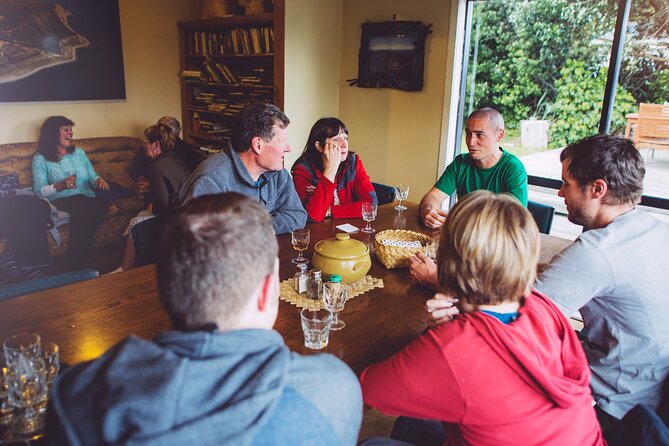
Your meeting point is 29 Marine Parade in Paraparaumu Beach. The tour starts at 8:45 am, and the return trip brings you back to the beach in front of the Kapiti Boating Club. Hotel pickup and drop-off are not included, so you need to arrange your own way to Paraparaumu.
The ferry is included in the price, along with the Department of Conservation permits. That is useful because the island has controlled access, and you do not need to sort out separate transport or entry arrangements. The tour has a maximum of 18 people, which keeps the group small enough for a guided nature experience without making it private.
Call 0800 527 484 between 7 and 7:15 am on the morning of departure. You are checking both your check-in time and whether the tour will operate. This is not busywork. The experience requires good weather, so conditions can affect the boat crossing and walking plans.
Bring your plans with some flexibility. If bad weather cancels the tour, you are offered another date or a full refund. You can also cancel for a full refund if you do so at least 24 hours before the scheduled start time.
Day one: lunch, orientation, and your first island walk
The first day gives you roughly five hours of planned activity, beginning with check-in and a packed lunch. Having lunch waiting is a small but welcome touch. You can get something to eat without first finding a shop or carrying a full day’s food from Wellington.
After arrival, you meet an experienced local guide for an introductory talk. This is where the island begins to make sense. Your guide explains the place, its protection, and its history, giving the walks more meaning than a simple route through the bush. The guide is described as passionate and local, which is important on a sanctuary tour where the story of the land is part of the experience.
The walking program is designed for several fitness levels. That does not mean the day is effortless. The physical fitness requirement is moderate, and the island’s bush tracks still call for sensible shoes and a steady pace. Since the exact walking route can vary, ask the guide which option best matches your energy and interests.
I would choose the walk based on what you want most. If birdwatching is your priority, a slower route gives you more time to listen and scan the trees. If you want a stronger workout, ask about the more demanding option. The value of the guide is not just pointing out birds. It is helping you use your limited time well.
The forest is the star. The island’s predator-free status allows native birdlife to be part of the ordinary experience rather than a rare bonus. You may see birds close to the track, or you may mainly hear them. Keep your attention on both. The soundscape is one of the details that makes this visit feel different from a standard bushwalk.
Your overnight choice: ensuite, cabin, or luxury tent
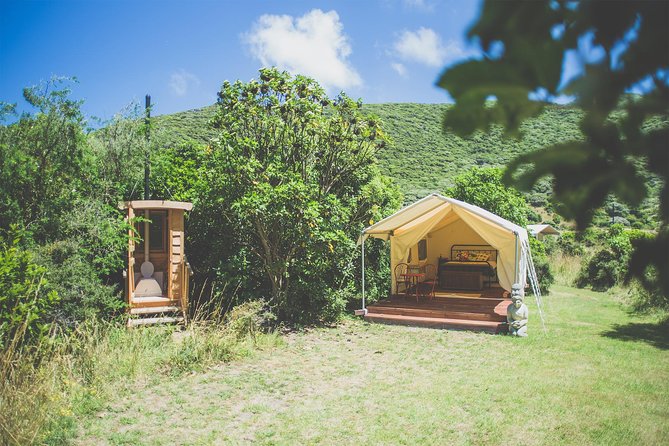
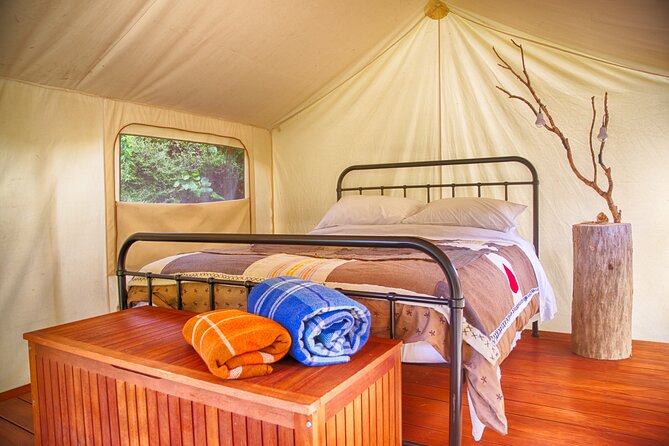
The tour offers three accommodation styles: ensuite, cabin, and luxury tent. Each option has its own rate, so check the exact price for your preferred setup before paying. The advertised $415.16 per person should be treated as a useful starting point, not a guarantee that every lodging category costs the same.
The ensuite is the obvious choice if private facilities matter to you. It should appeal to anyone who wants the island setting without giving up the easiest overnight routine. The cabin offers a simpler stay and may suit you if you care more about the sanctuary than hotel-style comforts.
The luxury tent is for people who like the idea of sleeping close to nature but still want a more distinctive stay than a basic cabin. I would compare these options carefully with the total price, not just the room label. The tour already includes dinner, breakfast, two lunches, permits, transport, the guide, and the night walk, so the lodging choice is only one part of the value.
Do not book this as if it were a conventional resort. The accommodation is a base for the island experience, not the reason to stay indoors. You will get more from the money if you plan to spend your time outside, especially around the evening walk and early morning sunrise.
Same corner of the country, a completely different day out:
- Half Day Tour of Wellington
★ 4.5 · 638 reviews - Wellington: Guided City Tour with Cable Car Ticket
★ 4.8 · 553 reviews - Wellington’s Original LOTR Experience – includes Weta and Lunch
★ 5.0 · 529 reviews - Kapiti Island Classic Guided Day Tour
★ 5.0 · 522 reviews
Dinner and a night walk for ruru, korora, and kiwi pukupuku
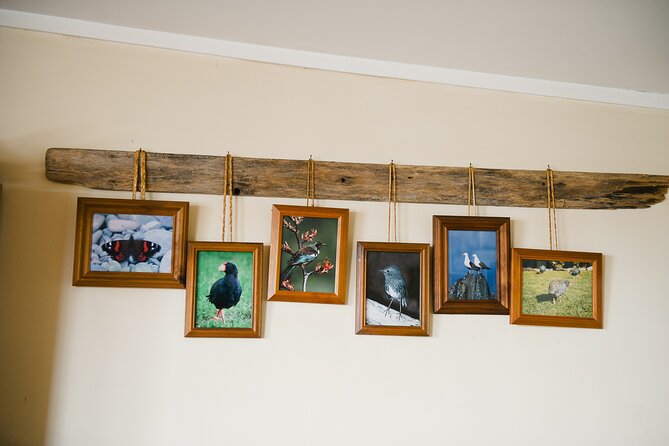
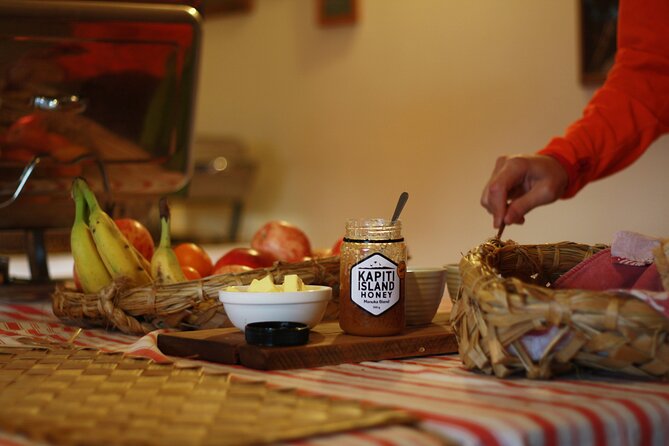
Dinner is included and described as chef-prepared. That makes sense here. Once you are on the island, you are not choosing between several restaurants, so included meals remove a major planning problem. You can finish the day’s walking and sit down to eat without worrying about carrying supplies or arranging another boat.
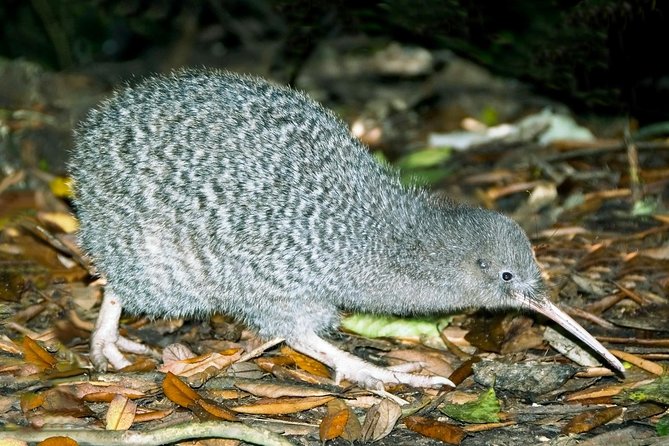
The most unusual part of the overnight package comes after dark. A guided night walk looks for ruru, korora, and kiwi pukupuku. Ruru is the morepork, while korora is the little penguin. Kiwi pukupuku is the North Island brown kiwi, a nocturnal bird that is difficult to see in ordinary daytime conditions.
The night walk is not a guaranteed wildlife viewing session. Nature does not follow a schedule, and the tour does not promise that you will see a kiwi. What you do get is the chance to search in the right setting with a guide who knows what to listen for and where to look. Keep expectations steady. A call, movement, or brief sighting can be as meaningful as a long look.
Your conduct matters on a walk like this. Follow the guide’s instructions, keep noise down, and avoid treating the forest like a stage. The value lies in the quiet search. A predator-free island gives native wildlife a better setting, but it does not turn wild birds into display animals.
This is also the part that justifies staying overnight rather than taking a day trip. Day visitors miss the island’s nocturnal rhythm. If the kiwi search is your main reason for booking, remember that it is an opportunity, not a promise.
Day two: sunrise at Waiorua Bay and more time outside
Day two begins with a hot breakfast and fresh coffee. You can watch the sunrise over Waiorua Bay as the island wakes up. That early start is one of the strongest reasons to stay overnight. You see the sanctuary at a quiet hour, before the day’s activity builds.
The sunrise is not a separate spectacle with a complicated schedule. It is simply a good moment to be in the right place. Have your camera ready if you want photos, but keep some attention on the sounds around you. The setting is valued for its calm and natural atmosphere, not just for a single view.
After breakfast, you have more time to explore Kapiti Island. The second day includes another period of activity lasting roughly five hours. Use it to take a different walk, revisit a favorite area, or spend more time watching for native birds. The extra hours are important because wildlife watching rewards patience. You are less likely to rush from one stop to the next.
The itinerary details for the second day are not fully specified, so do not expect a fixed list of named stops beyond the island and Waiorua Bay. Your guide will shape the experience around conditions, walking ability, and what is best to see. That flexibility is helpful, though anyone who prefers a tightly scripted tour may find it less predictable.
Eventually, you return by ferry to Paraparaumu Beach, ending at the Kapiti Boating Club. You are back on the mainland with the main logistics already handled, but you still need to arrange your own onward transport.
What the $415.16 price really covers
At $415.16 per person, this is a costly two-day outing. I would not compare it with the price of a basic day hike. You are paying for restricted island access, return ferry transport, conservation permits, two lunches, dinner, breakfast, an introductory talk, an overnight stay, and a guided night walk.
The accommodation category affects the final calculation. Since the ensuite, cabin, and luxury tent each have their own rate, the best value depends on your priorities. A simpler room may be enough if your main goal is birdlife and walking. The higher-priced option makes more sense if private facilities or a more comfortable night will determine whether you enjoy the trip.
Meals also add practical value. You do not need to pack dinner or breakfast, and the two included lunches reduce the amount of food you need to carry. The tour is not cheap, but the price covers the parts that are hardest to arrange independently: the ferry, permits, lodging, and nighttime access.
I would call it good value for a special-interest trip, not a bargain. If you are passionate about New Zealand birds, conservation, and quiet outdoor time, two days gives you a fuller experience than a short visit. If you mainly want a scenic boat ride and one easy walk, the overnight cost may be more than you need.
Who will enjoy this most
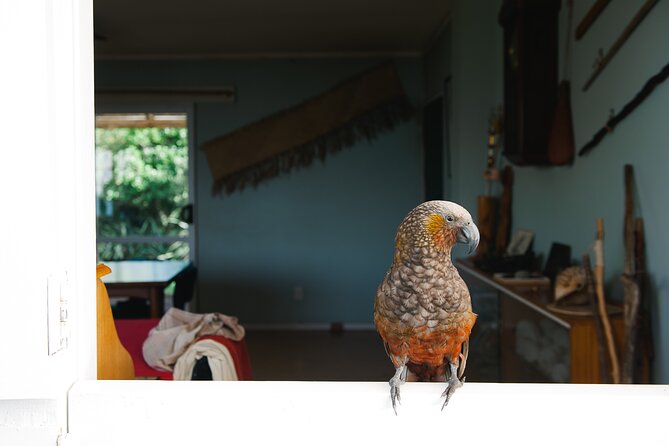
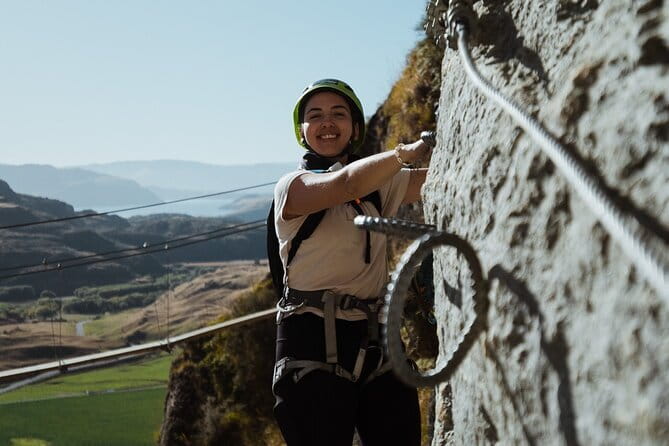
This experience suits you if you like nature with a purpose. You will get the most from it if you are happy to walk, listen, follow a guide, and accept that wild birds appear on their own terms.
It is a strong choice for birdwatchers, couples, solo visitors who enjoy guided outings, and anyone looking for a quieter side trip from Wellington. The maximum group size of 18 keeps the experience from becoming a large coach excursion.
You should also be comfortable with a moderate level of physical activity. The walking options cover different fitness levels, but this is not presented as a fully accessible or sedentary tour. If you have concerns about walking, ask the operator about the available routes before booking.
Families may like the wildlife focus, but the provided information does not specify a minimum age or child policy. Check that directly before you commit. The same goes for exact facilities in each accommodation type.
Small details that make the trip easier
Wear practical walking clothing and shoes, since bushwalks are central to both days. Pack for changing outdoor conditions, and keep your overnight bag manageable for ferry travel and walking.
Confirm the tour by phone on the morning of departure. The weather rule is important, and you do not want to reach Paraparaumu before learning that the boat will not run.
Book early if your dates are fixed. This experience is booked on average 78 days ahead, a useful sign that limited overnight capacity can matter. Confirmation arrives within 48 hours of booking, subject to availability.
The cancellation terms are forgiving if you act in time. Cancel at least 24 hours before the start for a full refund. Changes or cancellations inside that window are not accepted for a refund.
Should you book the Kapiti Island overnight tour?
Book it if you want the rare privilege of sleeping on a protected island and you care more about native wildlife than polished resort facilities. The guided night walk, sunrise over Waiorua Bay, included meals, and two full days give the trip real substance.
Think twice if $415.16 feels high for an outdoor stay, if you need a fixed schedule, or if moderate walking is a concern. Also compare the accommodation rates carefully, since your choice of ensuite, cabin, or luxury tent changes the value.
For the right visitor, this is one of the more memorable ways to experience the Kapiti Coast. You are not simply checking off a nearby island. You are giving yourself time to hear the forest after dark, look for a kiwi, and watch a protected place wake up.
FAQ
Where does the tour start?
The tour starts at 29 Marine Parade, Paraparaumu Beach 5542, New Zealand.
What time does the tour start?
The stated start time is 8:45 am.
Where do I return after the tour?
You return to Paraparaumu Beach, in front of the Kapiti Boating Club on Marine Parade.
Is ferry transport included?
Yes. Return ferry transportation from Paraparaumu Beach to Kapiti Island is included.
Are conservation permits included?
Yes. Department of Conservation permits and entry to Kapiti Island are included.
What meals are provided?
The package includes dinner, breakfast, and two lunches. A packed lunch is waiting at check-in on the first day, and day two begins with a hot breakfast and fresh coffee.
What accommodation choices are available?
You can choose an ensuite, cabin, or luxury tent. Each accommodation option has its own rate.
Is there a guided night walk?
Yes. The guided night walk looks for ruru, korora, and kiwi pukupuku.
What happens if the weather cancels the tour?
If poor weather causes a cancellation, you are offered a different date or a full refund. You should also call between 7 and 7:15 am on the day to confirm that the tour is going ahead.
Just added around Wellington
- Te Awa Kairangi Grade 2 Scenic Rafting Tour★ 4.8 · 10 reviews
- Te Awa Kairangi Grade 2 Scenic Duckie Tour★ 4.7 · 9 reviews
- Remutaka Rail Trail eBike Shore Excursion for Cruise Ships★ 5.0 · 9 reviews
- Private Lord of the Rings Tour Wellington with Lunch★ 5.0 · 3 reviews
- Martinborough Winery and South Wairarapa Wild Coast Tour★ 4.8 · 21 reviews
- Chefs Private Martinborough wine tour with Gourmet Lunch★ 5.0 · 3 reviews
- Kapiti Island: Classic Guided Day Tour★ 4.8 · 5 reviews
- From Wellington: Kapiti Island Classic Guided Day Tour★ 5.0 · 4 reviews
Wellington Tours, compared.

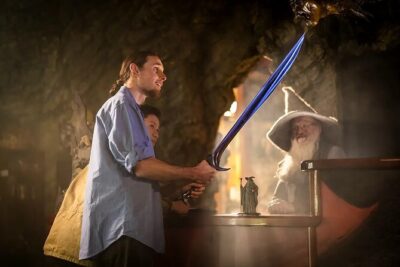
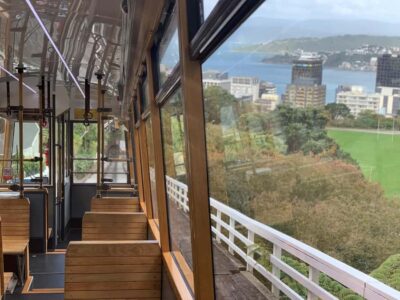



Wellington’s Original LOTR Experience – includes Weta and Lunch
Read our review →
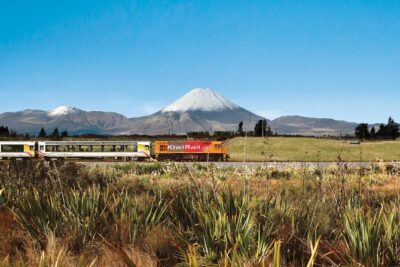
Northern Explorer Train Journey from Wellington to Auckland
Read our review →Browse the lists this tour appears in