
Reviewed · FRANZ JOSEF GLACIER TOURS
Okarito Nature Tour
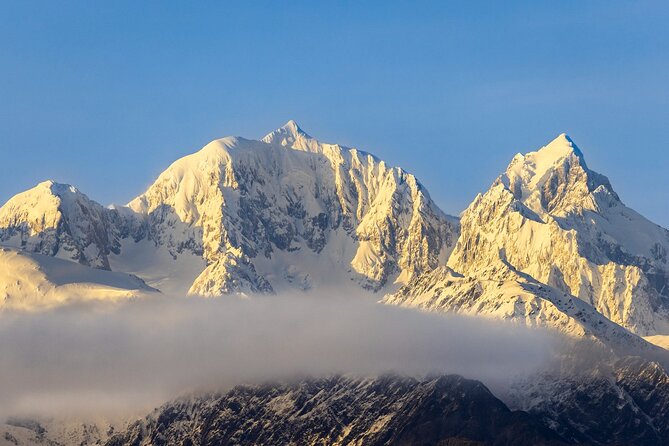
Okarito gives you a very different West Coast experience from the glacier walks. This tiny former gold-mining village has about 35 permanent residents, a lagoon, a wild beach, old buildings, and bird habitat that includes the rare kotuku, or white heron. The half-day trip also leads you through native bush to Okarito Trig, where the views stretch from the Tasman Sea to Mount Cook and Mount Tasman.
I like the small group of no more than 10 people, which makes it easier to hear your guide and stop for birds or plants. I also like the practical approach: hotel pick-up in Franz Josef Village, hot tea or coffee, walking poles, umbrellas, and wet-weather clothing if you arrange sizes ahead of time.
The main consideration is the walk itself. You need moderate fitness for roughly two hours on foot, and the tour runs in all weather. There is no lunch or drinking water included, so bring both, along with shoes and clothing suited to a wet West Coast day.
Key points to know before you go
- Okarito has only about 35 permanent residents, giving the visit a quiet, local feel far removed from Franz Josef’s main visitor area.
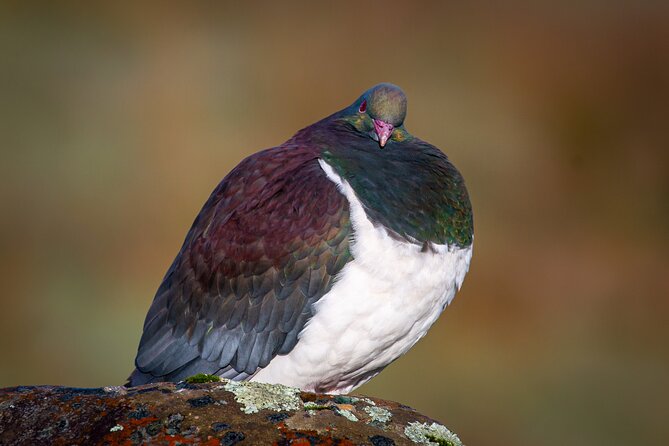
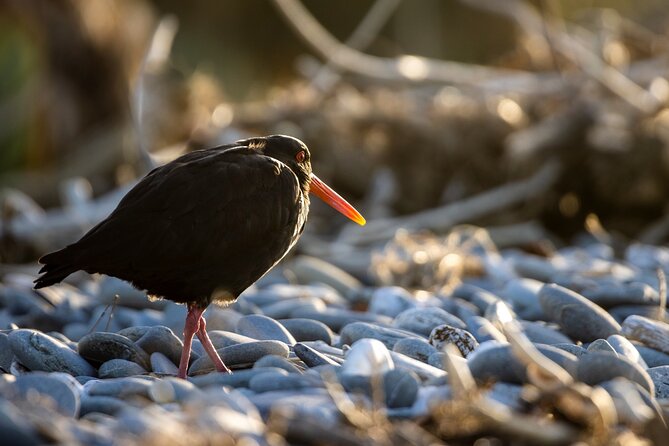
- Birdwatching is a central part of the outing, with possible sightings of kotuku, royal spoonbills, Rowi kiwi habitat, godwits, banded dotterels, and fernbirds.
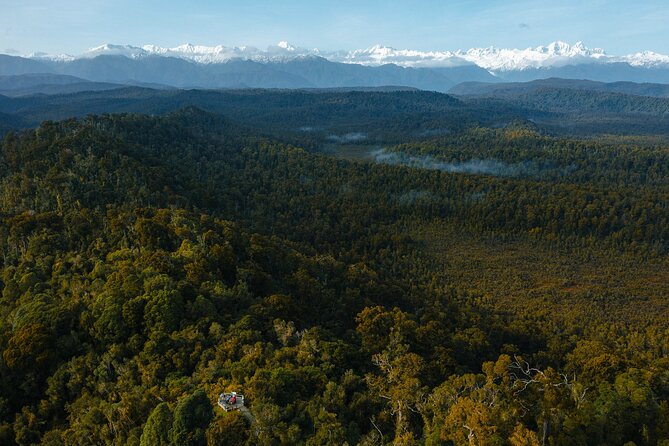
- The Okarito Trig walk takes about two hours, passing through native bush with orchids, mushrooms, and plants shaped by glacial forces.
- The summit view is unusually broad, taking in Okarito Lagoon, the coast, Westland Tai Poutini National Park, Mount Cook, Mount Tasman, and Franz Josef Glacier.
- Guides including Petra, Cliff, and Louis bring different strengths, from bird identification and plant knowledge to local history and the story of the area.
- Rain is part of the experience, not a reason the tour stops. Wet-weather gear is available, but you still need to dress sensibly and carry water.
Why Okarito makes a smart change from glacier country
Franz Josef and Fox Glacier draw most of the attention, quite rightly. But if your whole West Coast stay is built around ice and mountain viewpoints, you miss the coast, wetlands, birds, and early settlement stories that make this part of New Zealand special.
Okarito sits on the shore of Okarito Lagoon, with the Tasman Sea nearby and the Southern Alps rising behind it. The setting lets you connect several parts of the region in one outing: coastal weather, native bush, wetland birdlife, and mountains shaped by glaciers.
I see this as a good choice for anyone who wants a slower half-day. You are not being rushed from one photo stop to the next. The pace allows time to look at a bird, hear how a plant survives in the damp bush, or pause by the historic wharf.
The price is $68.26 per person. For that cost, you get transport from Franz Josef Village, a guide, several hours of interpretation, and equipment help in poor weather. It is good value if you would otherwise need to arrange a car and plan the Okarito visit yourself. It is less compelling if you only want a quick scenic stop, since the walking portion takes real time and effort.
The outing is often booked around 50 days ahead, so I would not leave it until the last moment during a busy season. That advance booking pattern also makes sense for a small operation with a maximum of 10 people.
A few more Franz Josef and Fox Glacier half-days to weigh up
- Franz Josef Glacier Heli-Hike
★ 4.5 · 618 reviews - Heli Hike Fox Glacier
★ 5.0 · 563 reviews - Small-Group Kayak Adventure from Franz Josef Glacier
★ 5.0 · 393 reviews
The drive from Franz Josef to Okarito
The tour starts at 10:30 a.m. and includes convenient pick-up in Franz Josef Village. The drive is part of the appeal, since the route moves away from the resort activity and toward a quieter stretch of the West Coast.
You should expect photo opportunities along the way, although the exact stops can depend on the day’s conditions. The changing views help explain why Okarito feels separate from the glacier towns. You are heading toward open coast, wetland country, and a settlement with a much smaller population.
A small vehicle matters here. With no more than 10 people, the ride should feel more personal than a large coach trip, and you have a better chance of asking questions as you go. Your guide can also adjust the emphasis to the group, spending more time on birds, plants, local stories, or the scenery.
The tour ends back at the meeting point. Confirm the pick-up details when you book, especially if you are staying outside Franz Josef Village, since the included transport information specifically refers to the village.
Okarito village, wharf, lagoon, and beach
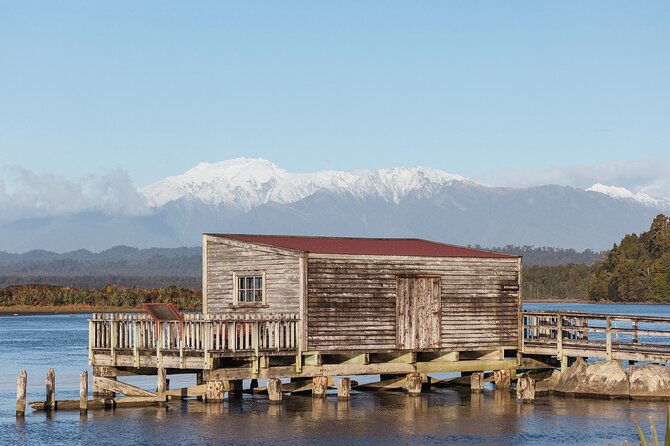
The first main stop lasts about an hour. Okarito began as a gold-mining settlement, and the village still carries traces of that earlier period. Your visit normally includes the historic wharf shed, the lagoon, and Okarito Beach.
The local museum adds useful context. It helps turn a scenic stop into a place with a story, explaining how people lived and worked here before the area became a nature destination. If you enjoy old buildings and small local collections, allow yourself time to look closely rather than treating the museum as a quick box to tick.
The lagoon is the other major draw. It provides habitat for around 75 sea and land bird species, including eastern bar-tailed godwits, royal spoonbills, banded dotterels, fernbirds, and the famous kotuku. The Rowi kiwi is also associated with the wider area, though you should not expect to see a kiwi during this daytime walk.
Bird sightings are never guaranteed, and weather can affect what is active. Still, the range of habitats gives you more than one chance to notice wildlife. Look and listen near the water, beach, and bush rather than expecting every bird to appear in one obvious spot.
The small population is part of Okarito’s appeal. With about 35 permanent residents, the village feels calm and lightly developed. That quietness is valuable, but it also means you should not expect a busy café scene or a choice of lunch stops. Bring food with you.
Following the bush track to Okarito Trig
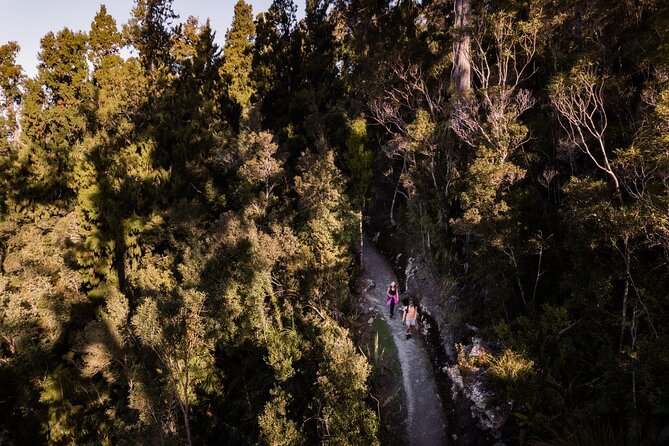
The second section is a guided walk of about two hours. It leads through native West Coast bush to the Okarito Trig viewpoint. This is the part that requires moderate physical fitness, and you should allow for damp ground and changeable weather.
Your guide points out native flora and fauna along the track. The details can include mushrooms, orchids, and plants adapted to a wet environment. You also learn how glaciers have shaped the ground and scenery over time, which gives the mountain views more meaning when you reach the top.
The route is not just a climb to a lookout. The natural interpretation is a major reason to choose this tour instead of walking alone. Guides such as Louis, Petra, and Cliff have led groups with different interests, from careful birdwatching to plant identification and Okarito’s history.
Petra has been especially good at drawing attention to forest and beach birds, while Cliff has combined the walk with local stories and the area’s past. Louis has focused on flora, fauna, and identifying a wide range of forest birds. The guide assigned to your trip may differ, but the tour clearly depends on personal interpretation rather than a printed route description.
Give yourself time for photographs, but keep your eyes open between viewpoints. Birds can appear quickly and disappear just as fast. You might get a clear sighting, or you might end up with a collection of blurred pictures. That is normal birdwatching, not a fault with the walk.
Same corner of the country, a completely different day out:
- Pilot’s Choice: 2 Glaciers & Snow Landing – 35min
★ 5.0 · 336 reviews - Off Road Quad Bike Adventure Tour in Franz Josef
★ 5.0 · 285 reviews - Franz Josef Glacier Helicopter Flight with Landing
★ 5.0 · 215 reviews - Franz Josef Glacier 25-Minute Helicopter Flight with Snow Landing
★ 5.0 · 197 reviews
The 360 degree view from the top
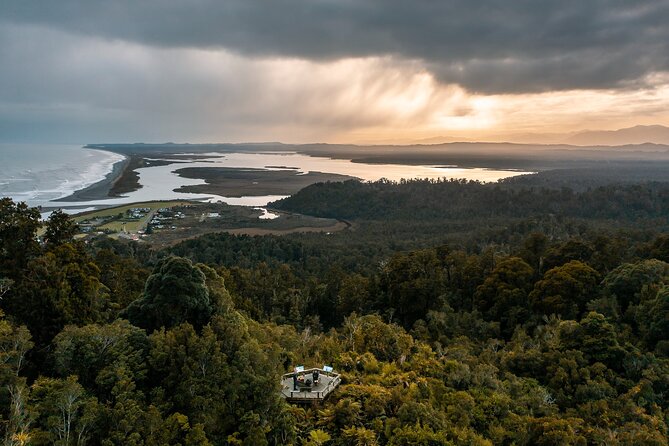
At Okarito Trig, the reward is a wide view in several directions. You can see Okarito village, Okarito Lagoon, 3 Mile Lagoon, the beach, and the coastline. Beyond them lie Westland Tai Poutini National Park and the high Southern Alps.
On a clear day, the view includes Mount Cook and Mount Tasman, New Zealand’s highest mountains, along with Franz Josef Glacier. The Tasman Sea fills the other side of the scene. Few short walks in the Franz Josef area give you such a broad combination of coast, wetland, bush, and high peaks.
Weather can transform this viewpoint. On a dry, clear day, the mountains may dominate. In cloud or rain, the coast and bush take on a more subdued mood, and distant peaks may vanish. You should book this as a good outdoor experience, not as a guaranteed mountain photograph.
That said, persistent rain does not automatically spoil the day. Wet-weather clothing, umbrellas, and walking poles can be supplied, and the tour operates in all weather. Call ahead with clothing sizes if you need rain gear, and reserve walking boots early because supplies are limited.
Birdwatching without unrealistic promises
This is one of the better short outings in the area for someone who enjoys birds, but you need the right expectations. The habitat is the attraction. The guide helps you notice what is there, but no guide can control tides, rain, wind, or bird behavior.
The kotuku is the most famous possibility. This white heron is uncommon, and seeing one would be a highlight, but you should treat it as a lucky sighting rather than the purpose of a guaranteed wildlife encounter. Royal spoonbills and coastal birds offer other opportunities.
The tour can also suit you if you are more interested in plants than birds. Native orchids and mushrooms add small details to the walk, while the guide explains how the area has changed under glacial forces and coastal weather.
There have even been sightings of dolphins from the Okarito area. That is an added possibility, not something to plan around. Bring binoculars or a camera if you have them, but keep your hands free enough to walk safely.
Rain, fitness, and what to pack
The West Coast earns its wet reputation. This tour operates in all weather, so dress for rain even if the morning looks promising in Franz Josef. Layers, a warm top, and sturdy footwear will make the walk more comfortable.
The operator can provide wet-weather clothing, umbrellas, and walking poles. You need to call to request clothing sizes, and walking boots are available only in limited supply. Do not assume the right boot size will be waiting unless you arrange it in advance.
Lunch and water are not included. Pack enough drinking water for the walk and bring a picnic lunch if you are using the outing as your main daytime activity. A hot coffee or tea is included, which is welcome after time outdoors, but it is not a substitute for water.
Moderate fitness is required. The walk lasts around two hours and includes a climb to the trig point. If you are comfortable with a sustained bush walk and changing weather, it should be manageable. If you have limited mobility or dislike uneven outdoor tracks, ask for more detail before booking.
Who will get the most from this half-day tour
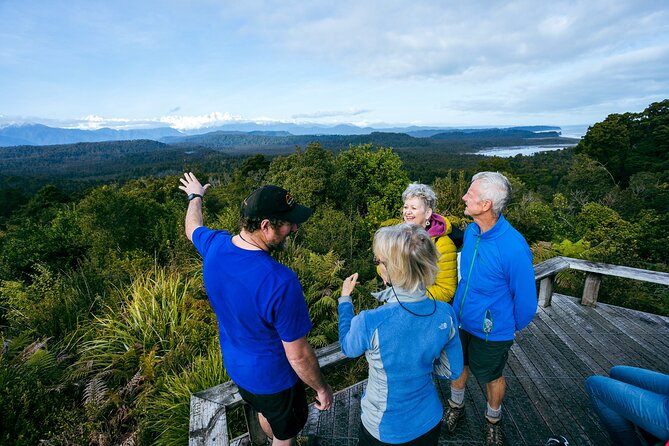
I would choose this outing if you have already seen the main glacier sights and want to understand the wider region. It is also a strong option if you like birdwatching, local history, photography, native plants, or quiet walks.
You will get the most from it if you listen closely to the guide. The village, lagoon, and lookout are attractive on their own, but the explanations connect them. You learn why the birds use the area, how the glaciers affected the terrain, and why this small settlement developed where it did.
Families with older children may enjoy it if everyone can manage the walk and wet conditions. The small group keeps the outing easier to follow, but there is no indication of a special children’s format, so judge your group’s fitness and patience honestly.
I would be more cautious if your schedule is tight or you want a guaranteed clear view of Mount Cook. The trip takes three to four hours, the walk is weather dependent, and mountain visibility can change quickly.
Free cancellation is available if you cancel at least 24 hours before the start time. Changes or cancellations inside that window are not refunded, and the tour requires a minimum number of people to operate.
Should you book Okarito Nature Tour?
Book it if you want the part of West Coast New Zealand that a glacier stop cannot show you. The combination of a tiny historic village, lagoon birds, native bush, and a coast-to-mountain lookout gives you a fuller sense of the region.
The $68.26 price is fair for small-group transport, guiding, hot drinks, and useful wet-weather equipment. I would book well ahead, bring lunch and water, and request boots or clothing sizes before arrival.
Skip it if you want a short, effortless viewpoint visit or if a two-hour walk in possible rain is not appealing. For everyone else, especially bird and nature lovers, Okarito is a worthwhile half-day beyond Franz Josef’s headline attractions.
FAQ
Where does the Okarito Nature Tour take place?
The tour visits Okarito on New Zealand’s West Coast, starting from the Franz Josef and Fox Glacier area. The included hotel pick-up information specifically refers to Franz Josef Village.
What time does the tour start?
The stated start time is 10:30 a.m.
How long does the experience last?
The full experience takes approximately three to four hours. About one hour is spent around Okarito village, followed by about two hours on the guided walk to Okarito Trig.
How many people can join the tour?
The maximum group size is 10 people.
Is transport from Franz Josef included?
Yes. Small-group transport includes convenient hotel pick-up in Franz Josef Village. The activity ends back at the meeting point.
What birds might I see?
Possible birds include the kotuku, royal spoonbill, eastern bar-tailed godwit, Rowi kiwi in the wider area, banded dotterel, and fernbird. Bird sightings are not guaranteed.
Do I need to bring lunch and water?
Yes. Lunch and water are not included, so you should bring both.
What equipment is available?
Coffee or tea, walking poles, umbrellas, wet-weather clothing, and walking boots are available. Call ahead to arrange clothing sizes, and reserve boots because supplies are limited.
Can I cancel for a full refund?
You can cancel at least 24 hours before the experience start time for a full refund. Cancellations or changes made less than 24 hours before the start time are not accepted for a refund.
Just added around Franz Josef and Fox Glacier
- Ultimate Discovery: 3 Glaciers & Snow Landing – 45min★ 5.0 · 112 reviews
- Fox Glacier: Twin Glacier Helicopter Flight with Snow Landing★ 4.5 · 33 reviews
- Twin Glacier Fox and Franz, Snow Landing (allow 30 mins – departing Fox Glacier)★ 4.5 · 10 reviews
- Tandem Skydive 10,000ft from Franz Josef★ 5.0 · 4 reviews
- Tandem Skydive 18,000ft from Franz Josef★ 4.5 · 29 reviews
- Tandem Skydive 16,500ft from Franz Josef★ 5.0 · 19 reviews
- Fox Glacier & Mount Cook 35-Minute Helicopter Flight★ 4.5 · 8 reviews
- 2-Hour Scenic Cruise in Lake Mapourika★ 5.0 · 105 reviews
Franz Josef Glacier Tours, compared.
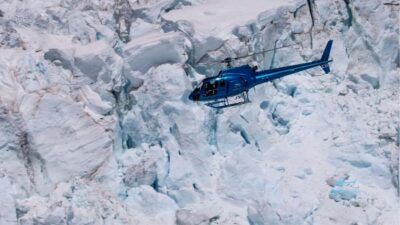
Franz Josef Glacier: Helicopter Flight & Alpine Landing
Read our review →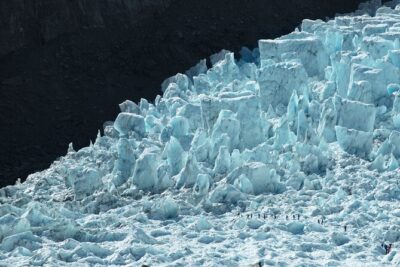
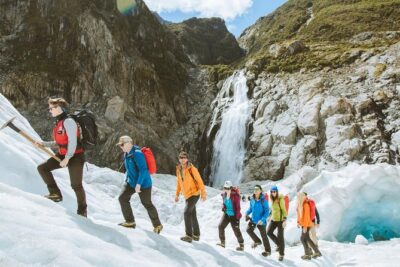
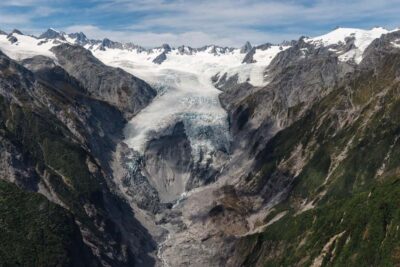
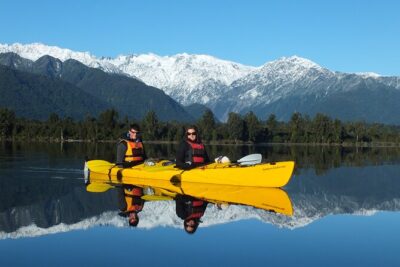
Small-Group Kayak Adventure from Franz Josef Glacier
Read our review →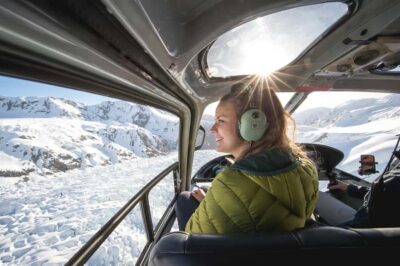
Franz Josef & Fox Glaciers Helicopter Flight & Snow Landing
Read our review →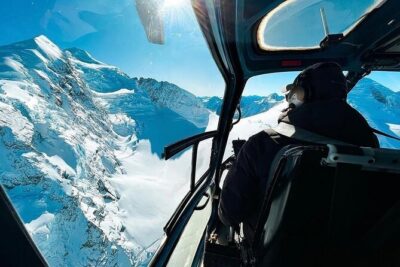
Pilot’s Choice: 2 Glaciers & Snow Landing – 35min
Read our review →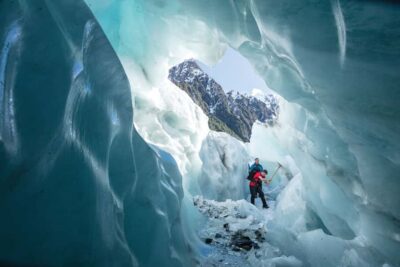
2.5 Hour Glacier Hike with Helicopter Transfer
Read our review →Browse the lists this tour appears in