Reviewed · WORKSHOPS
Mount Maunganui: Group Beginner Surf Lesson
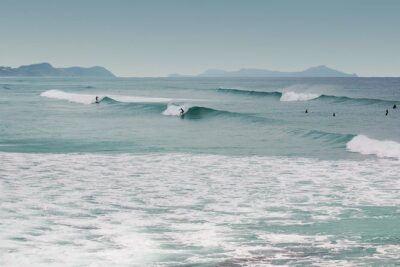
Mount Maunganui’s long sandy beach gives beginners a friendly place to learn the basics of surfing, with a professional coach nearby when your balance goes sideways. The 90-minute lesson starts on shore, then moves into the water for repeated attempts at catching a wave.
I like the small coach-to-student ratios, which mean you are not left guessing after every wipeout. I also like that the surfboard and wetsuit are included, so the $47 price covers the main equipment you need.
The main consideration is the ocean itself. Conditions can change, and the lesson may be rescheduled or canceled in poor weather. You also need to be comfortable in the water, and this is not a lesson for non-swimmers.
Key points at a glance
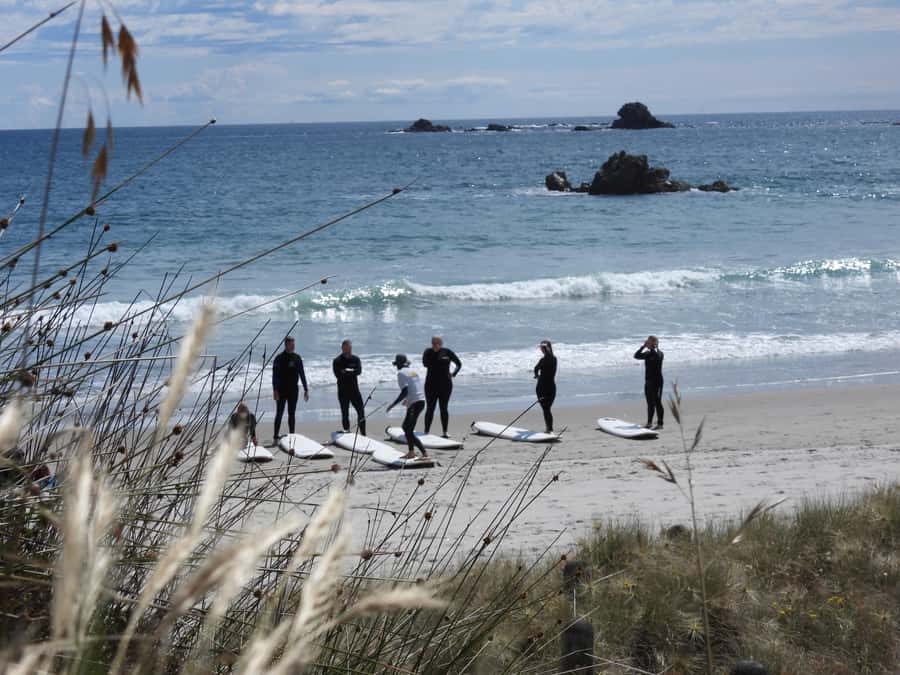
- A real first-wave lesson: Learn safety, etiquette, paddling, and the stand-up technique before heading into the surf.
- Equipment included: A surfboard and wetsuit are supplied at no extra charge.
- Patient instructors: Bailey and Dean are praised for calm, encouraging help, including support for people who had never been in the ocean before.
- Beginner-friendly beach: Mount Maunganui Beach offers relatively shallow water in the lesson area, though you still need to be comfortable in the sea.
- Compact 90-minute format: Long enough to cover the basics and make several attempts without taking up your whole day.
- Flexible booking: You can cancel up to 24 hours ahead for a full refund or reserve now and pay later.
Starting opposite 27 Marine Parade
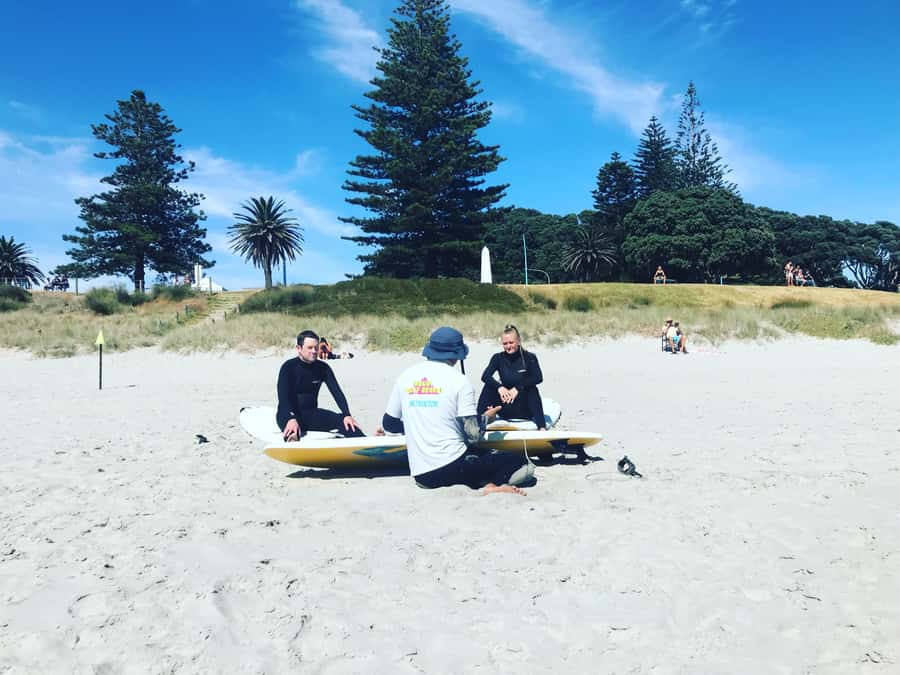
Your meeting point is the Mount Surf School headquarters, opposite 27 Marine Parade. Look for the school tent rather than a large indoor reception area. You should arrive 15 minutes before the scheduled start, giving yourself time to check in, get changed, and be fitted with a wetsuit.
Bring swimwear and a towel. Food, drinks, and transport are not included, so plan your route to the beach and sort out anything you want to eat or drink before or after the lesson.
This simple meeting setup matters. Surf lessons are more enjoyable when you are not rushing to find the instructor or pulling on a wetsuit after the lesson has already begun. Arriving early also leaves room for questions, which is useful if you are new to surf equipment.
The instruction is in English. If you need another language, this particular lesson does not advertise one.
A few more Tauranga half-days to weigh up
- White Water Rafting – Kaituna Cascades, The Originals
★ 5.0 · 1,274 reviews - Tauranga Shore Excursion: Rotorua Highlights
★ 4.5 · 427 reviews - Tauranga: Evening Glowworm Kayak Tour
★ 5.0 · 311 reviews
Getting comfortable with the board and the water
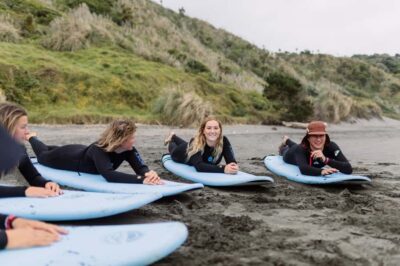
The lesson begins with a safety briefing. This is not filler. A first surf lesson can feel like a lot at once: board, waves, other people, paddling, and the need to stand quickly. A clear safety talk helps you understand what to do before you are wet and trying to remember everything at once.
You will learn basic surf etiquette, including how to behave around other people in the water. You will also get an introduction to the board and the correct way to paddle.
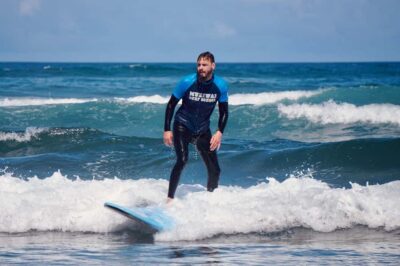
The coach then explains the stand-up movement. For most beginners, this is the key moment of the lesson. Standing is not simply a matter of jumping up. Your hand position, timing, balance, and foot placement all affect what happens next. The instructor breaks this into manageable steps rather than expecting you to work it out from watching other surfers.
I particularly like that this lesson is designed for total beginners, not just people who have already spent time in the ocean. One participant had never been in the sea before and was still able to work toward catching a first wave with steady help from Dean.
Moving into the Mount Maunganui surf
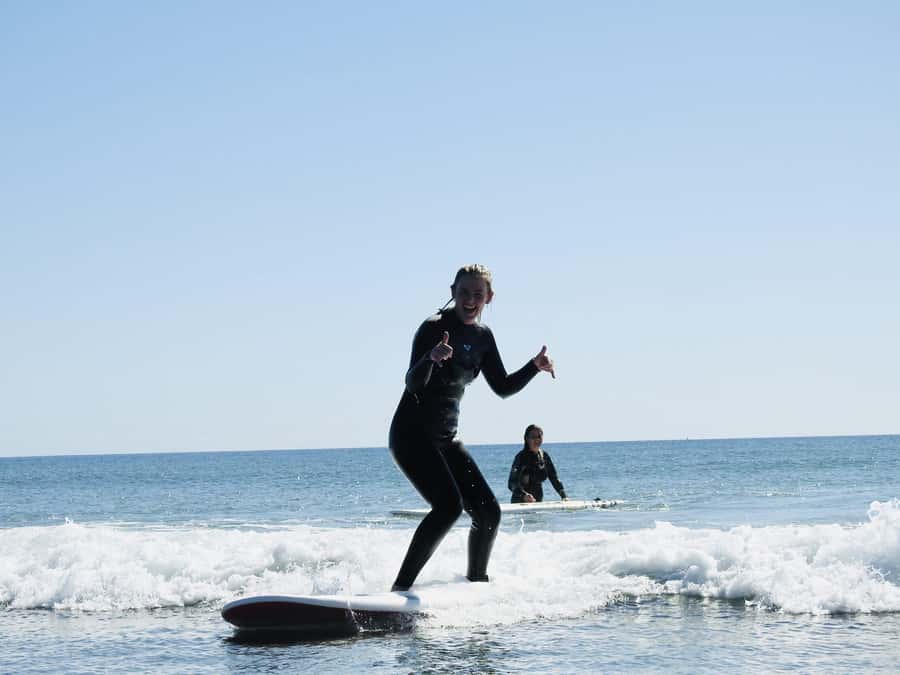
Once you have your wetsuit and board, the group heads into the water at Mount Maunganui Beach. The supplied information describes the waves as well suited to learning, and one beginner found the water relatively shallow and never felt in danger during the lesson.
That should reassure nervous first-timers, but it is not a promise that the ocean will feel effortless. You still need to be comfortable in the water, and the activity is not suitable for non-swimmers. Waves, wind, and water depth can vary, which is why weather conditions may lead to a changed or canceled lesson.
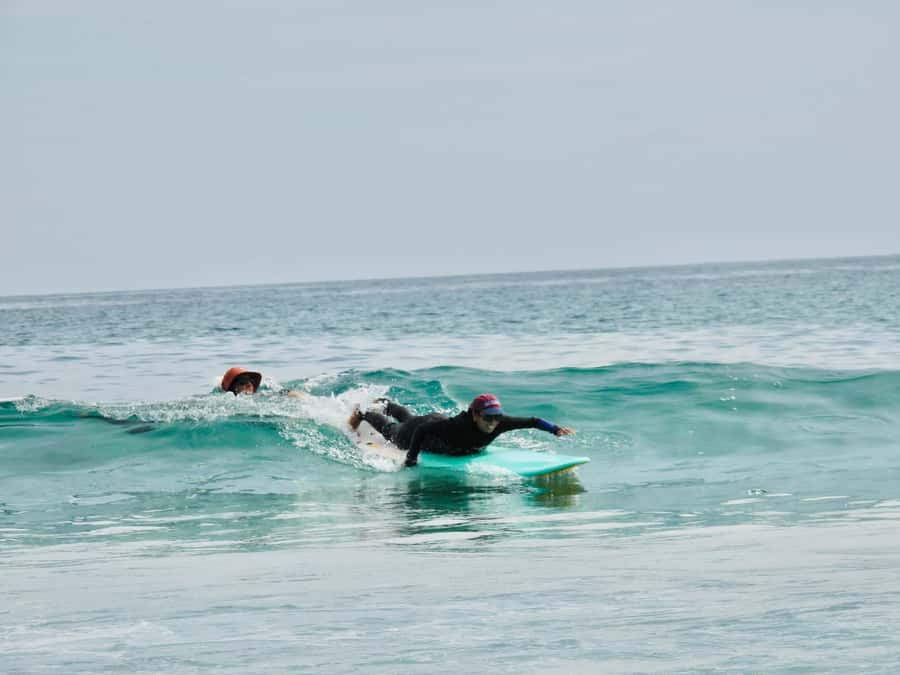
In the water, the coach helps you put the shore briefing into practice. You will paddle, position the board, and try to catch small waves. The aim is not to turn you into an expert surfer in 90 minutes. The useful goal is more modest: understand the basic movements, get a feel for the board, and perhaps stand on a wave for the first time.
That first successful ride can be brief. It may last only a few seconds. Still, the sensation of the board moving under you is enough to make the lesson memorable, especially when the coach has helped you understand why it worked.
Why the small groups matter
Small group teaching is one of the strongest reasons to choose this lesson. Surfing is a physical skill, so general instructions only go so far. You need someone to notice whether you are paddling too late, standing too quickly, or placing your feet in the wrong spot.
The school advertises small coach-to-student ratios, and the experience is built around personal tips rather than a long lecture followed by free time. That gives you more chances to receive useful corrections during the water session.
The instructors also seem to focus on keeping the mood relaxed. Bailey helped one beginner through the full process of catching first waves while offering pointers along the way. Dean gave another nervous first-timer calm assistance and made sure the participant understood what to do.
That is important because beginners often worry about looking foolish. You will fall off. You may paddle in the wrong direction. You may stand up too early, or not stand at all. A non-judgemental setting turns those mistakes into part of the lesson instead of a reason to give up.
The balance is that a group lesson cannot offer the same level of individual attention as a private booking. Even with a small group, the instructor must divide time among several people. If you want constant one-to-one coaching, ask about private lessons separately. This 90-minute session is better suited to shared learning and a friendly first attempt.
Same corner of the country, a completely different day out:
- 6.5 hour Small-Group Rotorua Naturally Shore Excursion – Tauranga
★ 4.5 · 283 reviews - Hobbiton Movie Set Shore Excursion from Tauranga (6 Hours)
★ 5.0 · 267 reviews - Hobbiton Transport & Tauranga Highlights Excursion from Tauranga
★ 5.0 · 219 reviews - Tauranga: Evening Glowworm Kayak Tour
★ 4.8 · 206 reviews
The free wetsuit and board improve the value
At $47 per person, the price is reasonable for a first surf experience because the main equipment is included. You receive professional instruction, a surfboard, and a wetsuit without a separate rental charge.
That makes the cost easier to judge. You are not paying $47 and then discovering that a board and wetsuit add a large extra fee. You only need to bring swimwear and a towel, although you remain responsible for getting to the meeting point and arranging your own food and drinks.
The wetsuit is useful beyond simple convenience. Beginner lessons involve plenty of time in the water, and staying comfortable helps you focus on the coach instead of the cold. The board also saves you from trying to choose suitable equipment before you know what you need.
There are limits to the value. The session lasts 90 minutes, not a full day, and transport is not included. If Mount Maunganui is not already part of your plans, you need to make your own way to the beach. For someone who wants a short, focused introduction, the price works well. For someone seeking extended practice, it may be only the first step.
What the full 90 minutes feels like
The timing is compact but sensible. The first part is spent learning safety, etiquette, equipment, paddling, and the stand-up movement. The rest is used to practice in the water while the instructor gives individual advice.
You should expect physical effort. Paddling, pushing up, balancing, and repeatedly walking back into the water can be tiring. The lesson includes plenty of splashes and falls, so wear swimwear that stays secure and be ready to get wet from the moment the practical session begins.
The atmosphere is intended to be fun rather than stern. High-fives and laughter fit the experience, but the safety briefing remains an important part of it. You are not simply handed a board and sent toward the waves.
Because the class is for beginners, you do not need previous surfing experience. Someone who has only tried a board once or twice can also join. The clearest requirement is water confidence. If you are uneasy in the sea or cannot swim, choose a different activity.
Who will get the most from this lesson
This class suits adults and children aged 10 and over who are comfortable in the water and want a first taste of surfing. It is a good fit if you prefer trying a new skill with an instructor rather than renting equipment and attempting to teach yourself.
It also suits nervous beginners. The experience with Dean shows the value of a calm coach for someone with no previous ocean experience. You do not need to arrive feeling fearless, but you should be able to manage being in the water.
The lesson is a practical choice for:
- First-time surfers who want a guided start
- People who have tried surfing once and want better technique
- Families with eligible children who meet the water-confidence requirement
- Visitors looking for a 90-minute activity at Mount Maunganui Beach
- Anyone who wants board and wetsuit hire included in the price
It is not suitable for pregnant women, people with back problems, recent surgery, or anyone under 10. The supplied restrictions also exclude babies and people over 95. The broad point is simple: this is a physical ocean activity, not a passive beach attraction.
Weather, safety, and the practical tradeoffs
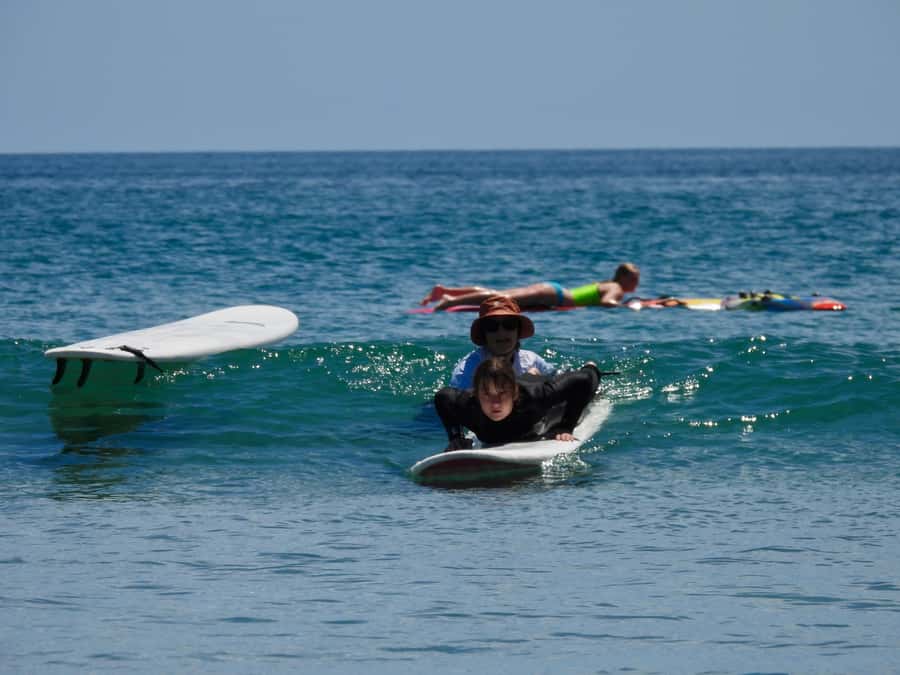
Surf lessons depend on the conditions. Poor weather can lead to a rescheduled or canceled session, so do not build a tightly packed schedule around it if missing the lesson would cause trouble. The free cancellation policy allows you to cancel up to 24 hours in advance for a full refund, and the reserve-now, pay-later option gives you some planning flexibility.
The activity does not permit pets, smoking, alcohol, or drugs. Those rules are sensible around surf equipment and open water, and you should arrive ready to take part rather than treat the lesson as a casual beach hangout.
A safety briefing is provided, but you still have a role in staying within your ability. Tell the instructor if you are nervous or unsure. The most useful coaching can then be adjusted to your comfort level.
The shallow water described by one beginner may make the first session feel less intimidating, but do not read that as a guarantee that every condition will be the same. The instructor remains the best source of advice on the day.
How this compares with learning on your own
You could rent a board and copy other surfers, but that approach has obvious drawbacks. You may choose equipment that is hard to control, miss basic safety rules, or repeat the same mistake for an hour without knowing why you keep falling.
Here, you get the stand-up technique explained before you try it. You also have Bailey, Dean, or another Mount Surf School instructor watching your attempts and giving pointers. That support has real value for a first lesson.
The group format keeps the price below what a private class usually costs, while still offering personal help. The compromise is that you share the coach’s attention and cannot set the entire pace yourself.
I would choose this lesson over self-teaching if surfing is new to you. The short session gives you a safer starting point and helps you decide if you want to continue with more practice.
Booking advice for a smooth first lesson
Choose a time that leaves room before and after the 90-minute session. You need to arrive 15 minutes early, and changing into and out of a wetsuit takes more time than many first-timers expect.
Wear swimwear under the wetsuit and bring a towel. Since food and drinks are not included, carry or arrange those separately. Transportation is also your responsibility, so check how you will reach the tent opposite 27 Marine Parade.
Keep an eye on the forecast, but remember that the final decision depends on the conditions judged suitable for the lesson. If your schedule is flexible, the option to reserve now and pay later is useful.
Most of all, arrive ready to listen. The first wave is exciting, but the safety briefing and basic technique are what make that attempt worthwhile.
Should you book the Mount Maunganui surf lesson?
Book it if you want an affordable, guided introduction to surfing and you are comfortable in the water. The included board and wetsuit, professional instruction, and 90-minute format make it a practical choice for first-timers.
I would especially recommend it to someone who feels nervous about the ocean but still wants to try. The patient help offered by Bailey and Dean suggests that the teaching style is supportive rather than intimidating.
Skip it if you are a non-swimmer, have one of the listed medical restrictions, or need a guaranteed activity regardless of weather. Also think twice if you want private, uninterrupted coaching.
For most eligible beginners, this is a sensible way to test surfing at Mount Maunganui Beach without buying equipment or committing to a full day. You may leave with little more than a few seconds standing on a board, but those few seconds can be the start of a new favorite activity.
FAQ
How long does the Mount Maunganui surf lesson last?
The group beginner surf lesson lasts 90 minutes.
How much does the lesson cost?
The price is $47 per person.
Where is the meeting point?
Meet at the Mount Surf School headquarters opposite 27 Marine Parade. Look for the school tent.
What equipment is included?
A surfboard and wetsuit are included, along with professional instruction.
What should I bring?
Bring swimwear and a towel.
Do I need previous surfing experience?
No. The lesson is designed for total beginners and people who have only tried surfing a little.
Do I need to be able to swim?
You need to be comfortable in the water. Non-swimmers are not suitable for this activity.
What language is the lesson taught in?
The instructor teaches in English.
Can I cancel the booking?
Yes. You can cancel up to 24 hours before the lesson for a full refund. You can also reserve now and pay later.
Just added around Tauranga
- Tauranga: Waimarino Adventure Park Supreme Pass Entry Ticket★ 3.8 · 6 reviews
- Tauranga: Rotorua Redwoods Tour & Maori Village Experience★ 4.9 · 8 reviews
- Tauranga: Kiwifruit Destination and Sights Shore Excursion★ 4.8 · 69 reviews
- Tauranga: Mount Maunganui Harbour Sightseeing Cruise★ 4.2 · 89 reviews
- Tauranga City & Scenic Sightseeing 2-hour Local Tour★ 4.3 · 47 reviews
- Rotorua: Te Puia Maori Village and Rejuvenation Tour★ 4.9 · 5 reviews
- Mount Maunganui: Hot Ocean Water Pools Entry Ticket★ 4.5 · 13 reviews
- Katikati: Guided Avocado Adventures with Tasty Treats★ 5.0 · 3 reviews