
Reviewed · GREYMOUTH TOURS
Hokitika: The National Kiwi Centre Tickets
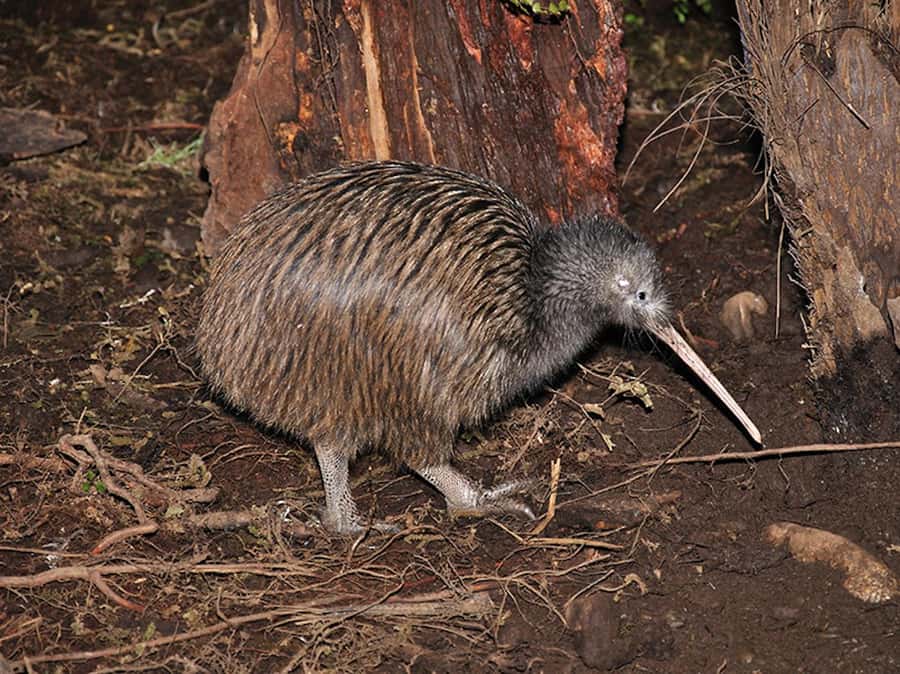
The National Kiwi Centre gives you a rare close look at New Zealand’s kiwi, a shy, nocturnal bird that is difficult to spot in the wild. You’ll also see tuatara, crayfish, whitebait, and giant eels, with eel feedings at 10:00 AM, noon, and 3:00 PM.
I like the small, focused format: one hour is enough for a useful stop without taking over your day in Hokitika. I also like the staff’s personal approach, especially the eel talk and feeding. The main drawback is simple: only two kiwi are housed here, and they may stay hidden or appear for just a few seconds.
Key points at a glance
- Two kiwi species: See Brown Kiwi and Little Spotted Kiwi in a purpose-built nocturnal house.
- Three eel feedings daily: Plan for 10:00 AM, 12:00 PM, or 3:00 PM to catch the giant eels at feeding time.
- More than kiwi: The centre also features tuatara, crayfish, whitebait, and other native wildlife displays.
- Photography is restricted: You cannot take your own kiwi photos, but a recent admission included a complimentary kiwi picture.
- Good one-hour stop: The centre fits neatly into a Hokitika town visit and works well in wet weather.
- Straightforward value: At $23 per person, the ticket is reasonably priced if seeing a kiwi is a priority.
Why Hokitika’s kiwi centre is worth your time
New Zealand’s kiwi is famous, but seeing one is not easy. The bird is nocturnal, shy, and protected. Even in places where kiwi live in the wild, a sighting takes luck, patience, and often a late-night outing.
At the National Kiwi Centre, you enter a controlled nocturnal house designed around the birds’ needs. The room is kept dark so the kiwi are active during your visit. That gives you a better chance to see one moving, foraging, or sniffing around its enclosure than you would on a normal daytime walk.
I like this setup because it puts conservation first. You are not getting a staged wildlife encounter where the animal is brought out for a close-up. Instead, you enter the kiwi’s nighttime environment and watch quietly. The tradeoff is that visibility is never guaranteed. One kiwi may walk straight into view, while another stays in the shadows.
The centre is home to both Brown Kiwi and Little Spotted Kiwi. These are not identical birds, and seeing both gives you a better sense of the variety within New Zealand’s kiwi population. Still, keep your expectations measured. The centre has two kiwi, not a large collection, and one may only appear briefly.
That limitation matters because the title can create a bigger expectation than the visit delivers. If you are hoping for a large kiwi sanctuary with many birds, you may find the experience modest. If you mainly want a close, responsible chance to see a kiwi, the scale works in its favor.
A few more Greymouth half-days to weigh up
- TranzAlpine Train Journey from Greymouth to Christchurch
★ 4.5 · 182 reviews - West Coast Treetop Walk
★ 4.5 · 131 reviews - Monteith’s Brewery Tour
★ 4.5 · 93 reviews
Inside the nocturnal house with two kiwi
The kiwi area is the emotional center of the visit. After entering the darkened house, you’ll need a moment for your eyes to adjust. Move slowly and keep your attention on the edges of the viewing area, where a kiwi may emerge from the shadows.
The birds are active at night, so you might see one walking rather than sitting still. Their long beaks and unusual body shape are easier to appreciate in person than in a photograph. The experience is quiet and observational, which suits the kiwi’s nature.
Do not expect a guaranteed, picture-perfect sighting. A recent account described one kiwi being easy to view while another came out for only a few seconds. That is a fair picture of the experience: the opportunity is real, but the animal sets the schedule.
Photography is not allowed in the kiwi area. This protects the birds from camera flashes and other disturbance. For some people, that is inconvenient, especially when a kiwi appears just long enough for everyone to wish for a photo. I consider the rule reasonable, and a recent visit included a complimentary kiwi picture, though you should treat that extra as a possible bonus rather than part of the advertised ticket.
The best approach is to put your phone away and watch. You are paying for access to a protected wildlife setting, not for a guaranteed photo. If you need a souvenir, ask the team what is available on the day.
The giant eels are the surprise highlight
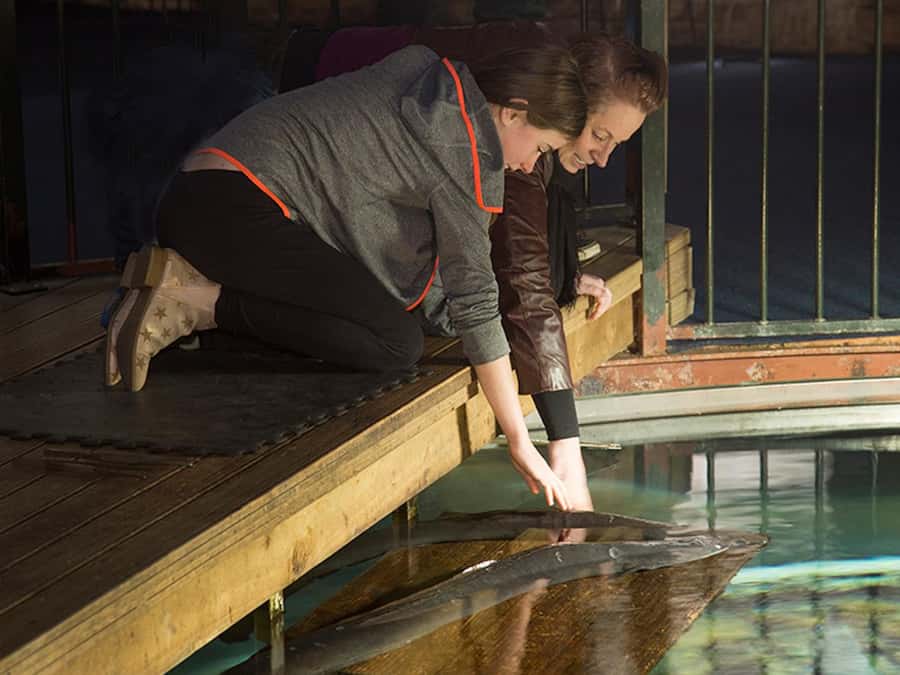
The giant eels often become the most memorable part of the hour. They are large, visible, and much easier to watch than a shy kiwi. Feeding takes place three times a day at 10:00 AM, 12:00 PM, and 3:00 PM, so timing your visit around one of those sessions is the smartest way to use your ticket.
The eel feeding is included in admission. You do not need to pay an extra fee for it, and it gives the visit a clear event rather than a simple walk past tanks and displays.
The staff explain the eels while feeding them, and the talk can add useful context to what you are seeing. One recent visit especially praised the eel presentation and the chance to watch the animals being fed. That praise makes sense: eels are active, easy to spot, and visually dramatic when food is introduced.
If you arrive outside a feeding time, you can still see the eels, but you may miss the most engaging part of the display. For a $23 ticket, I would plan around the schedule whenever possible. The noon feeding is especially convenient if you are already spending the day in central Hokitika.
The eels also help balance the kiwi viewing. If one bird stays hidden, you still have an animal encounter that is easy to follow. This is one reason the centre works well for families and for anyone with limited time.
Tuatara, crayfish, and whitebait add range
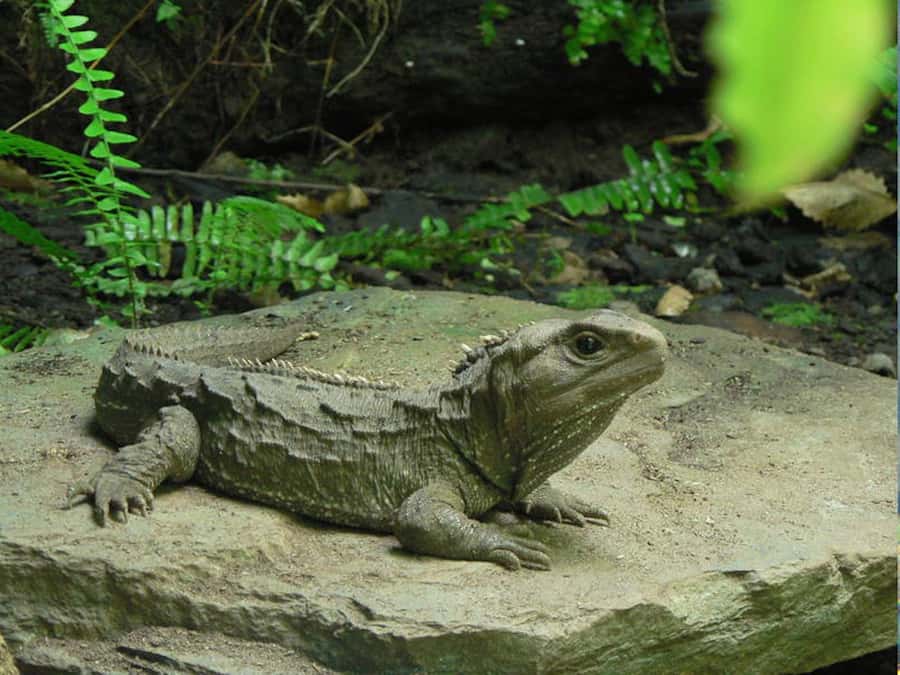
The centre is not only a kiwi house. You’ll also see tuatara, giant eels, crayfish, and whitebait. These exhibits broaden the visit from one famous bird into a look at several unusual native species.
The tuatara deserves special attention. It is an ancient reptile found only in New Zealand, and it has a distinctive place in the country’s natural story. The centre gives you a chance to see one up close rather than treating the kiwi as the only species worth noticing.
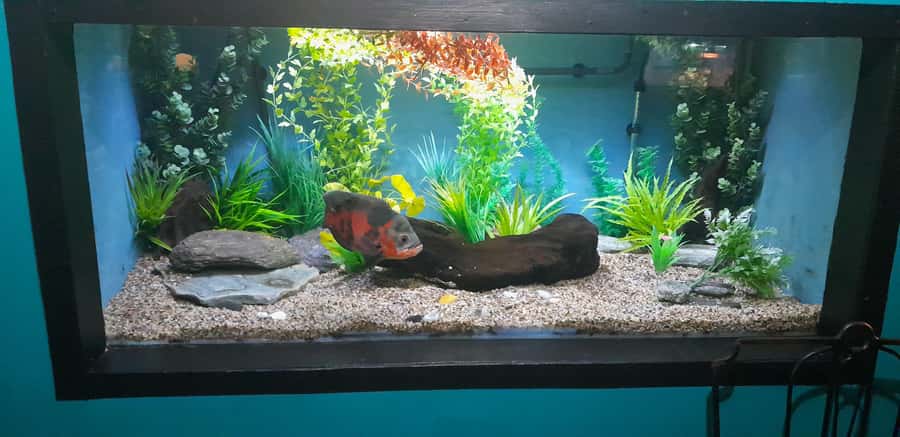
Crayfish and whitebait bring a different side of West Coast wildlife into view. These animals connect the centre to New Zealand’s waterways and coastal ecosystems. The displays may not have the instant appeal of a moving kiwi or feeding eel, but they make the visit more worthwhile for anyone interested in native wildlife as a whole.
The size of the centre is part of its charm and its limit. You can see the main exhibits without spending half a day indoors. At the same time, this is not a huge aquarium or a large-scale zoo. I would describe it as a compact collection with a strong local focus.
A recent visit found the fish and eel displays especially good, with the exhibits easy to view. That is useful to know if your kiwi sighting is brief. You are not buying a single chance to look into a dark room. The rest of the centre gives you several other things to see.
Same corner of the country, a completely different day out:
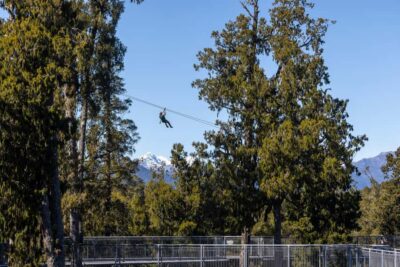
- Hokitika: West Coast Treetop Walkway Entrance Ticket
★ 4.5 · 82 reviews - Punakaiki Blow Holes & Pancake Rocks Scenic Tour
★ 5.0 · 60 reviews - Skip the Line: Shantytown Heritage Park Experience Ticket
★ 4.0 · 59 reviews - Hokitika: West Coast Tree Top Tower Zip Line and Walk
★ 4.2 · 55 reviews
A conservation message without a long lecture
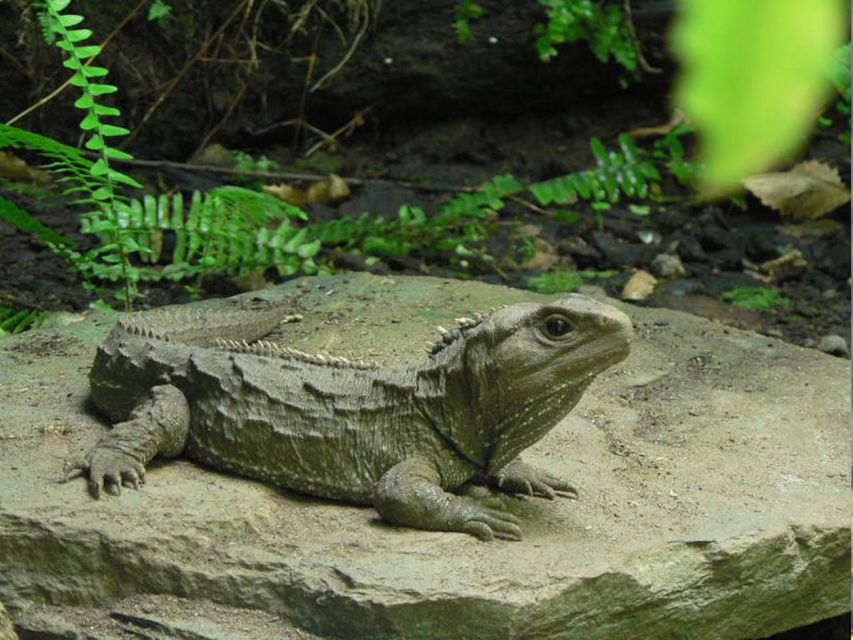
The National Kiwi Centre presents wildlife in a way that connects viewing with protection. The nocturnal house lets you observe kiwi without exposing them to normal daytime conditions, and the photography restriction reduces disturbance.
The team is described as passionate about caring for native species. You can ask questions in English and engage with staff during the displays. The centre’s tone is educational, but the one-hour format keeps it practical rather than turning the visit into a long classroom session.
That matters in Hokitika, where you may already have a full day planned around the West Coast. A short wildlife stop can give you a closer understanding of local species without requiring a major change to your schedule.
I would not treat this as a substitute for seeing wildlife in the wild. The animals live in protected enclosures, and the experience is controlled. But that control is precisely why you have a better chance of seeing a kiwi at all. The centre offers access that is difficult to arrange independently.
How much value do you get for $23?
At $23 per person, the ticket is fairly priced for a one-hour wildlife visit, especially because giant eel feeding is included. The ticket makes the most sense if you are keen to see a kiwi and want a simple indoor activity in Hokitika.
The value is less clear if you expect a large collection or a long visit. Two kiwi can be difficult to see, and one may stay hidden. If the kiwi are your only interest, you might leave feeling that the stop was short.
The other exhibits improve the calculation. You get kiwi, tuatara, eels, crayfish, and whitebait in one place, plus staff interaction and the eel feeding. A recent visit also included free chocolate and a kiwi photograph, but those extras are not listed as standard inclusions, so do not book on the assumption that they will always be offered.
I would consider the ticket good value for families, wildlife fans, and visitors who want a reliable chance to see a kiwi without committing to a much longer excursion. It is also useful on a rainy West Coast day, when an indoor stop is welcome.
The best time to visit
The most practical tip is to choose one of the feeding times:
- 10:00 AM
- 12:00 PM
- 3:00 PM
Arriving near one of these times lets you see the eel presentation and then move through the other exhibits. The exact start time of your visit depends on availability, so check before booking.
The centre takes about one hour. That makes it easy to combine with other time in Hokitika, though the information provided does not include a larger transport plan or a guided town itinerary. You should arrange your own route to the centre.
If you are choosing between several possible times, I would favor the feeding session that best matches your day rather than waiting for a particular kiwi hour. The kiwi are housed in a nocturnal setting throughout the experience, while the eel feeding has fixed times.
You also have some flexibility when booking. Cancellation is free up to 24 hours before the activity for a full refund, and you can reserve now and pay later. Those terms are useful if your West Coast plans depend on weather or changing road conditions.
Who will enjoy this most?
I would recommend the National Kiwi Centre to:
- Families who want a short, manageable wildlife activity
- Visitors determined to see a kiwi
- People interested in unusual native species, not only famous animals
- Anyone looking for an indoor stop in Hokitika
- Visitors who enjoy staff talks and feeding sessions
- People with limited time who want a one-hour activity
You should think twice if you need guaranteed animal visibility or a large wildlife park. The two kiwi may be hard to see, and the total visit is brief. Someone expecting constant activity could find the experience underwhelming.
It is also worth explaining the photography rule to children before you enter. You can watch the kiwi, but you cannot take your own pictures in the kiwi area. That rule may disappoint young photographers, though it protects the birds and keeps the viewing area calm.
The centre is wheelchair accessible, which makes it a practical option for visitors who need step-free access. The host or greeter speaks English, and the listed language for the activity is English.
My practical verdict on the National Kiwi Centre
I like this experience because it gives you a realistic chance to see one of New Zealand’s most elusive animals in a setting built around its welfare. The centre is small, easy to fit into a Hokitika day, and helped by the excellent eel feeding schedule.
The weak point is the kiwi count. With only two birds, you may see one clearly, both briefly, or very little. That uncertainty is not a flaw in the animals, but it is something you need to accept before paying.
The strongest parts of the visit are the close kiwi viewing when the birds appear, the giant eel feeding, and the friendly staff interaction. The tuatara, crayfish, and whitebait displays give the ticket more substance and keep the experience worthwhile even if the kiwi are shy.
At $23, I would book if seeing a kiwi is high on your New Zealand wish list and you are happy with a respectful, one-hour wildlife stop. I would skip it only if you expect a large centre, many kiwi, or a guaranteed photograph. Plan around the 10:00 AM, noon, or 3:00 PM eel feeding, keep your expectations sensible, and you’ll give yourself the best chance of a satisfying visit.
FAQ
Where is the National Kiwi Centre?
The National Kiwi Centre is in Hokitika on New Zealand’s South Island.
How much does admission cost?
The ticket costs $23 per person.
How long does the experience last?
The listed duration is one hour.
Which animals can I see?
You can see Brown Kiwi, Little Spotted Kiwi, tuatara, giant eels, crayfish, and whitebait.
Are giant eel feedings included?
Yes. Feeding the giant eels is included with entry.
When do the eel feedings take place?
Feedings take place at 10:00 AM, 12:00 PM, and 3:00 PM.
Can I take photos of the kiwi?
No. Visitors are not allowed to take their own photos of the kiwi to help protect the birds.
Is the centre wheelchair accessible?
Yes. The activity is listed as wheelchair accessible.
What language is spoken during the experience?
The host or greeter speaks English, and English is the listed activity language.
Can I cancel my booking?
Yes. You can cancel up to 24 hours in advance for a full refund. You can also reserve now and pay later.
Just added around Greymouth
- West Coast Tower Zipline & Treetop Walk Combo★ 4.5 · 19 reviews
- Punakaiki Blow Holes & Pancake Rocks Scenic Tour★ 5.0 · 60 reviews
- Skip the Line: Shantytown Heritage Park Experience Ticket★ 4.0 · 59 reviews
- Full Day Tour of the Sights and Tastes of the West Coast★ 5.0 · 20 reviews
- Explore Hokitika Gorge and Tree Top Walkway★ 4.5 · 30 reviews
- West Coast Full Day Tour★ 5.0 · 6 reviews
- Hokitika: West Coast Tree Top Tower Zip Line and Walk★ 4.2 · 55 reviews
- Greymouth: Full-Day Best Of The West Tour★ 4.8 · 20 reviews
Greymouth Tours, compared.

TranzAlpine Train Journey from Greymouth to Christchurch
Read our review →

Hokitika: West Coast Treetop Walkway Entrance Ticket
Read our review →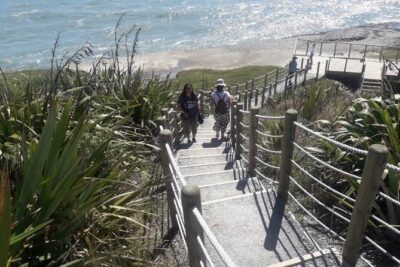
Punakaiki Blow Holes & Pancake Rocks Scenic Tour
Read our review →
Hokitika: West Coast Tree Top Tower Zip Line and Walk
Read our review →
Browse the lists this tour appears in