
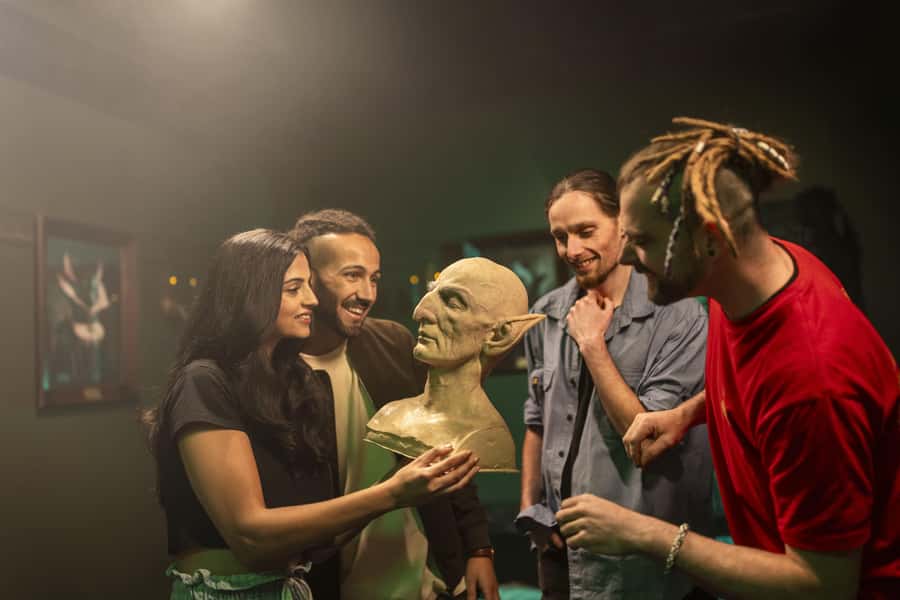
Reviewed · WETA WORKSHOP TOURS
Wellington: Wētā Workshop Guided Tour Ticket
A visit to Wētā Workshop is less about gawking at famous film props and more about seeing how raw materials become creatures, armor, costumes, weapons, and screen-ready worlds. The 90-minute guided tour moves through working creative spaces and display rooms, with time to watch artists at work and learn the practical steps behind movie effects.
I like two things especially. First, the tour reaches far beyond The Lord of the Rings and The Hobbit, with work connected to productions such as Avatar and District 9. Second, you may get to handle selected props or try a small craft activity, which makes the process easier to understand. The main drawback is that the tour is mostly standing, and photography is not allowed inside.
Key points at a glance
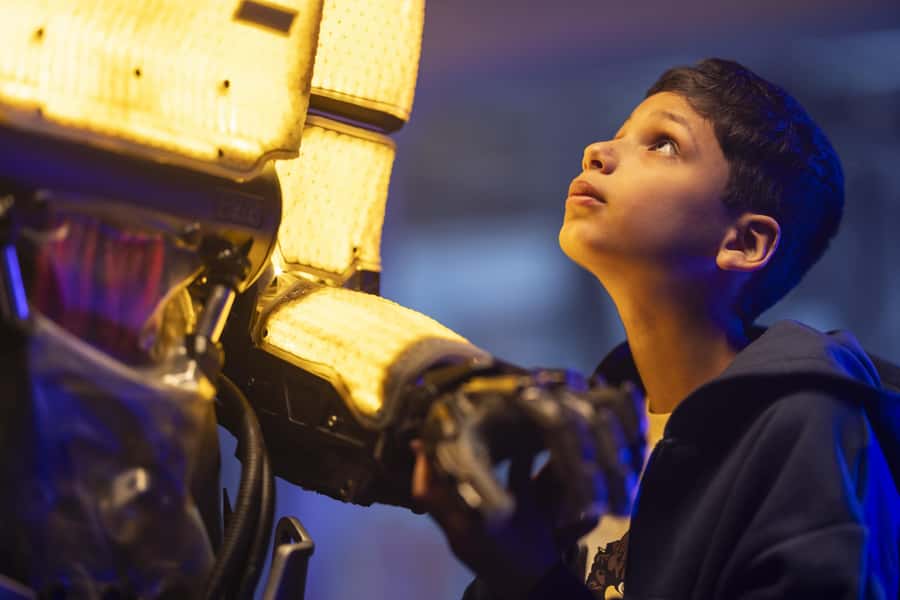
- See more than Middle-earth: Explore props, costumes, creatures, and effects from a wide range of film and television productions.
- Watch real creative work: The route includes a view into the workshop, where artists may be working during your visit.
- Meet an artist: The tour can include a direct conversation or demonstration from a Wētā Workshop maker.
- Expect hands-on moments: Selected props may be touched with permission, and some tours include simple sculpting or crafting.
- Plan for a standing tour: The full experience lasts 90 minutes and has limited opportunity to sit.
- Allow time for the Wētā Cave shop: The retail store has a broad range of souvenirs, from small gifts to costly collector pieces.
Why Wētā Workshop matters in Wellington
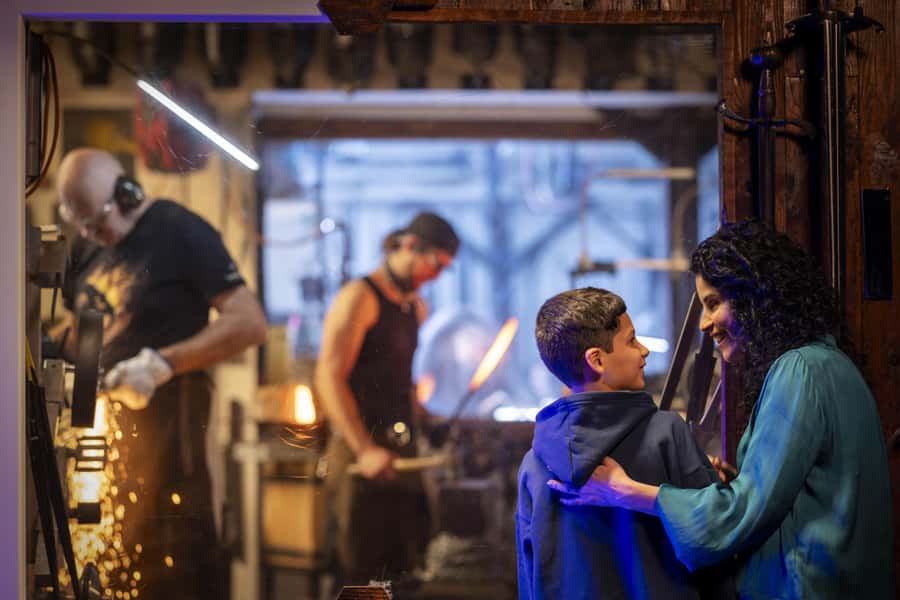
Wētā Workshop is one of the creative companies that helped put Wellington on the international film map. Its work covers practical effects, model-making, prosthetics, armor, weapons, costumes, creatures, and other physical elements that help fictional worlds feel real.
That range is the heart of the visit. If you arrive expecting only Lord of the Rings swords and hobbit figures, you may be surprised by how many other productions enter the story. The workshop has contributed to more than 150 movies over the years, and the tour explains the production methods rather than simply placing famous objects behind glass.
I find that useful because film credits can feel abstract. Seeing a finished creature beside the stages of its construction gives you a clearer idea of the labor involved. A movie monster is not just a digital effect or a clever costume. It can involve sculptors, mold makers, painters, armorers, costumers, technicians, and many other specialists.
The Wētā Cave retail store is the meeting point, on Wellington’s Miramar Peninsula. This is not a tour with hotel pickup or a city transfer, so you need to arrange your own way there. One practical option mentioned by visitors is an Uber from the cruise ship area. Free on-street parking has also been available near the workshop, though you should allow time to find a space.
More Weta Workshop visits:
- Wētā Workshop Experiences Tour – Wellington
★ 5.0 · 875 reviews - Wellington’s Original LOTR Experience – includes Weta and Lunch
★ 5.0 · 529 reviews - Wellington: Original LOTR Full-Day Tour with Weta & Lunch
★ 4.9 · 481 reviews
Starting inside the Wētā Cave
You check in at the Wētā Cave store before joining the guided tour. The shop itself is part of the experience, not just a place to buy something afterward. It has film-related gifts, figures, books, replicas, and other merchandise, with prices ranging from accessible souvenirs to expensive collector items.
The tour then leads you into the world of Wētā Workshop. An English-speaking guide gives the presentation, and the quality of that person matters. Guides named in recent bookings include Flynn, Harriet, Holly, Sam, Emma, Ella, Duncan, Christina, and Sully. The exact guide depends on the departure, but the best tours clearly benefit from someone who can explain craft with warmth and humor instead of reciting a dry script.
You may hear recorded material from the workshop’s founders as part of the presentation. One useful tip: a visitor found the recorded voices difficult to hear, so pay attention if the group moves into a room with audio. The live guide remains the main source of information.
The first rooms: props, costumes, and creatures
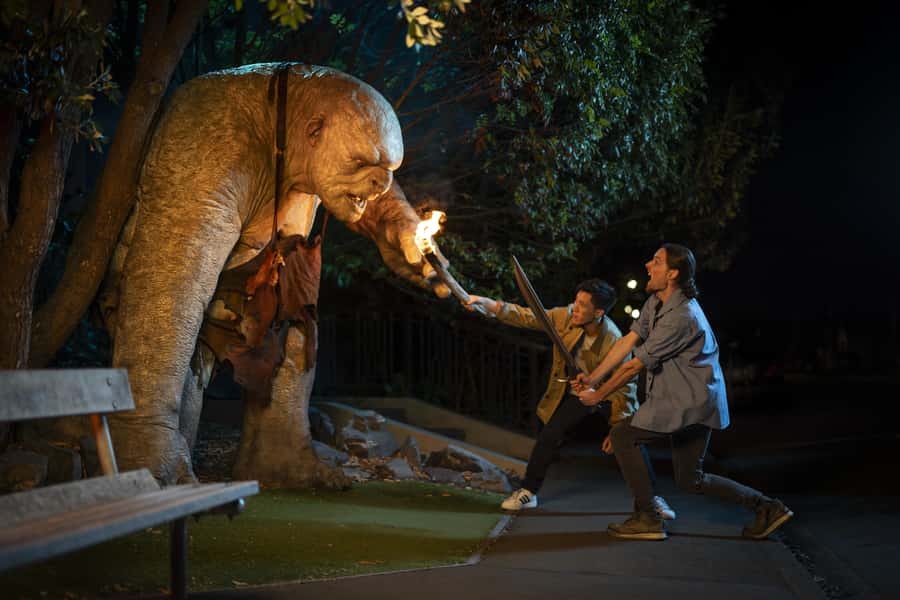
The tour moves through a series of rooms with displays from Wētā Workshop’s film work. This changing sequence gives the visit a good rhythm. You are not planted in one room listening to a long lecture. Instead, each space offers another set of objects and another part of the production process.
You can expect to see props, costumes, weapons, armor, prosthetic pieces, models, and creatures. The point is not only to identify a film. Your guide explains what an item had to do on screen and how the workshop approached its design and construction.
For The Lord of the Rings and The Hobbit fans, the material connected with Middle-earth is an obvious draw. Armor, weapons, costumes, and creatures provide the familiar entry point. Guides with a strong interest in the films can add extra color, especially when they explain how a piece had to look convincing from a distance, survive repeated handling, or fit a performer.
The tour is not limited to those films. You may also learn about work associated with Avatar, District 9, and other television and movie projects. This wider focus is important for people who are not Tolkien fans. The workshop’s methods are the real subject, and the examples show how those methods change from one production to the next.
How movie magic is built by hand
The most valuable part of the experience is the explanation of process. You learn how designers and artists move from an idea to a physical object that can be filmed, worn, handled, or placed in a set.
A guide may discuss sculpting, molding, casting, painting, surface finishing, costume construction, and the shaping of prosthetic pieces. One reported demonstration focused on the stages involved in making a cast. Another included aluminum sculpting. These examples help you see that special-effects work is a chain of practical decisions, not one single trick.
I like this approach because it gives you something to take home beyond movie trivia. You start noticing texture, weight, seams, paint, scale, and material choices. A creature’s skin may need to look organic under studio lights. A weapon may need to appear heavy while remaining safe for an actor. A costume may need to look ancient but withstand long days of filming.
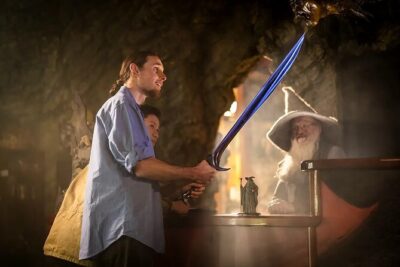
Some tours include permission to touch selected props. That small detail changes the mood. A display viewed from behind a barrier feels distant. Holding or feeling a permitted piece lets you notice its weight and surface, and it makes the craft feel physical. Follow the guide’s instructions carefully, since not every item is available to handle.
A few more Wellington half-days to weigh up
- Wellington: Return Cable Car Ticket
★ 4.6 · 714 reviews - Half Day Tour of Wellington
★ 4.5 · 638 reviews - Wellington: Guided City Tour with Cable Car Ticket
★ 4.8 · 553 reviews - Kapiti Island Classic Guided Day Tour
★ 5.0 · 522 reviews
Watching an artist at work
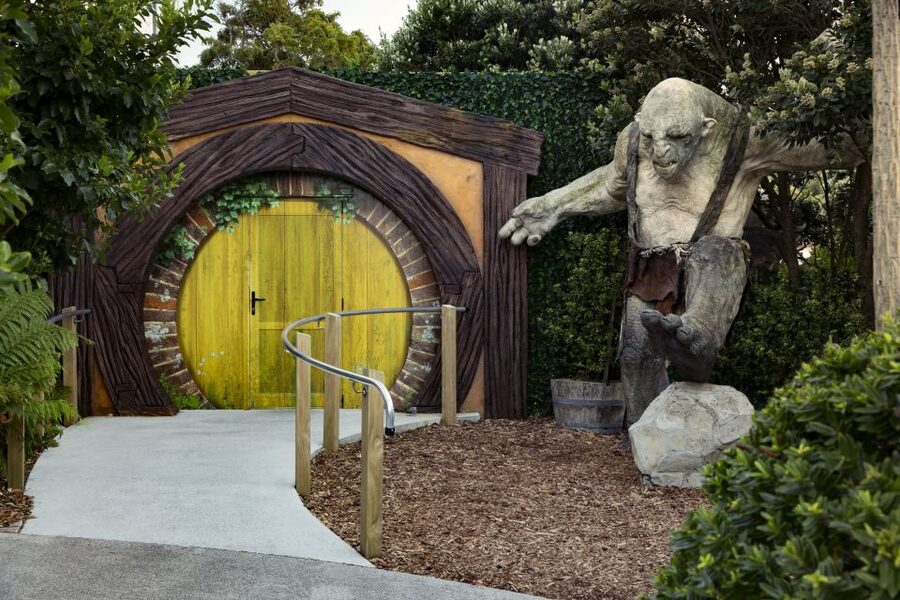
A major highlight is the chance to see into the workshop and watch artists making things. The view may be through a window, and the exact activity will depend on what is happening that day. You might see a team member shaping, finishing, or otherwise working on a piece for a current project.
The tour can also include a direct conversation or demonstration from an artist. That personal contact is valuable because it connects the finished display with the person who made it. Instead of treating the objects as mysterious movie artifacts, you see them as the result of trained hands, repeated practice, and a lot of patience.
This is also where the tour feels most authentic. A museum can show you a finished prop. Wētā Workshop can show you the place and people behind the prop. The workroom view may be brief, but it gives the visit a genuine behind-the-scenes quality.
Keep in mind that a working studio is not a theme-park attraction built entirely for visitors. Access is guided, and the workshop’s current projects may affect what you see. The experience is strongest when you are interested in the making, not only in spotting a particular famous object.
Photography rules and what you can remember
Photography is not allowed inside the tour, and cameras are listed among the items not permitted. This can disappoint anyone hoping to collect photographs of every prop. It also protects the workshop’s copyright and current production work.
Some recent accounts describe photography becoming possible later in parts of the visit, especially around life-sized statues or selected areas. Because the official information says no photography inside, treat that as the rule and wait for staff instructions. Do not assume you can take pictures simply because another group was allowed to do so.
The upside is that you pay closer attention when you are not looking through a phone. If you want a souvenir image, ask staff what is permitted in the shop or designated areas. You may also be able to have a photo taken with certain weapons or statues if the team allows it.
Is 90 minutes enough?
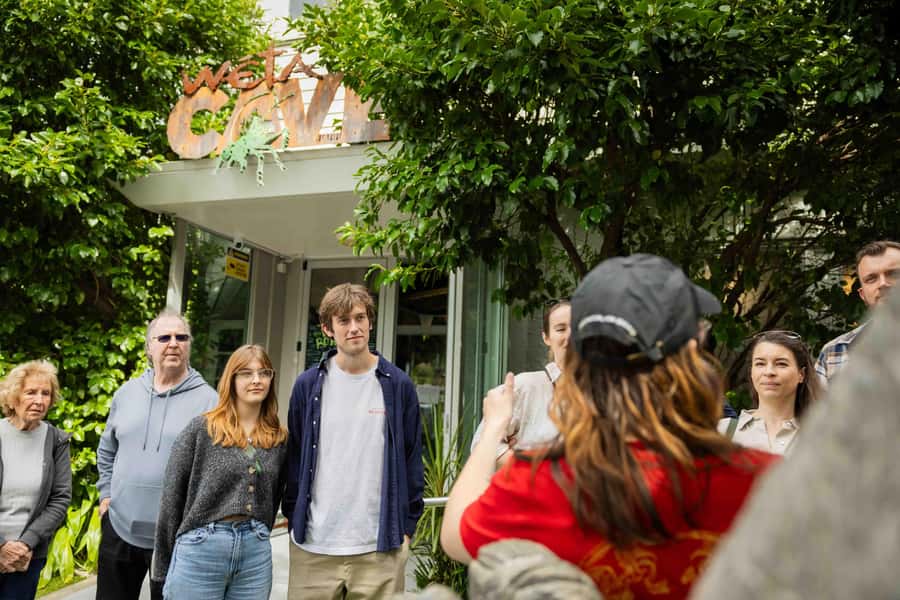
The tour packs a lot into an hour and a half. You move between rooms, hear explanations, see props and costumes, watch artists through a viewing area, and may take part in a short demonstration or hands-on moment.
That length works well for a Wellington sightseeing day. It is long enough to feel substantial but short enough to fit around other plans. I would not schedule it so tightly that you have to rush away from the Wētā Cave afterward. The shop has plenty to browse, and the meeting point is on the Miramar Peninsula rather than in central Wellington.
The tour is primarily standing. If you have mobility concerns, contact Wētā Workshop Tours before booking to discuss the route and your needs. The activity is listed as wheelchair accessible, but the standing nature of the tour still matters, particularly for anyone who needs regular seating.
Wear warm clothing and closed-toe shoes according to the official instructions. One visitor found those items unnecessary on the day, but conditions can vary, and closed shoes are sensible in a working creative environment. Children under 14 must be accompanied by an adult.
Does the $35 price offer good value?
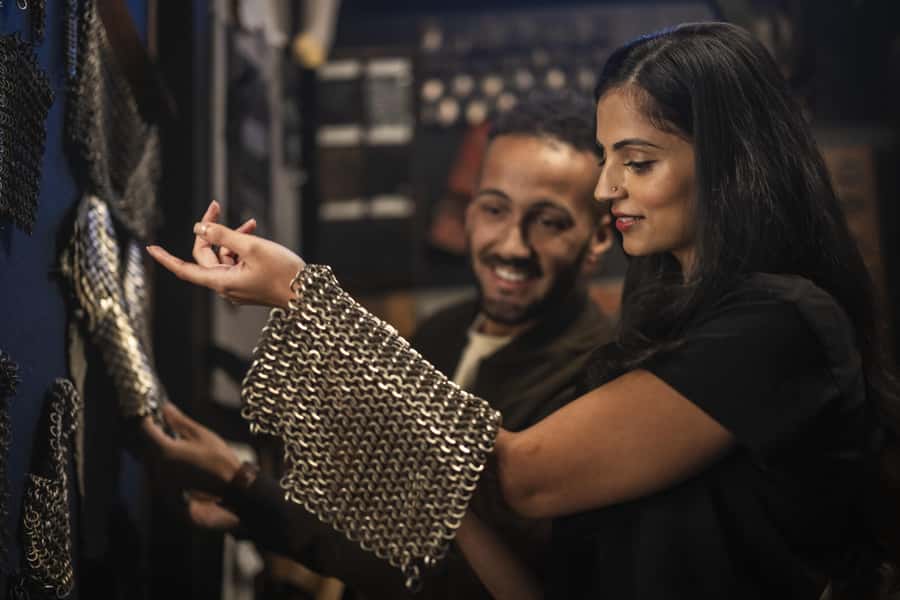
At $35 per person, the tour is reasonably priced for a guided experience with this much access to props, production stories, and working artists. You are paying for interpretation as much as admission. A good guide explains why an object was made in a particular way and helps you connect the separate stages of production.
The value is strongest if you enjoy movies, design, models, costumes, practical effects, or hands-on making. You do not need to be a serious film fan. The craft demonstrations and workshop setting give the tour enough substance for people who know little about Wētā Workshop.
The value is less certain if you want a large collection of famous screen-used props with unlimited photo opportunities. Photography restrictions may be frustrating, and some displays are viewed as part of a moving group rather than explored at your own pace.
The gift shop is separate from the tour price. It has a broad range of items, but some merchandise is clearly aimed at collectors and can be expensive. Set a souvenir budget before you enter if you are traveling with children or a serious Tolkien fan.
Who will enjoy this tour most?
I would put this high on the list for The Lord of the Rings and The Hobbit fans, especially those who want to understand how armor, weapons, costumes, and creatures were produced. Guides such as Flint, who was described as a keen Tolkien fan, can make that material especially engaging.
It also suits film fans who want to look beyond one franchise. The links to Avatar, District 9, and other productions show how broad the workshop’s work can be. You may arrive for Middle-earth and leave thinking more about prosthetics, sculpture, materials, and set design.
Families can enjoy it, but remember the age rule for children under 14 and the mostly standing format. The hands-on moments can be particularly appealing to young makers, though the tour is not described as a dedicated children’s activity.
I would also recommend it to people who are not movie specialists but enjoy seeing how things are made. The clearest pleasure here is watching an idea become a physical object.
Booking tips for a smoother visit
Book a departure that gives you enough time to reach Miramar Peninsula without stress. Transfers from Wellington are not included, so factor in your own transport, particularly if you are arriving from a cruise ship or staying in central Wellington.
An early tour may help if you are driving, since parking has been easier to find at the start of the day. Check the available starting times when you choose your date, and leave room for the shop before or after the tour.
If you need flexibility, cancellation is available up to 24 hours before the activity for a full refund. You can also reserve now and pay later, which is useful when your Wellington schedule is still changing.
Should you book the Wētā Workshop tour?
Book it if you want the working side of film production, not just a display of famous objects. The combination of props, costumes, creatures, craft explanations, artist contact, and occasional hands-on access gives the visit real substance.
I would hesitate only if photography is essential to your enjoyment or if standing for 90 minutes will be difficult. For most people with an interest in movies, making, or Wellington’s creative identity, $35 buys a well-filled and distinctive outing. The best reason to go is simple: you see the human work behind the fantasy.
FAQ
Where does the Wētā Workshop guided tour begin?
Check in at the Wētā Cave retail store on Wellington’s Miramar Peninsula.
How long does the tour last?
The guided tour lasts 90 minutes.
How much does the tour cost?
The listed price is $35 per person.
Is transportation from Wellington included?
No. Transfers from Wellington are not included, so you must arrange your own transport to the Wētā Cave.
What language is the tour in?
The tour is conducted in English with a live English-speaking guide.
Can children join the tour?
Yes. Children under 14 must be accompanied by an adult.
Is the tour wheelchair accessible?
The activity is listed as wheelchair accessible. Since the tour is primarily standing, contact Wētā Workshop Tours if you have mobility concerns.
Can I take photographs inside?
No. Cameras and photography inside the tour are not allowed. Follow staff instructions about any permitted photography in other areas.
What should I wear?
Bring warm clothing and wear closed-toe shoes.
More Workshops in Wellington
- Auckland: Wētā Workshop Unleashed Creative Classes Ticket
★ 4.7 · 73 reviews - Wētā Workshop Unleashed Tour – Auckland
★ 4.5 · 903 reviews - Auckland: Wētā Workshop Unleashed Guided Tour Ticket
★ 4.6 · 406 reviews - 2 Hour Surf Lesson – Te Arai Beach
★ 5.0 · 119 reviews
Just added around Wellington
- Te Awa Kairangi Grade 2 Scenic Rafting Tour★ 4.8 · 10 reviews
- Te Awa Kairangi Grade 2 Scenic Duckie Tour★ 4.7 · 9 reviews
- Remutaka Rail Trail eBike Shore Excursion for Cruise Ships★ 5.0 · 9 reviews
- Private Lord of the Rings Tour Wellington with Lunch★ 5.0 · 3 reviews
- Martinborough Winery and South Wairarapa Wild Coast Tour★ 4.8 · 21 reviews
- Chefs Private Martinborough wine tour with Gourmet Lunch★ 5.0 · 3 reviews
- Kapiti Island: Classic Guided Day Tour★ 4.8 · 5 reviews
- From Wellington: Kapiti Island Classic Guided Day Tour★ 5.0 · 4 reviews
Weta Workshop Tours, compared.

Wellington’s Original LOTR Experience – includes Weta and Lunch
Read our review →
Wellington’s Original HD LOTR Experience – includes Weta Tour
Read our review →
Browse the lists this tour appears in