
Reviewed · MāORI CULTURAL TOURS
Wine Tour & Maori Culture Wanaka
Central Otago wine and Māori culture make an unusual, worthwhile pairing. This Wanaka outing takes you to boutique wineries for pinot noir and other tastings, then adds stories of the tangata whenua, the people of the land, with a possible live haka and local food.
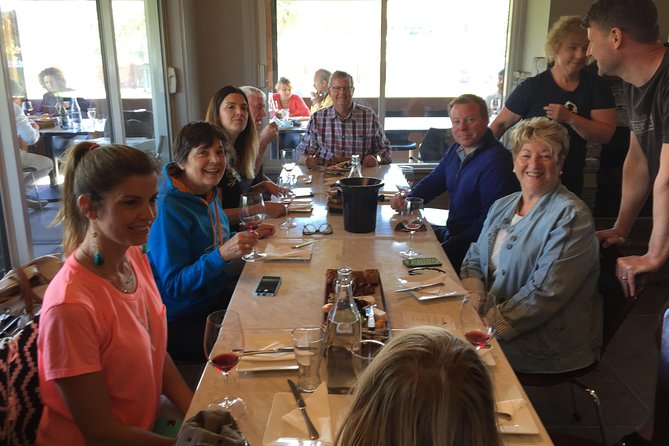
I like the small maximum of six people, which keeps the day personal, and I like that Joe brings his own Māori background into the conversation rather than treating culture as a quick add-on. The cheese platter, bottled water, and transport also make the tasting day easy to manage.
The main point to check is the timing. The tour is described as about six hours, while the itinerary also lists four hours, so I would confirm the expected return time before booking another activity. The route and number of winery stops may also vary.
Key points to know before booking
- Joe is the guide to look for: He leads the experience with humor, local knowledge, and personal Māori stories.
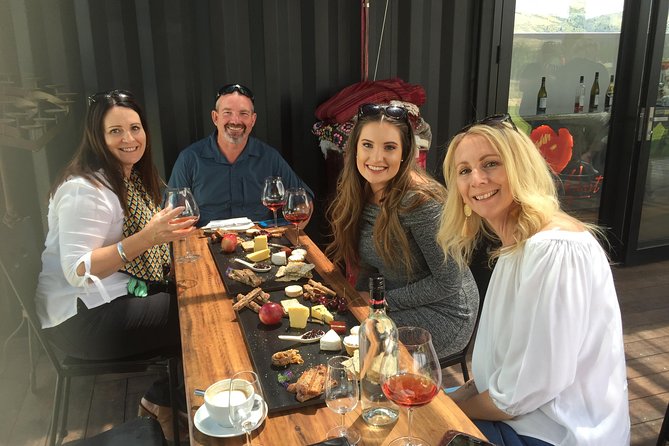
- Three boutique wineries are the core: Expect about 15 to 20 tastings, with pinot noir among the main draws.
- Māori culture is part of the day: The program can include an explanation of traditional objects, local history, and a live haka.
- The group is capped at six: This is a much more personal format than a large coach tour.
- Food is included: A cheese platter, snacks, beverages, and bottled water accompany the wine.
- Wanaka pickup may be available: Selected hotels offer round-trip transfers, with the main meeting point at the Wānaka isite Visitor Information Centre.
Why this Wanaka wine tour feels different
Many wine outings around Central Otago focus only on the bottle. This one tries to connect the wine with the land where the grapes grow and with Māori culture, represented by the tangata whenua.
That connection gives the day more shape. You are not simply moving from tasting room to tasting room. You are also hearing about Māori history, customs, and the meaning of the whenua. Joe’s role matters here. The tour’s strongest ingredient is not just his ability to explain wine, but his ability to bring his own culture and family background into the day.
The cultural side begins as soon as you meet him. One account describes Joe explaining a wooden spear and its designs, including how it was used. That sort of detail gives you something concrete to look at while learning. It also helps avoid the vague, postcard version of Māori culture that can crop up in short sightseeing stops.
The possible live haka is another major draw. The information does not promise that it will happen on every departure, so you should treat it as a possibility rather than a guarantee. Still, the chance to see a stirring performance adds a strong cultural element to a wine day.
More Wine Tours in Wanaka
- Lake Wanaka 1-Hour Cruise Including Wine and Cheese
★ 4.5 · 95 reviews - ‘Express’ Wine Tour & Māori Culture Wānaka
★ 5.0 · 85 reviews - ebike tour lake Dunstan wine tasting
★ 5.0 · 47 reviews
Starting at the Wānaka isite at 11 am
The listed meeting point is the Wānaka isite Visitor Information Centre at 103 Ardmore Street. Departure is scheduled for 11 am, and the activity ends back at the meeting point.
That central start is useful if you are staying in Wanaka without a car. Selected hotels also have pickup and drop-off, but hotel transfers are not listed as universal, so check your lodging before relying on them.
Transport is provided throughout the outing. That is more than a minor convenience. Central Otago tasting days involve several pours, and arranging a sober driver can spoil the plan or make the day expensive. Here, you can focus on the wine without deciding who must sit out.
The transfer times are approximate and can change with traffic and the time of day. I would leave breathing room around the tour, especially because the published duration is not fully consistent. One part of the information gives about six hours, while the itinerary says four hours. Plan for a half-day to much of an afternoon, and ask for the current schedule if you have a flight, dinner booking, or another fixed appointment.
Boutique wineries and 15 to 20 tastings
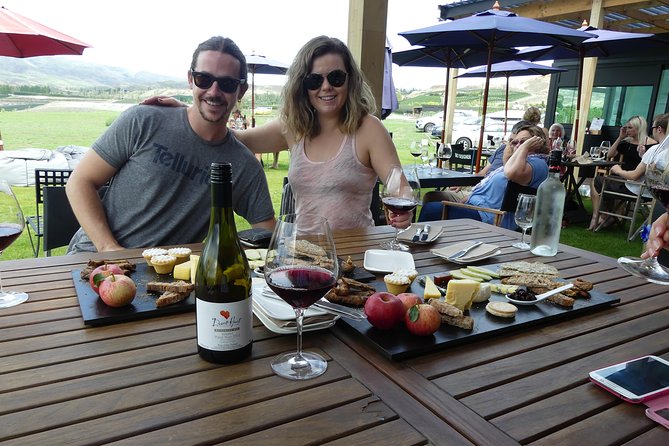
The central wine portion visits three boutique Central Otago wineries, with roughly 15 to 20 tastings and food to match. Central Otago is especially associated with pinot noir, but the tasting list includes other wines as well.
The boutique format should appeal to you if you prefer smaller, more personal places to a large commercial cellar door. The stops are intended to feel less like a production line. You can compare different winemaking approaches and get a sense of how each place presents its wines.
The route is not described as a fixed list for every departure. Names associated with one family outing include Rippon, Maude, and Cork and Cap, with four wine experiences mentioned across the day. Other descriptions refer to three vineyards. That suggests the exact mix can change, so do not book this expecting one guaranteed lineup of wineries.
This flexibility is both a benefit and a drawback. A changing route lets Joe match the day to availability and the group’s pace. On the other hand, you cannot judge the tour by one particular cellar door alone. The value lies in the combination of small wineries, tastings, transport, food, and cultural interpretation.
If you are already a serious wine collector, the tasting count may feel familiar rather than remarkable. If you want an introduction to Central Otago wines without driving between stops, the format makes more sense. The tour gives you a broad sample instead of asking you to commit an entire afternoon to one producer.
Pinot noir, local produce, and a practical lunch break
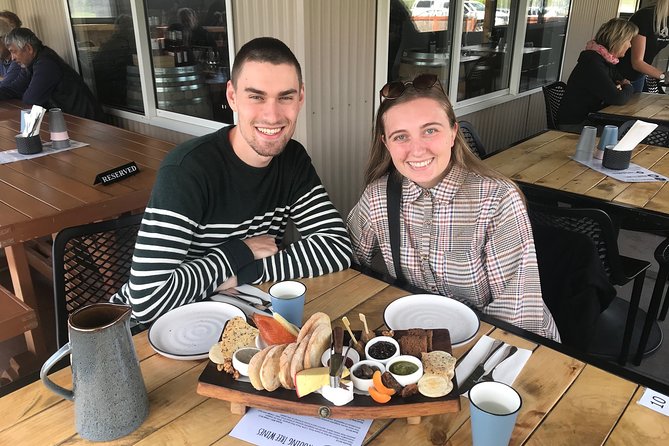
Food is not an afterthought here. A complimentary platter of local produce, described as a cheese platter, is included along with snacks and bottled water.
That matters because 15 to 20 tastings can add up quickly. Having food with the wine makes the experience more comfortable and gives you a chance to compare pairings rather than drinking on an empty stomach. The platter is also a small taste of the region beyond the vineyards.
Do not read this as a full restaurant lunch unless the operator confirms otherwise. The supplied details promise a platter and snacks, not a substantial meal. If you need a large lunch, eat beforehand or ask what the food portion includes.
I like this part of the package because it supports the tasting rather than padding it. The food is practical, local, and directly connected to the wines. It also gives the group something to share, which suits a six-person outing better than a hurried snack handed out on a bus.
More Māori cultural evenings and village visits:
- Mitai Maori Village: Cultural Experience and Dinner Buffet
★ 4.7 · 3,575 reviews - Cultural Experience & Seasonal Māori Cuisine at Te Pā Tū
★ 5.0 · 1,546 reviews - Mitai Maori Village Cultural Experience in Rotorua
★ 4.5 · 1,294 reviews - Rotorua: Te Pa Tu Māori Cultural Experience with Dinner
★ 4.8 · 1,193 reviews
Learning Māori culture from Joe
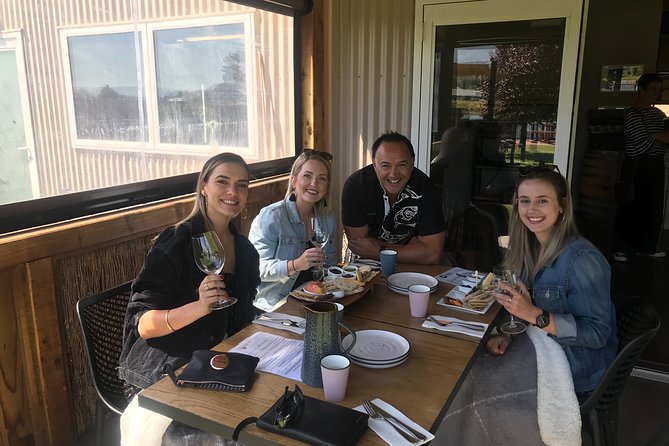
The cultural material is the feature that separates this outing from a standard wine transfer. Joe shares Māori history and culture while taking you through Wanaka and the wineries. His approach, based on the available details, is conversational and personal.
That personal connection is valuable, but you should also keep your expectations clear. This is not presented as a full-day cultural program or a visit to a museum. Māori culture forms one important thread in a wine-focused day.
You may hear about the relationship between the land and the people who live on it, along with stories connected to Joe’s family and community. The wooden spear example shows the kind of hands-on explanation you can expect. The use of terms such as whenua, tangata whenua, and manaaki also frames the outing around land, people, and hospitality.
The possible haka can make this especially memorable. A haka is not simply a dance for tourists. It carries meaning, energy, and group identity. Since the performance is listed as potential rather than certain, book this for the cultural conversation and regard the haka as an added possibility.
I would choose this tour if you want to understand more about New Zealand while tasting wine. I would choose a conventional wine tour instead if your only goal is detailed technical analysis of grape growing and production.
Joe’s guiding style and the small-group advantage
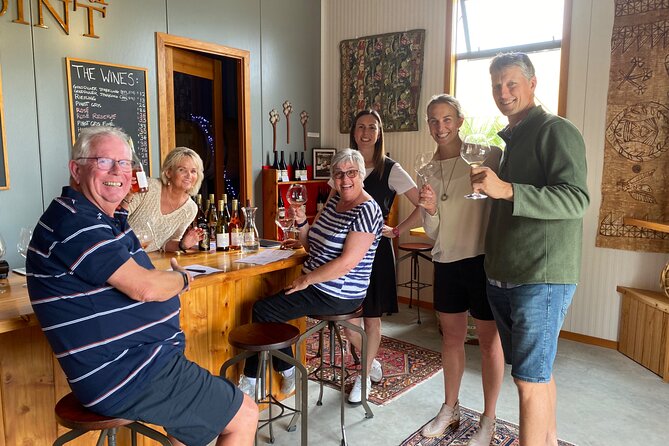
Joe is repeatedly described as funny, educational, and willing to go beyond the basic schedule. That combination matters on a six-hour outing in a small vehicle. A guide who can explain wine, culture, and local places without turning the day into a lecture will make the transfers feel useful rather than wasted.
The maximum group size is six. That is one of the clearest advantages of this experience. You can ask questions, hear the guide properly, and avoid the anonymous feel of a full coach.
A small group can also make the tasting pace more flexible. The details do not promise a custom itinerary, so do not assume you can redesign the route. Still, a group of six gives Joe more room to respond to questions and keep the atmosphere relaxed.
There is a tradeoff. Small tours depend more on the chemistry of the group. If you prefer to blend into the background, a larger bus may feel easier. If you like meeting a few people and talking with the guide, the six-person limit is a strong reason to book.
What the four to six hours actually mean
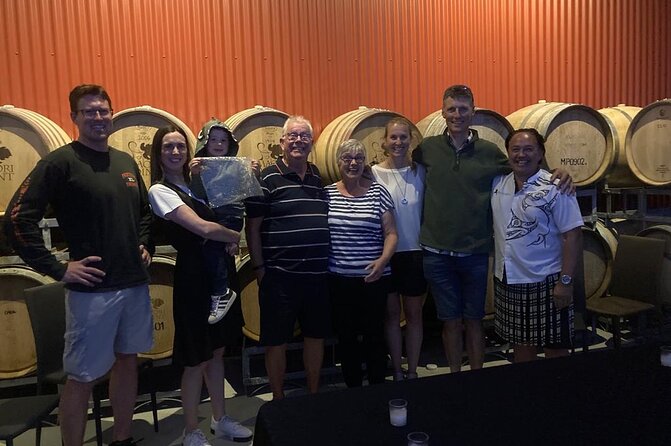
The experience is marketed as a half-day tour, but the supplied timing needs a closer look. The top-level duration is about six hours, while the itinerary gives four hours for the main stop. Transfers from hotels and time between wineries may account for some of the difference.
For planning purposes, I would not treat this as a strict four-hour appointment. Set aside at least the stated half-day window and confirm the exact duration before paying for a second activity.
The 11 am start is convenient. You do not need to rush out at dawn, and the timing leaves room for breakfast in Wanaka. It also makes the outing easy to pair with a separate evening meal, though I would avoid scheduling anything tight until you know the return time.
The meeting point is also the end point. That is helpful if you plan to continue exploring Ardmore Street or Lake Wanaka afterward. If you use hotel pickup, confirm whether you are being returned to the same hotel or to the central meeting point.
Price and what you receive for $185.55
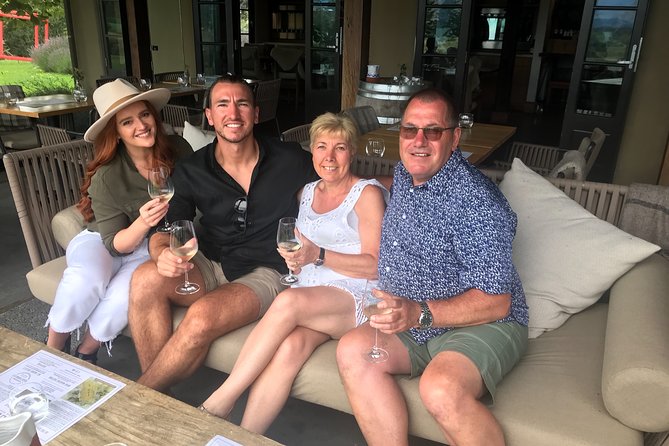
At $185.55 per person, this is not the cheapest way to taste Central Otago wine. You are paying for more than the wine itself, though. The price includes transport, hotel transfers at selected hotels, all listed wine tastings, alcoholic beverages, food, snacks, and bottled water.
You are also paying for a small group and a guide who brings Māori culture into the day. That combination makes the price easier to justify than a simple hop between cellar doors. A self-drive day could cost less in direct tour fees, but it would require a designated driver, fuel, route planning, and separate tasting charges.
The value is strongest if you are staying in Wanaka without a car, want a cultural element, and appreciate personal guiding. It is weaker if you already have a driver, plan to visit the same wineries independently, or care mainly about premium tastings with extensive technical notes.
The tour is booked, on average, well ahead of time, around 96 days. That does not guarantee every date sells out, but it tells me you should not leave a preferred travel date until the last minute, especially with a six-person limit.
Who should book this experience
I would recommend it for adults who want three things in one outing: Central Otago wine, a Māori cultural introduction, and simple transport from Wanaka.
It suits couples, families with adult children, and small groups of friends. The minimum age is 18, and the minimum booking is two people, so solo booking may not work unless another booking creates the required group size.
You should also be comfortable with a social, conversational day. The tour is not built around silent tasting notes or a formal wine class. It is more about good local pours, food, stories, and moving between a few distinctive places.
I would be cautious if you need guaranteed access to a particular winery or a guaranteed haka. Neither is presented as fixed for every departure. I would also confirm the duration if your schedule is tight.
Booking details worth checking
Confirmation is provided at booking. Selected hotels have round-trip pickup, and the main meeting point is near public transportation. Most people can participate, but the supplied details do not give a full accessibility breakdown, so ask the operator about any specific mobility needs.
The tour requires at least two people. If that minimum is not met, you are offered another date or time, or a full refund.
Cancellation is free up to 24 hours before the start time. Cancel later than that and the amount paid is not refunded. Changes made within 24 hours are not accepted, and the cut-off uses local time.
Is the Wanaka wine and Māori culture tour worth booking?
Book it if you want a personal wine day with cultural context, not just a series of tastings. Joe’s role, the group size of six, the local platter, and the chance of a haka give the outing a clear identity.
Before booking, confirm the current duration and pickup details. If you need a guaranteed winery list, a full meal, or a guaranteed cultural performance, this may not be the right fit.
For most visitors based in Wanaka, I see good value in the combination. You can taste Central Otago wines without driving, learn from a Māori guide, and spend the day in a small group. That is a useful mix, especially when you want your wine experience to say something about the place around it.
FAQ
Where does the tour start?
The listed meeting point is the Wānaka isite Visitor Information Centre at 103 Ardmore Street, Wānaka 9305. The activity ends back at the meeting point.
What time does the tour start?
The listed start time is 11 am.
How long does the tour last?
The tour summary gives an approximate duration of six hours, while the itinerary lists four hours. Transfer times are approximate, so confirm the expected duration before booking other plans.
Is hotel pickup available?
Round-trip hotel pickup and drop-off are available at selected hotels in Wanaka. Check whether your hotel is included.
How many wineries will I visit?
The tour is described as visiting three boutique Central Otago wineries. The exact route can vary, and one described outing included wine experiences at Rippon, Maude, and Cork and Cap.
How many wine tastings are included?
Approximately 15 to 20 wine tastings are included, along with alcoholic beverages.
What is the minimum age?
The minimum age is 18.
What happens if the minimum group size is not met?
A minimum of two people is required. If the tour is canceled because that number is not met, you are offered another date or time, or a full refund.
Just added around Wanaka
- From Wanaka: Ruby Island 1-Hour Cruise and Photo Walk★ 4.6 · 43 reviews
- Queenstown to Christchurch via Franz Josef 2-Day Tour★ 4.9 · 11 reviews
- Queenstown: Private Day Trip to Wanaka, Arrowtown & More★ 4.9 · 11 reviews
- Queenstown: Half Day Private Photography Tour★ 5.0 · 4 reviews
- Lake Wānaka: 3 hour Fishing Adventure by Boat★ 4.9 · 7 reviews
- From Wanaka: Milford Sound Flight with Landing & Glaciers★ 4.4 · 7 reviews
- ebike tour lake Hawea river track to Wanaka★ 5.0 · 4 reviews
- Cardrona Valley: Horse Trekking Experience★ 5.0 · 12 reviews
Māori Cultural Tours, compared.
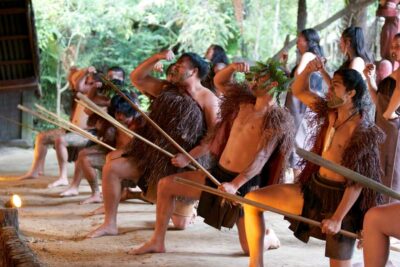
Mitai Maori Village: Cultural Experience and Dinner Buffet
Read our review →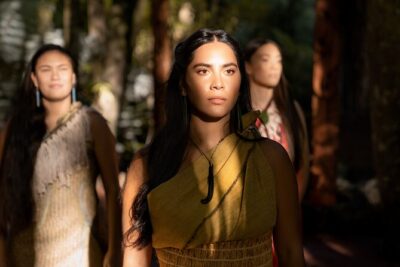
Cultural Experience & Seasonal Māori Cuisine at Te Pā Tū
Read our review →
Mitai Maori Village Cultural Experience in Rotorua
Read our review →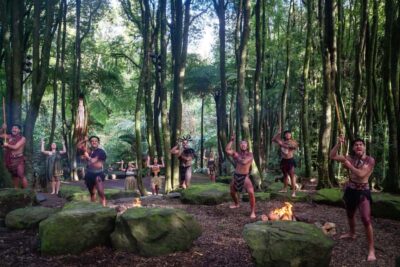
Te Pa Tu Māori Cultural Experience with Dinner
Read our review →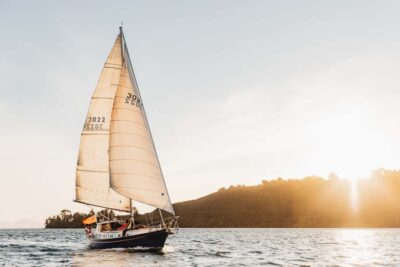
Lake Taupo: Sailboat Trip to the Maori Rock Carvings
Read our review →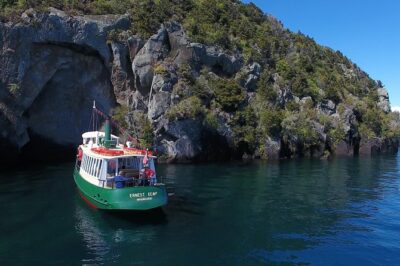
Lake Taupō Māori Rock Carvings Scenic Cruise aboard Ernest Kemp
Read our review →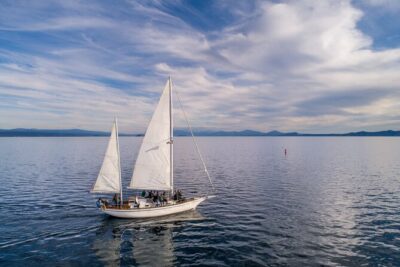
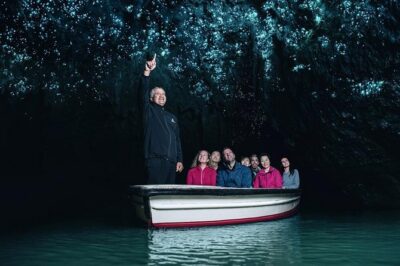
Waitomo Caves & Rotorua – Te Puia Small-Group Tour from Auckland
Read our review →Browse the lists this tour appears in