
Reviewed · SNOW LANDING HELICOPTER FLIGHTS
Mt Cook Small Group Tour & Heli Hike Combo from Queenstown
The unforgettable part is the Tasman Glacier heli hike. After a long but scenic drive from Queenstown, you fly into the Southern Alps, land on New Zealand’s biggest glacier, and walk across blue ice, crevasses, and sometimes ice caves. When conditions cooperate, the helicopter ride is as thrilling as the hike.
I like the way the day combines a guided road trip with a rare glacier experience, so you see much more than you could from Queenstown alone. I also like the small group size, capped at 15, and the useful gear provided. The main drawback is simple: weather can cancel the helicopter section, sometimes at short notice, and the full day on the road is tiring.
Key points to know before booking
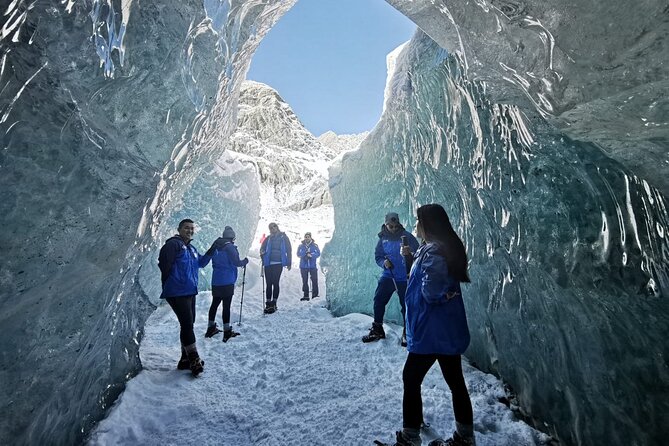
- Two helicopter flights take you to the Tasman Glacier, with a landing for a guided ice walk.
- The drive is part of the experience, passing Kawarau Gorge, Cromwell, Lindis Pass, and Lake Pukaki.
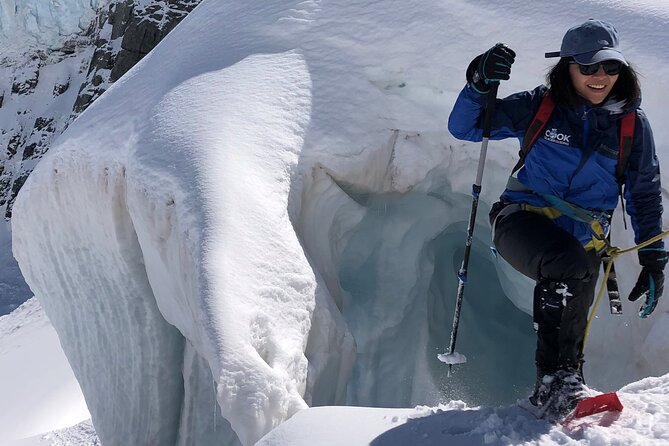
- Warm gear is supplied, including boots, socks, gaiters, crampons or snowshoes, poles, and waterproof layers.
- The day begins at 6:30 a.m. at The Station in central Queenstown and lasts about 12 hours.
- A small group of no more than 15 allows the guide to keep the day moving and answer questions.
- You need good fitness, layered clothing, and flexibility if the helicopter cannot fly.
Why the glacier flight is worth building a day around
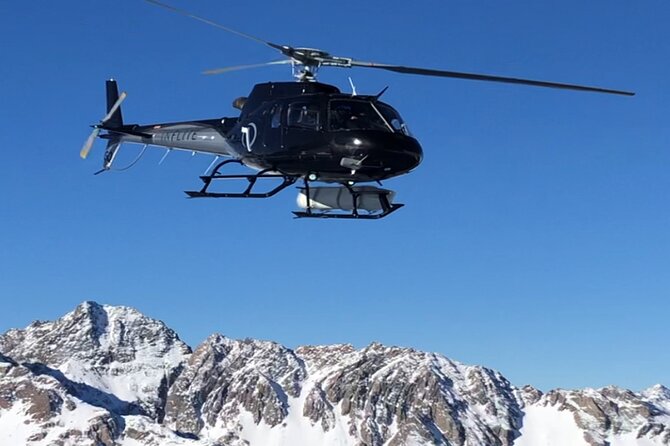
Aoraki Mt Cook is not a quick side trip from Queenstown. The road journey takes you through a large slice of the South Island, and the heli hike adds a serious dose of adventure at the far end. You are not simply looking at the Southern Alps from a roadside stop. You are flying into them and walking on the ice.
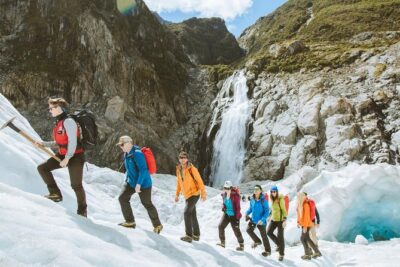
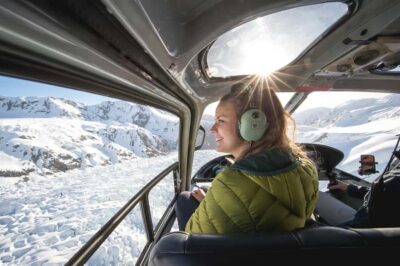
The helicopter section includes a scenic flight to the Aoraki Mt Cook base area and another flight to and from the glacier. From the air, you see the scale of the Tasman Glacier and the mountain country around it. Once landed, the guide leads you across the ice using crampons or snowshoes, depending on conditions.
The walking time can vary. The glacier stop is scheduled for about three hours, but the actual time on foot may be closer to an hour and a half or two hours. That is enough for a memorable outing, though anyone expecting a half-day glacier trek should adjust expectations.
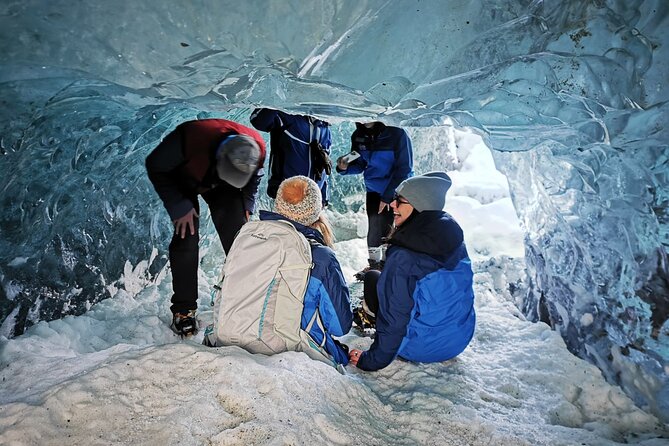
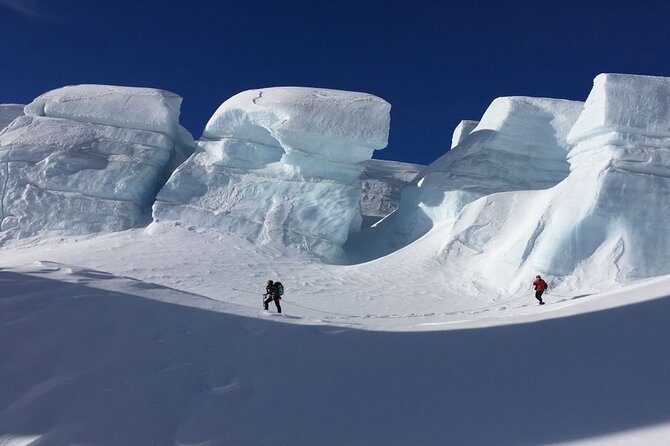
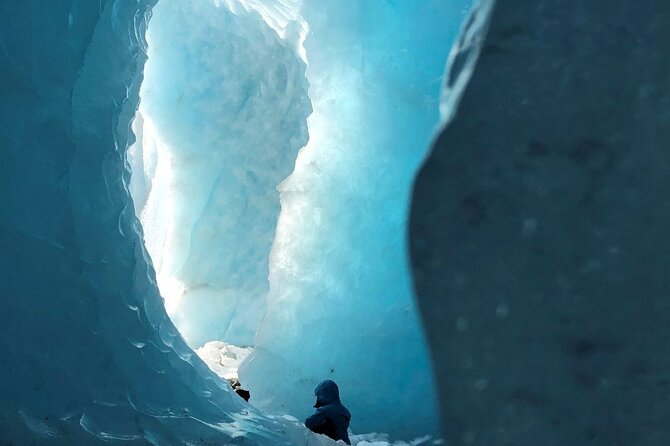
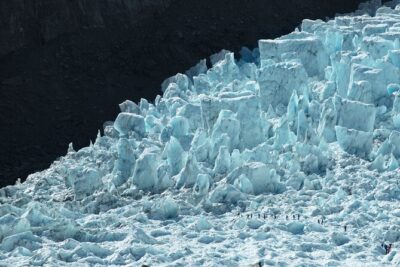
The ice itself is the star. The route may include blue ice, ridges, hollows, icefalls, waterfalls, and caves. One account describes exploring ice caves and hearing the glacier shift, with rock slides and falling water adding a reminder that this is an active natural place, not a theme park attraction.
The flight is never guaranteed. Wind, rain, cloud, and mountain conditions can stop the aircraft from operating. That uncertainty is frustrating when the heli hike is the reason you paid the high fare, but it is also necessary. The flight operator makes the final call on the day, and safety has to come first.
More flights that land you on the snow:
- Tasman Glacier Heli-Hike Tour from Queenstown
★ 5.0 · 70 reviews - Helicopter Tour with Alpine Snow Landing from Queenstown
★ 5.0 · 46 reviews - Franz Josef Glacier Helihike ex Queenstown
★ 5.0 · 32 reviews
The 6:30 a.m. departure from Queenstown
The day starts early at The Station, at the corner of Shotover and Camp Streets. Pickup is available, but confirm the exact arrangement when you book. Since the tour returns to the same central meeting point, it is easy to fit into a Queenstown stay without arranging a second transport plan.
The bus carries a maximum of 15 people, which is a useful compromise. You get the efficiency of a small coach without the anonymous feel of a large sightseeing bus. Guides such as Tedd, Xavier, Cameron, Collin, Jeff, and Plate have been praised for keeping people informed while staying on schedule.
The guide does more than point out photo stops. The drive includes local stories, geography, and explanations of the places along the route. Tedd, for example, was singled out for his local knowledge and for helping people through the heli check-in process. Collin was praised for keeping passengers updated about changing mountain weather during the drive.
There is no restroom on board, so use facilities before departure and at the scheduled stops. Water and snacks are supplied, but lunch is not. You will have chances to buy food, and the Omarama stop is a useful place for a proper morning break.
Kawarau Gorge and the road into Central Otago
Leaving Queenstown, the bus passes through Kawarau Gorge. This is an immediate change of scene, from resort town to steep rock walls and a winding river corridor. The route passes the Kawarau Suspension Bridge and Roaring Meg Lookout, with a photo stop possible when time and daylight allow.
The gorge gives the guide an early chance to explain the area and set up the rest of the day. You will not spend long here, but it helps break up the first part of the drive. Keep your camera ready because the bus may pause briefly rather than linger.
Beyond the gorge, the road reaches Cromwell, a fruit and wine-growing district. You pass rows of vines, cross Lake Dunstan, and follow the water toward Lindis Pass. The Cromwell stop is short, about five minutes, so consider it a passing introduction rather than a full visit.
This is one reason the tour works best for someone who wants an overview of the route. You see several regions in one day, but you do not have time to explore each one slowly.
Lindis Pass: a short stop with big mountain views
At Lindis Pass, the road climbs into high country. The pass is one of only three alpine roads across this part of the Southern Alps, and the lookout gives you broad views down the valleys.
The scheduled stop is about 15 minutes. That is enough for photographs and a quick stretch, but not enough for a walk. The weather can change quickly here, so keep your warm layers accessible even if Queenstown was mild when you left.
I like this stop because it shows how quickly the scenery changes on the South Island. Vineyards and orchards give way to open tussock country and high mountain roads. It also makes the long drive feel like a journey through distinct regions rather than one extended transfer.
A few more Queenstown half-days to weigh up
- Queenstown: Walter Peak Gourmet BBQ & Lake Whakatipu Cruise
★ 4.8 · 2,713 reviews - Queenstown: Milford Sound Coach & Cruise Full-Day Trip
★ 4.7 · 2,592 reviews - Shotover River Extreme Jet Boat Ride in Queenstown
★ 5.0 · 2,540 reviews - Small Group, Award Winning Milford Sound Day Experience & Cruise
★ 5.0 · 2,416 reviews
Omarama and the Mackenzie Basin
Omarama is the main comfort break on the outward journey. The stop lasts about 30 minutes, giving you time for food, coffee, and a restroom visit. Lunch is not included, so this is a sensible place to buy something substantial before reaching Mt Cook.
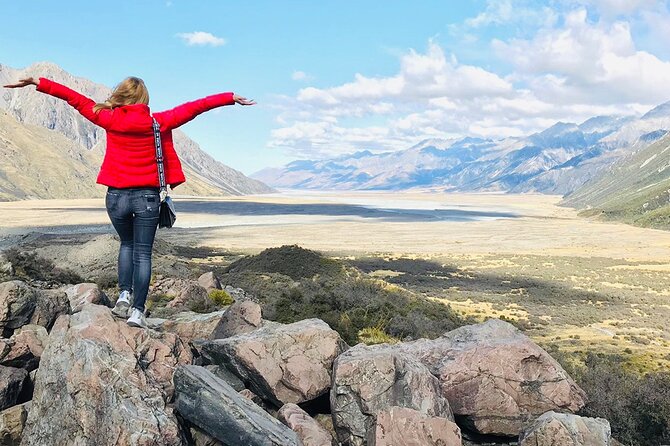
The surrounding Mackenzie Basin is wide and open, with long views and famous Merino sheep country. The bus route crosses what can feel like endless plains before the mountains begin to gather again.
The stop matters for practical reasons. You will have already been on the road for several hours, and there is no restroom on board. Buy lunch here if you prefer not to rely on a later opportunity.
Lake Pukaki and the first sight of Aoraki Mt Cook
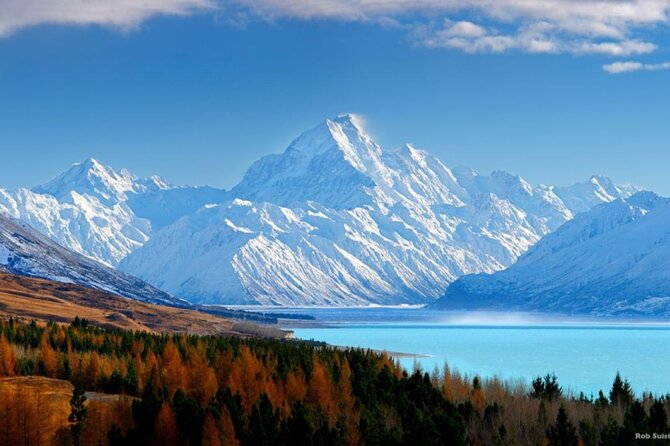
Lake Pukaki is one of the visual highlights of the drive. Its striking blue color comes from fine glacial sediment in the water, and the lake is framed by the Southern Alps as you turn west toward Aoraki Mt Cook National Park.
The scheduled stop is about 15 minutes, which is short but well chosen. The view can be spectacular, especially when the mountains are clear. If clouds cover Aoraki Mt Cook, the lake still gives you a strong sense of the glacial country ahead.
This stop also puts the cost of the tour into perspective. You are not paying only for a helicopter transfer. The bus ride reaches places that would otherwise require a separate road trip, fuel, planning, and a very long day behind the wheel.
Getting ready at the Mt Cook helicopter base
At the Mt Cook base, you check in for the Tasman Glacier heli hike. The operation provides leather boots, socks, gaiters, crampons or snowshoes, walking poles, a waterproof jacket, and over-trousers.
That equipment is a real benefit. You do not need to pack specialist glacier gear, and the supplied boots and traction equipment make the walk more practical for people who have never crossed ice before. You still need to dress correctly underneath it all.
Wear three or four warm upper-body layers and avoid jeans. Jeans become cold and uncomfortable when exposed to wind or damp weather. Bring clothing that allows you to add or remove layers, since conditions may differ between Queenstown, the helicopter base, and the glacier.
The check-in process is described as professional and well organized. The team gives safety instructions around the aircraft and explains how to move on the glacier. Pay close attention. Helicopter loading and glacier walking both require you to follow directions promptly.
Walking on the Tasman Glacier
The Tasman Glacier section is the heart of the experience. After the scenic flight, you land on the glacier and follow a trained guide across the ice. The exact route changes with the glacier, weather, and operating conditions.
You may walk over uneven ice, use crampons, and explore ice formations or caves. The guide leads the group at a controlled pace and explains how to move safely. This is not a casual stroll on a flat, prepared path, so a strong physical fitness level is required.
The most memorable part may be the scale. Mountains rise around the glacier, waterfalls cut down distant faces, and the ice has its own sounds and movement. The setting can make an ordinary walking pace feel like a real expedition.
Do not assume the entire three-hour stop means three hours of continuous walking. The time includes landing, preparing, safety guidance, the flight operation, and the glacier outing. In practice, the walking portion may be around 1.5 to 2 hours, according to the experience described by people who took part.
For many people, that is plenty. Crampons are tiring, and the surface can be awkward. You will get a better day by enjoying the unusual setting than by measuring the trip against a specific mileage target.
Weather is the tour’s biggest variable
You should book this with a flexible attitude. The glacier flight can be canceled because of rain, wind, cloud, or unstable mountain conditions. The bus tour will normally continue, but the day changes if the aircraft cannot operate.
If poor weather cancels the experience, you can be offered another date or a full refund. If the forecast looks poor before departure, the operator may contact you with options, including canceling the flight portion or choosing another plan. One particularly difficult day involved cold rain after the heli hike was canceled, so pack for the road trip as well as the glacier.
A canceled flight is disappointing, especially at this price. Still, I would not want a pilot to take off simply because a schedule or booking demanded it. The mountain controls the day, and that is part of the deal with this kind of activity.
The best strategy is to avoid placing the heli hike on the only day you have available for Aoraki Mt Cook. Booking early helps with availability, but it does not remove the weather risk.
The return journey and smaller local stops
After leaving Aoraki Mt Cook, the bus stops at High Country Salmon. You can feed the salmon and taste fresh local salmon at the farm. The stop lasts about 20 minutes, making it a pleasant change after the glacier activity.
In summer, the tour may also call at Jackson Orchards as daylight lasts into the evening. You can buy local fruit or try real fruit ice cream. This stop is seasonal, so do not count on it outside the warmer months.
The return to Queenstown takes time, and the final hour can feel long after an early start and a physically active afternoon. Snacks and bottled water help, but buy lunch and perhaps additional food at Omarama or another stop.
The bus returns to The Station, with the full day taking about 12 hours. This is not a gentle sightseeing outing. You leave early, cover a lot of road, fly in mountain weather, walk on ice, and arrive back in Queenstown tired.
Is $750.89 good value?
At $750.89 per person, this is an expensive day. The price makes sense only if you place real value on the heli hike and want to combine it with transport and guiding from Queenstown.
A separate road trip to Aoraki Mt Cook would still involve fuel, driving time, and planning. The tour adds a small group guide, scenic stops, snacks, water, glacier equipment, two helicopter flights, and the guided ice walk. If the heli hike operates, the package can be good value compared with arranging each piece separately.
The calculation changes if the flight is canceled. You may receive a refund for the helicopter portion, but the remaining day is then a long guided coach trip with stops and sightseeing. That can still be worthwhile, but it is not an equivalent substitute for walking on the glacier.
I would book this for the glacier, not simply as a Mt Cook bus tour. If the helicopter is the one thing you most want, check the cancellation and refund arrangements carefully and keep another day free if possible.
Who should book this day trip?
This suits you if you have limited time in Queenstown and want one major South Island adventure without renting a car. It is also a strong choice if you enjoy guided outings, scenic road travel, and unusual physical experiences.
You need to be comfortable with a long day and a good amount of walking. Children under 12 are not permitted, and the activity is not suitable for people with walking disabilities. Passengers weighing 116 kilograms or more may fly only after the operator considers the combined passenger weights on the day.
The small group format is useful for solo participants and couples. Guides have been praised for being friendly, funny, patient, and good at keeping everyone on schedule. The quality of the guide matters on a 12-hour day, and names such as Tedd, Xavier, Cameron, Collin, Jeff, Ryan, and Plate come up in the strongest experiences.
The tour has a 4.8 rating from 64 evaluations, with 95 percent recommending it. That fits the pattern of the experience: when the weather works, the heli hike can be the highlight of a New Zealand trip. When it does not, the value depends heavily on your interest in the long scenic drive.
Should you book the Mt Cook heli hike combo?
Book it if you want to stand on the Tasman Glacier and accept that the Southern Alps set the schedule. The combination of scenic flight, guided ice walk, and the road through Lindis Pass and Lake Pukaki gives you a full picture of the region in one demanding day.
Skip it if you need a relaxed itinerary, dislike early starts, or would be unhappy with a bus day if the flight is canceled. For the best chance of a satisfying booking, wear proper layers, bring money for lunch, reserve ahead, and keep your plans flexible.
If the helicopter flies, you get an experience that is difficult to reproduce independently. If it does not, remember that the refund policy protects the canceled activity, but it cannot replace the glacier time you came for.
FAQ
How long is the Mt Cook heli hike tour from Queenstown?
The tour lasts about 12 hours. It starts at 6:30 a.m. in Queenstown and returns to the same meeting point at The Station.
What is included in the heli hike?
The experience includes two scenic helicopter flights, the Tasman Glacier heli hike, a guide, and all necessary glacier equipment. Boots, socks, gaiters, crampons or snowshoes, walking poles, a waterproof jacket, and over-trousers are supplied.
Is lunch included?
No. Snacks and bottled water are provided, but lunch is not included. The itinerary provides opportunities to buy food, including a stop in Omarama.
Can the helicopter flight be canceled?
Yes. The heli hike depends on weather and flight conditions. The flight operator makes the decision on the day, and poor conditions can lead to a last-minute cancellation.
What happens if bad weather cancels the experience?
You will be offered another date or a full refund if the experience is canceled because of poor weather. The bus tour may also continue with a changed itinerary if the helicopter portion cannot operate.
Are children allowed on the heli hike?
Children under 12 are not permitted. Participants also need strong physical fitness because the activity involves a large amount of walking on glacier terrain.
More Hiking & Trekking in Queenstown
- Cardrona High Country Pub Trail Horse Riding Trek (Intermediate+)
★ 5.0 · 261 reviews - Queenstown: Walter Peak Horse Trek & Queenstown Lake Cruise
★ 4.7 · 151 reviews - Golden Hills Horse Trek in Central Otago
★ 5.0 · 55 reviews - Routeburn Track Guided Hike (Full Day)
★ 5.0 · 27 reviews
Just added around Queenstown
- Scenic Queenstown Lake Cruise★ 4.5 · 22 reviews
- Scenic Guided eBike Tour Ride to the Lake★ 5.0 · 67 reviews
- Routeburn Track Guided Hike (Full Day)★ 5.0 · 27 reviews
- Full-Day Small-Group Routeburn Valley Hike★ 5.0 · 11 reviews
- Queenstown Memories Helicopter Flight★ 5.0 · 36 reviews
- E-Bike Adventures Through the Wineries in Gibbston★ 5.0 · 22 reviews
- Routeburn Track Guided Walk (Half-Day)★ 4.5 · 17 reviews
- 6 Hour’s – Queenstown’s Helicopter Gin Tour★ 5.0 · 8 reviews
Snow Landing Helicopter Flights, compared.
Franz Josef & Fox Glaciers Helicopter Flight & Snow Landing
Read our review →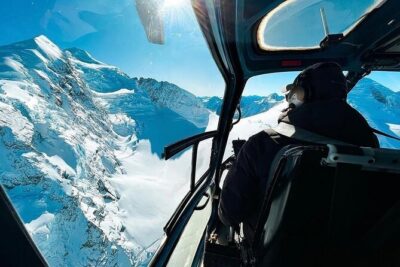
Pilot’s Choice: 2 Glaciers & Snow Landing – 35min
Read our review →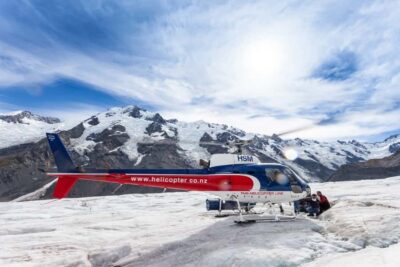
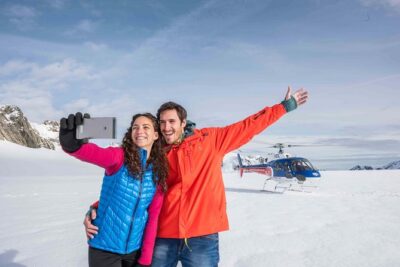
Twin Glacier Helicopter Flight with Snow Landing
Read our review →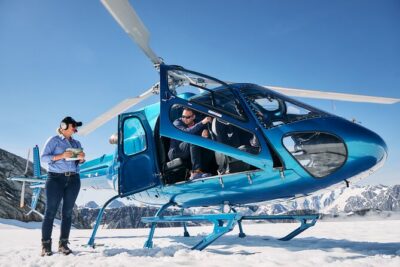
Ultimate Discovery: 3 Glaciers & Snow Landing – 45min
Read our review →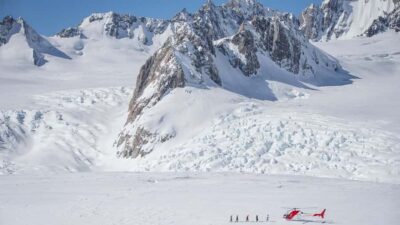
Browse the lists this tour appears in